Hi-Fi Speakers
Tannoy SGM 10, SGM 12, SGM 15 and Sterling 3 LZ Special Edition: A Heritage Speaker Lineup Compared
Four Tannoy heritage speakers compared: the SGM 10, SGM 12, SGM 15 and the Sterling 3 LZ Special Edition, with real strengths, honest trade-offs and clear buying guidance.
Introduction
Tannoy has been part of serious audio since 1926, when Guy R Fountain founded the company that would become Tannoy. The name itself arrived in 1928, drawn from the tantalum lead alloy used in the company’s rectifiers. Through the 1930s and 1940s, Tannoy public address systems became so familiar that the word “Tannoy” entered the Oxford English Dictionary as a term for a public address system. In 1947 the company unveiled its dual concentric driver at the London radio show, a design that caught the attention of studios around the world and set Tannoy on the path to becoming a benchmark choice in professional rooms.
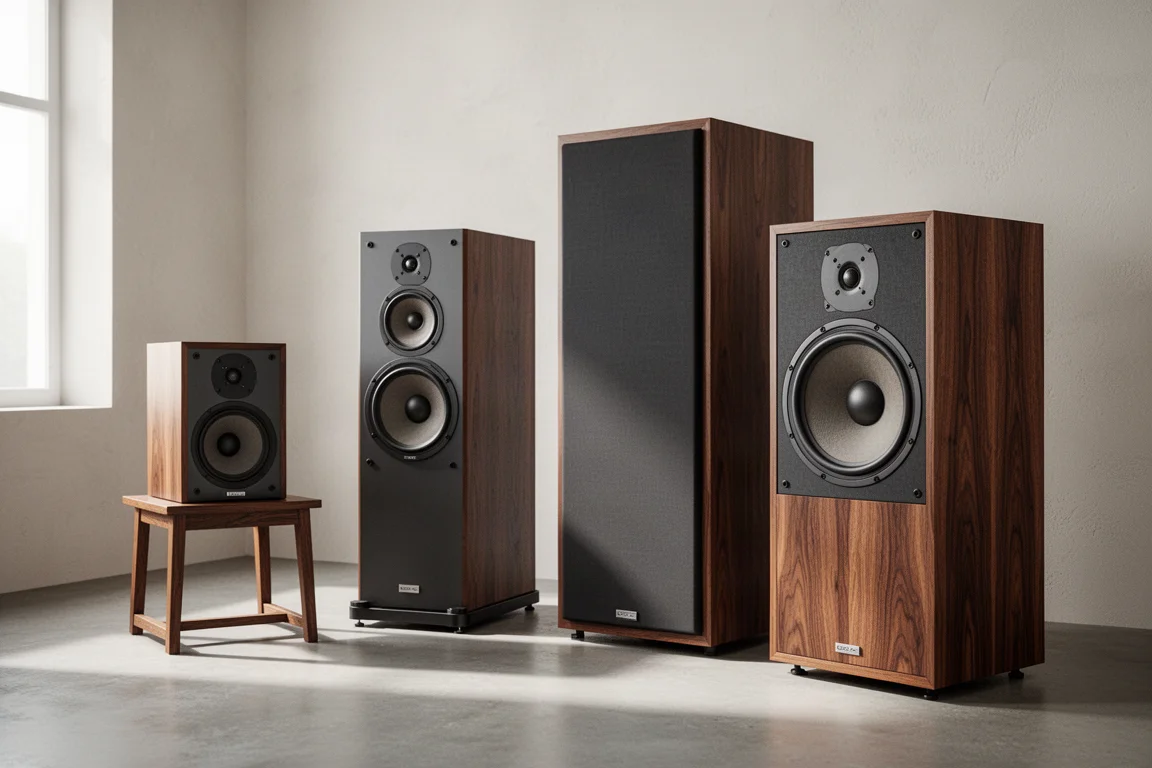
Four current models carry that heritage into home listening: the Tannoy SGM 10, SGM 12 and SGM 15 from the Super Gold Monitor series, and the Tannoy Sterling 3 LZ Special Edition. They share a family character, but they are not interchangeable. Cabinet size, driver size, sensitivity and bass behaviour change meaningfully as you move up the range, and the Sterling takes a slightly different route, wrapping a classic cabinet around a modern flagship driver.
This guide walks through what each model does well, where the trade-offs sit, and which one makes sense for a given room and system.
Why the Tannoy Dual Concentric Driver Still Matters
Everything in this lineup traces back to a single idea: mount the tweeter at the centre of the woofer so the whole audio band leaves the cabinet from one point. Tannoy has continued to refine that design, and the version used in the SGM series pairs modern ferrite magnet structures with copper demodulation rings. The concentrically mounted tweeter is an updated aluminium magnesium alloy dome, crossed over at a low 1.2 kHz so more of the midrange is handled by the tweeter, with a dedicated waveguide to improve dispersion.
The practical benefit is off-axis consistency. Speakers with acoustically separated drivers often sound different at different listening heights and lose high frequency energy or tonal accuracy when you sit off to the side. With a concentric driver, that problem is largely removed, so music stays balanced if you walk around the room, sit off centre, or host a room full of people.
The crossover and waveguide work is not only a technical exercise. It is the reason these speakers keep a consistent tonal signature across the range, from the smallest cabinet to the largest, and it is the thread that connects the SGM models to the Sterling.
Tannoy SGM 10: The Stand-Mount Entry Point
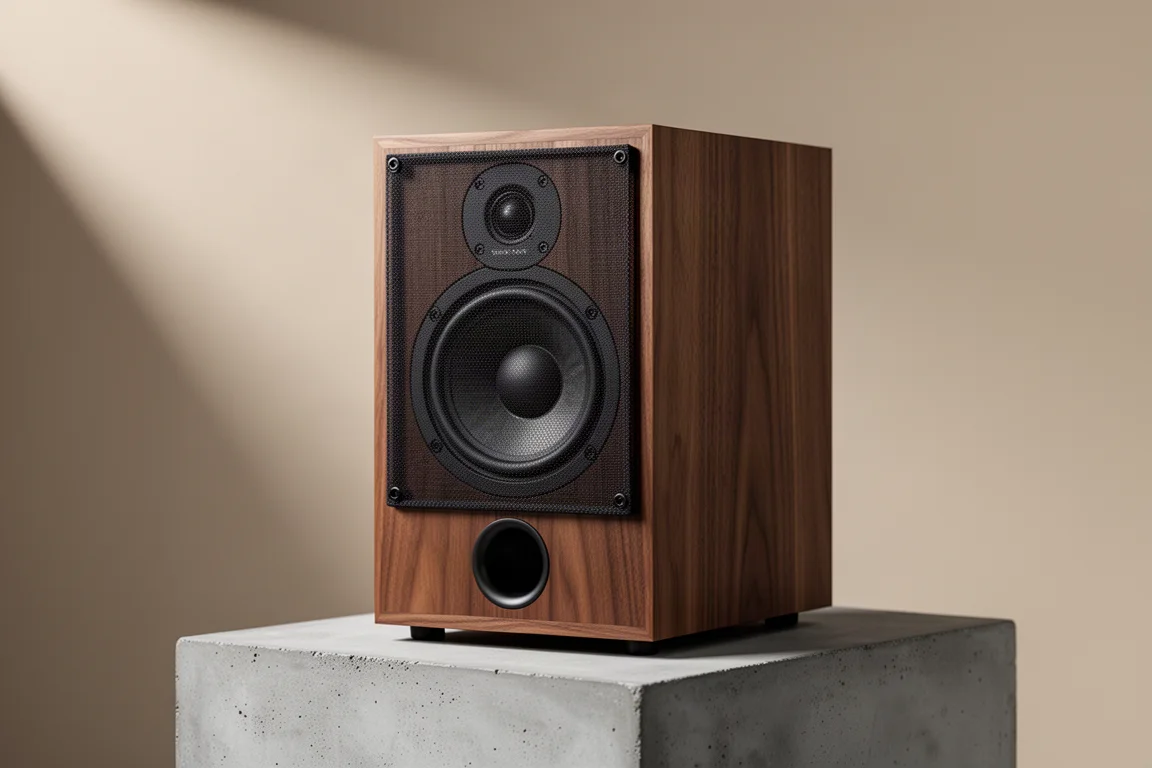
The SGM 10 is the smallest model in the Super Gold Monitor series and the only one designed for stand mounting. Its 10-inch dual concentric driver sits in a front-ported cabinet measuring 13.8 x 12.2 x 20.6 inches. Efficiency is 89 dB, a touch lower than the larger models, and the rated frequency response runs from 40 Hz to 30 kHz at plus or minus 6 dB.
Cabinets across the series are built from MDF with plywood internal bracing and heavy damping to control resonances, and the finish is real walnut veneer with an acoustically transparent grille cloth. It is a classic look rather than a modern polished one, and the range of finish options is limited, but the execution is clean and the intent is clearly performance first.
Sound-wise, the SGM 10 delivers the family character in the smallest package: strong, deep bass, a rich and natural midrange, and a smooth treble that stays composed when percussion gets busy. Bass grows in weight and effortlessness as you move up the line, so the 10-inch model is the choice when space, rather than output, is the priority.
Tannoy SGM 12: More Scale, Same Character
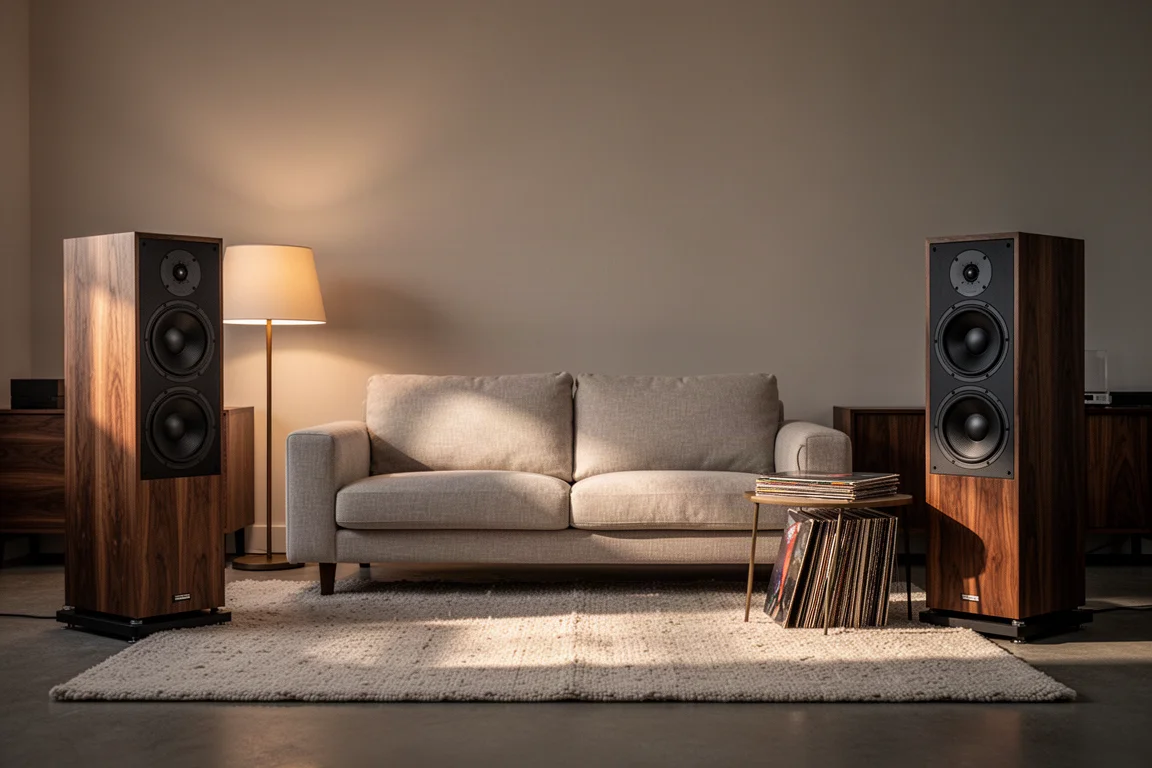
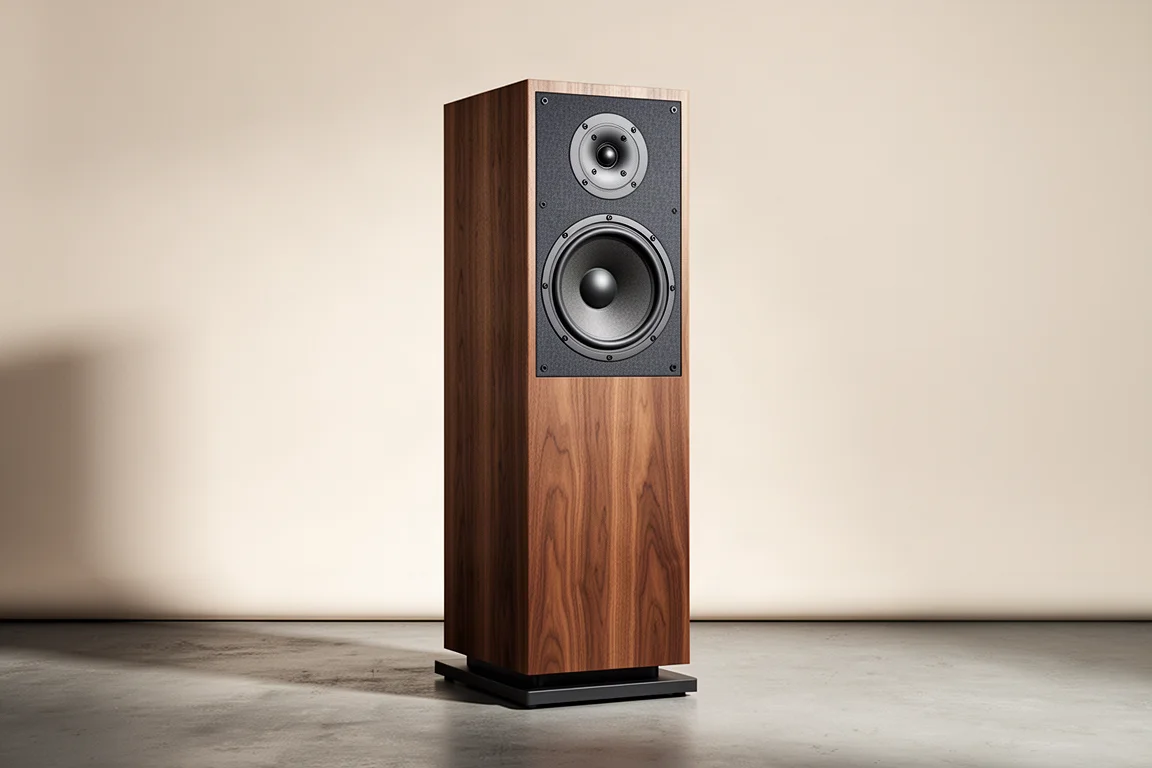
Step up to the SGM 12 and the driver grows to 12 inches while the tweeter and the 1.2 kHz crossover point stay the same. The cabinet becomes a floorstander at 17.6 x 12.2 x 40 inches, efficiency rises to 91 dB, and the frequency response is quoted as 38 Hz to 30 kHz at plus or minus 6 dB.
That extra displacement is audible. Bass is bigger, more dynamic and more effortless than the SGM 10, while the midrange tone, vocal richness and drum dynamics that define the series carry over intact. The SGM 12 is the point in the range where the presentation starts to feel genuinely room-filling.
Two honest caveats apply here and to the series as a whole. Imaging is good and lets you pick out vocal and instrumental placement, but it is not the speaker’s strongest suit, and while soundstage width is generous, image depth is not as deep or holographic as the best high-end designs. These speakers present music as a wall of sound to enjoy rather than as a surgical dissection of a recording.
Tannoy SGM 15: The Full-Scale Monitor
The SGM 15 is the largest speaker in the lineup: a 15-inch dual concentric driver, the same tweeter and crossover point, and a floorstanding cabinet measuring 25.6 x 16.7 x 40.7 inches. Efficiency climbs to 93 dB and the rated response is 35 Hz to 30 kHz at plus or minus 6 dB.
It is the most effortless of the three. Bass reaches lower in feel and arrives with more authority, and the sense of scale is the closest thing here to a large studio monitor in a domestic room. It also demands the most space: this is a cabinet that needs room to breathe and a listening position that gives it some distance.
If your priority is maximum dynamic range and bass weight from the SGM family, this is the model. If your room is modest, the SGM 12 or the SGM 10 will integrate more easily.
Tannoy Sterling 3 LZ Special Edition: Classic Looks, Modern Materials
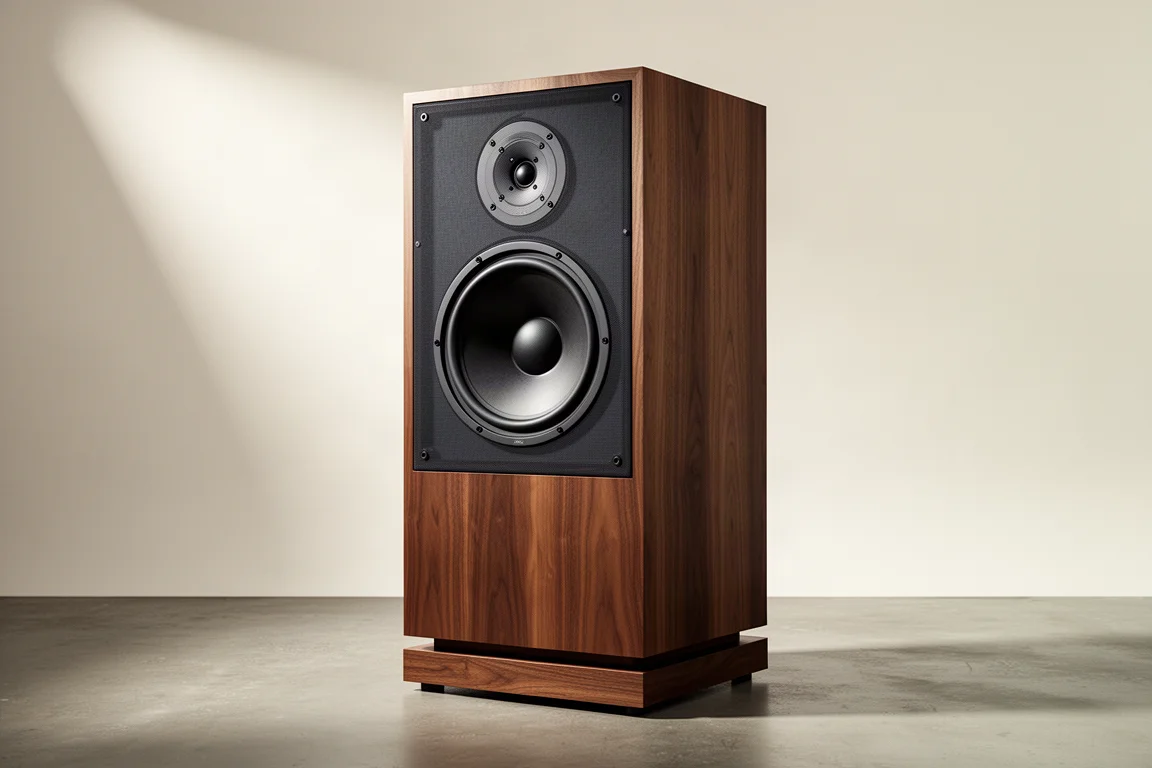
The Sterling 3 LZ Special Edition takes a different approach to the SGM series. Its cabinet recalls the classic Tannoy hi-fi era, but it is built with newer, higher density materials, and Tannoy uses what it calls Differential Materials Technology in the bracing to reduce resonance and provide a solid mounting for the driver. The result is a familiar silhouette with contemporary engineering underneath.
The driver is a 10-inch paper cone unit with an Alnico magnet, a material valued for magnetic strength and efficient operation at higher temperatures, paired with a concentrically mounted 2-inch aluminium magnesium tweeter and Tannoy’s pepper pot waveguide. That combination allows a low 1.1 kHz crossover point, which helps upper midrange clarity and image focus. Frequency response is rated at 29 Hz to 27 kHz at minus 6 dB, sensitivity at 93 dB, and impedance at an easy 8 ohms, so lower powered tube amplifiers are a realistic match. Like the SGM models, the Sterling can also absorb hundreds of watts, so high powered solid state amplifiers are equally at home.
In listening, the Sterling resembles the SGM family but presents music in a more mature manner. Refinement takes a small step up, particularly in the treble, likely helped by the larger tweeter and pepper pot waveguide. The midrange keeps the same overall tonality with a little more detail and smoothness. Bass is as detailed and musical as the SGM models and gains depth and bottom octave energy, though the SGM 12 and SGM 15 still deliver more outright bass slam and dynamics. Imaging accuracy improves over the SGM series, while soundstage and image depth remain a little short of some high-end speakers.
Finish options are limited to a natural walnut, which suits the design well, and the finished panel and inserts represent a step up in overall aesthetic quality.
Setup, Connections, and Room Tuning
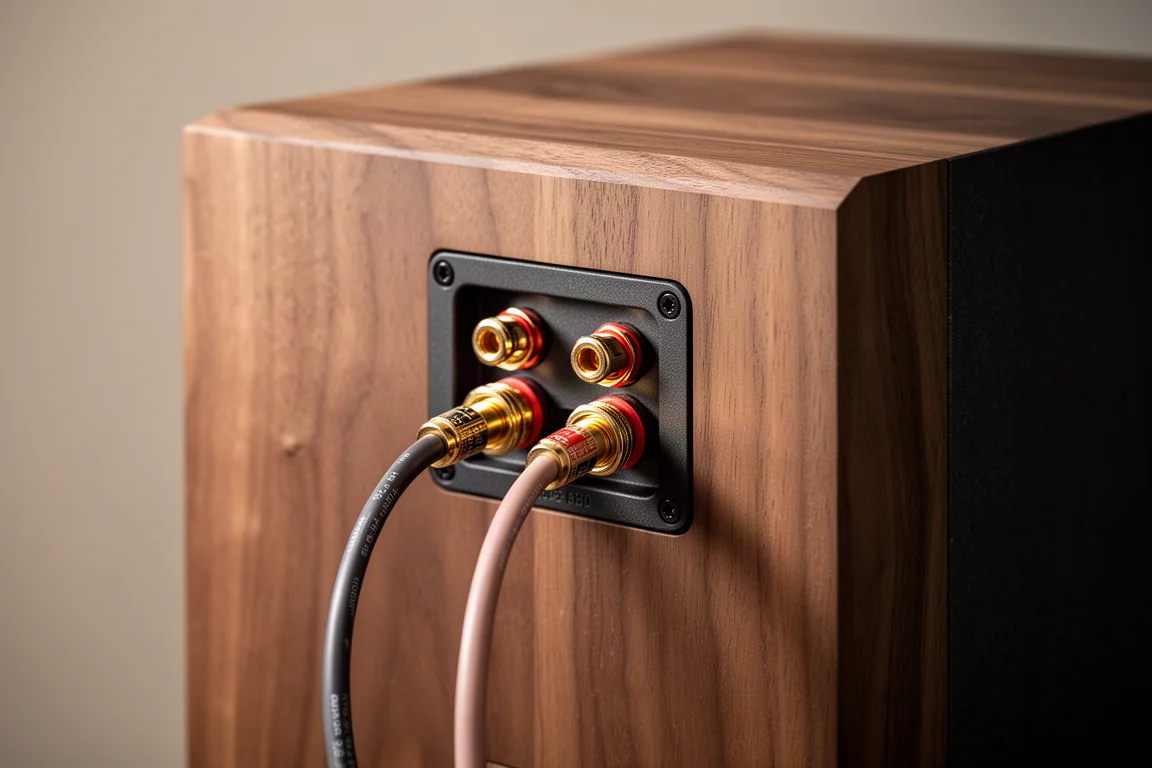
Both lines are straightforward to set up. Cabinets arrive well protected for transport, and the high quality binding posts make amplifier connection quick. Tannoy also provides an earth ground connection as an extra binding post for use with screened speaker cables. If screened cables are not being used, you can run a lead from your amplifier’s ground lug to this connection. It is not a mandatory connection and exists to reduce radio frequency interference. In our sessions we did not need it, as no interference was present.
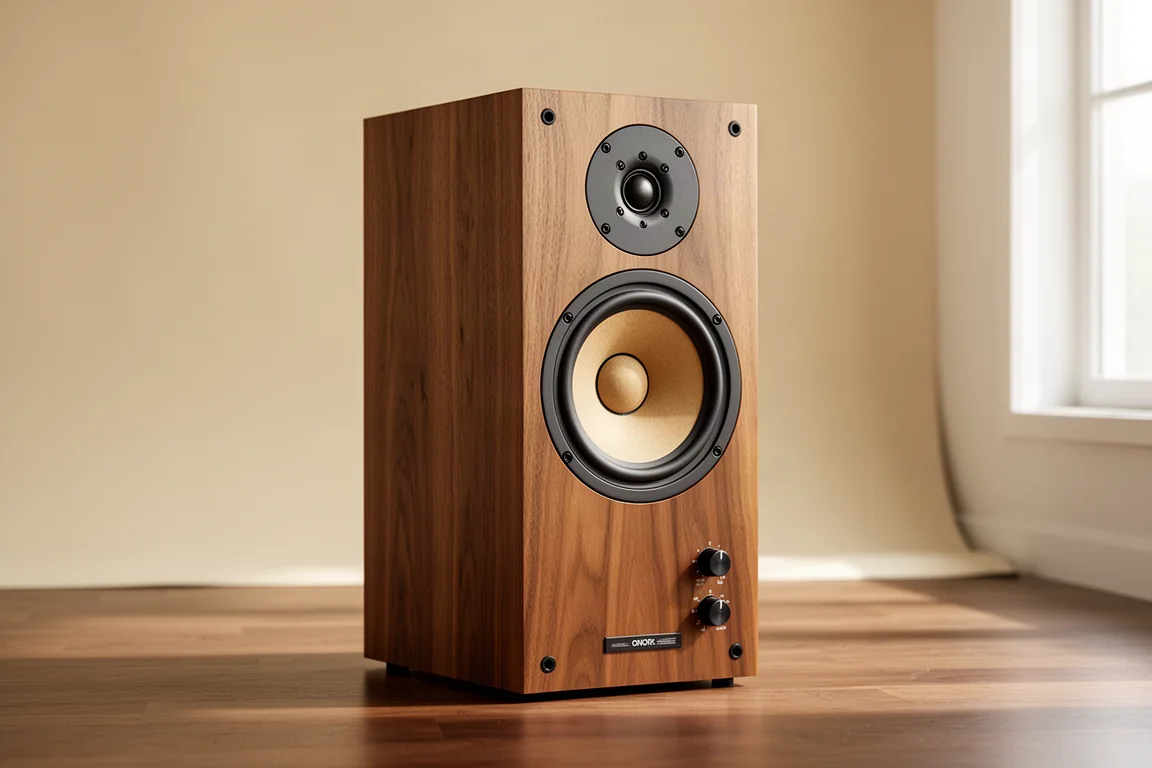
Also worth noting: both the SGM series and the Sterling 3 LZ Special Edition include a two-band energy control that lets you tune high frequency output and roll-off to suit the room. That is a genuinely useful feature in rooms with hard surfaces or heavy furnishings, where treble balance often needs a small adjustment.
Across our listening, a two-channel integrated amplifier proved a strong and realistic pairing with all four models, and the SGM line kept its sound character consistent from the smallest model to the largest.
Which Tannoy Model Fits Your Room and System?
Choosing between these four comes down to room size, bass ambition and how you want the system to feel.
The SGM 10 suits smaller spaces and listeners who prefer a stand-mounted monitor, with the lowest bass weight and the lowest efficiency of the group. The SGM 12 is the middle ground and arguably the easiest recommendation for a typical living room: floorstanding presence, 91 dB efficiency, and bass that is noticeably more dynamic than the 10-inch model. The SGM 15 is for large rooms and listeners who want maximum scale, with 93 dB efficiency and the deepest bass in the series.
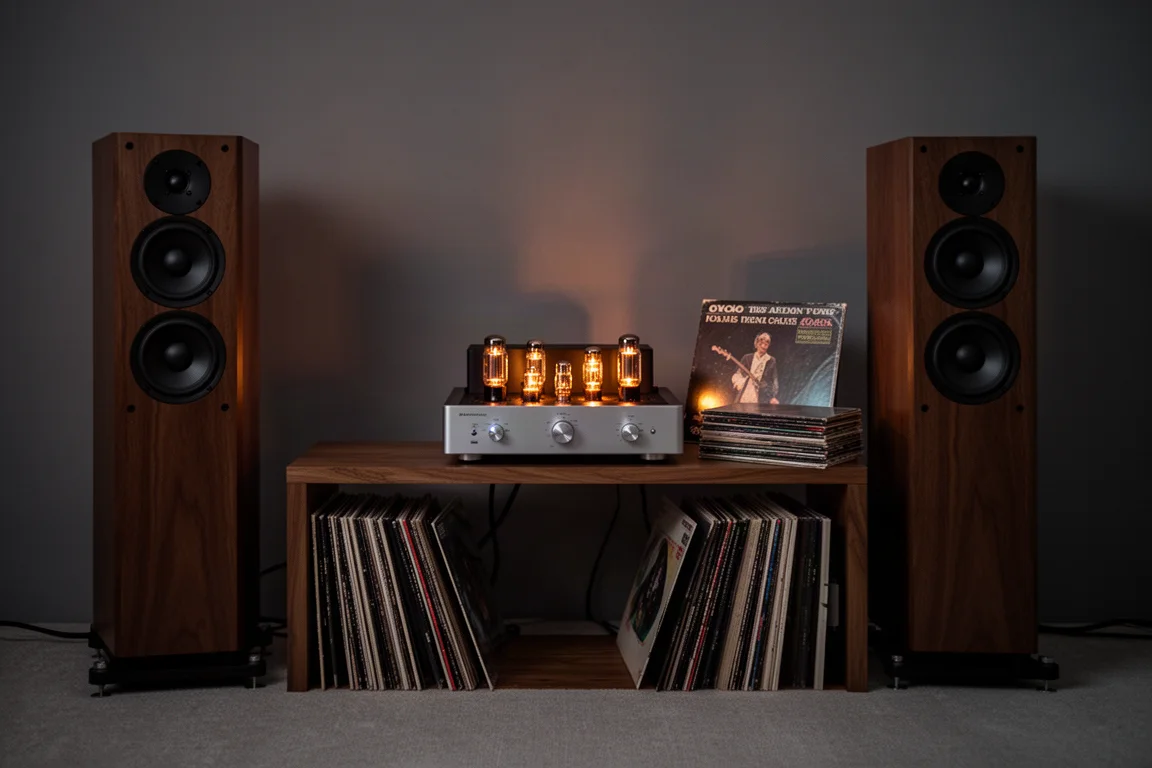
The Sterling 3 LZ Special Edition is the choice for listeners who want classic Tannoy looks with the most refined treble and bass detail of the group, plus the flexibility of 93 dB sensitivity and an 8 ohm load for tube amplification. It will not match the SGM 12 or SGM 15 for bass slam, so if impact is the priority, the larger Super Gold Monitor models remain the answer.
Across all four, the shared strengths are the same: a natural, musical presentation that avoids the clinical, detail-forward character of some modern speakers, and a concentric driver layout that keeps the sound consistent when you move around the room. They can be listened to for hours without fatigue, which is rather the point.
None of these speakers are surgical instruments, and that is deliberate. If you want forensic detail and pinpoint image depth above all else, other designs will suit you better. If you want a speaker that celebrates the performance and lets you settle into the music, this lineup is well worth an audition.
Conclusion
Tannoy’s history runs from public address systems in the 1930s to dual concentric drivers in studios worldwide, and the SGM 10, SGM 12, SGM 15 and Sterling 3 LZ Special Edition all carry that lineage into a home system. Each model keeps the family sound: strong bass, a rich midrange and a smooth, unfatiguing treble, with the concentric driver keeping that balance consistent across the room.
Pick the SGM 10 for smaller rooms and stand mounting, the SGM 12 as the balanced all-rounder, the SGM 15 when scale and bass weight matter most, and the Sterling 3 LZ Special Edition when classic looks, refined treble and bass detail, and tube-friendly sensitivity are the priorities. For music-first listeners, all four are worth hearing before you decide.
Further reading
Related Reviews
Hi-Fi Speakers
1723 THX Tower vs 1528 Bookshelf: Which Speaker Fits Your Room?
Two speakers at roughly the same price, built very differently. How the 1723 THX tower and the 1528 bookshelf compare on construction, bass, power needs, and sound.
Hi-Fi Speakers
Acoustic Energy AE 300 Review: Deep Bass From a Compact Standmount
A two-way standmount with real wood veneer, surprising low-end weight, and a warm, easygoing character. Here is what to know before buying.
Hi-Fi Speakers
Acoustic Energy AE1 40th Anniversary Review: A Modern Take on a British Classic
A compact standmount that revives a 1980s favorite with all-new parts, a warm mid-centric balance, and a price of £1,499 per pair.