Hi-Fi Speakers
TAD ME1TX Review: A Japanese Stand-Mount Speaker Built Around Resolution
A close look at the TAD ME1TX stand-mount speaker: beryllium tweeter, magnesium midrange, slit ports, and the strengths and limits worth knowing before buying.
Introduction
“High-end audio” is a label that gets attached to a great many products that do not really deserve it. Applied properly, it describes a genuine pursuit of excellence in design, engineering, sound quality, and build quality. The TAD ME1TX, a compact stand-mount speaker from a Japanese manufacturer, belongs firmly in that category.
TAD designs and builds its products in Japan. The company was founded in 1970 as a professional audio brand making studio monitors, and in the early 2000s it began producing consumer high-end speakers alongside its existing electronics line. Electronics have been part of its output from the very beginning.
The ME1TX is the updated version of the original ME1, which first appeared in 2016. The two models look similar at a glance, but almost everything about the newer speaker has been revised and improved.
Design and Build Quality
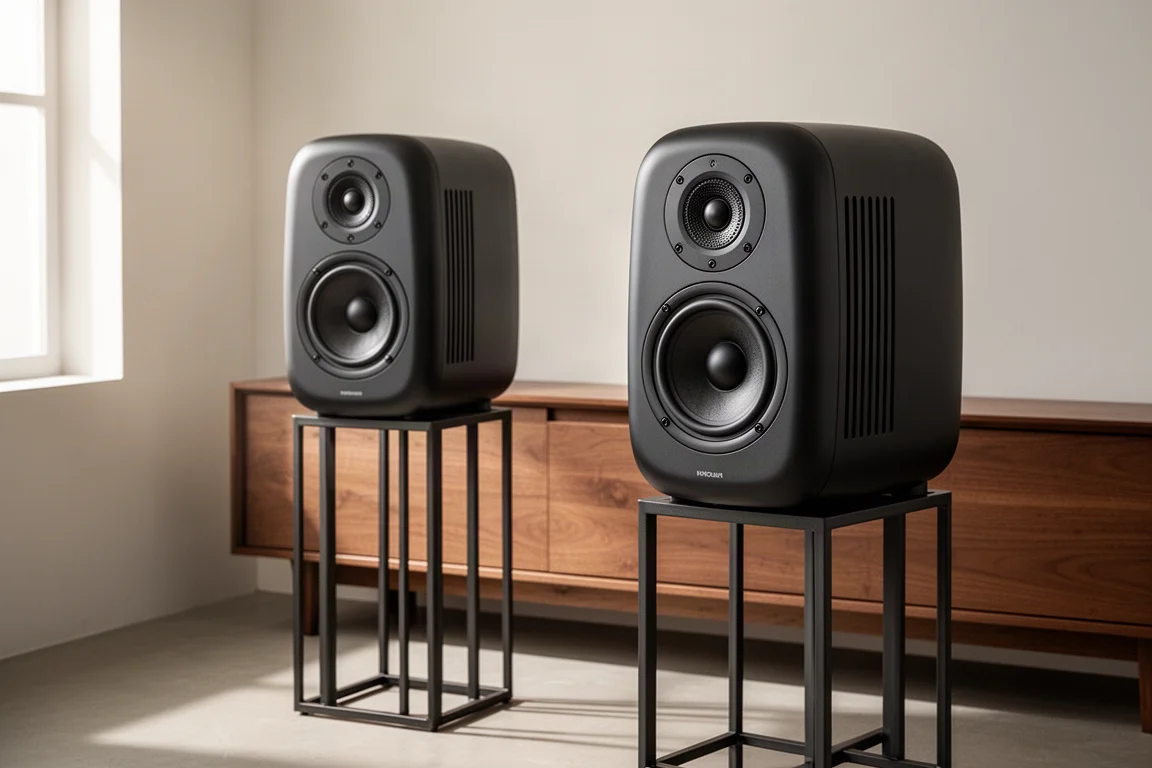
The ME1TX is small for its ambitions: 16 inches tall and 46 lbs. The enclosure feels extremely solid, and the fit and finish sit at the highest level. It is a speaker that looks and feels expensive, and the optional factory stands continue that impression with an elegant forward pillar.
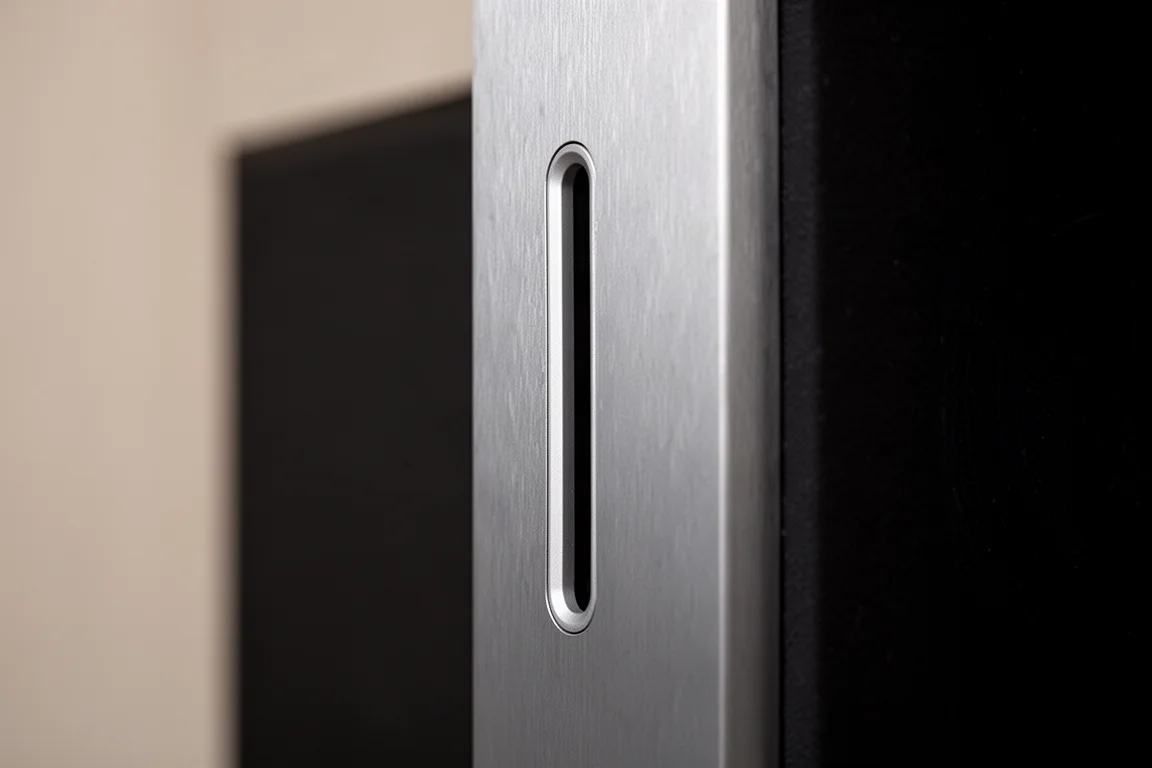
The cabinet takes an unusual approach to porting. Rather than a conventional round port, it uses slits on both sides of the cabinet, at the front and the rear, an arrangement that stays quiet in use with no chuffing noise from the ports. The faces of those slits are 5 mm thick aluminum plates, which also strengthen and support the cabinet structure.
Driver Technology
The ME1TX is a three-way design built around a concentric mid-tweeter.
The tweeter is a 25 mm vapor-deposited beryllium unit, an exotic material for the job, and an update of the original design with new adhesives that are lighter and stronger. The midrange is a 3.5-inch magnesium cone with a new cast aluminum basket that is lighter and stronger and allows better airflow behind the driver. Its magnesium diaphragm is coated for extra stiffness and strength, and it is lighter than the original. The woofer is a 6.5-inch unit with a multi-layer aramid cone, again with a new cast aluminum basket for improved airflow, plus a new magnetic circuit that improves the motor over the 2016 model.
Specifications
The speaker is rated at 4 ohms with a sensitivity of 85 dB, which is on the low side. The quoted low-frequency figure is 36 Hz, listed without a tolerance, and in a typical room expect something closer to 46 or 47 Hz. That is reasonably full range for a cabinet this size, but it is not subwoofer depth, and a small speaker with a 6.5-inch woofer cannot reach that far.
Sound Quality
Transparency is the ME1TX’s defining quality. It sounds pure and clear, and at the same time genuinely beautiful, with a midrange that is a standout. It is a high-resolution speaker, but not one that turns ordinary recordings into a chore. Combining that level of clarity with long-term listenability is rare.
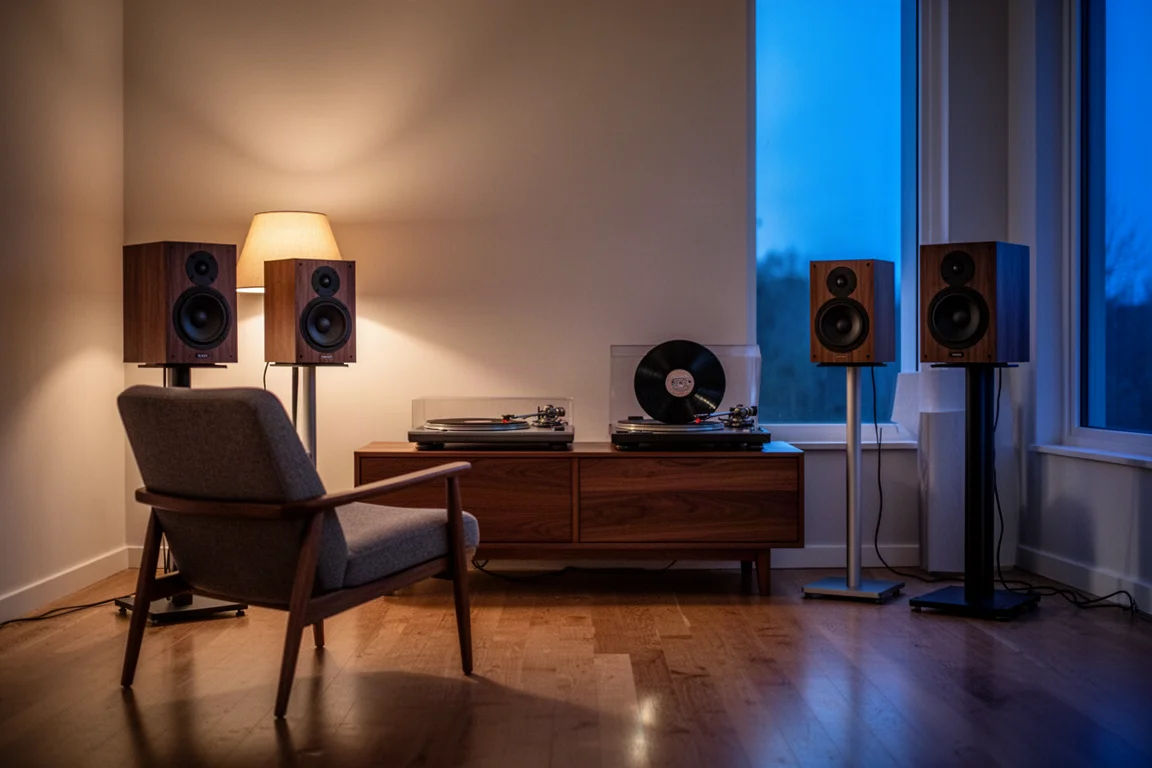
Soundstaging is extraordinary. The speaker sounds open and spacious, with precise localization within the stage. Highs are beautiful, the mids are gorgeous, and the lows are clear and well defined.
Transparency and Detail
Bass definition is a particular strength: the texture and detail inside low-frequency information come through clearly. Transient response is excellent as well, which matters on brass and horns, where the leading edge and bite of the instrument are laid bare.
Vocals benefit from the same resolution. Older recordings gain a presence that makes them feel immediate rather than archival.
Dynamics and Loud Playback
The ME1TX handles high playback levels with composure. At 90 dB peaks, and for short stretches at 95 dB peaks, the speaker showed no sign of stress, and it appears capable of going louder still.
Low-Level Listening
Quiet listening is the one area where the ME1TX is merely competent. At levels around 40 to 45 dB it remains usable and enjoyable, but it is not at its best, and higher-sensitivity speakers tend to handle that scenario better. A passing grade, but not this speaker’s forte.
How It Compares
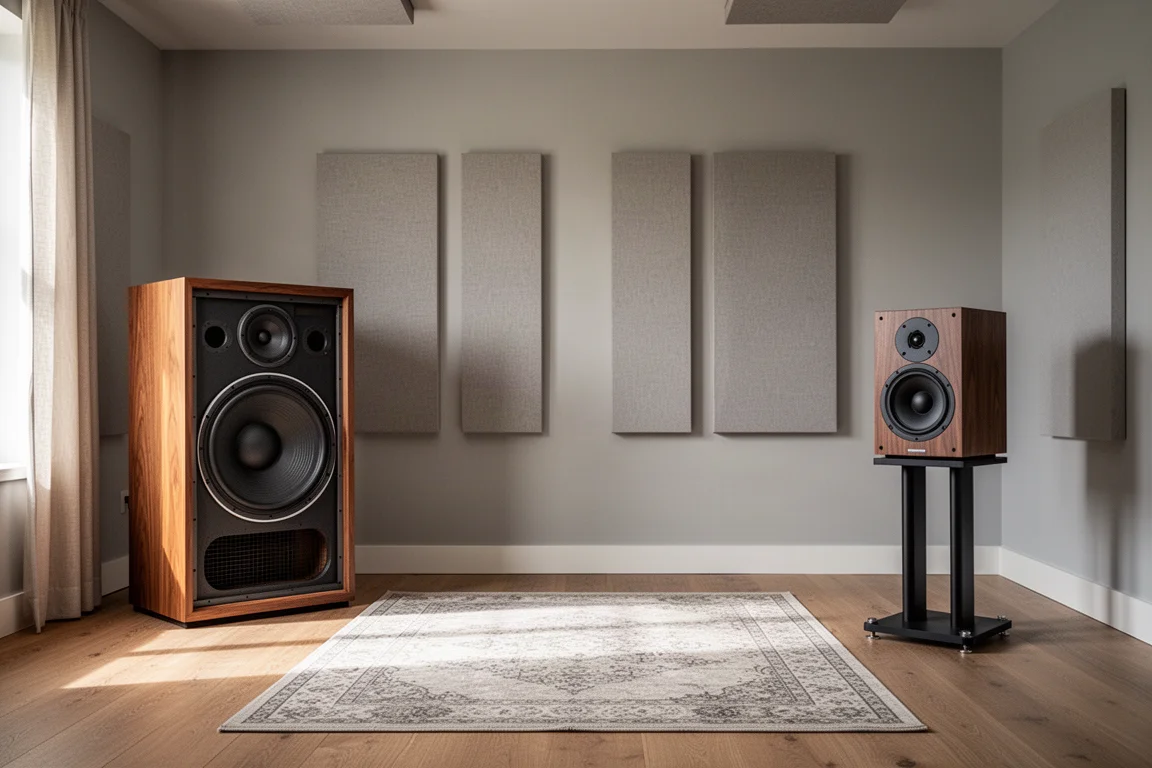
The ME1TX does not attempt everything. Against an open-baffle design built around a 15-inch woofer, it naturally sounds like the smaller speaker it is. Against a horn speaker, it cannot match the dynamic swing those designs deliver. What it does instead is resolve far more of the recording than either, letting the detail inside the mix come through.
Its real skill is preserving the differences between recordings. Every record, file, or stream should sound distinct, because each was made under different circumstances with different studios, microphones, and engineers. Less capable systems blur those distinctions into a pleasant sameness. A speaker this resolute lets them surface, so each new piece of music arrives with an element of surprise.
Who This Speaker Is For
This is a speaker for listeners who put resolution, transparency, and soundstaging at the top of the list, and who care about a midrange above all else. It suits anyone with a collection they know intimately and want to hear further into, and it rewards listeners who move between LPs, files, and streams and want each to sound like itself.
It is also, importantly, forgiving enough to live with. A high-resolution speaker that makes most of a record collection sound poor is a difficult long-term purchase. The ME1TX avoids that trap.
Things to Consider Before Buying
- Sensitivity is on the low side at 85 dB and the speaker is rated at 4 ohms, so plan on amplification suited to that combination.
- Low-frequency output is quoted at 36 Hz, but real-world extension lands closer to 46 or 47 Hz, so this is not a speaker for buyers who want subwoofer depth.
- Very quiet listening at 40 to 45 dB is not where it shines.
- The factory stands are a separate purchase, and pricing varies by finish.
- It will not match large-woofer or horn designs for scale and dynamic ease.
Buying Advice
In black, the ME1TX sells for $18,200 per pair, with the optional stands at $2,800 per pair. In the silver-white finish the price rises to $19,200 per pair, and the matching stands are $2,900 per pair.
For listeners who want much of this sound for considerably less, the original ME1 from 2016 is worth tracking down on the used market, where it sells for significantly less. Much of what makes the ME1TX special was already present in that first version.
Before committing, it is worth being honest about how you listen. If most of your listening happens at moderate to high levels and you value resolution over sheer scale, the ME1TX makes a strong case. If your priority is deep bass, high sensitivity, or the dynamic ease of a horn design, other paths will suit you better.
Conclusion
The TAD ME1TX is a genuinely high-end stand-mount speaker. It is transparent and pure without being punishing, its midrange and soundstaging are exceptional, and its build quality matches its price. Its limitations are real and clearly defined: low sensitivity, modest low-frequency extension, and a merely competent performance at very low volumes. For listeners who prize resolution and can accommodate the price and the amplification it asks for, it delivers an experience few compact speakers can match.
Product link
View more details for TAD ME1TX
This product is mentioned in the review. Check the specifications, options, and compatibility before buying.
View more details for TAD ME1TXFurther reading
Related Reviews
Hi-Fi Speakers
1723 THX Tower vs 1528 Bookshelf: Which Speaker Fits Your Room?
Two speakers at roughly the same price, built very differently. How the 1723 THX tower and the 1528 bookshelf compare on construction, bass, power needs, and sound.
Hi-Fi Speakers
Acoustic Energy AE 300 Review: Deep Bass From a Compact Standmount
A two-way standmount with real wood veneer, surprising low-end weight, and a warm, easygoing character. Here is what to know before buying.
Hi-Fi Speakers
Acoustic Energy AE1 40th Anniversary Review: A Modern Take on a British Classic
A compact standmount that revives a 1980s favorite with all-new parts, a warm mid-centric balance, and a price of £1,499 per pair.