Bookshelf Speakers
TAD ME1 Review: A High-End Stand-Mount Speaker Built for Real Rooms
The TAD ME1 pairs compact stand-mount dimensions with roughly 30 Hz bass, stable imaging, and a forgiving nature that makes high-end sound easier to live with.
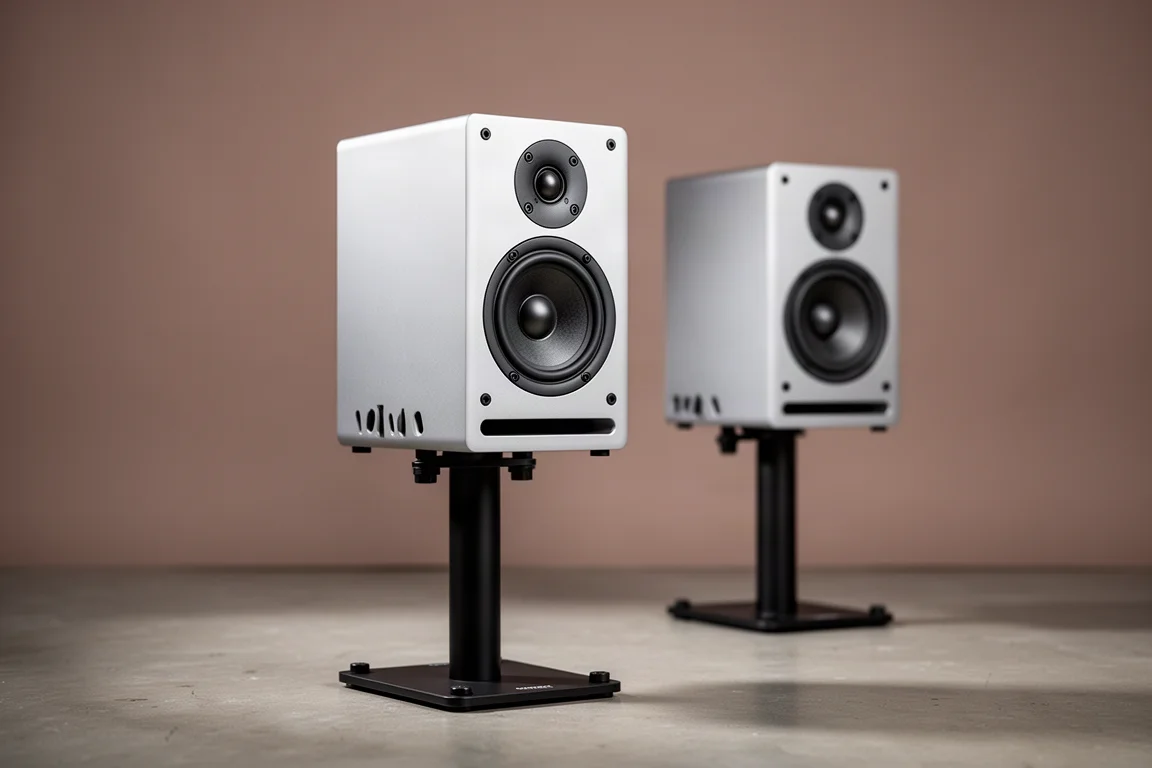
Introduction
The TAD ME1 is a stand-mount loudspeaker with a genuinely high-end price: roughly $13,000 for the pair, or about $15,000 when the matching stands are added. That places it far beyond most bookshelf designs, and it raises an obvious question about whether the extra spend buys something you can actually hear in an ordinary room.
What makes the ME1 unusual is that it behaves like the opposite of a typical high-end speaker. It is not placement sensitive, it does not demand exotic amplification, and it does not punish imperfect recordings. It combines the strengths of a compact two-way cabinet with bass depth that usually belongs to floor-standing models.
Who This Speaker Is For
This speaker suits listeners who want compact dimensions but refuse to give up low-frequency weight. It reaches down to about 30 Hz almost flat in-room, which is rare for a cabinet of this size, and it pressurizes a medium-sized room with the authority of a floor-stander.
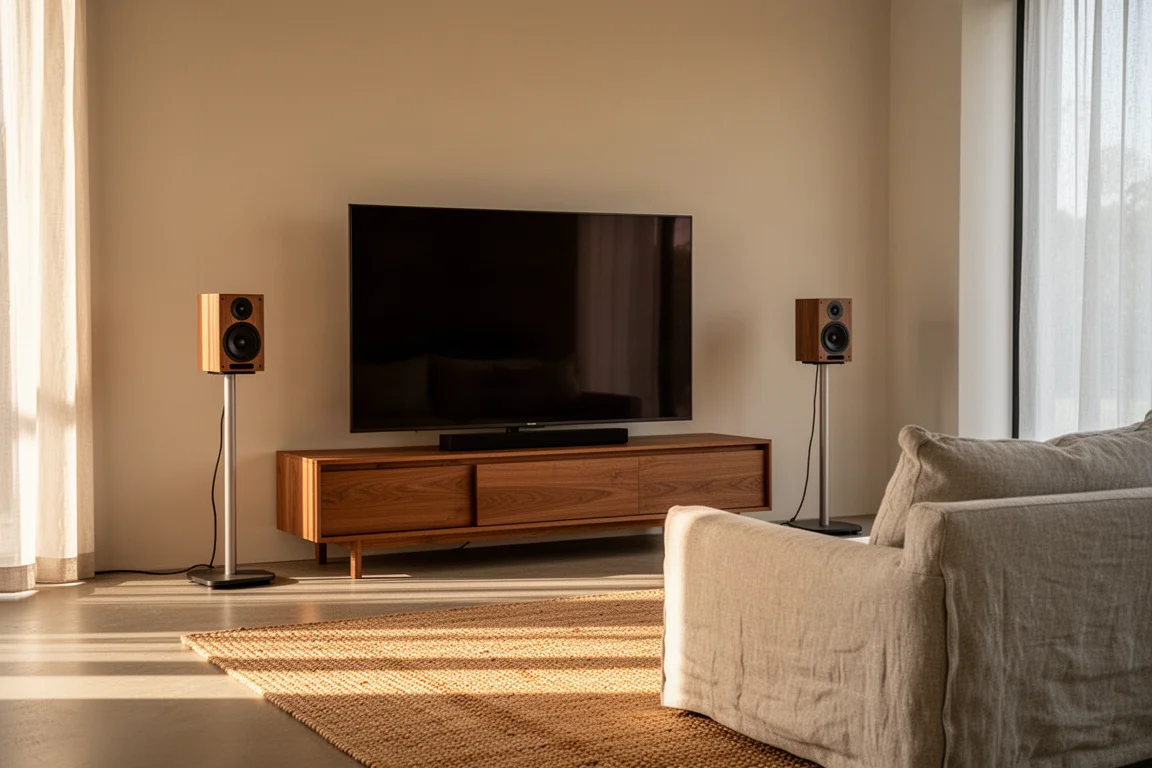
It is equally well suited to rooms that have to work as living rooms first. Because of the way the driver array is built, the ME1 holds a locked center image even with a large television, a rack, or furniture sitting between the speakers.
Another group that will appreciate it is listeners with wide-ranging music libraries. Many revealing speakers make badly recorded music difficult to sit through. The ME1 keeps those recordings listenable while still showing what is imperfect about them.
Main Strengths
The ME1 earns its price through a combination of driver technology, cabinet engineering, and a tuning that stays accurate without turning clinical.
Coherent Source Transducer and Imaging
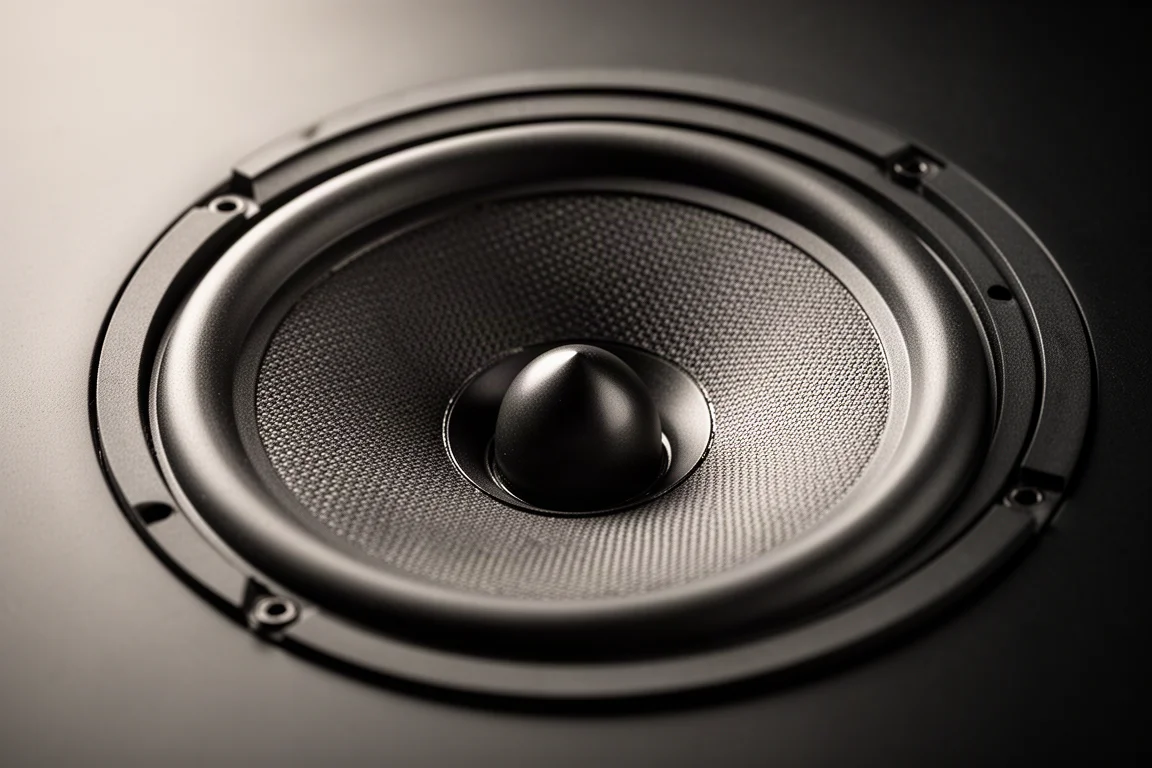
At the heart of the speaker is a dual concentric driver that TAD calls the CST, or Coherent Source Transducer. A beryllium dome tweeter sits at the center, surrounded by the midwoofer, so both drive units radiate from effectively the same point. That arrangement produces strong phase coherency, and the practical benefit is a stable phantom center.
With a reflective surface in the middle of the setup, the ME1 still places vocals and instruments dead center instead of scattering them. Remove that surface and the focus sharpens further. In a room with depth, the effect extends to separation: instruments sit distinctly in space, the presentation sounds less crowded, and the position of a guitar relative to a vocal is easy to follow.
Compared with less expensive dual concentric designs, the ME1 comes across as more precise and more coherent, and it disappears more completely as a physical source.
Bass Depth and Port Design
Low-frequency output comes from a six-inch woofer built with a fiber material that is also used in body armor. That may sound excessive, but the rigidity keeps distortion low while the driver moves enough air to pressurize a room.
The cabinet is not sealed, even though it can look that way at a glance. It is a slot-ported design with four ports: openings on both sides of the front baffle and a slot on the rear panel. TAD’s flared port technology is intended to manage standing waves inside the cabinet and suppress the port noise that affects many bass-reflex speakers.
The result is linear bass rather than a boomy one. Even positioned very close to a wall, just a few inches away, the ME1 does not muddy the room. Placed three or four feet out, the benefit is greater soundstage depth rather than tighter bass, which is simply how physics works.
Dynamics, Layering, and Everyday Recordings
The speaker’s noise floor is very low, which gives quiet passages a sense of blackness and lets microdynamics register clearly. Large dynamic swings are handled just as confidently. Piano, guitar, saxophone, and trumpet all come across as realistic, with strong contrast between instruments.
Over longer listening sessions, the trait that separates the ME1 from most rivals is layering. Depth behind the speakers is expected. What stands out is how well it renders the space between the speakers and the listener, so events seem to occur to the side and even behind the head. A listener can be forgiven for checking whether surround speakers are running.
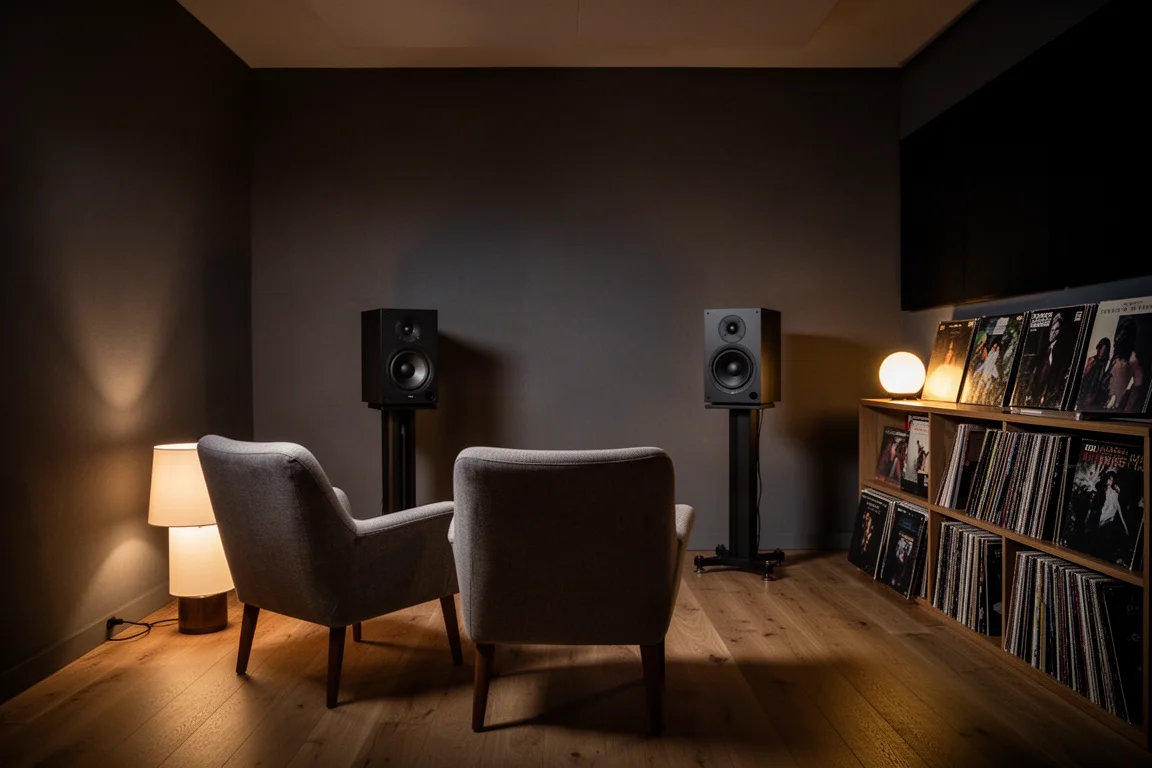
The overall signature is neutral and balanced, with treble that is neither bright nor rolled off, and it measures well without sounding sterile. Good recordings are portrayed with unusual clarity, and poor ones keep their flaws without becoming unpleasant. That combination is rare at any price.
Amplification Flexibility
TAD rates the ME1 at 85 dB sensitivity with a 4-ohm load. On paper that might suggest a demanding speaker, but the impedance curve is linear enough that it does not need large amounts of power to perform. It has sounded convincing on an AV receiver as well as on high-end separates, including a flagship integrated amplifier, a high-output solid-state design, and tube and hybrid models. Each pairing shifts the character slightly, from added warmth and bass weight to a more holographic stage, but none of them made the speaker sound bad.
Things to Consider Before Buying
Price is the first consideration. At roughly $13,000, or about $15,000 with the matching stands, the ME1 competes with serious floor-standing speakers, so it makes the most sense for buyers who value compact dimensions and the imaging advantages of a stand-mount.
Finish options are limited to piano black and a silver titanium. The look divides opinion, so it is worth settling on a finish before ordering. The matching stands bolt directly to the cabinet, which keeps them stable, and aftermarket isolation feet are a practical alternative to the supplied spikes.
Placement still matters for depth. Moving the speakers further into the room stretches the soundstage, and no design can change that. Listeners who want even greater dynamic swing can add a subwoofer, though the ME1 already covers the low end convincingly on its own.
Buying Advice
The ME1 is best understood as a high-end speaker that removes the usual barriers to entry. It does not require a dedicated room, extensive acoustic treatment, or expensive amplification to sound good. Budget for the stands if you want the complete package, and try it with the amplifier you already own before assuming an upgrade is necessary.
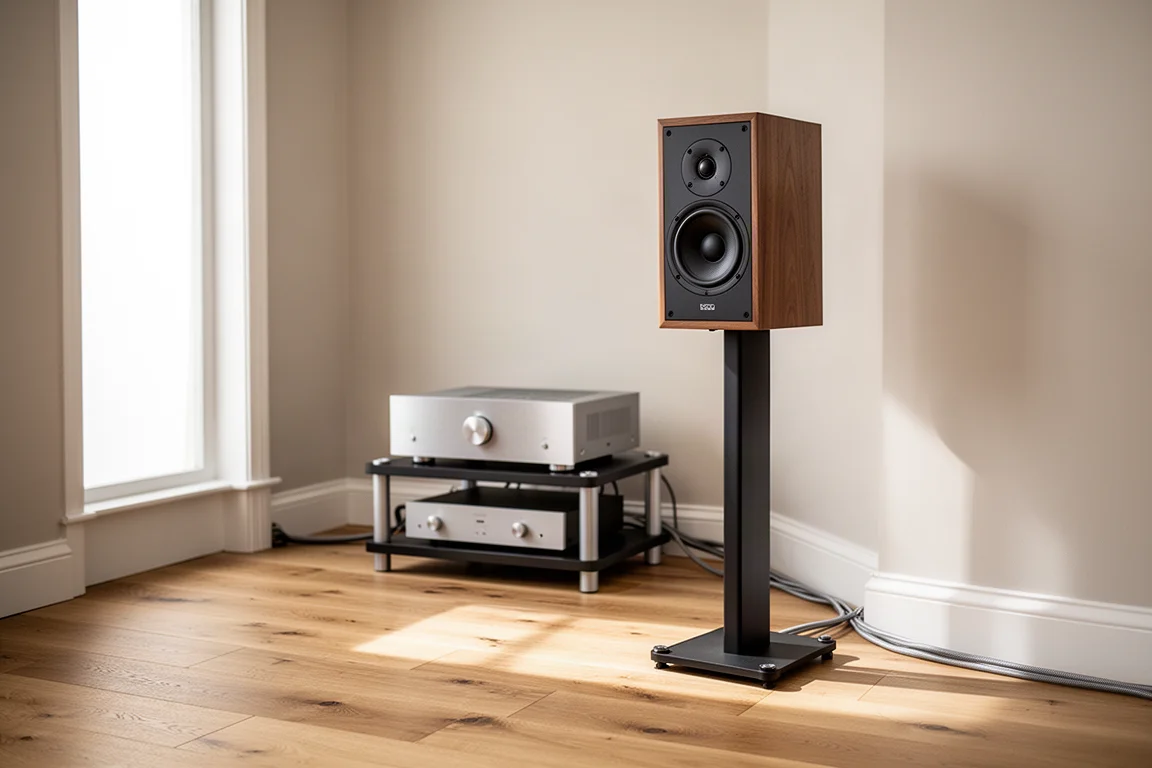
For buyers weighing a stand-mount against a floor-stander, the deciding factor is likely priorities. If deep bass and a compact footprint matter most, the ME1 covers both. If maximum air movement and dynamic swing come first, a larger floor-stander remains an option, with the ME1 still a strong candidate on imaging and coherence.
Conclusion
The TAD ME1 is a rare thing: a genuinely high-end stand-mount speaker that works in ordinary rooms and with ordinary recordings. Its dual concentric driver delivers precise, stable imaging, its four-port cabinet produces bass that reaches roughly 30 Hz without boom, and its neutral balance stays engaging rather than clinical. For listeners who want compact high-end sound without the fuss, it is a compelling proposition.
Product link
View more details for TAD Micro Evolution One
This product is mentioned in the review. Check the specifications, options, and compatibility before buying.
View more details for TAD Micro Evolution OneFurther reading
Related Reviews
Bookshelf Speakers
Acoustic Energy A100 Mark II Review: A Compact Standmount With an Expansive Soundstage
The Acoustic Energy A100 Mark II brings clarity, natural tonality and a wide soundstage to an entry-level standmount, with a few setup details worth knowing first.
Bookshelf Speakers
Acoustic Energy AE-100 Mark II Review: Compact Bookshelf Speakers With Standout Imaging
A compact British two-way bookshelf speaker with deep, layered imaging, fast bass, and a slight treble lift to weigh against a crowded $500 field.
Bookshelf Speakers
Acoustic Energy AE100 MK2 Review: Measured Performance and Four Alternatives
A close look at the Acoustic Energy AE100 MK2 bookshelf speaker, what its measured performance reveals, and four alternatives with different trade-offs.