High-End Audio
TAD CE1TX Review: Precision and Transparency in a Compact High-End Speaker
The TAD CE1TX pairs a beryllium dome tweeter, a concentric driver, and a high-gloss olive wood cabinet. A detailed look at its sound, its system demands, and who should consider it.
Introduction
Technical Audio Devices Laboratory, known as TAD, designs and hand-builds its products in Japan. The company began in the 1970s as a professional sound manufacturer, and its drivers and systems were used on tour by artists including Jimmy Page, Prince, and the Eagles. TAD moved into consumer high-end audio in the early 2000s with the Reference and Compact Reference models, speakers designed by Andrew Jones.
The CE1TX, also called the Compact Evolution One, carries that approach into a compact three-way cabinet. It is priced at $32,500 a pair, and the optional stands cost $2,500 a pair, which brings a complete set to $35,000. The earlier TAD ME1 sells for $14,500 a pair and remains the more affordable route into the same character.
What follows covers the design, the sound, the demands this speaker places on the rest of a system, and how it sits beside other high-end speakers in similar price territory.
Who the TAD CE1TX Is For
The CE1TX is for listeners who rank neutrality, transparency, and accuracy above all else, but who still want a speaker that stays musical with ordinary recordings. It is revealing without turning forensic, which matters if much of your collection consists of older pressings and live albums rather than audiophile showpieces.
It fits small and medium rooms best, and it suits listeners who do a lot of quiet, late-night listening, because it holds its balance at low volume instead of needing to be pushed. Buyers whose priority is deep, physical bass and the largest possible sense of scale should look at other designs.
Design, Drivers, and Build Quality
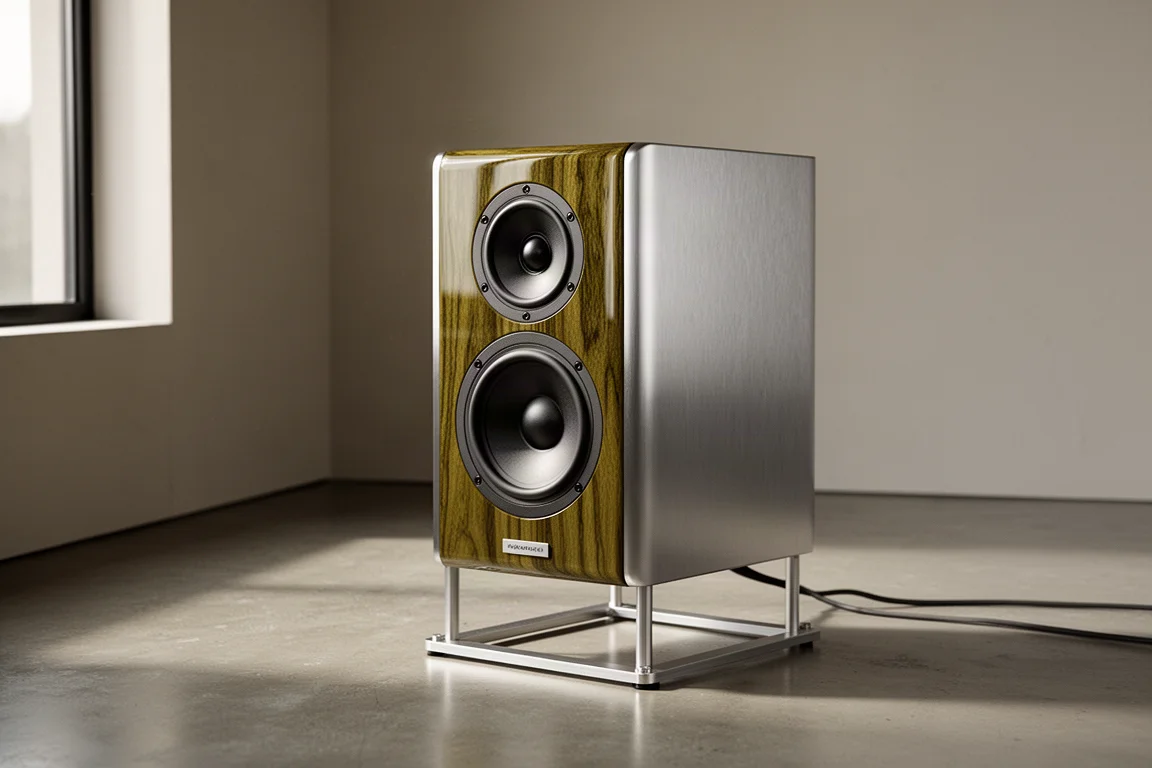
The CE1TX is a three-way speaker. A 5.5-inch concentric driver handles the midrange, with a 1 3/8-inch beryllium dome tweeter mounted at its centre. A 7-inch woofer covers the low frequencies, and its cone uses five layers of woven and non-woven aramid.
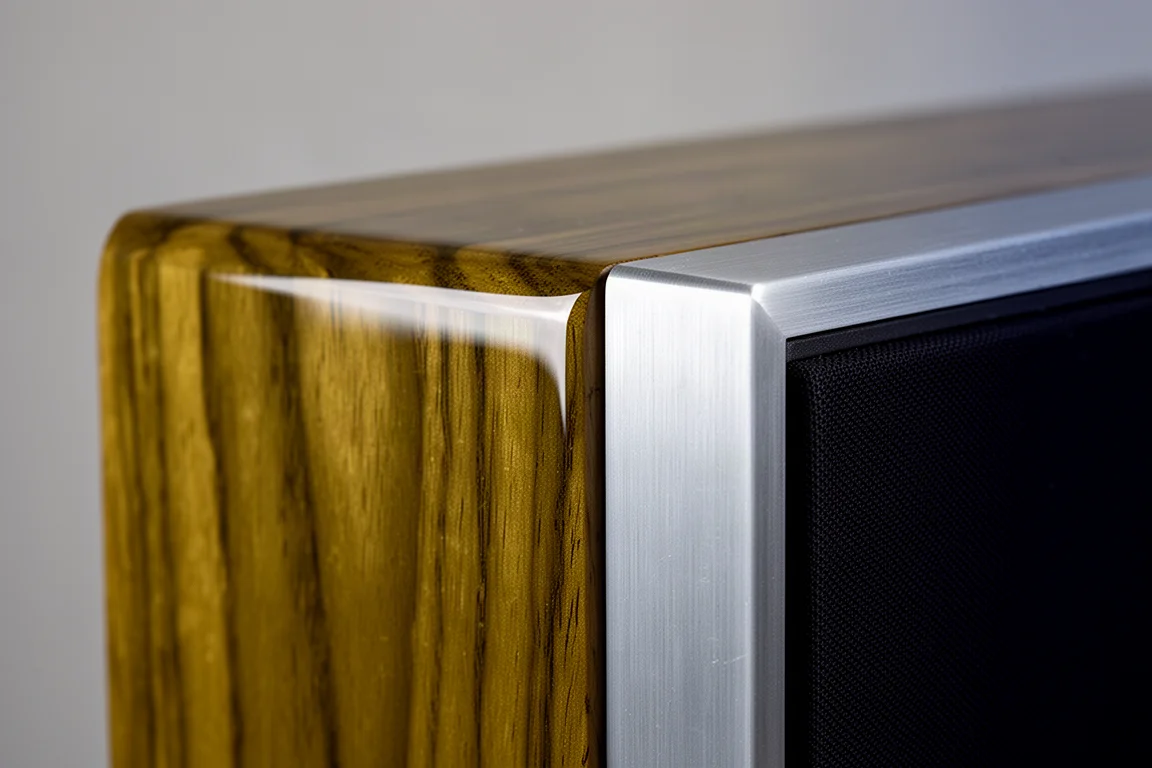
The cabinet is a bass reflex design, but TAD avoids the familiar large round port. Slotted ports run along the front edges of the cabinet, with additional slots on the rear. The side panels are covered by thick aluminum plates, and the wood is olive in a very high-gloss finish. Inside, birch plywood is used as bracing material, which helps account for the weight of nearly 64 pounds.
The rear panel carries a substantial set of bi-wire speaker terminals, and the warranty runs for three years. Two specifications are worth noting before choosing an amplifier: the CE1TX is a 4 ohm speaker with a sensitivity of 85 dB, which is on the low side and means it responds well to an amplifier that can supply current.
Sound Quality: What the CE1TX Does Best
Transparency and accuracy define this speaker. Brass and horns show it most clearly, with trumpets and saxophones arriving with a leading-edge immediacy that makes them sound like instruments in the room rather than reproductions. The beryllium dome tweeter is central to that impression, and its high-frequency performance is exceptional with percussion, where cymbals and snares carry real attack and energy.
That resolution does not turn clinical. Older and imperfect recordings stay enjoyable rather than being dissected. A well-worn copy of Aretha Franklin’s Greatest Hits, played hundreds of times over decades, came through with the vocal and the rhythm section sounding present and alive rather than tired.
Imaging is wide, spacious, and unusually tall, and the speaker largely disappears as a source. Well-recorded material produces a large, three-dimensional picture, and quieter material benefits just as much, with a live Tim Buckley recording from 1968 feeling tangibly in the room.
Low-level listening is another strength. The speaker keeps its clarity and its tonal balance as the volume drops, so late-night sessions do not feel like a compromise. With a high-powered amplifier behind it, the CE1TX also played loud peaks cleanly, with no sense of strain or rising distortion.
Bass is tight, fast, and easy to follow. Bass lines and drum patterns in reggae recordings were simple to track, and the low end stays clean rather than bloomy. This is not, however, a speaker for shaking a room. Subwoofers can be added, but the CE1TX is at its best taken on its own terms, and listeners who want deep physical bass and maximum scale are better served by a different design.
Amplification and System Matching
With a 4 ohm load and 85 dB sensitivity, the CE1TX rewards an amplifier with genuine current delivery. Driven by high-powered monoblocks rated at 450 watts into 4 ohms, it showed speed, clarity, and composure at high volume.
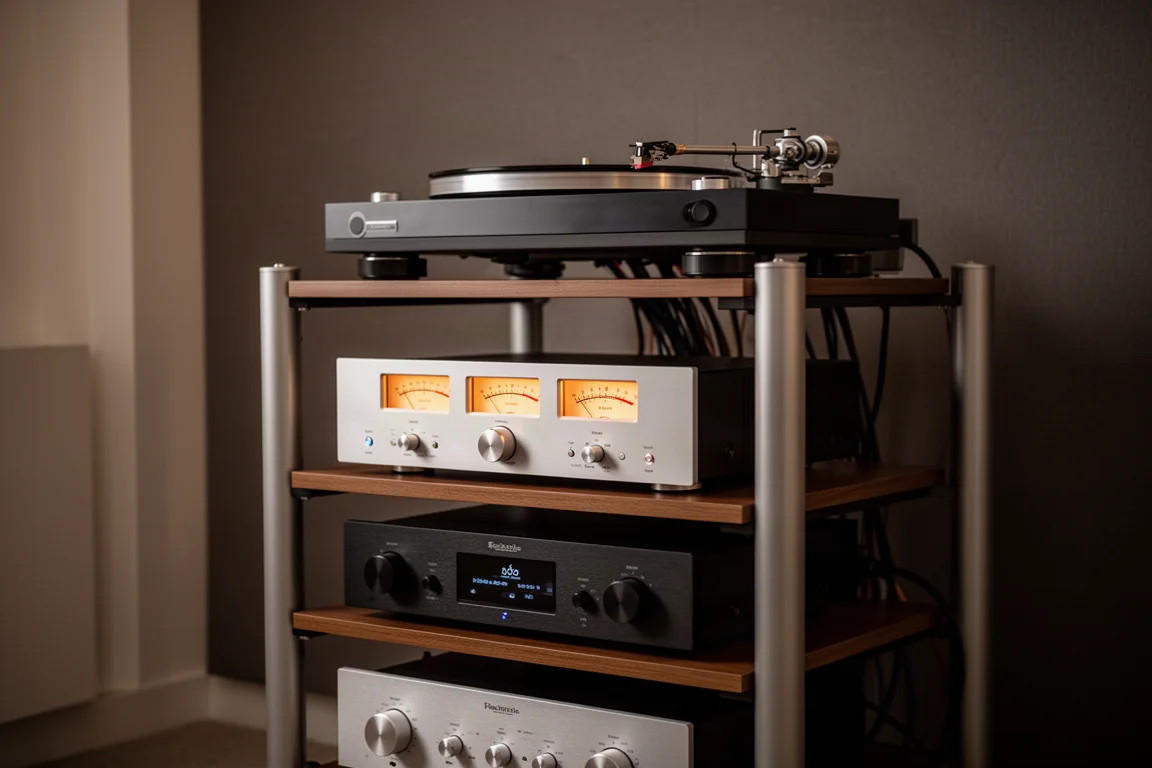
Amplifier character comes through clearly here. A lower-powered design produced a weightier balance, with more body in the lower midrange and upper bass, while staying transparent rather than thick. A class-D amplifier proved a poor match in this system, thinning the sound and adding a harder edge. The practical conclusion is that this speaker will show you exactly what the rest of the chain is doing, so system matching deserves as much attention as the speaker itself.
Source quality matters too. Vinyl and digital front ends both worked well, and the speaker neither flattered weak sources nor punished good ones.
How It Compares With Other High-End Speakers
Placement matters as much as price at this level. A very large, high-sensitivity horn speaker at $36,000 a pair brings more scale, deeper bass, greater dynamic ease, and the option of low-powered amplification, but it images less precisely and belongs in a large room, where the CE1TX is the stronger choice in a smaller one. An open-baffle design at $6,500 a pair, built around 15-inch woofers and an 8-inch full-range driver, energises a room more completely and wins on value for money, while the CE1TX answers with a level of purity, clarity, and accuracy that the open-baffle design does not reach. Neither comparison is like for like, since the speakers were heard in different rooms and systems.
Things to Consider Before Buying
The CE1TX asks for a serious amplifier. At 85 dB sensitivity and a 4 ohm load, it will not flatter a modest integrated design, and the differences between amplifier types were clearly audible during listening.
Budget is the second consideration. The speaker costs $32,500 a pair, and the optional stands add $2,500 a pair, so a complete setup reaches $35,000 before amplification and sources.
Bass expectations come third. This is a speaker that favours quality over quantity in the low end, and buyers who want a room-shaking foundation should choose a different design rather than trying to force this one into that role.
Finally, room size matters. Small and medium rooms play to its strengths, while very large spaces are better served by a bigger, more efficient speaker.
Buying Advice
If you have a small or medium room, value precision, neutrality, and transparency, listen at both low and high levels, and own an amplifier that can drive a 4 ohm, 85 dB load, the CE1TX is worth seeking out for an audition. It is the kind of speaker that can serve as a long-term reference rather than a stepping stone, and it remains enjoyable with recordings that are less than pristine.
If the budget does not stretch to $35,000 including stands, the TAD ME1 at $14,500 a pair shares much of the same character for considerably less, and it is the sensible first stop for anyone drawn to this sound. Either way, plan the amplifier budget alongside the speaker budget, because the CE1TX is transparent enough to make upstream choices obvious.
Conclusion
The TAD CE1TX is a compact three-way speaker built around precision rather than scale. Its beryllium tweeter, concentric driver, and heavily braced cabinet deliver transparency, accurate tone, and imaging that is both wide and tall, and it stays composed at low volume and at high volume alike. It is not the speaker for listeners chasing deep bass or maximum room-filling scale, and it demands a capable amplifier. Within those boundaries, and for buyers with a small or medium room and the budget to match, it is an exceptional piece of high-end audio.
Product link
View more details for TAD CE1TX
This product is mentioned in the review. Check the specifications, options, and compatibility before buying.
View more details for TAD CE1TXFurther reading
Related Reviews
High-End Audio
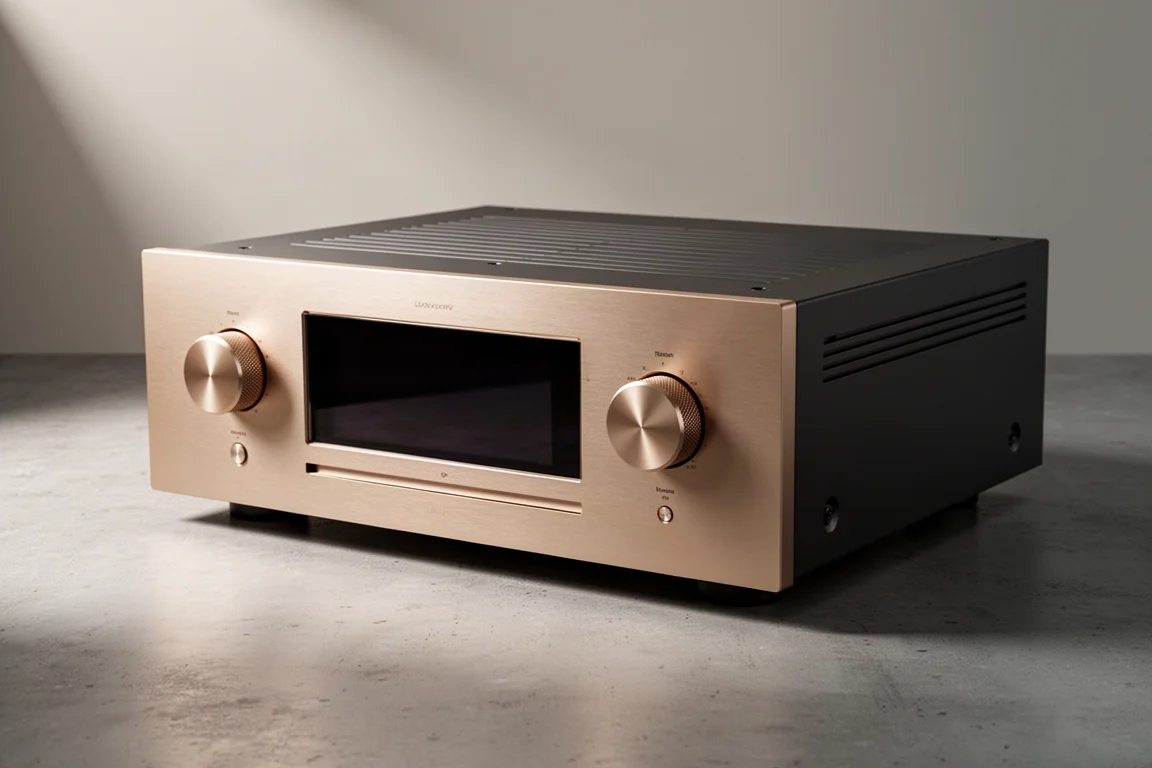
Accuphase E-3000 Review: A Class AB Integrated Amplifier Built to Last
The Accuphase E-3000 is the entry point into a legendary Japanese high-end line. Here is how it sounds, how it is built, and who should consider it.
High-End Audio
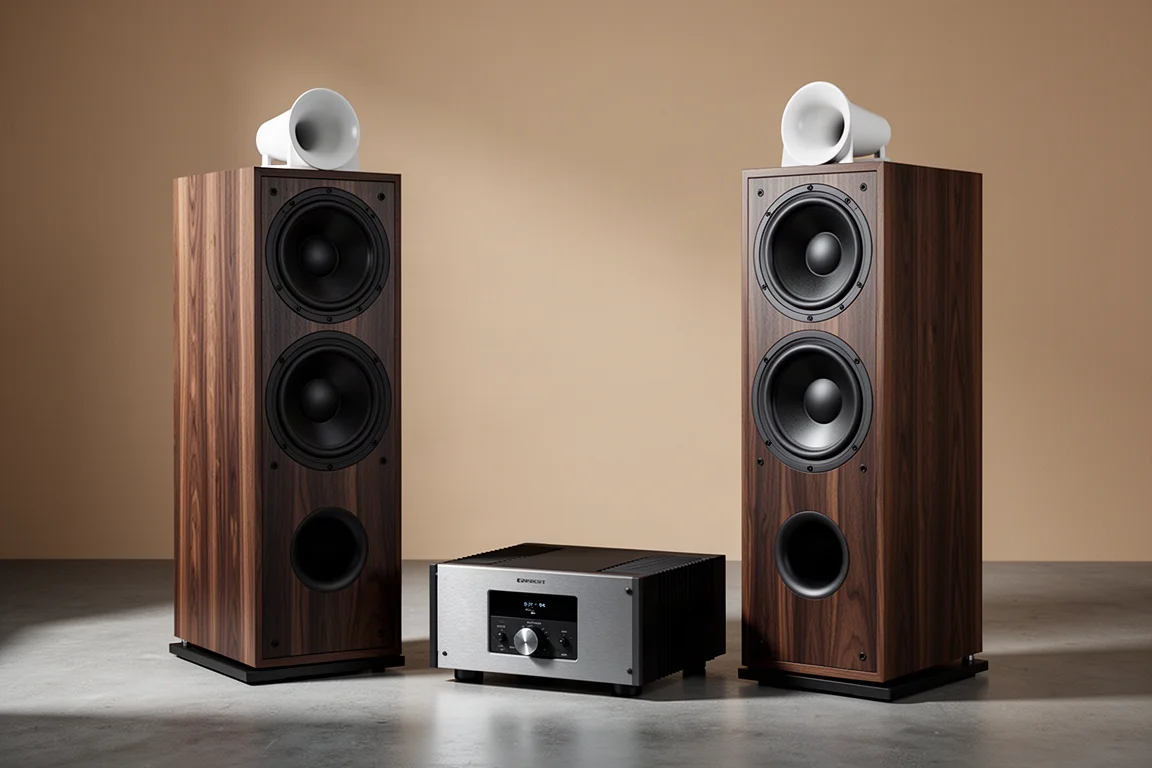
Arreté Floorstanding Speakers and Benchmark HPA2: A Premium Pairing Worth Hearing
A close look at how Arreté floorstanding speakers and Benchmark HPA2 power amplifiers pair up, what each component contributes, and what to weigh before buying.
High-End Audio
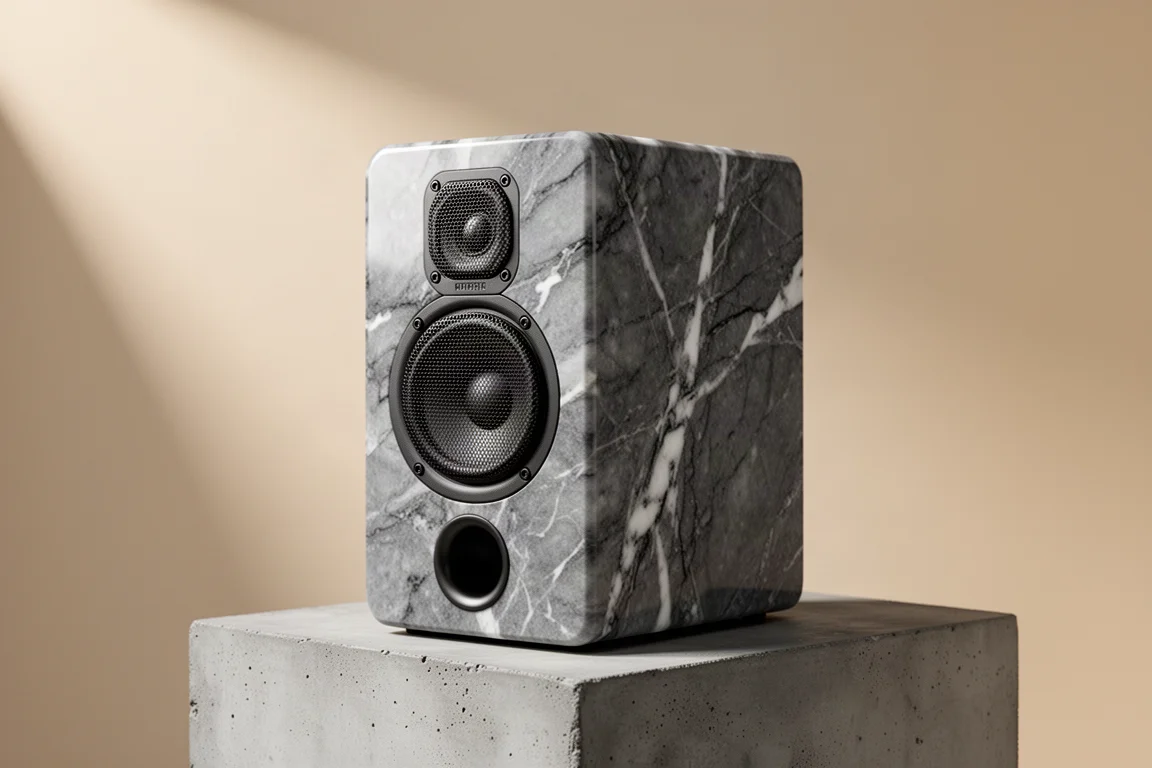
Aurelia Acoustics MRB1 Review: Marble Cabinets and a Big, Lively Sound
The Aurelia Acoustics MRB1 pairs a marble cabinet with Accuton ceramic drivers and a lively, spacious sound that stays easy to listen to. Here is what to know before buying.