High-End Audio
Accuphase E-3000 Review: A Class AB Integrated Amplifier Built to Last
The Accuphase E-3000 is the entry point into a legendary Japanese high-end line. Here is how it sounds, how it is built, and who should consider it.
Introduction
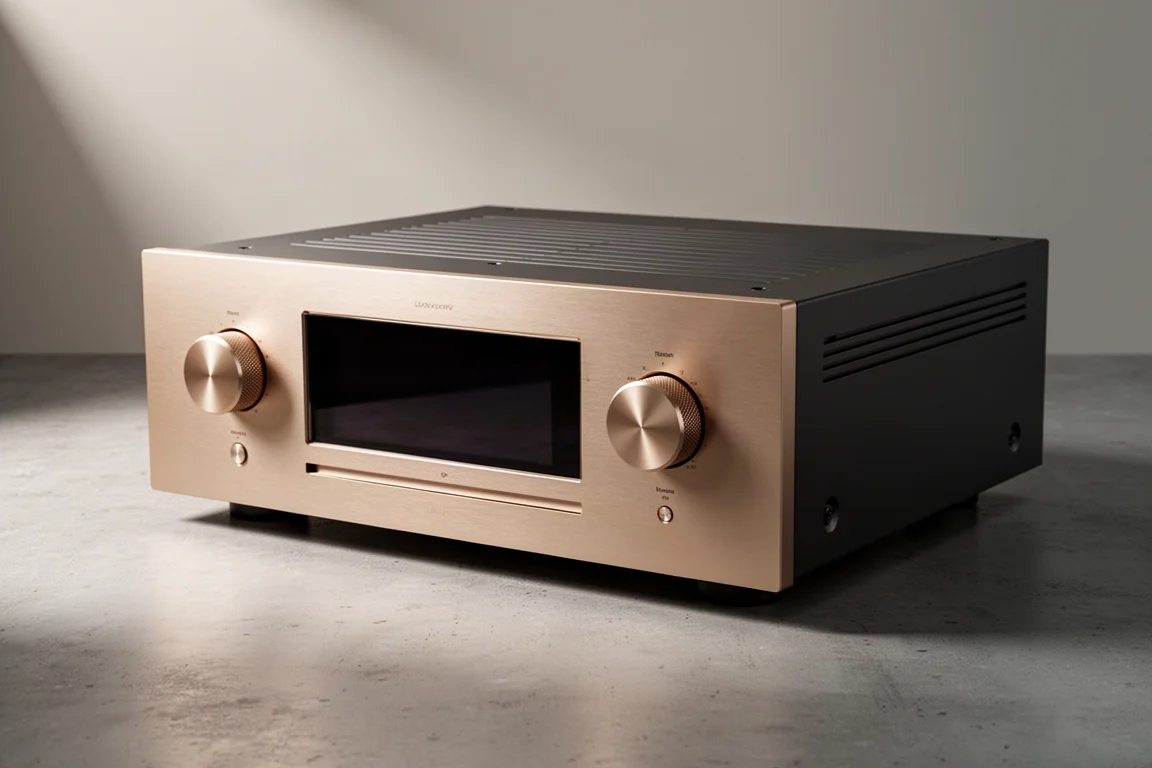
The Accuphase E-3000 is the most accessible route into one of the most respected names in Japanese high-end audio. It is a Class AB integrated amplifier that replaces the earlier E-280 and E-380, and it carries the same design language and construction discipline as the company’s far more expensive separates. Accuphase has been building components since 1972, founded by former Kenwood engineers with the stated aim of making equipment that would stand the test of time, and that ambition still shapes the range today.
For anyone weighing a purchase at this level, the interesting question is not whether the E-3000 sounds good. It is whether the engineering, the reliability and the ownership experience justify the outlay over many years. After living with the amplifier for an extended period, the answer leans strongly toward yes, with a few considerations worth understanding before you commit.
Who This Amplifier Is For
The E-3000 makes the most sense for listeners building a system they intend to keep. It is aimed at people who care about how a component is made, how it will behave in ten or twenty years, and whether the manufacturer will still stand behind it long after the warranty period has passed.
There is also an emotional dimension to Accuphase ownership that is difficult to ignore. Buyers frequently choose the brand to mark a milestone, a promotion or a significant moment in their lives, and the equipment is treated accordingly. The company’s very first amplifier, the P-300, is still found in working systems today and is still serviced, which says a great deal about how these components are regarded by their owners.
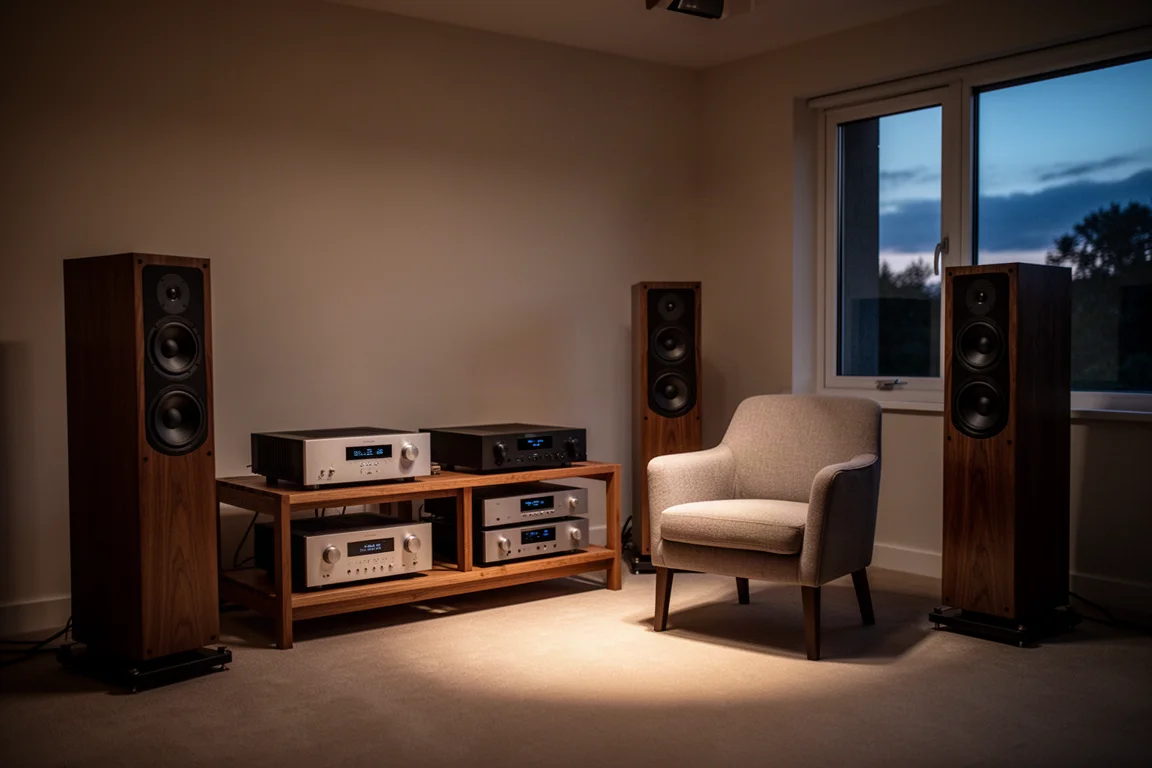
This is not the amplifier for someone chasing the lowest possible cost per watt, nor for a listener who wants a deliberately coloured, heavily warm presentation. It rewards patience and long-term thinking rather than impulse.
Main Strengths
Even as the entry model in the range, the E-3000 is built to the same standard as the company’s flagship pieces. The differences further up the line appear in transformer size and power capability, not in the underlying care taken with the construction, and that distinction matters more than the specification sheet suggests.
Build Quality and Long-Term Reliability
The preamplifier section uses Accuphase’s signature AAVA volume control. Because it is not a conventional mechanical potentiometer, it avoids the crackle and dirty contact noise that develops in older units as they age, which is a familiar frustration for anyone who has spent time with vintage gear. The design was also created specifically to reduce distortion significantly rather than purely to improve longevity.
The power supply is equally serious, with large filtering capacitors, custom transformers and separate left and right amplifier sections. The result is 100 watts into 8 ohms and 150 watts into 4 ohms in Class AB, and the amplifier is comfortable driving demanding 2 ohm impedance loads.
Serviceability is the other half of the story. Accuphase is known for keeping components in reserve so that even its earliest models can still be repaired, and that commitment is unusual enough in high-end audio to be worth weighing in the purchase decision.
Sound Character
Described in a single sentence, the E-3000 is neutral with a slight touch of warmth. It is a subtle signature, gentle enough that many listeners would simply call it neutral unless they had something warmer on hand for direct comparison. Against the McIntosh models many audiophiles know well, the Accuphase is clearly the more neutral of the two.
The low end is grippy, textured and robust, with a sense of control reminiscent of Hegel integrated amplifiers, though with a little more texture and a slightly more effortless presentation. High frequencies stay refined and detailed without ever becoming bright, shrill or fatiguing, which makes long listening sessions easy.
What stands out most is the way the amplifier shifts character with the music. On vocals, jazz and string instruments it sounds delicate and genuinely beautiful, close to the poise of a good tube design. When a track demands dynamics, swing and low-end weight, it delivers those qualities without hesitation. Across roughly 95 percent of listening material it holds its composure, and it never gives the impression of running out of power or losing control of the speakers.
Imaging and Presentation
The sound stage is realistic rather than artificially stretched. It sounds open, wide and deep, though naturally it depends on the speakers and the room as much as on the amplifier. Within that space, the imaging is remarkably precise. Instrument placement and vocal position are easy to discern without effort, and the boundaries of the stage can be drawn clearly.
That accuracy is achieved without sharpness or hard edges. The presentation stays smooth while still pinning instruments in place, which allows a performance to be heard as a performance rather than as a stereo system playing in a room. Transparency and resolution are present in full, but the amplifier never becomes clinical or forward enough to break the illusion.
Controls, Tone Adjustment, and Connectivity
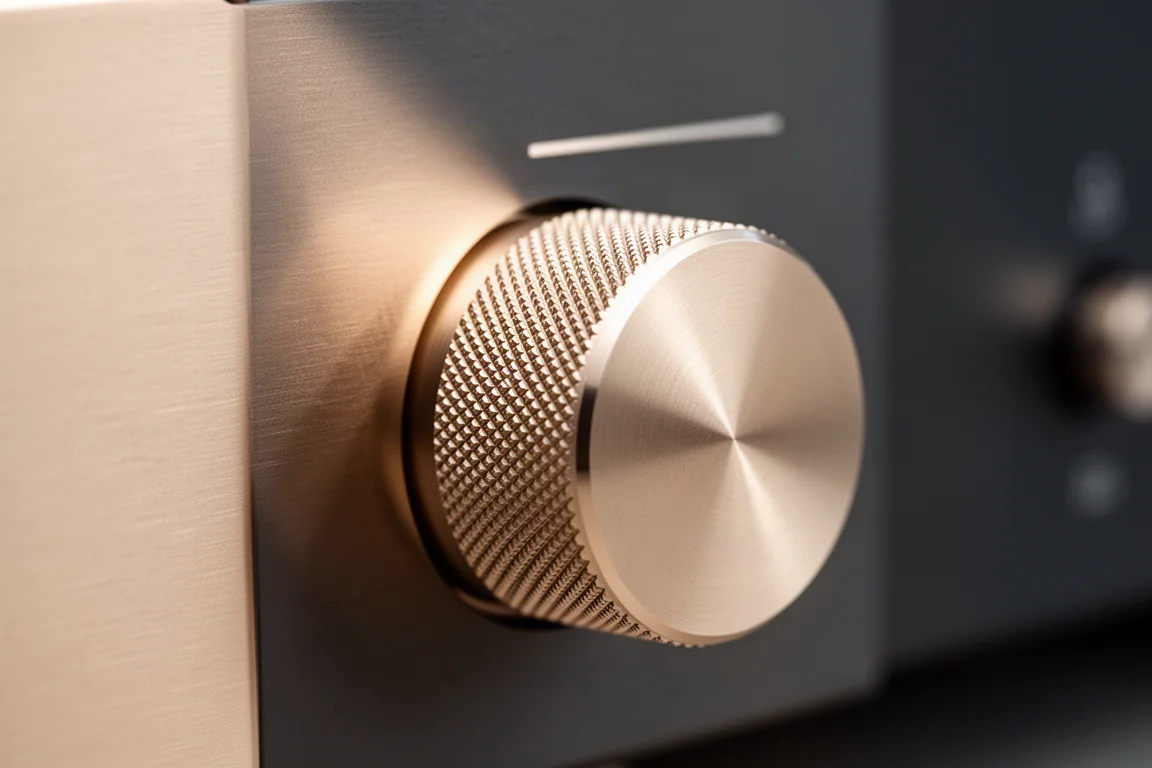
The front panel offers several settings, most of which relate to the optional DAC or phono modules. Two are useful in everyday listening: the tone controls and the loudness compensation.
The tone controls are straightforward, allowing bass and treble to be adjusted to taste. The loudness compensation is the more interesting feature. Human hearing is less sensitive to high treble and low bass at quiet volumes, and this control compensates for that so listening remains neutral and uncoloured even at low levels. It is a practical answer to the fact that both musical taste and hearing change over time, and it means listeners who prefer a little more sparkle or air can add it with a step or two of treble adjustment.
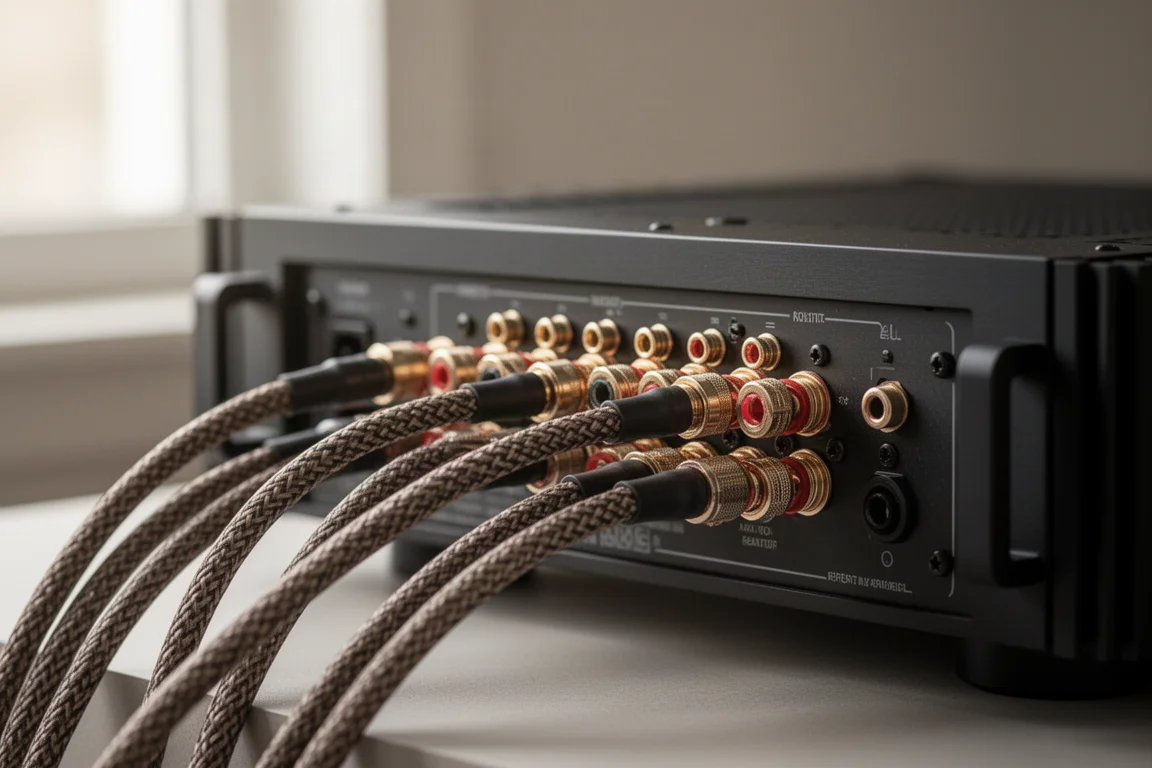
Around the back you will find five RCA inputs, one XLR input, and an input and output option that allows the unit to be used purely as a preamplifier. The speaker binding posts are made of high quality plastic rather than metal, and they are a pleasure to use and easy to tighten securely. The amplifier also ships with a well made remote, although the panel controls are satisfying enough that many owners will simply walk over and use them.
Things to Consider Before Buying
The first thing to be honest about is that part of what you pay for is the brand. Accuphase carries genuine prestige, and the pricing reflects it. The company’s own position on this is unusually candid: a less expensive amplifier can deliver broadly similar performance and sound quality, but it will not offer the same unbreakable nature, reliability and build quality that is intended to last for generations.
Several front panel functions depend on the optional DAC or phono module, so the full flexibility of the chassis is only realised if you add those modules. Buyers who do not need them should factor that into the decision.
There is also a matter of taste at the top end. The treble presentation is refined and smooth rather than airy and forward. Listeners who specifically want extra sparkle and an overtly holographic top end may find the stock voicing a touch subdued, though the tone controls go a long way toward closing that gap.
Buying Advice
The most useful way to think about the E-3000 is over its expected lifespan. A cheaper amplifier that lasts two or three years and then needs replacing is a different proposition from a component designed to run for decades, and once the cost is spread across that horizon the calculation changes considerably.
Long-term support reinforces the same argument. A manufacturer that still services its first amplifier from the 1970s is making a commitment that few brands can match, and that matters if you intend to keep the amplifier rather than trade it in.
Before committing, it is worth considering whether you want this Class AB model or one of the company’s Class A designs, which are more expensive but appeal to listeners who prefer that character. Matching the amplifier to speakers you already own, and to the kind of music you actually listen to most, will tell you more than any specification comparison.
Conclusion
The Accuphase E-3000 is an embodiment of quality. Build, aesthetics, control feel and long-term reliability all point in the same direction, and the sound is neutral with just enough warmth to stay involving over long sessions. Imaging is precise, bass is robust, and the amplifier drives demanding loads without ever sounding strained.
It is not a bargain, and it is not trying to be. It is a considered purchase for listeners who want a component that will outlast them and that will still be serviceable decades from now. On that basis, it is easy to recommend, with the sensible caveat that anyone drawn to a brighter, airier presentation should spend time with it first and make use of the tone controls before deciding.
Product link
View more details for Accuphase E-3000
This product is mentioned in the review. Check the specifications, options, and compatibility before buying.
View more details for Accuphase E-3000Further reading
Related Reviews
High-End Audio
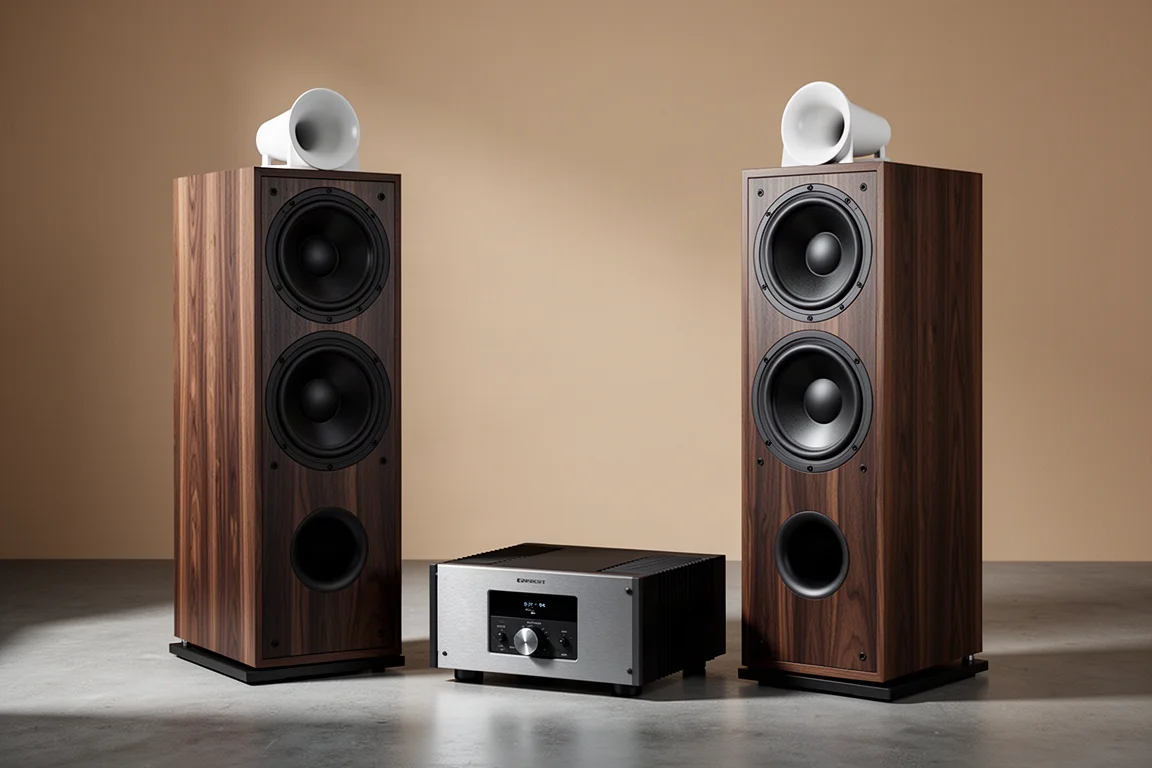
Arreté Floorstanding Speakers and Benchmark HPA2: A Premium Pairing Worth Hearing
A close look at how Arreté floorstanding speakers and Benchmark HPA2 power amplifiers pair up, what each component contributes, and what to weigh before buying.
High-End Audio
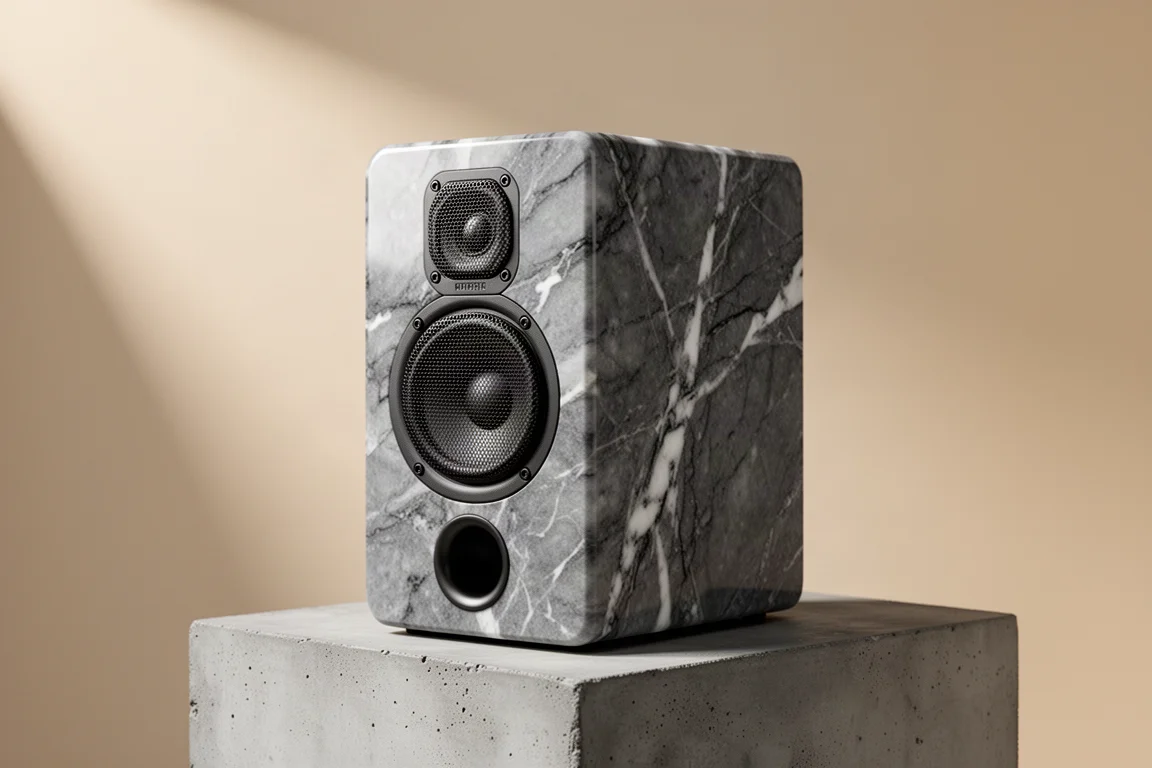
Aurelia Acoustics MRB1 Review: Marble Cabinets and a Big, Lively Sound
The Aurelia Acoustics MRB1 pairs a marble cabinet with Accuton ceramic drivers and a lively, spacious sound that stays easy to listen to. Here is what to know before buying.
High-End Audio
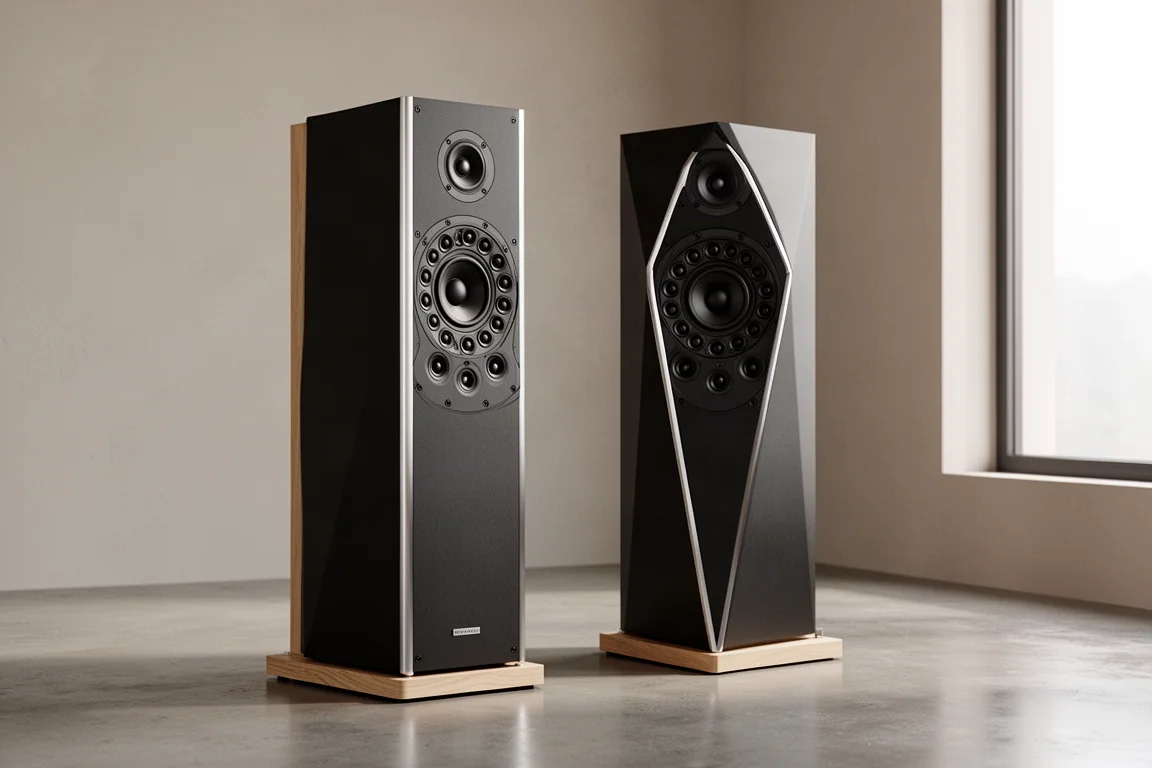
Bang & Olufsen Beolab 90 Review: A Sculptural Flagship Loudspeaker
A close look at the Bang & Olufsen Beolab 90, from its 18-driver array and room calibration to the finish options and setup details that shape ownership.