High-End Audio
Aurelia Acoustics MRB1 Review: Marble Cabinets and a Big, Lively Sound
The Aurelia Acoustics MRB1 pairs a marble cabinet with Accuton ceramic drivers and a lively, spacious sound that stays easy to listen to. Here is what to know before buying.
Introduction
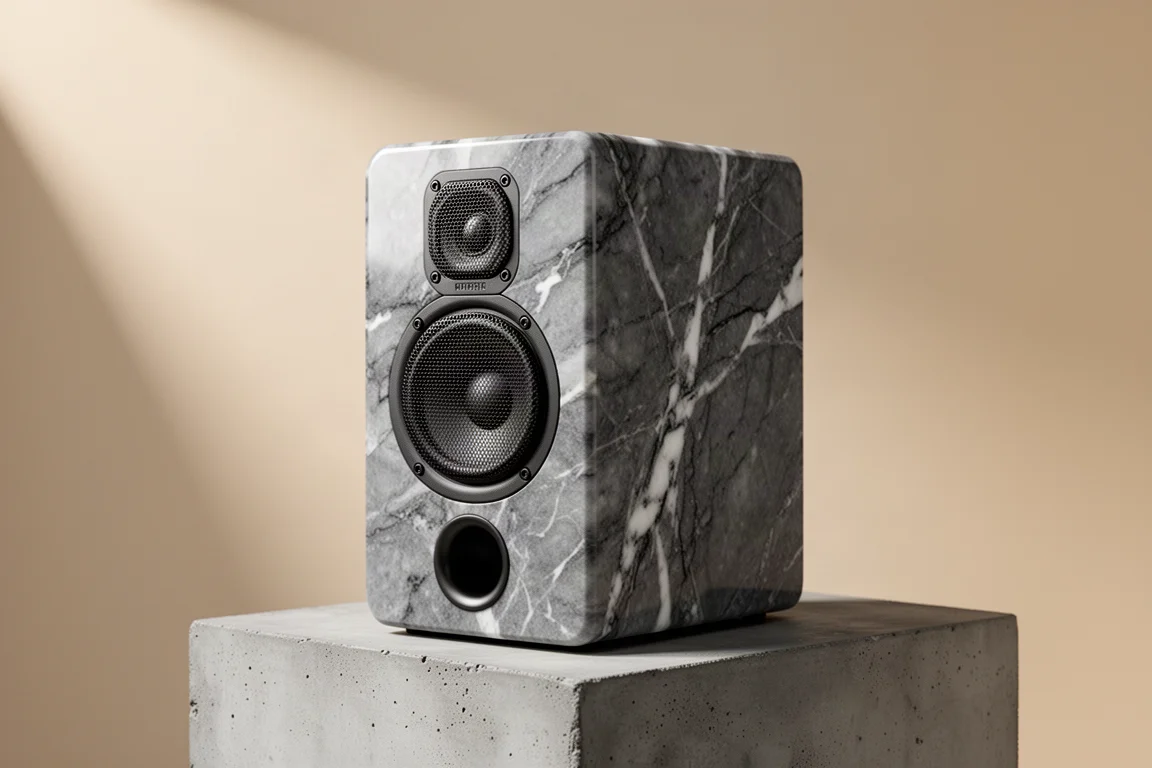
Some loudspeakers are memorable for their measurements. The Aurelia Acoustics MRB1 is memorable for its material. Its cabinet is cut from marble rather than wood or composite, and it comes from a company with a long history of building speakers from stone, marble, and granite. It is also one of the most affordable models in that range, which still places it at $8,000.
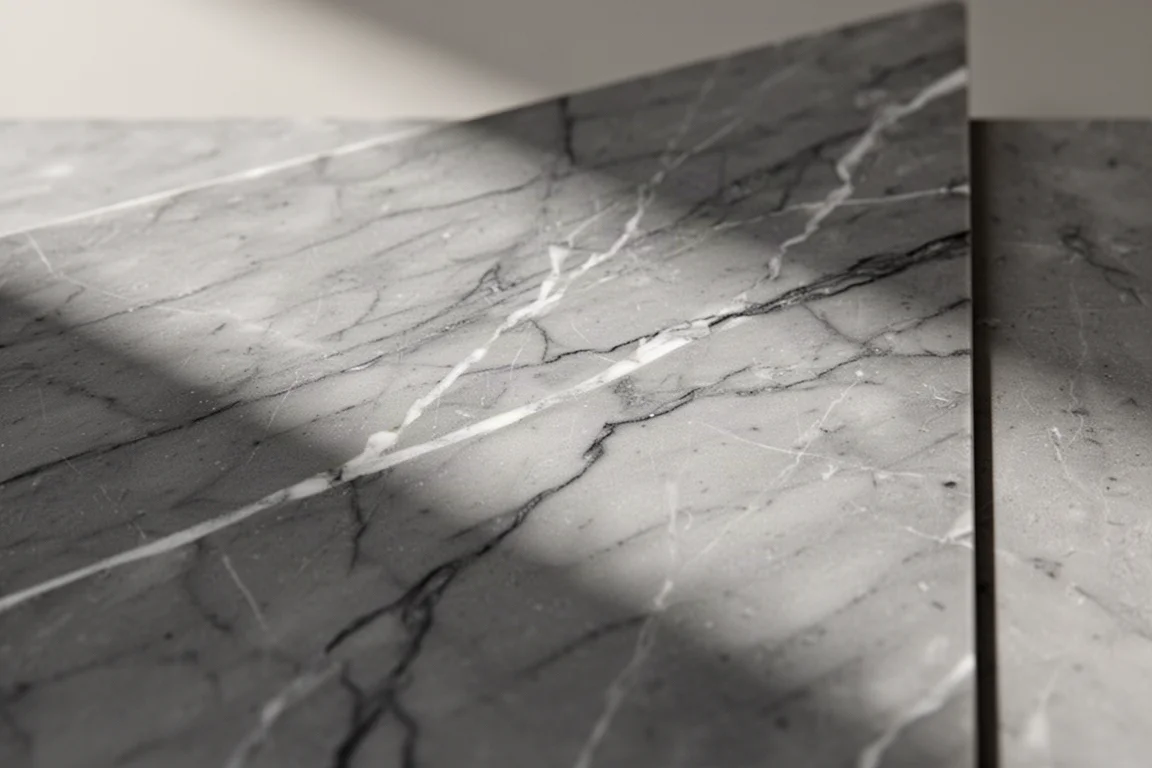
The marble is not purely decorative. Stone is rigid and highly inert, which helps prevent the cabinet from adding its own colour to the music. Marble is not strictly necessary for a rigid cabinet, since well-braced MDF and HDF designs can be practically resonance-free. In high-end audio, though, the extreme approach is often the point, and the material is a large part of what makes this speaker distinctive.
What matters more for most listeners is how it sounds. The MRB1 is tuned to be livelier and airier than the brand’s more clinical, detail-first designs, without tipping into brightness. It stays engaging across long listening sessions instead of demanding that you analyse every nuance in the recording.
Who this product is for
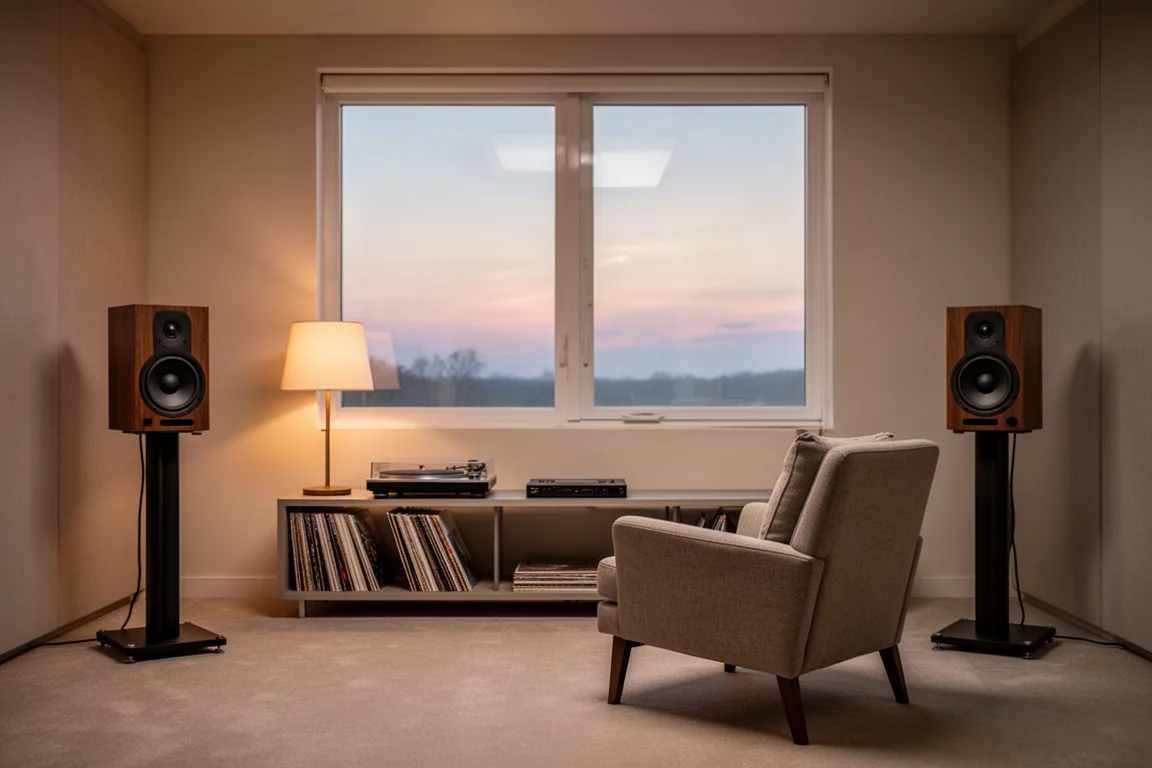
This speaker suits listeners who want a compact stand-mount that can fill a room with a large, spacious soundstage without an analytical, tiring character. It is equally relevant for people in small to medium rooms who cannot pull their speakers far out from the wall. Positioned closer to the back wall, the MRB1 gained fullness from room gain while keeping depth and a clear sense of space, and it never turned boomy.
It also appeals to anyone who enjoys experimenting with amplifiers. With 89 dB sensitivity and a nominal 8 ohm load that does not dip below 6 ohms, it is easy to drive and works well with a broad range of amplifiers, including low-power tube designs.
Main strengths
The first thing most listeners will notice is scale. For a compact two-way with a front-firing port, the MRB1 throws an unusually large soundstage, with air and spaciousness that belie the size of the cabinet. Imaging is focused and precise, with instruments placed clearly and layered convincingly across the stage.
The second is dynamics. Each speaker weighs around 50 pounds out of the box, and that mass contributes to a sense of control and heft. Mid-bass punch is a particular highlight, and the presentation stays lively without becoming brittle or sterile.
Ceramic drivers and high-end components
The 1-inch tweeter and the midwoofer are ceramic drivers from Accuton, a well-known supplier in the high-end audio space. Ceramic is stiff and light, which helps lower distortion, improve linearity, and reduce breakup. The trade-off is fragility, which is why the drivers come with integrated protective grilles.
Inside, the crossover uses modified Mundorf capacitors that are customized in house. Cabling is measured so the runs to the left and right speakers are identical, and drivers are matched between pairs so the two cabinets behave as closely as possible. Those details show up in real listening as stable, dead-centre imaging.
Soundstage, imaging, and dynamics
The MRB1’s most distinctive quality is how effortlessly it presents space. It does not need a large room or a powerful amplifier to sound open. It simply fills the listening position with a wide, deep stage and clear separation between instruments.
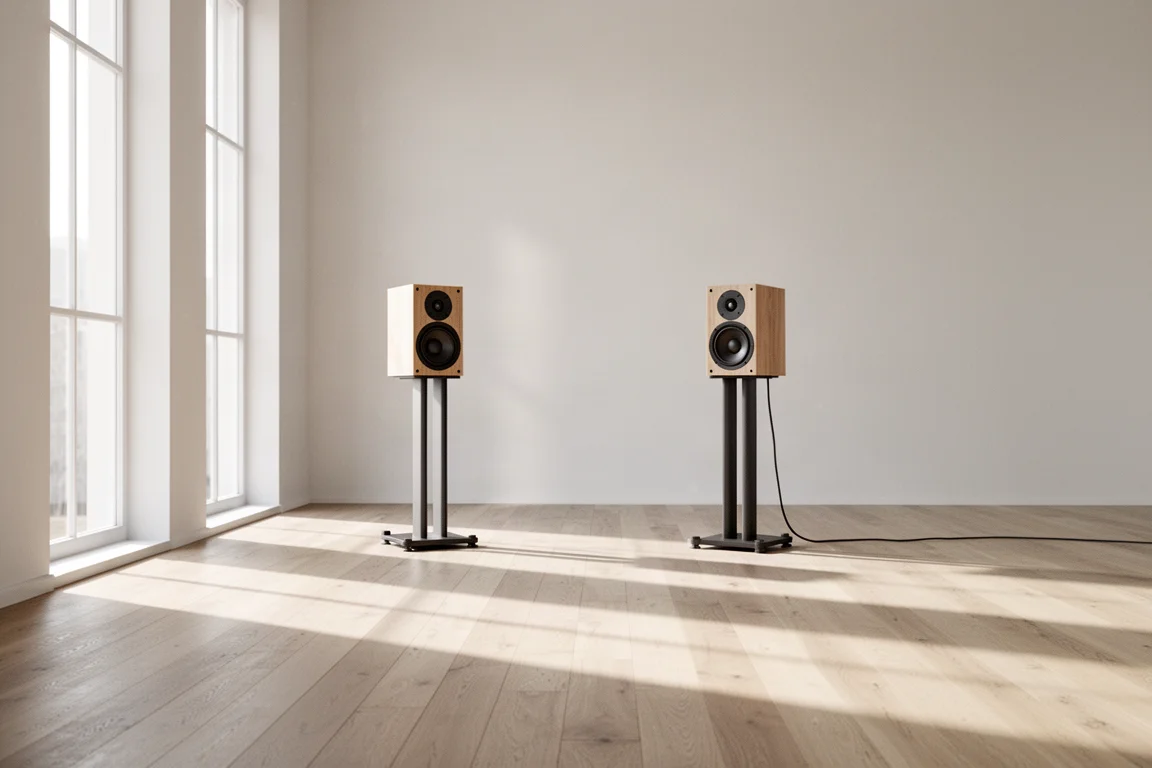
Bass is the area where expectations should be set carefully. The speaker does not extend very low, though its output is impressive for its size. In a small to medium room, moving it closer to the back wall adds weight and texture without boom. Listeners who want full low-frequency extension, particularly in a larger room, will want to add a subwoofer.
Amplifier pairing and setup flexibility
Setup was almost effortless. The speakers sounded good as soon as they were connected, and fine-tuning came down mostly to toe-in, which balanced image focus against stage width. Most amplifiers worked well, including low-power tube designs that made the stage feel holographic and enveloping.
With tube amplification the bass is lighter, so a subwoofer becomes more attractive. Solid-state amplification brings more weight and punch. Nearly every pairing tried sounded excellent, while one exception sounded noticeably flat, a reminder that system matching still matters even with an easy load.
Things to consider before buying
The binding posts accept spade connectors only. Banana plugs do not fit, so if your cables are banana-terminated, plan on switching to spades. Spades are arguably the better connection, but it is an extra step at this price.
The MRB1 is not forgiving of poor recordings. Heavily processed material, including tracks built around heavy pitch correction, can sound unflattering. It rewards good recordings and is honest about careless ones.
Bass extension is limited for the money. Several less expensive speakers with larger woofers reach lower, even if they cannot match this speaker’s stage and imaging.
Finally, the $8,000 price reflects the marble cabinet, the components, and the assembly work. If you are looking strictly for rigidity per dollar, a well-braced conventional cabinet can achieve similar goals. The marble here is as much about craft and appearance as engineering.
Buying advice
The MRB1 makes the most sense for listeners who want a compact stand-mount with an unusually large soundstage, a lively but not fatiguing tone, and the freedom to choose almost any amplifier. It also suits rooms where the speakers will sit relatively close to the wall.
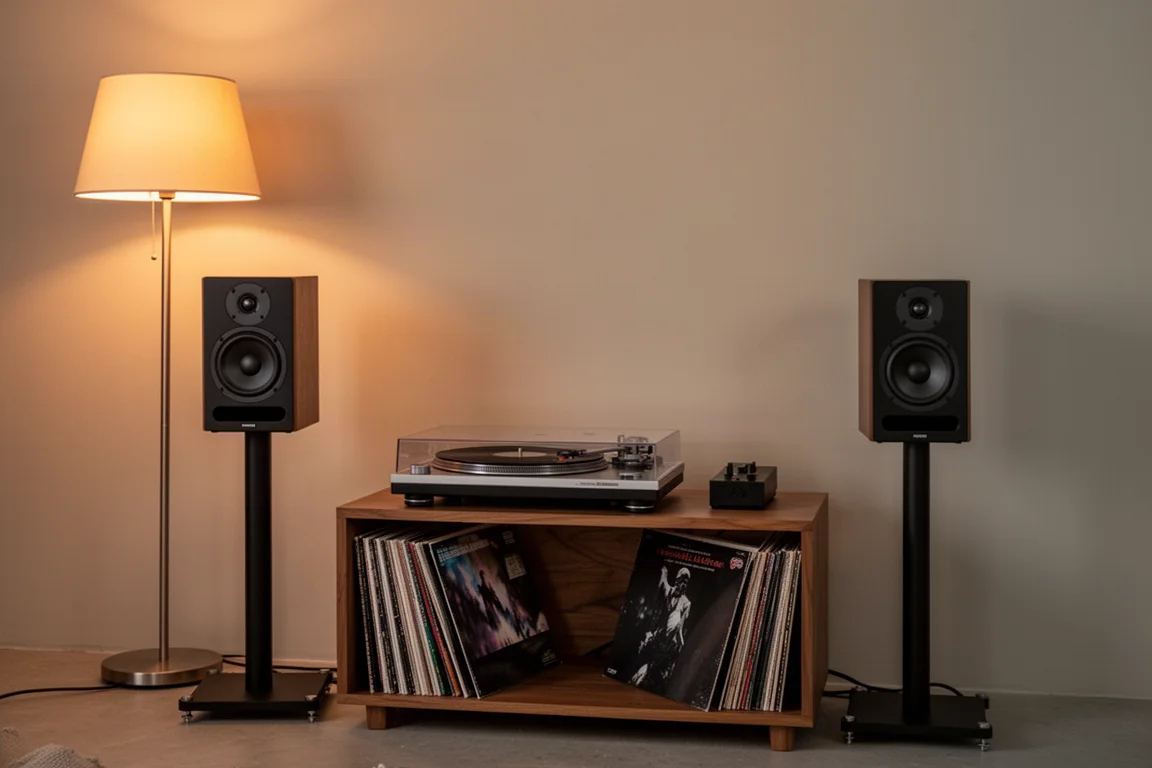
If your priority is deep bass extension or a warmer, more forgiving presentation, other designs will serve you better. If you value a cabinet cut from real stone and a sound that stays engaging without becoming clinical, this is a compelling option.
The finish shown here is Grigio Caro marble from northern Italy, and other finishes are available, including a white granite option.
Conclusion
The Aurelia Acoustics MRB1 is a distinctive compact speaker: a marble cabinet, Accuton ceramic drivers, carefully matched components, and a tuning that favours liveliness and space over clinical detail. Its bass is modest and its binding posts require spades, but its soundstage, imaging, and amplifier flexibility are genuine strengths. At $8,000 it is a considered purchase, and for the right listener it earns its place.
Product link
View more details for Aurelia Acoustics MRB1
This product is mentioned in the review. Check the specifications, options, and compatibility before buying.
View more details for Aurelia Acoustics MRB1Further reading
Related Reviews
High-End Audio
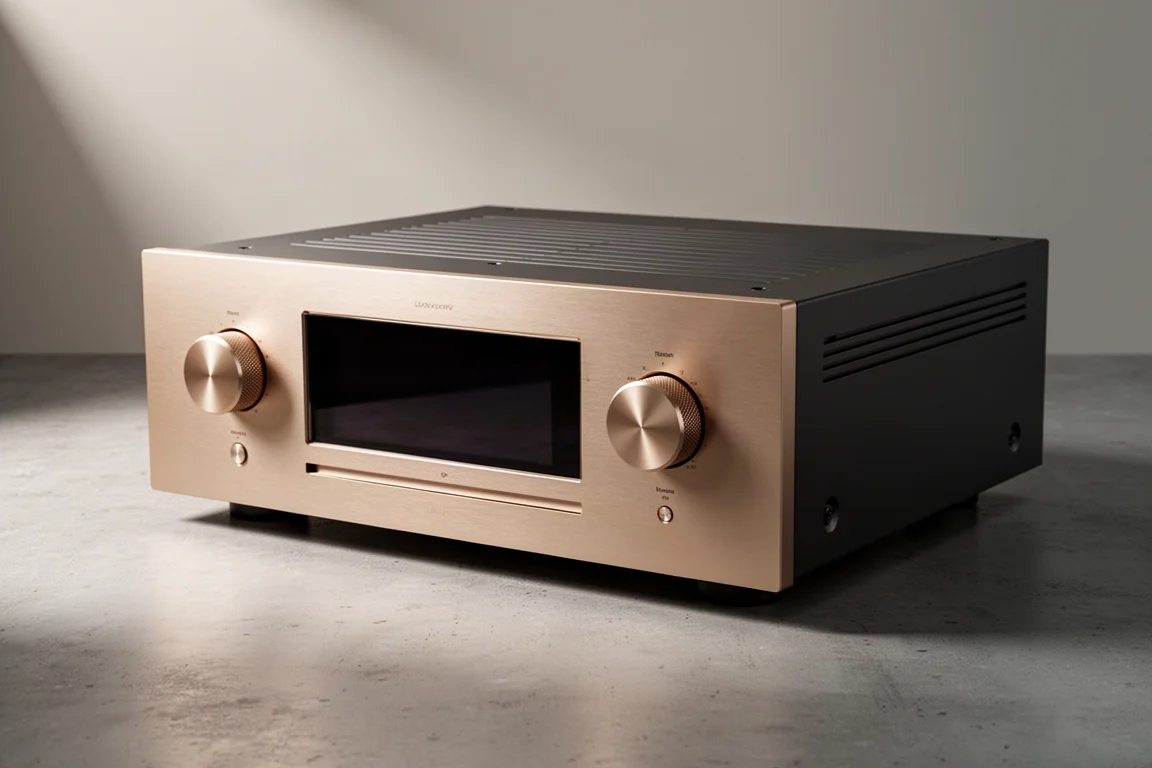
Accuphase E-3000 Review: A Class AB Integrated Amplifier Built to Last
The Accuphase E-3000 is the entry point into a legendary Japanese high-end line. Here is how it sounds, how it is built, and who should consider it.
High-End Audio
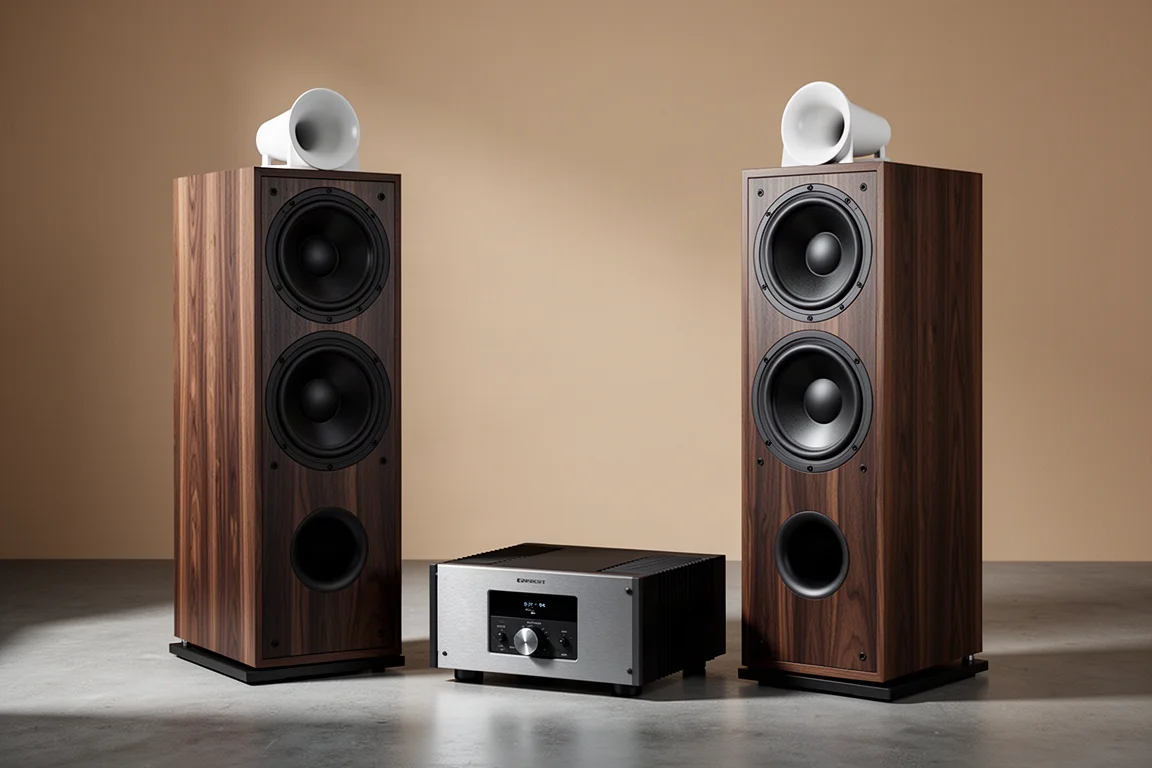
Arreté Floorstanding Speakers and Benchmark HPA2: A Premium Pairing Worth Hearing
A close look at how Arreté floorstanding speakers and Benchmark HPA2 power amplifiers pair up, what each component contributes, and what to weigh before buying.
High-End Audio
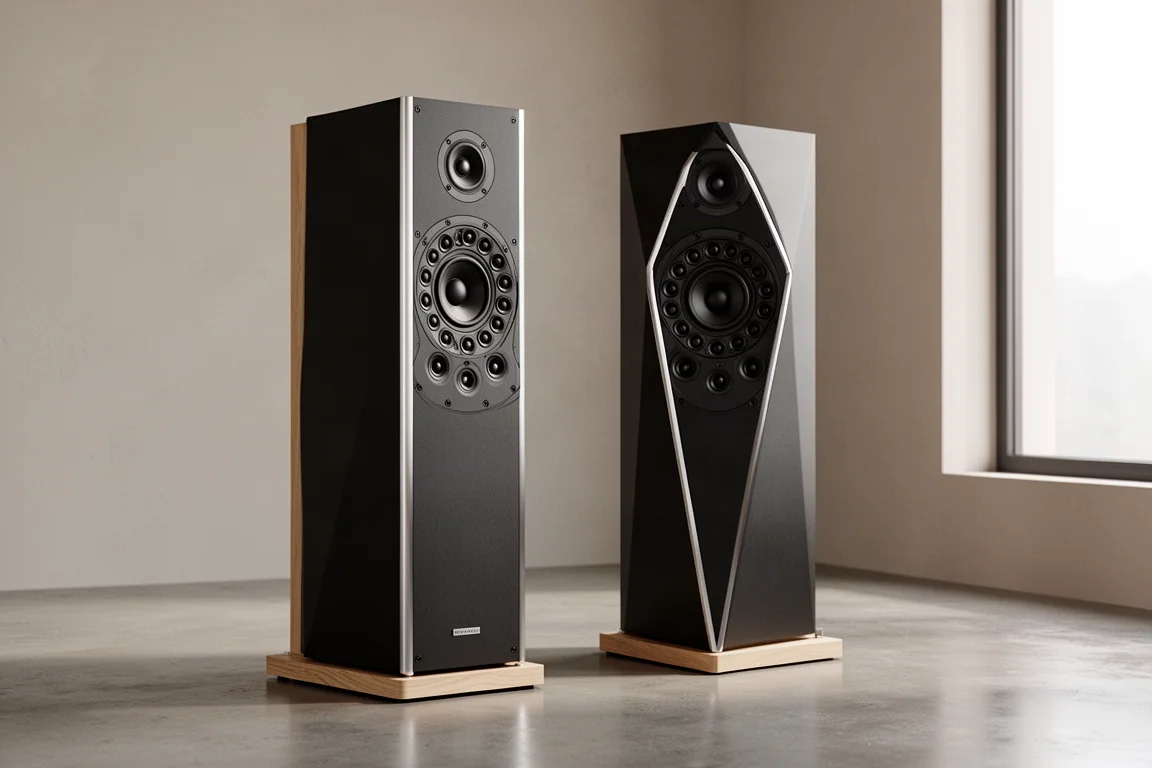
Bang & Olufsen Beolab 90 Review: A Sculptural Flagship Loudspeaker
A close look at the Bang & Olufsen Beolab 90, from its 18-driver array and room calibration to the finish options and setup details that shape ownership.