Hi-Fi Amplifiers
T+A Symphonia Review: A Compact Streaming Amplifier With Real Detail
A compact Class D streaming amplifier that combines streaming, vinyl, and headphone listening in one chassis, priced at €8,490 in Europe.
Introduction
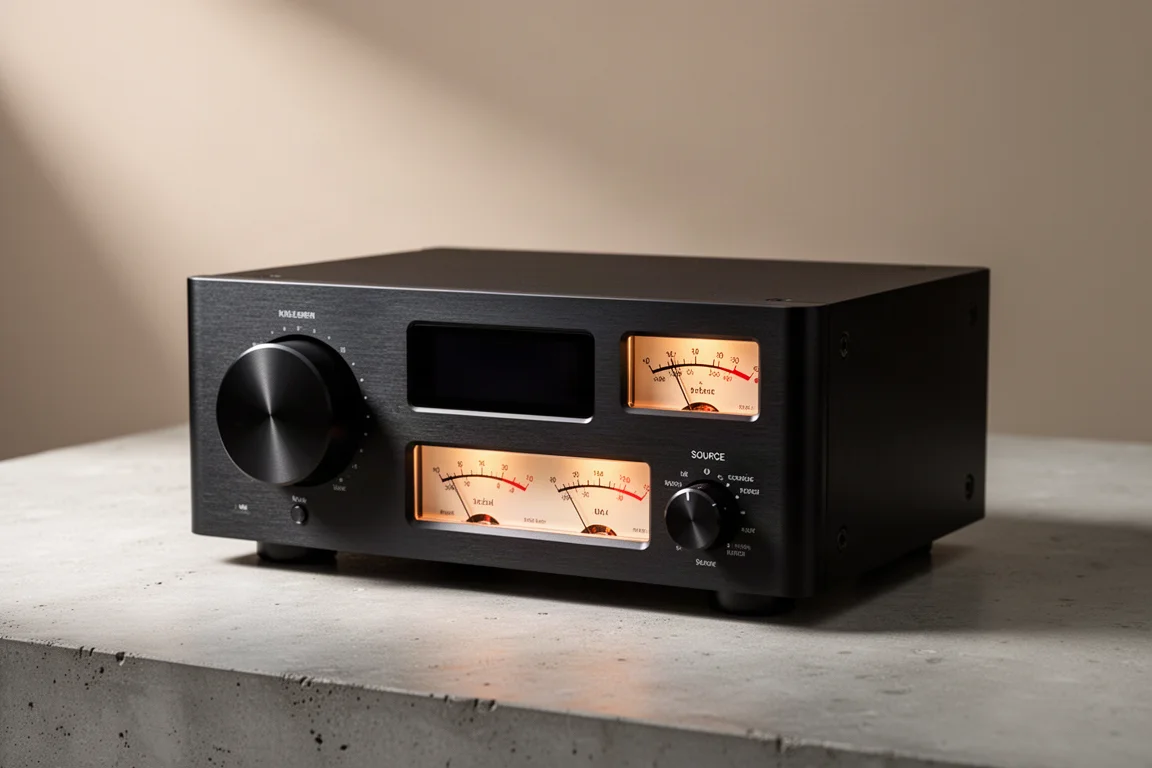
T+A is a German manufacturer, and the Symphonia is its compact Class D streaming amplifier. It brings together a network streamer, a DAC, a phono stage, FM and DAB tuners, and a balanced headphone output in a single three-quarter width chassis, with two VU meters on the front panel. In Europe it sells for €8,490.
The idea behind it is straightforward. Rather than spreading streaming, vinyl, and headphone listening across several boxes, the Symphonia handles all of them, and it is built in Germany with the robust construction that implies.
Who the T+A Symphonia Is For
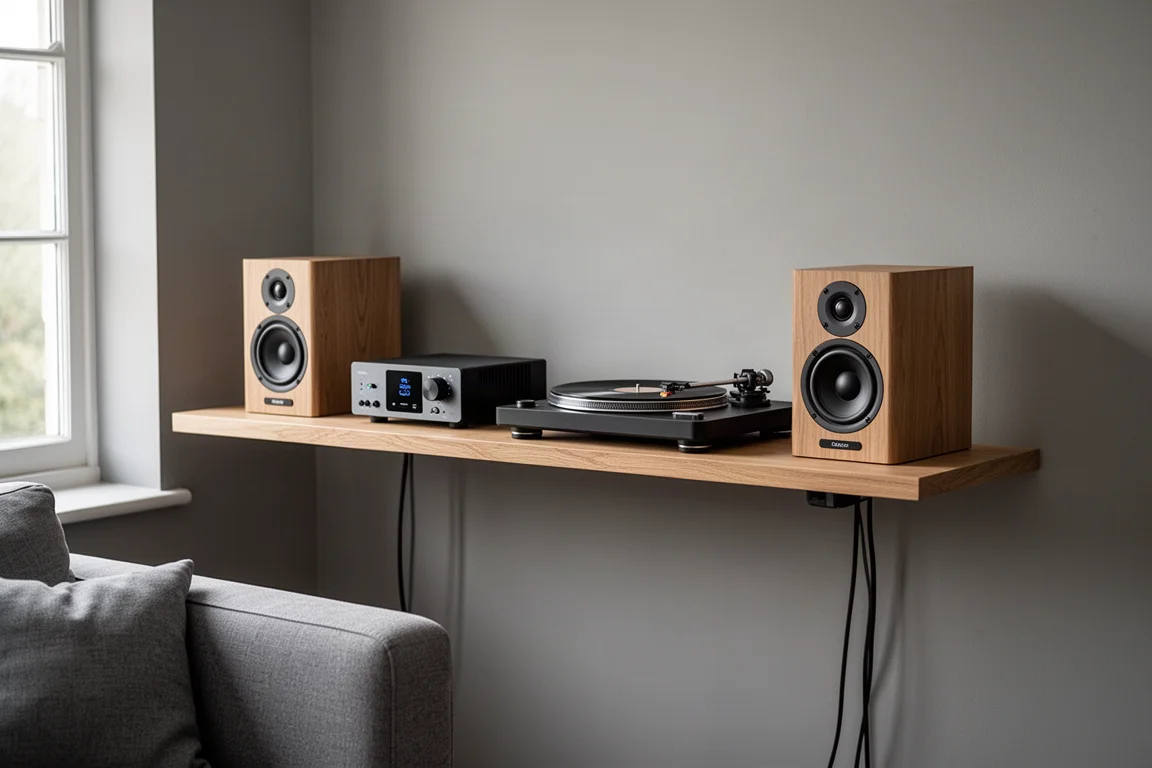
This is an amplifier for listeners who want one box to cover streaming, vinyl, and headphones without giving up sound quality. Its three-quarter width chassis is the practical argument: it can sit on a middle shelf of a typical rack, where larger and heavier integrated amplifiers simply will not fit.
It also suits vinyl owners who use a moving magnet or high output moving coil cartridge, because the second analog input can be configured as a phono stage with enough gain for demanding cartridges. Listeners who enjoy crisp outlines and clearly separated instrumental lines will find plenty to like here.
It is not, however, aimed at anyone who needs room correction or internal bass management. There is none of that here, so a subwoofer has to be crossed over using its own controls.
Streaming, Connectivity, and Control
The Symphonia runs on T+A’s in-house ASA G3 streaming platform. That brings Roon Ready operation, Qobuz Connect, Tidal Connect, Spotify Connect, and Apple AirPlay 2 into the same box as the volume control, so playback and listening level can both be managed from a streaming app.
The T+A Navigator G3 app adds Amazon Music and DAB, and it can switch inputs, including the hardwired ones. On the back panel there are USB, coaxial, and optical digital inputs, HDMI ARC that works properly including power on and off, and two analog RCA inputs. The second of those can serve as a moving magnet or high output moving coil phono input. Balanced XLR analog inputs are not offered.
Build Quality and Everyday Handling
The Symphonia is made in Germany, and build quality is one reason it does not sell cheaply. The volume wheel and source selector are smaller than average, but both feel satisfying in use, and the press button switches across the front panel match the high-end price tag.
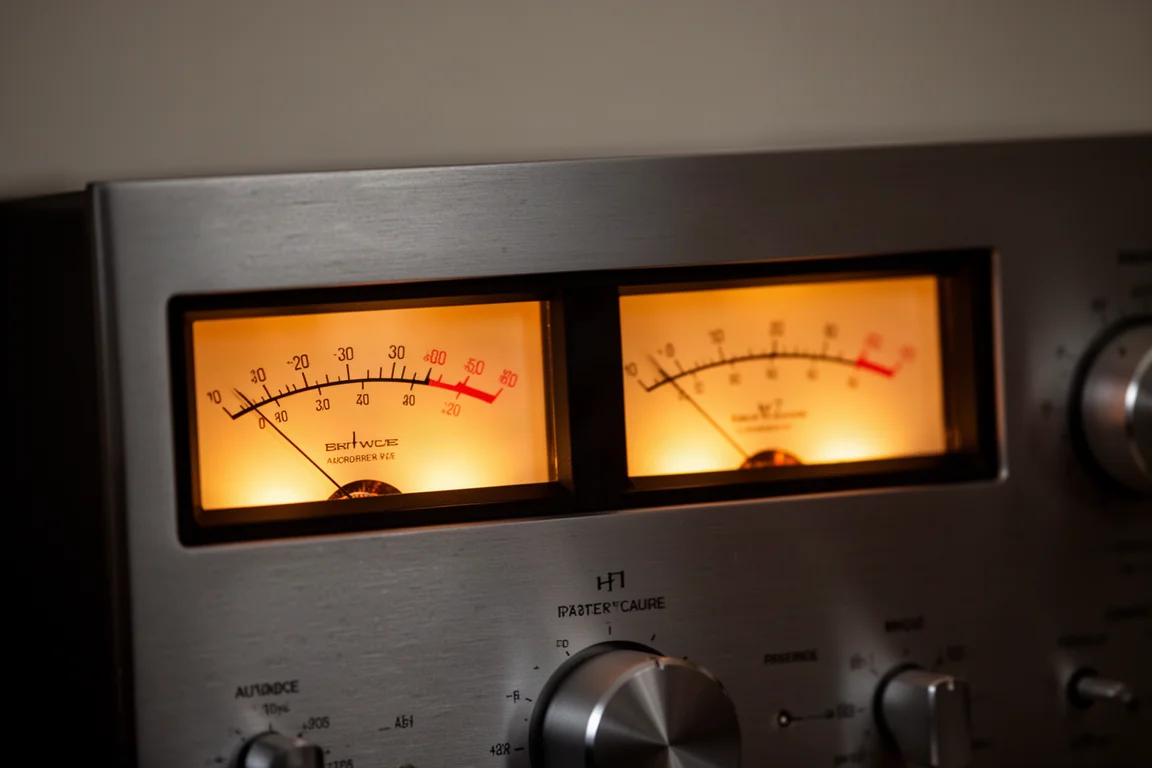
The front display makes song titles easy to read from a listening position a few metres away, although the artist name above is small enough that it takes some squinting. The VU meters are a nicer touch, and their backlight colour can be adjusted.
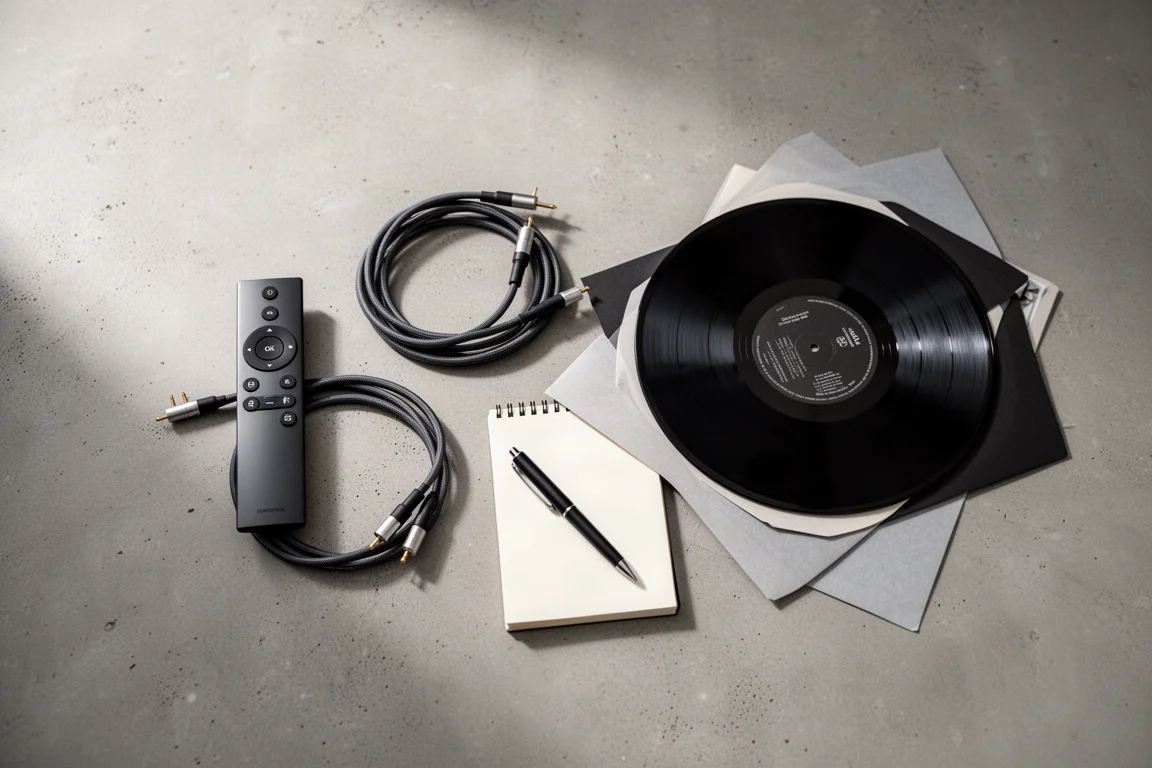
Selecting an input on the unit itself takes some getting used to: the source button brings up a list, the selector scrolls through it, and a press confirms the choice. Two frequently used sources can be assigned to a favourites button on the remote control, which is well made but traditional in its layout.
Amplifier Power and Headphone Listening
Loudspeaker drive comes from a Purifi Eigentakt module, rated at 125 watts per channel into 8 ohms and 250 watts into 4 ohms. That module is only part of the story, since the preamplifier and the phono stage also sit inside the same chassis, which is what separates this from assembling a module on its own.
A balanced 4.4 mm headphone output is included as well. It comes across as capable rather than outstanding, but it means a separate headphone amplifier is not strictly necessary.
How the Symphonia Sounds
The DAC circuit is based heavily on the DAC 200, though not identical to it, and PCM and DSD signals use separate decoder pathways. With PCM streams the Symphonia sounds bold and expressive, with a cleanly polished window on the music.
Set against the Rotel Michi Q5 CD player, the two share a similar character, although the Rotel is a little beefier. Against the EverSolo DMP-A10, the Symphonia is more microdynamically alert and separates layers more clearly, but it is not as rich sounding, and the EverSolo counters with a touchscreen, native Apple Music support, and room correction.
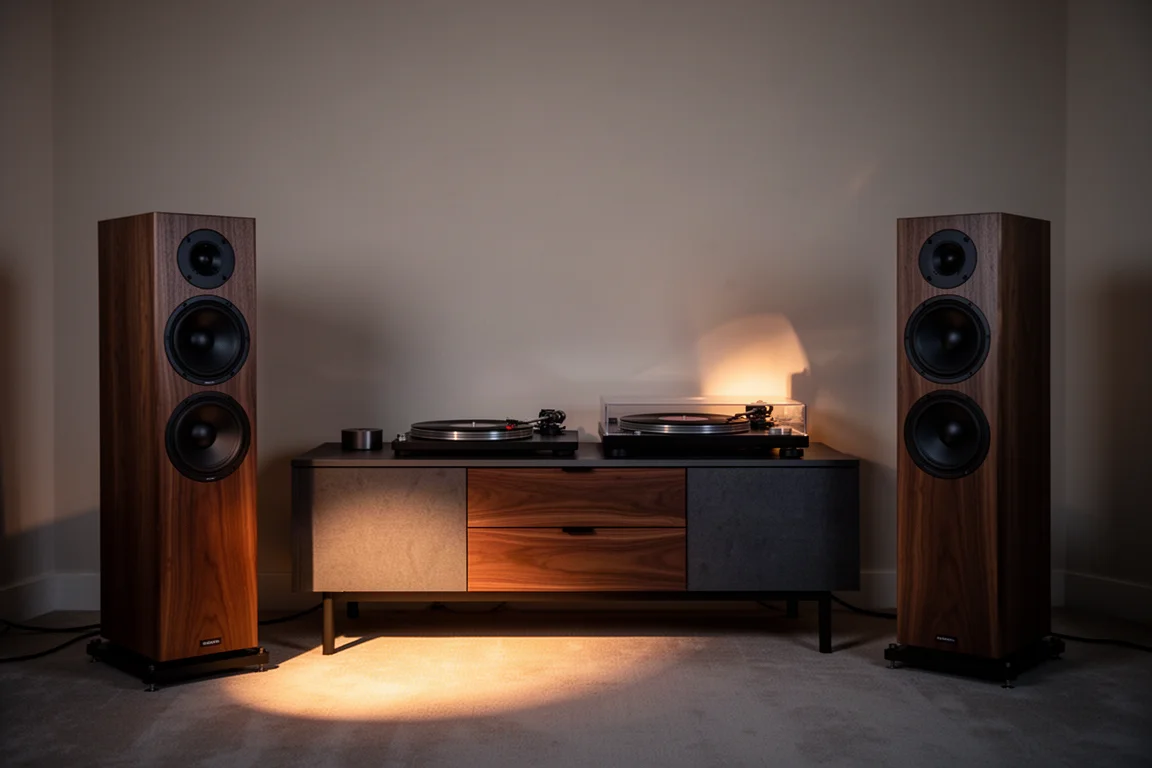
The phono input adds a little sparkle to the top end, and it provided sufficient gain for a high output moving coil cartridge on a Thorens TD124 turntable. The digital inputs show a similar commitment to drawing player outlines rather than colouring them in.
Compared side by side with the Technics SU-R1000, the Symphonia is just as detailed and expansive, but it has more snap with rhythmically charged material and crisper handling of transients. Bass note textures come across with more definition, and there is a stronger impression of space between players. The Technics sounds softer and adds a little more weight, and its DSP based optimisation of vinyl playback outclasses the all analog phono stage here. The Technics also has no streamer inside, so it needs an external one.
The Morance Model 10 costs a few thousand more, and the gap shows. The Symphonia gets close but falls short on sub-bass dynamics, soundstage size, and overall tonal saturation. Its bass is a touch looser, which listeners with bass light speakers may actually prefer.
What stands out across all of this is that the Symphonia never sounds thin. It leans into music rather than sitting back, and it makes fine detail easy to notice.
Things to Consider Before Buying
There is no room correction and no internal bass management. Subwoofer outputs are present, but without DSP the crossover has to be set on the subwoofer itself. The analog inputs are also left undigitized, which purists will appreciate but which means vinyl playback receives no digital assistance.
Balanced XLR analog inputs are missing, and input selection on the unit is more convoluted than it needs to be. The artist name on the display is small, and the headphone output is competent rather than exceptional. Larger and heavier rivals offer more functionality and, in some cases, more weight to the sound.
Buying Advice
At €8,490 in Europe, the Symphonia is a serious purchase, and it is best judged as a complete system rather than a single component. Streamer, DAC, phono stage, tuner, and amplifier all live in one three-quarter width box, which is a genuine advantage in a smaller room or a shared living space.
It is not a giant killer, but it performs on par with similarly priced competition, and it edges ahead of at least one rival on clarity while giving up ground on DSP features and balanced connectivity. Buyers who want the flexibility of room correction, bass management, or balanced analog inputs should look at alternatives. Buyers who want a compact, detail forward one box system with vinyl and headphone support will find the trade-offs reasonable.
If the priority is a system that fits where larger amplifiers cannot, and a presentation that rewards close listening, the Symphonia makes a convincing case.
Conclusion
The T+A Symphonia is a compact, well built streaming amplifier that covers streaming, vinyl, and headphones in one chassis. Its strengths are clarity, rhythmic snap, and a detail forward character, along with the practical advantage of a three-quarter width footprint. Its compromises are the absence of room correction and bass management, the lack of balanced analog inputs, and an input selection process that takes patience. For listeners who want a single, tidy box and a sound that leans into the music, it is a strong option at its price.
Product link
View more details for T+A Symphonia
This product is mentioned in the review. Check the specifications, options, and compatibility before buying.
View more details for T+A SymphoniaFurther reading
Related Reviews
Hi-Fi Amplifiers
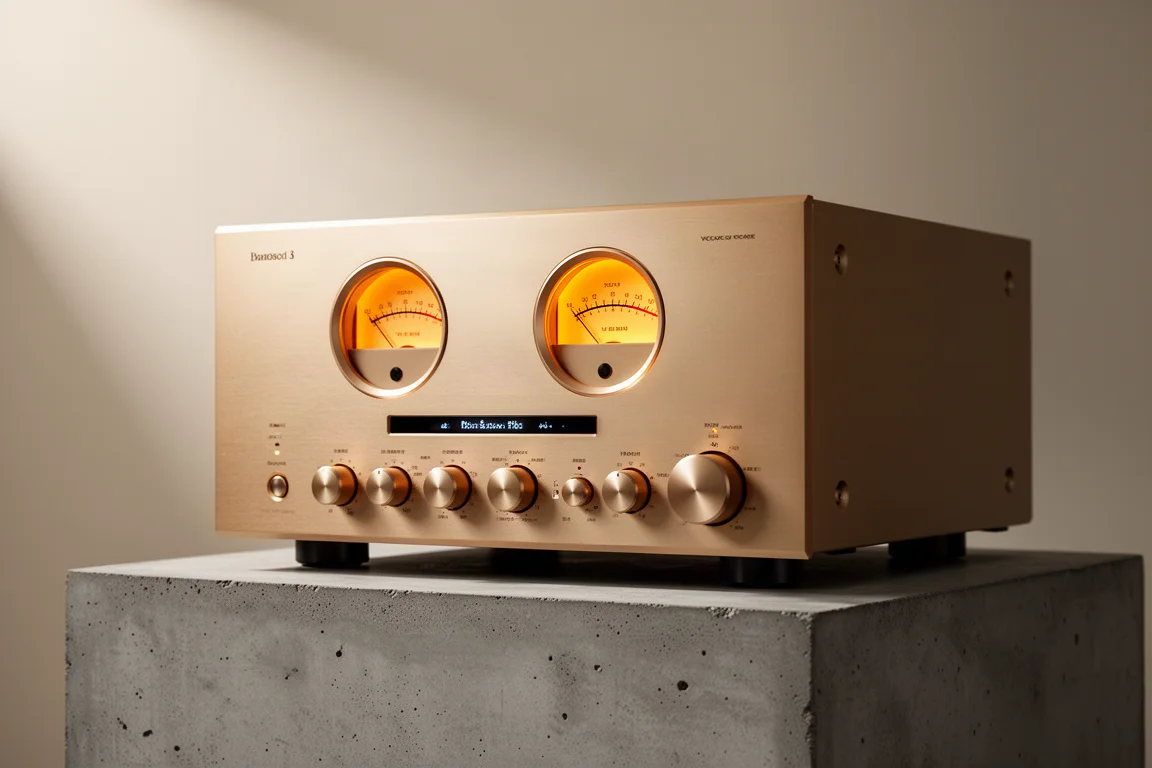
Accuphase E-280 Review: Entry-Level Accuphase With Flagship Attention to Detail
A close look at the Accuphase E-280 integrated amplifier, covering its champagne build, AAVA volume control, sound quality, and the speakers and sources that suit it best.
Hi-Fi Amplifiers
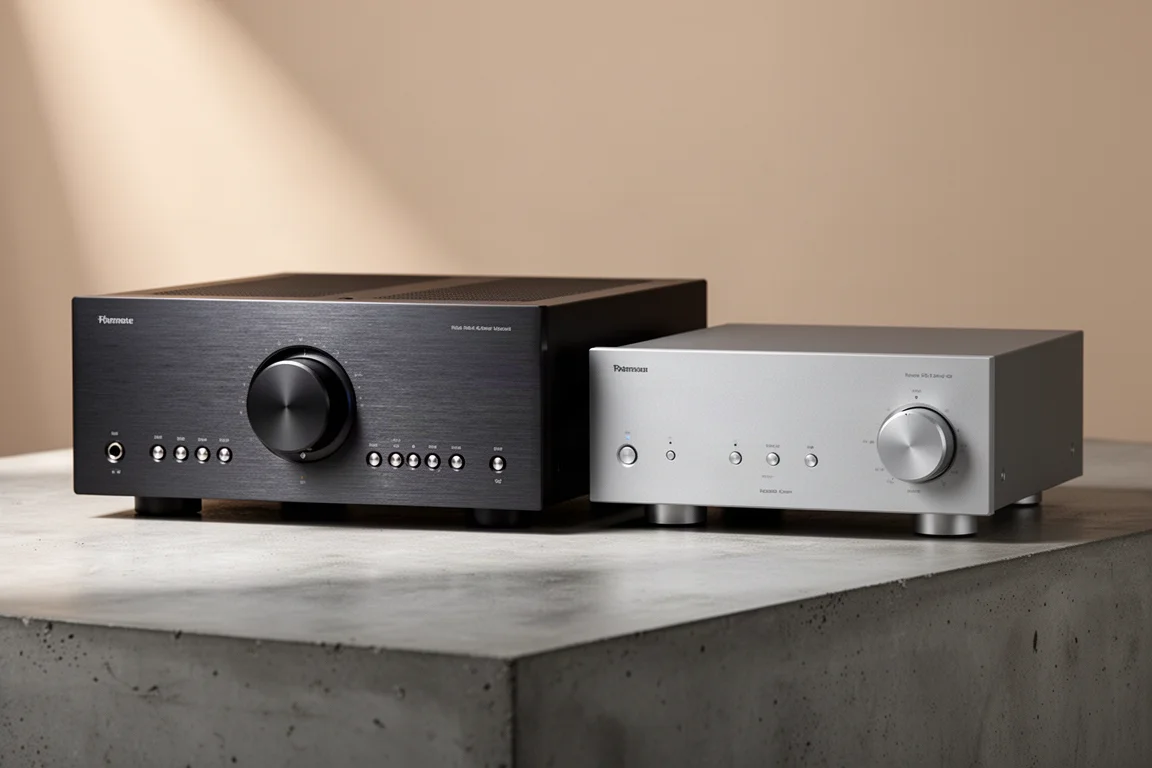
Advance Paris A10 Classic vs Yamaha A-S301: Two Integrated Amplifiers Compared
A practical comparison of a $350 integrated amplifier and a $2,500 reference model, covering the differences that matter and the ones that do not.
Hi-Fi Amplifiers
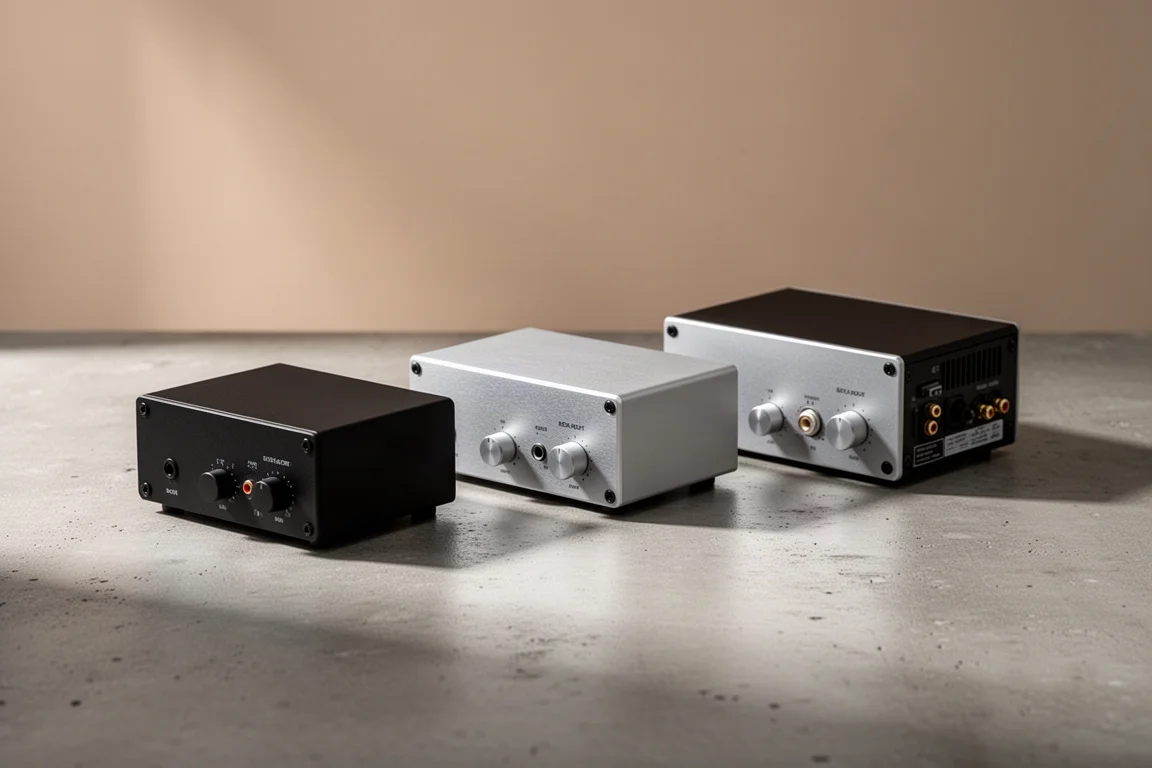
Affordable Chinese Amplifiers Worth Buying: Five Budget Hi-Fi Amps Compared
A practical look at five affordable amplifiers, what each one does well, and the trade-offs to weigh before you buy.