Wireless Headphones
T+A Solitaire T Review: One Wireless Headphone With Two DACs
A close look at the T+A Solitaire T, a premium wireless over-ear headphone that pairs Bluetooth convenience with an ESS Sabre DAC and a passive analog path.
Introduction
T+A, short for Theory and Application, was founded in Germany in 1978 by a group of scientists committed to advancing high-end audio. The company started with loudspeakers and built its reputation on engineering innovation rather than imitation, treating science as the foundation of music reproduction. It remains a family-run business based in Herford, Germany, where products are handbuilt in small-group assembly rather than mass produced.
The Solitaire T is the company’s wireless over-ear headphone, designed around a single idea: one pair that can cover high-end wired listening, travel convenience, and workday functionality without forcing a compromise in sound quality.

That combination is unusual in the wireless headphone market, where most models prioritise convenience features over genuine high-fidelity performance. The Solitaire T instead pairs wireless convenience with a dedicated high-resolution DAC and a passive analog path for use with external equipment.
Who the T+A Solitaire T Is For
The Solitaire T suits listeners who want a single pair of headphones for several situations. Wireless in-ear models are convenient on the move, over-ear noise cancelling headphones work well in an office or for focused listening at home, and open-back wired headphones remain a strong choice for critical listening. Buying separate pairs for each scenario adds cost and clutter.
This headphone is aimed at people who would rather own one premium pair that adapts. It fits travellers who want active noise cancelling and long battery life, remote workers who need comfortable listening through a full day, and listeners at home who want to connect to a phone, computer, or external DAC and hear high-resolution music without compression.
It is also a good match for anyone who has considered adding an external DAC to a pair of wireless headphones. The Solitaire T builds a high-quality DAC into the headphone itself, so that upgrade path is available without extra hardware.
Main Strengths
Build, Fit, and Design
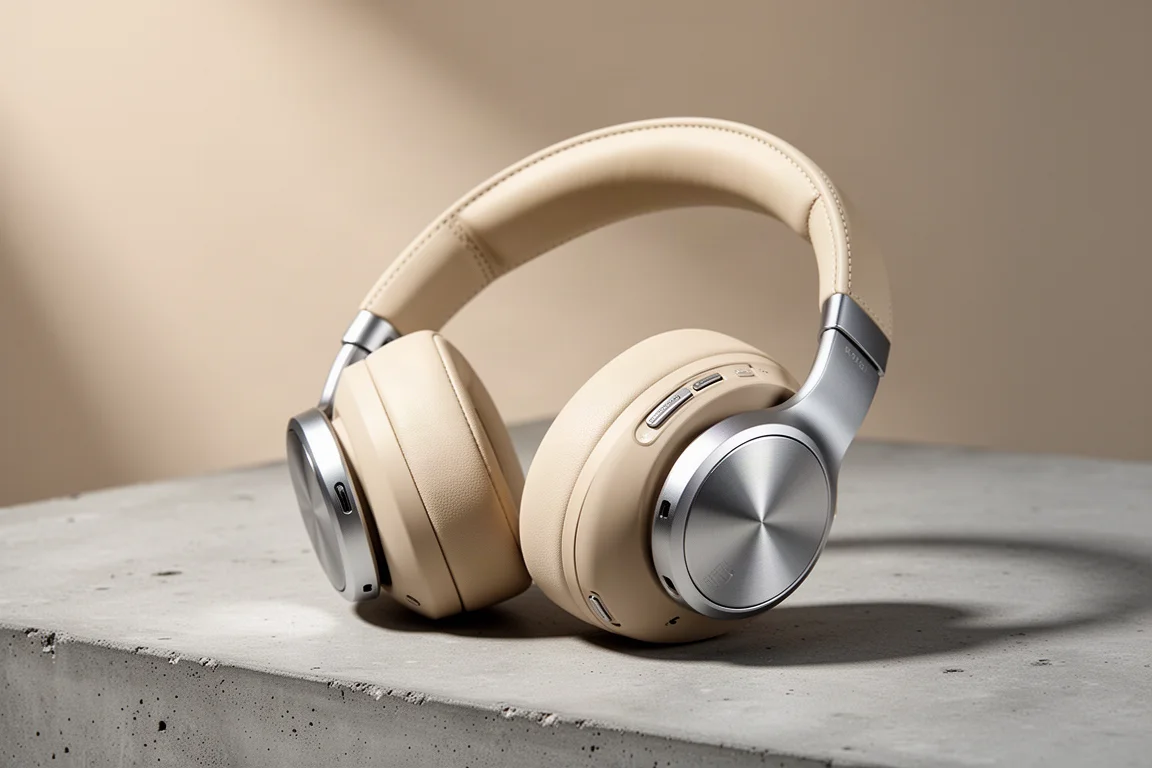
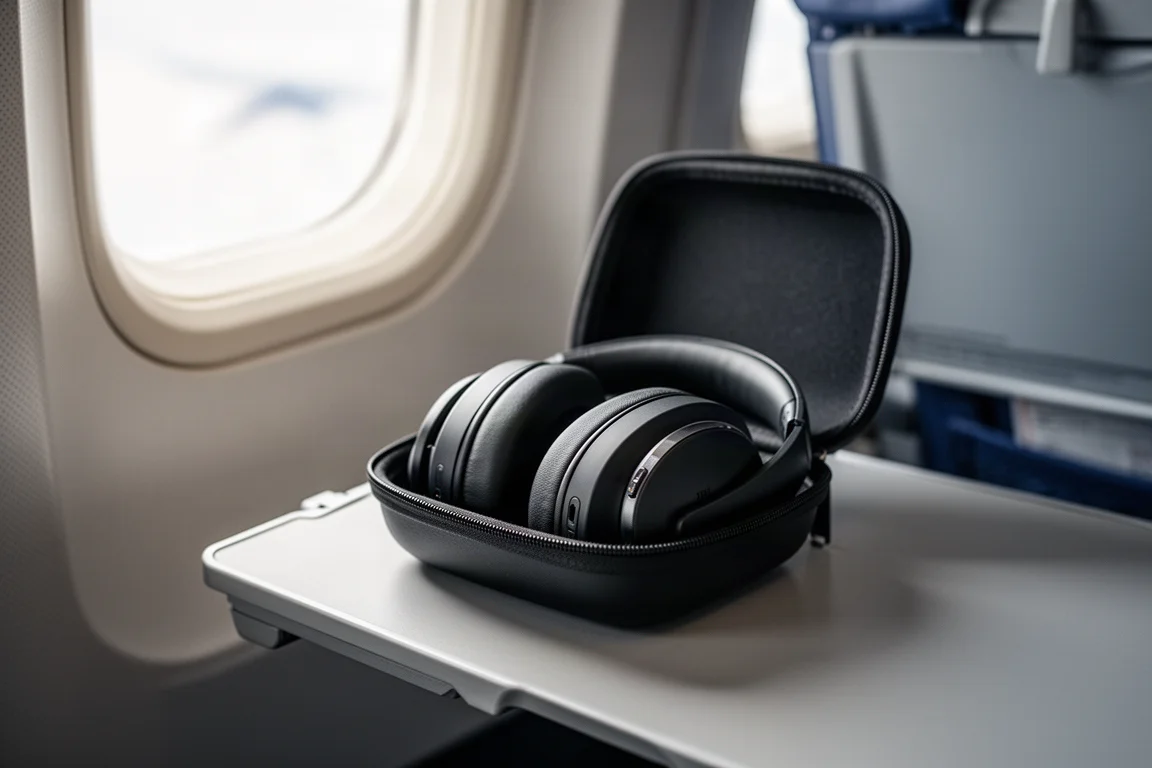
The Solitaire T uses pearl-blasted aluminium components, which give it a substantial, high-quality feel while keeping the weight manageable. It is not as light as some plastic headphones, but the premium materials and handbuilt construction add durability and refinement. It is available in black, silver, or off-white tan, and the leather-like headband and ear cups reinforce the upscale look. Swiveling ear cups help with fit and fold up for compact storage, keeping the included case as small as possible.
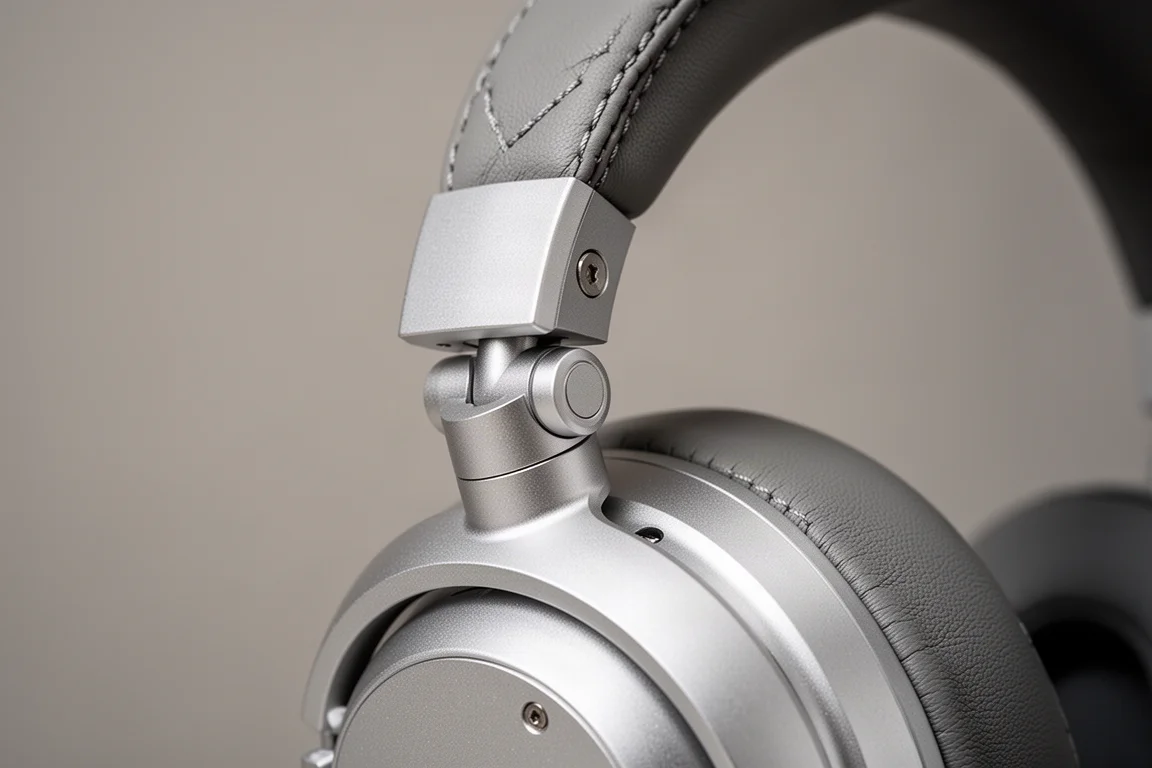
Across extended workday listening, most listeners found the headphones extremely comfortable. Some with larger heads noted a snug fit that required occasional adjustment, and those with larger ears may find the ear cups a little compact. The secure fit does help keep the headphones stable in use, and the combination of materials and thoughtful design makes them a reliable choice for long listening sessions.
Dual DAC Architecture and Listening Modes
At the centre of the design are custom 42mm cellulose drivers. Cellulose is stiff yet lightweight, which makes it well suited to diaphragms and is a common choice in high-performing passive dynamic headphones.
The more distinctive feature is that the Solitaire T contains two separate DACs. One is built into the Qualcomm Bluetooth chip for wireless playback, while an ESS Sabre ES9218 32-bit DAC handles the high-resolution path. Bluetooth runs on a Qualcomm QCC5127 chip, supporting SBC and AAC as well as higher-quality codecs for streaming.
In normal or active noise cancelling mode over Bluetooth, the Qualcomm chip’s internal DAC processes the audio. This is the mode for listening on the move, and it delivers strong connectivity with up to 70 hours of battery life. In high-quality mode, the Qualcomm chip acts as a Bluetooth bridge and passes the signal to the ESS Sabre DAC for greater detail and clarity. This mode was tuned specifically for the Solitaire T and delivers a substantial improvement in sound quality. It does reduce battery life to around 35 hours, roughly half of the standard figure, which is a trade-off many listeners will consider worthwhile.
T+A also uses Class AB amplification rather than the more common Class D designs found in wireless headphones, and volume is controlled in the analog domain. The result is a more natural, musical presentation. A USB-C DAC mode lets you connect the headphones directly to any USB-C compatible device, sending music straight to the ESS Sabre chip for a wired experience without compression. An analog 3.5mm connection with 64 ohms impedance in passive mode lets you bypass the internal DAC entirely and use an external DAC or amplifier. The headphones are easy to drive, and they scale well with better equipment.
Sound Quality and Noise Cancelling
The overall character of the sound is refined. Bass is tight and accurate, keeping a firm grip on the music rather than adding extra weight, so listeners who want a heavily boosted low end should look elsewhere. The mid-range and treble maintain the same refined character, delivering consistent clarity and detail at almost any volume. The soundstage is not the widest available, but it is good for a closed-back design, and imaging is a clear strength, with convincing instrument placement within the recorded space. The performance is good enough that it can be easy to forget you are listening over Bluetooth.
Noise cancelling is competitive with the best available, including brands well known for their ANC. Stronger noise cancelling does exist, but it tends to come with worse overall sound quality, and the Solitaire T strikes a good balance between blocking out distractions and preserving sound quality. Noise cancelling can also be enabled while the headphones are wired, as long as there is battery charge remaining.
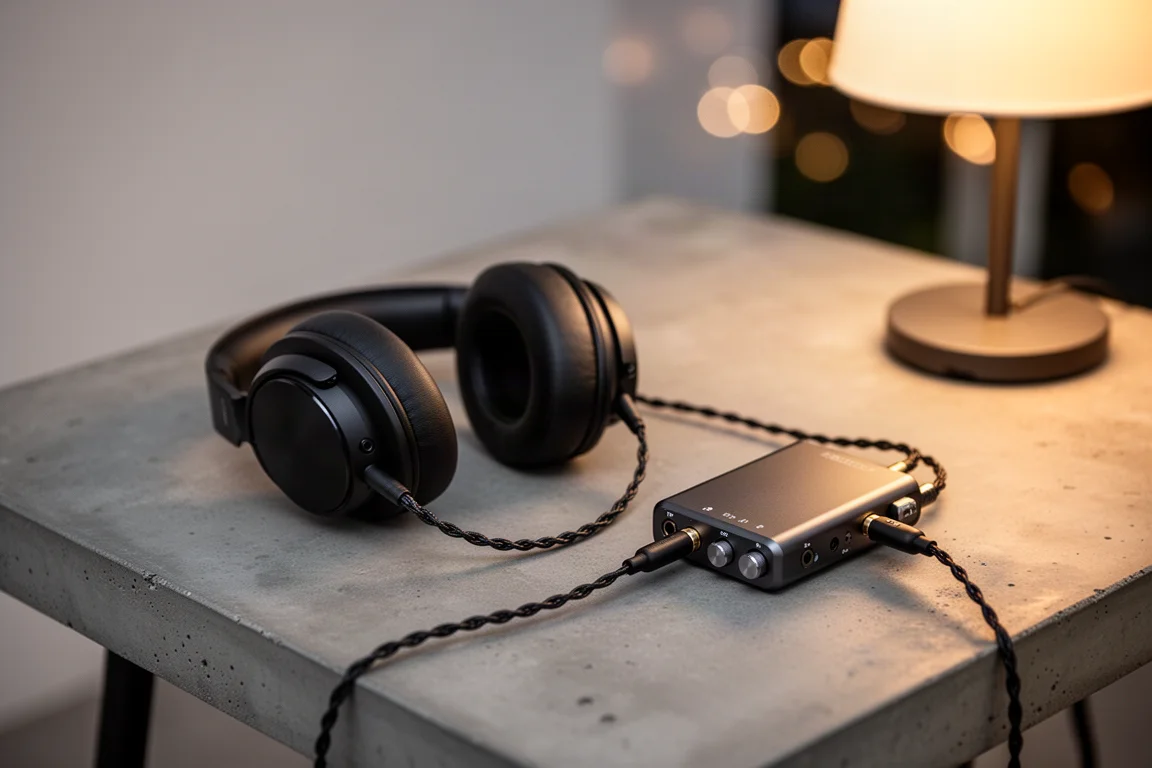
In passive mode, the headphones become even more impressive. Connected to popular portable DAC amplifiers, both units had no trouble driving them, and every quality noted over Bluetooth improved further, with better instrument separation, natural tone, and greater refinement. The wired connection simply provides resolution and signal integrity that Bluetooth cannot match. These are not casual or party headphones; they are serious music-reproduction tools that offer a polished window into your favourite tracks.
The companion app cycles between ANC, normal, and high-quality modes and includes a built-in EQ. The EQ offers presets rather than the parametric or graphic adjustment some listeners prefer. Across the presets, the flat setting with no EQ engaged sounded best to most listeners, though preferences vary. The app itself is simple and well laid out, and while it is not packed with deep settings, it makes the headphones easier to use and keeps attention on the music.
Controls combine physical buttons with touch-sensitive input. Physical buttons change modes, while touch gestures handle transparency mode and track control, and transparency can also be toggled with a double tap. Within the app, ANC can be set to office, environment, or maximum depending on the situation. The headphones ship with a sturdy, well-made case and all the cables needed to get started, including USB-C plus balanced and unbalanced cables for connecting to an external DAC or amplifier.
Things to Consider Before Buying
The Solitaire T is not an inexpensive headphone. It makes more sense when you consider what a comparable high-end pair plus a quality separate DAC would cost, along with the build quality and the range of features included.
Two practical points are worth weighing. First, high-quality mode roughly halves battery life compared with standard and ANC modes, so frequent travellers may need to decide between maximum listening time and maximum sound quality. Second, the app’s EQ is preset-based, so listeners who like to dial in their own curves manually will not be able to do so at present.
Fit is the other consideration. The secure fit works well for stability, but listeners with larger heads may find it snug and those with larger ears may find the ear cups compact. Trying them before committing is worthwhile if either applies to you.
Buying Advice
Choose the Solitaire T if you want one pair of headphones that handles wireless listening, travel, and home high-resolution playback without a second purchase. The dual DAC design means you can prioritise battery life and noise cancelling on the move, then switch to high-quality mode or a wired connection when sound quality matters most.
If your priority is the strongest possible noise cancelling above all else, other options go further. If your priority is accurate, refined sound from a single pair of wireless headphones, the Solitaire T is a strong candidate, particularly for listeners who already stream high-resolution music or plan to. Add the passive mode and the ease with which it drives from portable amplifiers, and it becomes a headphone that can grow with the rest of your setup rather than being replaced by it.
Conclusion
The T+A Solitaire T takes a different approach to wireless headphones. Rather than accepting the usual compromises, it combines premium materials, a genuine high-resolution DAC path, effective noise cancelling, and long battery life in a single package, then lets you choose how much of each you want at any moment. For listeners who value refined, detailed sound and want the convenience of wireless without giving up the option of a wired, high-resolution signal, it is a compelling choice.
Product link
View more details for T+A Solitaire T
This product is mentioned in the review. Check the specifications, options, and compatibility before buying.
View more details for T+A Solitaire TFurther reading
Related Reviews
Wireless Headphones
Best Wireless Over-Ear Headphones 2026: Five Top Picks for Different Listeners
Five wireless over-ear headphones that stood out in extended listening, with clear guidance on which one suits noise cancellation, musicality, detail, luxury, or pure sound quality.
Wireless Headphones
Bowers & Wilkins Px7 S2 Review: Refined Wireless Noise Cancelling
A detailed look at the Bowers & Wilkins Px7 S2, covering its redesigned build, comfort, app features, battery life, sound quality, and noise cancelling performance.
Wireless Headphones
Bowers & Wilkins Px8 vs Px7 S2: Which Wireless Headphone Is Worth It?
Two closely related over-ear headphones share the same app, controls and comfort padding. Here is what the Px8 adds for the extra spend, and when the Px7 S2 is the smarter buy.