Wireless Headphones
Bowers & Wilkins Px7 S2 Review: Refined Wireless Noise Cancelling
A detailed look at the Bowers & Wilkins Px7 S2, covering its redesigned build, comfort, app features, battery life, sound quality, and noise cancelling performance.
Introduction
The Bowers & Wilkins Px7 S2 is a fully redesigned flagship in the brand’s Px noise cancelling range. The previous Px7, introduced in 2019, earned a strong following in the wireless noise cancelling category, and the S2 rebuilds that formula inside and out rather than applying a light refresh.

The redesign touches almost every part of the experience. There is a new driver, a new six-microphone array, a reshaped ear cup with more internal room, a faster charging cycle, and a single companion app that now covers several Bowers & Wilkins products. The look stays close to the family’s cloth and aluminium character, but the detailing is noticeably more upscale than before.
Who This Product Is For
The Px7 S2 is aimed at listeners who want noise cancelling and serious sound quality in the same pair of headphones, rather than choosing between the two. Remote workers are an obvious fit, because the headphones support wired USB-C audio through a built-in DAC, which matters for laptops that no longer include a 3.5 mm jack.
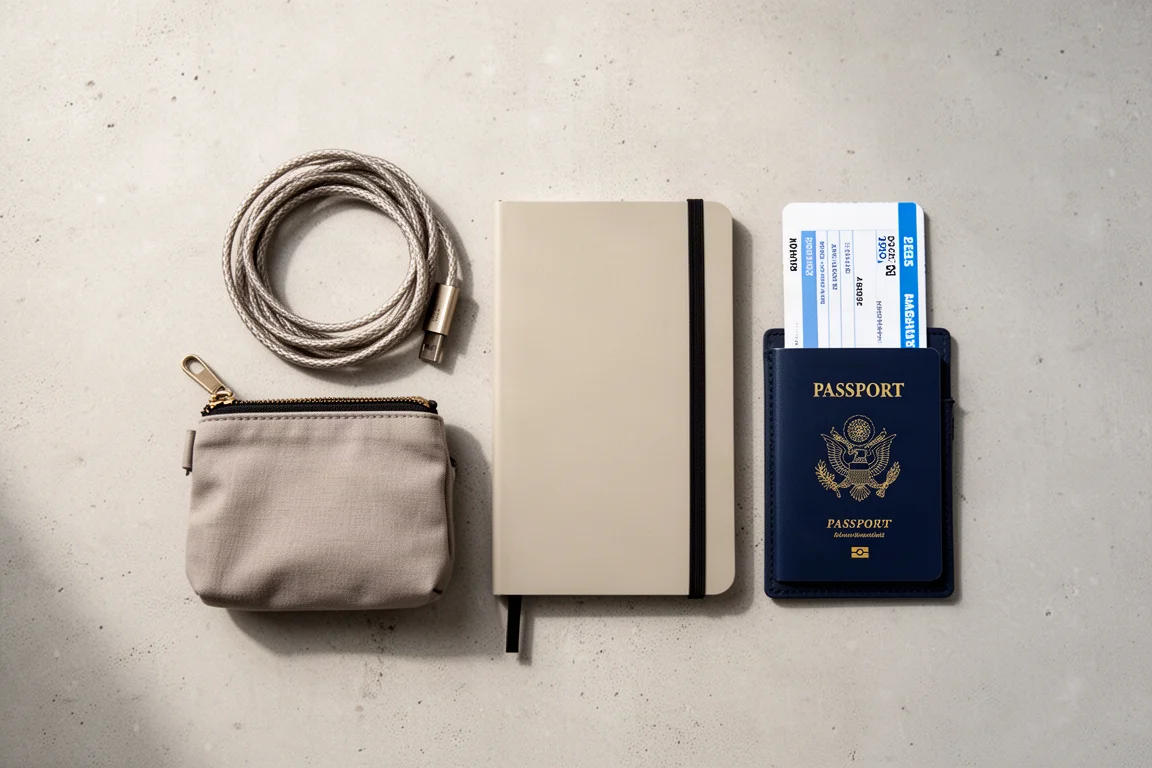
Frequent travellers also sit squarely in the target group. The headphones pack into a compact soft-shell case, charge quickly, and run long enough to cover multi-day trips without a daily top-up.
Finally, the S2 suits anyone considering a step up from mainstream noise cancelling models who is not ready to move to audiophile-grade wired headphones, which typically cost considerably more.
Design, Comfort, and Controls
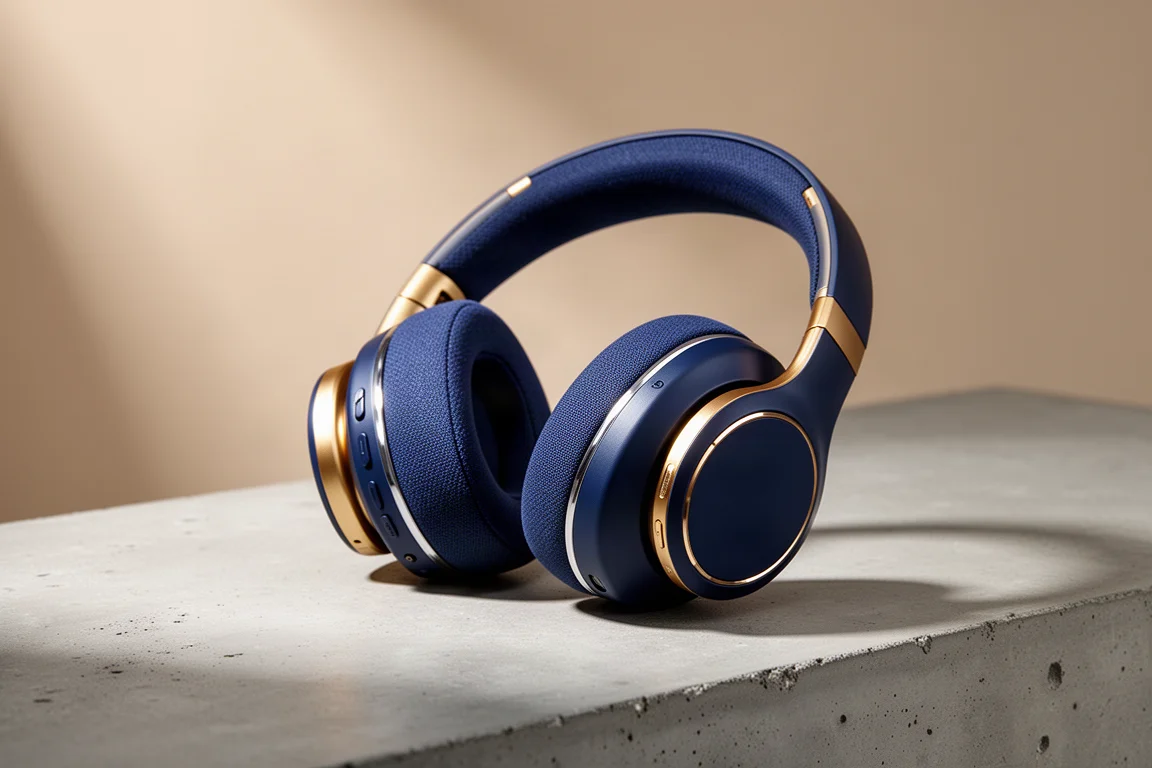
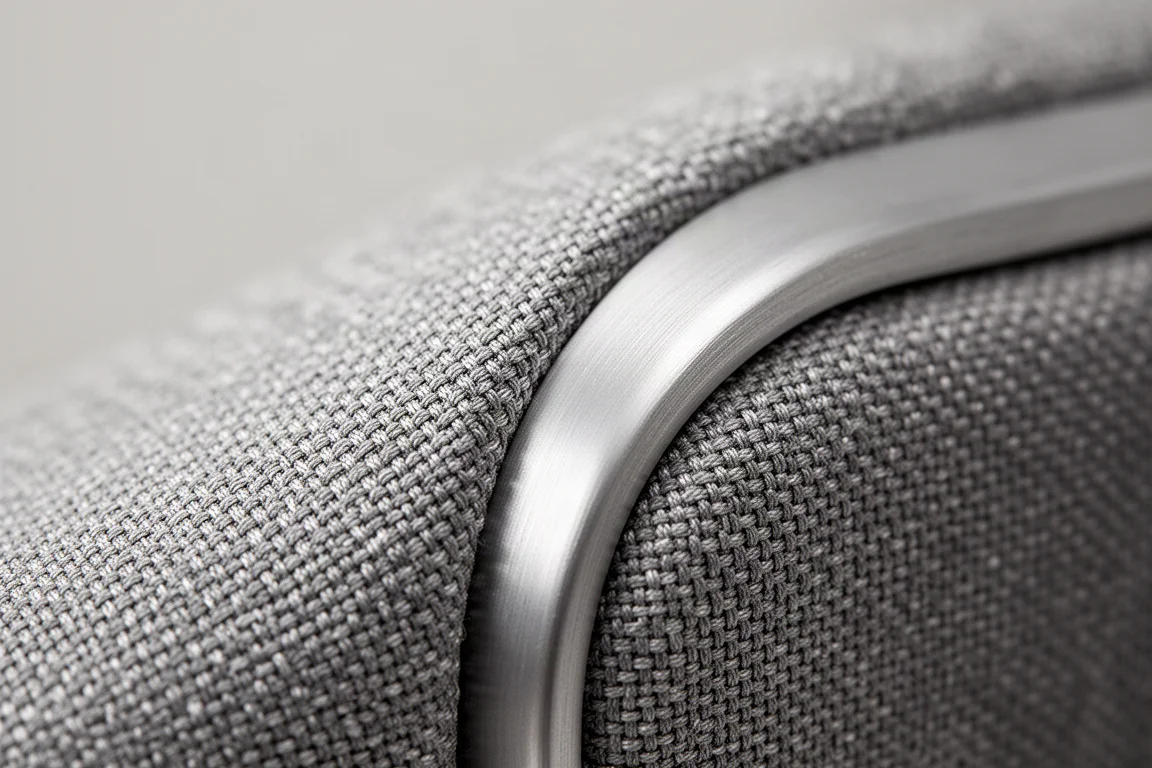
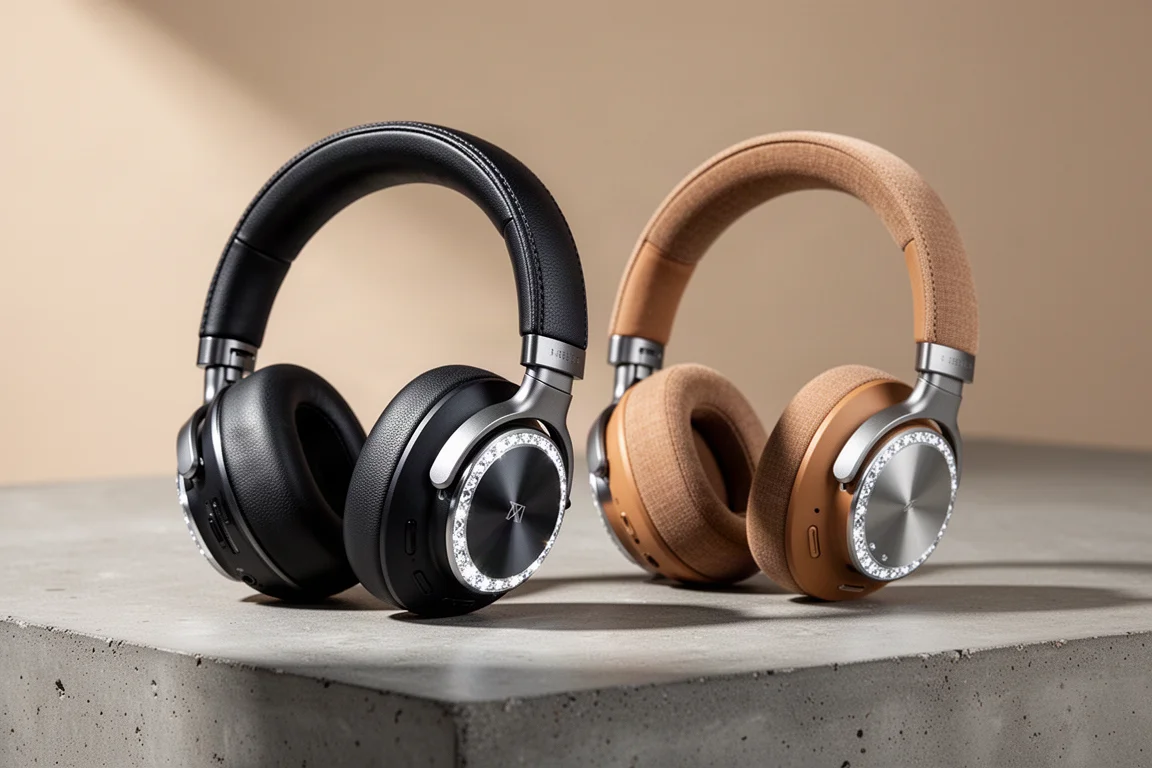
The build mixes cloth and aluminium, with polished accent rings framing the ear cups and embossed branding on the sides. It reads as understated luxury rather than flashy hardware. Three finishes are offered: a light gray, the classic black, and a blue and gold combination that is the most expressive of the three.
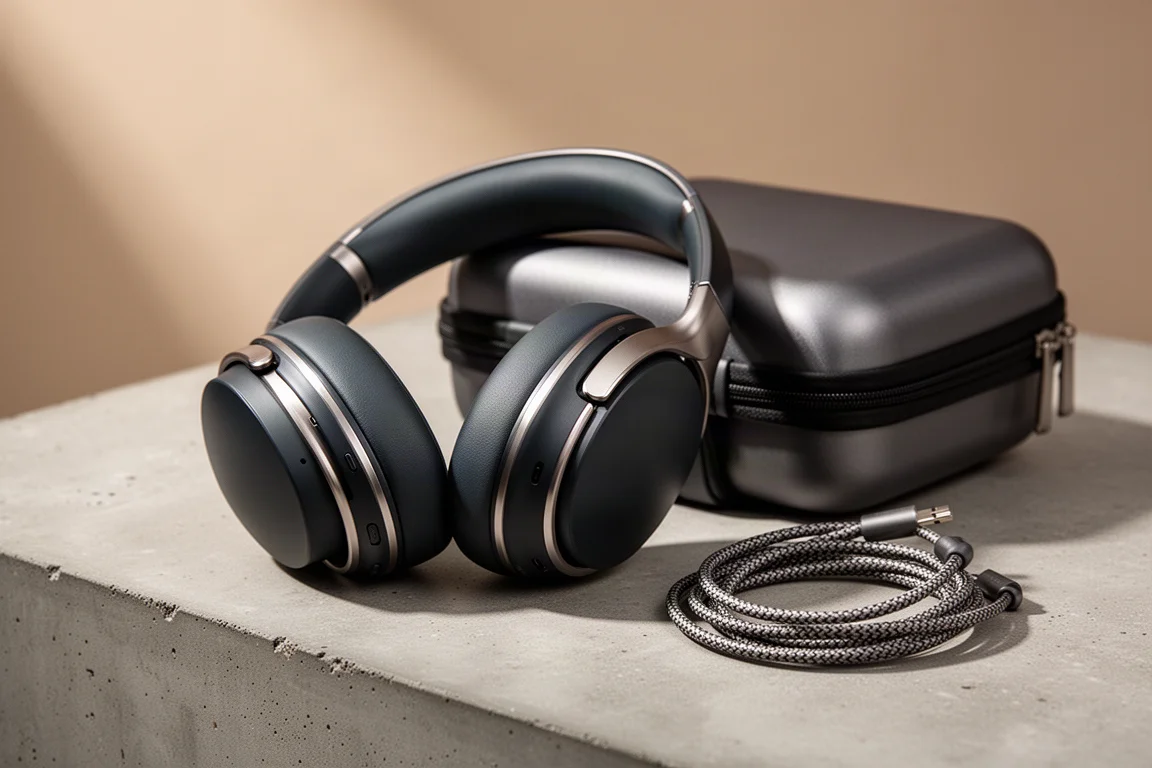
The bundled travel case has been reshaped to match the new dimensions. It is slightly smaller than before, easier to slide into a backpack, and deeper than most included cases to accommodate the ear cups. A deep central pouch snaps shut magnetically and holds the two supplied cables: a four-foot USB-C to 3.5 mm headphone cable and a four-foot USB-C charging cable.
Controls are entirely physical. The left ear cup carries a multi-function button that can be assigned to noise cancelling, the ambient aware transparency mode, or a phone’s voice assistant. On the right, a toggle handles power and Bluetooth pairing, a ribbed button controls playback, and dedicated buttons raise and lower volume. Physical buttons are easy to locate by touch and behave consistently in cold or wet weather, where swipe gestures tend to become less dependable.
Comfort received real attention. The ear cups use an oblong rectangular shape rather than an oval, which spreads clamping force more evenly around the ear. Thicker memory foam padding covers a wide surface area, and the redesigned chambers give the ears more room. In practice, weight is distributed evenly across the top of the head, which reduces pressure points during longer sessions.
Features and Technology
The Px7 S2 uses the Bowers & Wilkins Music app rather than a dedicated headphone app, the same platform used by the brand’s Panorama 3 soundbar and Zeppelin speaker. Inside, listeners can adjust noise cancelling levels, set how much ambient sound passes through, and shape the sound with an EQ tone control.
The driver is a revised custom 40 mm unit with a lower distortion bio-cellulose diaphragm and a 20 mm voice coil that draws on the voice coil former approach used in the brand’s premium loudspeakers. Updated magnets and motor systems produce new cones intended to cut distortion and improve resolution and detail. The drive units are also angled inside the ear cups to direct sound more precisely toward the ear canals, an approach more commonly found in far more expensive headphones.
Wireless playback runs over Bluetooth with aptX Adaptive, which supports 24-bit / 48 kHz transmission and low latency. The USB-C port handles charging and also passes high-resolution audio over a wired connection using the headphones’ built-in DAC.
Noise cancelling relies on a new DSP algorithm paired with a six-microphone array: four microphones dedicated to active noise cancelling and a dual voice-calibrated system for picking up speech. A proximity sensor detects when the headphones are worn, pausing music and powering down when they are removed.
Battery life is rated at up to 30 hours per charge, with roughly 25 hours available when active noise cancelling is in use. A full charge now takes about two hours, down from three on the previous generation, and a 15-minute top-up provides around seven hours of playback.
Sound Quality and Noise Cancelling
Tonally, the Px7 S2 takes a neutral, natural approach when the settings are left flat, staying close to the character of the original recording. Low-frequency content is presented broadly rather than exaggerated, which helps dense recordings hold together when many natural instruments play at once. Vocal material sits clearly in the centre of the image, and the presentation is wide for a closed-back design, with transient attacks articulated cleanly.

Noise cancelling is strongest in the low-frequency range, where the hum of a car engine or a passing train is reduced effectively, and performance here is comparable to the leading noise cancelling headphones available. Call quality is a clear strength: the voice-calibrated microphone array reduces background noise substantially, and callers report clear speech even in busy urban environments, with fewer requests to mute during conference calls.
Things to Consider Before Buying
A few points are worth weighing before committing. Bowers & Wilkins does not publish a frequency response for the S2, so buyers who like to compare measurements will not have that data to work from.
The all-button control scheme is dependable, but anyone used to swipe gestures on a touch panel may need time to adjust to dedicated playback and volume buttons.
Comfort holds up well over long sessions, though the ear cups can still warm up after extended wear, as with most closed-back designs.
Battery figures are generous, but the headline 30 hours applies without active noise cancelling, and around 25 hours with it engaged. Charging is fast, yet still requires a cable rather than a charging case.
Buying Advice
If the priority is the best possible sound in a wireless noise cancelling headphone at this price point, the Px7 S2 makes a compelling case. The trickle-down driver and voice coil technology, the angled internal positioning, and the neutral tuning give it a genuine edge over much of the category.
Buyers who mainly want capable noise cancelling and reliable features will also find the earlier Px7 models worth a look, since they deliver the same core experience for similar money. The S2 is the version to choose when you want the acoustic advantage and the improved microphone clarity on calls. Whichever route you take, the combination of a two-hour charge time, seven-hour quick charge, wear detection, and USB-C high-resolution audio makes the S2 easy to live with day to day.
Conclusion
The Px7 S2 is a meaningful step forward rather than a cosmetic update. Comfort, control layout, charging speed, app support, and call clarity have all been refined, and the driver technology carried over from the brand’s premium loudspeakers gives the sound a natural, detailed character that stands out in the wireless noise cancelling market. For listeners who want one pair of headphones for work, travel, and serious listening, it is a well-considered choice.
Product link
View more details for Bowers & Wilkins Px7 S2
This product is mentioned in the review. Check the specifications, options, and compatibility before buying.
View more details for Bowers & Wilkins Px7 S2Further reading
Related Reviews
Wireless Headphones
Best Wireless Over-Ear Headphones 2026: Five Top Picks for Different Listeners
Five wireless over-ear headphones that stood out in extended listening, with clear guidance on which one suits noise cancellation, musicality, detail, luxury, or pure sound quality.
Wireless Headphones
Bowers & Wilkins Px8 vs Px7 S2: Which Wireless Headphone Is Worth It?
Two closely related over-ear headphones share the same app, controls and comfort padding. Here is what the Px8 adds for the extra spend, and when the Px7 S2 is the smarter buy.
Wireless Headphones
Focal Bathys Review: Wireless Noise Cancelling With a Built-In USB DAC
A close look at the Focal Bathys, a wireless noise-cancelling headphone with an M-shaped dome driver, a 30-hour battery, and a built-in USB DAC that handles up to 24-bit/192 kHz.