Wireless Headphones
Bowers & Wilkins Px8 vs Px7 S2: Which Wireless Headphone Is Worth It?
Two closely related over-ear headphones share the same app, controls and comfort padding. Here is what the Px8 adds for the extra spend, and when the Px7 S2 is the smarter buy.
Introduction
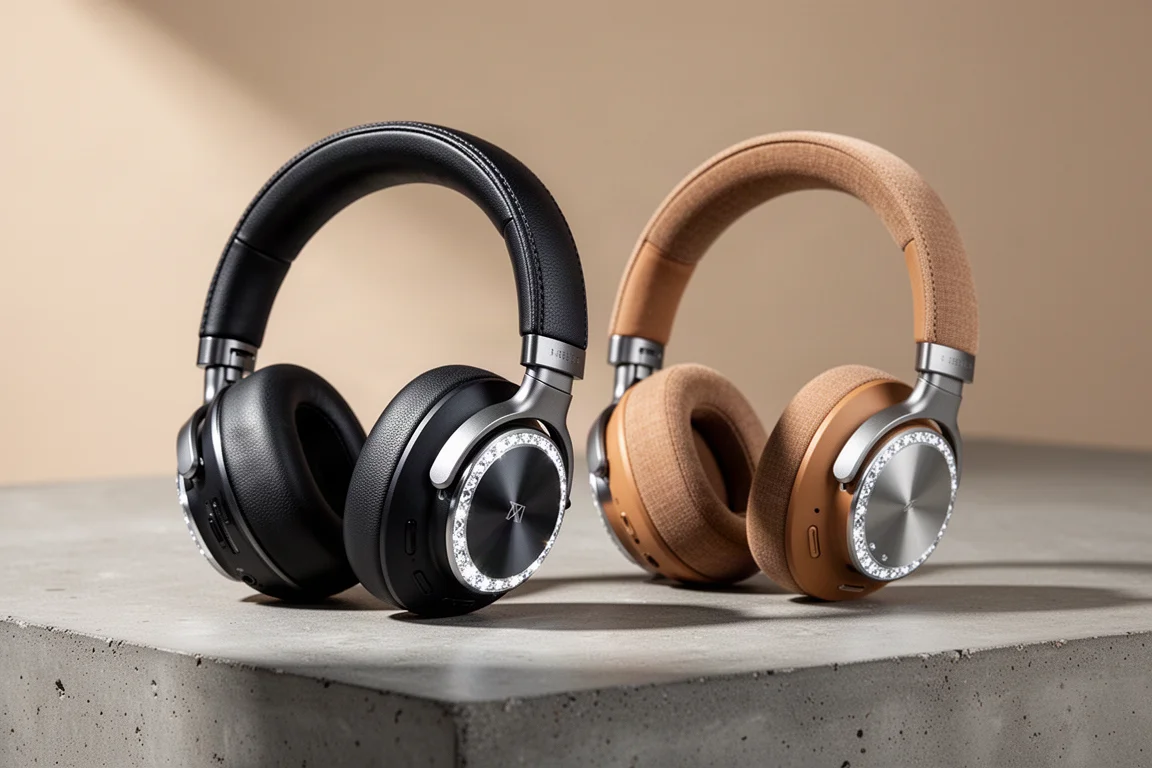
The Bowers & Wilkins Px8 and the Px7 S2 sit close together in the same lineup, and at a glance they are genuinely hard to tell apart. They run the same software and electronics, they share a control layout, and they ship with the same accessories. The real question is what the Px8 adds for the extra spend.
The short answer is a different driver, a more luxurious build, and a slightly tighter seal around the ears. Here is how the two compare in daily use, and which one suits which listener.
What the Px8 and Px7 S2 Share
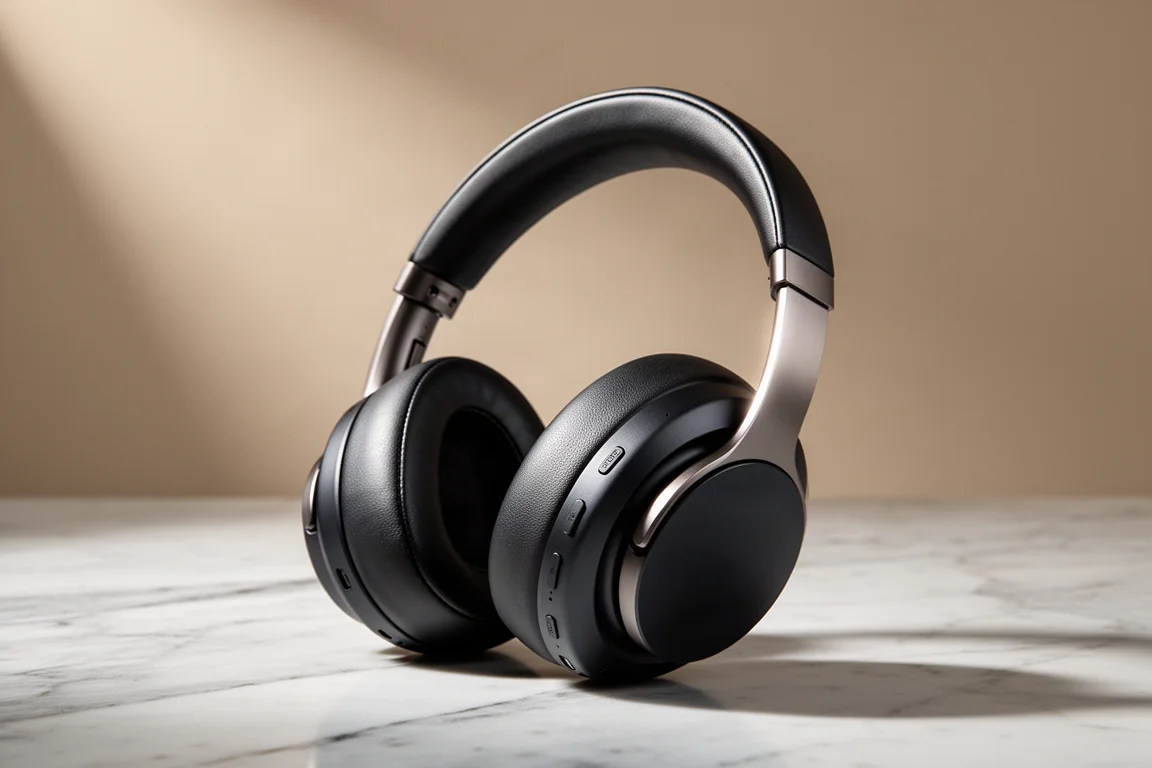
Both headphones run on the same electronics and the same companion app, so the learning curve is identical whichever model you choose. The left ear cup carries a multi-function button that can be set to cycle noise cancelling and ambient aware transparency, or to call up the voice assistant on a paired phone. The right ear cup holds a toggle for power and Bluetooth pairing, an indicator LED for connection and battery status, a ribbed playback button, and dedicated buttons for raising and lowering the volume.
A USB-C port handles charging, and it also accepts a USB-C to 3.5 mm cable for wired listening. Two details are worth knowing before you rely on that: the headphones still need some charge to operate in wired mode, and the on-board microphones are not available while wired.
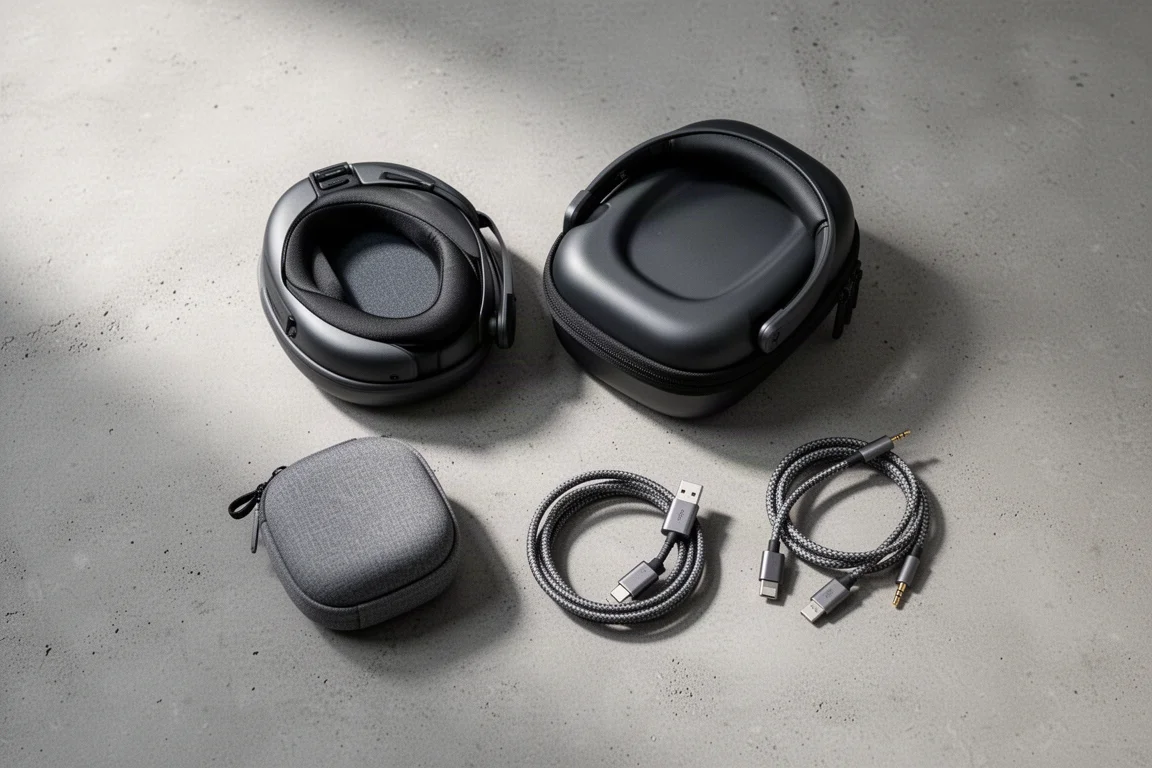
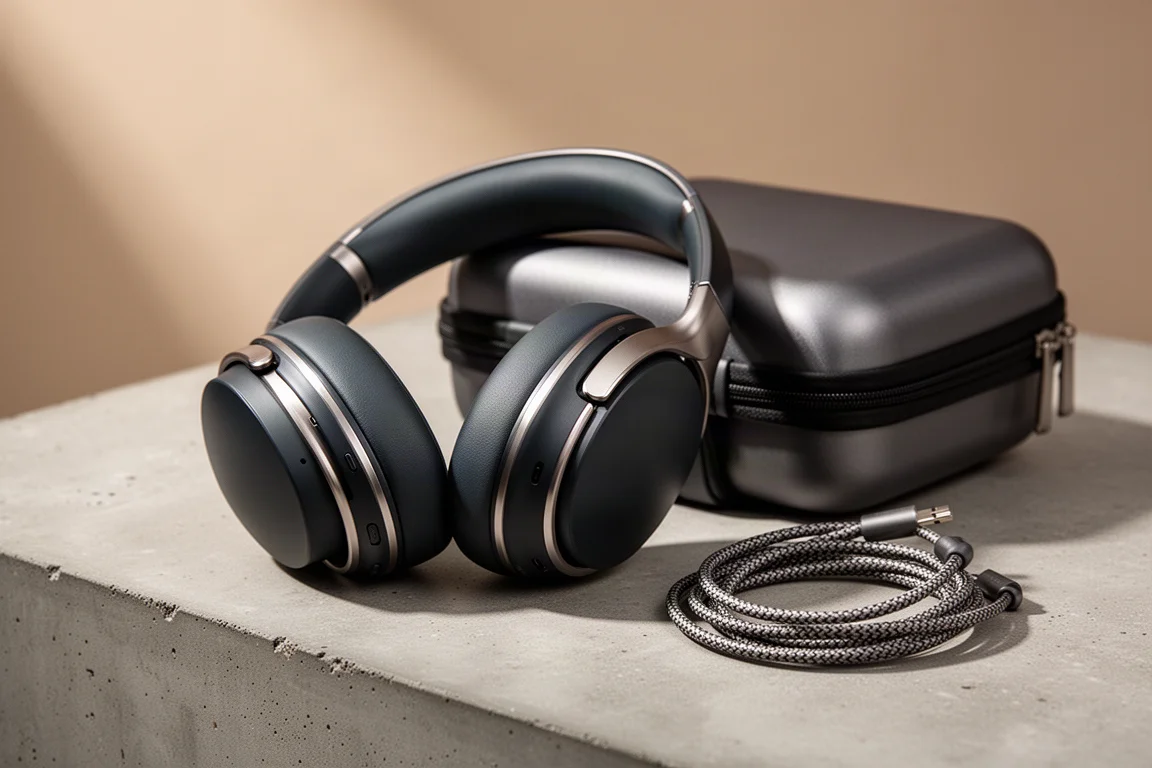
Both models ship with a protective case that includes a magnetic pouch for stowing accessories, a long four foot USB-C to 3.5 mm cable, and a generous four foot USB-C charging cable. Comfort hardware is shared as well, with pressure-relieving memory foam lining the ear cushions and the headband. Both support the same Bluetooth codecs and the same frequency range, and both angle their drive units inside the ear cups to direct sound toward the ear canal.
Because the platform is shared, the differences between these two headphones come down to materials, driver design, and the seal the ear cushions create. That is where the price gap starts to earn its keep.
Bowers & Wilkins Px8: The Flagship Step Up
The Px8 is built around a 40 mm driver with a carbon fiber diaphragm, chosen because carbon stays rigid high into the frequency range. A stiffer diaphragm can respond to transient attacks in a more pistonic way, which reduces distortion across a broader band and improves the resolution of details in the top end, especially in busy music where many instruments play at once. The voice coil measures 20 mm, roughly 30 percent larger than the 15 mm unit in the Px7 S2, and it sits alongside updated magnets and motor systems. The drive units are also carefully positioned and angled inside the ear cups.
Materials are the other headline. Fine Napa leather covers almost the entire surface, including the headband and the exteriors of the ear cups, over a die-cast aluminum frame. Diamond-cut edges surround the logo on the outer plates, creating a crisp contrast against the leather. The headphones come in a dark black or a light tan leather finish, each paired with a dark or light metal frame. Weight is slightly over 11 ounces, less than half an ounce more than the Px7 S2, and the pressure is distributed evenly enough to wear for hours without wanting to take them off.
Noise cancelling uses an advanced hybrid algorithm with a new DSP hardware platform and six microphones working together: two measure the output of each drive unit, two listen to ambient noise from the outside world, and two handle voice performance with enhanced noise suppression. Battery life is rated at 30 hours with active noise cancelling, a full charge takes about two hours, and a 15 minute top-up provides around seven hours of playback. Wear detection pauses the music and powers the headphones down when they come off.
Bowers & Wilkins Px7 S2: The Value-Focused Sibling
The Px7 S2 uses biocellulose diaphragms and a 15 mm voice coil, and it remains an outstanding option at its price point. It shares the app, the controls, the memory foam padding, and the accessory bundle with the Px8, so nothing about the ownership experience feels stripped back. Its character leans a little more toward rugged, on-the-go use, which makes it a sensible choice for commuting, travel, and everyday listening.
The sound is close. Differences between the two show up in timing and detail rather than in overall balance, and they are far easier to notice in a quiet room than out on a busy street. For most listeners the Px7 S2 delivers the same app features, the same noise cancelling and transparency modes, and the same long-wear comfort for about $100 less.
Sound Quality: Carbon Fiber vs Biocellulose Drivers
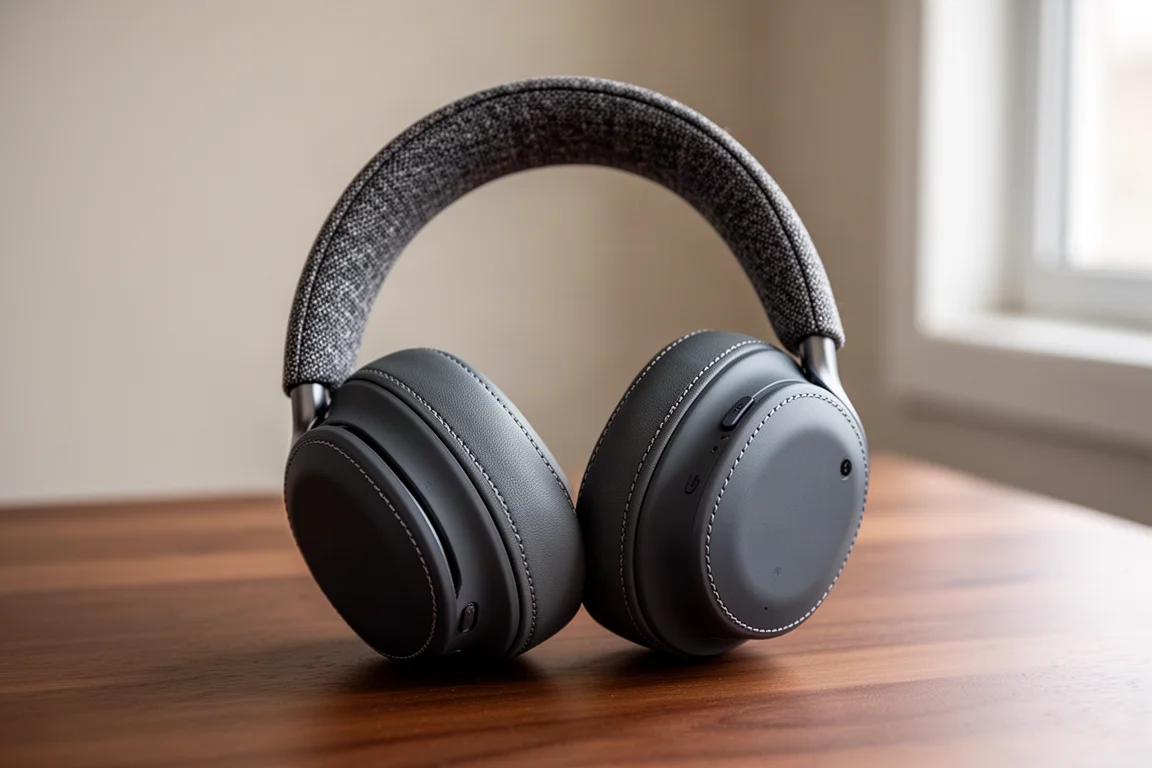
Both models handle the same codecs, cover the same frequency range, and angle their drivers, so the move from biocellulose to a carbon cone is the meaningful change. The carbon diaphragm shows up as faster, cleaner transients.
On a synth-heavy track with layered vocals, the Px8 filled the sound stage quickly and kept vocal detail intact. When the drums entered, snare hits landed quicker and with more power than on the Px7 S2, and they sounded effortless rather than forced. On a bass-forward track, the Px8 retrieved small details from the bass guitar and controlled the low end with precision, even with many natural instruments playing at once. Imaging and focus came across as more precise, with vocals placed in front of the listener rather than wrapped around the head, which gives the presentation a more live feel.
These gains are subtle. They reward close listening in a quiet room, and they matter most to listeners chasing an audiophile-grade presentation. With noise cancelling engaged and the outside world competing for attention, the two headphones sound much closer. Wireless transmission supports 24-bit / 48 kHz audio with low latency, which is what makes the extra resolution in the driver worth having.

If you compare them back to back in a quiet space, the Px8 feels more resolute and more precise in timing. On a noisy train platform, that advantage narrows considerably.
Noise Cancelling and Transparency Modes
Both headphones use adaptive noise cancelling that stays natural rather than oppressive, and both cancel the steady sounds that matter on a commute or a flight. The Px8 holds a slight edge here, largely because the Napa leather cushions create a tighter and more natural seal around the ears. Transparency mode performed well on both, and it is genuinely useful when you need to hear traffic, a conversation, or your surroundings while music keeps playing.
Comfort, Materials, and Everyday Portability
The shared memory foam does most of the comfort work: thick, extra-soft padding in the ear cushions and the headband, with pressure spread evenly around the head and ears. The Px8 adds a luxury layer on top. Napa leather on the headband and ear cup exteriors, die-cast aluminum construction, and diamond-cut detailing give it a more crafted feel, down to the small touch of a Napa leather zipper tab on the case.
The Px7 S2 keeps cloth and aluminum as its main materials. That makes it the more practical pick for bags, trains, and daily handling, while the Px8 reads more as a statement piece for a desk, an office, or a quiet listening session at home.
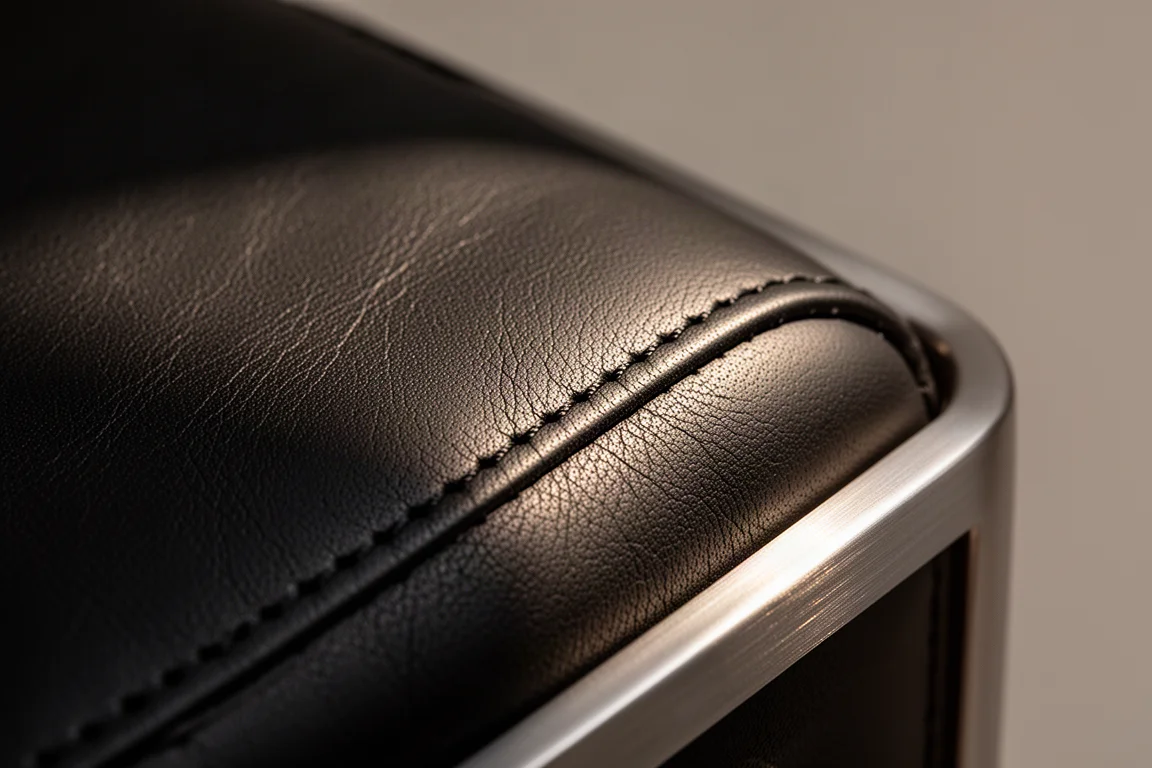
Weight is close enough that neither headphone feels heavy. The Px8 sits slightly over 11 ounces, less than half an ounce above the Px7 S2, and both stay comfortable over long sessions.
Battery Life, Charging, and Smart Features
The Px8 is rated for 30 hours of playback with active noise cancelling, and repeated battery checks matched that figure closely. A full charge takes around two hours, reduced from three on the previous generation, and 15 minutes of charging yields roughly seven hours of listening. Wear detection automatically powers the headphones down and pauses playback when they come off, which quietly saves battery across a long day.
The companion app handles noise cancelling, ambient pass-through, EQ adjustments, and device connections on a single screen, and it gathers supported music streaming services in one place. Because the same app also covers other Bowers & Wilkins products such as the Panorama 3 soundbar and the Zeppelin, it works as a single hub for the brand’s gear. Software updates delivered through it allow the headphones to keep improving over time.
Which One Should You Choose?
The gap between these two is about $100, and that money buys a carbon fiber driver, a Napa leather and die-cast aluminum build, and a slightly better seal for noise cancelling. If your budget allows and you want the best sound and the most luxurious materials in this lineup, the Px8 is the clear pick. If you want most of the same experience for less, the Px7 S2 is still an excellent headphone and unlikely to disappoint.
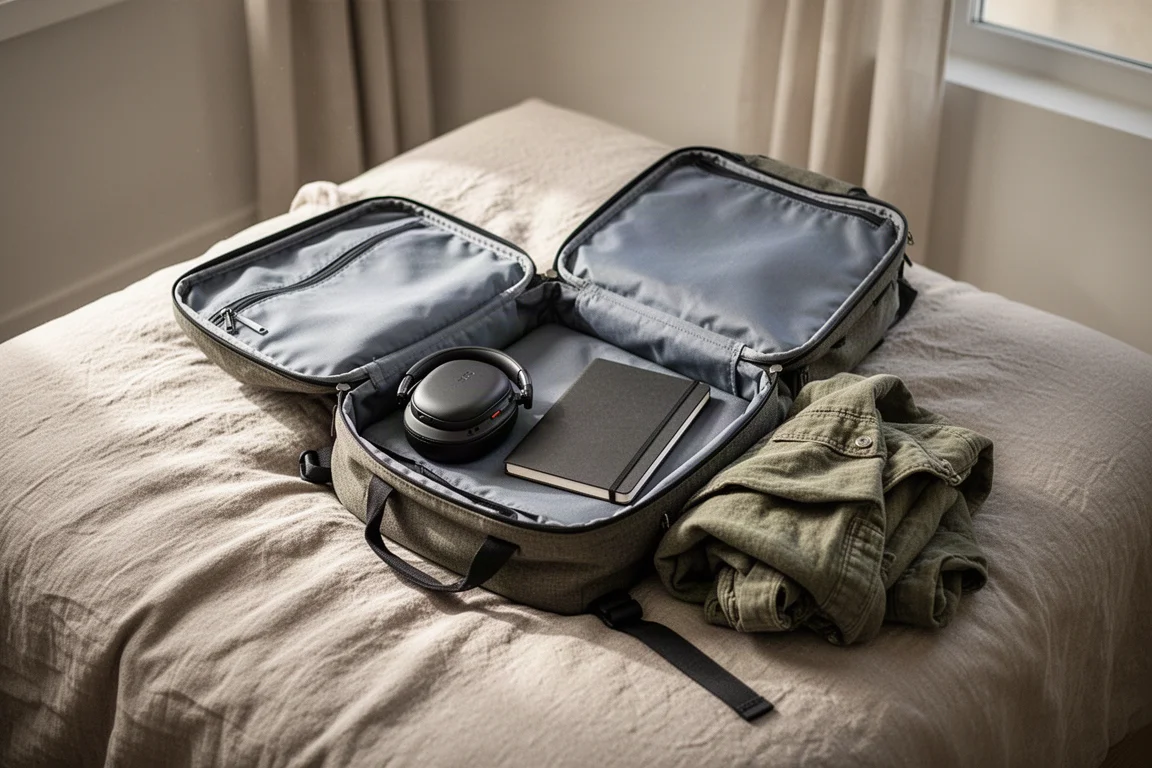
Think about where you actually listen. The Px7 S2 suits travel and everyday carry, where a more rugged finish is an advantage. The Px8 suits a desk, an office, or a quiet room at home, where its detail retrieval and build quality are easiest to appreciate.
Conclusion
Both headphones share the same app, the same controls, the same comfort padding, and the same accessories, so the decision comes down to how much you value the driver upgrade and the leather-and-aluminum finish. The Px8 is the step up for listeners who want the finest detail and a more premium feel. The Px7 S2 remains a strong choice at its price for everyone else.
Further reading
Related Reviews
Wireless Headphones
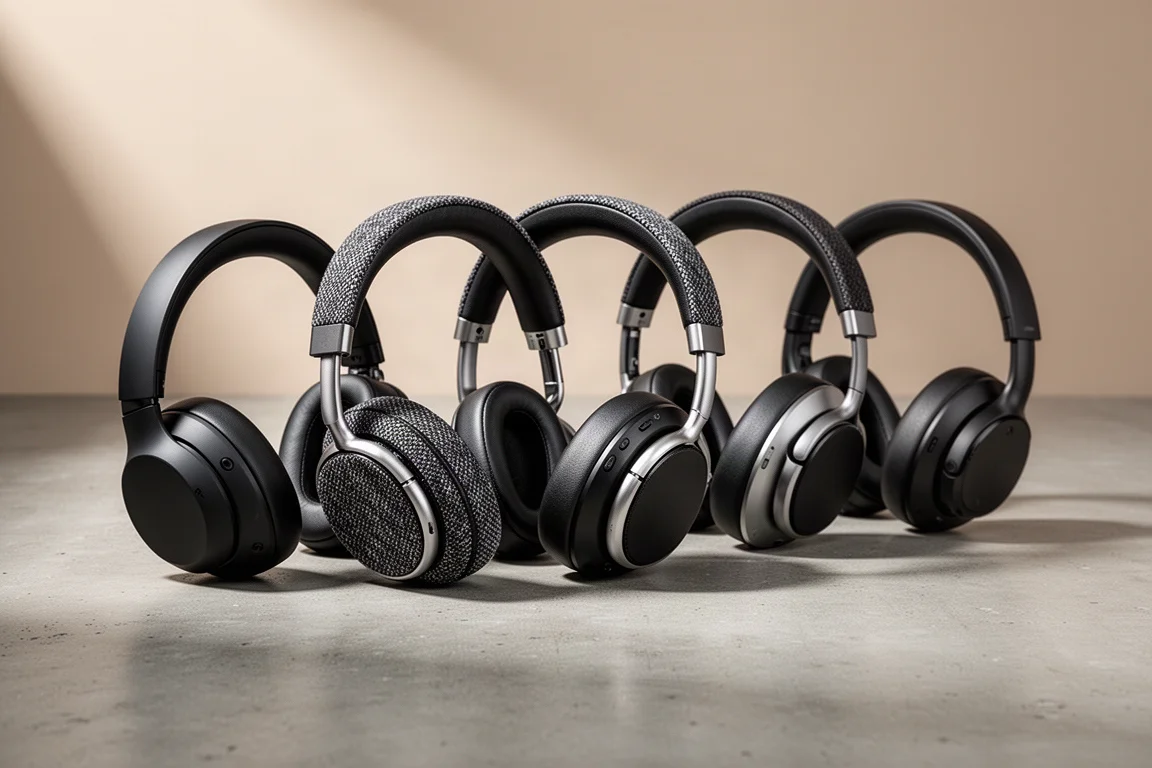
Best Wireless Over-Ear Headphones 2026: Five Top Picks for Different Listeners
Five wireless over-ear headphones that stood out in extended listening, with clear guidance on which one suits noise cancellation, musicality, detail, luxury, or pure sound quality.
Wireless Headphones
Bowers & Wilkins Px7 S2 Review: Refined Wireless Noise Cancelling
A detailed look at the Bowers & Wilkins Px7 S2, covering its redesigned build, comfort, app features, battery life, sound quality, and noise cancelling performance.
Wireless Headphones
Focal Bathys Review: Wireless Noise Cancelling With a Built-In USB DAC
A close look at the Focal Bathys, a wireless noise-cancelling headphone with an M-shaped dome driver, a 30-hour battery, and a built-in USB DAC that handles up to 24-bit/192 kHz.