Wireless Headphones
Best Wireless Over-Ear Headphones 2026: Five Top Picks for Different Listeners
Five wireless over-ear headphones that stood out in extended listening, with clear guidance on which one suits noise cancellation, musicality, detail, luxury, or pure sound quality.
Introduction
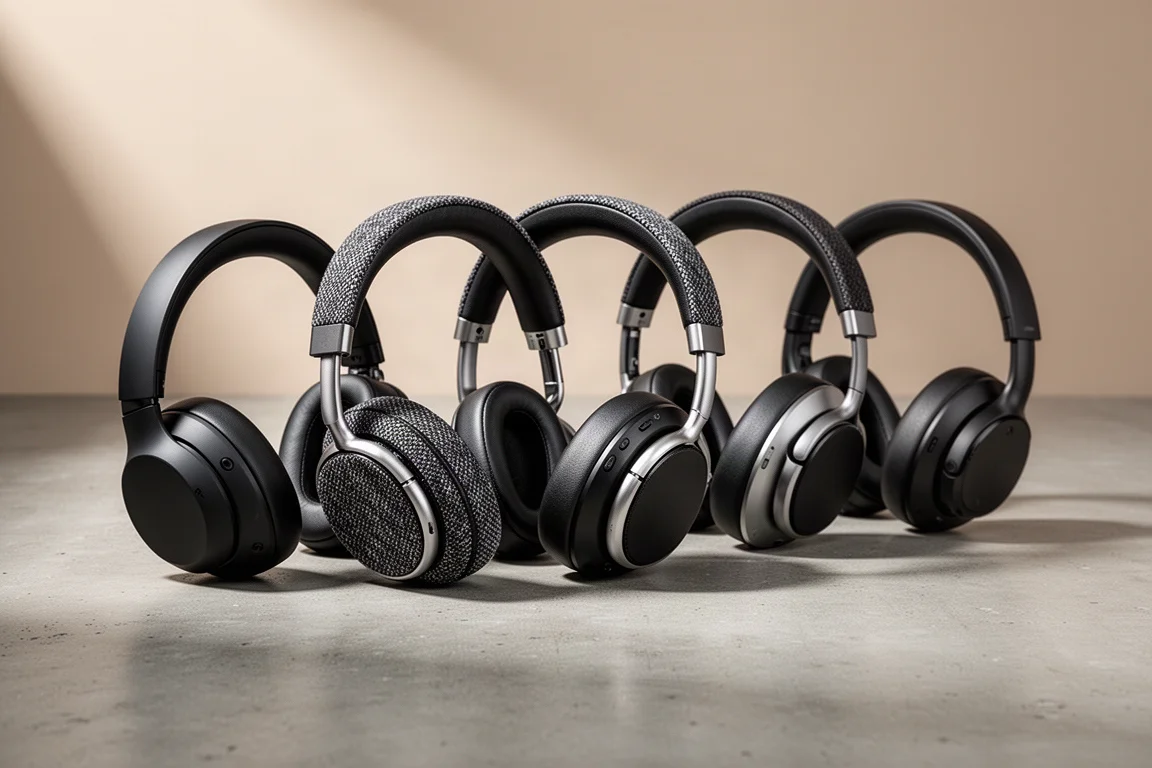
Wireless over-ear headphones have become one of the most popular categories in personal audio, and the market is full of genuinely good options. Narrowing that field down to five is harder than it sounds, because the best pair depends on what you value most: silence on a flight, a musical midrange, or reference-level detail.
This roundup covers five headphones that stood out after extended listening. Each one earned its place for a specific reason, and each suits a clearly different kind of listener.
The picks below range from the strongest noise canceller in the group to its most luxurious travel companion, and there is a distinct standout for pure sound quality.
How We Evaluated These Headphones
Every pair on this list was tested against the same three tracks, chosen to expose different strengths.
- “Instrumental” by Black Country New Road: a dense, dynamic recording used to judge overall balance. The question is whether each instrument can be heard separately without the mix turning muddy.
- “Lay Me Down” by Crosby and Nash: a vocal-forward track used to test midrange quality. Clear, detailed vocals should not be overtaken by high or low frequencies, and the low end needs enough strength to support the midrange so that voices sound full and realistic. Spacious, stable harmonies matter here too.
- “Bad Guy” by Billie Eilish: heavy bass, layered whisper tones, and a well-known bass drop at the end. This track shows how well a headphone handles bass while keeping the vocal immersed and separated.
Because hearing is personal, the most reliable way to choose is to listen for yourself whenever you get the chance.
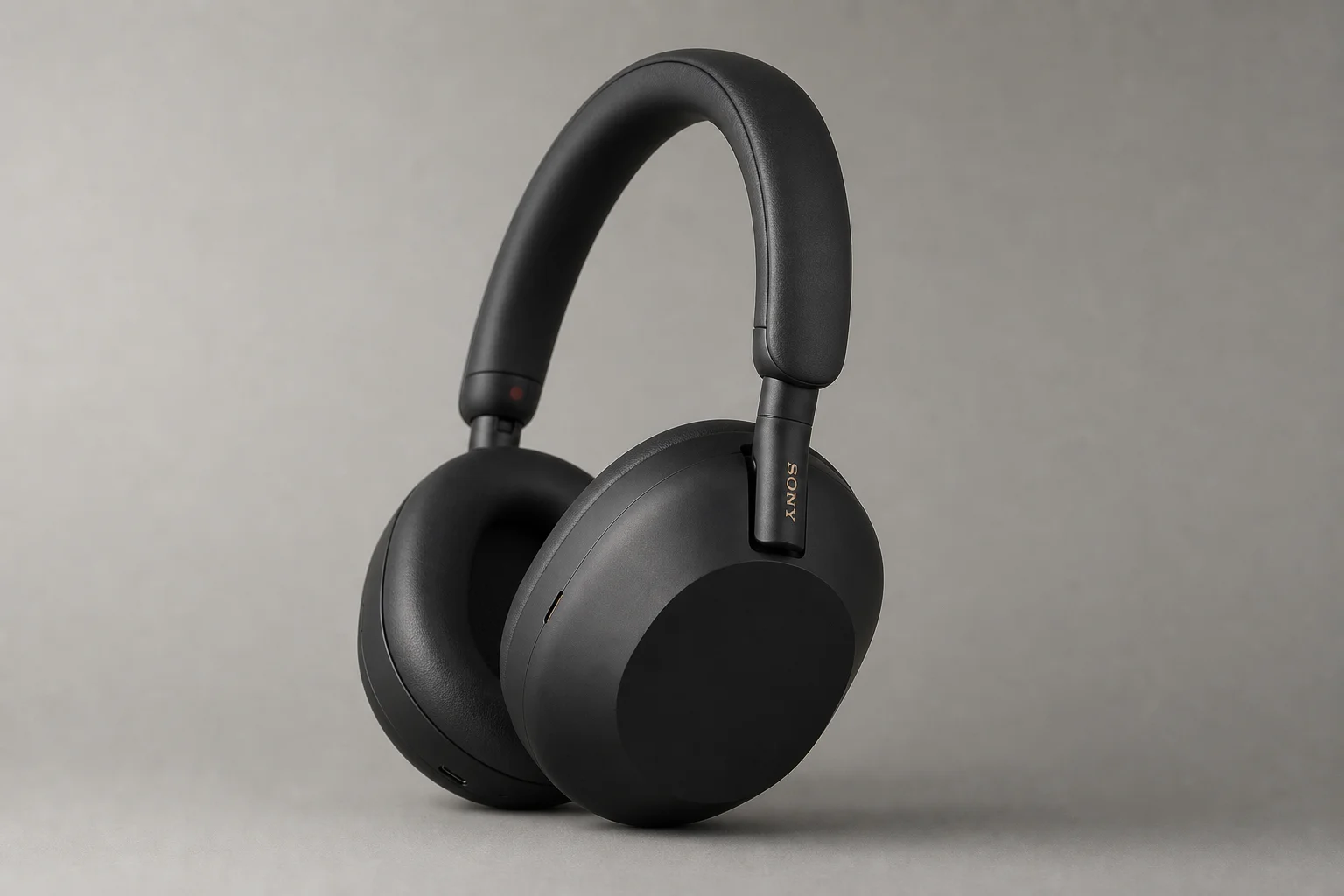
Sony WH-1000XM5: The Noise Cancellation Leader
The WH-1000XM5 outshined its competitors in this roundup on active noise cancellation. Eight microphones read the ambient sound around you to reduce high-frequency noise dramatically, and the Auto Noise Cancellation Optimizer adjusts to your wearing conditions and external factors such as atmospheric pressure.
A newly redeveloped diaphragm made from lightweight, rigid carbon fiber delivers a full range of frequencies up to 40 kHz, giving the XM5 a more refined, well-rounded soundstage than the previous Sony XM4.
On “Instrumental,” the XM5 reproduced the intricacies of the composition admirably, holding a neutral and uncolored tonality throughout. Discerning each individual instrument inside a complex, dense mix was impressive, and the overall balance made for an engaging listen. On “Lay Me Down,” vocals came through clearly with a warm, full sound, although the low end was a touch overpowering; trimming it in the companion app let the harmonies shine more. On “Bad Guy,” the bass was handled easily while the vocal stayed clear and up front, and the noise cancelling detached the listener from the world enough to make the background harmonies and whispers feel more realistic.
For workouts or the strongest possible noise reduction, this remains the most practical pick of the five.
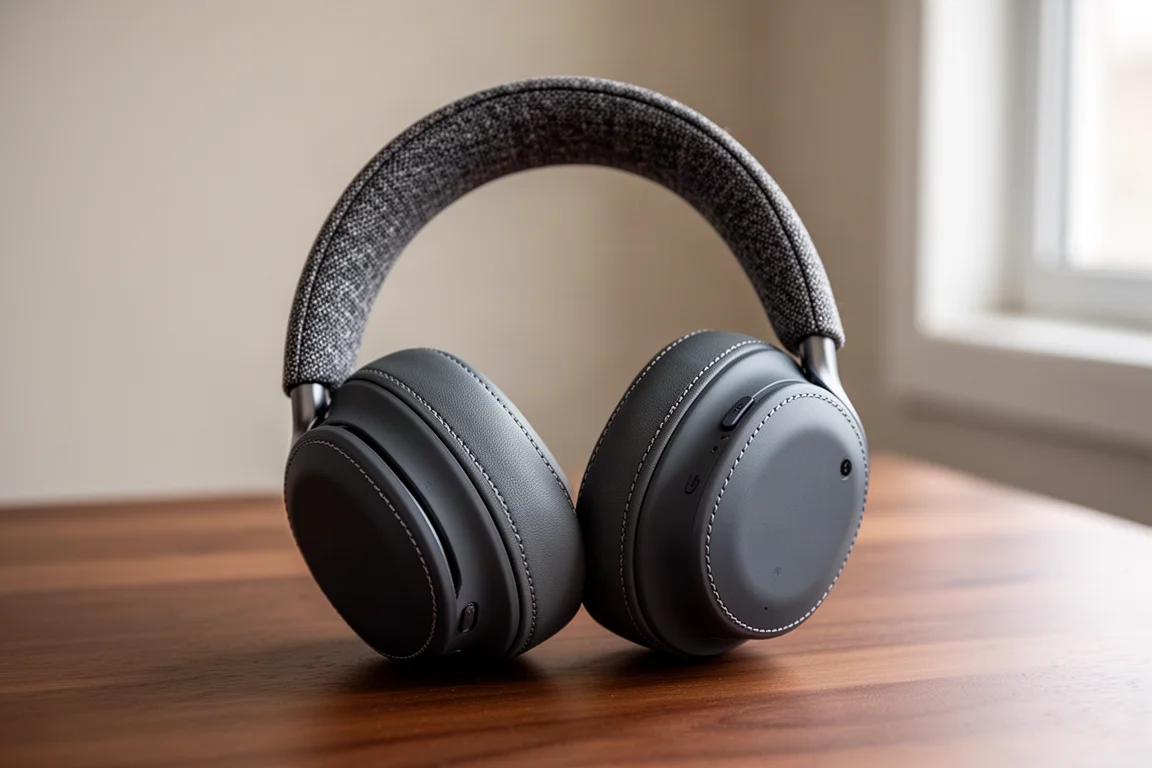
Bowers & Wilkins PX7 S2: Best Music-Focused Option Under $500
The PX7 S2 is the pick for music under $500, and its sound quality rivals its bigger sibling, the PX8. Its 40 mm drivers are 10 mm larger than the XM5’s, and they are built and tuned by the same engineers responsible for the Bowers & Wilkins 800 Series Diamond speakers used at Abbey Road Studios. The drive units are angled inside the ear cups so that they align directly with the ear canals.
That level of attention to detail is unusual at this price, and the PX7 S2 benefits from technology trickling down from flagship products. Compared with the Sony XM5, it uses more premium materials and a more stylish design. The XM5 remains the better choice for the gym or if you absolutely need the strongest possible noise cancellation, but the PX7 S2 has the edge for musicality.
On “Instrumental,” the bass immediately felt tighter and cleaner than the XM5’s. Instruments were even easier to distinguish and carried an effortless quality even when everything played at once. “Lay Me Down” delivered pristine clarity and crisp vocal reproduction, with the two vocal parts separated and positioned so that one felt closer and more intimate while the other sat slightly recessed and elevated. On “Bad Guy,” the bass was extremely fast and felt like sitting in a room with a subwoofer rather than wearing headphones.
Bowers & Wilkins PX8: Flagship Resolution and Detail
The PX8 is the flagship model, built around new drive unit technology and a heavier emphasis on premium materials. From a user experience point of view, everything electronic about the design is the same as the PX7 S2. The difference sits in the driver: instead of the PX7 S2’s biocellulose diaphragm, the PX8 uses a 40 mm driver with an ultra-low-distortion carbon fiber diaphragm. The voice coil grows from 15 mm on the PX7 S2 to 20 mm on the PX8, paired with updated magnets that reduce overall distortion.
Because carbon is extremely rigid, the diaphragm stays stiff well into the higher frequencies. That lets the carbon cone respond to transient attacks in a more pistonic manner, so details in the top end suffer less distortion across a wider range of frequencies. The result is a substantial improvement in resolution and top-end extension, particularly on music where many instruments play at once.
The gains are easy to hear. On “Instrumental,” the PX7 S2 handled a busy passage well until the PX8 showed how cleanly it could separate a horn solo from everything around it. “Lay Me Down” presented vocals in a pristine, lifelike manner with a warm and crisp tonality that was richer and more dynamic than the PX7 S2’s. Even on the most demanding passages of “Bad Guy,” including the closing bass drops, the PX8 never showed the slightest hint of strain, conveying the music with remarkable ease.
Mark Levinson No. 5909: Luxury Reference Sound for Travel
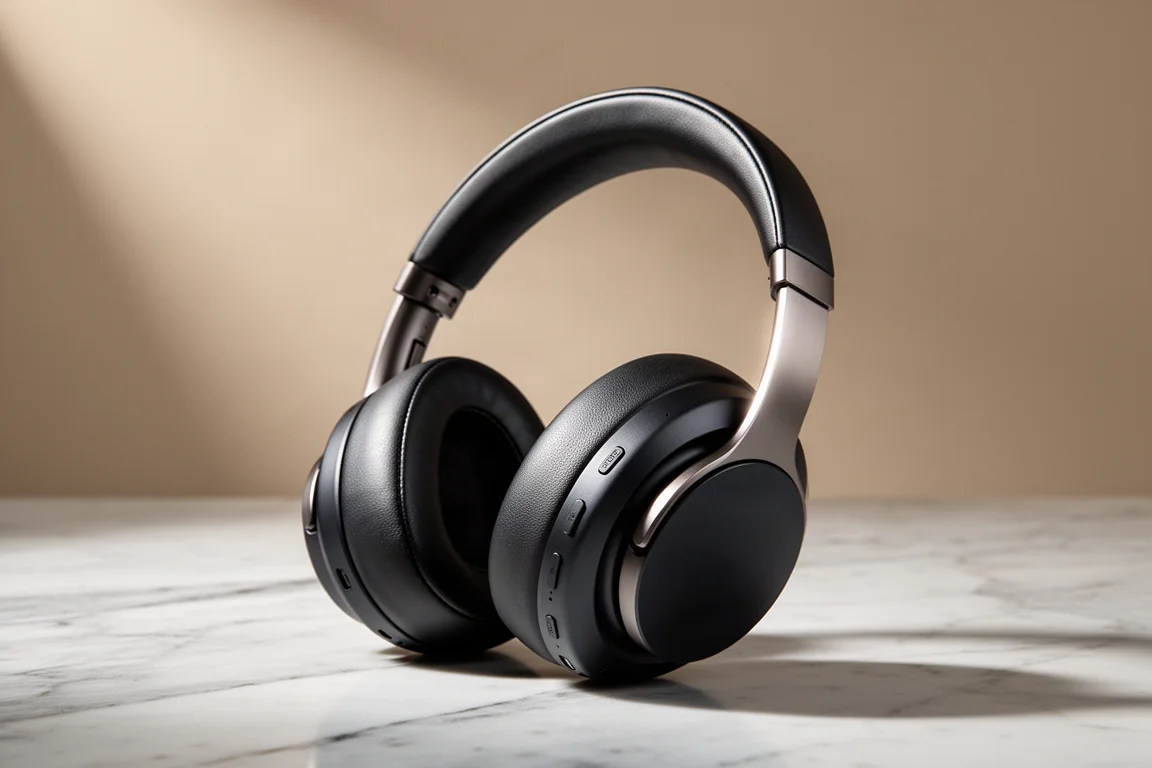
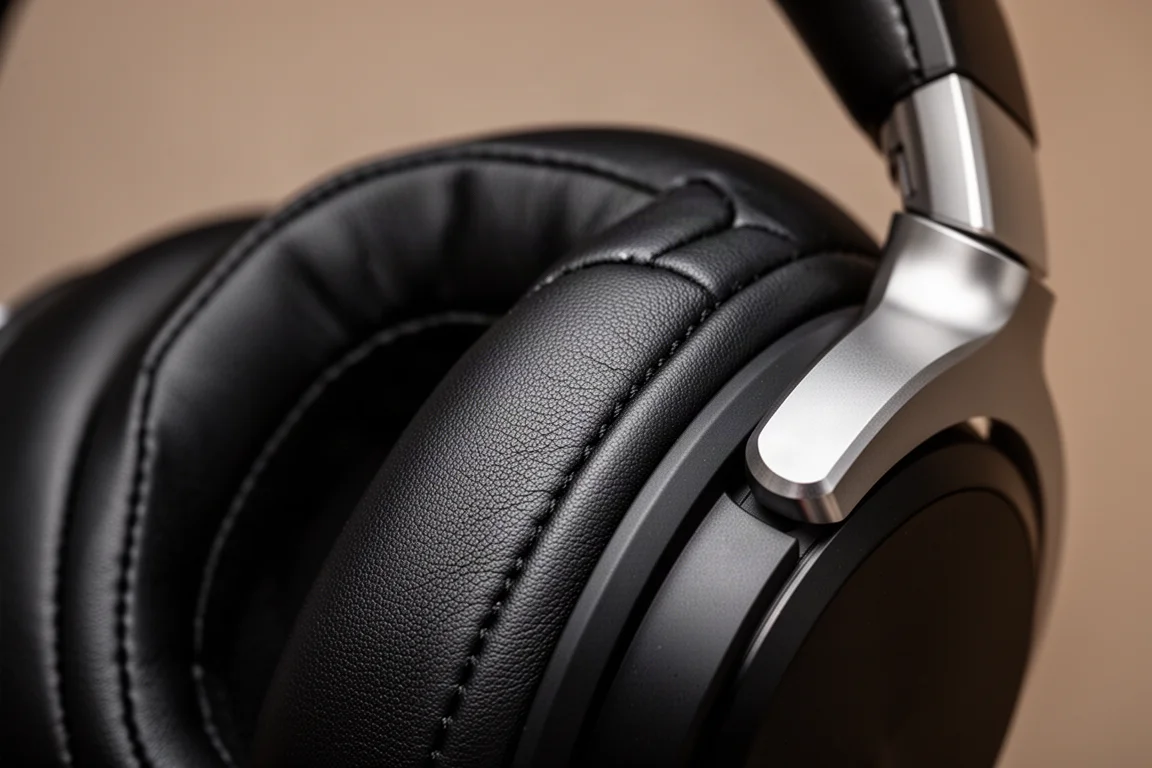
The No. 5909 is a durable, lightweight closed-back headphone with Mark Levinson’s adaptive active noise cancelling and nearly every feature you could ask for. It is also the most luxurious design in this roundup: premium black leather on the ear pads and headband, with black anodized aluminum construction throughout, giving it a strikingly premium appearance. It is among the most expensive picks here, and it is clearly aimed at listeners who like to travel in style.
Mark Levinson used the same engineers behind its amplifiers, turntables, and streaming players when building the No. 5909, then tuned the custom drivers to the famous Harman curve for a neutral response across the entire frequency range. The outcome is a well-balanced soundstage with neutral, reference-quality sound and detail retrieval close to what the artist intended.
Bass reproduction sounded natural across all frequencies. On “Instrumental,” the low end was fast, tight, and articulate, with a soundstage that pulled the listener in. “Lay Me Down” came across with rich vocals enveloped in bass, to the point where critical listening gave way to simply enjoying the music. “Bad Guy” revealed how large and immersive the soundstage is, with music seeming to arrive from all around rather than from drivers pointed into the ears.
Focal Bathys: The Best-Sounding Portable Option
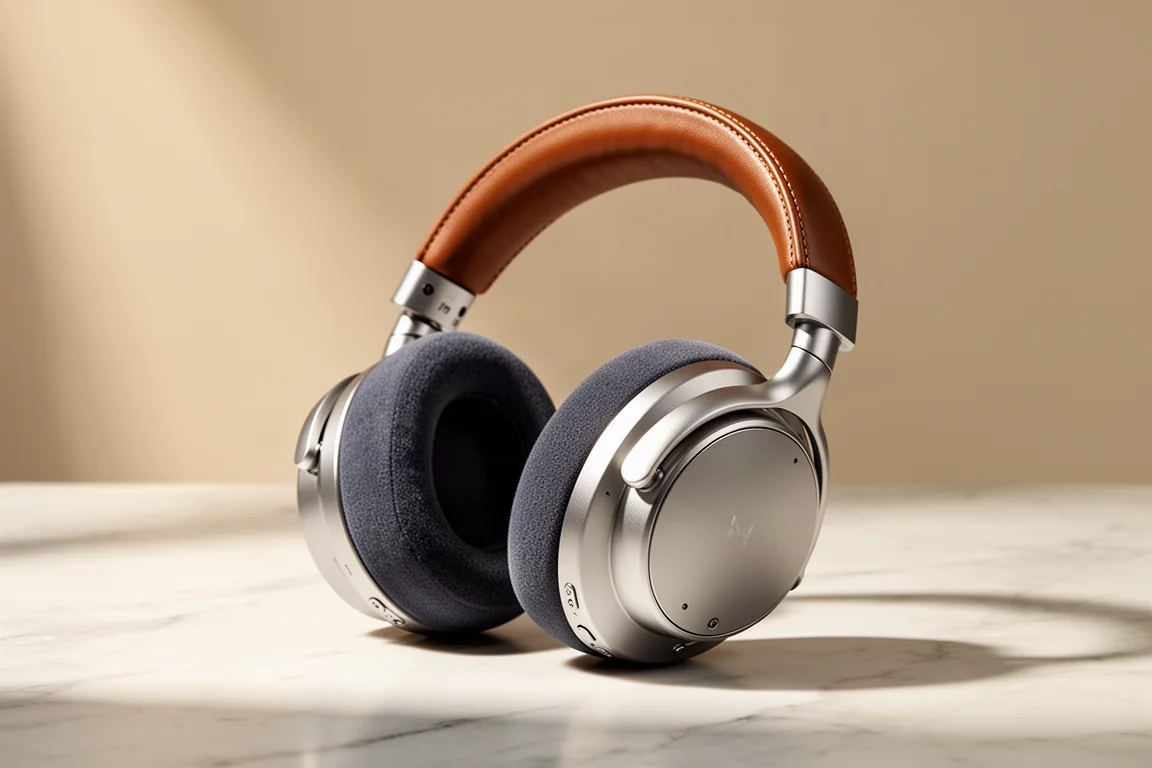
Focal spent years refining its proprietary M-shaped dome driver technology, crafted in France from a blend of magnesium and aluminum and used across its high-end headphones. The Bathys uses a new lightweight version of that driver designed for portable use, delivering the same superior dynamic sound, exceptional detail, and signature Focal warmth that suits extended listening sessions.
The Bathys is a genuine triple threat. It offers the most impressive sound quality of any portable headphone in this roundup, and in USB DAC mode it can reach reference-level audio comparable to the Focal Clear MG, which retails at nearly three times the price. Multiple noise cancellation modes also make it comfortable to use in an office. For Focal’s debut high-performance wireless noise cancelling headphone, it is a resounding success.
It was also the favorite on the test tracks. “Instrumental” sounded warm and smooth with instruments so well separated that it felt like being at a live concert with the band. On “Lay Me Down,” vocals were warmer and richer than the natural-sounding Mark Levinson, and plugging in to use the internal DAC lifted the quality further. In a blind listening test across every headphone on this list using “Bad Guy,” the Bathys took first place for its detailed sound quality. It is the best-sounding wireless over-ear headphone here.
Buying Advice: Matching a Headphone to How You Listen
Start with the problem you want solved. If the priority is blocking out cabin noise or a noisy commute, the Sony WH-1000XM5 is the strongest performer in this group. If you want the most musical sound for the money, the PX7 S2 is the value pick under $500. If you want the sharpest detail and top-end resolution, the PX8 steps up. If appearance and travel luxury matter as much as sound, the Mark Levinson No. 5909 delivers reference-neutral tuning in a premium package. And if pure sound quality is the deciding factor, the Focal Bathys is the one to beat.
It also helps to think about how you will actually use the headphones. The Sony pair is the most practical for workouts and maximum noise reduction, the Bowers & Wilkins models lean toward musicality and premium materials, and the Bathys adds USB DAC flexibility plus several noise cancellation modes for office use. The No. 5909 pairs adaptive noise cancelling with a luxury travel build.
Because taste in sound varies, listening in person is the surest way to confirm a choice before committing.
Conclusion
There is no single winner across every use case, and that is the point of a shortlist like this. The Sony WH-1000XM5 leads on noise cancellation and everyday practicality. The Bowers & Wilkins PX7 S2 is the most musical option under $500. The PX8 adds flagship-level resolution and top-end detail. The Mark Levinson No. 5909 is the luxury reference choice for travel. The Focal Bathys stands out as the best-sounding wireless over-ear headphone in the group.
Match the headphone to the way you listen, and any of these five will serve you well for a long time.
Further reading
Related Reviews
Wireless Headphones
Bowers & Wilkins Px7 S2 Review: Refined Wireless Noise Cancelling
A detailed look at the Bowers & Wilkins Px7 S2, covering its redesigned build, comfort, app features, battery life, sound quality, and noise cancelling performance.
Wireless Headphones
Bowers & Wilkins Px8 vs Px7 S2: Which Wireless Headphone Is Worth It?
Two closely related over-ear headphones share the same app, controls and comfort padding. Here is what the Px8 adds for the extra spend, and when the Px7 S2 is the smarter buy.
Wireless Headphones
Focal Bathys Review: Wireless Noise Cancelling With a Built-In USB DAC
A close look at the Focal Bathys, a wireless noise-cancelling headphone with an M-shaped dome driver, a 30-hour battery, and a built-in USB DAC that handles up to 24-bit/192 kHz.