Hi-Fi Audio
T+A R 2500 R Review: One High-End Box That Does Almost Everything
A German all-in-one that combines CD playback, network streaming, a DAC, a preamp, a power amp and a balanced headphone output in a single aluminium chassis.
Introduction
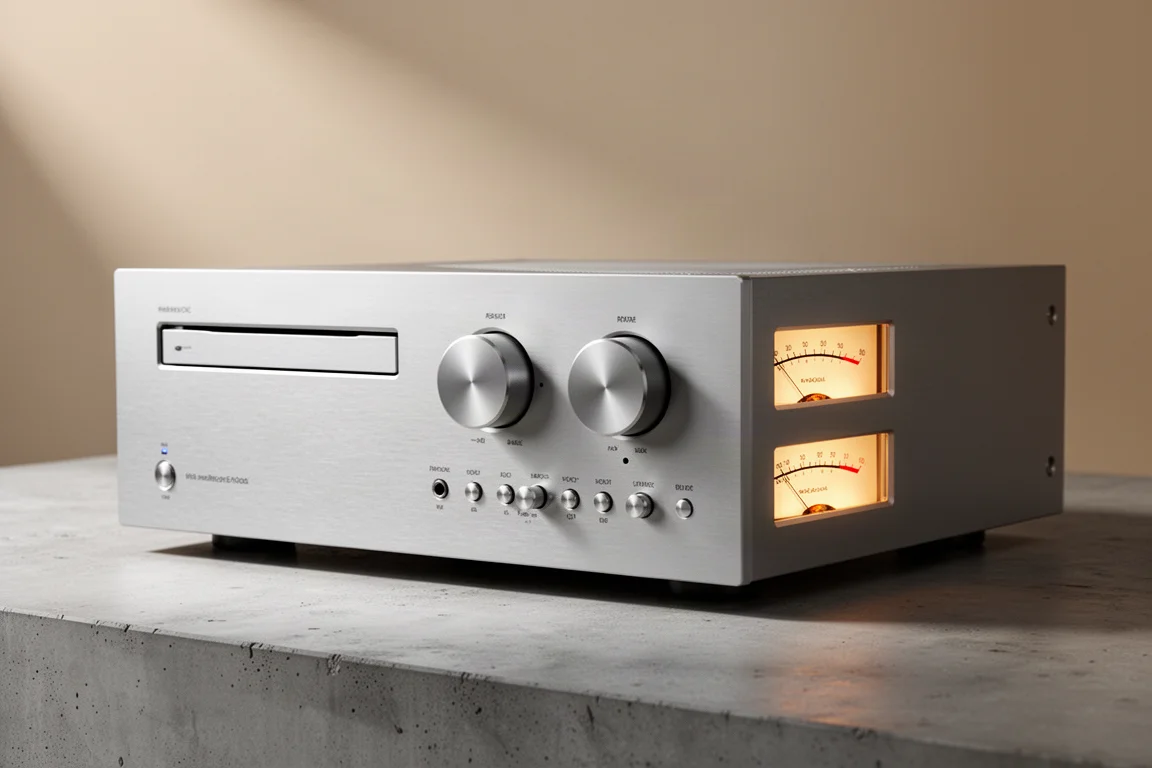
The T+A R 2500 R comes from a German company, and it is one of the more ambitious answers to a familiar question: what if a single box could replace an entire high-end system? The R 2500 R is a CD player, a preamplifier, a power amplifier, a DAC, a network streamer, a balanced headphone amplifier, and an FM and DAB tuner in one chassis. It sells for approximately 14,500, and an internal phono board can be added as an option specified at the time of ordering, with a choice of moving magnet or moving coil.
That specification list is long, but the more interesting question is whether one box can genuinely stand in for a rack of separates. After extended listening across CD, local files, streaming and headphones, plus a direct level-matched comparison with a multi-component system, the answer is more favourable than the price alone might suggest.
Who This Product Is For
This is a system for listeners who want a high-end result without the research, matching and cable management that separates demand. Building a separates system means researching each component, and component matching is a trial and error process. The R 2500 R asks for no interconnects at all and a single power cable.
It also suits anyone who has been told to buy separates and, in the same breath, told that shorter signal paths matter. A single box sidesteps that contradiction. For listeners with high-end stand-mount speakers who want an equally serious front end, this is a natural pairing.
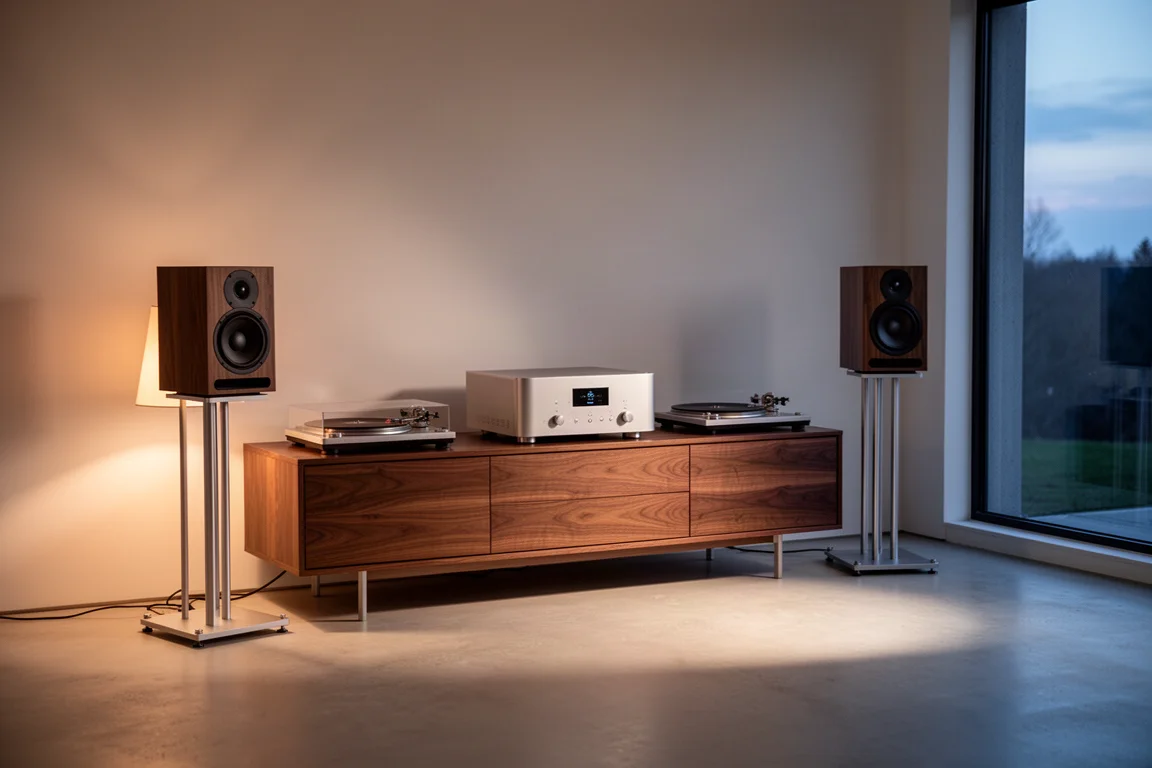
It is less obviously aimed at people who enjoy swapping one part of the chain at a time, or who want the freedom to upgrade a single component later. The proposition here is a set-and-forget system built to an exceptionally high standard rather than a budget one, and it assumes a buyer who is comfortable with a premium outlay in exchange for that simplicity.
Design, Build, and Controls
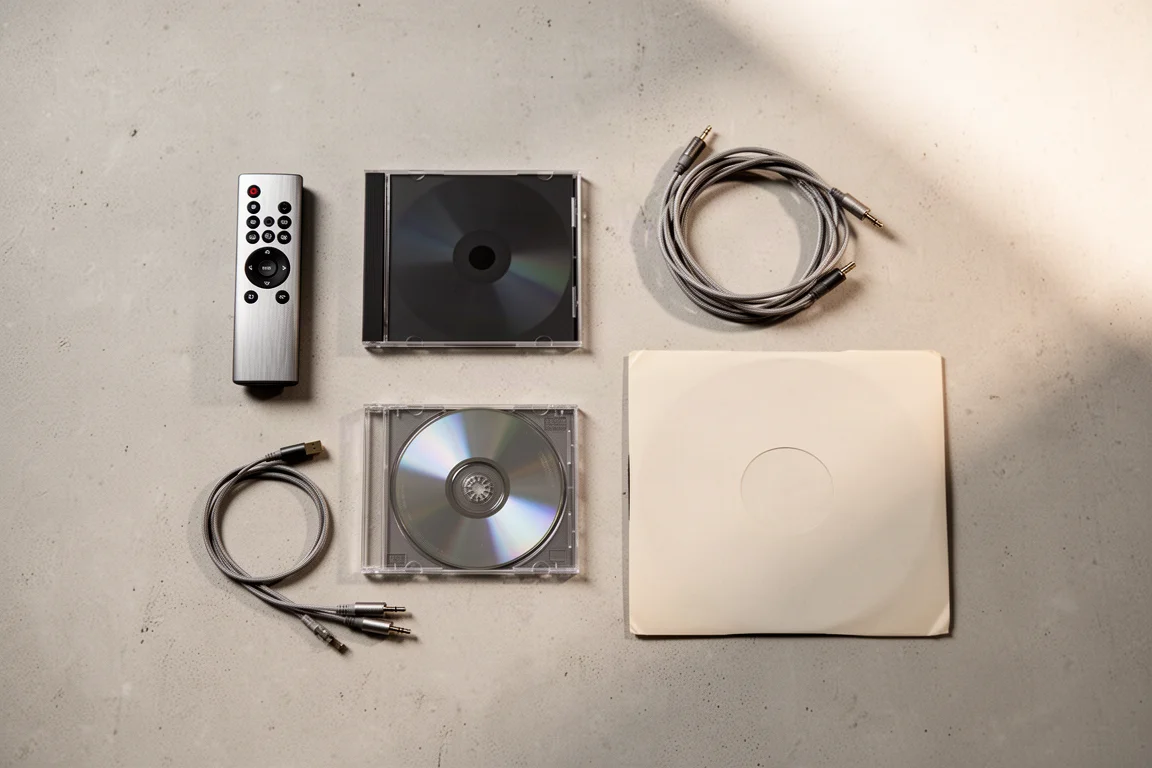
The brushed aluminium chassis looks and feels classy, and T+A says it comes from a supplier in Germany’s Black Forest. The rotary controls and click buttons deliver a feel that is well above average, the front fascia and buttons are metal, and the supplied infrared remote is a fairly conventional handset that nevertheless feels satisfying to use thanks to its metal finish.
The VU meters are driven by an in-house designed controller board, and their background illumination is user customizable, so the colour behind the meters can be changed. The VFD display shows now-playing information and can be read from the listening position, which is a genuine bonus.
Despite its size, the unit weighs only about 14 kg. The reason is that there is no large toroidal transformer inside. Power comes from a switch-mode supply paired with a smaller transformer, which T+A calls a sinusoidal power supply and describes as combining the sonic advantages of transformer-based supplies with the stability of switch-mode designs. The speaker terminals are high-quality brass.
Main Strengths: Connectivity and Streaming
The digital inputs on the back panel number four: two Toslink optical, one coaxial and one USB. The USB input matters for DSD, because no streaming service currently offers DSD streams, so DSD playback tends to be a local file affair. The R 2500 R decodes DSD and PCM through separate circuit pathways.
On the streaming side, the unit supports Bluetooth, Spotify Connect and Apple AirPlay 2 for lossy listening, plus Roon Ready and Tidal Connect for lossless. The T+A Navigator G3 app separately integrates Qobuz and Amazon Music. All streaming functionality worked flawlessly during testing.
There are also two HDMI inputs in addition to HDMI ARC. Connecting an Apple TV directly allows bit-perfect playback of CD-quality Apple Music streams, which makes the unit behave a little like an AV receiver. One caveat is worth noting: volume control over HDMI ARC was still being worked on, so watching television means using the supplied remote to change volume. The preamplifier section switches between balanced and single-ended analogue inputs, and the balanced input is genuinely useful when a turntable sits several metres away. Inside, the digital and analogue sections use separate power supplies and are galvanically isolated.
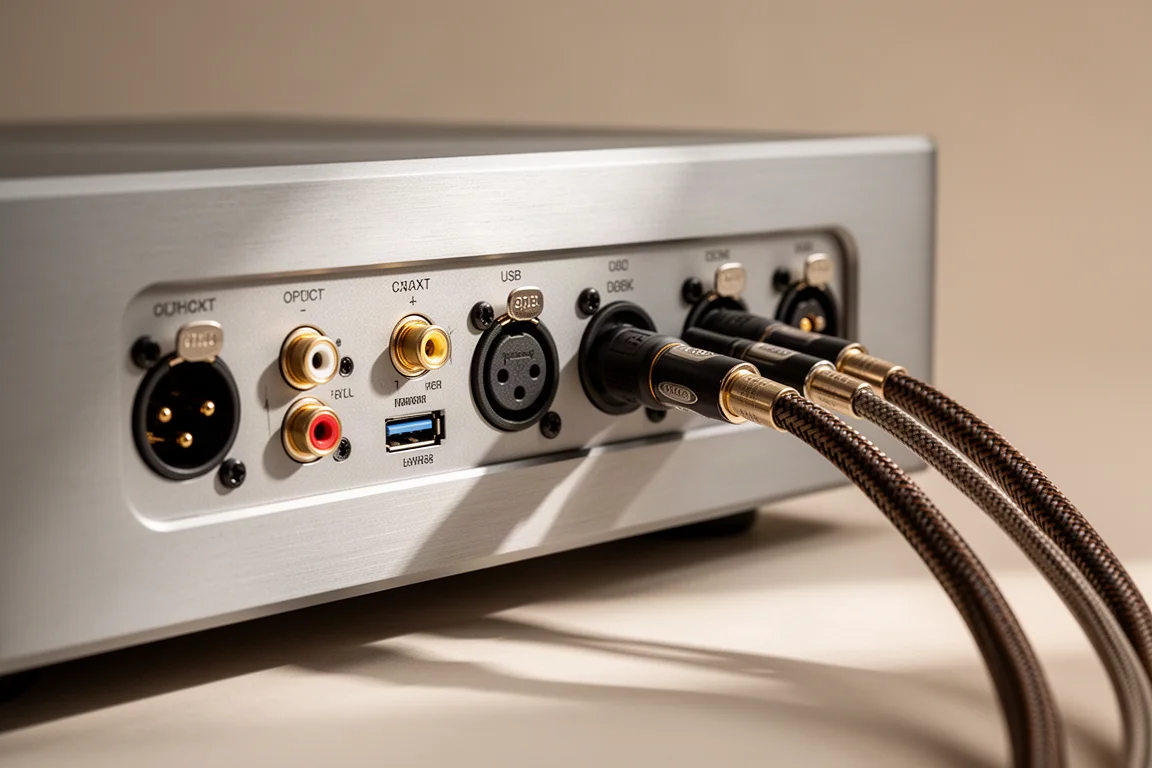
In everyday use, this is the part of the design that earns its keep. A turntable, a television, a streamer and a CD collection can all live on one box without a tangle of interconnects, and switching between them is quick rather than fiddly. For anyone who has juggled multiple inputs across multiple components, the reduction in friction is the real feature here.
Main Strengths: CD Playback and the Optional Phono Board
The CD mechanism is a slot loader, which is not everyone’s first choice, though it is easy to understand why when internal space is tight. Across roughly two months of use it performed flawlessly, with zero unreadable discs, and the loading tension is just right. The mechanism that loads and spins discs comes from a supplier in Asia, while T+A designed and built the controller board that governs CD operation. That board performs a Gracenote lookup for cover art in the smartphone app and metadata for the display.
The phono board is not fitted as standard. It is an optional extra specified at the time of ordering, in either moving magnet or moving coil form. The moving coil version was used with a turntable during testing, and it sounded convincingly better than an external iFi Zen Phono stage, offering better separation and more abundant micro-dynamics. It also edged out a Pro-Ject Tube Box on overall clarity. That makes the internal board more than a convenience feature: it can happily stand in for a separate phono stage.
Main Strengths: Sound Quality
Beneath the top plate sits a class AB power amplifier rated at 140 watts per channel into 8 ohms. It is a fully discrete design with no op amps and no global feedback, which is the kind of detail that matters to listeners who follow amplifier topology closely.
Driving a pair of high-end stand-mount loudspeakers, the R 2500 R sounded crisp and clean, with precise instrument placement and enough transparency to expose finer details in dense electronic material. Bass was quick on its feet. The same crisp character carried across CD playback and streaming, and it stayed consistent regardless of which format was playing.
The headphone output is a 4.4 mm Pentaconn balanced socket, and it brought headphones to life far more than the single-ended headphone socket on a comparison preamplifier, and more than a portable dongle DAC with the same 4.4 mm connector. For headphone listeners, that balanced output is a significant part of the value on offer.
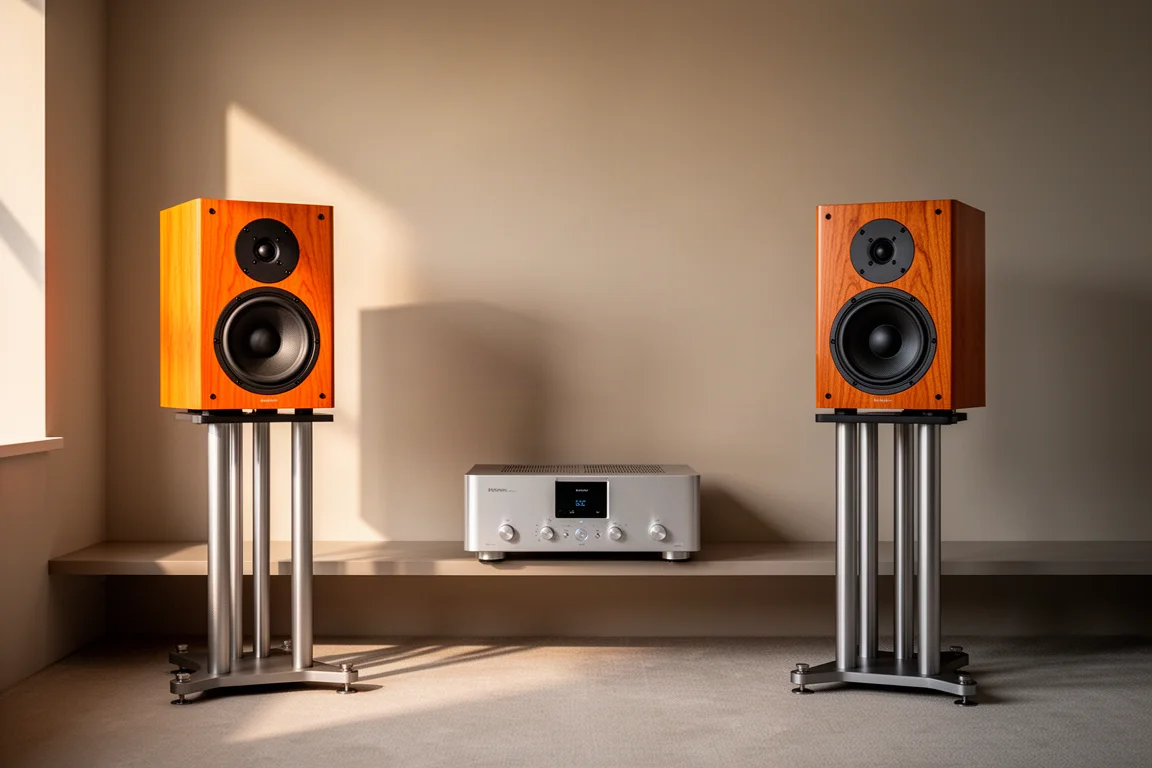
What stands out over longer listening sessions is control rather than warmth. Nothing about the presentation feels forced or exaggerated, and the amplifier never sounds as though it is working hard to keep a grip on the speakers. It is a sound that rewards attention to detail in recordings rather than one that flatters everything equally.
How It Compares With a Separates System
To answer the obvious question, a separates system was assembled around a Cambridge Edge W power amp and Edge NQ preamp, chosen because the power amp is a class AB design with similar output power and the preamp matches the streaming and hardwired connectivity of the R 2500 R almost to the letter. A TEAC VRDS-701 CD player and an iFi Zen Phono stage completed the stack, connected with quality cables. Listening alternated week by week over roughly five weeks, and all playback was level matched.
On streaming material, the separates system sounded fuller and punchier in the bass. If bass weight is the priority, separates still have the edge. In the midrange and treble, however, the separates sounded hazier and less precise with instrument placement, while the R 2500 R sounded crisper and cleaner. The all-in-one also sounded quicker on its feet in the bass, where the separate system could seem comparatively slow.
One important nuance: the difference in bass weight tended toward zero when a subwoofer was added to the system. Because the R 2500 R has no dedicated subwoofer output and no bass management, a subwoofer has to be connected through the preamplifier outputs. None of these findings changed when the TEAC deck was used instead of the internal CD mechanism.
Things to Consider Before Buying
The first consideration is price. At approximately 14,500, this is a serious investment, and the optional phono board adds to it. Buyers should also decide between moving magnet and moving coil at the time of ordering, since the board is specified up front rather than added later.
Second, HDMI ARC volume control was still being worked on at the time of testing. If controlling television volume from a TV remote matters in your setup, that is a real limitation, and the supplied remote becomes the everyday volume control for TV listening.
Third, there is no dedicated subwoofer output and no bass management. A subwoofer can be connected through the preamp outputs, and doing so closed most of the bass gap against a separates system, but the flexibility is not the same as a dedicated sub output.
Finally, a slot-loading CD mechanism will not suit everyone, and a single-box system trades flexibility for simplicity. If you enjoy changing one component at a time, separates remain the more adaptable route.
Buying Advice
For a buyer weighing this unit, the decision usually comes down to priorities rather than performance. If the goal is a single, exceptionally well-made system that plays CDs, streams from the major services, handles a turntable and drives both speakers and balanced headphones, the R 2500 R covers all of it without interconnects or component matching.
If maximum bass heft from a separate power amplifier is the single most important quality, a separates system still delivers more of it, though adding a subwoofer narrows that difference considerably. If precise instrument placement, a crisp midrange and a clean treble matter more, the all-in-one has the advantage.
Two practical steps before committing: decide the phono board type at order, and check that your speakers suit a 140 watt per channel class AB amplifier in your room, since how a speaker integrates with room acoustics will shape what you actually hear. Pair it with high-end stand-mount speakers and the system makes a very coherent case for itself.
It is also worth being honest about what this product is not. It is not the cheapest way to assemble a high-end system, and it does not offer the upgrade path that separates do. What it offers instead is a complete, carefully engineered solution that removes the guesswork, and for a certain kind of listener that is worth more than the flexibility being given up.
Conclusion
The T+A R 2500 R is an exquisitely made high-end appliance that is easy on the eye, if not on the wallet, and an absolute joy to use. It plays music from a wide variety of formats to a very high standard, it handles headphones better than the comparison preamplifier did, and its optional phono board is good enough to replace a separate phono stage.
The trade-offs are clear and worth restating: a premium price, an optional phono board that must be specified at order, HDMI ARC volume control that was still being developed, and no bass management or dedicated subwoofer output. Against that, it needs zero interconnects, a single power cable, and no audio file fuss.
For listeners who want a set-and-forget high-end system built to an exceptionally high standard, this is a compelling answer. For those who want to keep changing one component at a time, separates still make more sense.
Product link
View more details for T+A R 2500 R
This product is mentioned in the review. Check the specifications, options, and compatibility before buying.
View more details for T+A R 2500 RFurther reading
Related Reviews
Hi-Fi Audio
Accuphase C-57 vs Allnic H-7000V: Two High-End Phono Stages Compared
A fully balanced solid-state phono stage with a pitch-black noise floor meets a tube design built for well-loved records. Here is how to choose between them.
Hi-Fi Audio
Active vs Passive Hi-Fi: Five Components for a Modern System
Five components that define modern active and passive hi-fi systems, with the strengths, trade-offs and setup details worth weighing before you buy.
Hi-Fi Audio
Advance Paris A10 Apex Review: A Hybrid Integrated Amplifier That Covers a Lot of Ground
A French hybrid integrated amplifier with a class A tube preamp stage, analogue power meters, and an internal DAC and phono stage good enough to make extra boxes unnecessary.