Home Audio
SVS vs Monolith by Monoprice Subwoofers: Which One Should You Buy?
SVS and Monolith by Monoprice subwoofers measure very close to each other. Here is how to choose based on DSP, features, and price.
Introduction
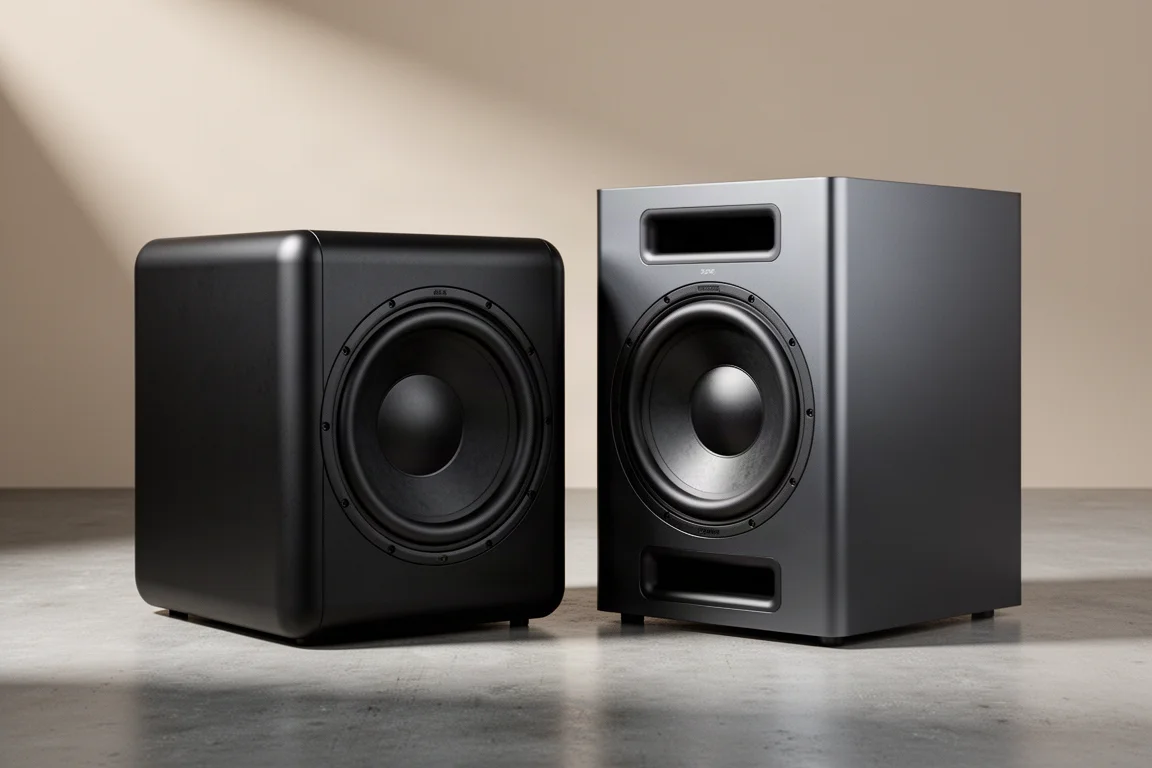
Choosing between SVS and Monolith by Monoprice subwoofers looks like a brand decision, but it is really a question about the rest of your system. In measured performance the two lines sit very close together, and the gap that remains comes down to features. SVS builds in an app and onboard DSP control, while Monolith by Monoprice generally costs less for a comparable model. Whether that extra spend is worth it depends almost entirely on what your receiver can already do.
This guide covers where the two families overlap, where they genuinely diverge, and which one makes sense for a given setup.
What SVS and Monolith by Monoprice Have in Common
Both lines compete on the same terms. Compare a 12 inch ported model from one brand against a 12 inch ported model from the other and the objective data puts them neck and neck rather than in separate tiers. The picture shifts slightly depending on which frequency range you look at, but overall the two are close to even.
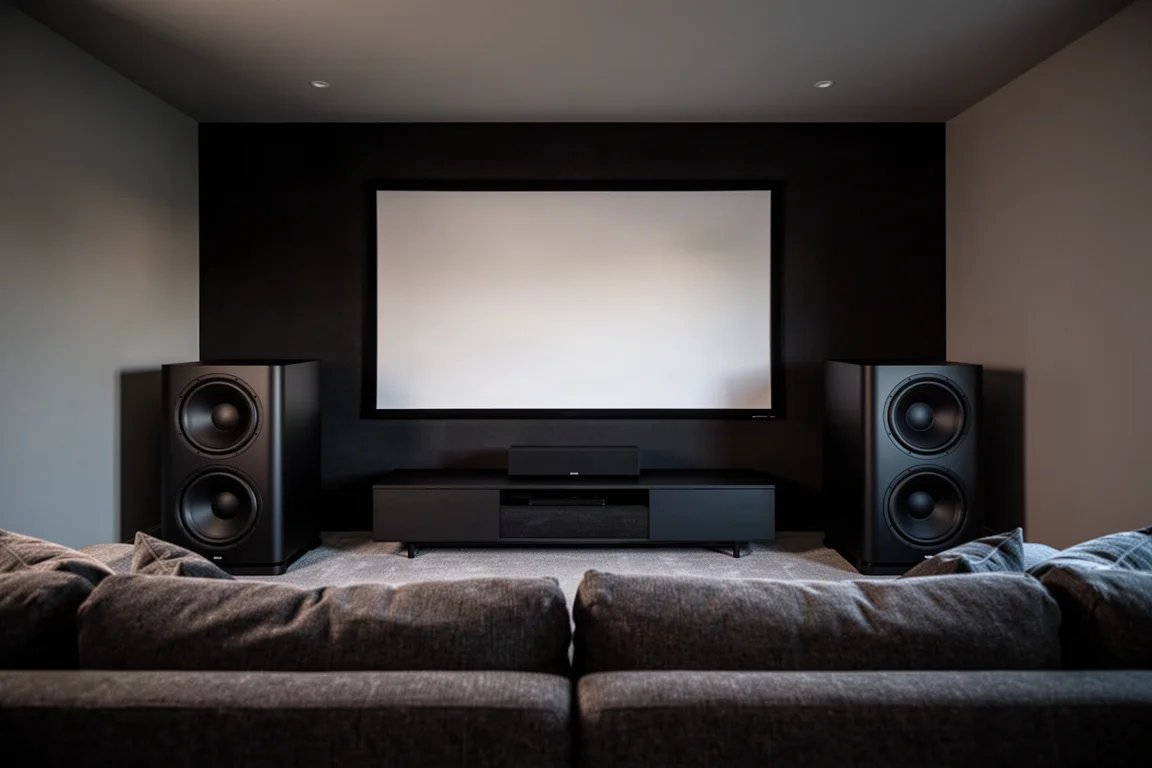
That parity is why the decision rarely comes down to raw output. If you are shopping within a comparable driver size and cabinet type, you are choosing between two products that measure very similarly, and the practical difference shows up in features, price, and appearance.
Performance: How Close Are They Really?
On the numbers, the two lines are close enough that neither is a clear winner across the board. One may edge ahead in a particular frequency band while the other matches it elsewhere. For most buyers the useful takeaway is that like-for-like models are effectively even.
That changes what you should be shopping for. Instead of chasing the last bit of measured performance, look at what each subwoofer lets you control and how much it costs you to get there.
DSP and Room Correction: Why It Matters
Every subwoofer benefits from equalization. In the low-frequency region, frequency balance varies a great deal, and not only between different rooms. It varies seat to seat within the same room. DSP is what corrects a large part of that imbalance for a single listening position.
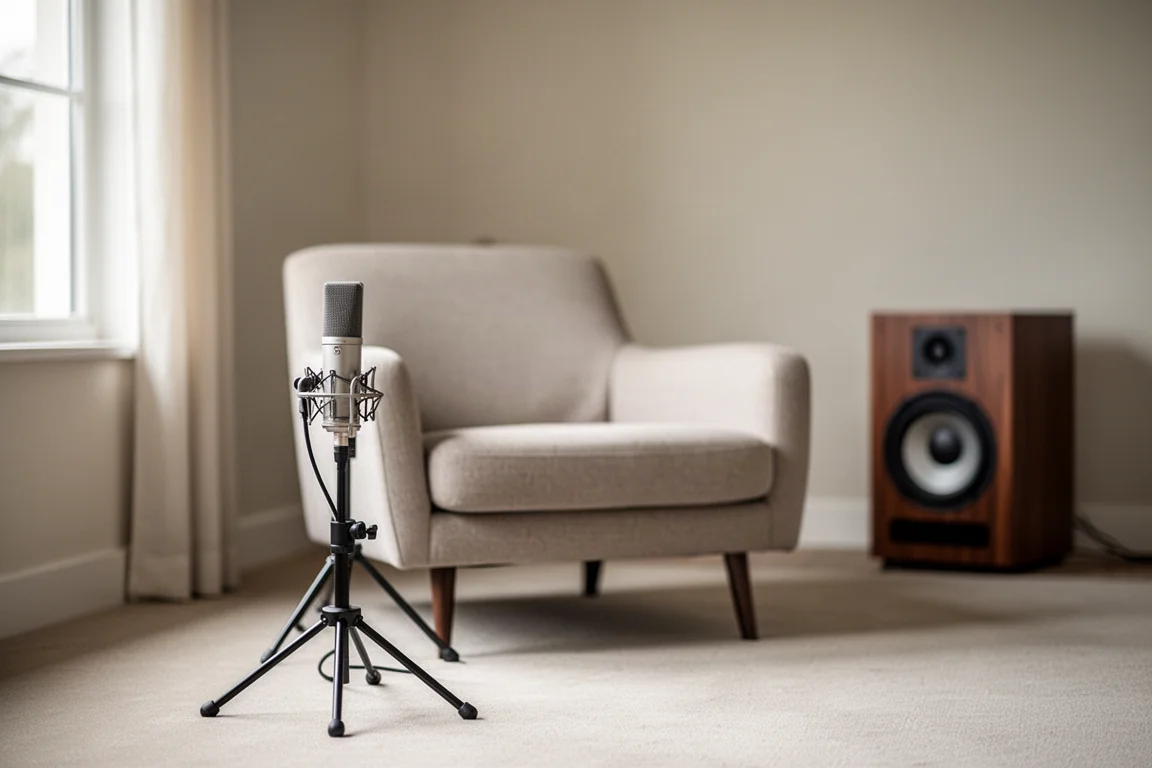
If you care about one primary seat, DSP handles most of the problem. If you need consistent bass across multiple seats, that is where multiple subwoofers, more advanced equalization, or room treatment come into the picture. For a single subwoofer purchase, the practical question is simply whether equalization is available somewhere in your system.
SVS Subwoofers: Built-In App and Control Features
SVS puts the DSP inside the subwoofer. The companion app provides equalization control, along with adjustment features such as time delay, level trim, and polarity. Those tools are genuinely useful, and they are the main reason SVS costs more.
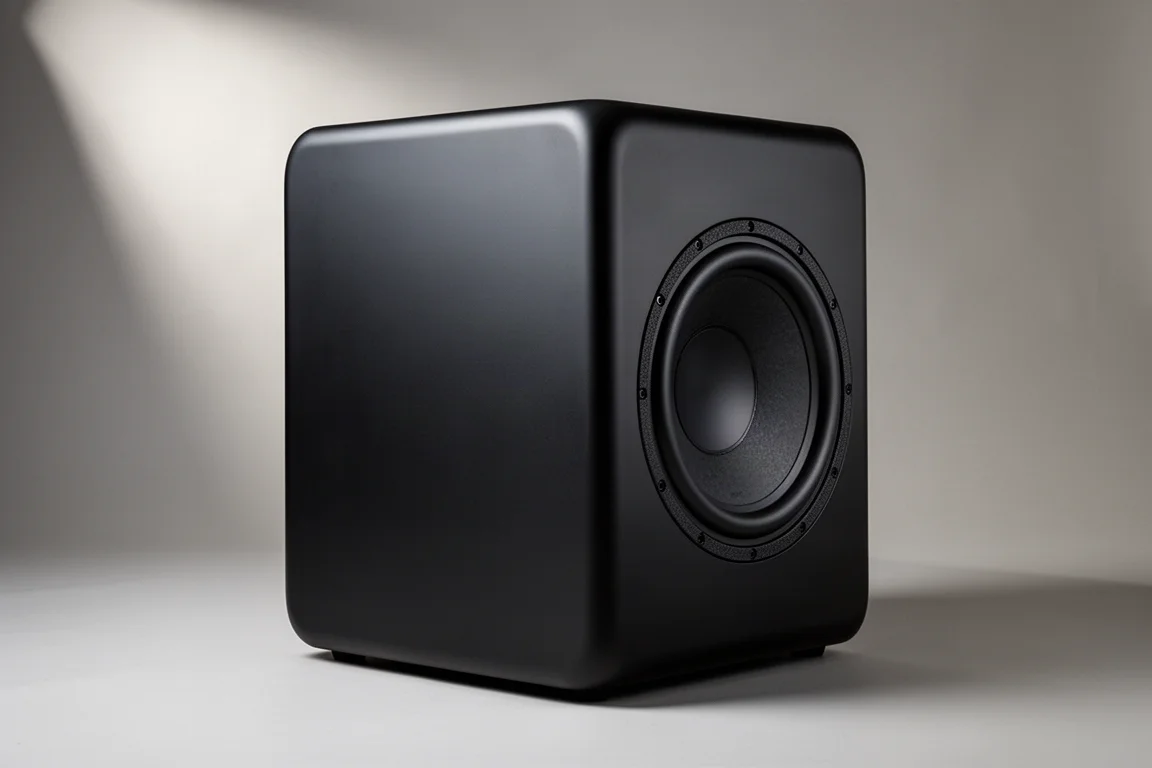
The value case is straightforward. If your AV receiver cannot equalize a subwoofer, the SVS app gives you that capability without adding outboard gear. You are paying for control that is built into the product itself.
Monolith by Monoprice Subwoofers: Performance Without the Extra Cost
Monolith by Monoprice covers the performance side of the comparison without bundling the same onboard control suite. If your AV receiver already provides time delay, level trim, polarity, and equalization, or if you run external DSP, you can put the savings toward something else.
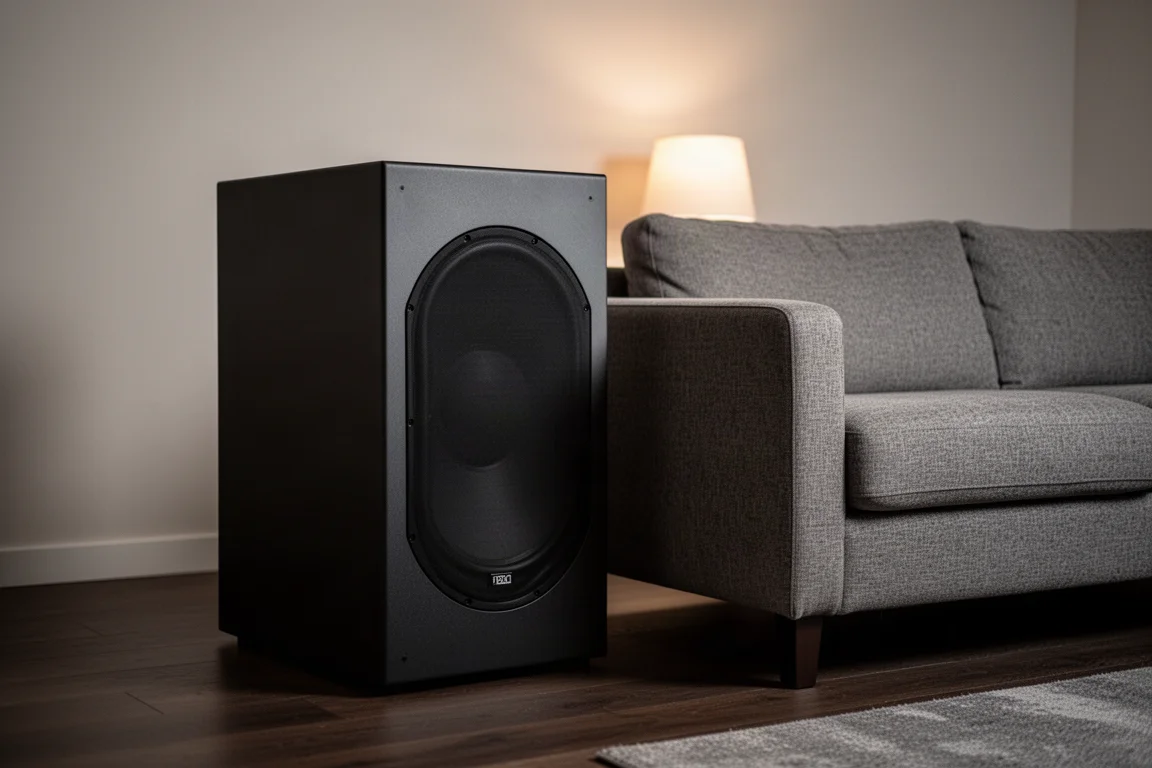
For a buyer who already has those tools, this route delivers comparable measured performance for less money. The trade-off is that the capability lives in your system rather than in the subwoofer.
Price Difference: What You Pay for the Extra Features
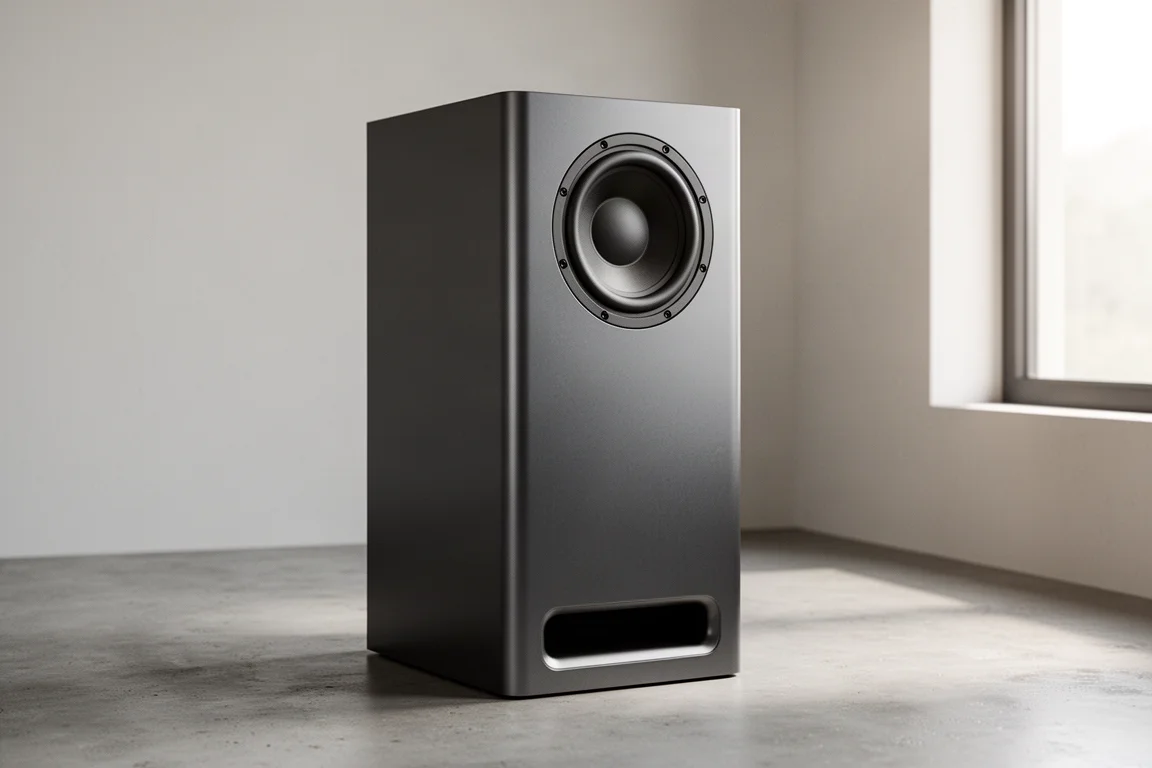
Comparable models are separated by roughly $100 to $200, with SVS typically the more expensive of the two. That gap moves depending on the specific model you choose and whether one of them happens to be on sale at the time. Like-for-like comparisons, such as a 12 inch ported model against a 12 inch ported model, are the fairest way to look at it.
The question then becomes whether the extra $100 to $200 buys you something your system cannot already do. If it does, the money is well spent. If it does not, you are paying twice for the same capability.
Which One Should You Buy?
The decision comes down to one thing: DSP.
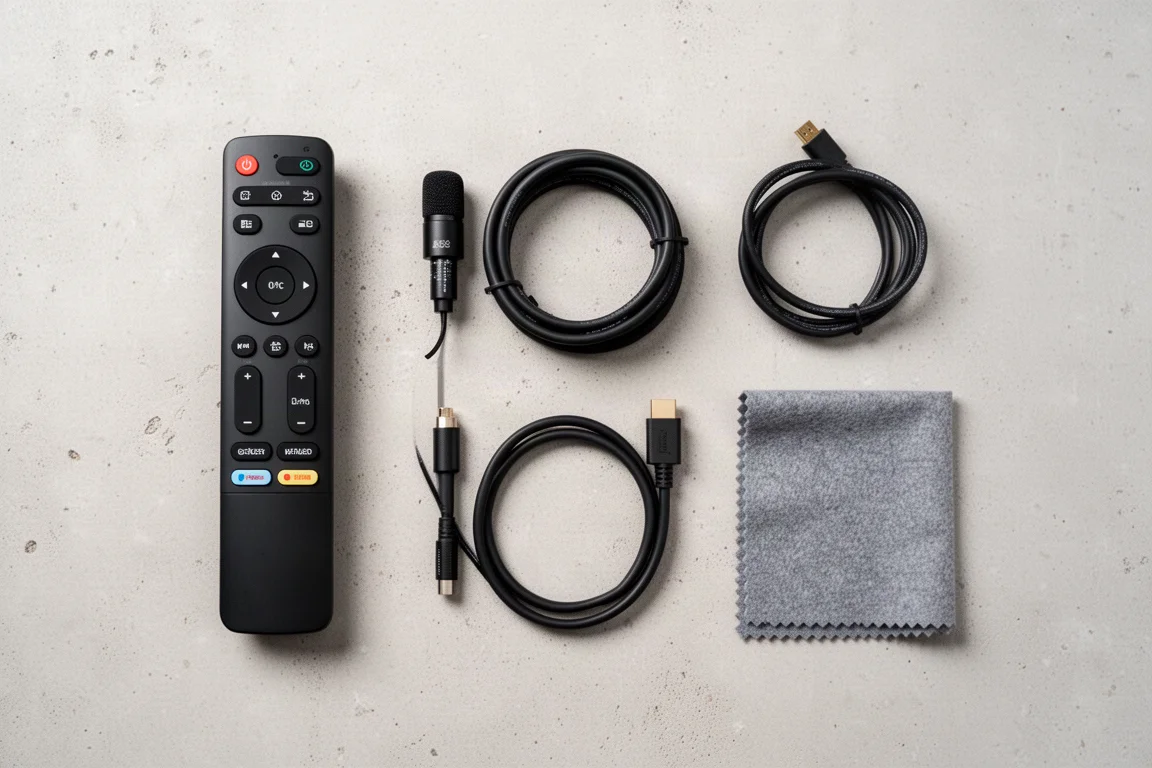
If you have no way to equalize your subwoofer, whether through your AV receiver or an external processor, choose SVS. The built-in app and adjustment features fill a real gap, and that is what the higher price pays for.
If your receiver already covers equalization, time delay, level trim, and polarity, or you use external DSP, choose Monolith by Monoprice. You keep the comparable measured performance and keep the difference.
Appearance is the one part of this that no guide can settle. If both options meet your system requirements, pick the one that suits your room and your taste.
Conclusion
SVS and Monolith by Monoprice subwoofers measure close enough that features, not performance, decide the purchase. Pay for SVS when you need the onboard DSP and app control. Save with Monolith by Monoprice when your system already provides equalization and the related adjustments. Start from that question and the choice becomes simple.
Further reading
Related Reviews
Home Audio
Aperion Novus Tower and Center Review: Punchy Home Theater Sound With Real Refinement
A close look at the Aperion Novus tower and center speakers, from their layered paint finish and punchy bass to the 4-ohm load and what the price actually buys.
Home Audio
Arendal 1610 Tower Review: Flagship Dynamics in a Room-Friendly Tower
A compact floorstanding tower with three 8-inch aluminium woofers, a 5-inch carbon midrange, and the kind of bass heft usually reserved for much larger speakers.
Home Audio
Arendal 1723 S THX Review: A Reference Speaker Built Like a Tank
A practical look at the Arendal 1723 S THX, a sealed, THX-certified speaker with exceptional build quality, a very flat top end, and a midrange that responds beautifully to EQ.