Home Audio
SVS Ultra Evolution Titan Review: A Full-Range Tower Built for Coherence
A detailed look at the SVS Ultra Evolution Titan, a three-way tower with a curved baffle, seven drivers, and a sound that stays coherent from top to bottom.
Introduction
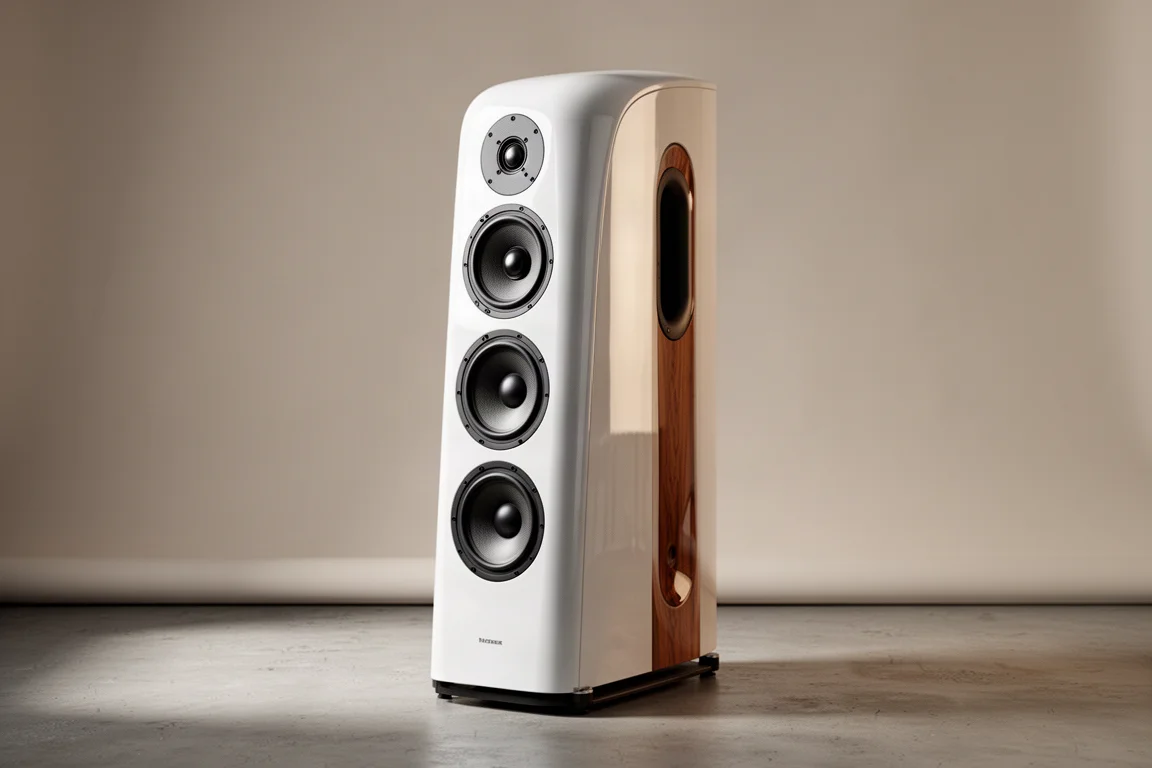
SVS built its name on value-focused speakers and subwoofers, so the Ultra Evolution series is a deliberate step into higher-end territory. The Ultra Evolution Titan is one of three tower speakers in the line, sitting below the flagship Pinnacle Tower, and it joins two bookshelf models, an Atmos surround speaker, and a three-way center channel that can be combined into a complete home theater system. The Titan itself is a three-way tower with a curved front baffle, seven drivers in total, and a reported frequency response of 27 Hz to 40 kHz. The version tested here is finished in gloss white.
At its core, the Titan is an attempt to solve a problem that affects most multi-driver towers: getting every driver’s output to arrive at the listening position at the same time. SVS addresses this with a curved baffle and a mirrored driver layout, and the result is a speaker that behaves more like a single full-range driver than a stack of separate ones.
That design goal shapes almost everything about how the Titan sounds, from its coherence through the midrange to the way it scales as volume rises. The sections below cover who the speaker suits, what it does well, and the practical details worth checking before you commit.
Who the SVS Ultra Evolution Titan Is For
The Titan is aimed at listeners who want a genuinely full-range tower that can reach below 30 Hz without a subwoofer. In-room measurements showed output extending down to roughly 25 Hz, which is unusual for a passive tower in this class.
It also suits listeners who value openness and transparency over warmth and weight. The Titan’s midrange is less weighty than some rivals, but it sounds less colored and less closed in, with more air around vocals and midrange instruments.
Because the speaker is relatively easy to drive, it works with a wide spread of electronics, from modest integrated amplifiers to separates and AV receivers. That flexibility makes it a reasonable choice for someone building a system gradually rather than buying everything at once.
Finally, the center image is strong enough that movie dialogue stays clear and lifelike even without a dedicated center channel, which makes the Titan a credible option for a mixed music and film system.
Design, Drivers, and Cabinet Construction
The Titan’s front baffle curves, and that shape is functional rather than decorative. It lets SVS align the front-facing drivers so their output arrives at the listener at the same time. Drivers vary in depth, so even when their faces sit on the same plane, sound leaves each one from a slightly different distance. The curved baffle compensates for that.
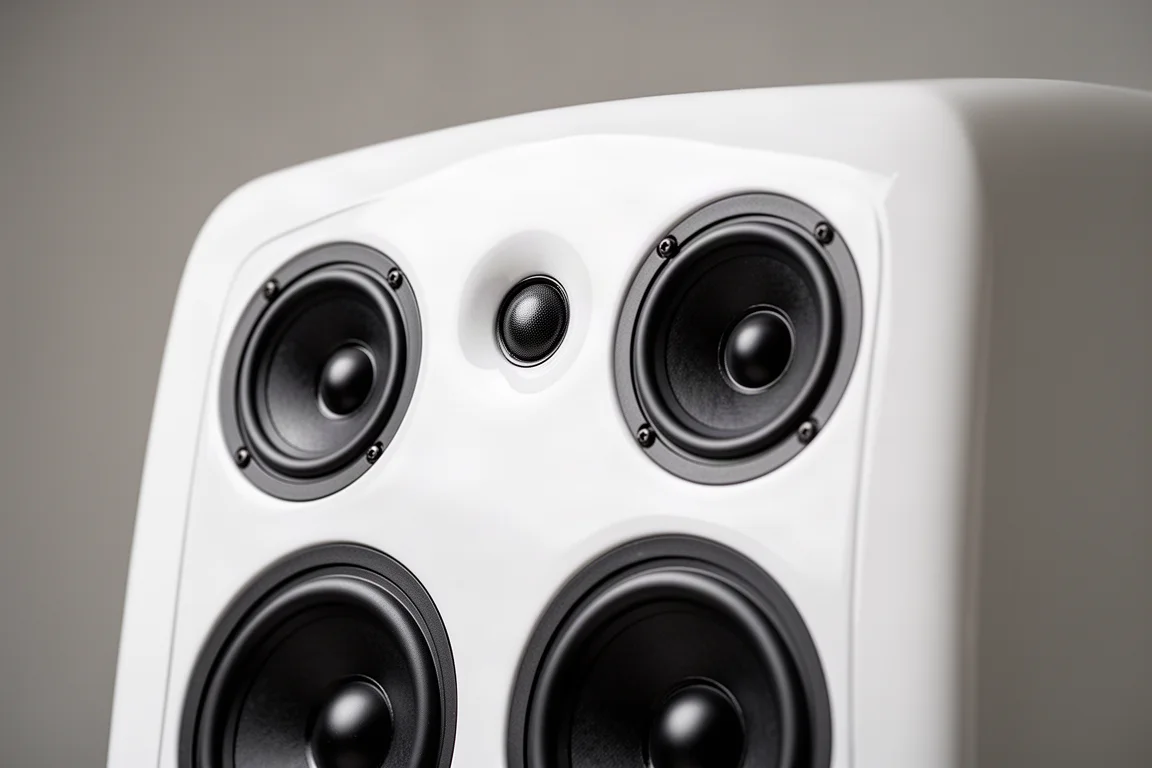
The front array is mirrored: a 1-inch diamond-coated tweeter sits in the center, flanked by two 4.5-inch midrange drivers and then two 6.5-inch woofers. Two more 6.5-inch woofers are mounted on the back of the cabinet, one near the top and one near the bottom. According to SVS, the rear-facing woofers reduce cabinet resonance and help disperse bass more evenly through the room. Seven drivers and rear-facing ports combine for the reported 27 Hz to 40 kHz response, with a nominal impedance of 6 ohms and 88 dB sensitivity.
Placement deserves attention. SVS states the Evolution towers can be placed close to a wall or pulled out into the room. In practice, the Titan needed at least 12 inches of clearance from the front wall in the test room, and it sounded best at 24 inches. The final setup placed the speakers about 10 feet apart and 12 feet from the listening position, with a slight amount of toe-in.
Main Strengths: Coherence, Bass, and Midrange
Coherence is the Titan’s headline quality. The transition between woofer, midrange, and tweeter is very hard to hear, so the speaker presents a continuous full-range sound with no gaps between drivers. That shows up as strong transparency and an almost open-baffle character.
Bass is the second standout. In-room measurements showed a rise in the low end starting around 200 Hz and extending down to roughly 25 Hz, which gives kick drums and upright bass noticeably more presence in a mix. What separates the Titan from other bass-forward towers is agility: it stays firm and controlled even with budget-oriented amplification, with more detail and texture and less mushiness at high volumes. It also responds predictably to tone controls, manual EQ, and automated room correction, so a bass rise can be trimmed without harming the rest of the response. Despite those measurements, the speaker does not come across as bass-first; it stays balanced with the rest of its output. Paired with a subwoofer, the difference is not dramatic unless the room itself has significant bass problems.
The midrange is open and largely free of coloration, with a sense of air around vocals that is uncommon in this class. Some singers carry a little more weight through rival designs, but the Titan’s clarity pays off in dialogue intelligibility. A dip around 1 kHz appears in the measurements, and SVS confirmed that this tracks with its own data. That characteristic is shared by many speakers rather than being unique to the Titan.
The diamond-coated tweeter is open, airy, and extended, and it makes fine detail easy to pick out of a mix. Some listeners may find the presentation slightly treble-forward, though the in-room measurements show the tweeter staying in balance with the rest of the response rather than running ahead of it. Treble begins rolling off around 5 kHz. The speaker also remains intelligible at low volumes, which is not always true of large full-range towers.
Scaling is excellent. The Titan builds as the volume goes up without shouting, and its baseline performance is strong enough that roughly 90 to 95 percent of what it can do is available with modest electronics.
How the Titan Compares With Other Tower Speakers
Against the Polk R700, which sells for about $2,000 per pair, the Titan sounds faster, more detailed, and more dynamic. The Polk is warmer and can sound a touch dark in a direct comparison, and it needs more power to reach its full potential, which raises the total cost of ownership. The Polk remains the better value; the Titan is the better speaker. The Martin Logan XT F100 follows a similar pattern, with formidable bass that demands a capable amplifier, but it is more dynamic and punchy up top than the Polk. The Titan combines much of what makes both speakers appealing into one design.
The Q Acoustics Concept 50 is agile and open like the Titan, but it has less bass and rolls off earlier, and it is the less obtrusive and less expensive option. The Bowers & Wilkins 703 S3, at around $6,000 per pair, is built and finished to a higher standard, but it is brighter, less neutral through the midrange, and harder to control in the bass, and it needs a 4-ohm-capable amplifier, which adds to the cost of ownership. The KEF R11 Meta, priced at or near $5,000 to $6,000, is the better-looking speaker with better build quality and more weight, and it measures better. Even so, the Titan’s more open, coherent, and agile presentation won out in listening comparisons.
Things to Consider Before Buying
The Titan is not a set-and-forget speaker when it comes to placement. It needed at least 12 inches from the front wall in testing and sounded best at 24 inches, so a room that forces speakers tight against a wall may not show it at its best.
The low-frequency rise that gives the Titan its depth can overwhelm a small or boomy room if left uncorrected. Tone controls, manual EQ, or an automated room correction system can address it, but plan on using one.
Listeners who prefer a warmer, weightier midrange may find the Titan lighter than expected. Its strength is openness and transparency rather than richness.
The treble presentation is extended and detailed, and some listeners may hear it as slightly forward.
The speaker’s 6-ohm nominal impedance means an amplifier rated for 4-ohm loads is the sensible baseline. Roughly 50 watts of real-world power per channel is enough to get the Titan singing. More powerful amplification extracts extra nuance and detail, though the Titan already performs well with modest gear.
Buying Advice
If you want a tower that plays full-range without a subwoofer and you value coherence over coloration, the Titan makes a strong case. It is flexible about amplification, so you do not need to spend heavily on electronics to hear most of what it can do, but a 4-ohm-capable amplifier with around 50 watts of real-world power is the sensible minimum.
Budget for room correction or EQ if your listening room has known bass issues. The Titan responds predictably to both, which makes it easier to live with across a range of spaces and volumes.
Weigh the alternatives honestly as well. The Polk R700 costs less and remains a strong value. The KEF R11 Meta measures better and looks better. The Titan’s argument is the way it sounds: open, coherent, agile, and full-range without help. If that combination matches your priorities, the higher price is easier to justify.
Conclusion
The Ultra Evolution Titan is SVS stepping upmarket without abandoning what made the brand appealing in the first place. It delivers a full-range, highly coherent sound, stays composed regardless of the amplifier behind it, and reaches deep enough that a subwoofer becomes optional rather than necessary. Its trade-offs are real: placement matters, the bass rise may need correction, and the midrange favors openness over weight. For listeners who want a tower that disappears into the music and can double as the front of a home theater system, the Titan deserves serious consideration.
Product link
View more details for SVS Ultra Evolution Titan
This product is mentioned in the review. Check the specifications, options, and compatibility before buying.
View more details for SVS Ultra Evolution TitanFurther reading
Related Reviews
Home Audio
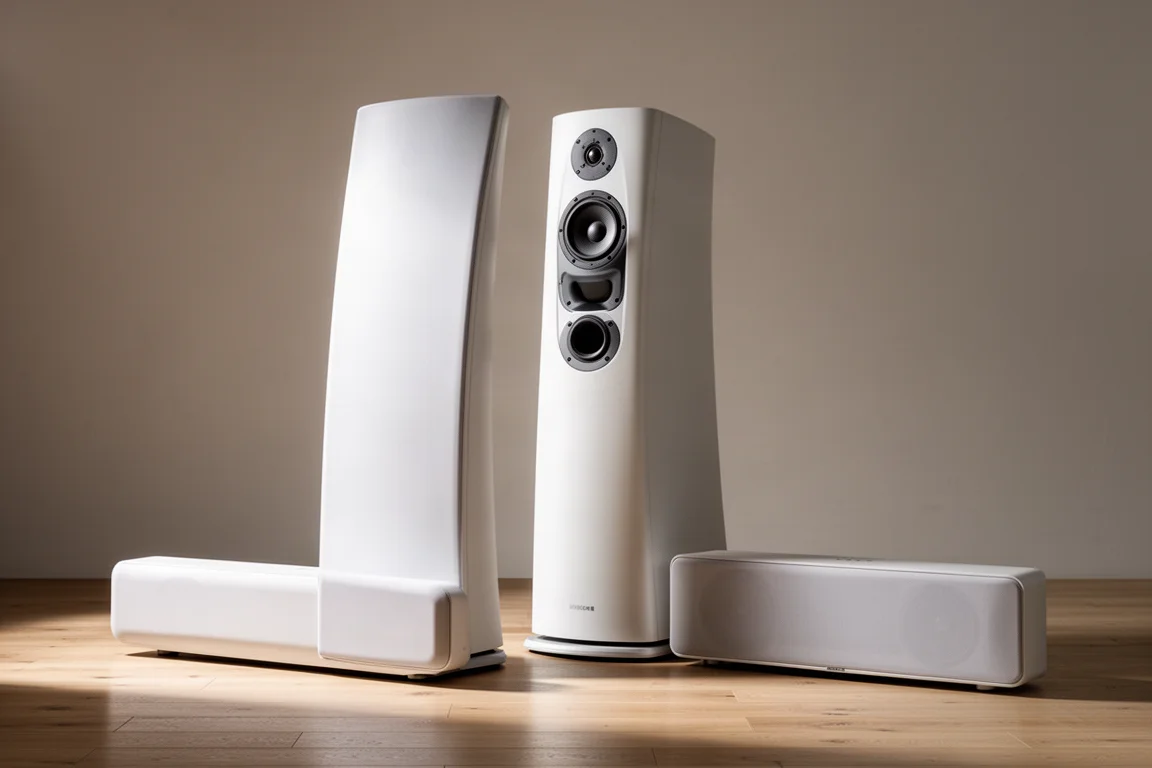
Aperion Novus Tower and Center Review: Punchy Home Theater Sound With Real Refinement
A close look at the Aperion Novus tower and center speakers, from their layered paint finish and punchy bass to the 4-ohm load and what the price actually buys.
Home Audio
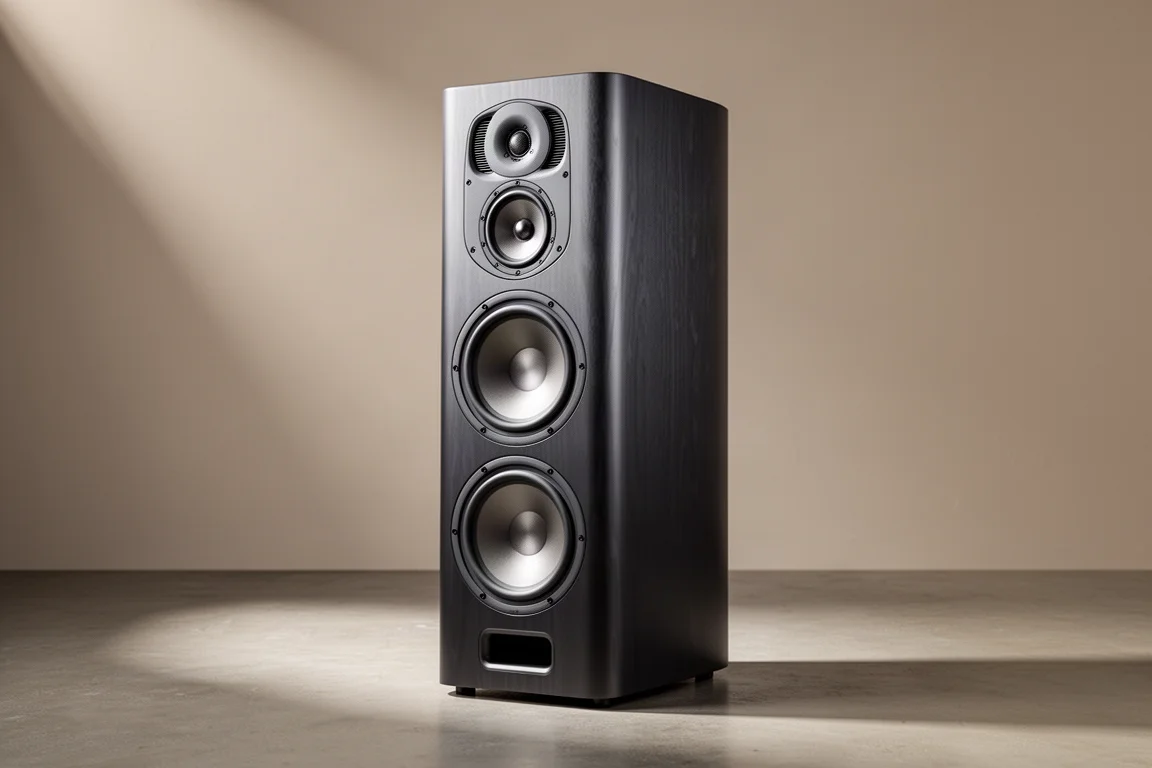
Arendal 1610 Tower Review: Flagship Dynamics in a Room-Friendly Tower
A compact floorstanding tower with three 8-inch aluminium woofers, a 5-inch carbon midrange, and the kind of bass heft usually reserved for much larger speakers.
Home Audio
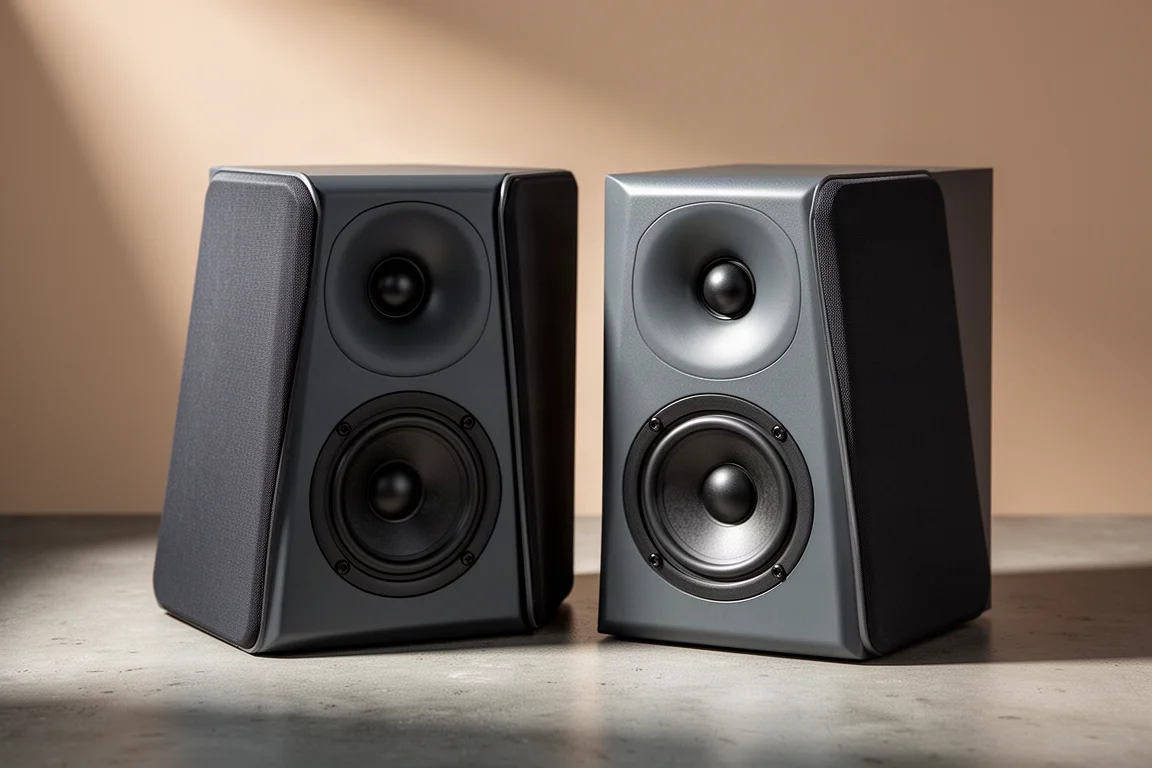
Arendal 1723 S THX Review: A Reference Speaker Built Like a Tank
A practical look at the Arendal 1723 S THX, a sealed, THX-certified speaker with exceptional build quality, a very flat top end, and a midrange that responds beautifully to EQ.