Home Audio
SVS Ultra Evolution Speakers: A Model by Model Guide to the Full Lineup
A practical walkthrough of all seven SVS Ultra Evolution models, from the flagship Pinnacle tower to the wall mounted Elevation and the matching center channel.
Introduction
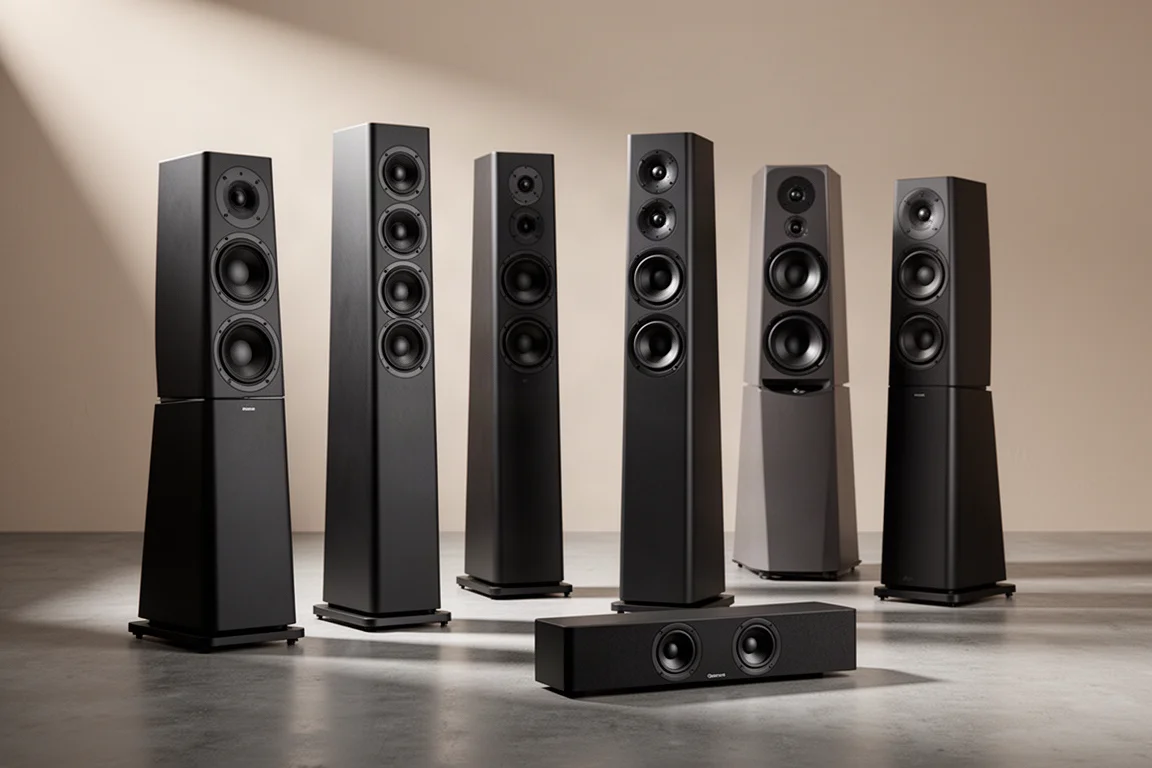
SVS has spent years earning a reputation for high value audio gear, and the Ultra Evolution range is the most ambitious speaker family the company has built. Seven models make up the line, and the three new towers have gathered the most attention for their striking cabinet shape, a different way of arranging woofers in a tower, and an entirely new tweeter design.
This guide covers the technology every model shares, then works through each speaker in the range so you can judge which combination suits your room, your amplifier, and the way you listen.
What the Ultra Evolution Line Has in Common
Diamond Coated Tweeter and Diffuser
Every model in the range, from the flagship tower down to the compact surround speaker, uses the same diamond coated aluminum dome tweeter. SVS coats the dome surface with industrial diamond dust through a process called vapor deposition. The coating pushes the driver’s breakup point far outside the audible range, which makes the tweeter essentially distortion free, and it also brings the tweeter’s response down slightly so it blends more naturally with the midrange drivers beneath it.
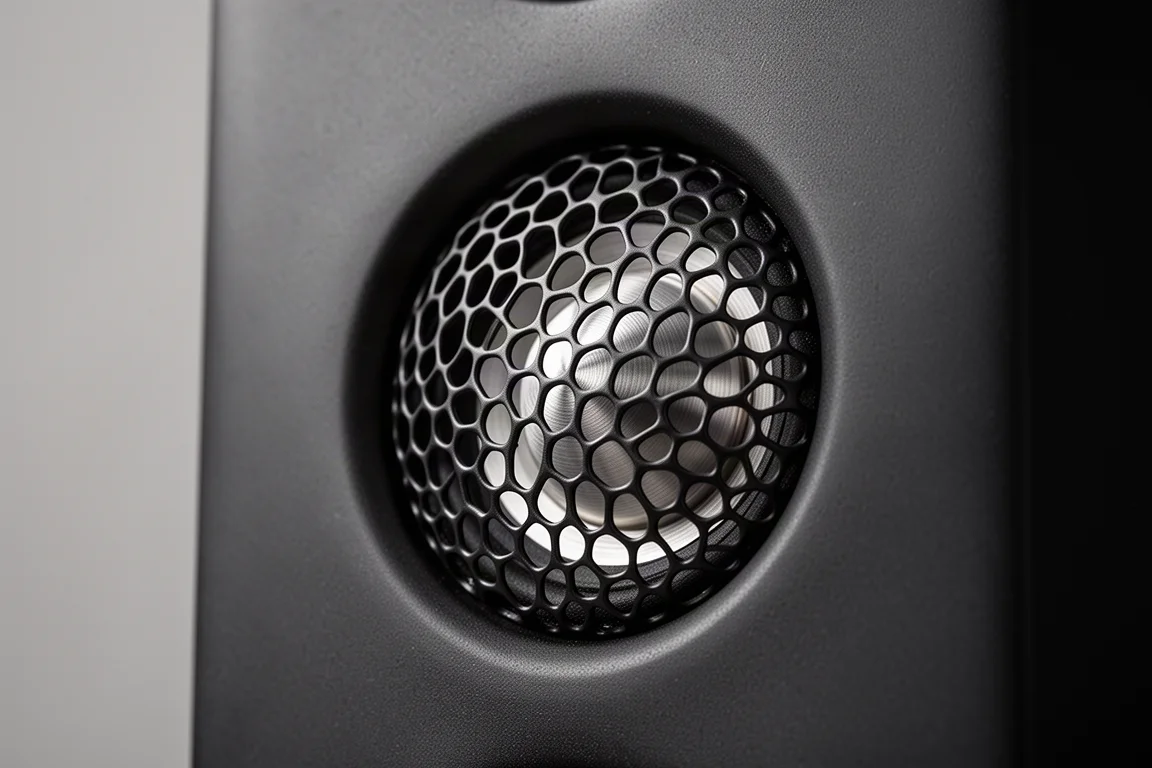
The dome sits behind an organic cell lattice diffuser. That part serves two purposes: it protects an expensive diamond coated tweeter from curious fingers, and it improves off axis response, which gives listeners a slightly wider sweet spot rather than a single narrow seat. Because the same tweeter and the same driver materials appear throughout the range, the models are acoustically matched when you combine them in a home theater system.
Cabinet Construction, Crossovers, and Finishes
SVS calls the cabinet layout its acoustically centered time alignment architecture. The sound from a tweeter originates at the dome, while the sound from a woofer or midrange driver originates at the back face of the cone. To line those sources up, the cabinets are angled rather than flat fronted, and the effect is especially visible on the towers, where three drivers sit in a stepped arrangement. Every model except the Elevation uses this approach.
The cabinets themselves are built to control resonance. SVS tests prototypes in an anechoic chamber while refining the bracing, and each midrange driver gets its own internal enclosure. On the three way designs the woofer section is separated as well. The front panel is a thick piece chamfered along its sides to reduce diffraction, and the weight tells the story: even the smaller bookshelf model comes in at almost 20 lb.
The crossover, the network that splits the incoming signal between drivers, is another place SVS has not cut corners. The range uses heavy trace printed circuit boards, high grade capacitors, and air core inductors, a level of parts quality more typical of far more expensive speakers. Three finishes are available across the range: a painted, more matte black oak, a high gloss black, and a high gloss white. The white option opens the range up to more contemporary rooms. One practical note on the gloss finishes: in a home theater, a glossy cabinet can behave a little like a mirror, and reflections of the on screen image off a center channel or front speaker can be distracting. Worth weighing up if your speakers sit close to the screen.
Ultra Evolution Pinnacle: The Flagship Tower
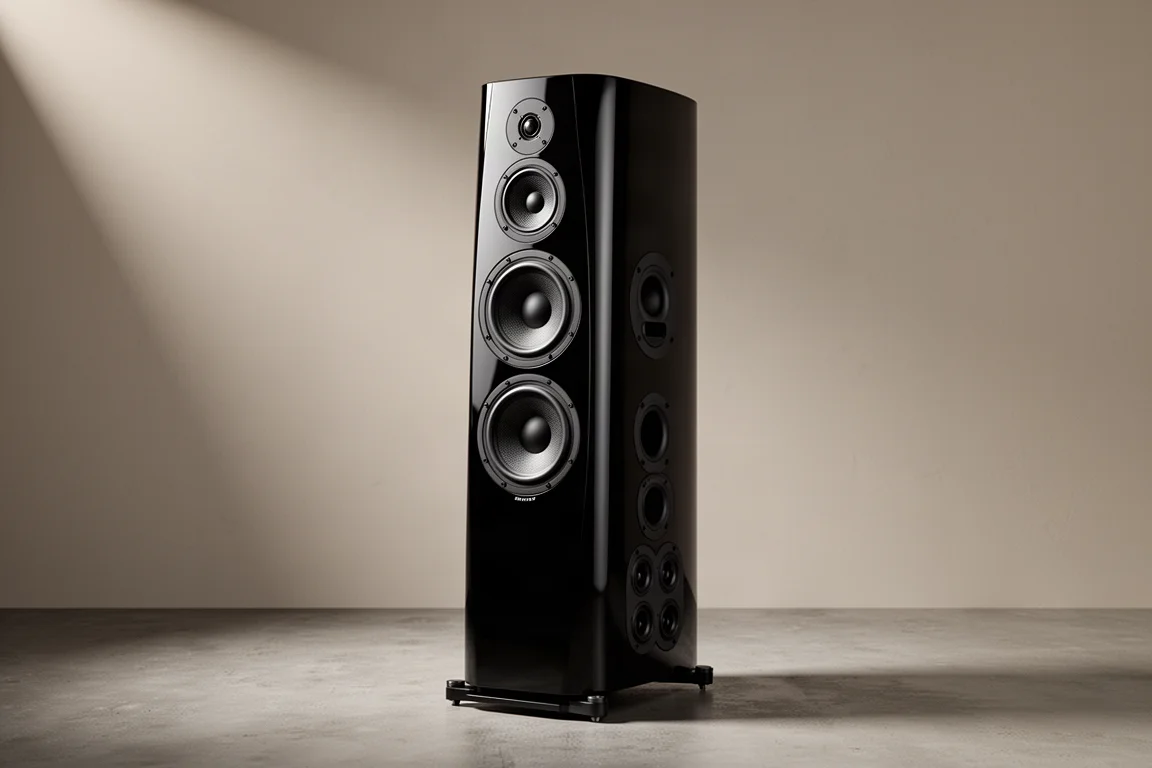
The Pinnacle sits at the top of the range and uses four 8 in woofers in what SVS calls a quad balance configuration, paired with dual 5.25 in glass fiber midrange drivers. The bass these produce is deep enough that listeners often assume a subwoofer is running in the room, and SVS rates the in room response down to 24 Hz.
The Pinnacle is also the only model in the line with the larger midrange drivers, and the taller cabinet places the tweeter and midrange at a height that suits a typical listening position, which helps produce a large soundstage. The trade offs are practical rather than sonic. This is a speaker that wants a decent sized room and a quality amplifier, and because the design pays such close attention to time alignment, it rewards time spent on placement. Confirming identical toe in and distance from the listening chair with a tape measure is worth the effort.
Ultra Evolution Titan: Big Sound for Smaller Rooms
The Titan follows the same layout as the Pinnacle but steps down to four 6.5 in woofers and dual 4.5 in midrange drivers. That makes it easier to place in a smaller room, with a little less bass output than its larger sibling.
If your room can support the Pinnacle, the step up in price is modest relative to the extra bass and the more open midrange you get. If your space cannot, the Titan keeps the full technology set in a cabinet that behaves better in tighter rooms.
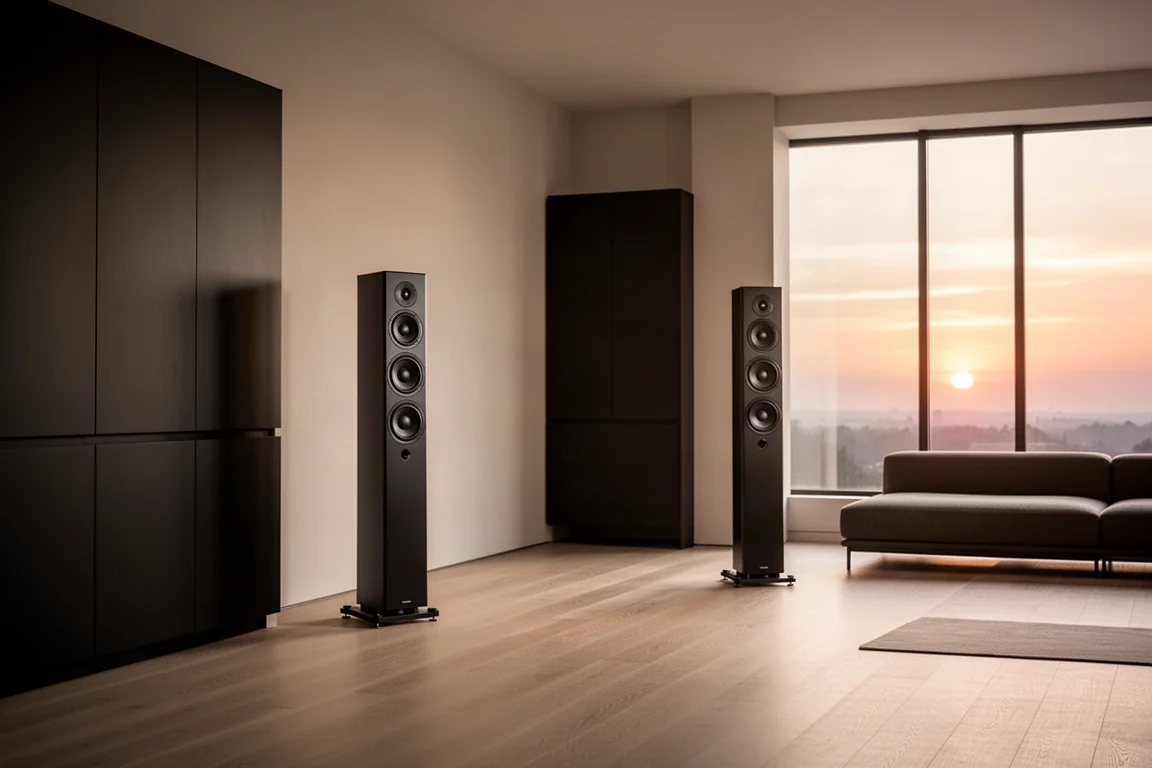
Both towers share the same push pull woofer arrangement, with identical woofers on the front and rear of the cabinet in a force balanced array, plus a pair on the top and bottom. Having woofers at different heights reduces the effect of room nodes, which helps deliver more even bass across the whole listening area, and the opposing drivers cancel internal resonances to keep the cabinet quieter. The one catch is common to most good towers: performance improves when they sit away from the rear wall, and further still from the side walls.
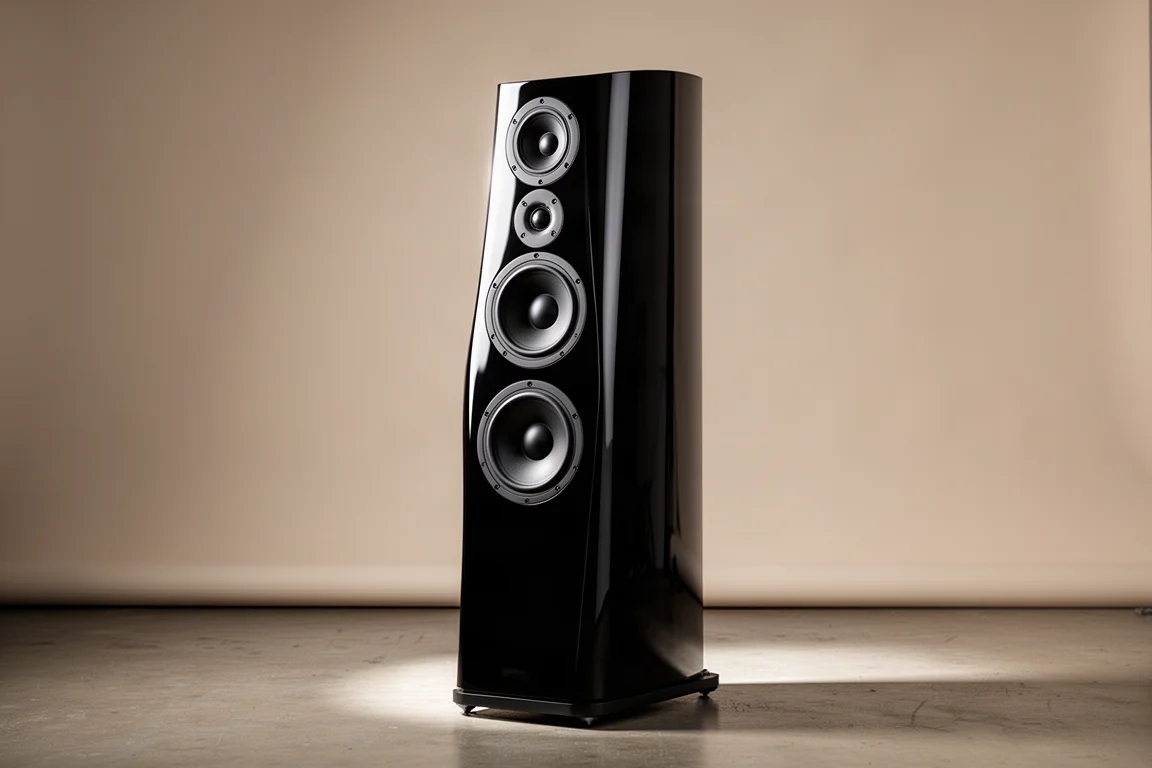
Ultra Evolution Tower: The Entry Point to the Tower Line
The smallest of the three towers uses four 5.5 in bass drivers and the same dual 4.5 in midrange drivers as the Titan, along with the diamond coated tweeter. In room response is rated at a still respectable 30 Hz.
For the money, this is a compelling way into the range. It comes in at close to half the price of the Pinnacle while carrying the same core technology, and the reduced bass output means it works well in much smaller rooms. Its narrower cabinet is easier to place, and it still produces the wide soundstage the Ultra Evolution towers are known for. A good power amplifier remains worthwhile here, just as it is with the two larger towers.
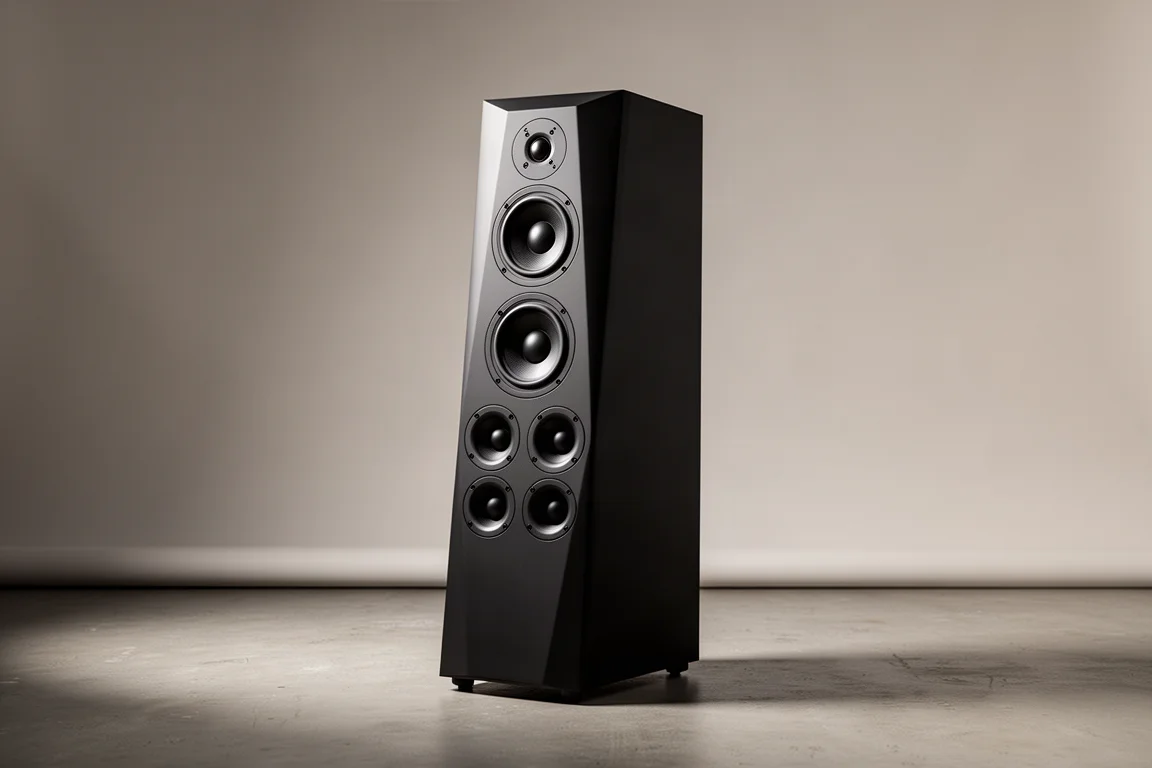
Ultra Evolution Bookshelf: Compact Main or Surround
The Ultra Evolution Bookshelf pairs a 6.5 in midrange woofer with a composite glass fiber cone and the diamond coated tweeter in the same angled cabinet design used by the towers. Do not let the name mislead you: it stands almost 15 in tall and weighs close to 20 lb.
SVS rates its in room bass response down to 40 Hz, which is enough to fill a small room with genuinely large sound. Stand mounting and a bit of distance from room boundaries will get the best from it. Used as a main speaker in a smaller room or as a surround in a home theater system, it matches the tower models driver for driver, and it benefits from a capable amplifier in the same way.
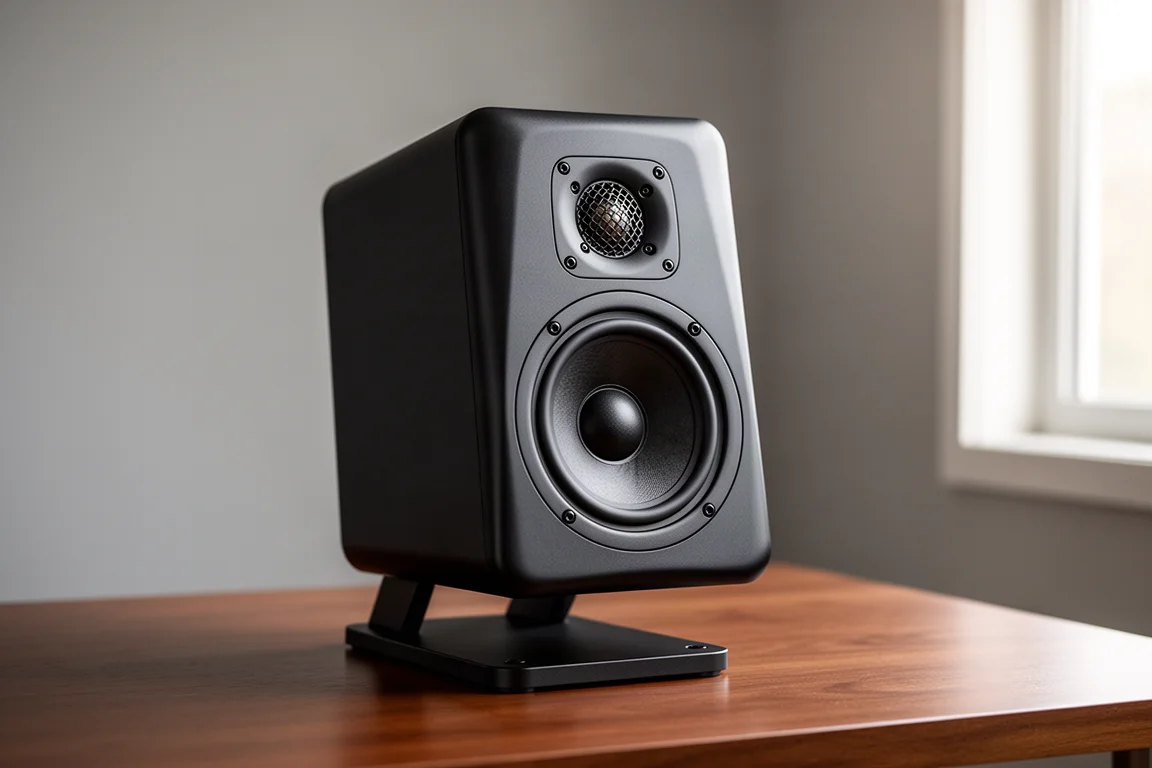
Ultra Evolution Nano: Small but Surprisingly Capable
The Nano is the smallest speaker in the range, roughly 12 in tall and 7.5 in wide, with a 5.25 in woofer and the same diamond coated tweeter. Its in room bass response is rated at 44 Hz, which is remarkable for a cabinet this size.
For a small space with stand mounting available, the Nano is a genuinely enjoyable pair, particularly with acoustic and jazz material, and it can throw a surprisingly large soundstage. One thing to plan for is power: the 85 dB sensitivity rating means it wants a reasonably capable amplifier. The Nano also makes a natural compact surround speaker, since its low end reaches far enough that the usual 80 Hz crossover point works perfectly, and a subwoofer can be added later to round out the bottom end.
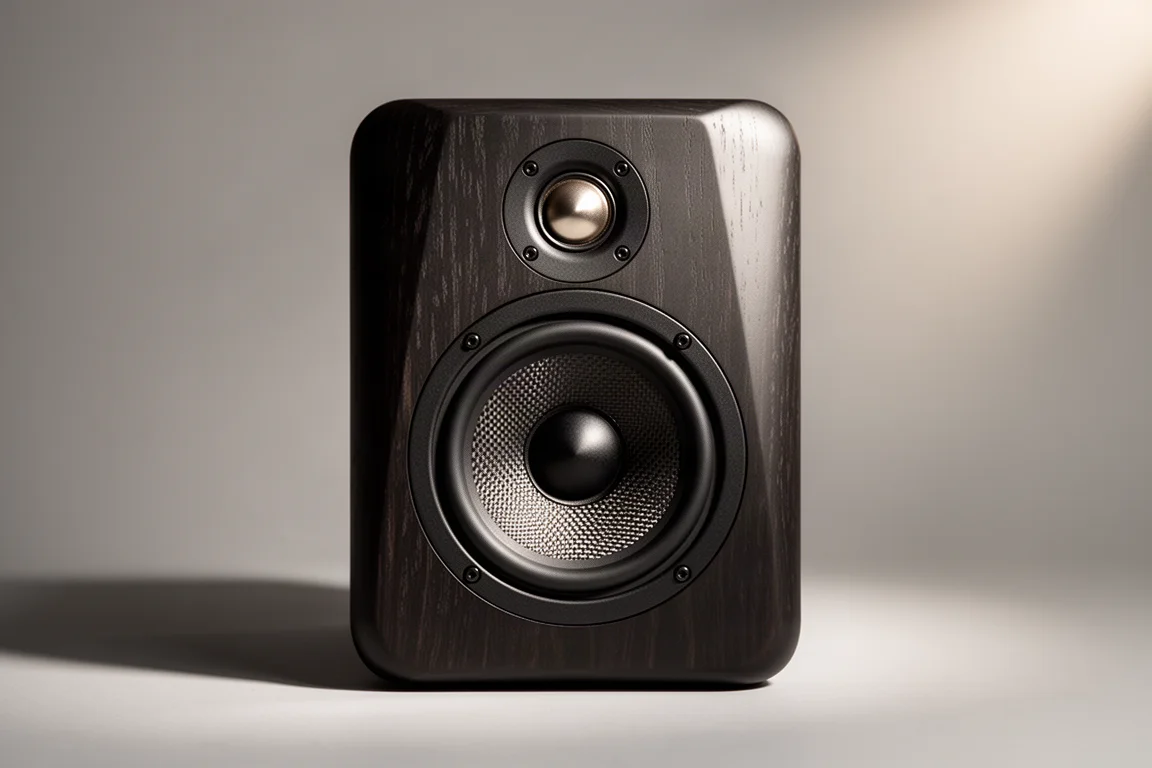
Ultra Evolution Elevation: Wall Mounted Height Effects
The Elevation handles height effects in a home theater system, and it solves a problem many rooms share: getting speaker cable into a ceiling. This is a wall mount design with a shape and mounting system built around that job. Mounted close to the ceiling on a side, rear, or even front wall, it fills the height information in a mix convincingly.
Its 5.25 in midwoofer sits in a separate chamber from the diamond coated tweeter to reduce resonance, which gives it a notably dead cabinet. That matters even more when a box speaker is bolted to a wall. The Elevation is the one model in the range that does not use the updated driver alignment, but it now benefits from the new diamond coated tweeter, which pairs it cleanly with the rest of the Ultra Evolution range.
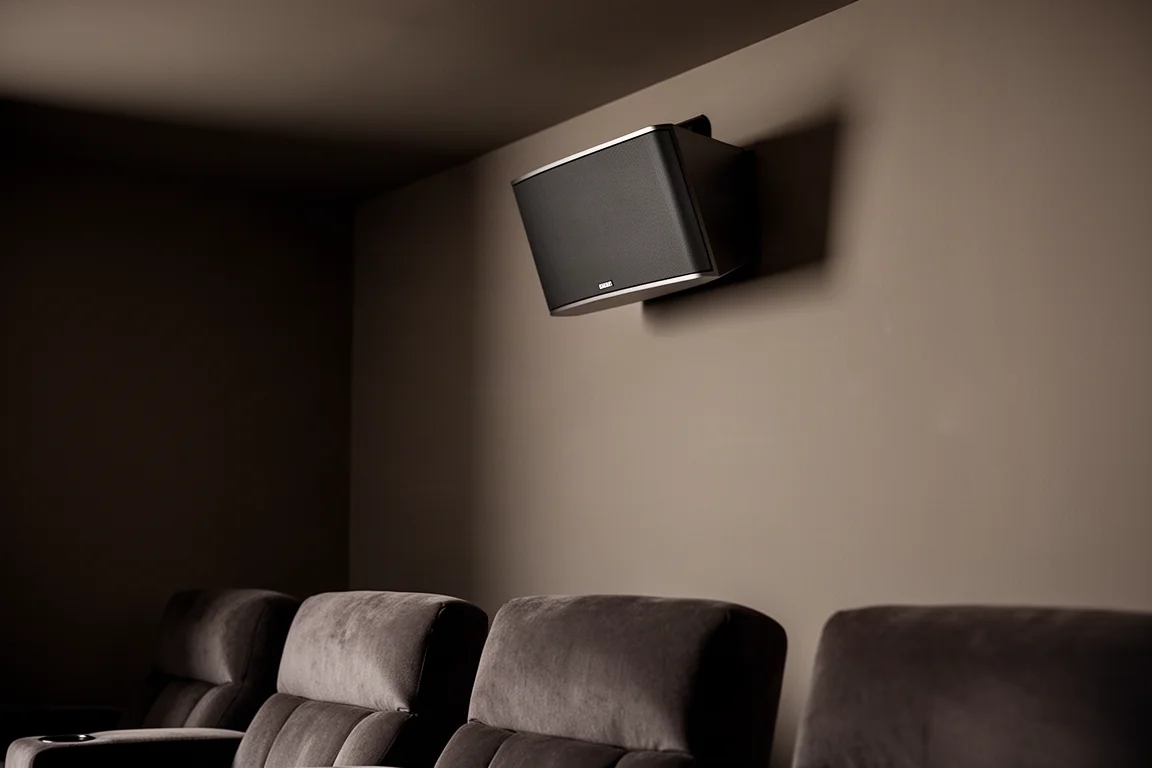
If you have been putting off overhead channels because of installation constraints, this is the practical route. Wall mounting keeps the work manageable while still delivering the sense of height that film soundtracks depend on.
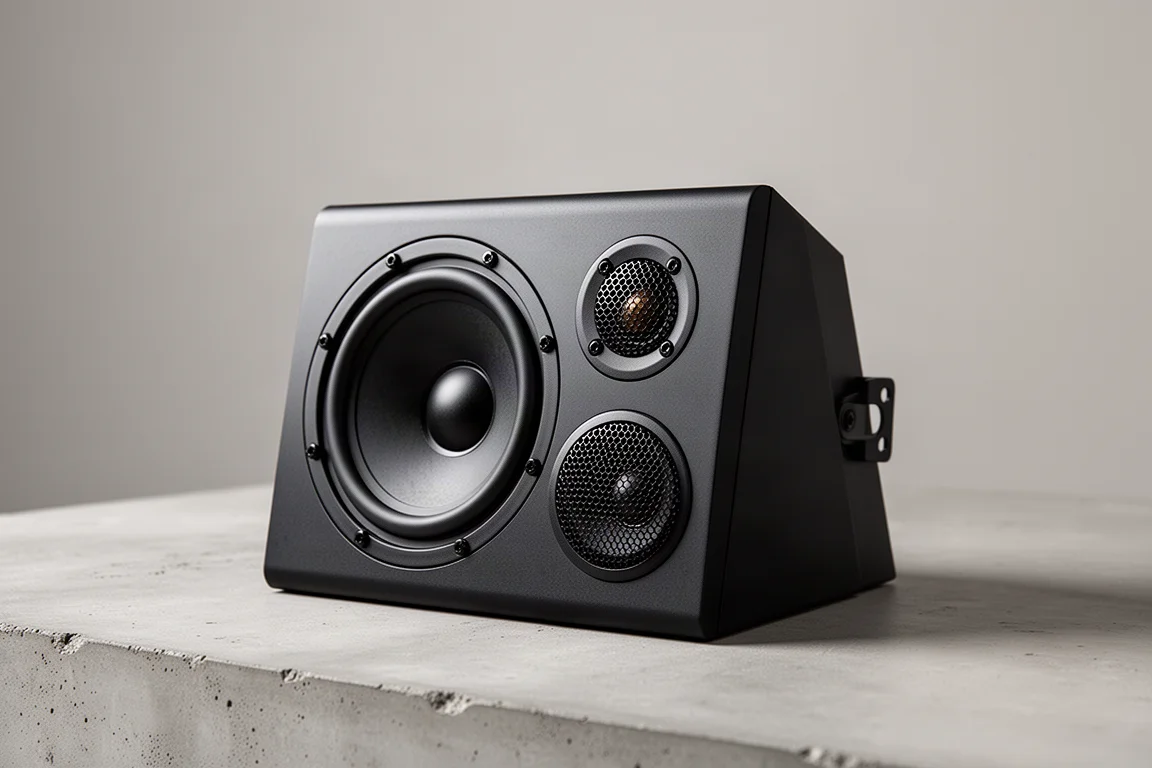
Ultra Evolution Center: The Matching Center Channel
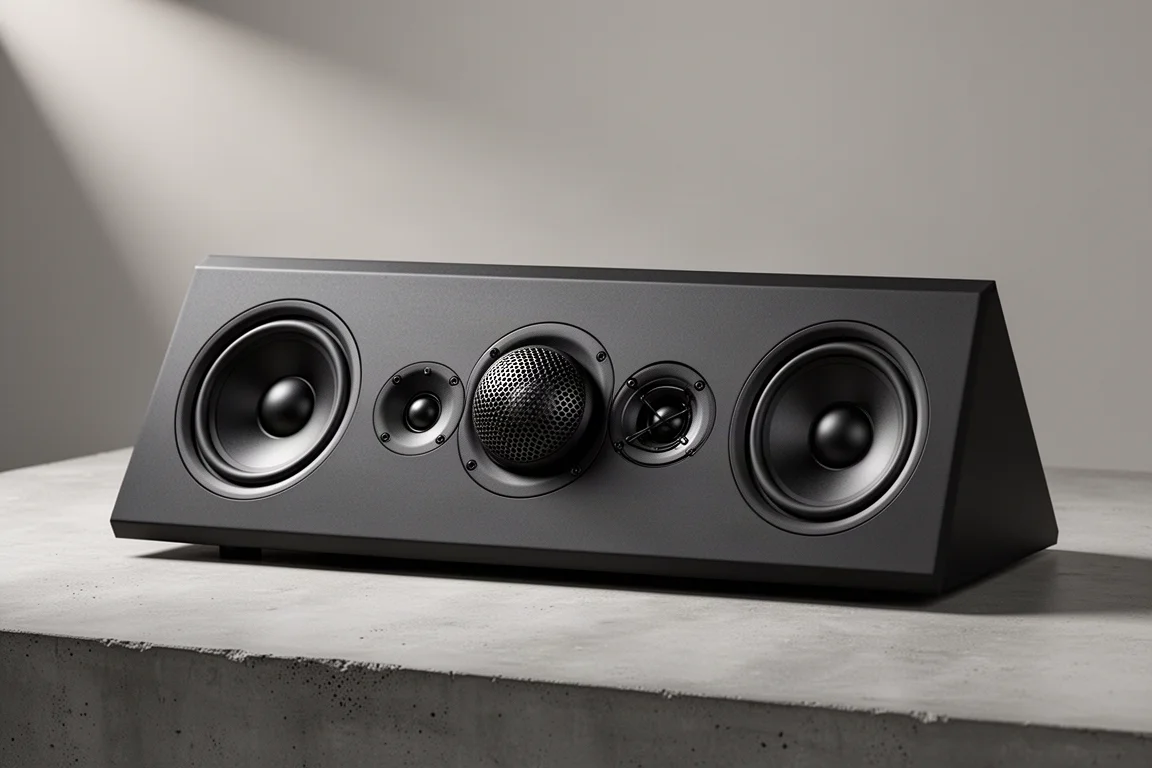
A center channel carries most of the dialogue and a great deal of the on screen action, so it needs to keep up with the towers beside it. The Ultra Evolution Center uses a tilted front baffle to time align the diamond coated tweeter, a 4.5 in midrange driver, and a pair of 6.5 in drivers.
The internal construction follows the same philosophy as the rest of the range. The midrange driver and the other drivers each get their own internal enclosure for acoustic isolation. The result is a center that handles dynamic peaks without strain and matches any of the new Ultra Evolution models in a home theater system. Based on the driver count and the cabinet work, this one looks priced well below what its build suggests.
How to Choose the Right Model
Room size is the first filter. The Pinnacle and Titan want more space, the Tower and Bookshelf suit smaller rooms, and the Nano is the option for genuinely compact setups. If you are unsure, the Titan and Tower both offer the full technology set with progressively less low end output and progressively easier placement.
Amplification matters across the range. These are not speakers that flatter a weak amplifier, and the Nano’s 85 dB sensitivity rating in particular calls for a capable one. Setup is the other half of the equation. Time aligned designs reward careful positioning, so plan on measuring distances and toe in rather than eyeballing it.
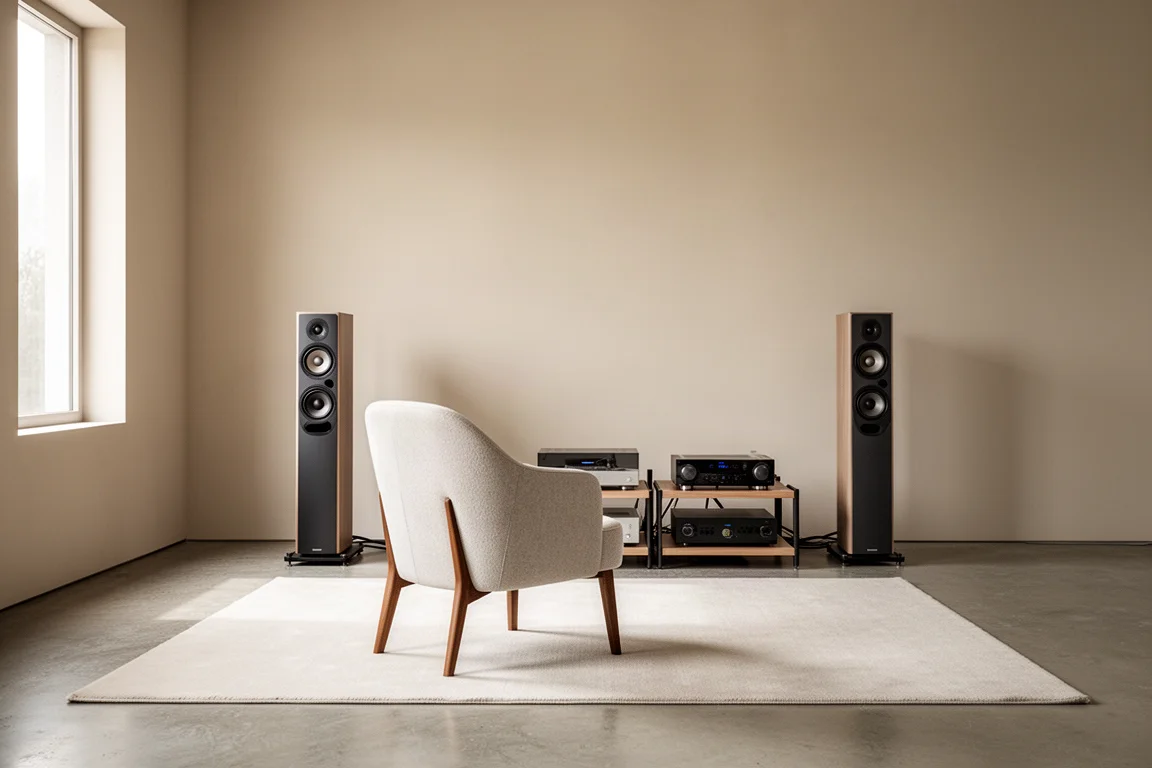
For home theater, the range is designed to work as a system. The same tweeter and driver materials run throughout, so a combination of towers, bookshelf or Nano surrounds, an Elevation pair for height, and the matching center will be acoustically consistent across every channel.
If you are building out a room rather than replacing a single pair, it is worth mapping the whole system before buying anything. Deciding on the front three and the height channels together usually leads to a better balanced result than upgrading one piece at a time.
Conclusion
The Ultra Evolution range takes technology that normally appears in far more expensive speakers and spreads it across seven models, from a flagship tower with claimed 24 Hz in room response down to a compact surround speaker. The common thread is the diamond coated tweeter, the angled time alignment cabinet, and a crossover built with parts you would not expect at these price points.
Choose by room size first, then by how much low end you want and how much amplifier you have. Get those two things right and the rest of the range is designed to fall into place around them.
Further reading
Related Reviews
Home Audio
Aperion Novus Tower and Center Review: Punchy Home Theater Sound With Real Refinement
A close look at the Aperion Novus tower and center speakers, from their layered paint finish and punchy bass to the 4-ohm load and what the price actually buys.
Home Audio
Arendal 1610 Tower Review: Flagship Dynamics in a Room-Friendly Tower
A compact floorstanding tower with three 8-inch aluminium woofers, a 5-inch carbon midrange, and the kind of bass heft usually reserved for much larger speakers.
Home Audio
Arendal 1723 S THX Review: A Reference Speaker Built Like a Tank
A practical look at the Arendal 1723 S THX, a sealed, THX-certified speaker with exceptional build quality, a very flat top end, and a midrange that responds beautifully to EQ.