Powered Speakers
SVS Prime Wireless Pro Review: Wireless Hi-Fi With Real Upgrades
A second generation powered speaker pair that adds a front panel display, presets, a larger mid-bass driver and HDMI eARC to an already capable streaming formula.
Introduction
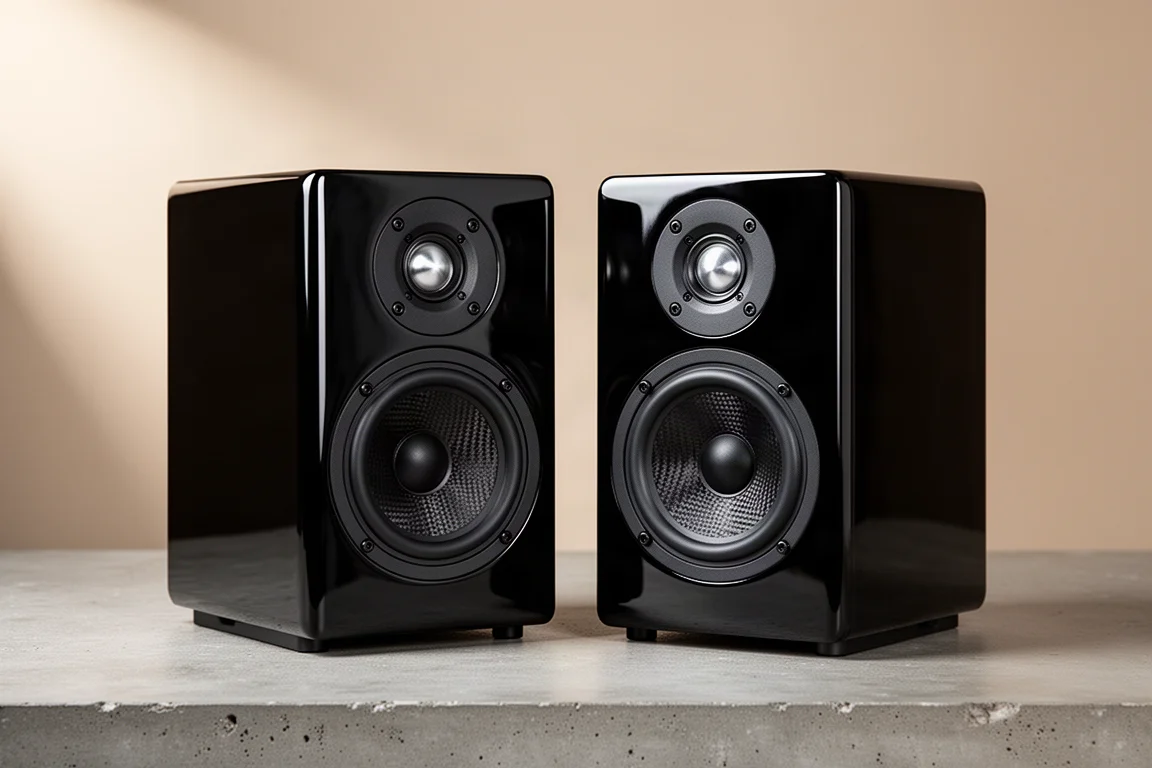
The SVS Prime Wireless Pro is the second generation of a powered speaker line that first arrived in 2018. The original Prime wireless speakers were highly regarded for their connectivity and sound quality at an accessible price, and they helped push back on the idea that streamed music is only good enough for background listening. The Prime Wireless Pro keeps that goal and adds a set of upgrades that are easy to notice once you start using them, including a front panel display, physical preset buttons, a larger mid-bass driver and HDMI eARC.
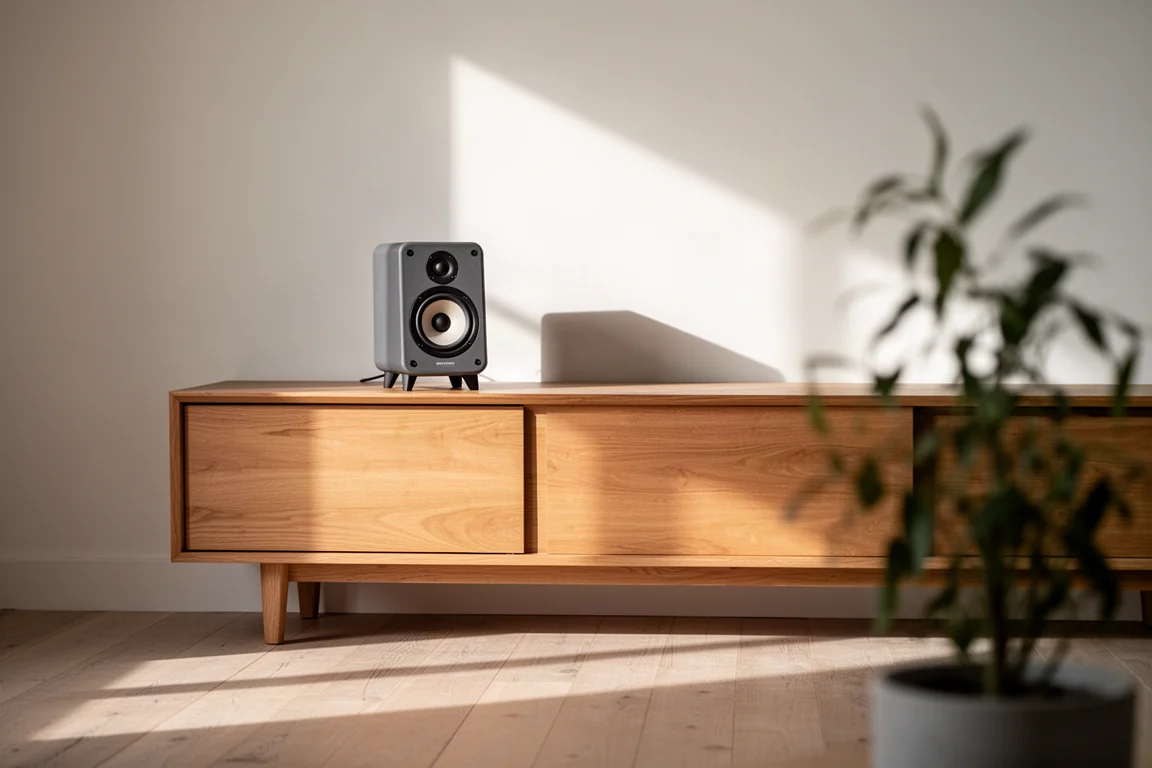
The pair aims at reference-level sound quality in the wireless category by combining high-resolution playback with generous connectivity and simple, flexible control. This article covers what changed, how the speakers perform in a real room, and the trade-offs worth knowing before you buy.
Who This Product Is For
These speakers are an excellent first step into the world of Hi-Fi. If you are ready to move on from a small smart speaker or a compact soundbar, the Prime Wireless Pro offers a much larger cabinet, a proper two channel layout and a wide set of inputs without asking you to assemble a full separates system.
They also suit listeners who are upgrading from a Sonos-style setup, or who simply want to go deeper into higher quality sound. The controls are approachable enough for a shared living space. The front panel presets, the on-screen source information and the included remote mean you do not have to reach for a phone every time you want to change something, which makes the system easy for other people in the house to use.
Main Strengths
The strongest argument for the Prime Wireless Pro is flexibility. Almost every common way of getting audio into a pair of speakers is covered, and the system is equally comfortable with a television, a streaming account or a wired source. The second generation also addresses the one clear limitation of the original pair: low frequency depth.
The system is built as a left passive speaker and a right powered speaker, joined by a supplied ten foot umbilical cord. The right cabinet houses the amplification, the digital processing and all of the connections, which keeps the setup simple and tidy.
Deep, Balanced Sound With a Bigger Woofer
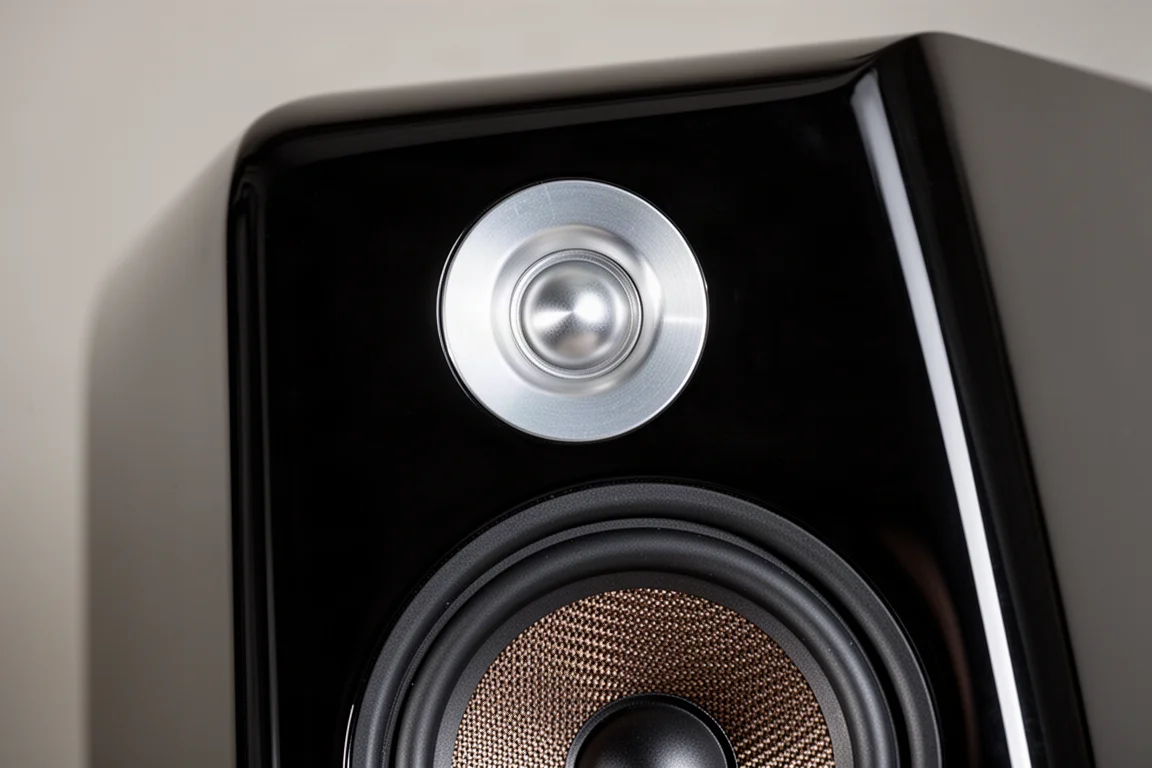
Inside, a 200 watt amplifier provides discrete bi-amplification to a one inch aluminum dome tweeter and a 5.25 inch mid-bass driver, up from the 4.5 inch driver used in the original. The right speaker also houses a 24-bit/192 kHz DAC and a precisely tuned active digital crossover, which allows the speakers to render high-resolution playback wirelessly from streaming services.
In a listening room measuring roughly 16 by 24 feet, with the speakers on stands about eight feet apart, a foot off the back wall and the listener around ten feet back, the low end was immediately convincing. On bass-heavy material the pair reproduced deep notes with control, and the more defined low end opened up just enough space for the midrange to sound more transparent and easier to follow. Compared with the original speakers on the same track, the Pro version dug a little deeper and handled the lowest notes with more finesse and ease.
Imaging is a further strength. On a vocal-led recording the voice sat toward the center, the guitar behind it, and the bass line filled the room clearly and was easy to locate. The overall presentation is balanced rather than forward, which makes long listening sessions comfortable.
Streaming Options and Wired Connections
Wireless streaming is close to exhaustive. You can stream over Wi-Fi using the DTS Play-Fi app, or use Bluetooth, AirPlay 2, Chromecast and Spotify Connect. The Play-Fi platform also reaches home media servers and can distribute music to as many as 32 Play-Fi products across 16 zones, and it includes a critical listening mode for the highest resolution playback available.
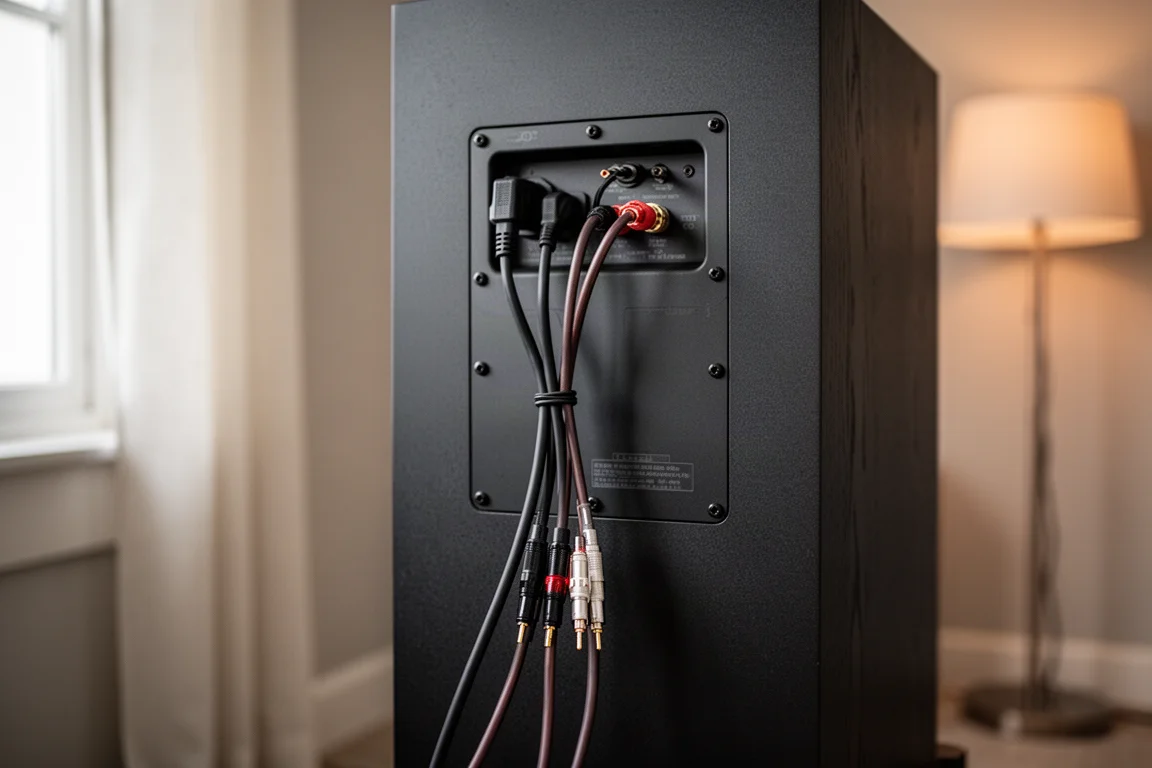
Wired connections live on the back of the right speaker and cover HDMI, optical, analog line level, ethernet and a subwoofer output. The HDMI input supports eARC, which lets you connect the speakers to a television and adjust the volume with the TV remote instead of switching between controllers.
The subwoofer output is more thoughtful than most. When a subwoofer is detected, the speakers automatically engage an 80 Hz low pass filter, so the main drivers are not asked to reproduce the full range signal. With a subwoofer in place, movie material gains noticeably more weight and scale.
Day to day, the front panel is what you will notice most. A small OLED display shows the input, the current song and artist, and a volume meter, while six backlit preset buttons below it give instant access to sources, favorite playlists and streaming services. The two rotary dials handle input selection, display brightness and volume. Removable grilles let you choose how much of the drivers you want to see, and the sides of the cabinets are cut away to form a tall trapezoid grille shape with a rear firing port at the back.
Things to Consider Before Buying
A 5.25 inch driver can only go so low, so the deepest cinematic bass still benefits from a dedicated subwoofer. That said, the Pro version sounds outstanding on its own in a way the original pair did not, which matters if you do not want to invest in a subwoofer yet or do not have room for one.
There is one streaming quirk to know about. The DTS Play-Fi app inserts about a second of silence after each track before the next one begins.
Two smaller points round out the list. The supplied ten foot umbilical cord is a good length for a desk or a credenza, but if you want to place the speakers further apart you will need a longer cord ordered specially. And the design does not let you choose which cabinet sits on the left or right, so the controls and display always stay on the right side.
Buying Advice
If you are coming from the original Prime wireless speakers, the decision depends on what you already own. If you already have a subwoofer, staying with your current pair is probably fine. If you want significant upgrades and want the speakers to reach a touch deeper in the bass without a subwoofer, the Prime Wireless Pro is the pair to choose.
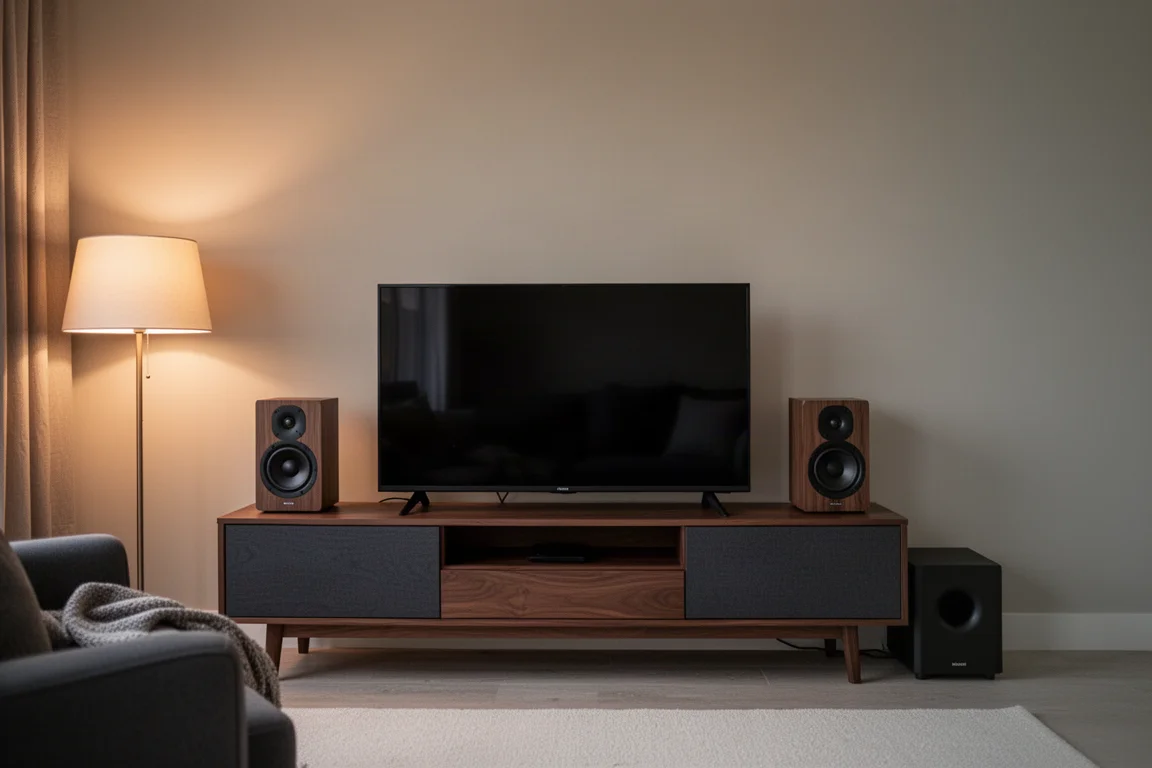
As a first serious system, these speakers make a strong case. You do not need a subwoofer to get started, they accept almost any source, and the HDMI eARC connection makes them a genuine alternative to a soundbar for television audio. The larger cabinets and drivers reach lower than most soundbars and image far better, which is the main reason to consider them for a living room.
Cosmetic options include the piano black finish and a gloss white version that stands out more in a room. Because the grilles are removable, you can decide how much of the drivers you want on show in your setup.
Conclusion
The SVS Prime Wireless Pro is a well-rounded upgrade to an already capable formula. The added display and preset buttons make everyday use easier, the larger mid-bass driver brings real depth, and the connection list covers wireless streaming and wired sources alike. It is a confident choice for anyone stepping into Hi-Fi or replacing a small soundbar.
Product link
View more details for SVS Prime Wireless Pro
This product is mentioned in the review. Check the specifications, options, and compatibility before buying.
View more details for SVS Prime Wireless ProFurther reading
Related Reviews
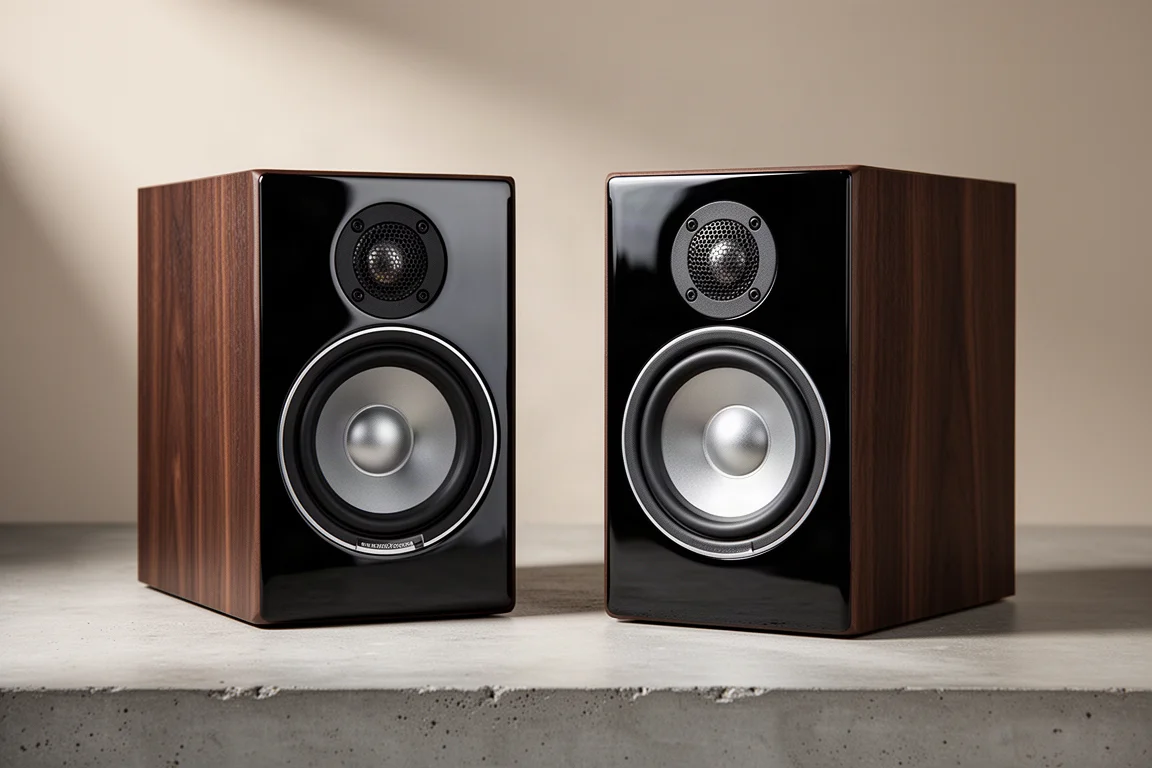
Powered Speakers
AbramTek X50 Review: Powered Speakers With Real Bass and a Full Feature Set
The AbramTek X50 pairs a phono preamp, HDMI ARC, optical, and Bluetooth with genuinely capable sound. Here is what it does well and what to check before buying.
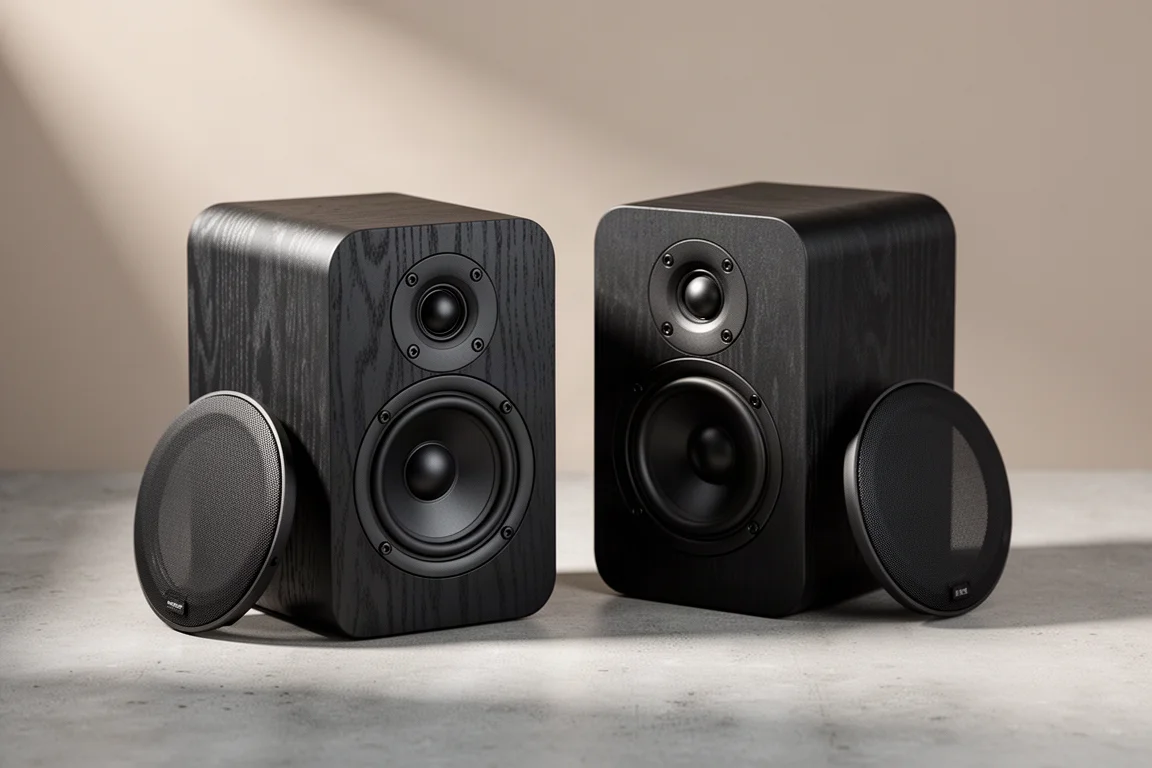
Powered Speakers
Amazon Basics Powered Speaker Review: Useful Features, Compromised Sound
A practical look at the Amazon Basics Powered Speaker: a handy remote and an optical input, held back by shouty upper mids, minimal bass, and erratic pricing.
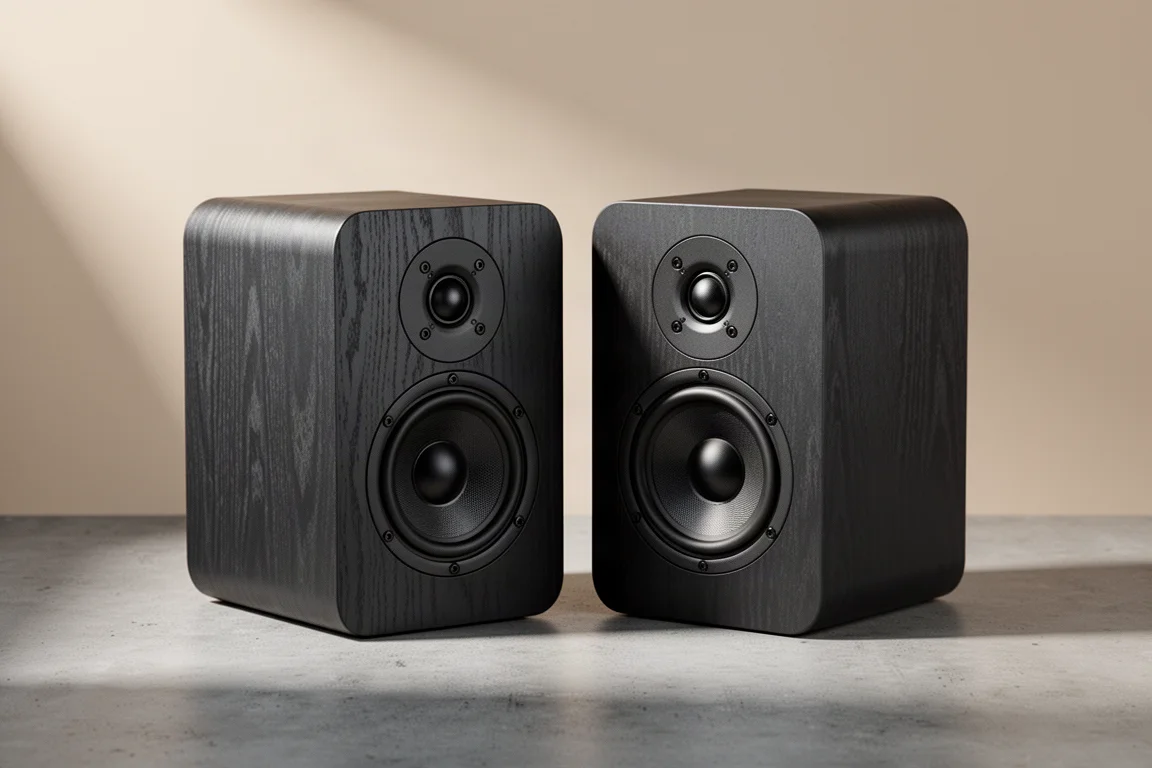
Powered Speakers
Aperion Audio Alaire Review: Compact Powered Speakers With Serious Bass
A compact two-way powered speaker with genuine low-end punch, excellent imaging, and a control scheme that depends entirely on its remote.