Bookshelf Speakers
SVS Prime Bookshelf Speaker Review: Strong Output, Neutrality Trade-Offs
A compact bookshelf speaker with excellent build quality and high clean output, plus the tonal balance and EQ notes worth knowing before buying.
Introduction
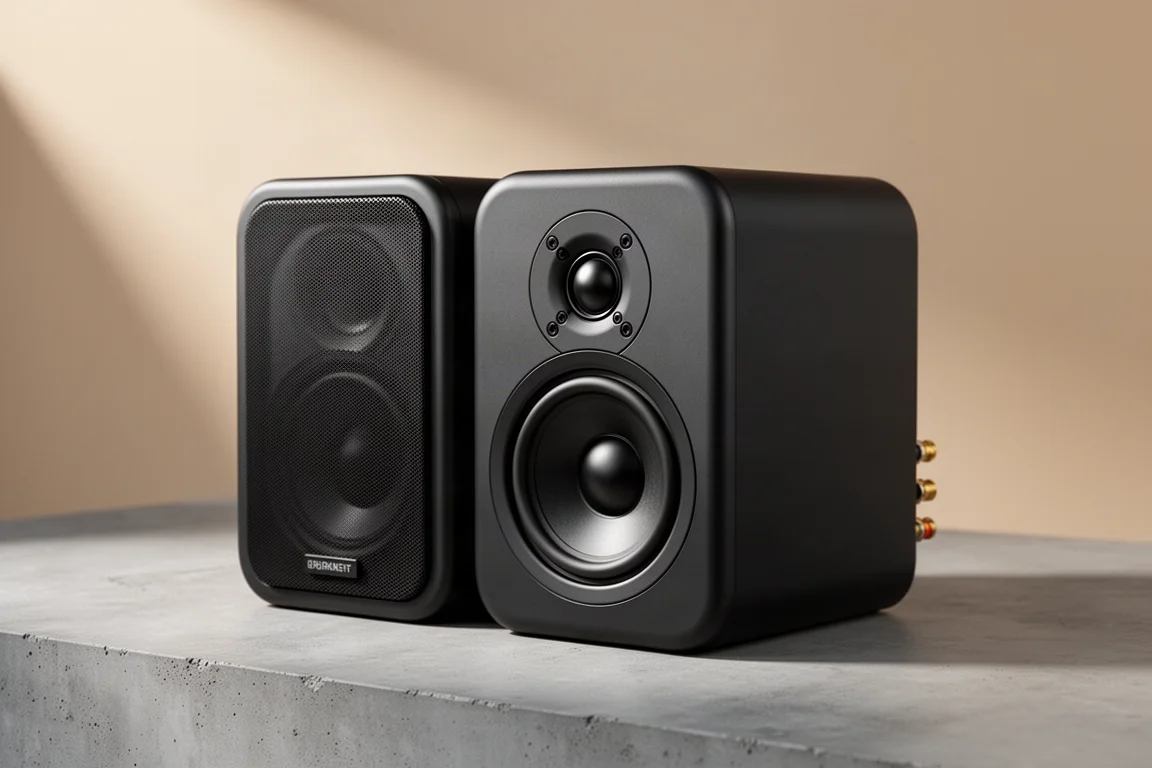
The SVS Prime Bookshelf is a compact two-way speaker that retails for roughly $700 to $800 per pair depending on the finish. Its cabinet design dates back around seven years, which places it a generation or two behind the newest bookshelf models on the market.
That age shows up most clearly in tonal balance rather than build quality. The Prime Bookshelf is not a linear speaker out of the box: the midrange around 1 to 3 kHz sits forward, and the treble carries a slight lift that can read as extra brightness when the speakers are aimed straight at the listening position.
The encouraging part is that the speaker responds well to equalization in exactly the region where it needs help, and its output capability is genuinely impressive for a cabinet this size. What follows is a practical look at where the Prime Bookshelf shines, where it asks for adjustment, and who will get the most from it.
Who This Speaker Is For
This is a natural fit for home theater systems. Most AV receivers offer automatic room correction or manual EQ, and the Prime Bookshelf takes well to a modest cut in the 1 to 3 kHz range, which removes much of the forward character and makes the presentation sound more natural.
It also suits listeners who value dynamics over absolute neutrality. If a system already includes a subwoofer and the receiver can shape the response, the speaker’s strengths become much easier to enjoy.
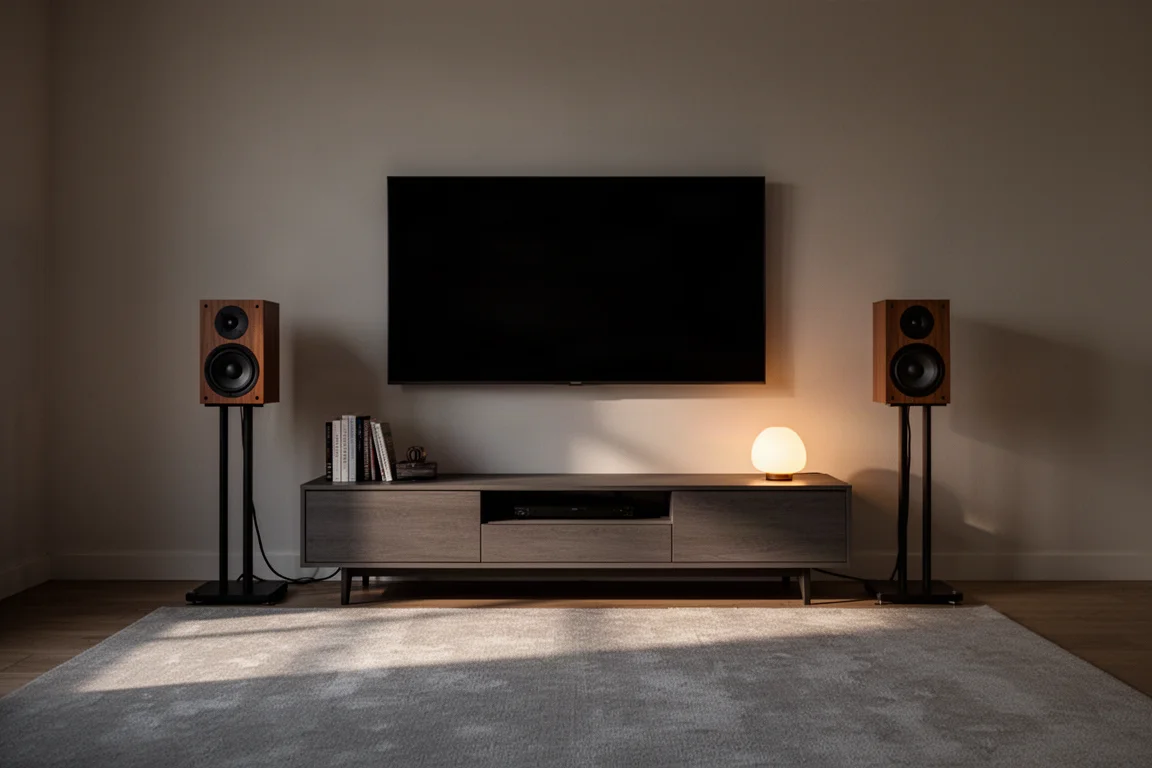
It is a less obvious choice for listeners who want a neutral tonal balance straight out of the box with no processing at all. The forward midrange and the slight treble lift are built into the design, and they will be audible in a bare two-channel setup.
Main Strengths
Build quality and finish are among the strongest arguments for this speaker. The cabinet feels substantial, and the finish options give it a furniture-grade look that holds up in a living space rather than calling attention to itself as equipment.
Output capability is the other standout. Many speakers of this size begin to compress and distort as volume rises, and the Prime Bookshelf does not show that behavior. Its measured distortion profile stays below roughly one percent total harmonic distortion above about 60 Hz at a normal listening level, and multitone distortion remains below the -20 dB mark across the full 20 Hz to 20 kHz span. Dynamic range measurements hold up well until roughly 80 Hz, at which point a subwoofer takes over.
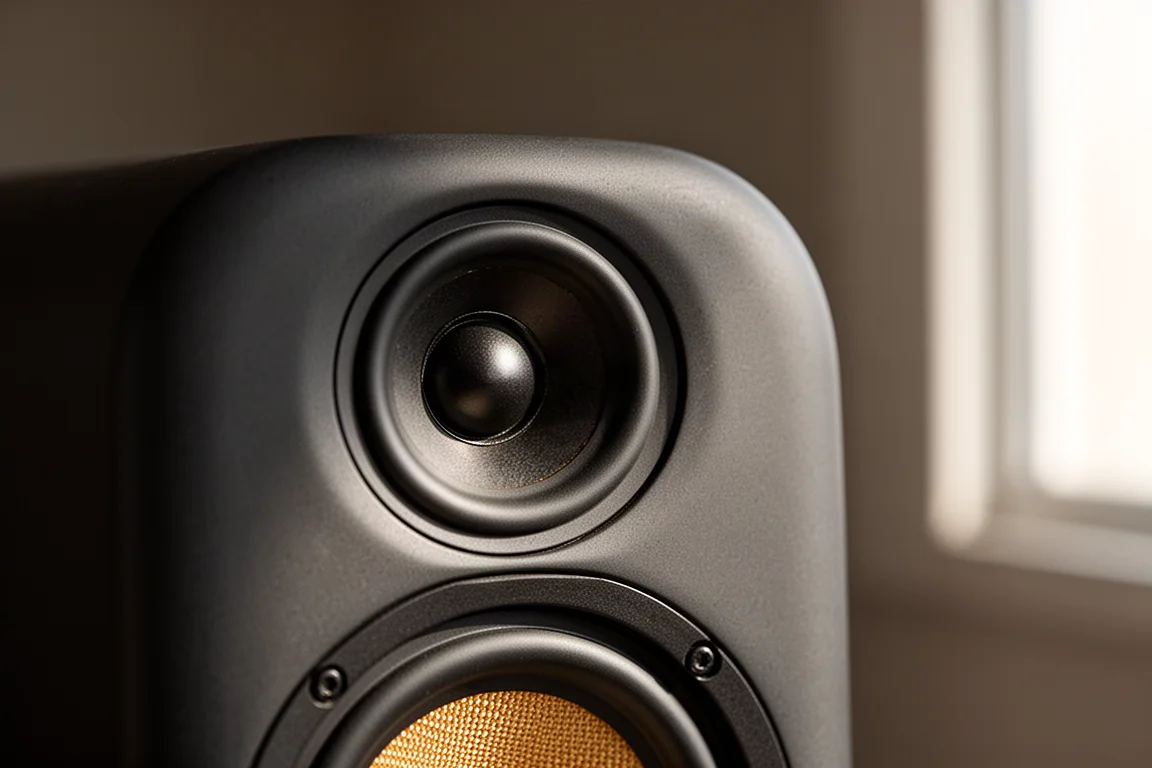
Sensitivity measures around 87 dB, and the horizontal dispersion is wide, which helps create a broad, stable sound stage. The low-frequency tuning sits at an F3 of 72 Hz, which is not especially deep but leaves a clean handoff point to a subwoofer.
Sound Character and Room Interaction
On-axis response is not flat. There is a plateau across the midrange from roughly 1 to 3 kHz, a dip near 4 kHz caused by baffle diffraction, and a modest bump in the high frequencies. The diffraction dip is an edge effect: sound radiating toward the cabinet edge creates a second source that partially cancels the direct output at a specific frequency, and the effect smooths out as the listener moves off axis.
Horizontal radiation stays wide, roughly plus or minus 70 to 80 degrees through the upper midrange and lower treble, before the tweeter narrows and begins to beam between about 5 and 8 kHz. That narrowing is typical of a dome tweeter mounted on a flat baffle. Vertically, the useful window is tighter: staying within about plus or minus 10 degrees of the tweeter axis keeps the listener in a safe zone, with a pronounced dip above roughly plus 15 degrees and a null around minus 30 degrees.
The predicted in-room response is fairly linear above about 2 kHz, but below that point the presentation sounds more mellow, which in turn makes the 1 to 3 kHz region feel even more forward. Toeing the speakers out so they face more into the room rather than directly at the listener is a simple way to soften both the midrange emphasis and the treble lift.
Things to Consider Before Buying
Equalization matters here. The 1 to 3 kHz area responds well to adjustment, but other regions are harder to correct: the crossover transition near 2 kHz and the diffraction dip near 4 kHz do not fully equalize out. A flat on-axis result is achievable, yet the in-room response will not become perfectly smooth.
Measured linearity sits within roughly plus or minus 3 dB, which is acceptable but not exceptional for a speaker in this price bracket. Buyers comparing options at this level should weigh that against the build quality and output advantages.
Low-frequency extension is limited. With an F3 of 72 Hz, this speaker is designed to work with a subwoofer rather than on its own, and the dynamic range measurements also become less tidy below about 80 Hz. At high playback levels there is a small resonance contribution around 200 to 300 Hz, though distortion overall stays low.
Setup and Equalization Tips
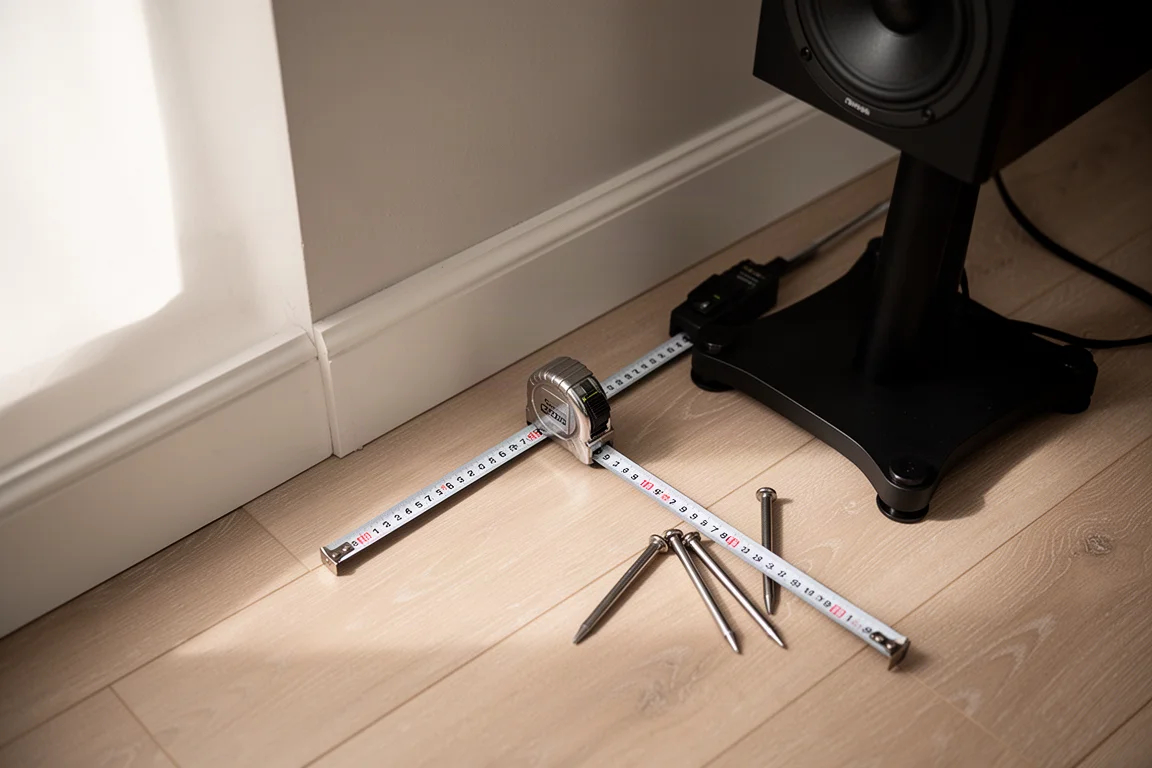
Start with placement. Aim the speakers slightly outward rather than directly at the primary seat, and keep ears level with the tweeter. In a home theater room, the plus or minus 10 degree vertical window is generous enough for a few rows, but raising or lowering the speaker to favor back-row listeners will cost some performance in the front seats.
Then apply EQ. A gentle reduction in the 1 to 3 kHz band takes the edge off the forward character, and a small cut at the top end reduces the brightness. If the receiver offers automatic room correction, running it and then fine-tuning by ear is a practical approach.
Finally, pair the speaker with a subwoofer. The measured behavior above 80 Hz is clean and linear, and letting a sub handle everything below that point plays directly to the speaker’s strengths.
Buying Advice
At roughly $700 to $800 per pair depending on finish, the SVS Prime Bookshelf sits in a competitive bracket. What it offers is excellent construction, a wide sound stage, and unusually high clean output for its size. What it asks for in return is some willingness to shape the sound, either through receiver EQ or careful placement.
Listeners running a home theater system with room correction and a subwoofer will get the most from it, because those two elements address the speaker’s two main weaknesses. A two-channel listener who wants neutrality without processing should weigh that requirement carefully against the speaker’s other strengths.
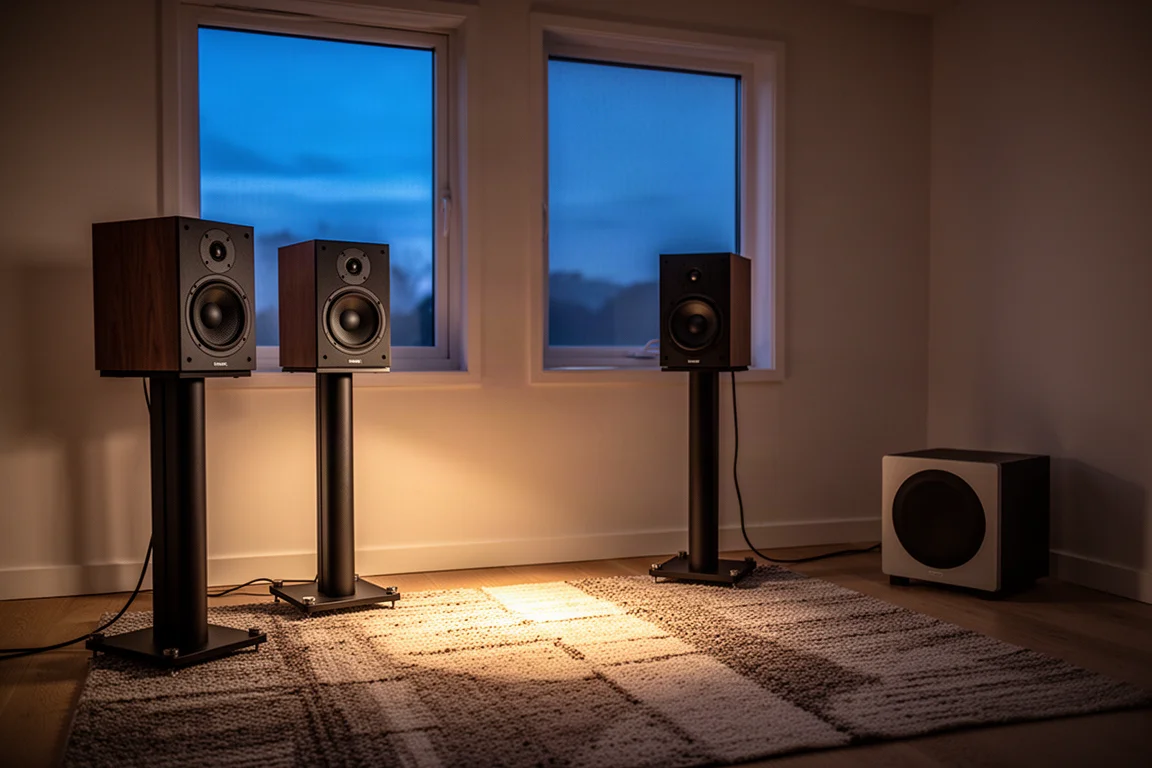
Finish choice affects the price, so it is worth checking which options are available before ordering. Matching the pair to the room also matters, since a speaker with a forward midrange benefits from a space that is not already bright and reflective.
Conclusion
The SVS Prime Bookshelf is a well-built, high-output compact speaker with a tonal balance that leans forward in the midrange and slightly bright at the top. It handles volume without compression, keeps distortion low above 80 Hz, and responds well to equalization in the region that needs it most. Buyers who plan to use a subwoofer and take advantage of room correction will find a lot to like; buyers who expect a neutral balance straight out of the box should plan for some adjustment.
Product link
View more details for SVS Prime Bookshelf Speaker
This product is mentioned in the review. Check the specifications, options, and compatibility before buying.
View more details for SVS Prime Bookshelf SpeakerFurther reading
Related Reviews
Bookshelf Speakers
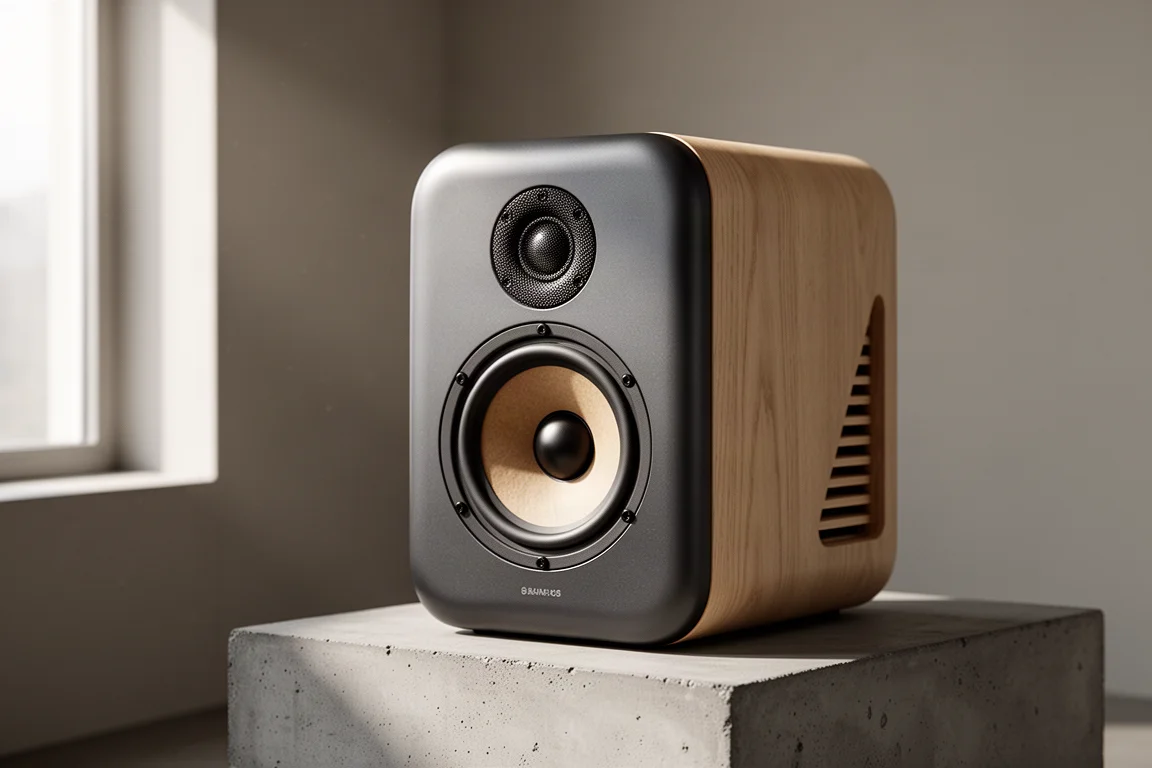
Acoustic Energy A100 Mark II Review: A Compact Standmount With an Expansive Soundstage
The Acoustic Energy A100 Mark II brings clarity, natural tonality and a wide soundstage to an entry-level standmount, with a few setup details worth knowing first.
Bookshelf Speakers
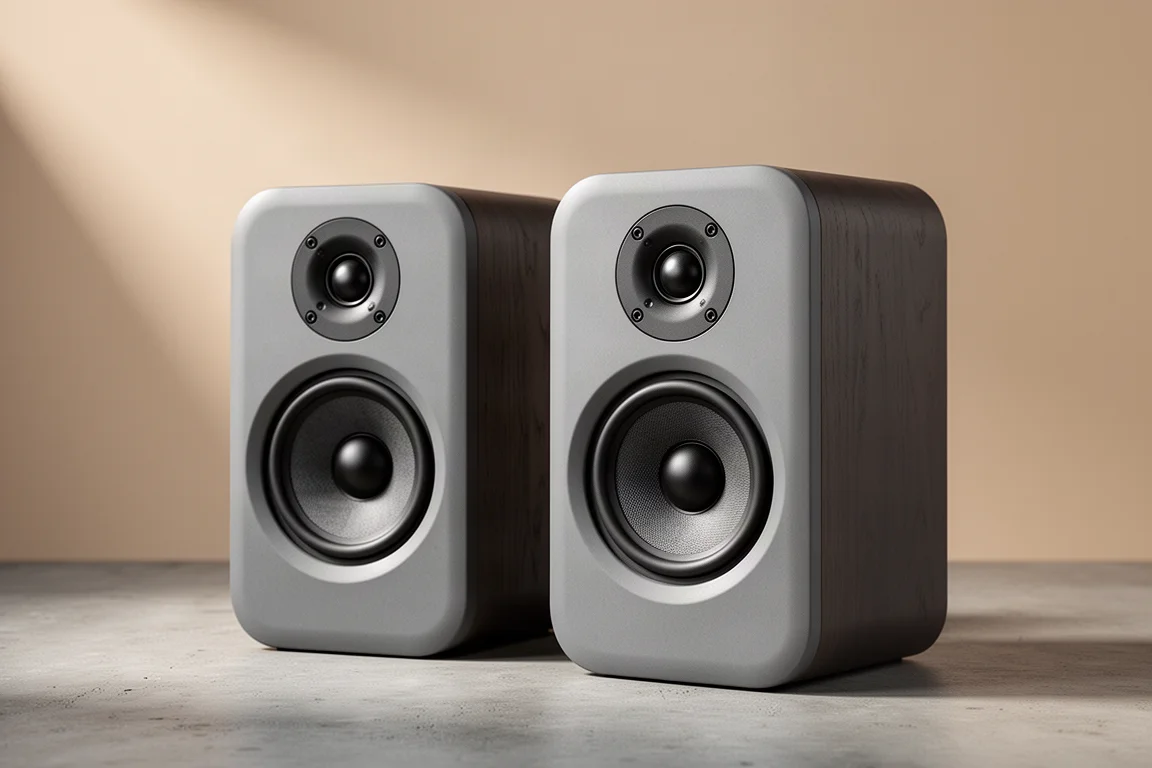
Acoustic Energy AE-100 Mark II Review: Compact Bookshelf Speakers With Standout Imaging
A compact British two-way bookshelf speaker with deep, layered imaging, fast bass, and a slight treble lift to weigh against a crowded $500 field.
Bookshelf Speakers
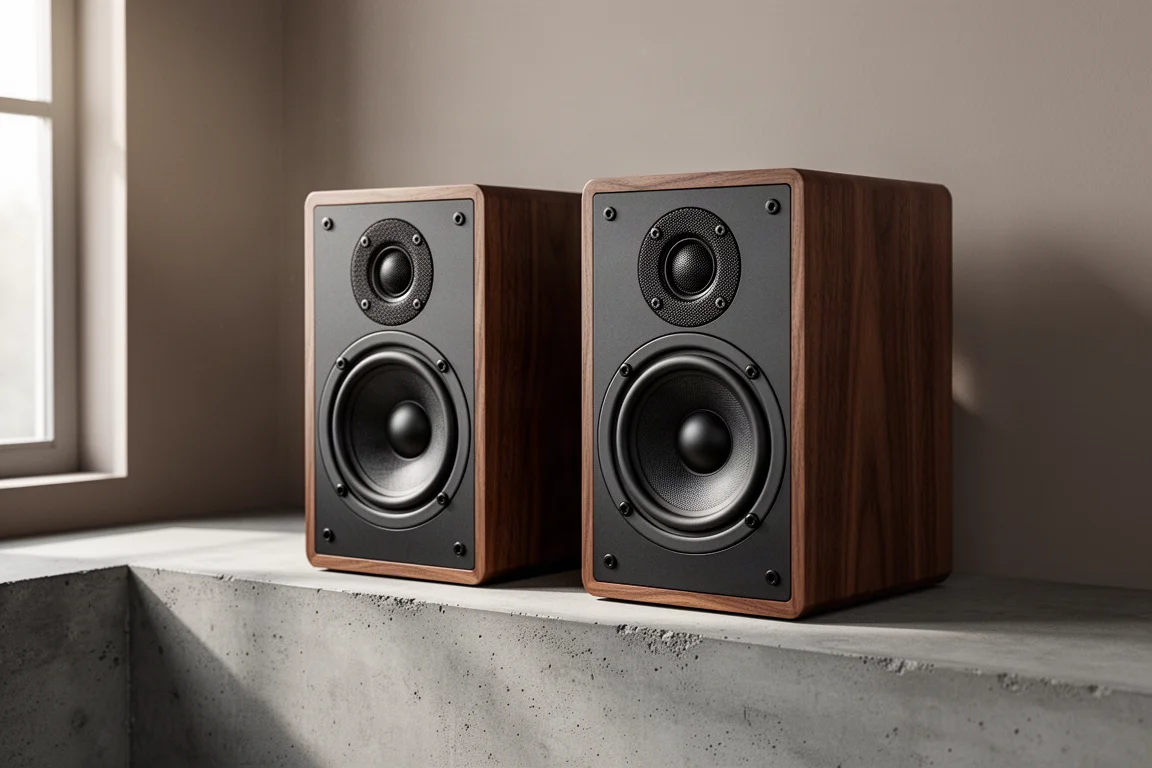
Acoustic Energy AE100 MK2 Review: Measured Performance and Four Alternatives
A close look at the Acoustic Energy AE100 MK2 bookshelf speaker, what its measured performance reveals, and four alternatives with different trade-offs.