Home Audio
SVS PB17-Ultra vs SB17-Ultra: Two Reference Subwoofers Compared
A close look at the SVS PB17-Ultra and SB17-Ultra, two reference subwoofers that share a 17-inch driver and dual mono amplification but differ in cabinet design, output, and tuning flexibility.
Introduction
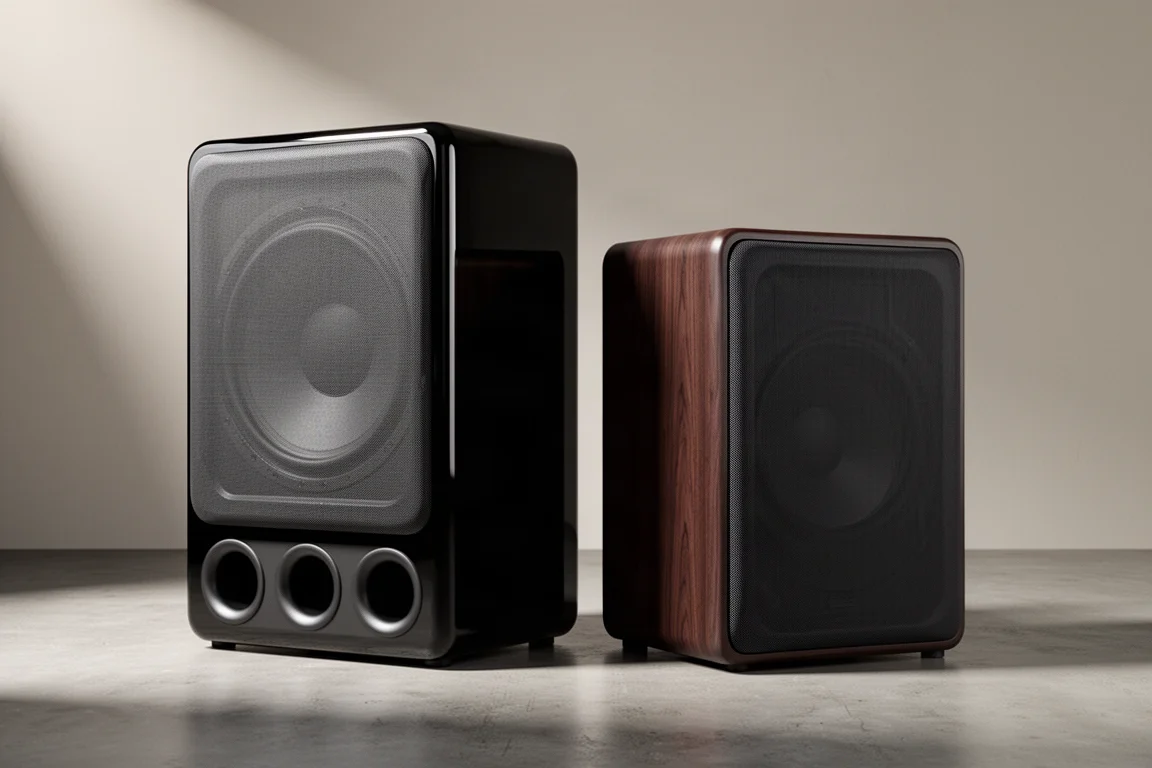
The SVS PB17-Ultra and SB17-Ultra are the newest reference subwoofers from SVS, and both are full redesigns rather than incremental updates. They build on the PB16-Ultra and SB16-Ultra, carrying forward the technologies that made those models successful while expanding the feature set and refining the hardware. The new 17-inch driver is the largest SVS has produced to date, and it is paired with a redesigned amplifier platform and a more advanced DSP engine.
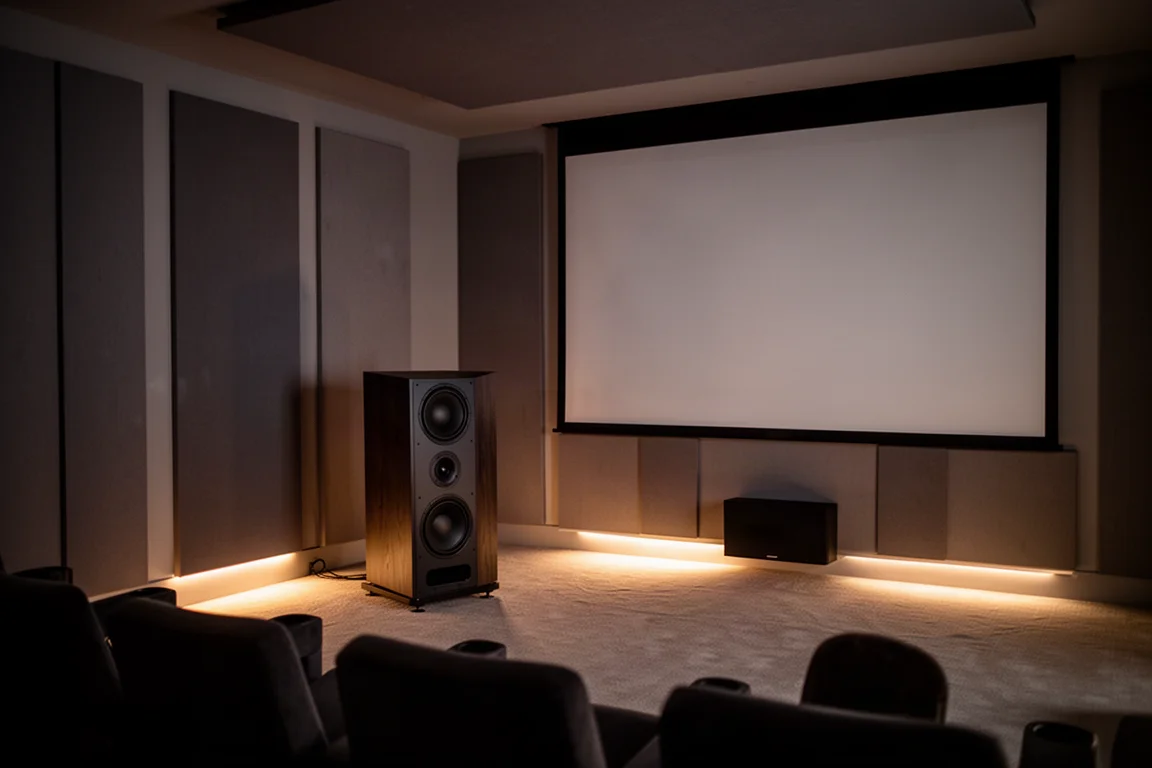
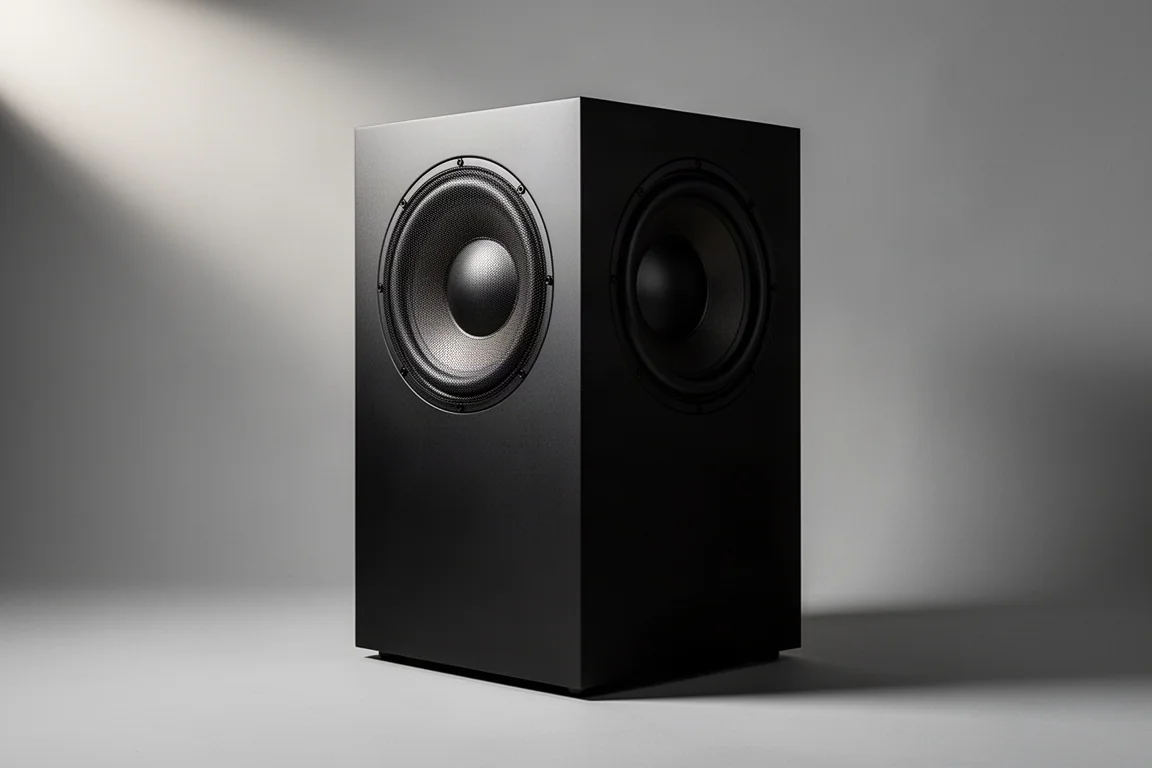
The two models answer different questions. The PB17-Ultra is the larger of the pair and uses a ported cabinet designed for maximum output and low-frequency extension. Three ports and three included plugs let owners change the tuning to suit a room or a preference. The SB17-Ultra is a sealed-only design in a considerably smaller cabinet, aimed at listeners who want reference-level performance while keeping floor space and the tighter control a sealed enclosure provides.
Both are large, powerful subwoofers, and SVS positions them as competitively priced within their class.
Shared Technologies Across Both Models
Both subwoofers use the same 17-inch driver, which features a dual 8-inch voice coil. That is an unusually large coil for a subwoofer, where two to four inches is more typical. The extra diameter helps the driver start and stop faster, giving the amplifier tighter control over the cone. The windings use high-current, four-layer copper-clad aluminum wire, and a four-piece Y35 ferrite magnet structure keeps the large cone in check while preserving the output a driver of this size can deliver. Maximum speed with maximum output is the goal, and this driver is central to how both models pursue it.
Powering that driver is the STA-2800 amplifier, a dual mono design rated at 2,800 watts of total system power. It uses two separate Class D output sections, one for each of the driver’s two voice coils. The switch-mode power supply includes two-stage 100 to 240 volt full-range active power factor correction, plus a pre-regulator that feeds a consistent 160 volt rail voltage to the amplifier modules. An onboard AC line conditioner filters and stabilizes incoming voltage, corrects waveform distortion, and reduces electromagnetic and radio interference before power reaches the DSP and amplifier circuits.
Control, Connectivity, and Cabinet Design
DSP duties are handled by a 295 MHz Analog Devices audio processor with double precision 56-bit filtering. It offers more than five times the processing power of earlier SVS subwoofers, and it manages volume, a fully adjustable low pass filter, phase, polarity, six-band parametric EQ, room gain compensation, tuning modes, and power management settings. All of it is accessible through the SVS smartphone app, which also stores three presets so a system can switch quickly between a high-output movie tuning and a more accurate music tuning. SVS has also announced an auto room correction feature that will use a smartphone microphone to measure the subwoofer in the room and apply corrections automatically, making setup simpler for owners without measurement equipment.
The rear panel keeps things tidy: RCA and XLR line-level inputs and outputs, a main RCA input labeled LFE for processors and receivers, a 3.5 mm input for home theater control systems, and a trigger input that works with voltages from 3 to 12 volts. An OLED display with arrow and navigation buttons sits on the back rather than the front, which leaves the front baffle clean. Cabinets are heavily braced to keep resonances and vibrations under control, and both models are available in gloss black or a black oak real wood veneer. A protective ABS grille covered in acoustically transparent cloth and elastomer feet complete the exterior.
SVS PB17-Ultra: Ported Output With Tuning Flexibility
The PB17-Ultra is the larger of the two, and its ported cabinet is built around three ports on the lower front panel. Three port plugs are included, so owners can run the subwoofer fully ported, partially plugged, or fully sealed. That flexibility is what separates it from most competing subwoofers: the same cabinet can be tuned for maximum output or for deeper, more linear low-frequency behavior.
In sealed mode, bass response is smoother and more linear. Extended tuning, with some ports plugged, reaches slightly lower and adds energy between 15 and 20 Hz. Standard fully ported mode rolls off a little higher but delivers the highest output overall. Across every configuration, the PB17-Ultra handles bass below 20 Hz, so no tuning choice leaves low-frequency content behind. Its low-frequency specification is 14 Hz in standard mode and 12 Hz in extended mode.
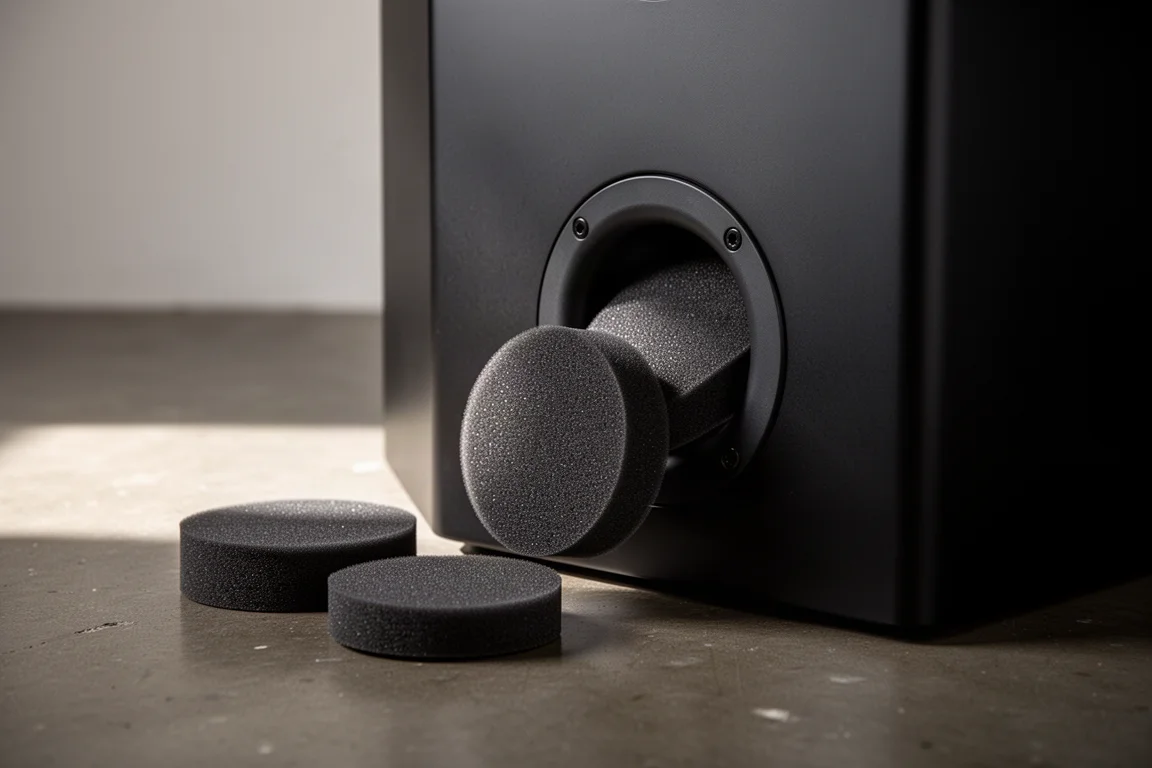
For a system used for both music and movies, that adjustability is genuinely useful. Plug the ports for two-channel listening when instrument tone and bass control matter most, then open them up when a soundtrack calls for maximum output and punch. The trade-off is size, since this is a large cabinet that needs room to breathe.
SVS SB17-Ultra: Sealed Design for Tighter Control
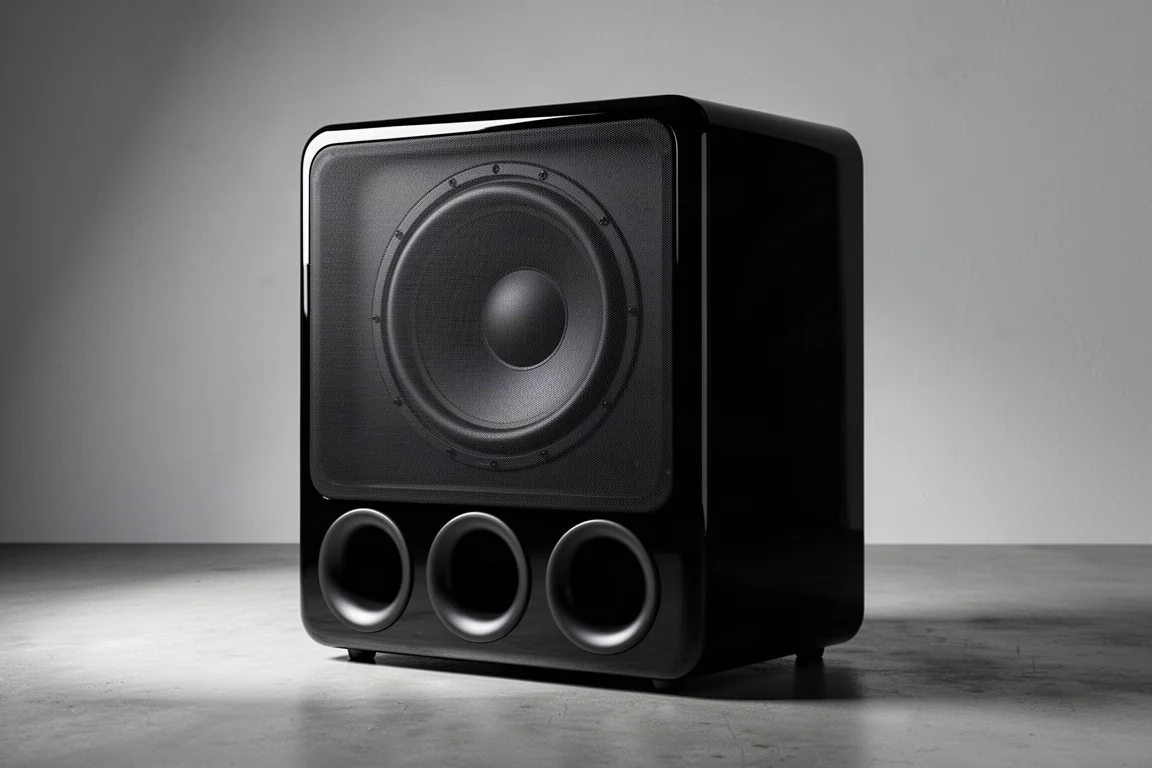
The SB17-Ultra is for listeners who already know they want a sealed subwoofer. It uses a sealed-only cabinet that is quite a bit smaller than the PB17-Ultra, which makes it a realistic option for rooms where a large ported box simply will not fit. It shares the same 17-inch driver, the same dual mono amplifier, and the same DSP feature set, so the difference is enclosure philosophy rather than hardware generation.
Its low-frequency specification is 15 Hz, only slightly behind the PB17-Ultra’s 14 Hz figure in standard mode, and still very low by any measure. What it gives up is port tuning and the higher maximum output a ported cabinet can produce. What it gains is the transient response and bass control sealed designs are known for, along with a smaller footprint.
Listening Notes: Music and Movie Performance
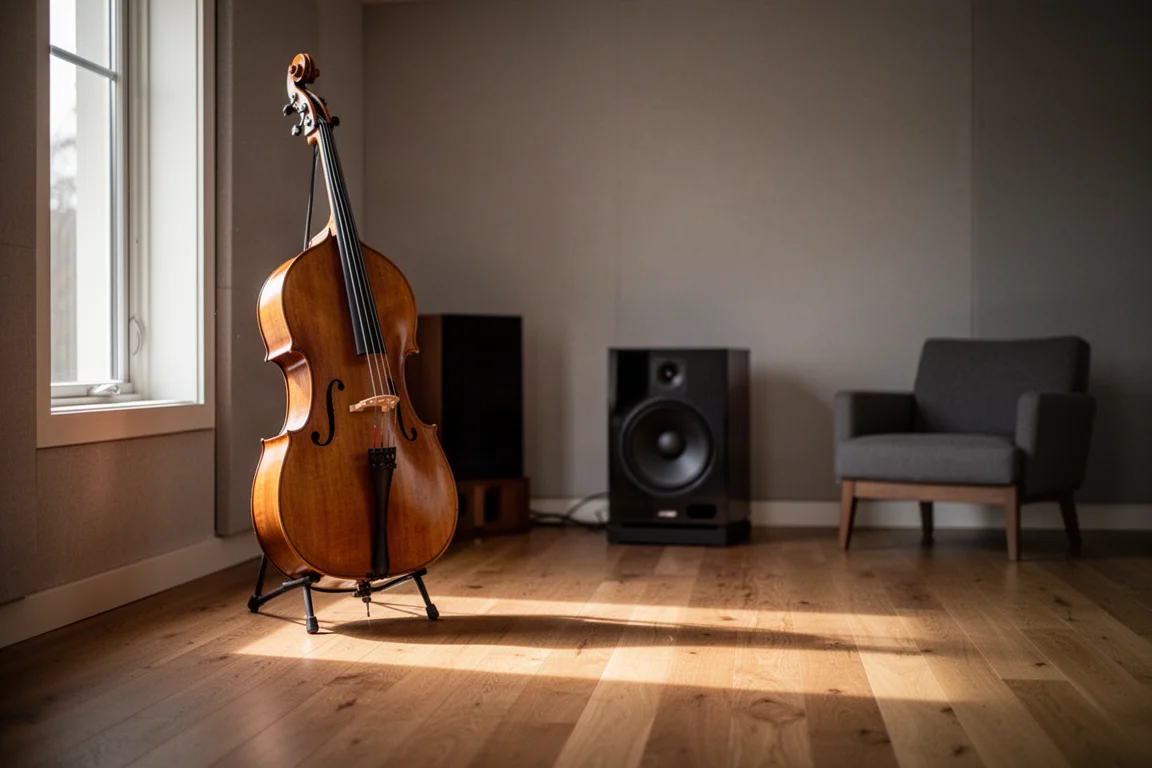
Large subwoofers sometimes struggle with the complexity of music even when they excel with movie soundtracks, but these two handle both. On acoustic and jazz material, the low end has body, tone, and depth, and a standup bass in particular comes through with the weight and definition it needs to sit at the center of a recording. The sealed SB17-Ultra is the natural first choice for music-first systems because of its fast transient response, though the PB17-Ultra in sealed mode is not far behind and adds tuning flexibility when movie night arrives.
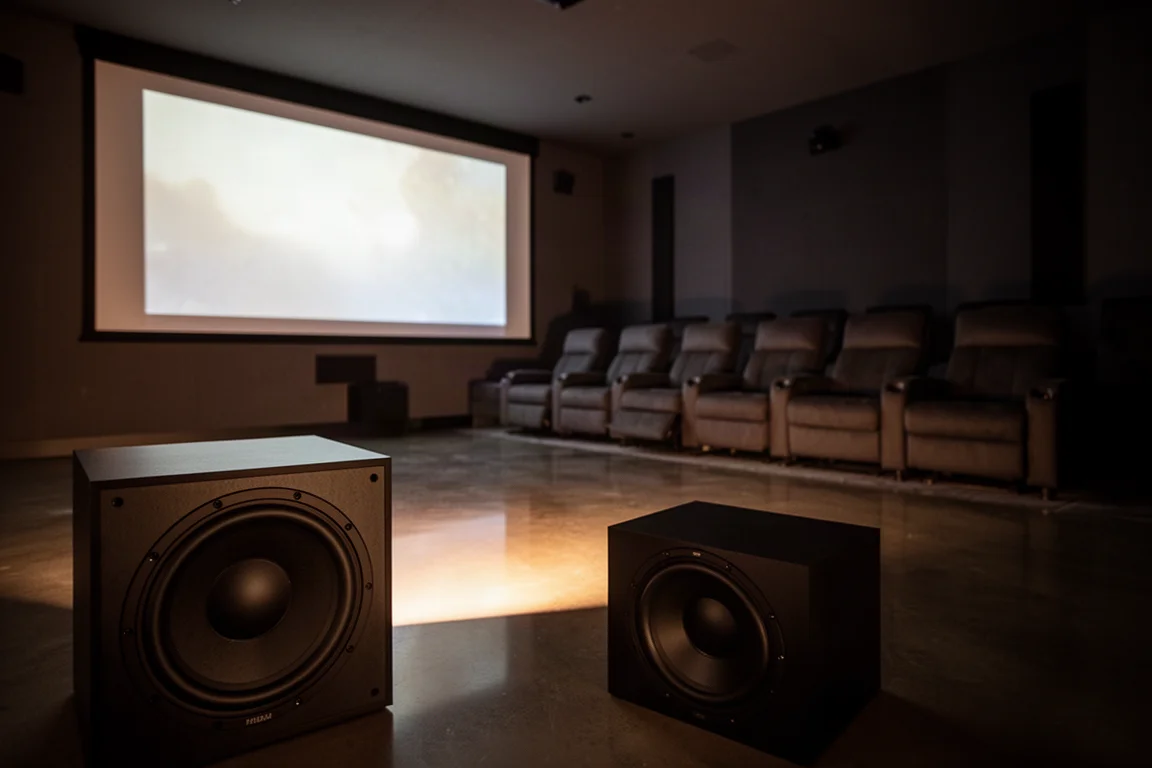
On film soundtracks, both models deliver the lowest notes in the mix with depth and impact, and they hit hard enough to be felt rather than only heard. Neither runs out of composure when the material demands sustained low-frequency energy. That combination of musical dexterity and movie-ready output is the core argument for either model.
Which One Fits Your System?
If output and adaptability matter most, the PB17-Ultra is the broader tool. Its three-port tuning system lets one subwoofer behave like two, which is valuable in a system that splits time between music and movies.
If space is tight or music is the priority, the SB17-Ultra is the better fit, and its smaller sealed cabinet is easier to place in a room without dominating it.
Either way, setup is far less intimidating than it once was. App-based control covers volume, EQ, phase, and presets, and the announced auto room correction feature promises to handle basic measurement automatically. For anyone upgrading from an older subwoofer, or adding a second subwoofer for smoother in-room bass, both models are credible steps up.
Conclusion
The SVS PB17-Ultra and SB17-Ultra take the reference subwoofer formula and refine it in ways owners will actually use. A larger driver, a dual mono amplifier with serious headroom, a faster DSP engine, and app-based control all point in the same direction: more performance with less setup friction. The PB17-Ultra wins on flexibility and outright output, while the SB17-Ultra wins on footprint and musical precision. Matching the right one to your room and your listening habits is the only real decision left.
Further reading
Related Reviews
Home Audio
Aperion Novus Tower and Center Review: Punchy Home Theater Sound With Real Refinement
A close look at the Aperion Novus tower and center speakers, from their layered paint finish and punchy bass to the 4-ohm load and what the price actually buys.
Home Audio
Arendal 1610 Tower Review: Flagship Dynamics in a Room-Friendly Tower
A compact floorstanding tower with three 8-inch aluminium woofers, a 5-inch carbon midrange, and the kind of bass heft usually reserved for much larger speakers.
Home Audio
Arendal 1723 S THX Review: A Reference Speaker Built Like a Tank
A practical look at the Arendal 1723 S THX, a sealed, THX-certified speaker with exceptional build quality, a very flat top end, and a midrange that responds beautifully to EQ.