Hi-Fi Speakers
SVS Evolution Bookshelf Speaker Review: A Fresh Voicing for a Familiar Name
A two-way bookshelf speaker with a 6.5-inch glass fiber woofer and a diamond-coated aluminum tweeter, and a sound that differs meaningfully from the Ultra series.
Introduction
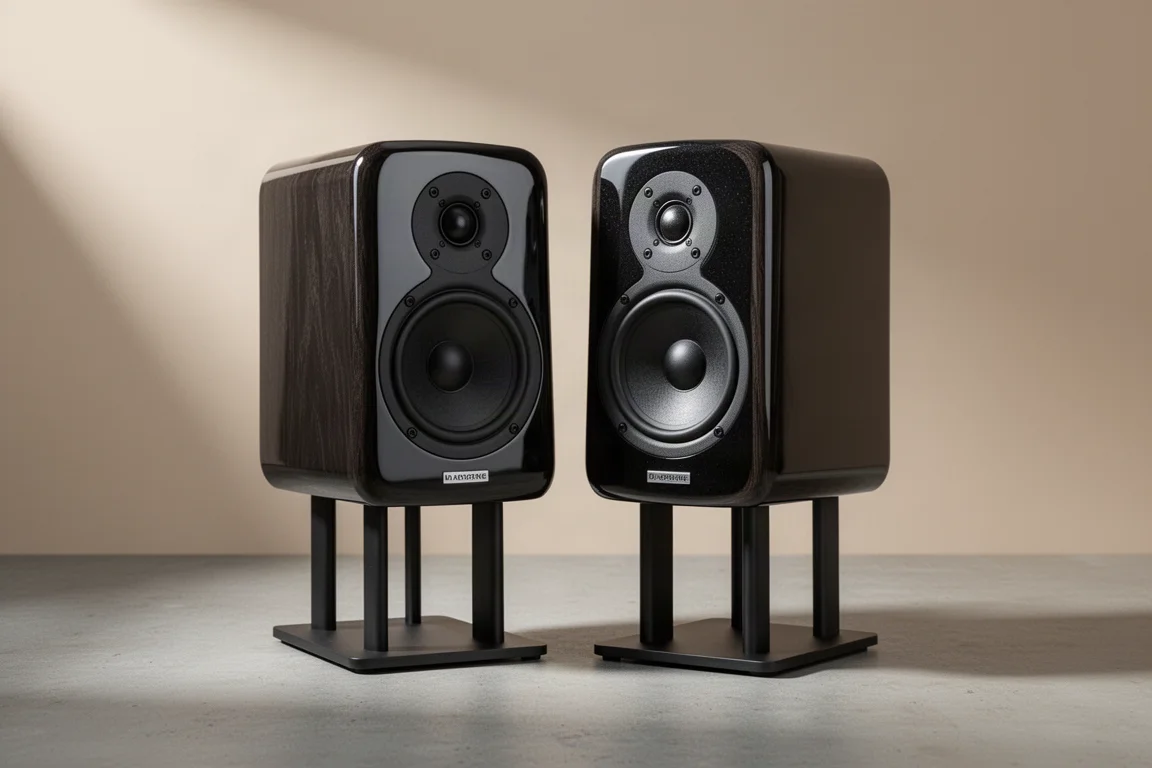
SVS has expanded its speaker range with the Evolution series, and the bookshelf model is the most compact way into it. It is a two-way design built around a 6.5-inch glass fiber composite midwoofer and an entirely new tweeter, and it takes the place of the Ultra series in the lineup.
The Ultra bookshelf has been a long-standing reference point in the range, so the natural question is what actually changed. The short answer is that the Evolution is not a marginal update of the Ultra. It is a genuinely different speaker with a different presentation, and the differences are large enough that a listener could reasonably mistake the two for products from separate companies.
Who This Speaker Is For
The Evolution bookshelf is aimed at listeners who want a transparent speaker that reflects the character of the electronics feeding it. It is articulate, quick in the low end, and capable of a large, well-defined soundstage once it is positioned carefully.
It also suits listeners who are willing to spend time on setup. The speaker’s imaging behaviour changes noticeably depending on where the listener sits and how the cabinets are angled, so a room with some freedom to experiment will get considerably more out of it than a tightly constrained space.
Listeners who mostly play music quietly in the background may find less to like here, because the speaker responds strongly to volume and to the quality of the recording. Those who sit down and listen with attention are the better match.
Design and Build: A Curved Baffle and a Diamond-Coated Tweeter
The front baffle is not flat. It curves, and the purpose of that curve is to bring the tweeter and the woofer into better alignment so that both reach the listener at the same time. It is an approach used on some high-end designs, and it gives the Evolution a distinctive silhouette. The baffle itself is one inch thick and includes bevels that feed into it, and the cabinet carries a high-gloss finish similar to the Ultra series.
The headline change is the tweeter, a diamond-coated aluminum dome. A layer of diamond carbon is applied to the aluminum dome through a process called vapor deposition, which the company says improves rigidity and the acoustic properties of the dome. The claimed result is a frequency response that extends well beyond the range of human hearing and, more usefully for the design, a tweeter that can be crossed over at a lower frequency. A protective lattice sits over the dome.
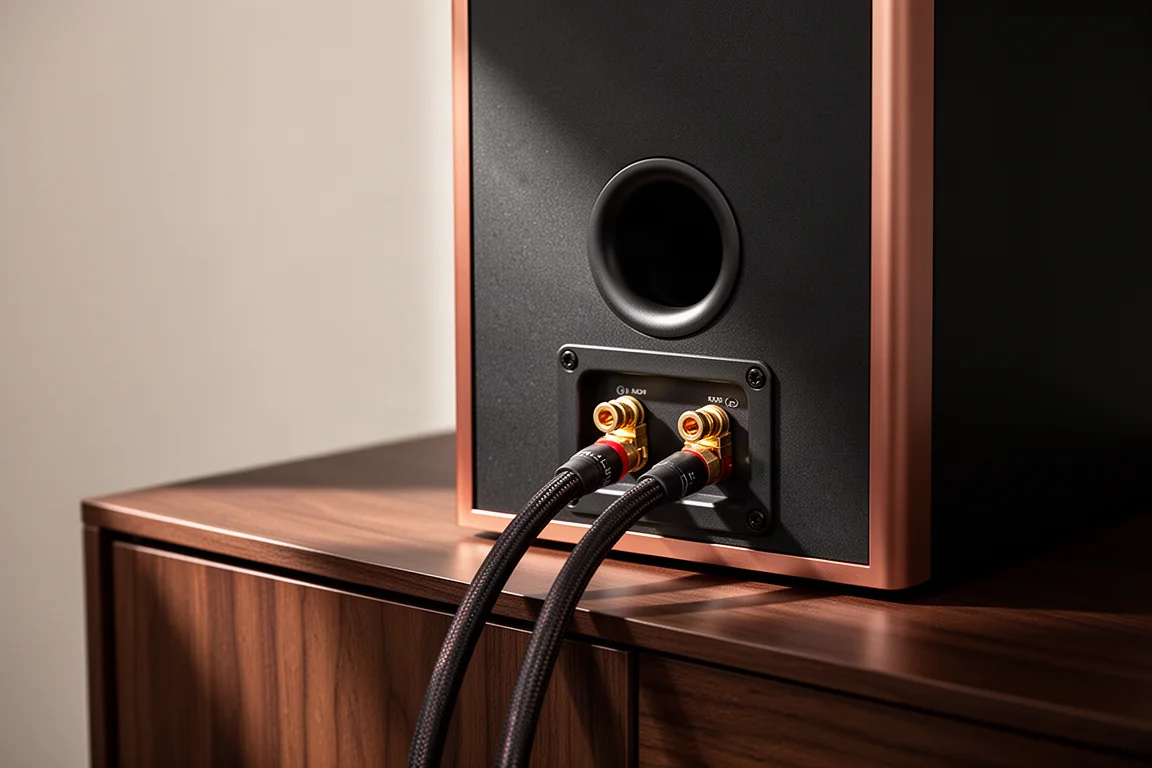
For the lower frequencies there is a 6.5-inch glass fiber composite midwoofer with a substantial surround. The cabinet uses a rear port, and the rear terminals support bi-amping or bi-wiring. Rated specifications are 6 ohms nominal, 87 dB sensitivity, and a stated frequency response of 40 Hz to 40,000 Hz within plus or minus 3 dB.
Sound Quality: Soundstage and Imaging
Imaging is where the speaker makes its strongest case. With the cabinets angled carefully, instruments travel across the room from left to right with a seamless quality, and the stage extends well beyond the cabinets themselves. Getting there takes some adjustment. The speaker can sound strongly directional, and when a listener shifts left or right on a sofa, the centre image tends to travel with them. In one arrangement, having the ear sit slightly above tweeter level produced the most balanced presentation overall.
Off-axis behaviour is more interesting than simply narrow. Even well outside the main listening position, some of the midrange carries with a confident, full character. That combination means the room and the seating position matter as much as the speaker itself.
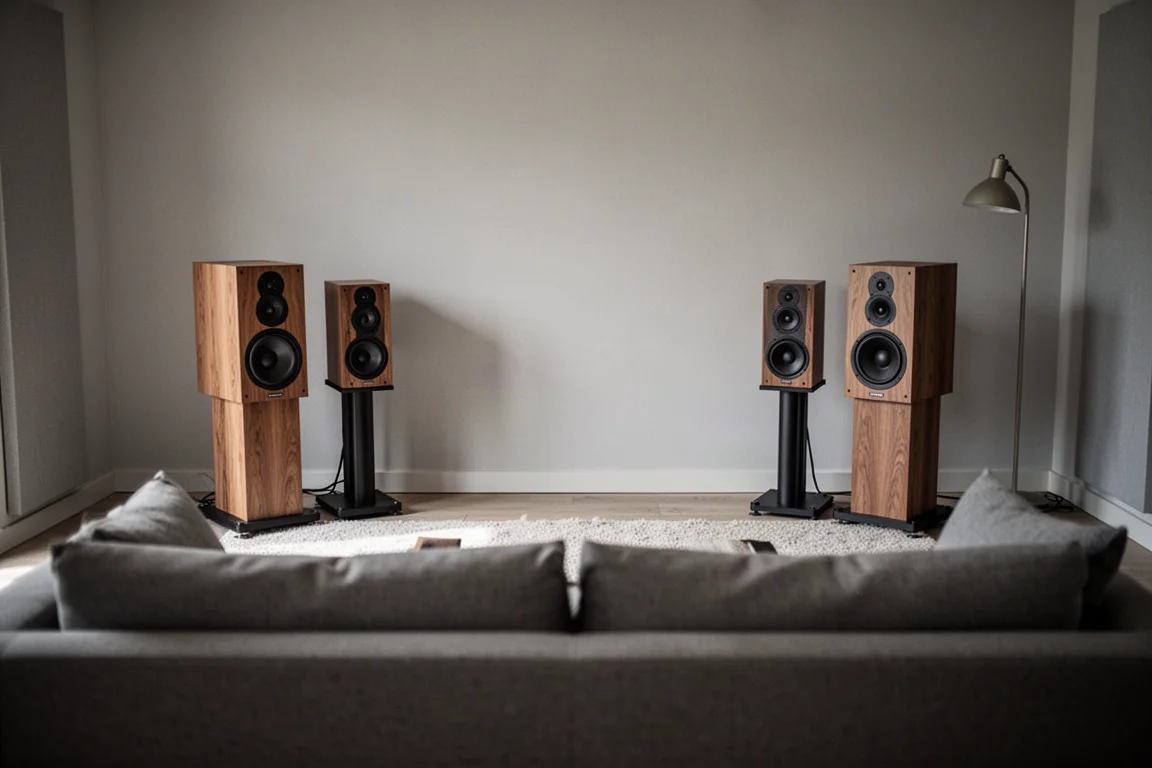
Once the position is right, the reward is a speaker that fills a room convincingly and keeps instruments and voices separate and easy to follow, even on dense material.
Bass and Midrange Character
The low end is full, punchy, and clean, and it stays controlled even when the cabinets sit fairly close to a wall. With a subwoofer in the system, the subwoofer level had to come down to keep the balance right, and the speaker still benefits from a subwoofer for the deepest content. There is a palpable lift in the upper bass and lower midrange that adds weight without masking detail.
In the midrange, the region below roughly 1000 Hz sits slightly back, while the area around 2800 to 3000 Hz leans forward and brings vocals and lead instruments closer to the listener. Detail retrieval is strong, and on familiar recordings it is easy to notice small things that had gone unnoticed before. Bass lines are articulate and quick, and the initial attack of a snare drum comes across better here than on the Ultra, while cymbal hits are a touch more reserved. The speaker does not disguise poor recordings: well-recorded material sounds excellent, and some louder, harsher tracks can feel intense.
Amplifier Pairing and Power
The Evolution is transparent enough that the amplifier shapes much of what you hear. Three very different amplifiers were used with it: a pair of Emotiva A1 monoblocks, a Cambridge Audio Evo 150 integrated used as a preamp with a streaming source, and an Advance Paris A10 Classic. The Advance Paris A10 Classic was the most enjoyable match, adding sparkle at the top and a more dynamic feel. With the Emotiva monoblocks the speaker felt noticeably less lively. A second listener in the room was surprised at how much the character changed from one amplifier to the next.
The speaker also responds strongly to volume. It comes alive as the volume rises and sounds less dynamic when played quietly, where a loudness control or a small amount of EQ helps. Sensitivity is rated at 87 dB with a 6 ohm nominal impedance, both a little lower than the Ultra, so a capable amplifier is worth having.
The practical takeaway is that this is a speaker that rewards a system built around it rather than one assembled around a budget amplifier.
Things to Consider Before Buying
Positioning is the first consideration. The imaging behaviour means placement and seating position are not minor details, and a buyer without the freedom to move the speakers or the chair may not hear the design at its best.
Recording quality is the second. The Evolution is a revealing speaker rather than a forgiving one, so compressed or harshly mastered tracks will sound like what they are. Low-volume listening is the third, since the speaker loses some of its dynamic character when played quietly.
One specification detail is worth noting for planning purposes. The stated frequency response of 40 Hz to 40,000 Hz is quoted within plus or minus 3 dB, and it is not specified whether that figure is measured in room or in an anechoic setting, so it is best treated as a guide rather than a guarantee.
Buying Advice
If the goal is a compact speaker that is articulate, transparent to the source, and capable of an expansive soundstage once dialled in, the Evolution bookshelf is worth a serious look. It suits listeners with a good amplifier, some room to experiment, and a preference for detail over warmth.
Buyers who already own the Ultra series should treat this as a change of character rather than a straight upgrade, because the two speakers present music differently and an in-person comparison is the only reliable way to choose between them. Those who value a more forward snare attack and a slightly more reserved cymbal sound may lean toward the Evolution, while listeners attached to the Ultra’s metallic shimmer may feel differently.
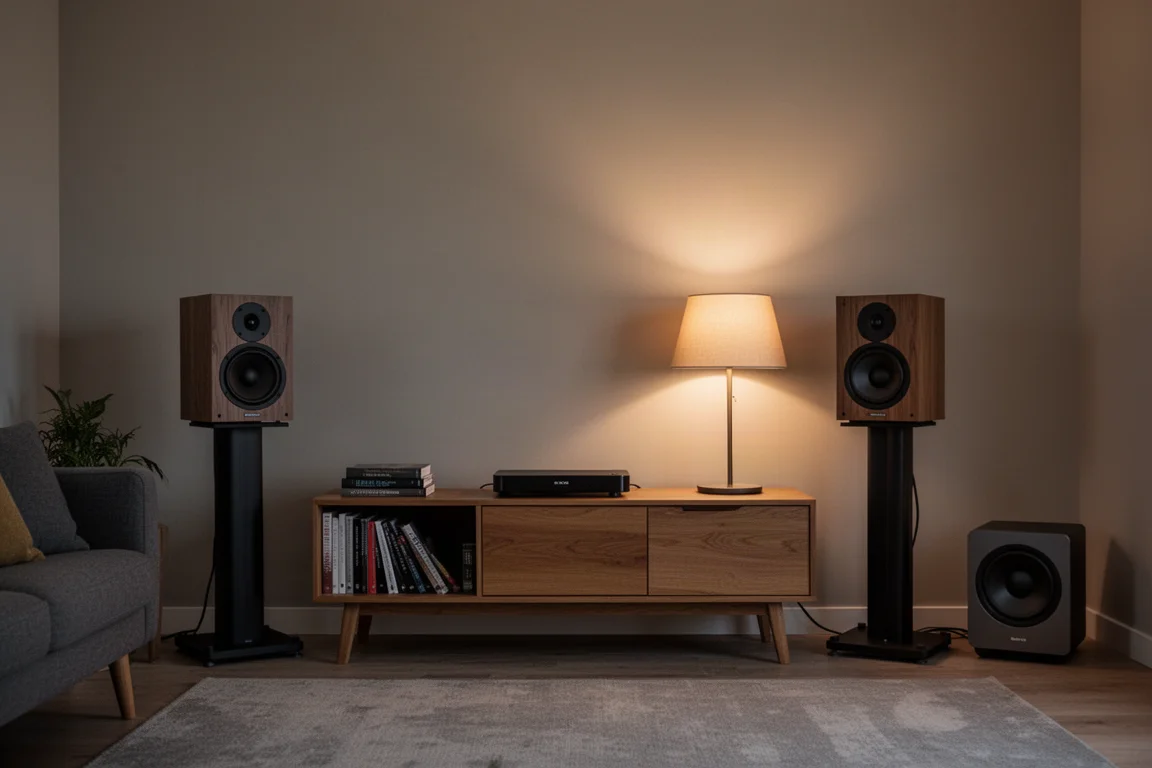
As always, the most reliable approach is to consider the amplifier and the room first, then decide whether this speaker’s particular balance of strengths matches the way you listen.
Conclusion
The SVS Evolution bookshelf is a well-executed two-way design that trades a little of the Ultra’s character for greater transparency, sharper imaging, and a quick, articulate low end. It asks for careful placement, a capable amplifier, and reasonably good recordings in return, and it delivers a soundstage that reaches well beyond its cabinet size when those conditions are met. For listeners who want a compact speaker that reveals the system behind it, this is a compelling option worth considering.
Product link
View more details for SVS Evolution Bookshelf Speaker
This product is mentioned in the review. Check the specifications, options, and compatibility before buying.
View more details for SVS Evolution Bookshelf SpeakerFurther reading
Related Reviews
Hi-Fi Speakers
1723 THX Tower vs 1528 Bookshelf: Which Speaker Fits Your Room?
Two speakers at roughly the same price, built very differently. How the 1723 THX tower and the 1528 bookshelf compare on construction, bass, power needs, and sound.
Hi-Fi Speakers
Acoustic Energy AE 300 Review: Deep Bass From a Compact Standmount
A two-way standmount with real wood veneer, surprising low-end weight, and a warm, easygoing character. Here is what to know before buying.
Hi-Fi Speakers
Acoustic Energy AE1 40th Anniversary Review: A Modern Take on a British Classic
A compact standmount that revives a 1980s favorite with all-new parts, a warm mid-centric balance, and a price of £1,499 per pair.