Subwoofers
SVS 3000 Revolution Subwoofers: SB3000 vs PB3000 Compared
A practical look at the SVS 3000 Revolution series, covering the shared amplifier, DSP, and driver design, then comparing the sealed SB3000 with the ported PB3000.
Introduction
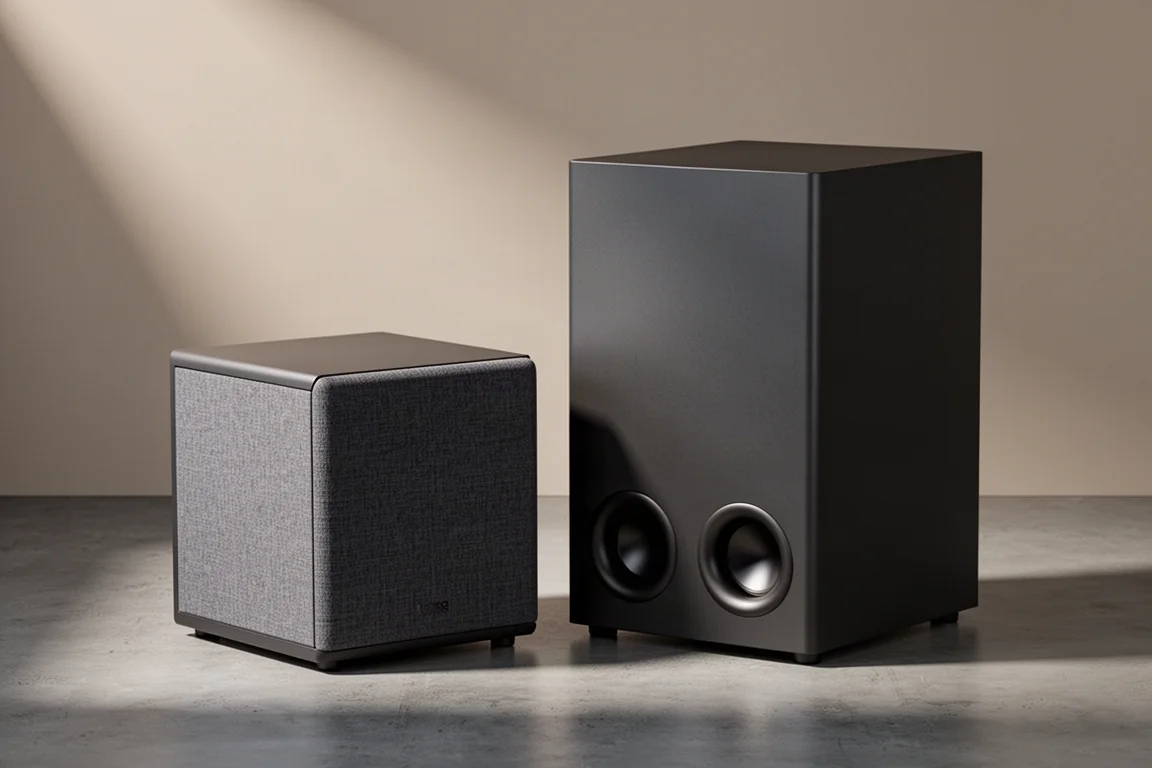
The SVS 3000 Revolution series arrives as two distinct subwoofers: the sealed SB3000 Revolution and the ported PB3000 Revolution. Both share a new amplifier, a new processing platform, and a purpose-built 13-inch driver, so the decision between them comes down to your room, your listening habits, and how much low-frequency pressure you want in the space.
What the two models have in common matters as much as what separates them. SVS designs complete low-frequency systems rather than dropping a generic woofer into a box, and the Revolution update leans hard into composure: the ability to stay clean and controlled as the volume climbs. This guide covers the shared engineering first, then looks at each model on its own terms.
What the 3000 Revolution Series Changes
The original 3000 series stood out for bringing a 13-inch driver and a high-current amplifier platform to a price point that had previously been dominated by generic parts and underpowered amps. The Revolution update keeps that formula and pushes further on headroom, precision, and authority. Making a subwoofer play loud is one challenge; keeping the subtle texture of a double bass or the impact of a cinematic explosion intact while it does so is where the real engineering sits.
Both models in the series share the same core platform: the SDA-1200D2 Sledge amplifier, the new DSP, and a redesigned 13-inch driver. That shared foundation is why the sealed and ported versions behave like members of the same family even though their cabinets and tuning take them in noticeably different directions.
The New 13-Inch Driver and Motor
To handle more than 4,000 watts of peak power, SVS developed an entirely new 13-inch high-excursion driver with a redesigned motor structure. The headline element is a flat edge-wound split-wind voice coil. Conventional round wire leaves tiny gaps of air between the windings, while flat wire packs more copper into the magnetic gap, which helps maintain magnetic force and control as excursion increases.
The driver also uses a dual toroidal ferrite magnet motor and a rigid aluminum cone. Aluminum is stiff enough to prevent the cone from flexing under the pressure inside the cabinet while still staying responsive to fast musical transients. The result is a driver built to deliver detail for music and then scale up for home theater.
SB3000 Revolution: Sealed Precision for Music
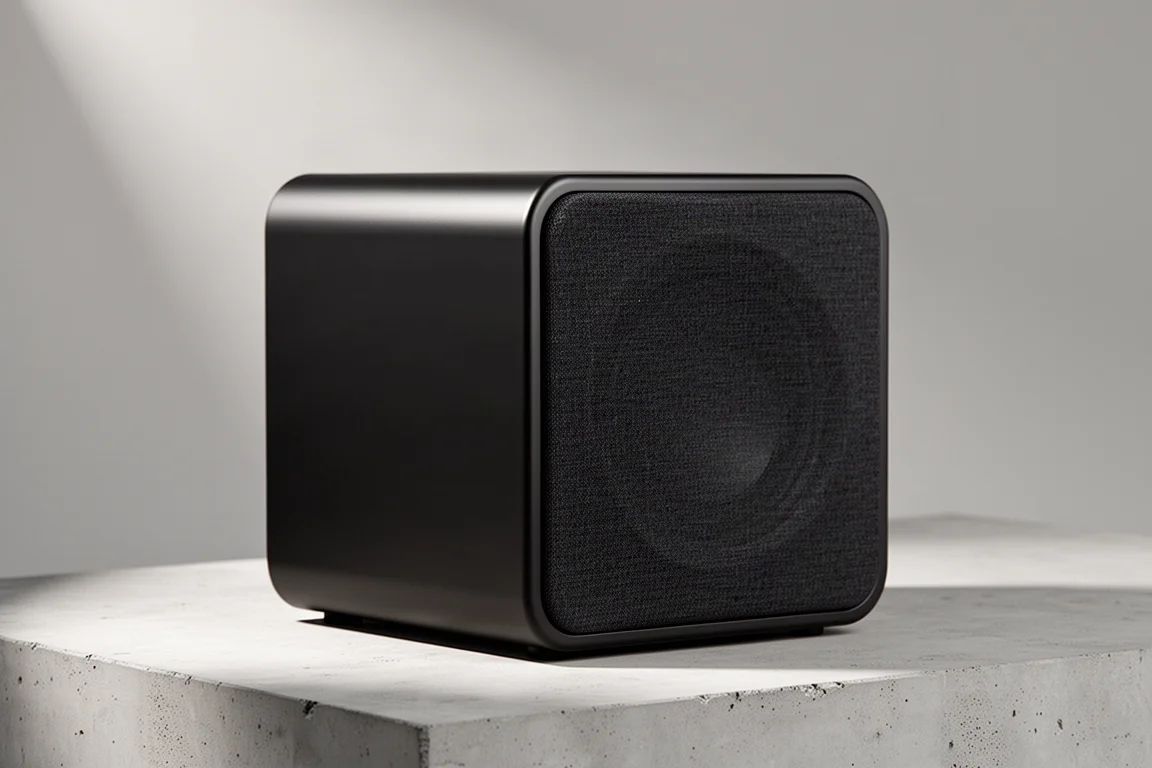
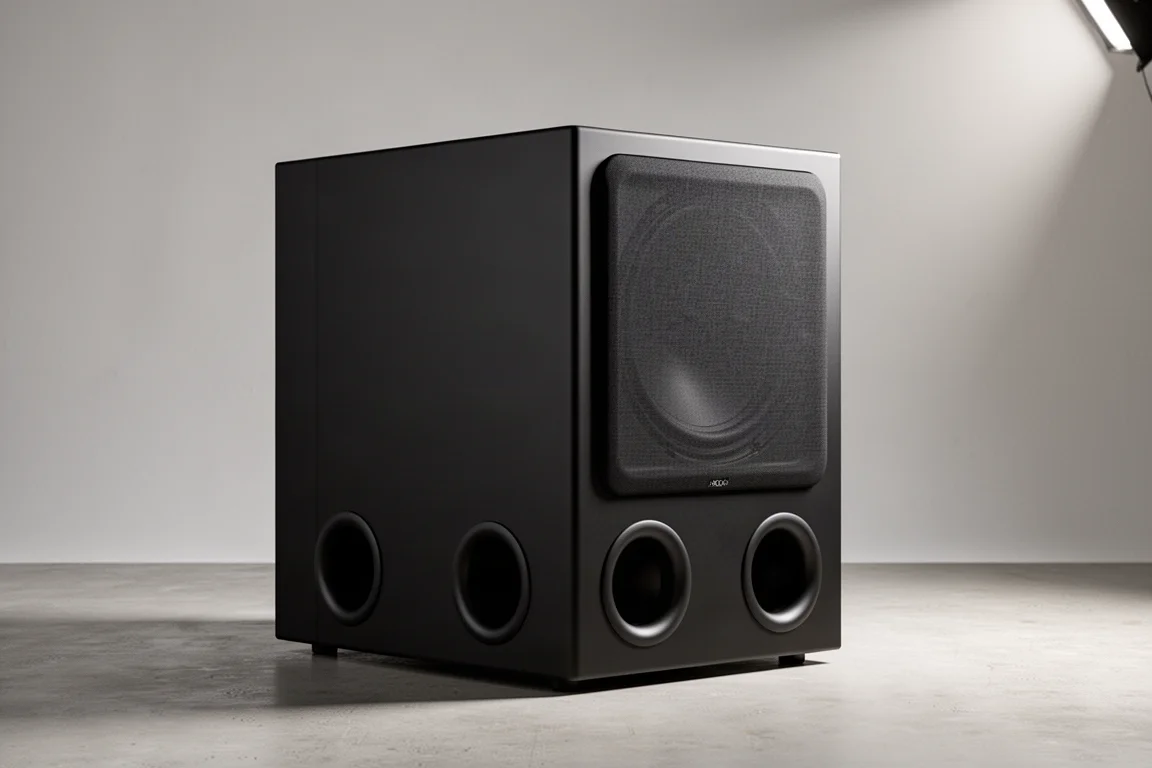
The SB3000 Revolution is the sealed model. In a sealed cabinet, the air inside acts as a natural spring that pushes back against the driver, which helps the system feel quick and controlled. SVS rates it from 17 Hz to 230 Hz, plus or minus 3 dB, from a cabinet that is remarkably compact at roughly a 15-inch cube.
This is the model for the listener who wants bass to disappear into the speakers. It is fast, textured, and accurate, and it suits material with complex bass lines such as upright bass or rapid-fire kick drums. If your system is built around music first, this is the natural starting point.
PB3000 Revolution: Ported Output for Home Theater
The PB3000 Revolution is the ported design. Its cabinet is significantly larger to accommodate the internal volume, and it uses dual 3.5-inch ports. Ported subwoofers use the energy from the back of the driver to move more air, which creates a large increase in output between 18 Hz and 35 Hz. It also digs slightly deeper, down to 16 Hz, although the bigger difference is the sheer slam it delivers.
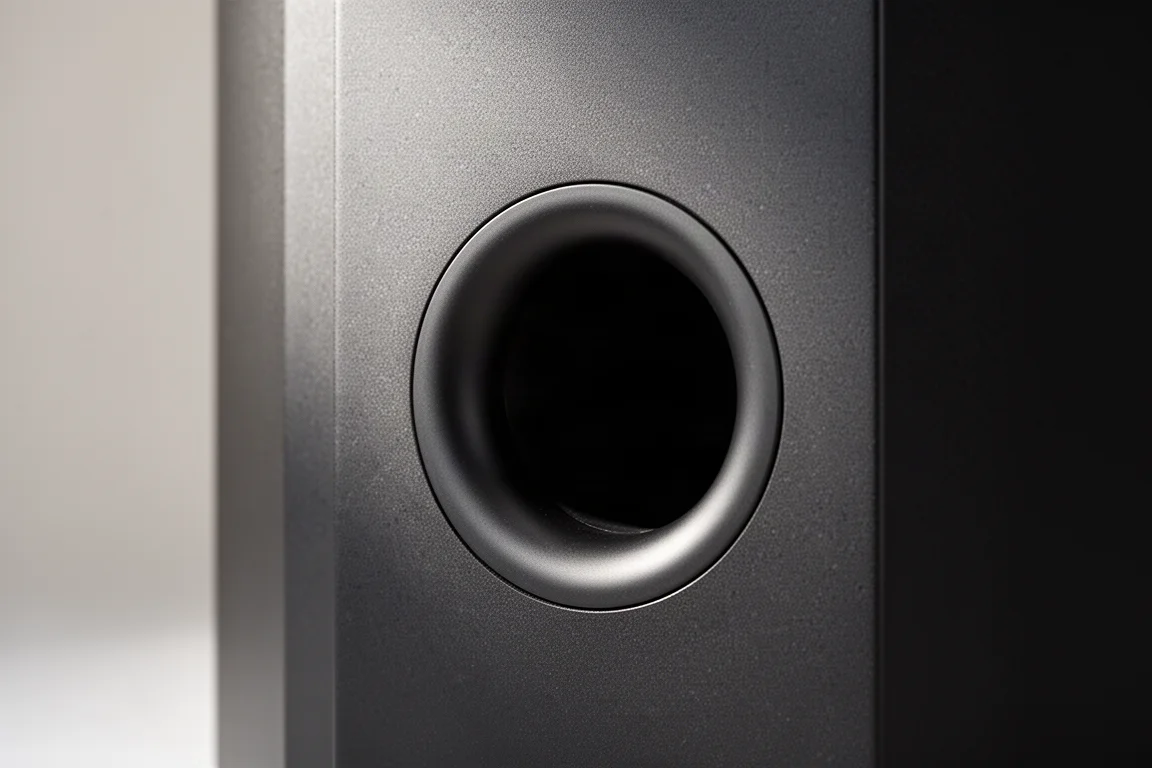
Foam port plugs are included, so you can run both ports open for maximum output or plug one port for deeper extension and a different balance of control. In an open-concept room where bass energy escapes into a kitchen or hallway, this is the model built to pressurize the space rather than merely fill it.
Amplifier and DSP Engineering
The heart of the 3000 Revolution is the all-new SDA-1200D2 Sledge amplifier, conservatively rated at 1,200 watts continuous RMS with more than 4,000 watts of peak power. The headline here is not the wattage but the MOSFET output stage. Most affordable subwoofers use standard Class D switching amplifiers, which are efficient and run cool but can struggle to deliver instantaneous current and maintain control when a large driver is really moving.
MOSFETs can deliver large current the moment the signal demands it, and just as importantly they have the control to pull the driver back to center immediately. The practical effect is bass that does not smear or linger: a kick drum sounds like a fast physical impact rather than a soft, bloomy thump. It is also why the character stays consistent as you turn the volume up, where lesser amplifiers can start to sound thick or woolly because they are losing control of the driver itself.
If the amplifier is the muscle, the 295 MHz Analog Devices DSP is the brain. It represents a substantial jump in processing power for this category, moving up from a 50 MHz chip in the previous generation so it can handle more complex tasks in real time. It manages how the amplifier and driver behave together, uses 56-bit double-precision filtering to maintain response accuracy, and oversees thermal and protection behavior so the subwoofer stays reliable under load. One of its most important jobs is controlling excursion as the subwoofer digs into the teens. Without a capable DSP, a driver can move outside its linear range, which increases distortion and can create harsh mechanical artifacts. Here the processor works like a high-speed guardrail, keeping performance clean and predictable even under heavy demand.
App Control, Parametric EQ, and Auto Room EQ
The SVS subwoofer control app lets you adjust volume and phase and work with a six-band parametric EQ, all from your listening chair. That removes the usual routine of crawling behind the subwoofer with a flashlight to read a tiny dial in a tight corner.
SVS has also been discussing Auto Room EQ delivered through a firmware update, and the company has confirmed the update is slated for the first quarter of 2026. When it arrives, it will use a phone microphone to map a room’s bass response and apply corrective filters, which should make setup dramatically easier for a wide range of rooms.
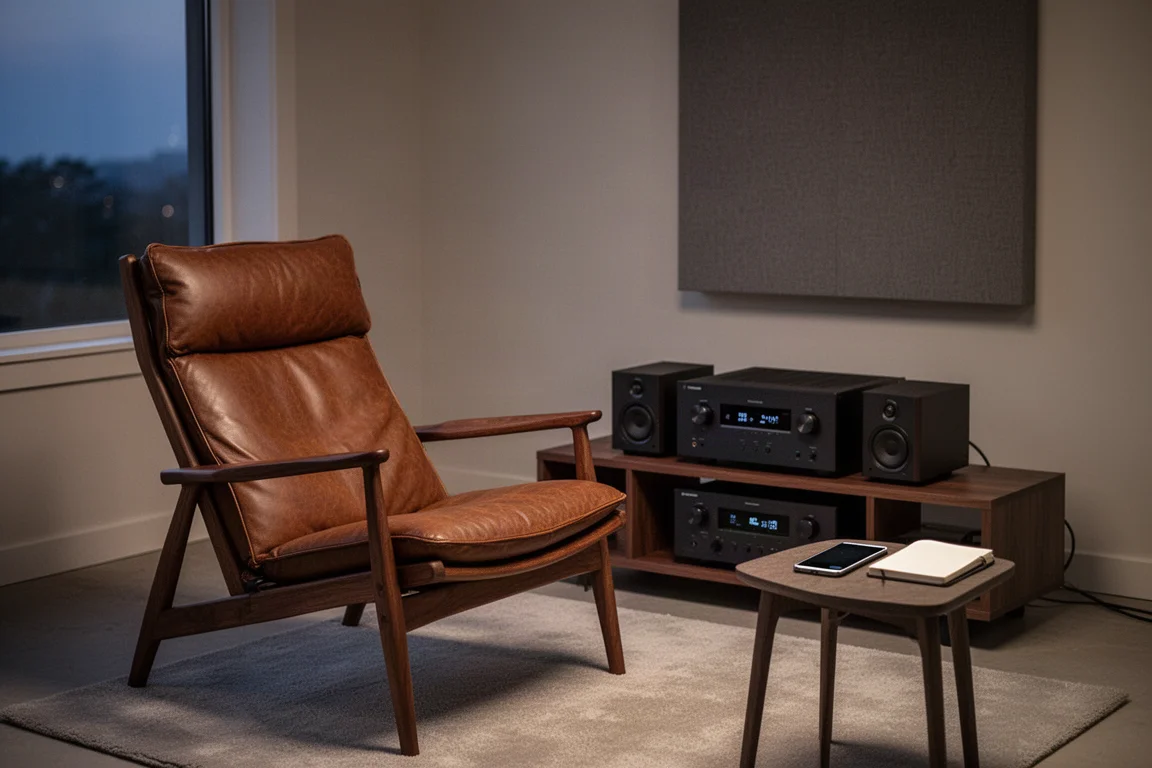
Until that update lands, the manual six-band parametric EQ in the app remains one of the most powerful tools available for this kind of subwoofer. Even basic adjustments can tame a boomy peak and help the subwoofer blend more convincingly with the rest of the system, which is often the difference between bass that draws attention to itself and bass that simply supports the mix.
Cabinet Construction and Long-Term Ownership
Both 3000 Revolution models use a thick, rigid MDF cabinet with extensive internal bracing. When you are dealing with this much power and excursion capability, the last thing you want is the enclosure contributing vibration and resonance of its own.
Taken together, the series represents a genuine trickle-down moment: advanced amplification, a serious DSP platform, and a purpose-built high-excursion driver, all aimed at keeping bass clean and controlled even at high output. The hardware platform is clearly built to anchor a system for the long term rather than to be replaced after a season or two.
Buying Advice: Matching a Subwoofer to Your Room
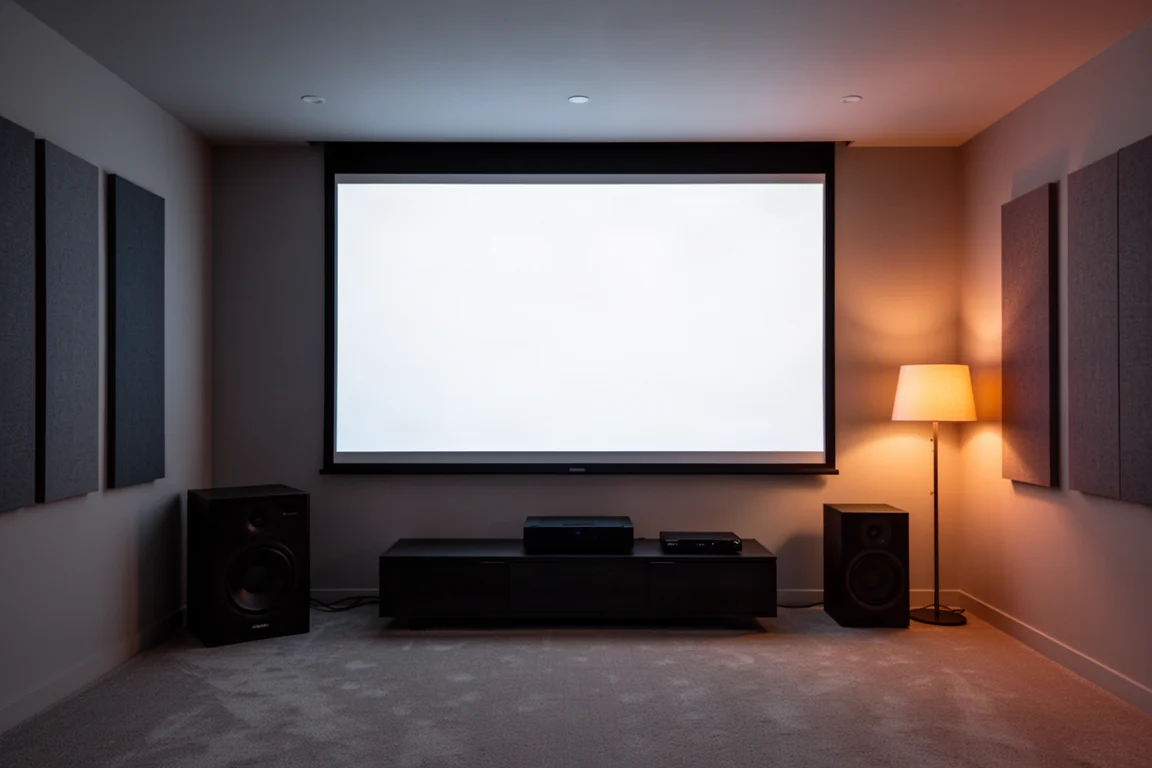
Choose the SB3000 Revolution if music comes first and you value speed, texture, and a compact footprint that fits easily beside a media console. Choose the PB3000 Revolution if home theater is the priority and you want the pressure and output that a ported cabinet delivers, particularly in a large or open living space.
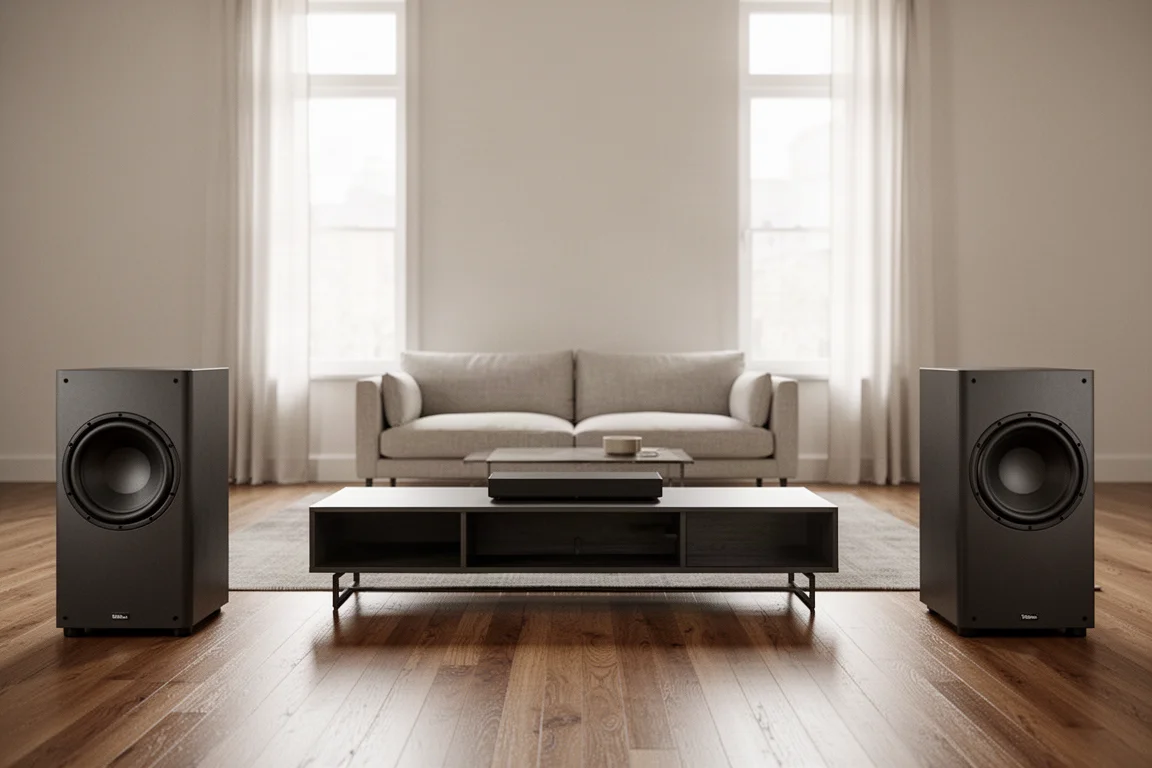
It is also worth weighing the step up to the 5000 Revolution series, which uses a larger cabinet, a 15-inch driver, and even more headroom. For most real-world homes, though, the 3000 Revolution is the Goldilocks choice: it carries the same 295 MHz DSP and high-current MOSFET technology as the flagship models in a size that is far easier to place. In a genuinely massive room, two 3000s are often the smarter move than a single 5000, because two subwoofers placed in different parts of a room can deliver smoother bass across more seats and reduce the dead zones created by room acoustics.
Conclusion
The SVS 3000 Revolution series is a meaningful step forward for this price tier, pairing a conservatively rated 1,200 watt Sledge amplifier, a 295 MHz DSP platform, and a new 13-inch high-excursion driver in both models. Because the electronics and driver are shared, the real decision is about cabinet design and the room it will live in: sealed for speed, texture, and a smaller footprint, or ported for output, extension, and physical impact. Match that choice to how you actually listen, and either model will serve a system well for years.
Further reading
Related Reviews
Subwoofers
Arendal 1961 Subwoofer 1S Review: Beautiful Build, Modest Punch at $1,000
A sealed $1,000 subwoofer with a gorgeous cabinet, plus three lower-priced alternatives that deliver more impact for movie nights.
Subwoofers
Arendal Sound 1723 2V Subwoofer Review: Dual 13.8-Inch Drivers Under $3,000
A flagship ported subwoofer with dual opposing 13.8-inch drivers, a 1,200W RMS amplifier, app-based DSP, and a 10-year warranty.
Subwoofers
Ascendo 16 Sub Active Sealed Review: Sealed Bass Built on Real Engineering
A close look at the Ascendo 16 Sub Active Sealed, a 16-inch sealed home theater subwoofer with independently verified measurements, a purpose-built driver, and genuinely controlled output.