Subwoofers
SVS 3000 Micro Review: A Tiny Sealed Subwoofer With Serious Output
A compact dual-driver subwoofer built for small rooms, plus how the SVS SB-1000 Pro and Sonance MS10 compare.
Introduction
Small subwoofers usually ask for a compromise: a modest driver, a modest cabinet, and modest output. The SVS 3000 Micro takes a different route. It is a sealed design with two 8-inch drivers mounted on opposite sides of a very small cabinet, powered by an 800-watt RMS amplifier, and it sells for around $899.
That price sits well above entry level, so the useful question is whether a subwoofer this small delivers enough bass to justify it. For a 2.1 music system, an apartment, a bedroom, or a desktop setup, it often does. For a large home theater room with wall-shaking ambitions, the answer is different. This review covers both cases, along with two alternatives worth knowing about.
Design and Build: Two Opposing Eight-Inch Drivers
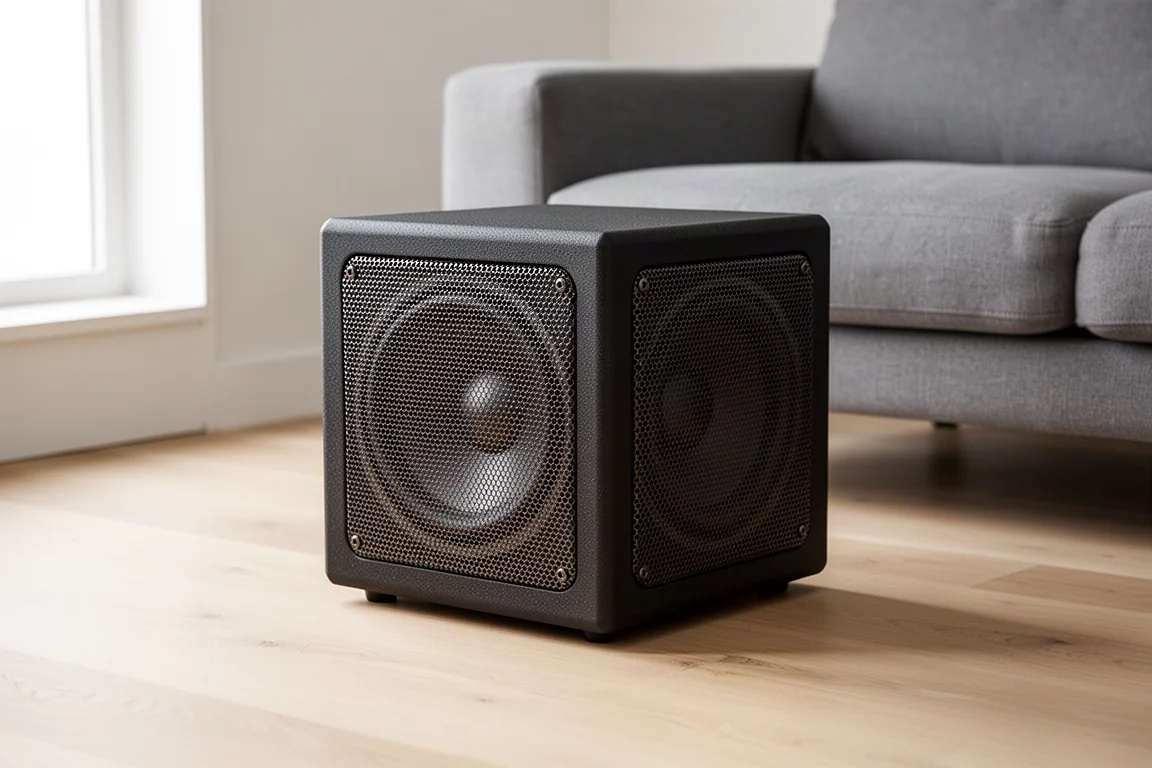
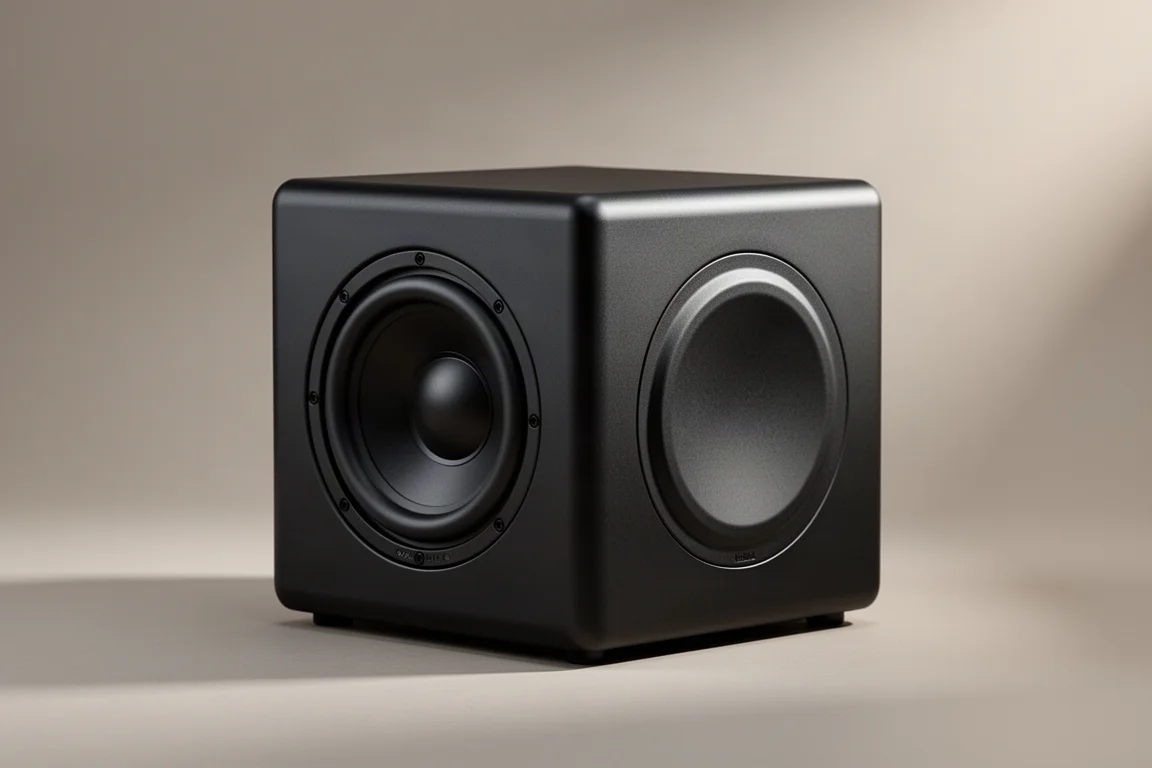
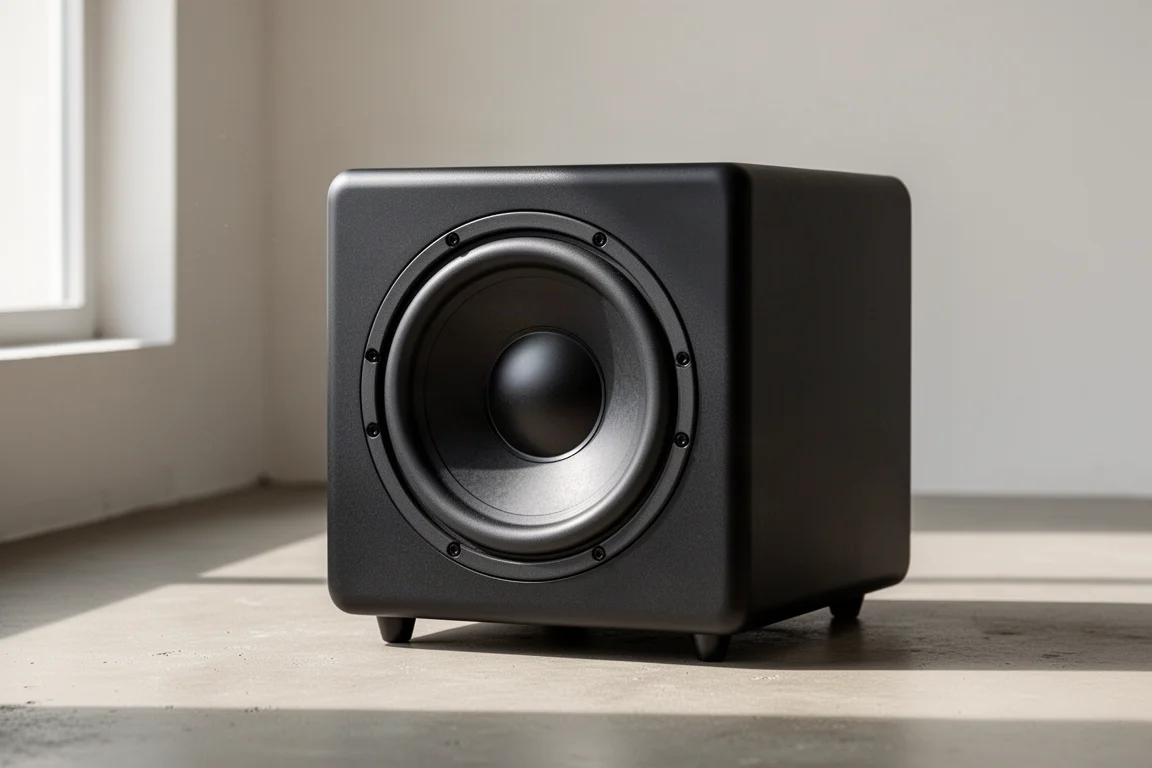
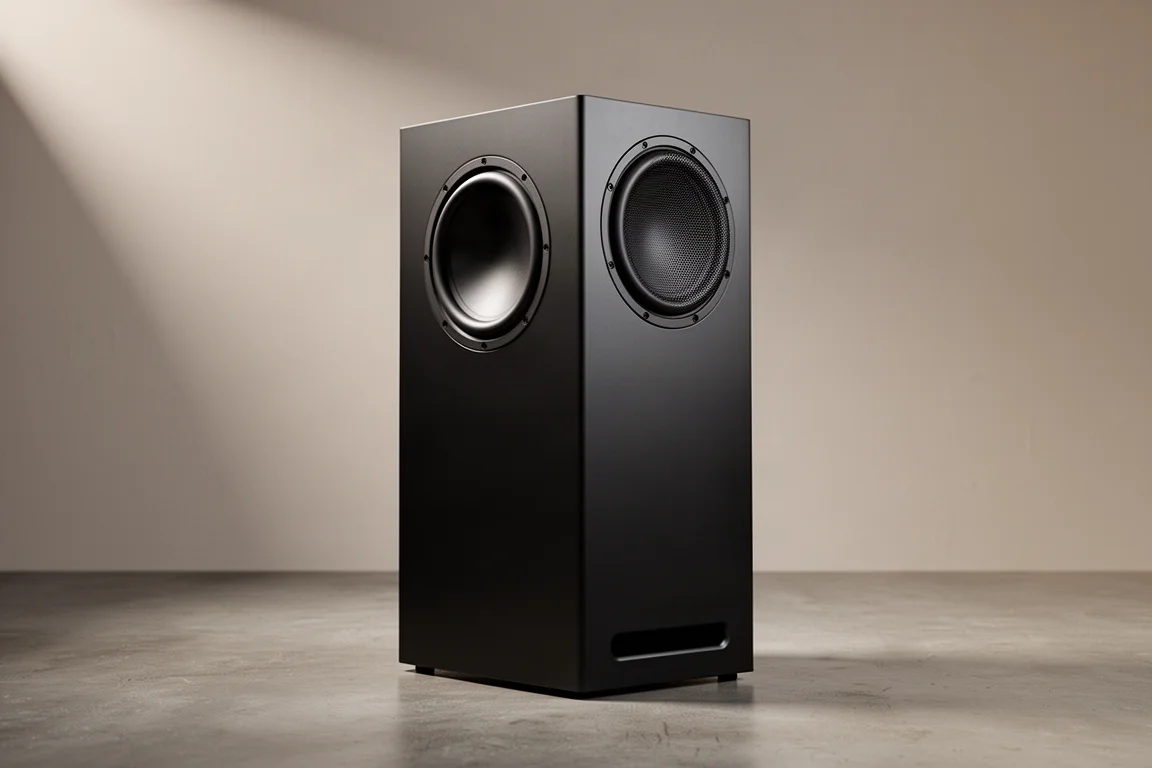
The 3000 Micro is a sealed cabinet with a pair of 8-inch woofers, one on each side panel, firing away from each other. Metal mesh grilles cover both drivers, a badge sits on the front baffle, and the rear panel carries the controls and connections.
The cabinet is genuinely small for what it does. Set beside a typical 10-inch sealed subwoofer, the 3000 Micro is narrower and shorter, and a 10-inch sealed design is already considered compact. The opposing driver layout helps here. Two drivers moving in opposite directions press against each other rather than against the room, which keeps the enclosure planted and lets the cabinet move more air without growing.
Build quality feels appropriate to the price. The mesh grilles protect both drivers without adding visual bulk, and the proportions make the subwoofer easy to tuck beside a sofa, beneath a desk, or against a wall.
Setup and App Control
Setup is one of the strongest arguments for this subwoofer. Instead of reaching behind the cabinet to adjust controls by hand, you pair it with the SVS app and handle everything from a phone. Crossover frequency, output level, phase, polarity, and room gain compensation are all available there.
Room gain compensation is the setting worth understanding. If your room produces a peak in the low bass, for example around 25 Hz, you can measure the room, identify the problem, and correct it with a setting rather than rearranging the furniture.
The same app covers the wider SVS range, including the SB-1000 Pro discussed below, so the workflow carries over if you change models or add a second subwoofer. For anyone who has spent an afternoon kneeling behind a cabinet, that is a meaningful improvement.
How the SVS 3000 Micro Sounds
Power comes from an 800-watt RMS amplifier, the Sledge STA-800D2, with discrete MOSFET outputs. Numbers alone do not describe sound, but the output on tap explains why the 3000 Micro does not behave like a small subwoofer in the ways that usually matter.
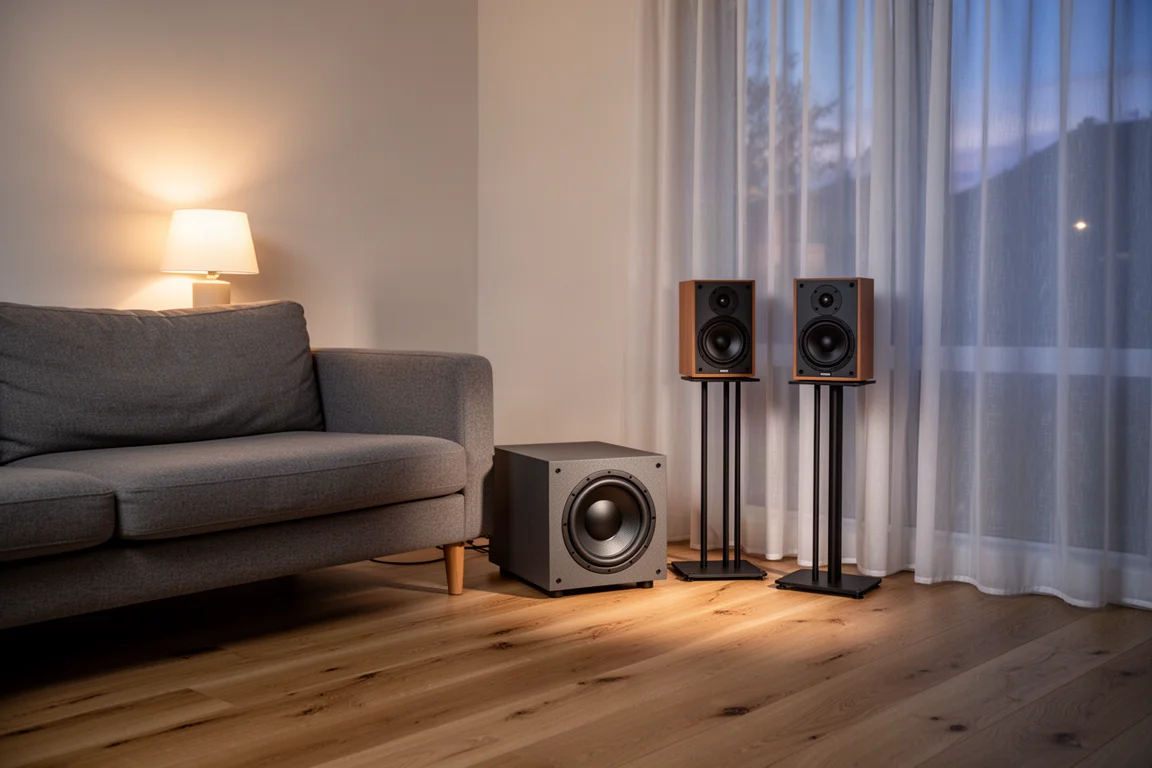
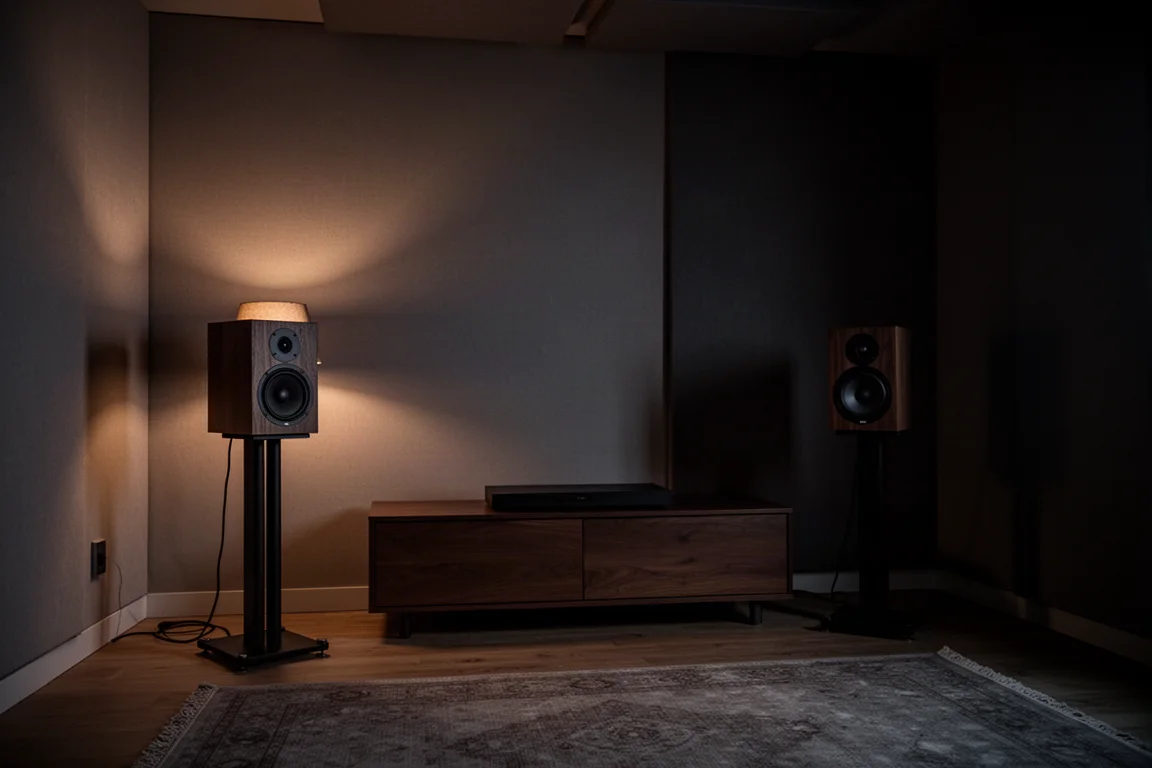
Paired with bookshelf speakers, it opens up the soundstage noticeably. Small standmounts crossed over around 60 Hz, with the subwoofer’s gain trimmed to match, sound far larger than their cabinets suggest. Low-frequency information that a bookshelf speaker simply cannot reproduce becomes audible, and the system gains weight, texture, and depth across the bottom end.
On music, it holds up in most rooms. Only genuinely demanding material with very deep, high-excursion bass passages asks more of it than it can give. For the great majority of music listening, it is more than sufficient.
With movies, it performs well in small and medium rooms. In a large room running a full home theater system, it reaches its limits, and a single 3000 Micro is not the right tool at that point. Two units would be the stronger option, although the cost then climbs to roughly $1,800, and a room that large usually has space for a larger subwoofer anyway.
Compact Alternative: SVS SB-1000 Pro
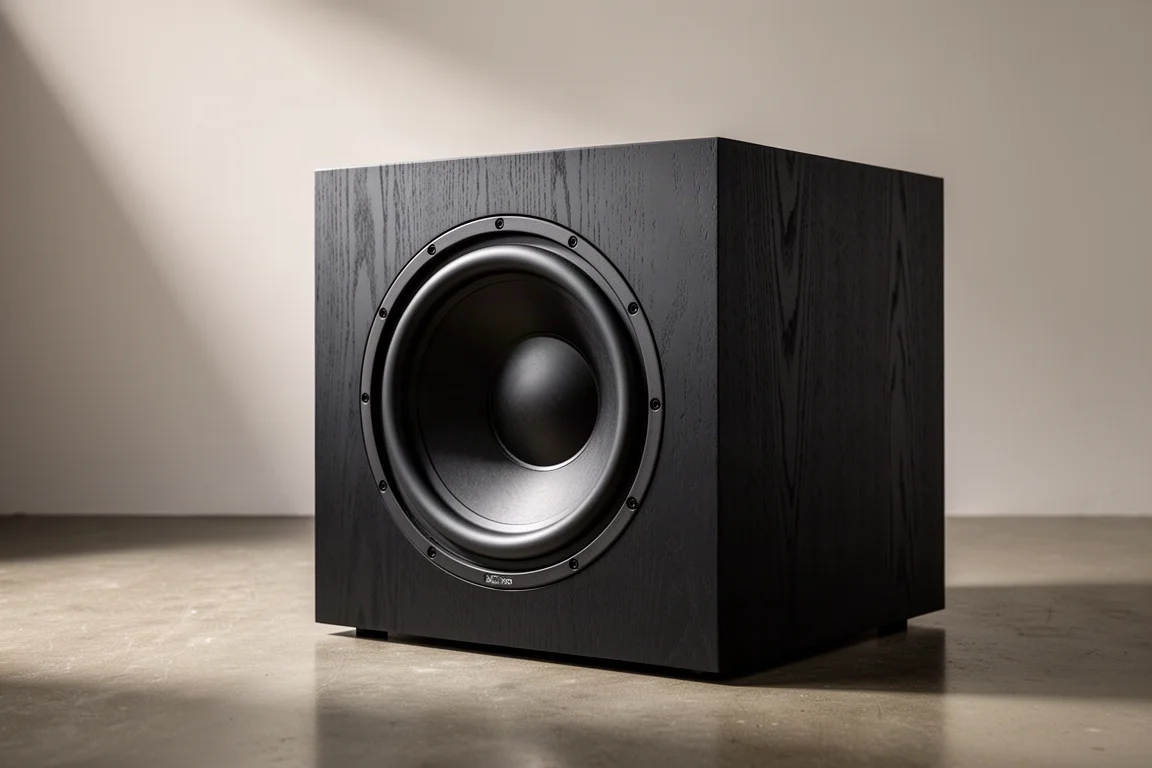
The SB-1000 Pro is the more conventional member of the SVS lineup and remains an easy recommendation. It uses a single 12-inch driver that fills almost the entire front baffle, yet the cabinet is still small by any normal standard.
Next to the 3000 Micro, the SB-1000 Pro is roughly two inches wider, three inches deeper, and two and a half inches taller. That difference matters in a tight space, but it is not a large subwoofer. It runs on the same app for setup and tuning, and it costs less per unit, which makes a pair of them a practical route for a larger room.
If maximum output per dollar matters most and you can spare a little more floor space, the SB-1000 Pro is the sensible choice. If the space itself is the constraint, the 3000 Micro is the one that fits.
A Reference Point: Sonance MS10
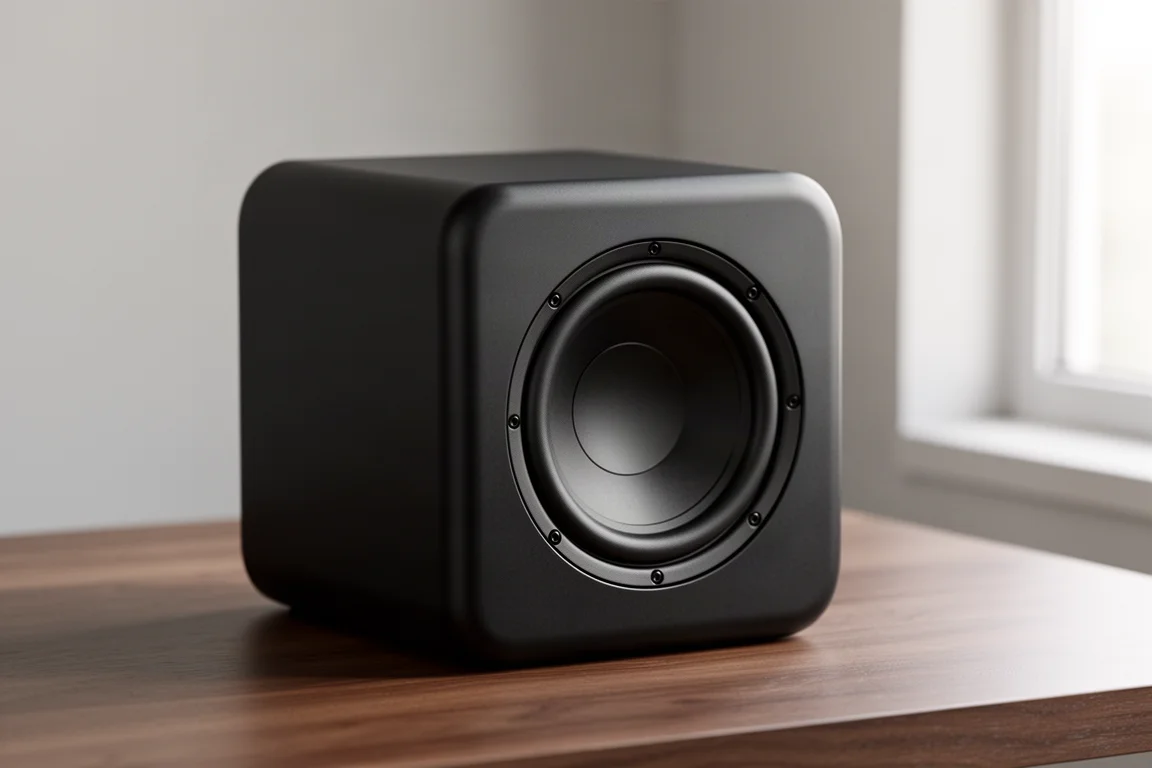
The Sonance MS10 is a sealed 10-inch subwoofer and a useful reference for size and value. It was originally sold at a list price of around $600 and has been picked up on sale for closer to $350. It is a heavy cabinet, rated at roughly 350 watts, and it performs well for what it is.
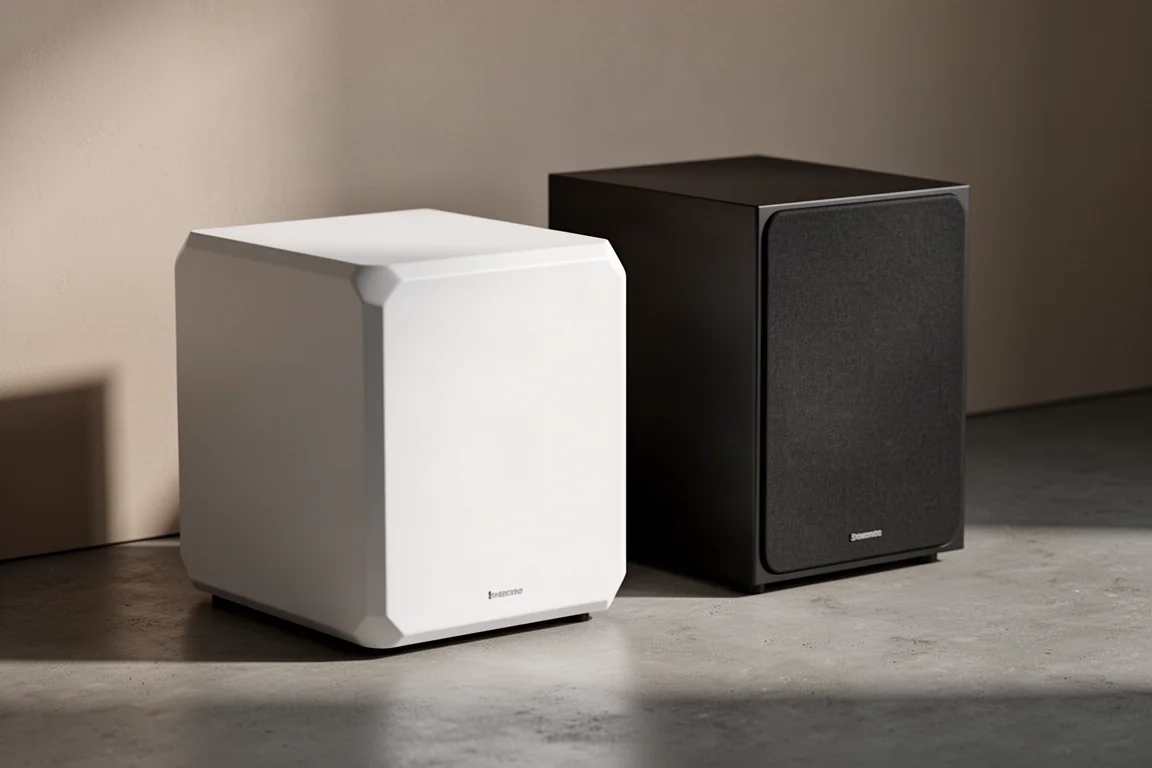
Seen beside the 3000 Micro, the MS10 shows how much smaller the SVS cabinet really is. The Sonance is a solid 10-inch sealed design, but it takes up noticeably more room and offers no app-based control.
Room Size and System Matching
The 3000 Micro makes the most sense where space is limited. Apartments, bedrooms, desktops, and small to medium living rooms are its natural territory, and in those spaces it delivers real bass without taking over the room.
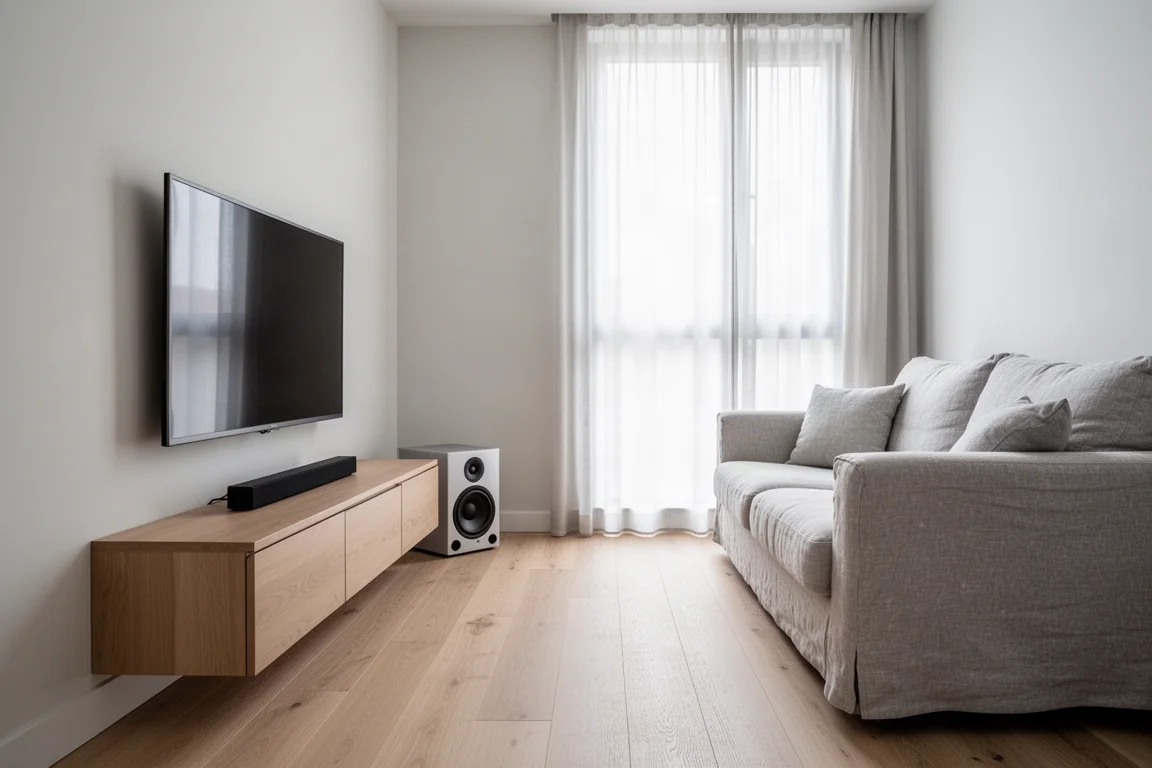
For a desktop system it can sit under or beside a desk. In a bedroom it fits without forcing a furniture rearrangement. In a larger room, two units placed apart from each other can cover the space, though a single larger subwoofer is usually the simpler and more affordable answer.
A pair of bookshelf speakers with a compact subwoofer is also easier to live with than a pair of tower speakers in most homes. Nobody objects to a small subwoofer tucked into a corner, and the system stays flexible if you move or change rooms.
Music and Movie Performance
Bookshelf speakers paired with a subwoofer offer a practical advantage over towers. A subwoofer can be repositioned, its gain adjusted, and its crossover tuned when a room has a bass problem. Tower speakers are far harder to move around, and their low-frequency behavior is fixed by where they have to stand.
That flexibility is why a good pair of bookshelf speakers and a compact subwoofer often produces a more complete result than towers at a similar total cost. The subwoofer adds the bottom octave the bookshelf speakers lack, and the app makes dialing it in straightforward.
For music in a small or medium room, the 3000 Micro handles the job comfortably. For movies, it works well in the same spaces. It is the large room, full-volume home theater case that calls for something bigger.
Buying Advice and Final Fit
The main hurdle is the price. Around $899 is a lot to spend on a subwoofer this compact, and it is fair to ask whether the size premium is worth paying. The case for it rests on three things: the cabinet fits where larger subwoofers cannot, the app makes setup and room correction genuinely simple, and SVS backs its subwoofers with strong customer service and a generous return window.
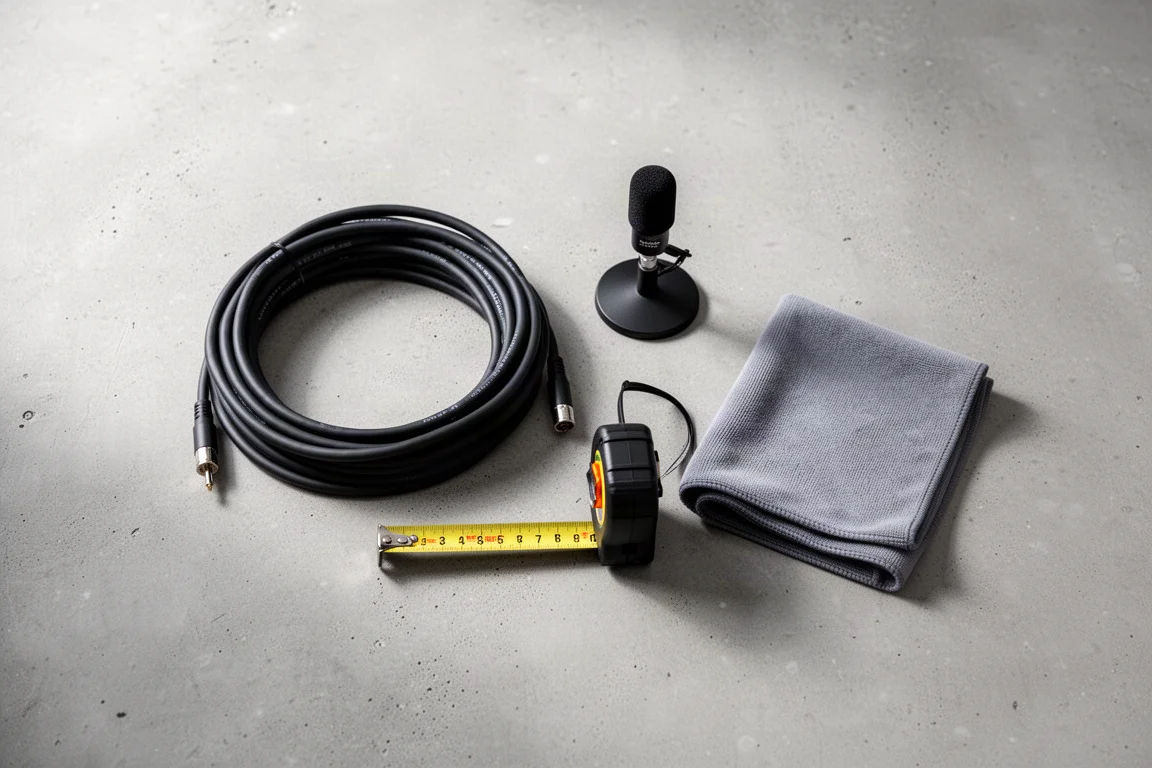
If you are building a 2.1 music system around bookshelf speakers, or fitting a subwoofer into an apartment, a bedroom, or a desktop setup, the 3000 Micro is easy to recommend. If you are outfitting a large home theater room and want maximum output for the money, a larger model will serve you better.
Conclusion
The SVS 3000 Micro is a specialist product, and it is a very good one. Dual opposing 8-inch drivers, a sealed cabinet, an 800-watt RMS amplifier, and app-based control add up to a subwoofer that disappears into a room while still delivering the low end that small speakers cannot.
It is not the right answer for every system. Buy it for the space it saves and the flexibility it adds, and it will reward you for years. Buy it expecting to shake pictures off the walls of a large room, and it will fall short of that brief. For the right listener, the trade-off is an easy one to accept.
Further reading
Related Reviews
Subwoofers
Arendal 1961 Subwoofer 1S Review: Beautiful Build, Modest Punch at $1,000
A sealed $1,000 subwoofer with a gorgeous cabinet, plus three lower-priced alternatives that deliver more impact for movie nights.
Subwoofers
Arendal Sound 1723 2V Subwoofer Review: Dual 13.8-Inch Drivers Under $3,000
A flagship ported subwoofer with dual opposing 13.8-inch drivers, a 1,200W RMS amplifier, app-based DSP, and a 10-year warranty.
Subwoofers
Ascendo 16 Sub Active Sealed Review: Sealed Bass Built on Real Engineering
A close look at the Ascendo 16 Sub Active Sealed, a 16-inch sealed home theater subwoofer with independently verified measurements, a purpose-built driver, and genuinely controlled output.