Astrophotography
SVBONY SV535 Review: A Compact 105mm f/2.8 Astrophotography Lens
The SVBONY SV535 is a tiny 105mm f/2.8 lens built for astrophotography, offering a wide field of view and front-mounted filter support at a reasonable price.
Introduction
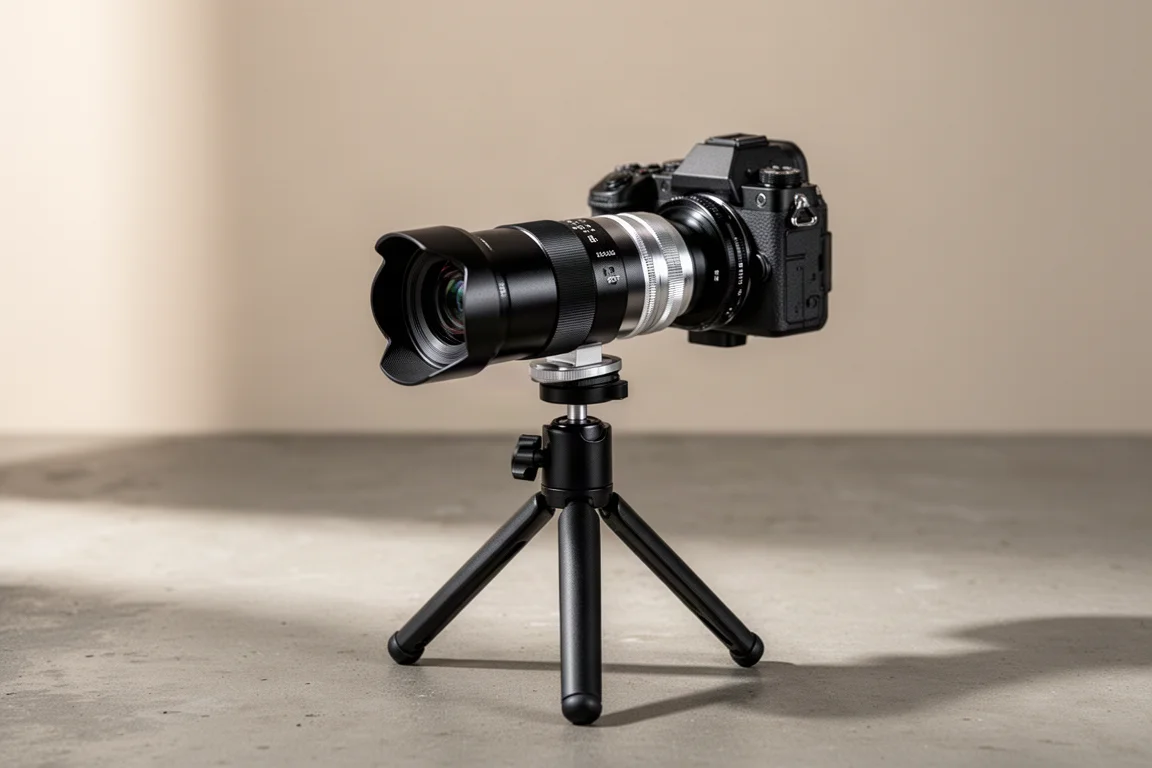
The SVBONY SV535 is a compact 105mm f/2.8 lens designed specifically for astrophotography. It is small enough to be part of a highly portable imaging rig, yet it delivers a surprisingly wide field of view that makes it a versatile tool for capturing large regions of the night sky. With a focal ratio of f/2.8 and no diaphragm, it is always at its brightest aperture, which is a significant advantage for deep-sky imaging.
This lens is aimed at astrophotographers who want a lightweight, wide-field solution without sacrificing optical quality. It is particularly appealing for those who want to use narrowband filters without worrying about bandpass shift, thanks to its front-mounted filter threads. Priced around $300, it offers a compelling alternative to more established options in the same category.
Who This Lens Is For
The SV535 is ideal for astrophotographers who value portability and ease of use. Its compact size and light weight make it a natural fit for travel or for building a minimal rig that can be set up quickly. The lens is designed to work with cameras that have 17.5mm of back focus, which means it pairs well with dedicated astro cameras like the ZWO ASI 2600 MC Air.
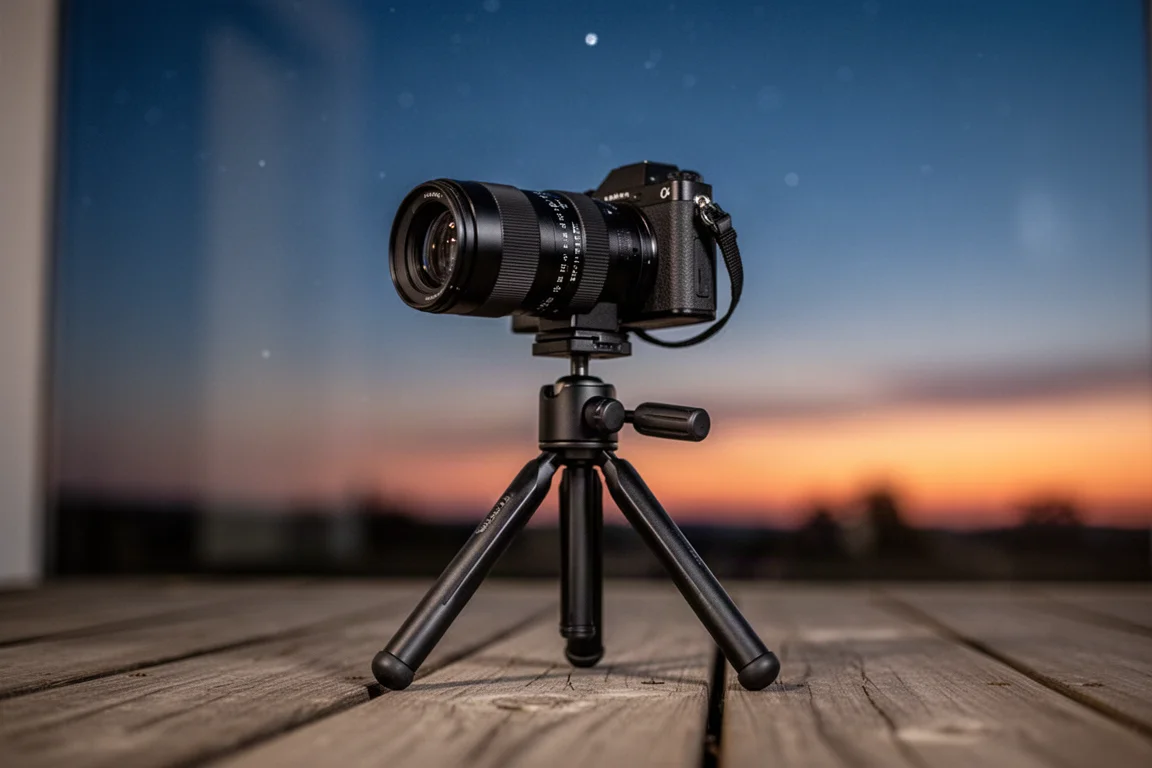
It is also a strong choice for those who want to use narrowband filters. The front-mounted M48 threads allow you to attach filters like the SVBONY 3nm dual-band filter without worrying about bandpass shift, which is a common issue with fast lenses. This makes the SV535 particularly useful for imaging emission nebulae from light-polluted skies.
However, this lens is not for everyone. The fixed f/2.8 aperture and manual focus require a certain level of experience. Beginners may find the lack of autofocus challenging, and the need to use a Bahtinov mask for precise focusing adds an extra step to the imaging process.
Design and Build Quality
The SV535 is a well-built lens that comes with a complete package. In the box, you get the lens itself, a protective case, dust caps for both the front and rear, and wrenches for assembling the included mounting foot. The foot can be configured for either Arca-Swiss or Vixen-style plates, giving you flexibility depending on your setup.
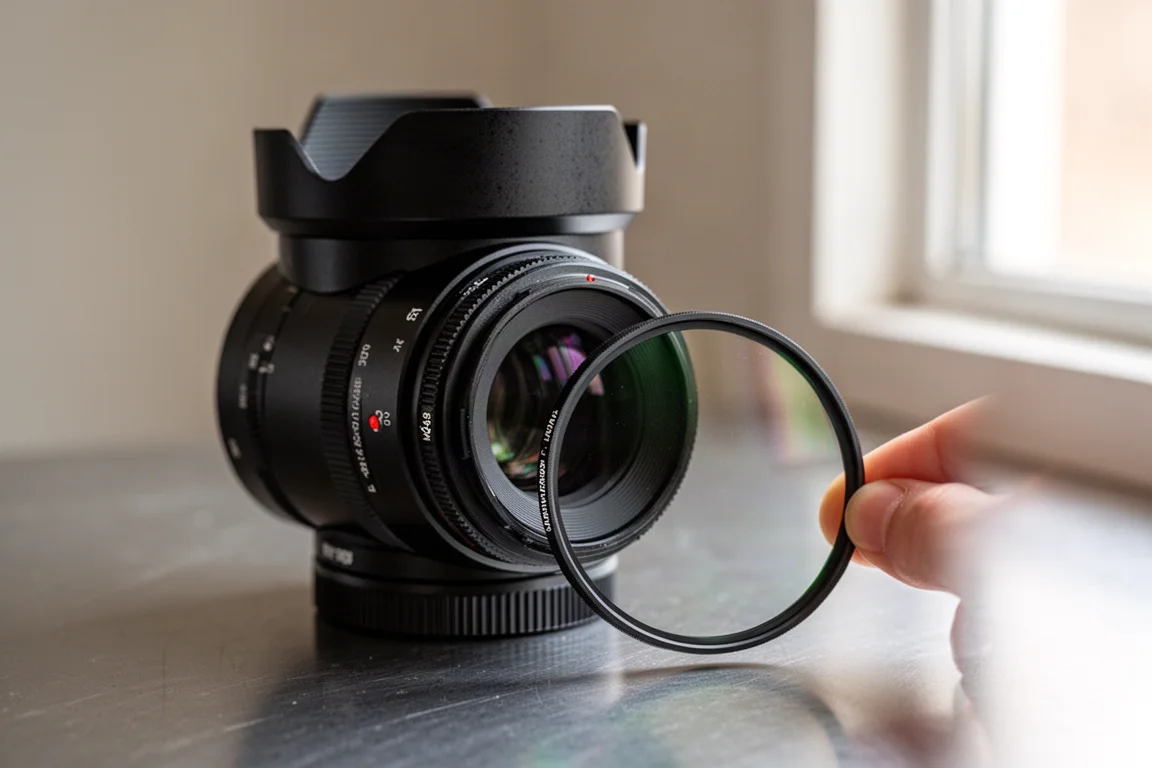
The lens features a smooth focus ring with gradations, including a mark for infinity focus. The ring is easy to adjust with very fine movements, which is helpful for achieving precise focus. The front of the lens has a removable hood that unscrews to reveal M48 threads for attaching filters. This is a standout feature, as it allows you to use narrowband filters without the need for a filter drawer or other accessories.
One minor drawback is that changing the filter or replacing the dust cap requires removing the lens hood, which adds an extra step. Additionally, the rear of the lens uses M42 threads, so you may need step-down adapters to connect it to cameras with different thread sizes. The lens is also heavier than it looks, and the camera body can be significantly heavier than the lens itself, so supporting the camera is recommended to avoid any tilt or flex.
Image Quality and Performance
On an APS-C sensor, the SV535 delivers good star shapes across most of the frame. In the center, stars appear sharp and round, with only slight flaring visible on the brightest stars. Toward the edges, stars become slightly elongated, which is expected given the wide field of view. The lens performs best when paired with dithering and drizzling, as the stars are highly undersampled at 105mm.
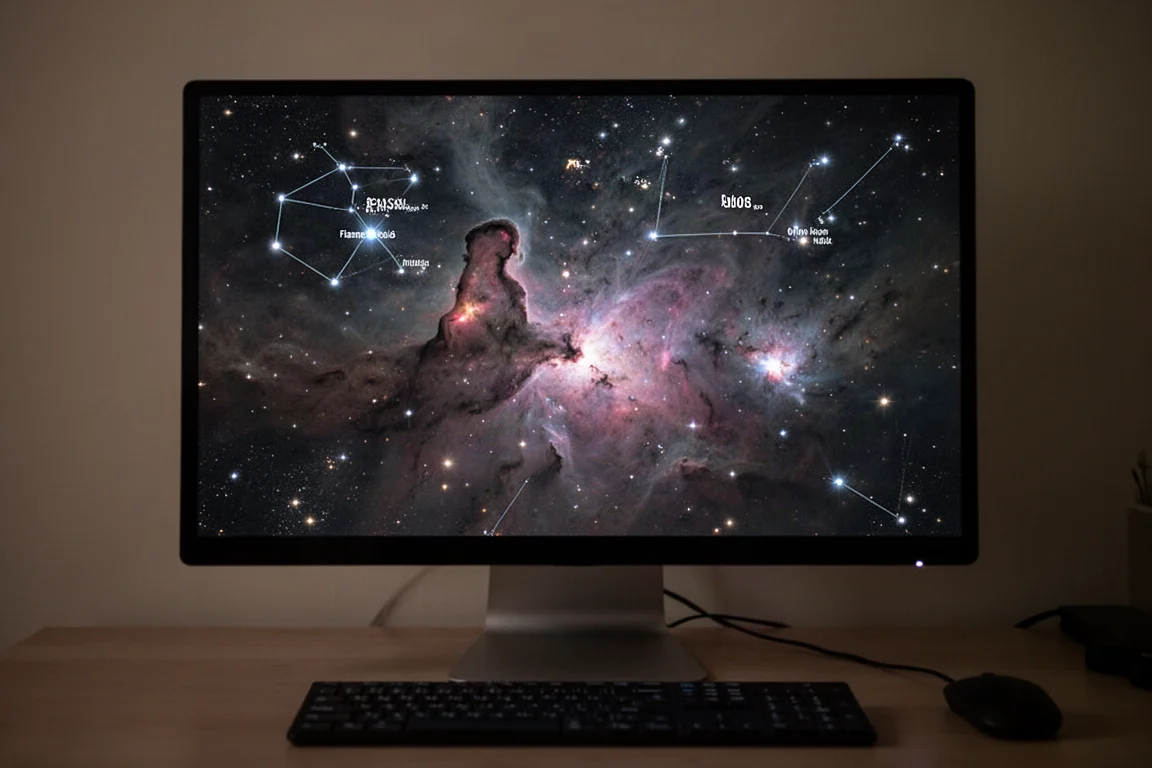
The lens also handles narrowband imaging well. With a 3nm dual-band filter attached to the front, it can capture impressive images of targets like the Spaghetti Nebula and the Orion constellation from light-polluted locations. The wide field of view is a major advantage, allowing you to capture large regions of sky in a single frame.
One issue noted is that star shapes can be affected when a filter is attached to the front of the lens. The cause is not entirely clear, but it appears to be consistent across different filters. This is not a major problem, as the stars can be corrected during processing, but it is something to be aware of.
How It Compares to the Rokinon 135mm f/2
The most obvious competitor to the SV535 is the Rokinon 135mm f/2 lens. The Rokinon has a slightly longer focal length and a faster aperture, but it requires a Canon adapter and has only 44mm of back focus. It also needs pre-shifted filters for narrowband work, which can be harder to source and have inconsistent quality control.
The SV535, on the other hand, offers a direct screw connection, front-mounted filter threads, and a lower price. At around $299, it is significantly cheaper than the Rokinon, which typically costs around $449. The SV535 also avoids the sample variation issues that are common with the Rokinon, making it a more reliable choice.
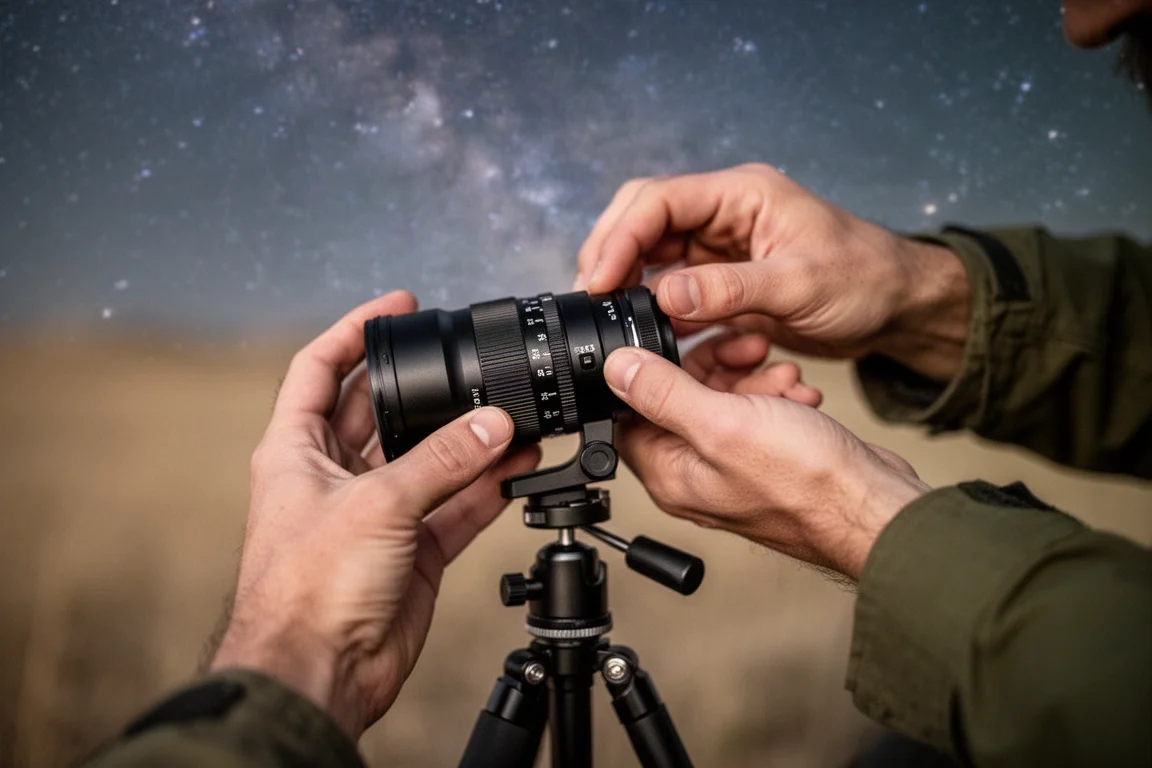
That said, the Rokinon has an autofocus solution available, while the SV535 does not. If autofocus is a priority, the Rokinon may be worth the extra cost. However, for most astrophotographers, the SV535 offers a better balance of price, performance, and convenience.
Buying Advice
The SVBONY SV535 is a solid choice for astrophotographers who want a compact, wide-field lens that performs well on APS-C sensors. Its front-mounted filter threads are a standout feature, making narrowband imaging easy and effective. The lens is also well-priced, especially when compared to its main competitor.
If you are looking for a lightweight lens for travel or a minimal rig, the SV535 is worth considering. It is also a good option for those who want to capture large regions of the sky, such as the Orion constellation or the Spaghetti Nebula, from light-polluted areas.
However, if you prefer autofocus or need a lens with more back focus for accessories like filter wheels, you may want to look elsewhere. The SV535 is a specialized tool, but for its intended purpose, it performs admirably.
Conclusion
The SVBONY SV535 is a compact, capable astrophotography lens that punches above its weight. It offers a wide field of view, good optical quality on APS-C sensors, and the unique ability to use front-mounted filters without bandpass shift. At its price point, it is an excellent value for astrophotographers looking to expand their imaging capabilities.
While it has a few minor drawbacks, such as the need to remove the hood to change filters and the lack of autofocus, these are easily outweighed by its strengths. For anyone building a portable astrophotography rig or looking for a wide-field imaging solution, the SV535 is a lens worth serious consideration.
Product link
View more details for SVBONY SV535
This product is mentioned in the review. Check the specifications, options, and compatibility before buying.
View more details for SVBONY SV535Further reading
Related Reviews
Astrophotography
ASKAR FRA400C Review: A Versatile 400mm Refractor for Astrophotography and More
The ASKAR FRA400C is a compact 72mm refractor that balances reach, versatility, and portability for astrophotographers and visual observers.
Astrophotography
Askar SQA106 Review: A Premium 106mm Astrograph With Exceptional Optics
The Askar SQA106 is a premium 106mm quintuplet astrograph with impressive sharpness across full-frame sensors, though its price and weight demand careful consideration.
Astrophotography
Astro Imaging Gear 2026: Eight New Products Worth Watching
A look at the most interesting new astrophotography and astronomy products announced this year, from fast telescopes to smart cameras and wireless accessories.