Astrophotography
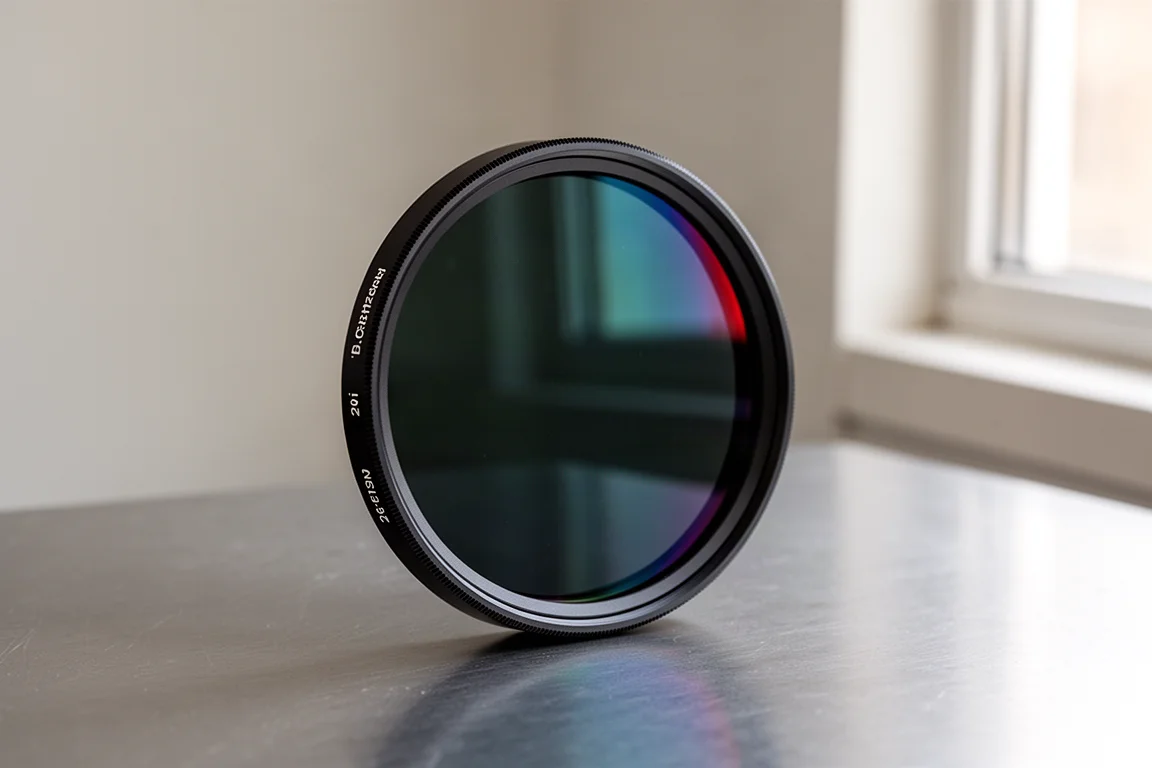
SVBONY SV220 3nm Review: A Narrowband Filter That Delivers
We test the SVBONY SV220 3nm dual-band filter against its direct competitor, the Optolong L-eXtreme, to see if it holds up under heavy light pollution.
Introduction
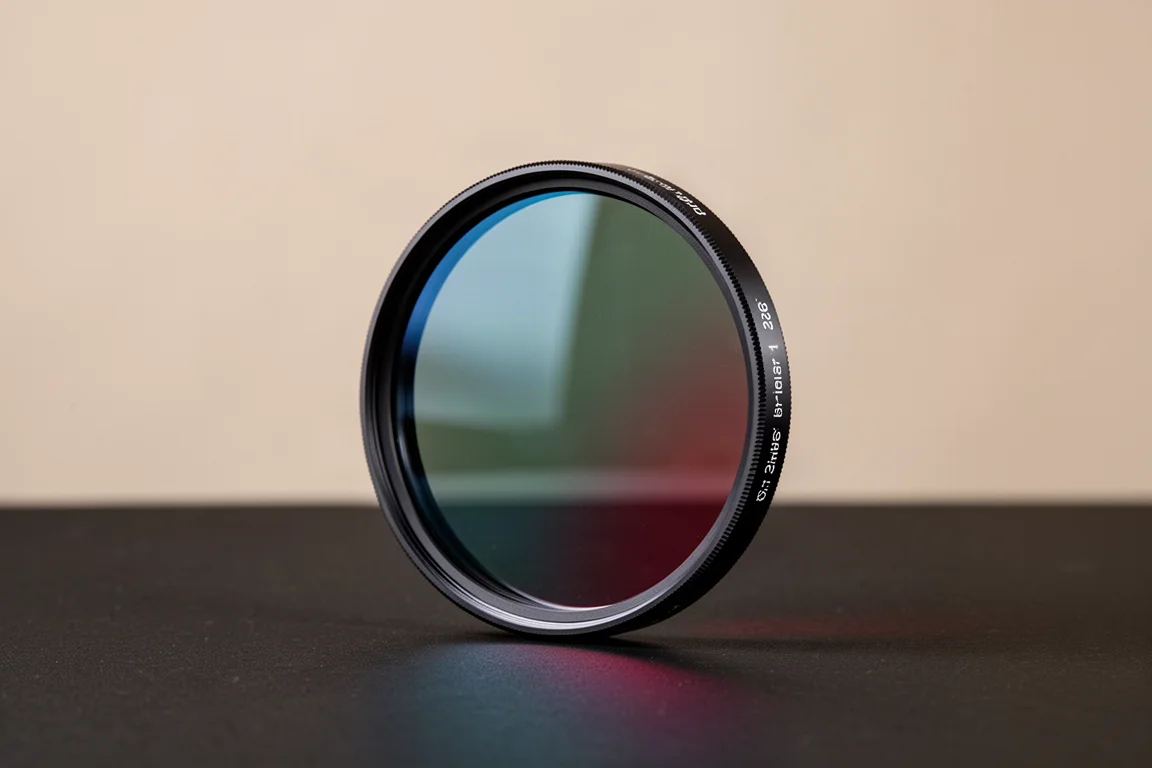
Narrowband filters are essential tools for astrophotographers dealing with light pollution. They work by rejecting everything except two tiny slices of color: hydrogen alpha in the deep red and oxygen 3 around the blue-green side of the spectrum. These are the wavelengths most strongly emitted by emission nebulae and planetary nebulae, making them ideal targets for city-based imagers.
The SVBONY SV220 3nm is a dual-band filter designed to compete directly with the Optolong L-eXtreme. With a narrower 3nm band pass, it promises to reject more parasitic light while keeping the same target signal. We put it to the test under some of the worst conditions imaginable: a Tokyo rooftop in a Bortle 8-9 zone with a more than half-full moon.
What Makes the SV220 3nm Different
The key advantage of a 3nm filter over wider alternatives is its ability to reject more light pollution. By making the band pass around each target wavelength as small as possible, the filter captures less parasitic light while retaining the same amount of target signal. This makes it particularly effective in heavily light-polluted areas.
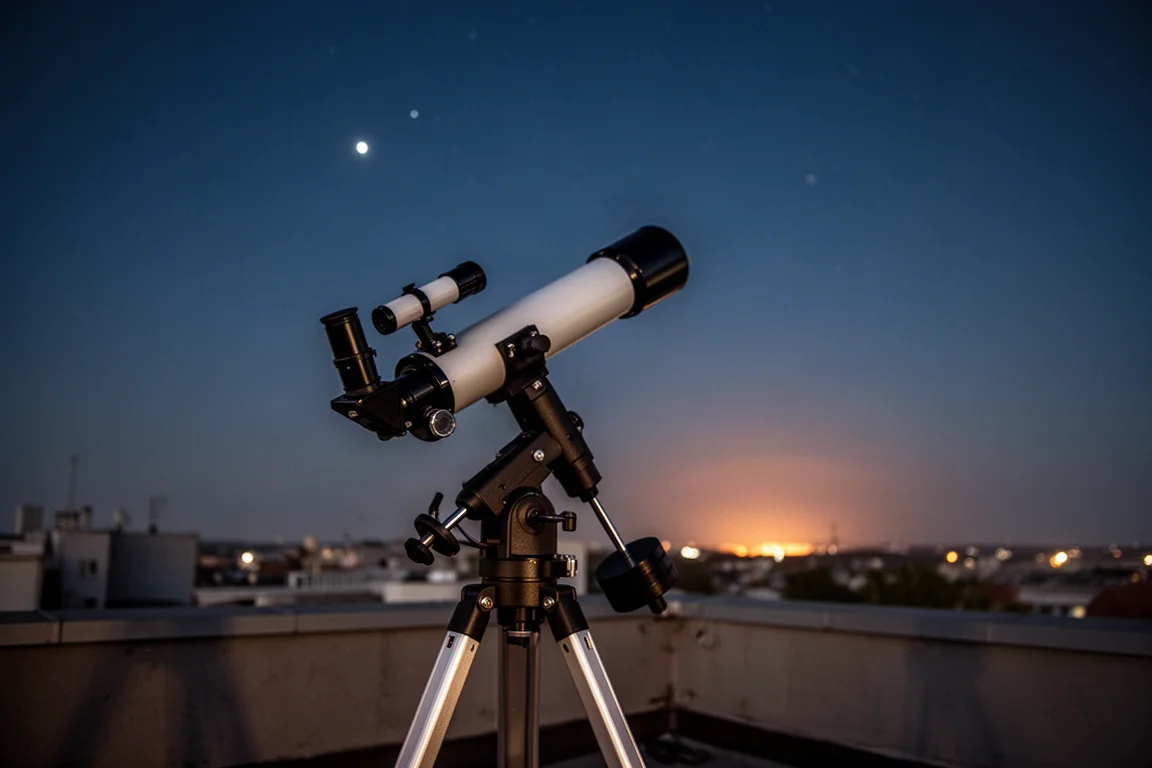
There is one drawback to consider. Right next to hydrogen alpha sits another useful wavelength called N2, which is common in planetary nebulae like the Dumbbell Nebula (M27). A 3nm band pass around H alpha will not capture N2, so for these specific targets, a slightly wider filter may be preferable.
Another important consideration is that 3nm filters are not suitable for very fast optics. For telescopes faster than F4, such as F3.5, F3, F2.8, or F2, a standard 3nm narrowband filter is not recommended due to a phenomenon called band pass shift. F3.8 is borderline acceptable, but F4 and slower is the safe zone.
Pricing and Versions
The SV220 3nm comes in two versions. The 2-inch filter, which is compatible with most telescopes and large sensor cameras including full frame, APS-C, and micro 4/3, has a regular price of $322 and is currently on sale for $290.
The 1.25-inch mounted version is designed for smaller sensors like the ASI533 or 585 series. At a regular price of $155 and a sale price of $140, it is more than twice as cheap. For those with small sensor cameras and a compatible filter wheel, this version is an easy recommendation.
For comparison, the direct competitor, the Optolong L-eXtreme, is priced around $330.
Build Quality and Packaging
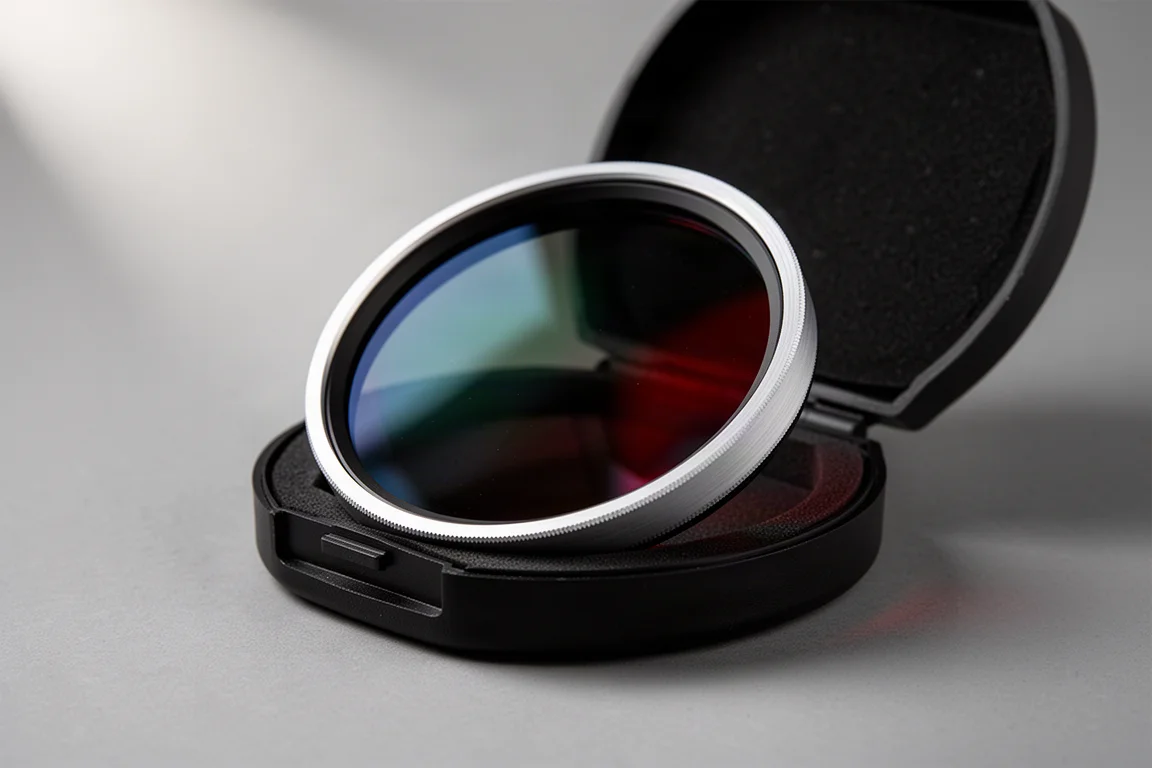
The SV220 3nm ships in a sturdy case with the filter secured inside. SVBONY includes protective peel-off covers on both sides of the filter to ensure it arrives pristine. A small measurement chart is also included, though it is not an individual measurement of the specific filter.
The company confirmed that they use professional spectrometers to check their filter batches and made modifications to their production process to ensure 3nm band passes work correctly. This level of quality control is reassuring for a filter in this price range.
Lab Verification: Measuring the Band Passes
To verify the filter’s specifications, we measured it with a spectrometer. The results were encouraging. The oxygen 3 peak was measured at 500.5nm, essentially matching the target of 500.7nm, with a transmission of around 84%. Due to spectrometer limitations with very narrow band passes, actual transmission is likely closer to 90%. The full width half max measured slightly wider than spec at around 4nm, but this is not a concern.
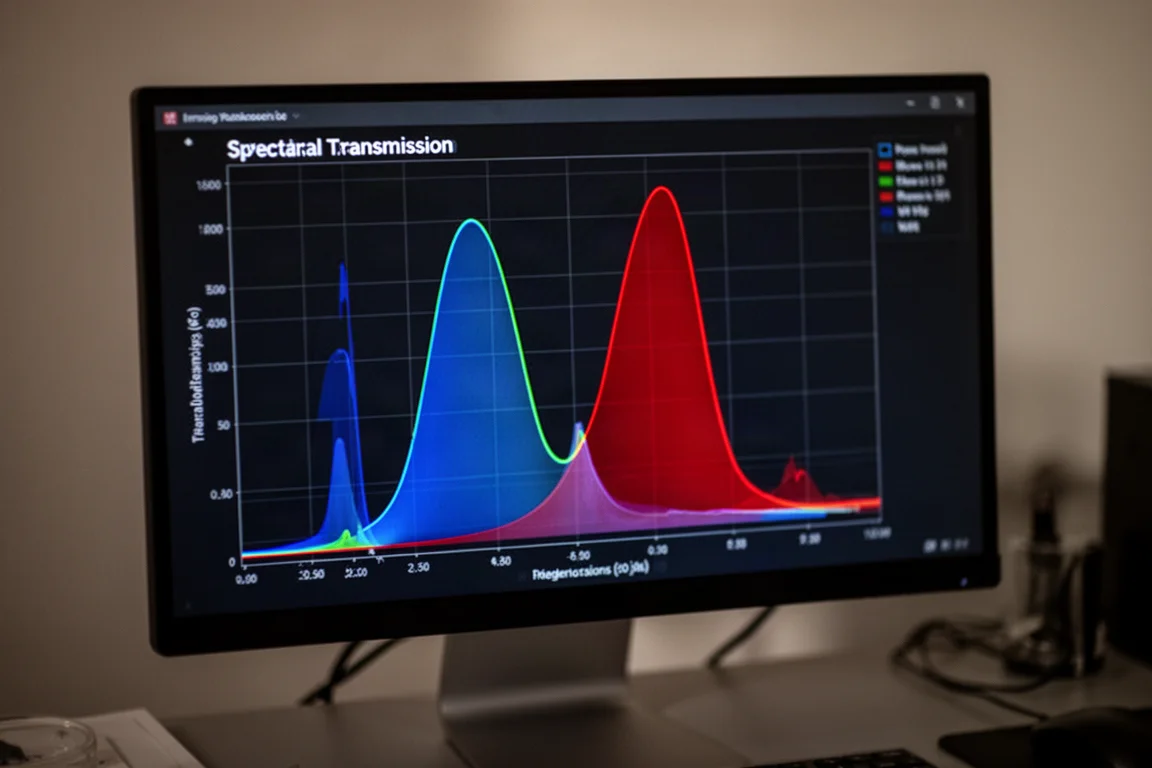
The hydrogen alpha band pass was measured at 656.5nm, again perfectly centered on the target of 656.3nm. Transmission was 87%, likely above 90% in reality. The full width half max measured exactly 3nm, matching the specification precisely.
Off-band blocking is rated at an average of OD5, which is very good, though we could not verify this with our equipment. Independent measurements by another astrophotographer, James Thompson, also found the filter to perform well, suggesting good consistency between samples.
Real-World Results: Imaging the Veil Nebula
The first test involved 30 minutes of exposure on the bright star Deneb to check for halos. The results were essentially halo-free, which is impressive for a narrowband filter. It is worth noting that the filter was mounted inside the telescope, ahead of the camera sensor, which may reduce halo formation compared to a filter drawer setup.

The main imaging test targeted the Veil Nebula from a Tokyo rooftop under a more than half-full moon, with the target descending into the light dome on the horizon. This is a worst-case scenario for any narrowband filter. After 27 five-minute exposures totaling just over two hours, the raw stacked image already showed all aspects of the Veil Nebula with significant detail.

After standard processing including background removal, color compensation, noise reduction, and stretching, the final image was remarkably clean. The narrow band passes made a noticeable difference in suppressing light pollution, allowing the nebula’s structure to shine through. Even the bright star at the top of the frame, which is prone to halos, showed none after two hours of data.
Buying Advice
The SVBONY SV220 3nm is a strong performer that competes directly with the Optolong L-eXtreme at a slightly lower price, especially when on sale. The measured band passes are well-centered with good transmission, and the real-world results under extreme light pollution are impressive.
The Optolong L-eXtreme remains a solid choice with a proven track record, and its slightly wider band pass around H alpha may be preferable for planetary nebulae that emit in the N2 wavelength.
For imagers in heavily light-polluted areas using telescopes at F4 or slower, the SV220 3nm offers excellent value. The 1.25-inch version is particularly attractive for small sensor cameras at its sub-$150 price point.
Conclusion
The SVBONY SV220 3nm delivers on its promises. Lab measurements confirm well-centered band passes with strong transmission, and real-world imaging from a heavily light-polluted rooftop produced results that rival what wider filters achieve under darker skies. The lack of halos on bright stars is a notable bonus.
While the 3nm band pass means missing out on N2 emission from planetary nebulae, and fast optics are not recommended, these are inherent limitations of the format rather than flaws in this specific filter. For its intended use case, the SV220 3nm is a compelling option that gives the more established Optolong L-eXtreme serious competition.
Further reading
Related Reviews
Astrophotography
ASKAR FRA400C Review: A Versatile 400mm Refractor for Astrophotography and More
The ASKAR FRA400C is a compact 72mm refractor that balances reach, versatility, and portability for astrophotographers and visual observers.
Astrophotography
Askar SQA106 Review: A Premium 106mm Astrograph With Exceptional Optics
The Askar SQA106 is a premium 106mm quintuplet astrograph with impressive sharpness across full-frame sensors, though its price and weight demand careful consideration.
Astrophotography
Astro Imaging Gear 2026: Eight New Products Worth Watching
A look at the most interesting new astrophotography and astronomy products announced this year, from fast telescopes to smart cameras and wireless accessories.