Survival Gear
Survive Tent Review: A Mylar Emergency Shelter With Doors
A compact, waterproof Mylar shelter that blocks wind and rain, with fragile material, heavy condensation, and a door that is hard to seal.
Introduction
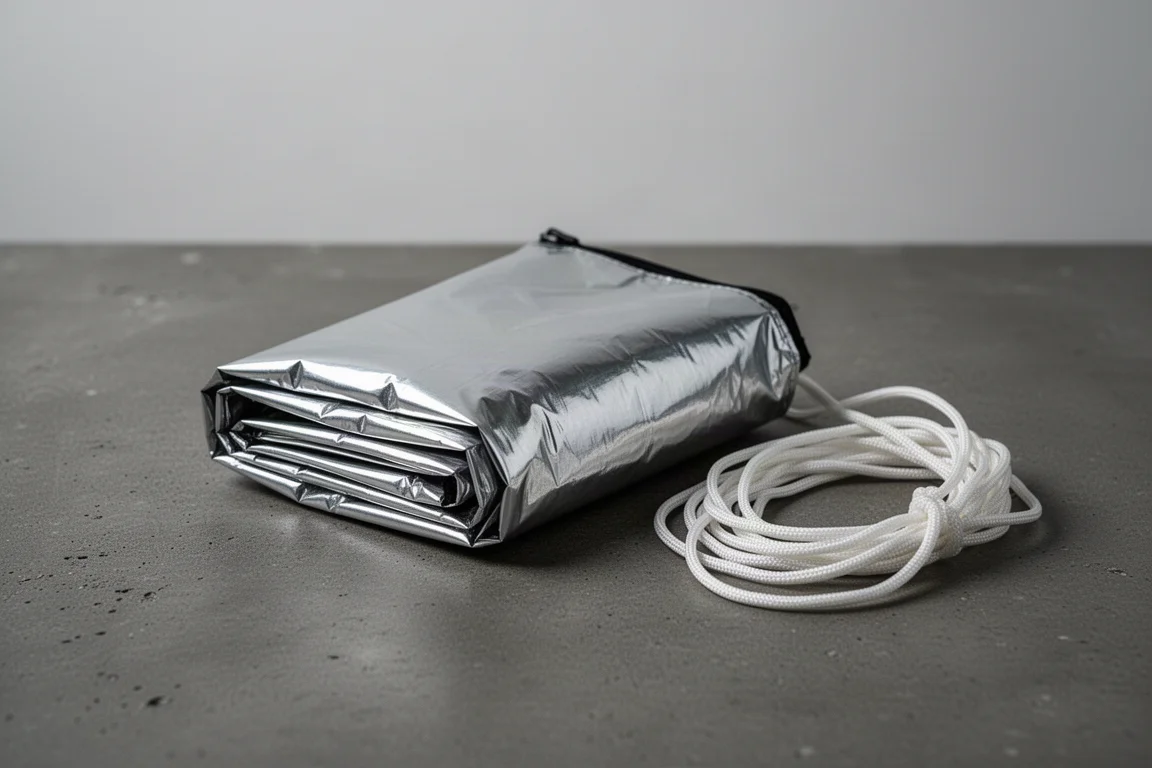
Mylar emergency shelters have been part of survival kits for decades, and most of them share one obvious flaw: once you are inside, there is no way to close the opening. The Survive Tent takes that familiar design and adds doors, which is a meaningful change for anyone who has spent a night in a reflective tube with wind blowing through it.
The shelter is built from Mylar, a layered material that pairs a thin plastic film with a reflective metallic coating. It can be used three ways: as a bivy, as a blanket, or pitched as a small tent using the roughly 22 ft of 550 paracord included in the package.
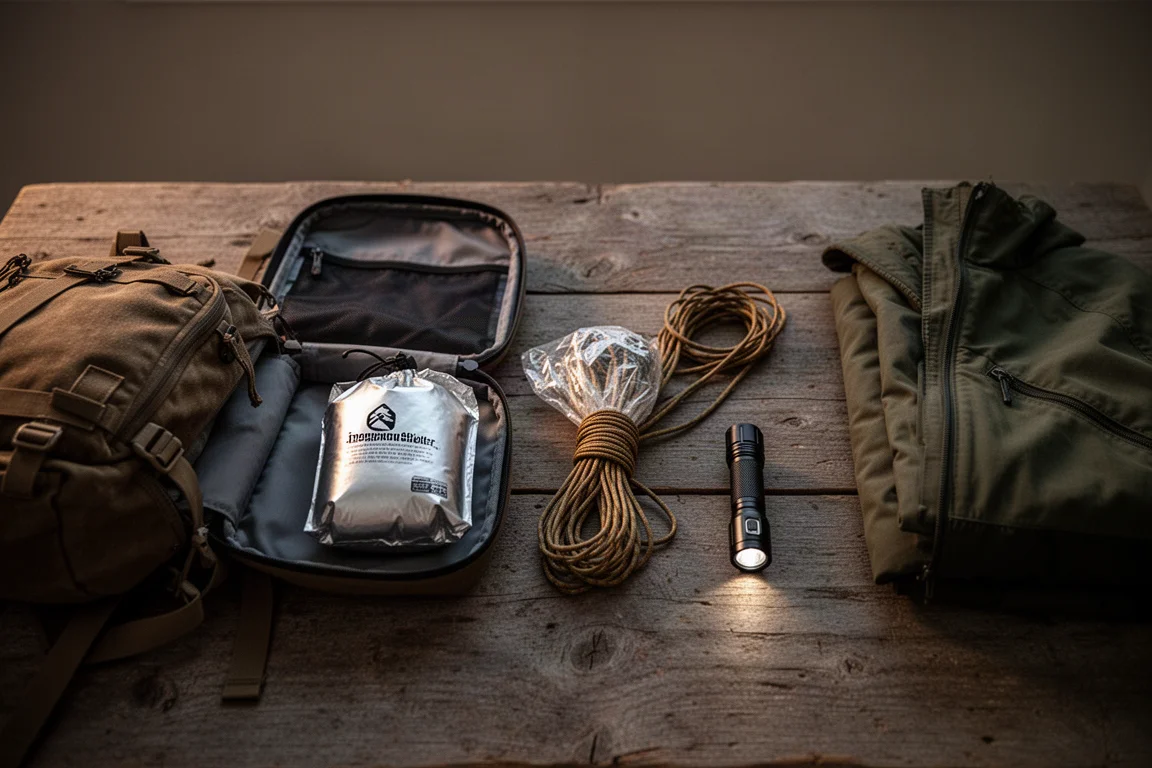
At around $25, the Survive Tent is positioned as an emergency item rather than regular camping gear. It packs down to roughly the size of a can of soda and weighs about 11 oz, so it is easy to leave in a pack, a glovebox, or a day hiking kit without noticing the weight. Pitched, it measures 92 in long, 40 in wide, and about 34 in at the peak.
In an overnight test that ran about 12 hours, temperatures started near 47°F in the evening and dropped to roughly 29 to 31°F before dawn, with wind and a small chance of rain that never arrived. That is a useful range for judging what a Mylar shelter can and cannot do.
Who This Product Is For
This is a product for the bottom of a pack, not the center of a campsite. It suits day hikers, hunters, and travelers who want a compact layer of protection that takes up almost no room and could keep wind and rain off if plans go wrong.
It is not a substitute for a tent, and it is not designed to be comfortable. Anyone expecting a warm, quiet night should look elsewhere. The realistic use case is a single unexpected night out, with the shelter acting as one part of a broader plan that includes the clothing you are already wearing.
A lightweight tarp occupies a similar space in a pack and can do much of the same work in terms of blocking wind and rain. The difference is that Mylar reflects a small amount of body heat back toward the user, while a tarp does not. That difference is real but modest, and it is not the deciding factor in whether someone stays warm.
Main Strengths
Wind and Rain Protection
The clearest benefit of the Survive Tent is that it blocks wind and keeps rain off. The material is waterproof and windproof, and in cold, breezy conditions that combination matters more than any heat reflection claim. Inside a sealed layer of Mylar, the wind chill that would otherwise pull heat away from the body is largely removed.
Mylar reflects body heat rather than generating it, and the practical gain is small. In the overnight test, the temperature inside the shelter measured about 6°F higher than outside after roughly an hour of monitoring on a morning that started around 30°F. That figure would likely be higher with a tighter pitch, but the door design makes a fully sealed pitch difficult to achieve.
The doors themselves are an improvement over doorless Mylar shelters. Being able to close the opening at least partially keeps wind out and gives the user a sense of containment, which is worth something on a long, cold night.
Packability and Setup Flexibility
Packed, the shelter is genuinely small and light. At about 11 oz and roughly the size of a soda can, it disappears into a pack. That portability is the main reason a product like this earns a place in an emergency kit.
The three-mode design is also practical. Using it as a bivy or a blanket is simple: unfold it, wrap up, and stay out of the wind. Pitching it as a tent is a different task, and that is where the product becomes demanding.
Things to Consider Before Buying
Expectations matter more with this product than with most gear. The gap between how a Mylar shelter is marketed and how it performs in the field is wide, and buyers should plan around the material’s limits rather than its claims.
Material Fragility and Condensation
Mylar is a thin plastic film with a reflective coating, and it tears easily. After a single night of moving around inside, the material showed stretching, thin spots that let light through, and holes worn through where it contacted the ground. Realistically, a shelter like this might survive two or three gentle nights before it is no longer reliable.
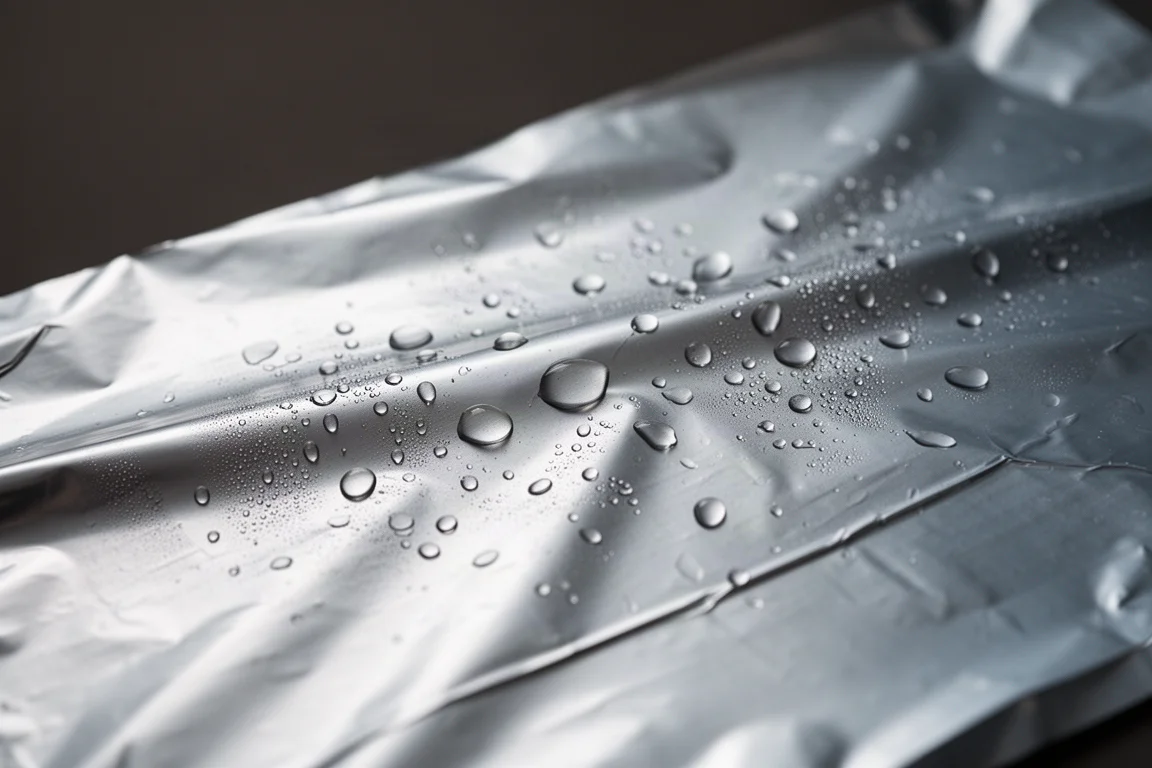
Condensation is the more serious issue. Because the material does not breathe, moisture from the body collects on the inside walls, the ceiling, and the floor. In the test, water was running off the walls by morning and soaking into clothing. For Mylar to reflect heat, it has to sit close to the body, which means the user is in contact with that moisture. Getting damp in cold conditions accelerates heat loss, so a shelter that keeps rain out can still leave you wet from the inside.
The ridge line adds to the problem. The paracord supplied with the shelter stretched overnight, letting the walls sag inward until they rested against the occupant. Once the material is touching you, there is little room to push it away, and the wet surface transfers moisture directly to your clothing.
Setup Complexity and Door Sealing
Pitching the Survive Tent properly takes more skill than the shape suggests. The sides need to be spread and weighted with rocks, the ridge line has to be tensioned, and the whole structure needs to be pulled tight enough to hold its form. That is achievable with moderate bushcraft experience, but it is not a two-tree, one-line job.
The door is the weakest part of the design. There is no hook-and-loop closure or any other fastening, so the flap is held shut with a rock. In calm conditions that is workable. In wind, the material can stretch or the flap can work loose, and sealing it completely is practically impossible. Adjusting one part of the pitch tends to throw off another, and making those adjustments in the dark, without a light, is harder still.
Buying Advice
The Survive Tent costs around $25, and at that price the question is not whether it performs like a tent, because it does not. The question is whether a compact, waterproof, windproof layer is worth carrying for the night when everything else has gone wrong.
If you buy it, treat it as one layer in a system. Keep it sealed and undamaged until you need it, because the material does not tolerate repeated use. Pair it with insulation from the ground, since conduction pulls heat out of the body quickly and Mylar does nothing to stop that. Wear the clothing you would want if you had no shelter at all.
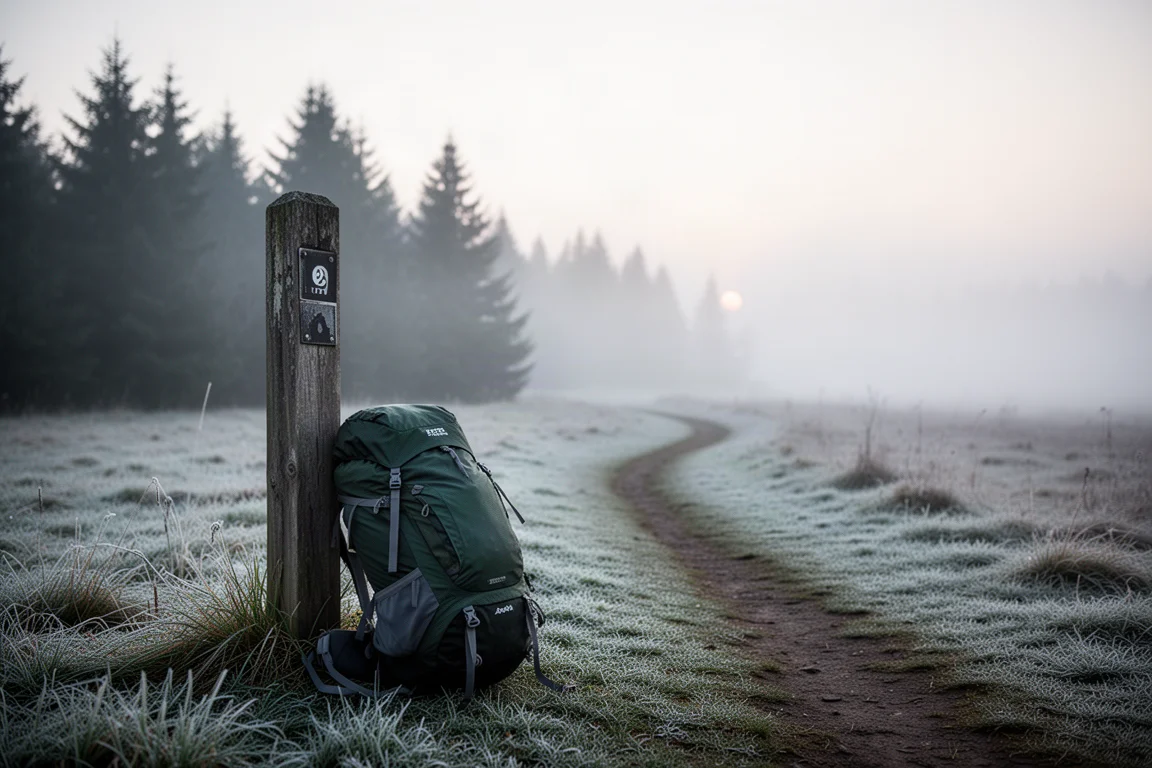
It also helps to understand what the material can actually do. The body loses heat through radiation, conduction, convection, and evaporation. Mylar can slow the rate of heat loss, particularly by cutting wind and shedding rain, but it cannot prevent heat loss or generate warmth. It is better than nothing, and that is the honest description of its performance.
Conclusion
The Survive Tent is a small, light, waterproof Mylar shelter with doors, and the doors are a genuine improvement over the doorless versions that came before it. It blocks wind, keeps rain off, and holds in a small amount of heat.
It is also fragile, prone to heavy condensation, and awkward to pitch and seal. Buyers who understand that it is an emergency item rather than a camping shelter will get the most from it. Anyone expecting comfort, durability, or meaningful warmth should look at other options first.
Product link
View more details for Survive Tent
This product is mentioned in the review. Check the specifications, options, and compatibility before buying.
View more details for Survive TentFurther reading
Related Reviews
Survival Gear
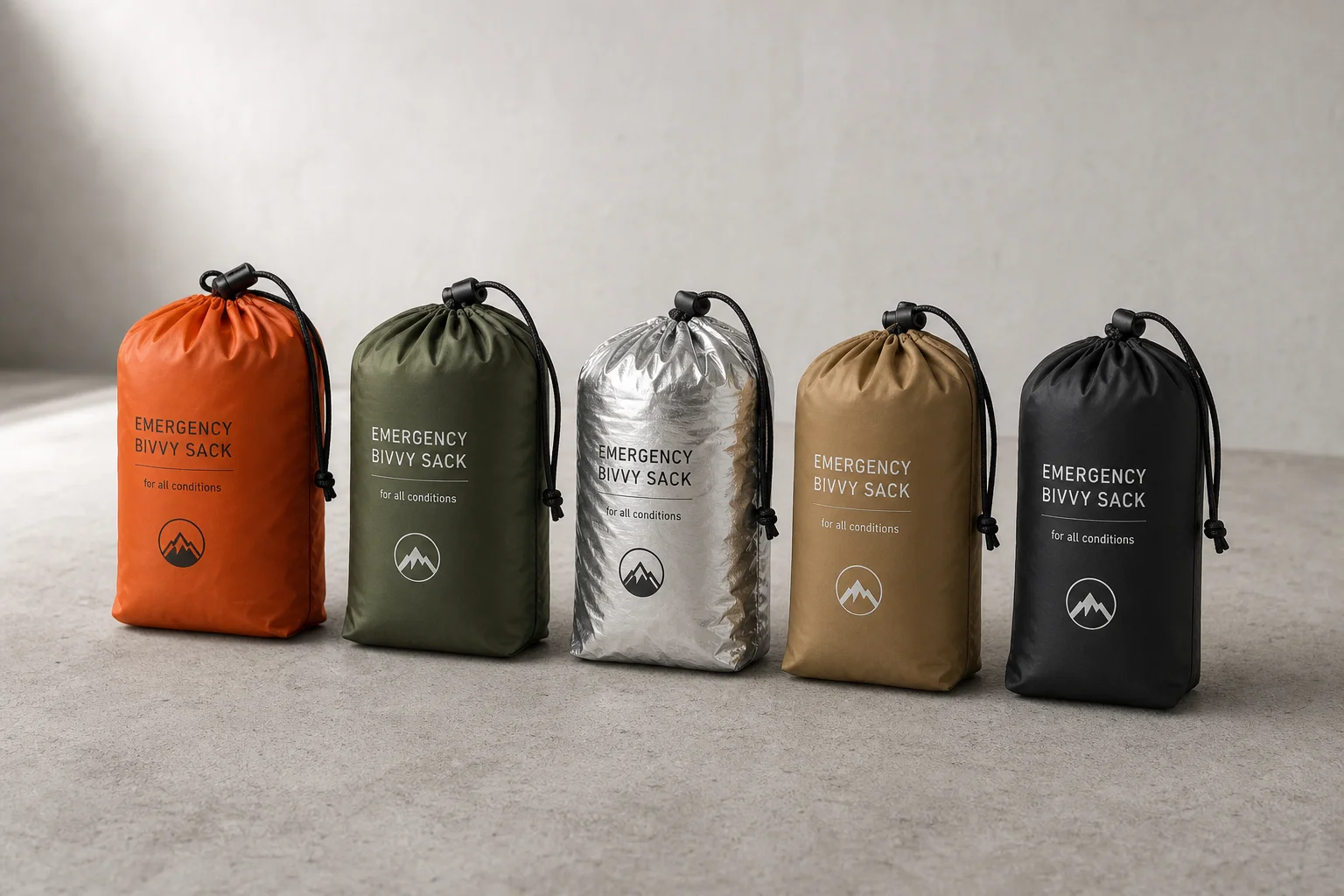
Best Survival Bivvy Sacks 2026: Five Emergency Shelters Tested
Five survival bivvy sacks evaluated for warmth, portability, and reliability in emergency wilderness situations.
Survival Gear
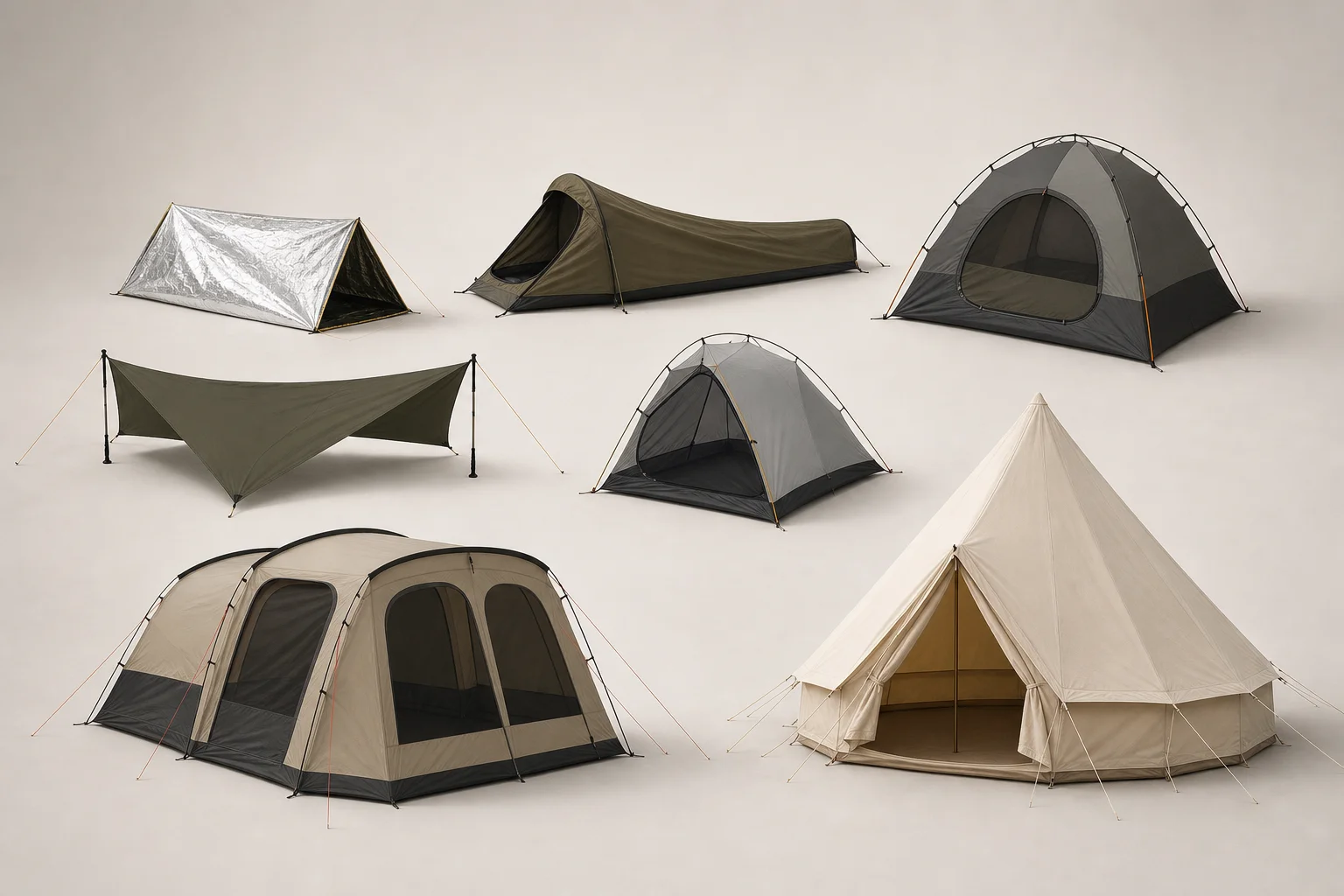
Best Survival Tents: 7 Shelters for Every Situation and Budget
From ultracompact emergency shelters to spacious canvas bell tents, we review seven survival tents trusted by bushcrafters and outdoor enthusiasts.
Survival Gear
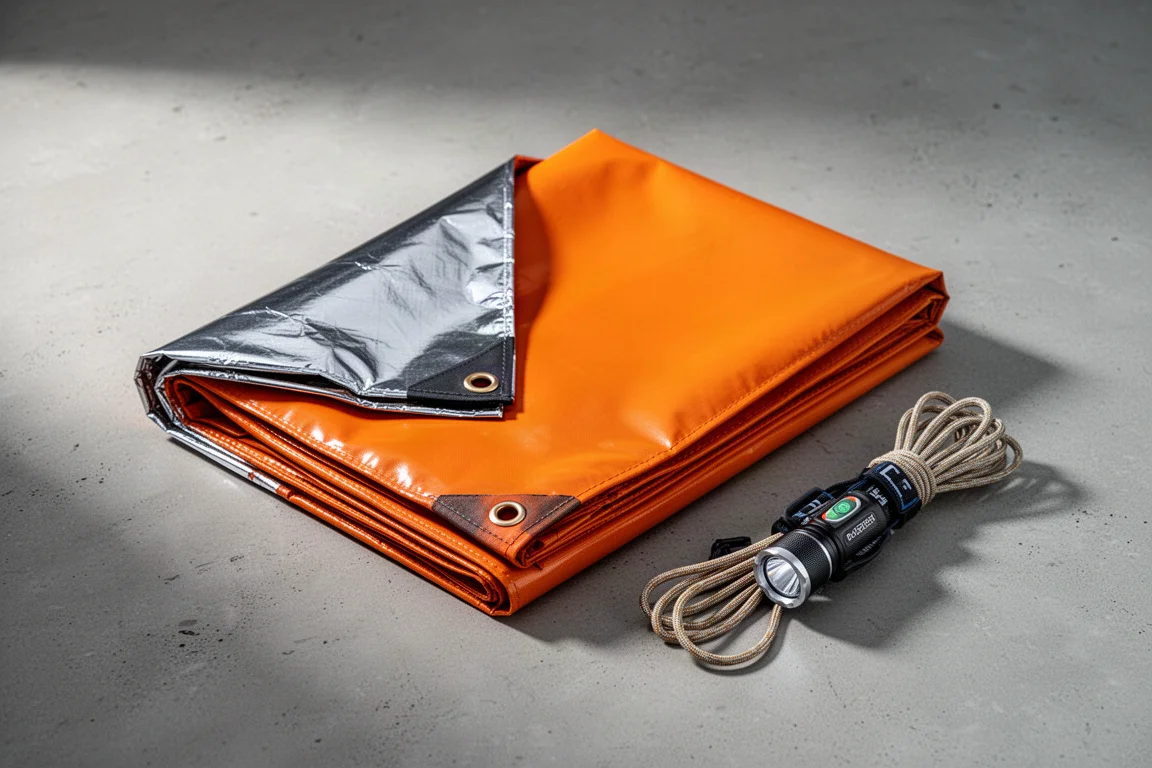
Ozark Trail Emergency Thermal Tarp Blanket Review: Compact Shelter, Not a Blanket
A close look at the Ozark Trail emergency thermal tarp blanket: what a roughly 7 ft by 5 ft Mylar-backed sheet genuinely does well, and why it should never be relied on as a warm layer.