Emergency Shelter
SOL Escape Bivvy Review: A Compact Emergency Shelter and Its Real Limits
A lightweight emergency bivvy that blocks wind and packs down small, but adds very little reflective warmth in cold, breezy conditions. Here is what to weigh before you buy.
Introduction
Every year in the United States, more than 2,000 hikers, backpackers and campers go missing, and the most common reason is simple: they wander off the trail. It can happen when a game trail is mistaken for the hiking path, when someone steps a few paces aside to use the bathroom, or when curiosity pulls them deeper into the trees to look at something. The reason rarely matters. What matters is that daylight is running out and there is no obvious route back.
The warmer months and the early part of fall account for most of these incidents, simply because that is when trails are busiest. That makes a small, packable emergency shelter a sensible thing to carry on a day hike, and it is the category the SOL Escape Bivvy belongs to.
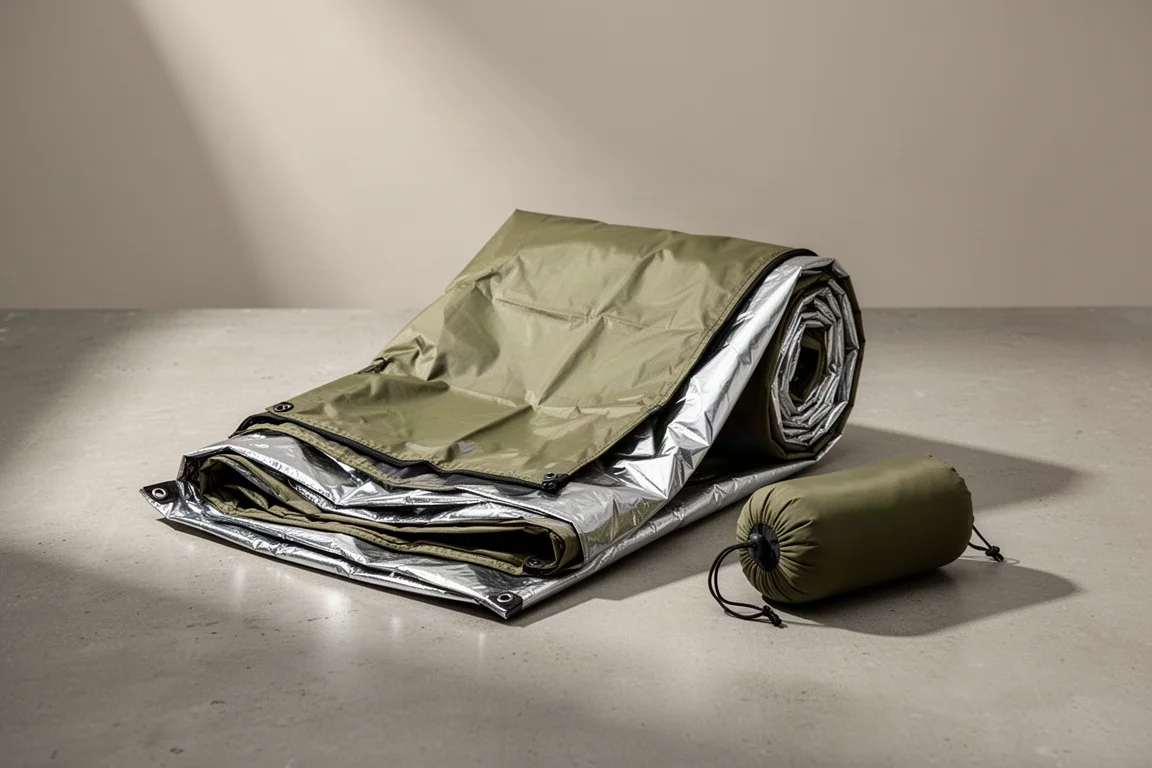
On paper the Escape Bivvy looks like a strong answer to that problem. It is very small and light, weighing roughly 8.5 ounces, and the manufacturer describes it as a sleep system and survival shelter that is windproof, highly water resistant, breathable and highly durable, with a claimed 70 percent reflection of body heat.
Who This Product Is For
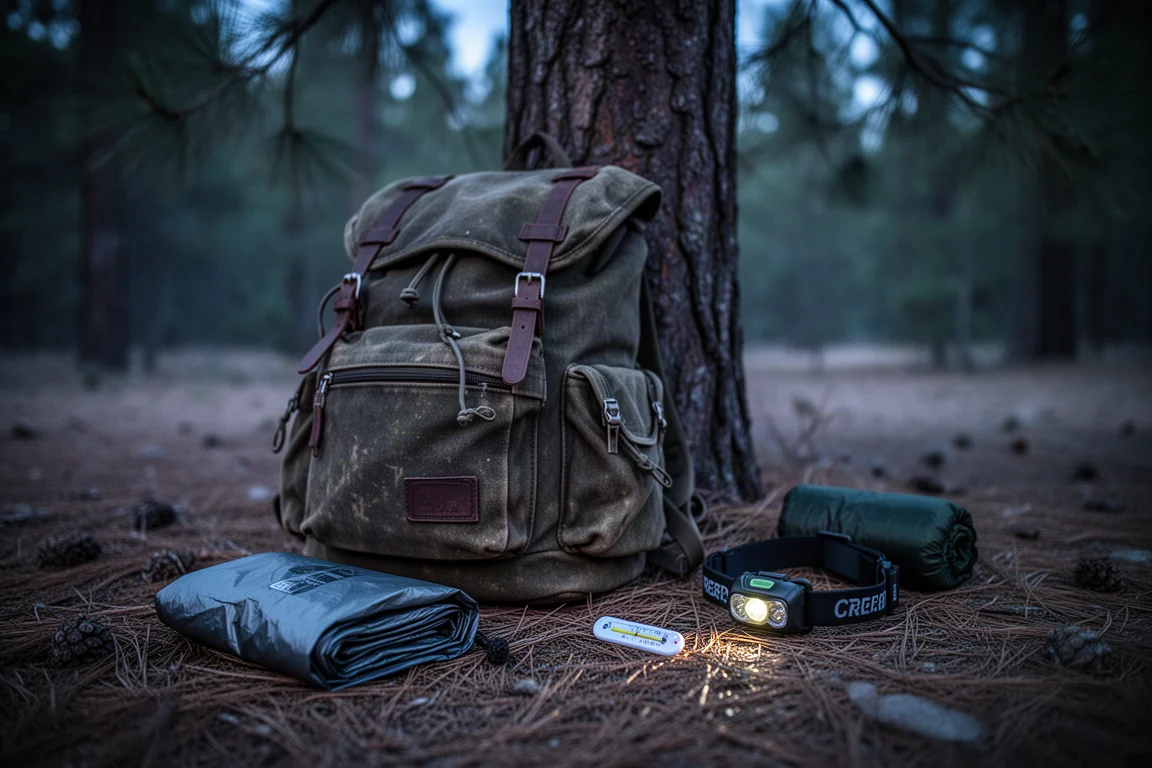
This bivvy is aimed at people who want a compact fallback layer in a daypack without adding meaningful weight or bulk. It suits hikers, backpackers and campers who already carry the fundamentals, such as water, snacks, a light source, cordage and a first aid kit, and who want one more option for an unexpected night out.
It is not a sleeping bag replacement and it is not a tent. The realistic use case is a single unplanned night in moderate conditions, where blocking wind and staying dry matter more than comfort. Anyone expecting to sleep warmly in cold or exposed terrain should look at other shelter options first.
Main Strengths
The practical strengths show up immediately. The Escape Bivvy is genuinely light, packs down small enough to disappear into a daypack pocket, and is easy to keep with you on every outing because it costs you almost nothing in weight.
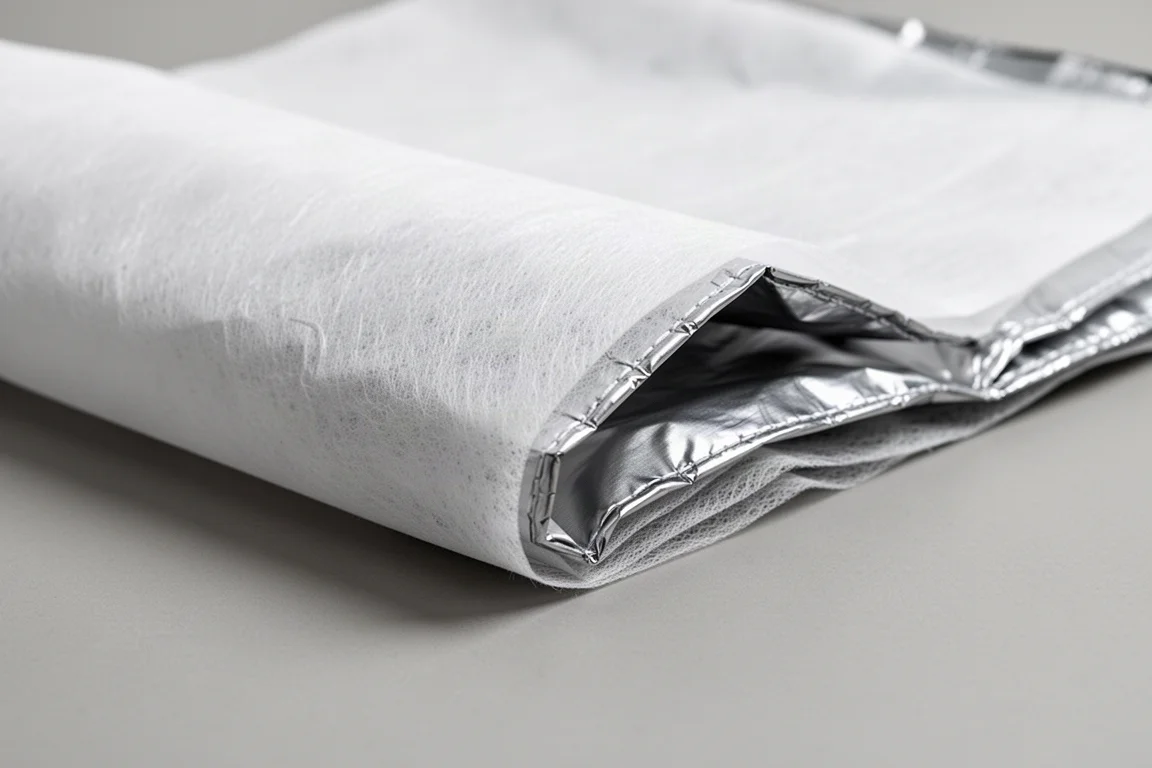
In use, the wind protection is real. With a steady breeze moving through the trees, the bivvy cut the airflow noticeably, and the interior stayed largely dry with only a small amount of condensation. That supports the breathability claim, and it also means the material is unlikely to leave you soaked from trapped moisture the way a fully sealed plastic layer would.
The outer fabric has a durable, paper-like feel that handles being folded and refolded without obvious damage, and the manufacturer’s water resistance claims hold up in light rain. For a piece of gear this small, that combination of wind blocking and light weather protection is the reason it stays in a pack.
Things to Consider Before Buying
The central caveat is warmth, and it comes down to physics. Reflective materials work by radiating your body heat back toward you, but that only happens when there is an air gap between your body and the material. The Escape Bivvy is cut small, so the fabric tends to lie against your clothing. Contact means conduction, and conduction moves heat away from you rather than returning it.
The claimed 70 percent heat reflection should therefore be treated cautiously. In practice the bivvy offered almost no noticeable reflective warmth, and at times it felt cooler inside than outside.
There are two further trade-offs worth knowing. The breathability that keeps condensation low is also what lets heat escape, so the interior never builds meaningful warmth. And the front of the bivvy stays open, which means insects can find their way in around your face and chest. Sealing it closed reduces that problem but introduces moisture from your own breathing.
What an Overnight Test Revealed
Conditions for the overnight test were moderate rather than extreme: a breezy forest setting with temperatures near 50 degrees Fahrenheit, dropping slightly through the night, and high humidity overhead. The bivvy blocked the wind, but the fabric resting on top of the body conducted heat away steadily.
The result was counterintuitive. Sitting on a rock, walking a short loop, or doing a few minutes of gentle movement generated more warmth than lying inside the shelter. The ground beneath offered more insulation than the bivvy above, which is a useful reminder that in a real emergency, piling leaves, spruce boughs or cut limbs under your shelter does more for you than a thin reflective layer on top.
For anyone weighing this product, the honest summary is that it performs as a windbreak and a light rain barrier, not as a heat-trapping shelter.
How It Compares to a Tarp or Mylar Blanket
A simple, inexpensive mylar tent or blanket shares the same air-gap requirement, but a loose blanket can be wrapped with space around the body, which is where reflective materials actually work. A lightweight tarp is the stronger option overall: pitched in storm mode it gives full wind protection, holds some warmth, keeps condensation away from you, and can be set up above or below the treeline with the right technique.
That comparison matters because it reframes the purchase. If you want one compact item for emergencies, a tarp or a basic mylar shelter delivers more usable protection per gram than a tight-fitting bivvy that sits against your clothes.
Buying Advice
The Escape Bivvy retails for around $67, though it is often available closer to $56. At that price the question is not whether it is well made, because it is. The question is whether it does enough to justify the space in your pack.
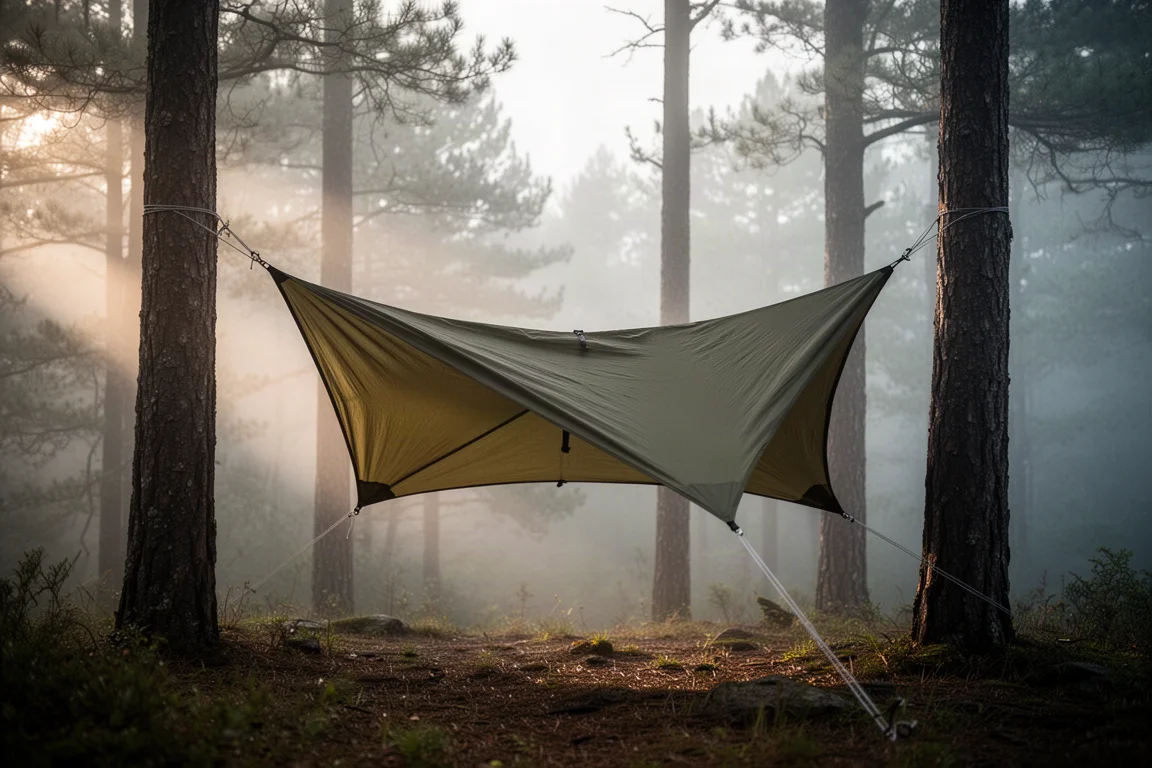
If you do carry it, carry it for what it is: a windbreak and a light rain layer that keeps you marginally drier. Do not count on it for warmth, and do not let it create a false sense of security that keeps you on the trail longer than you should be.
Preparation is the part that actually protects you. Download an offline map before you leave, use GPS where you can, and carry a paper map and compass if you know how to read them. A personal locator beacon or satellite communicator is worth considering for remote routes, though both the hardware and the monthly subscriptions are expensive, and not everyone will carry one. Nothing replaces knowledge, skill, good equipment and proper clothing.
Conclusion
The SOL Escape Bivvy is small, light and genuinely windproof, and it stayed mostly dry overnight. It also added almost no reflective warmth, and in cool, breezy conditions it left the user colder than the surrounding air. For an emergency shelter, that is a meaningful limitation, and it is the reason a lightweight tarp or a simple mylar option remains the more dependable choice for the same role.
Product link
View more details for SOL Escape Bivvy
This product is mentioned in the review. Check the specifications, options, and compatibility before buying.
View more details for SOL Escape BivvyFurther reading
Related Reviews
Hi-Fi Speakers
Acoustic Energy AE1 40th Anniversary Review: A Modern Take on a British Classic
A compact standmount that revives a 1980s favorite with all-new parts, a warm mid-centric balance, and a price of £1,499 per pair.
Studio Monitors
ADAM Audio A8H Review: A Three-Way Studio Monitor That Also Knows How to Have Fun
A three-way active studio monitor with an 8-inch woofer, a handmade AMT tweeter, and two distinct tunings, the ADAM Audio A8H aims to satisfy both critical work and everyday listening.
Coffee Brewing
AeroPress Clear Review: A Transparent Upgrade With Caveats
The new AeroPress Clear uses Tritan material and costs $50, but doesn't brew better coffee than the original. We tested durability, staining, and what the price increase means for the brand's future.