Backpacking Gear
7 Surprising Backpacking Gear Picks Worth a Closer Look
Seven backpacking items that overturned first impressions, from a comfort-first sleeping pad to a freestanding tent, with the trade-offs worth knowing before you buy.
Introduction
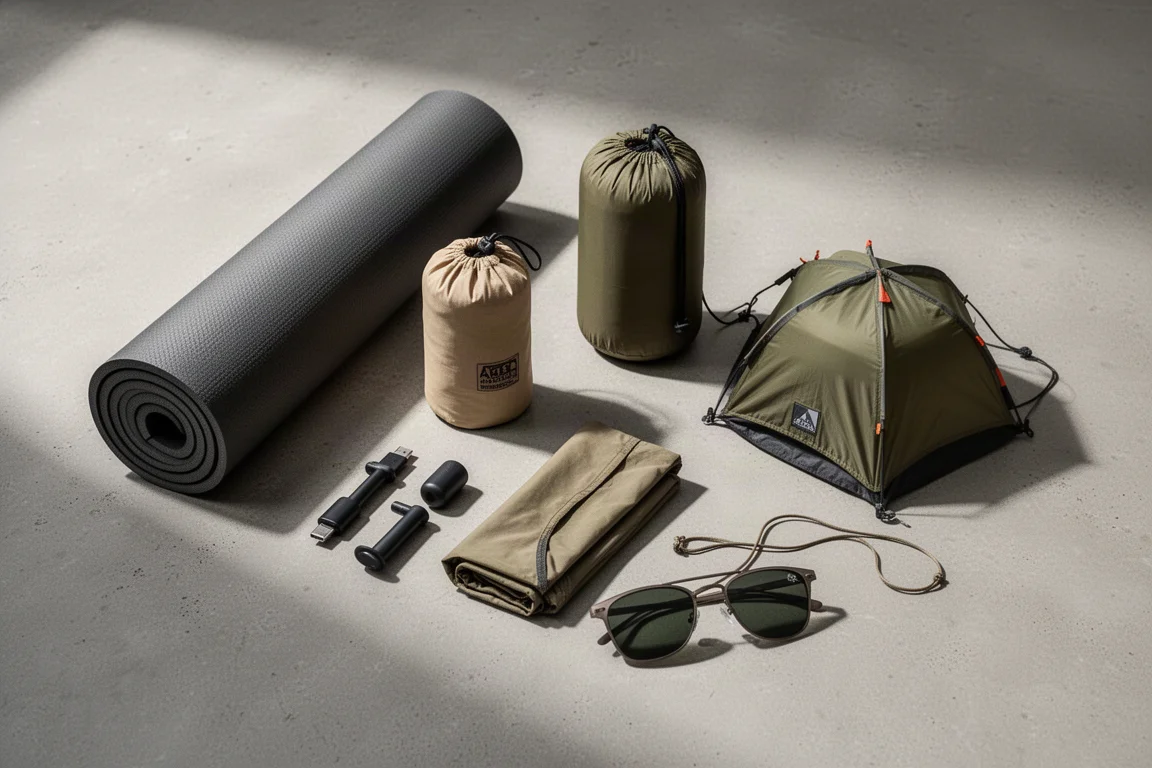
Some gear earns a place in a pack only after it proves itself, and a few items overturn expectations along the way. The seven products below all started as doubts. A sleeping pad from a brand known for firm, flat-feeling mats. A bear bag that looked likely to be heavier and more expensive than the established alternative. A freestanding tent that seemed to repeat what every large brand already sells. Each one turned out to be more interesting than its first impression suggested, and each has a clear place in a kit for the right kind of trip.
How These Picks Were Chosen
The common thread here is field performance rather than spec-sheet appeal. Every item was used on real trips: nights on the ground, exposed campsites, wet weather, and long days carrying it all. Weight and packed size mattered, but so did the less measurable qualities, such as how a pad feels at hour six, whether a tent can be pitched in wind without a fight, and whether a small accessory genuinely earns the space it takes up. Price positioning was weighed against those benefits rather than on its own, since a lighter and more capable item can justify a higher outlay.
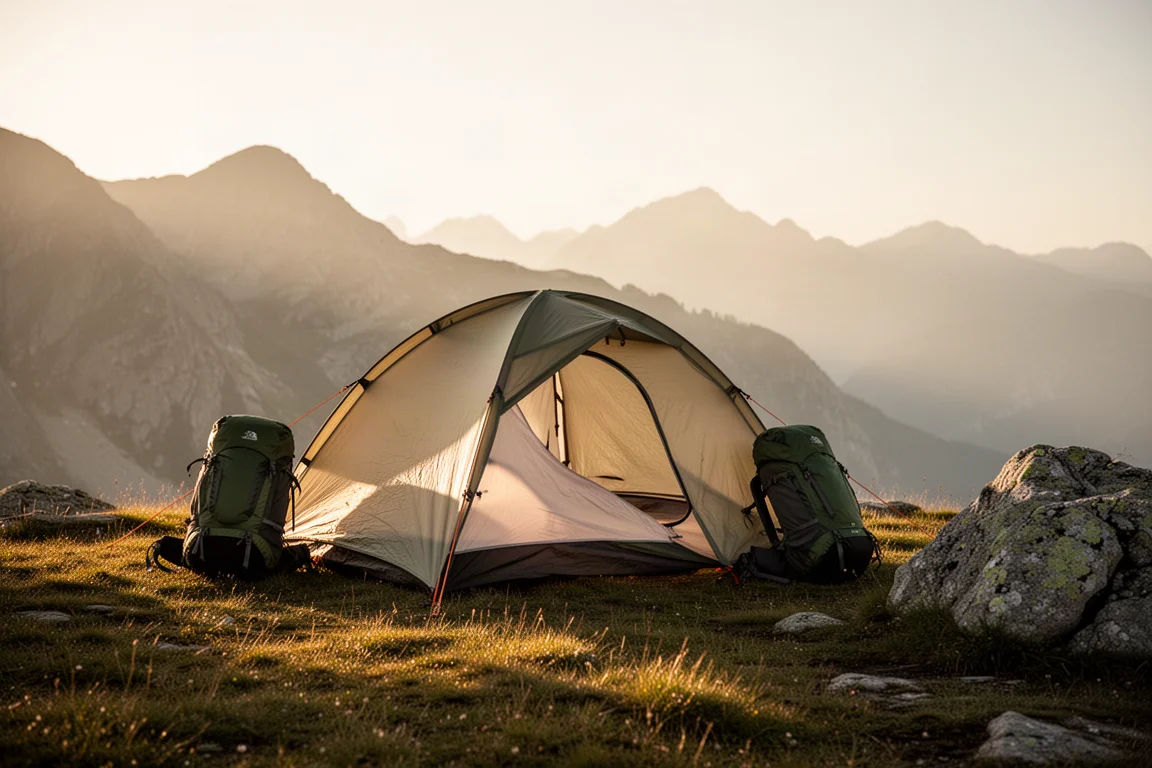
Durability carried real weight in these decisions too. Several of the picks spent months being tossed into a ditty bag, crushed in a pack, and set up in the rain, which is a better test than any lab figure. Where a claim could not be verified in the field, that limitation is noted in the sections below.
Therm-a-Rest NeoLoft: Comfort That Does Not Need Bulk
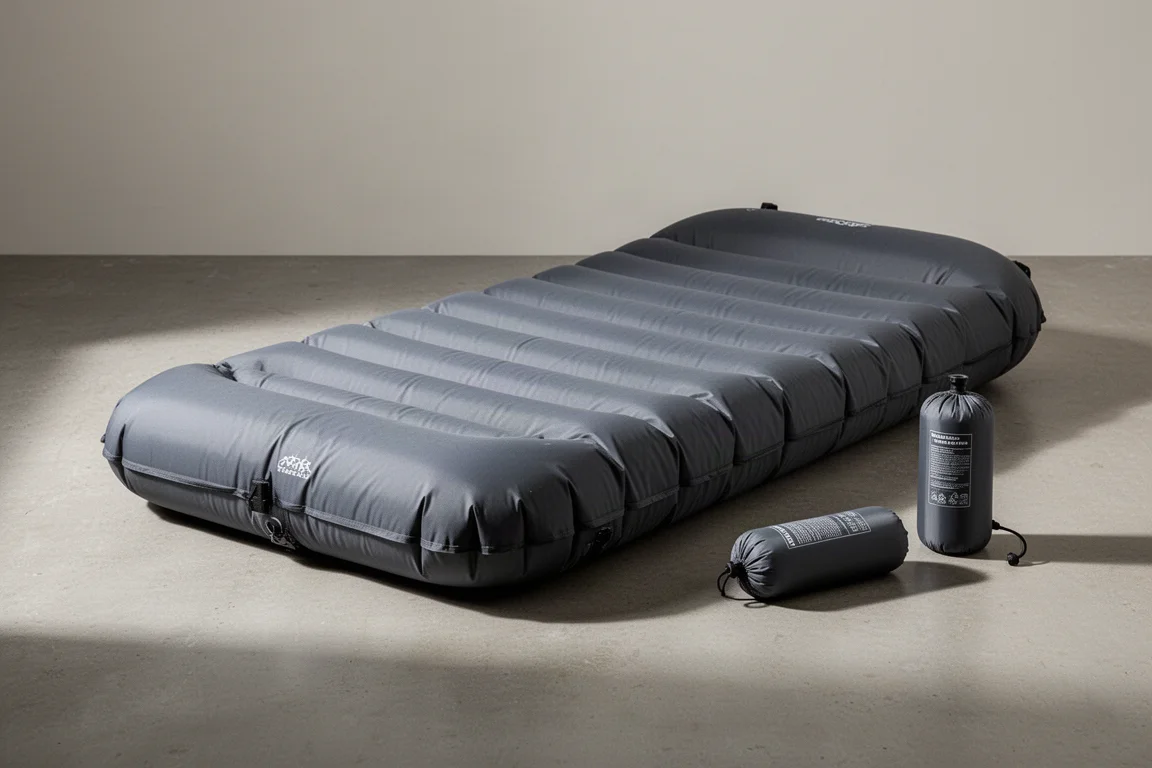
The NeoLoft looked, at first glance, like every other pad from the same brand: warm and well built, but not especially comfortable, and likely heavy and bulky for backpacking. The specifications told a different story, and the pad turned out to be far more compact and lighter than its inflated size suggests. Two patented construction technologies, the Triangular Core Matrix and ThermaCapture, make that possible by combining warmth and packability in a thin profile.
Comfort is where the design gets genuinely interesting. The pad is 4.6 inches thick, which makes it one of the thickest options available under a kilogram. That thickness lets you release some air and sleep on a noticeably softer surface without bottoming out on the ground. The top fabric is also stretchy, and that is what changes the feel most. Horizontal baffles have long been the weak point of this brand’s pads, often leading to numb, tingling arms overnight. The stretchy surface softens that effect and lets you sink in slightly, which improves pressure relief considerably.
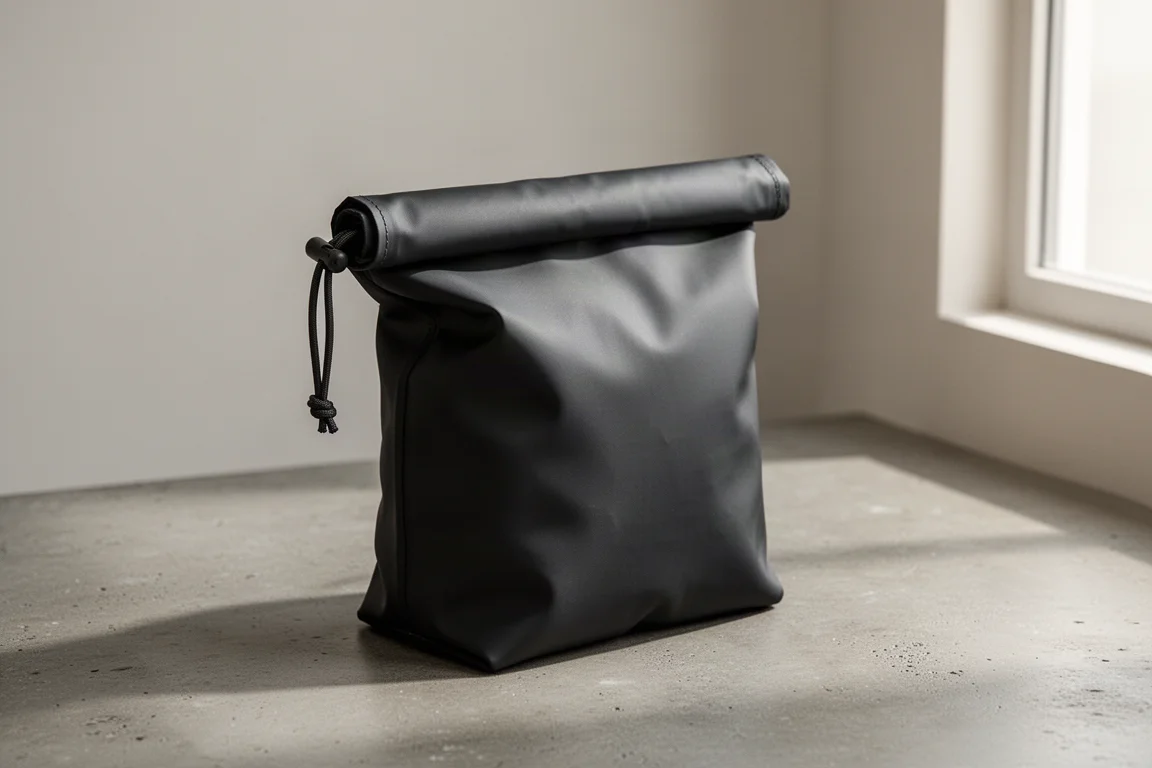
Aotech Bear Bag: Waterproof, Lighter, and Critter Resistant
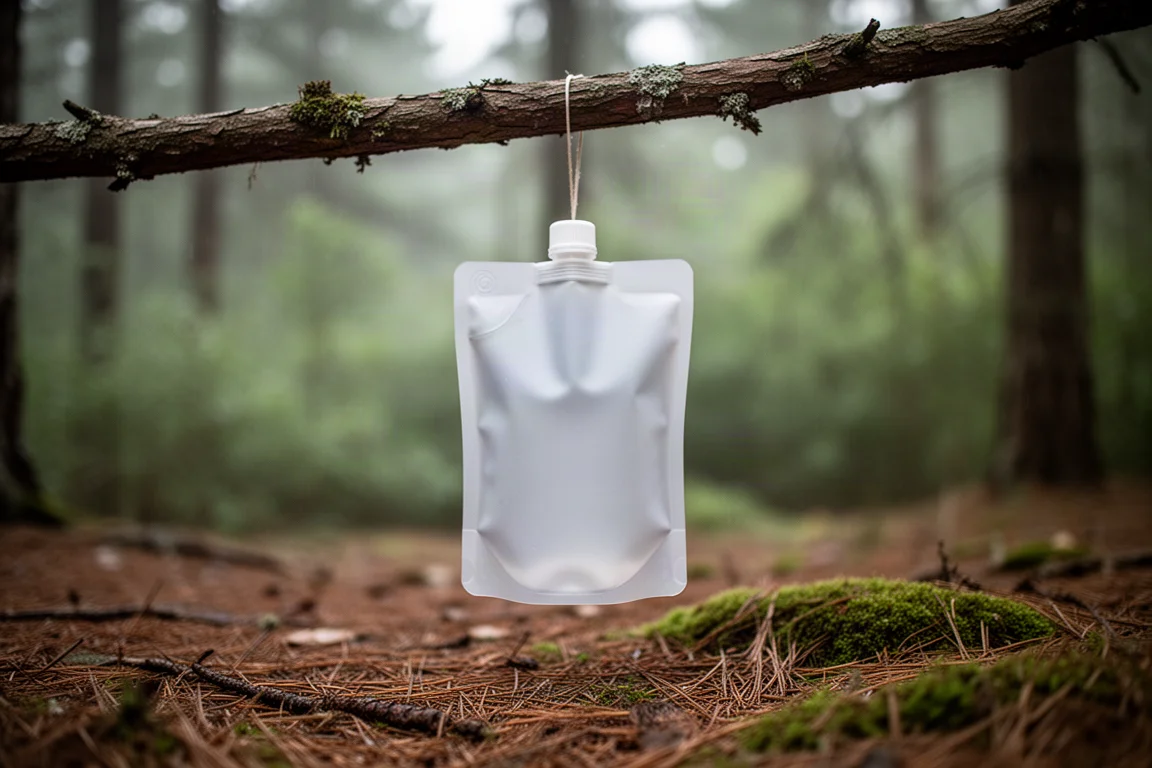
The Aotech Bear Bag is IGBC certified for grizzly bears, which means it has been tested against bears that are used to working at food bags, and it held up. The natural comparison is the established alternative in this category, and on paper the Aotech looked like it would be heavier, more expensive, and no more capable. In practice it is a couple of ounces lighter, and it brings one feature that changes how it performs: the fabric is waterproof.
Waterproofing matters more than it sounds. If a bear compresses the bag, liquid contents inside cannot leak out and reward the animal, which makes the bag a more effective deterrent. It also helps in rain, where absorbent fabrics pick up water and become heavier to carry. The material is also described as critter resistant, aimed at squirrels, chipmunks, and porcupines that have chewed through bags in the past. That claim has not been verified in the field yet, but if it holds, it goes a long way toward justifying the higher price.
The trade-off is straightforward: this bag costs more than the alternative it competes with. For anyone who has dealt with leaking food, soaked bags, or rodent damage, the added resistance is the reason to pay it.
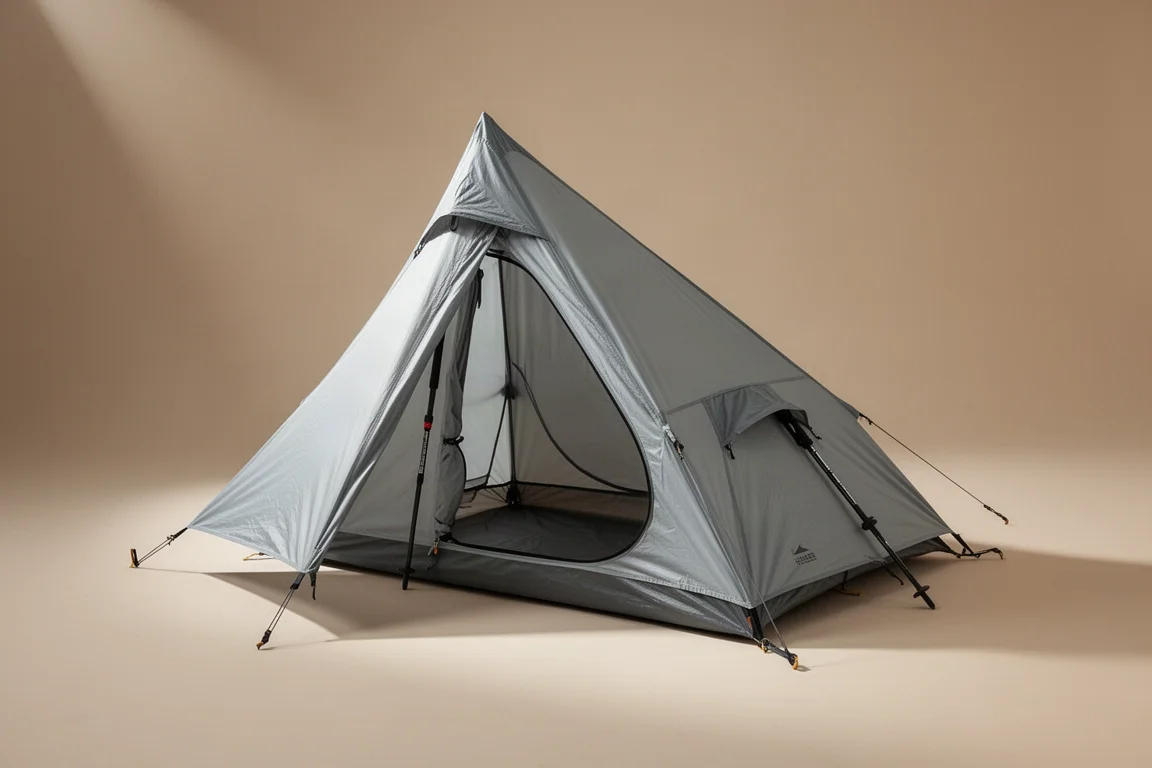
Durston X-Mid 1: A Freestanding Tent Worth Carrying
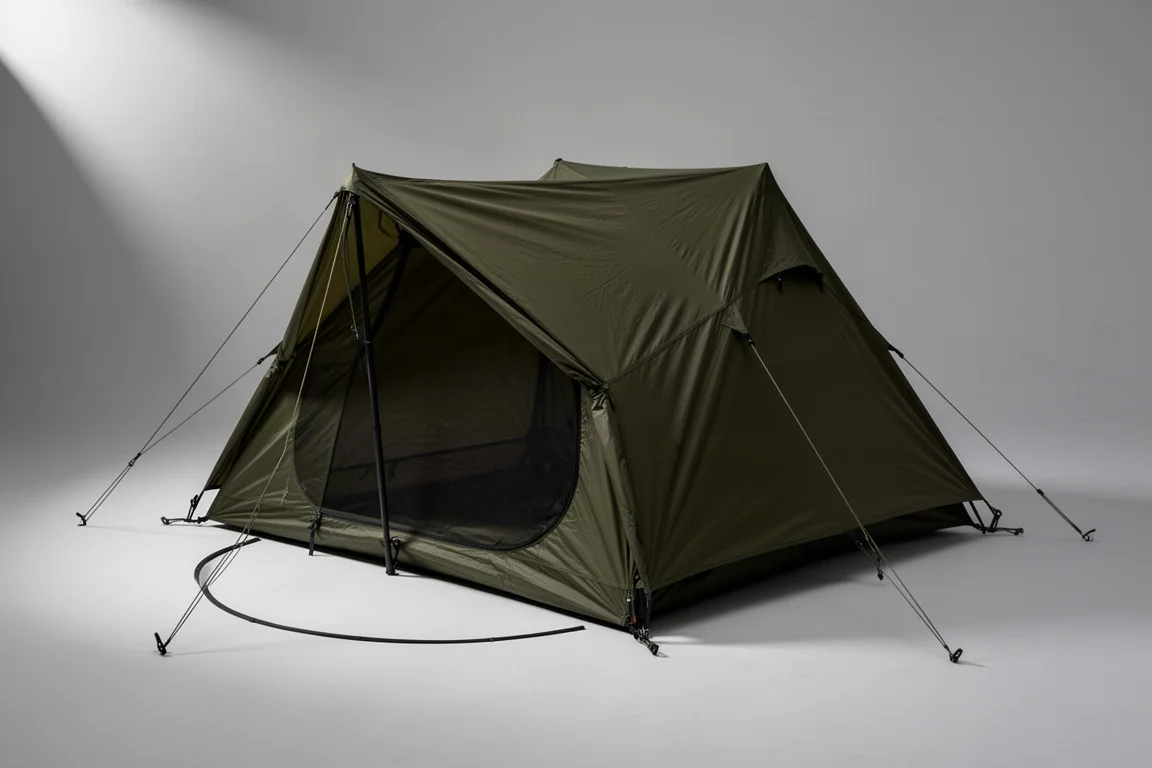
Skepticism was high here. The one-person model in this line had never been a favorite, and early looks at the X-Mid 1 suggested another generic freestanding tent of the kind sold by every large brand. Digging into the design, features, and specifications changed that, and after testing it, this is likely the default tent for most trips short of a strict ultralight kit.
Two things drive that. First, it is freestanding, which adds versatility in snow, hard ground, and rock, where staking out a tent becomes difficult. Second, and rarer for a freestanding tent from a North American brand, it uses an all-in-one pitch. That makes setup easier, keeps the inner dry while pitching in rain, and helps the tent hold together in wind. It has already come through 65 km/h winds without a problem, and with small modifications it could likely take more. A few refinements would still make it shine, but even as it stands it is the strongest one-person freestanding option available.
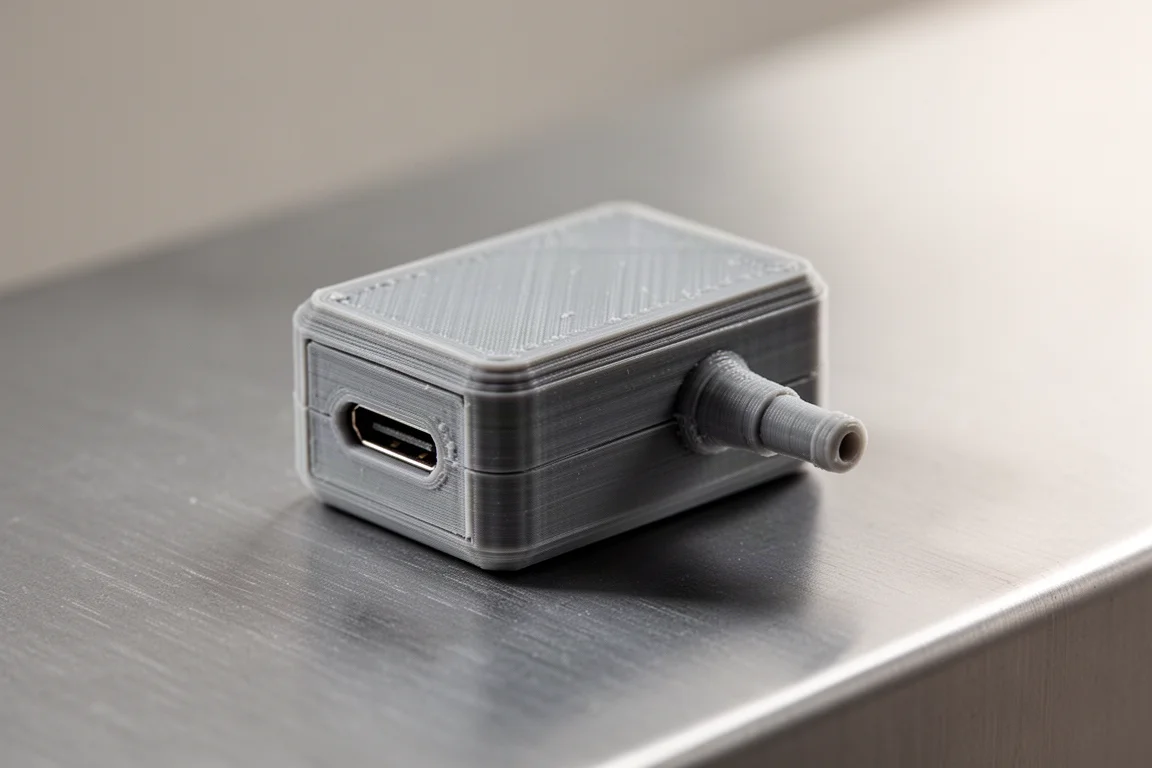
Pad Pal: A 3D-Printed Pump Under 10 Grams
The Pad Pal is 3D printed, and it looks fragile enough that breaking it seemed inevitable. After multiple trips spent loose in a ditty bag, being crushed and jostled, it has not broken or shown signs of failing. Skepticism also extended to pressure: small pumps like this rarely reach a high enough PSI to finish the job, so a few breaths at the end are usually required. That turned out to be true here as well.
What wins the argument is the weight. At under 10 grams, it is easy to justify carrying. It runs from a USB-C battery bank, or directly from a phone if you are traveling without one, which means an ultralight kit can still inflate a pad without a pump sack. Compared with the quieter option in this category, the Pad Pal inflates a pad faster, and it is noticeably louder. On solo trips, speed is usually the better trade.
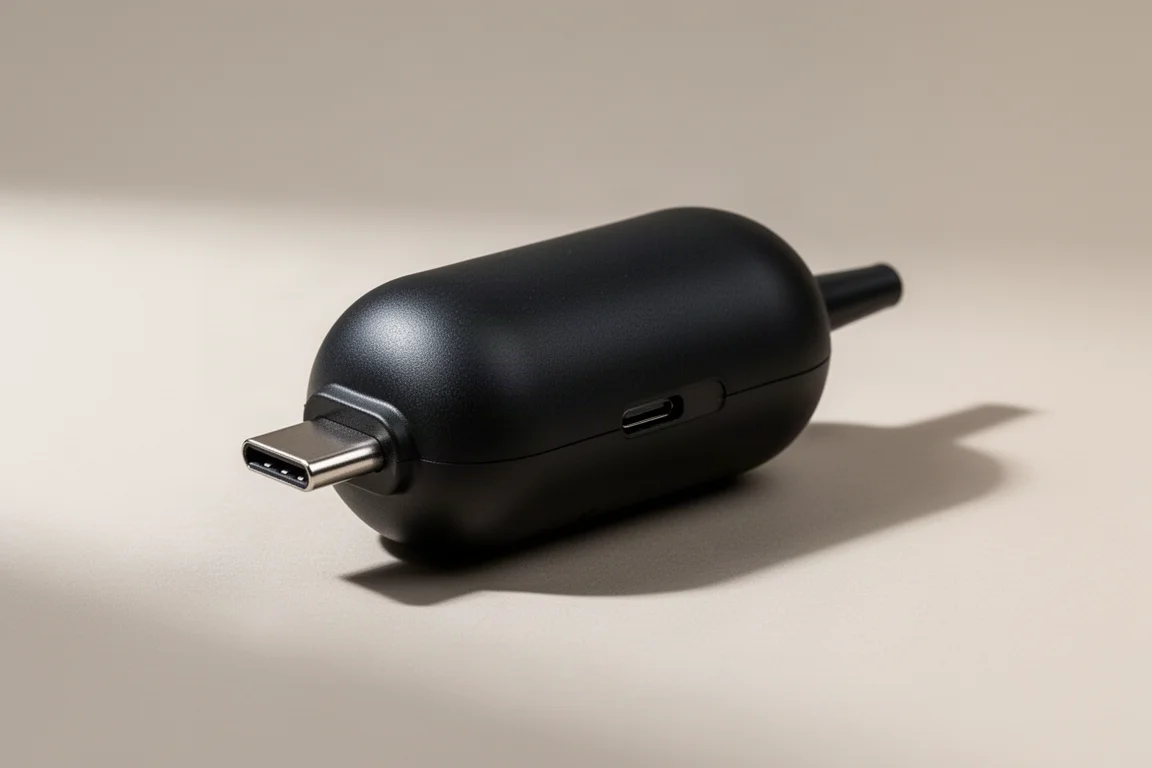
Alpenblow: The Quieter Pump Option
The Alpenblow takes the same idea and trades speed for quiet. Its molded plastic housing feels more substantial than a 3D-printed body, and after the same treatment in a pack, it has held up just as well. It also runs from a USB-C battery bank or a phone, and it weighs under 10 grams.
The same caveat applies: it does not reach a high enough pressure to fully inflate a pad on its own, so a few breaths finish the job unless you prefer sleeping on a soft, underinflated surface. Both pumps sit at a higher price than many larger sleeping pad pumps, which is the main reason they will not suit everyone. For anyone who shares a campsite or pitches close to others, the quieter operation is the reason to choose this one.
Tarptent ArcDome: A Storm-Worthy Two-Person Shelter
This tent looked like a joke at first, a very large cross-pole dome that seemed to exist as a playful answer to a rival design. It is the largest cross-pole dome tent around, which raised real doubts about how it would handle genuinely severe weather. Those doubts did not survive testing. The ArcDome is a two-person shelter, heavier than a one-person freestanding tent, and that extra material is exactly what makes it stable: it has handled 73 km/h winds without trouble and could likely go further.
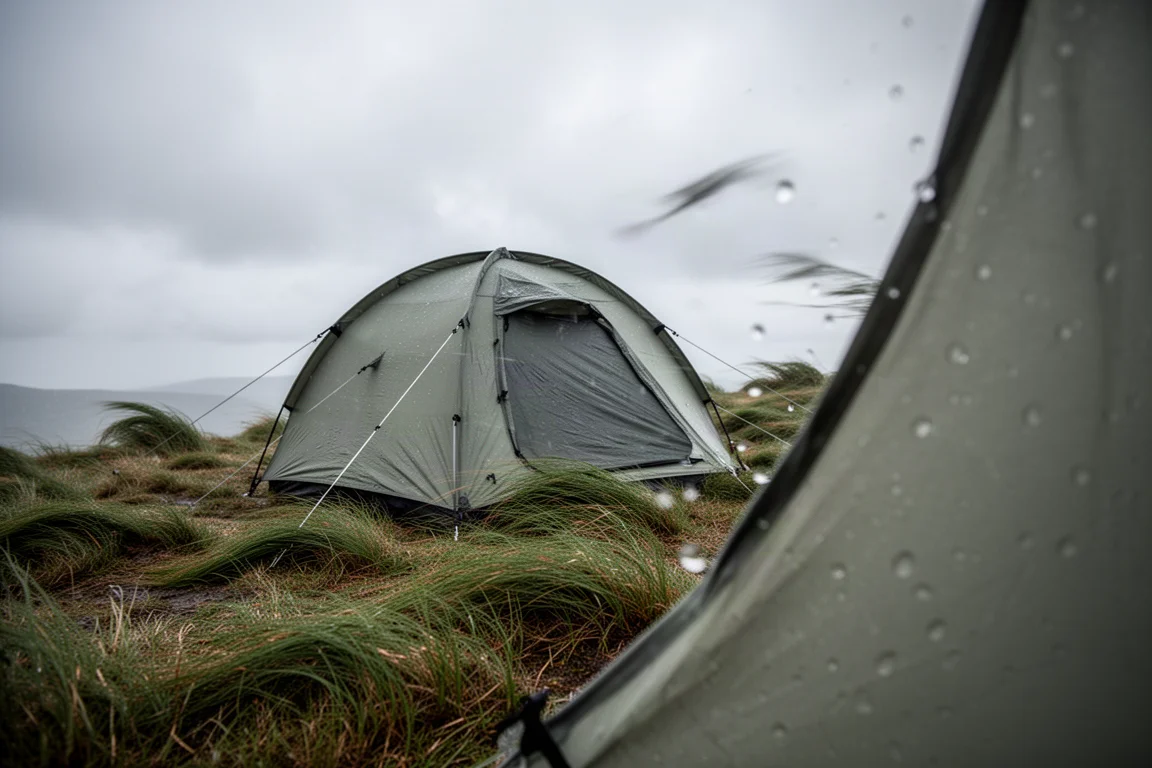
The more useful surprise is interior space. Many storm-worthy mountaineering tents are cramped, fitting two people only on narrow 20-inch pads. The ArcDome takes two 25-inch wide pads without a struggle and still leaves room, with two vestibules and internal pockets for organization. At 1.7 kg it stays relatively light for how capable it is, since tents in this class often push past 2 kg. For trips where the weather is the main concern and the shelter is shared, this is the one to take.
Ombraz Sunglasses: No Arms, No Lost Sunglasses
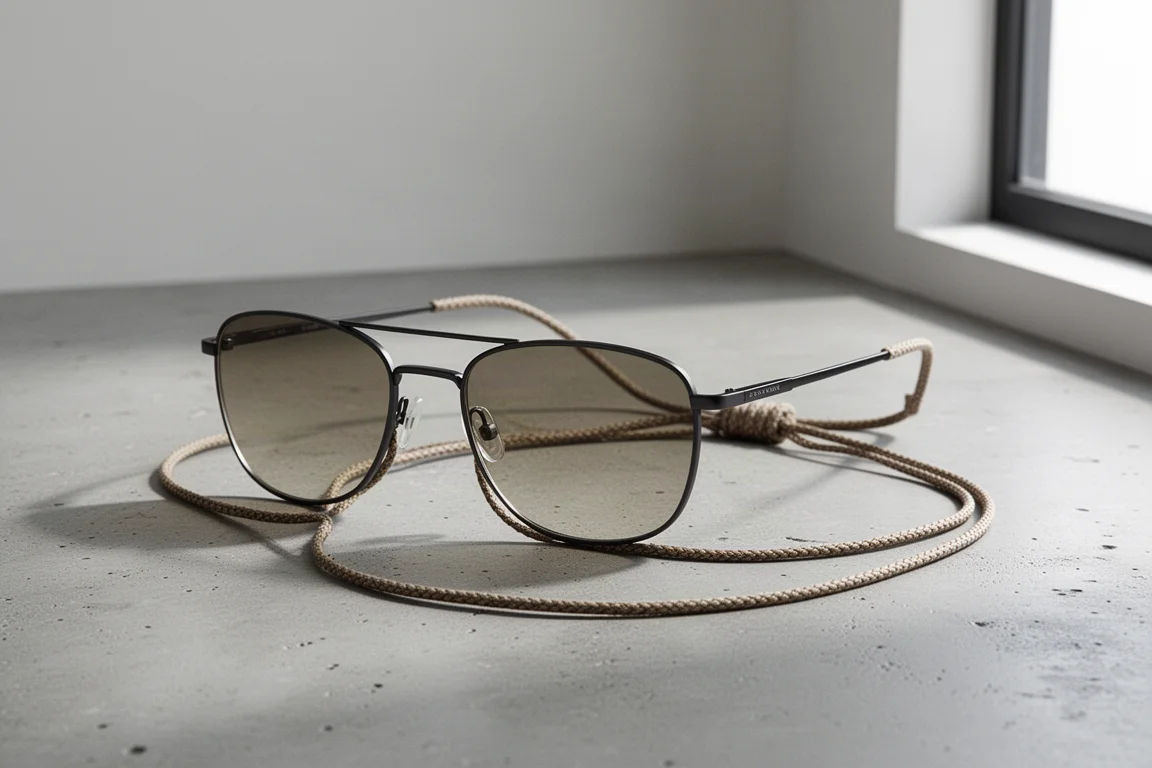
These looked like a gimmick: a cord on a pair of frames, sold at a premium, and awkward to put on and take off. A season of use changed that assessment for two practical reasons.
The first is durability. Arms are the part that breaks on sunglasses, and removing them removes the failure point. A cord that wraps around the head and tightens holds the glasses in place without any hinge to snap. The second is retention. Sunglasses get set down and left behind, and after losing multiple pairs on a long thru-hike, that pattern stopped here. These stay on your person: worn on the head, or loosened and hung around the neck when not needed. They remain slightly fiddly to take on and off, and the price is high, but after nearly a year of hiking, backpacking, running, and driving, they have not broken and have not been lost.
Matching Gear to Your Trips
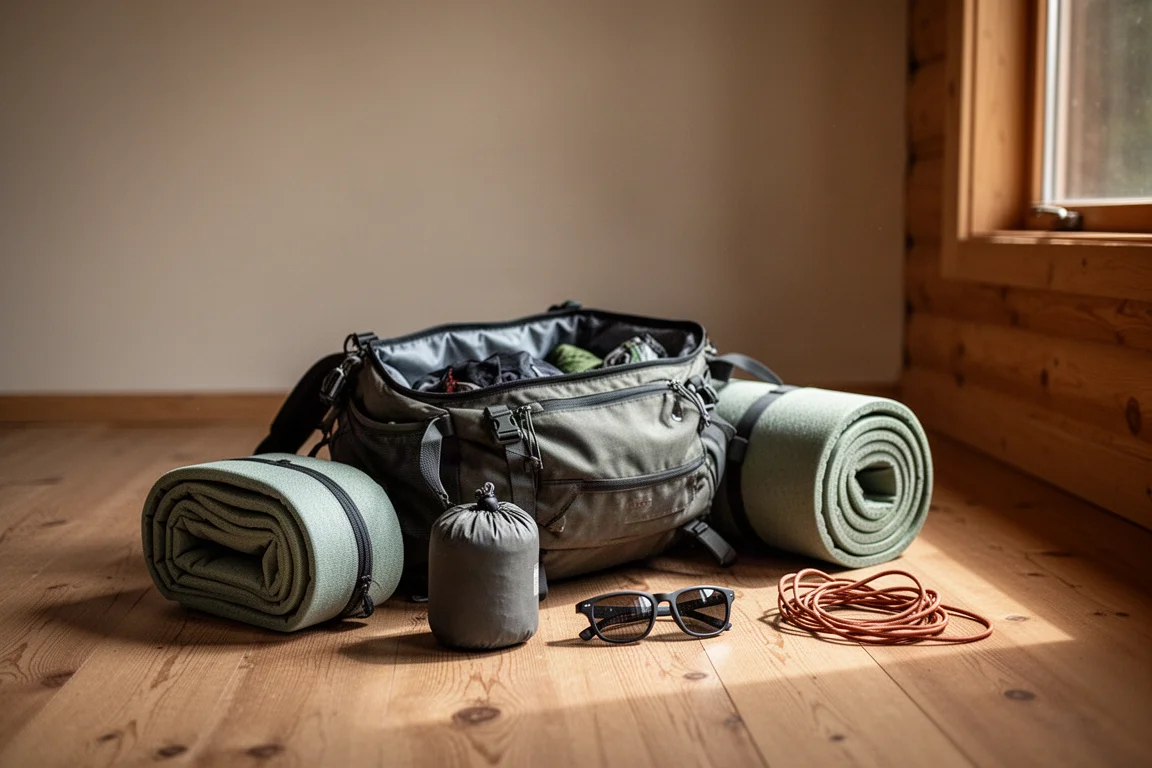
None of these items is a universal upgrade, and the useful question is which problem each one solves. A comfort-focused pad matters most if you sleep badly on firm surfaces. A lighter certified bear bag matters if you regularly travel in bear country and have dealt with soaked or chewed bags. A freestanding tent earns its weight on rock, snow, and hard ground. Ultralight pumps make sense if you already count grams. A storm-worthy two-person dome suits shared trips in exposed terrain, and armless sunglasses suit anyone who keeps breaking or losing them.
It also helps to weigh each purchase against how often the benefit shows up. Gear that quietly removes a recurring annoyance, whether that is a cold night, a soaked food bag, or a broken hinge, tends to be worth more over a season than gear that only looks good in a specification table.
Conclusion
All seven of these items started as doubts and ended as recommendations for the right kind of trip. The pattern is consistent: the value comes from solving a specific problem well, whether that is pressure relief on a sleeping pad, waterproofing in a bear bag, wind stability in a tent, or simply not losing your sunglasses again. Match the item to the trip and the cost is easy to justify.
Further reading
Related Reviews

Backpacking Gear
Building a 10 lb Base Weight: An Ultralight Backpacking Gear List
A practical walkthrough of the ultralight pieces behind a 10 lb base weight, from a 765 g pack and a roomy one-person tent to a full camp chair and a dependable water filter.

Backpacking Gear
A 15-Pound Lightweight Backpacking Gear List for Solo Trips
A beginner-friendly 15-pound backpacking setup built from easy-to-find gear, with notes on what each piece does, how it packs, and where to spend your attention.

Backpacking Gear
8 Ultralight Backpacking Gear Upgrades Worth Carrying
Eight small, affordable backpacking upgrades that solve real trail annoyances, from a pillow that stays put to a fuel valve that rescues leftover canister gas.