Backpacking Gear
Surprising Backpacking Gear 2026: Six Pieces That Earned Their Place
Six backpacking items that looked doubtful on paper and turned out to be genuinely useful, from a thick comfort-focused sleeping pad to a waterproof bear bag and sub-10-gram pad pumps.
Introduction
Some gear earns attention before you ever use it. Other gear earns it slowly, after you stop expecting much. The six items below all landed in the second category: each one looked questionable on paper, and each one turned out to be more useful on a real trip than the first impression suggested.
This is not a list of the lightest or the most extreme options. It is a list of items that solved a practical problem in a way that made them worth carrying again.
Therm-a-Rest NeoLoft: A Comfort Pad That Changed Expectations
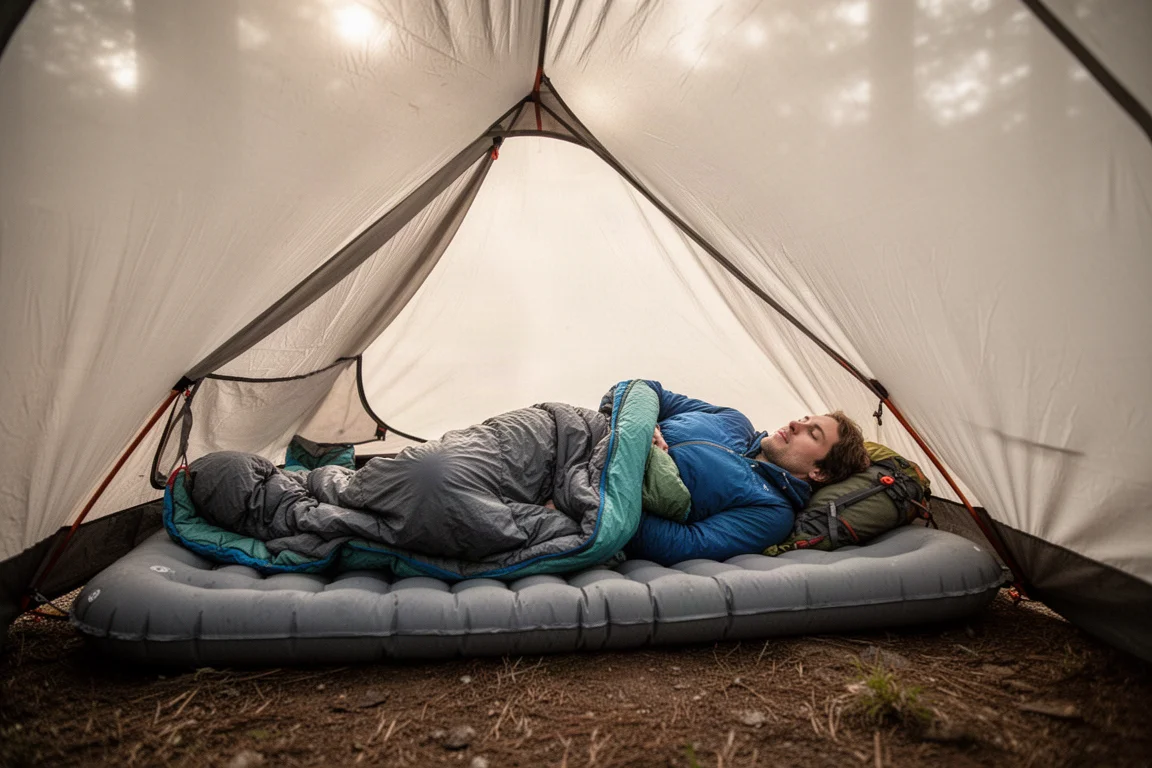
Therm-a-Rest pads have long been known for warmth and reliable construction, but comfort has historically been the weak point for some sleepers. The NeoLoft changes that picture in a way that is genuinely noticeable on the first night.
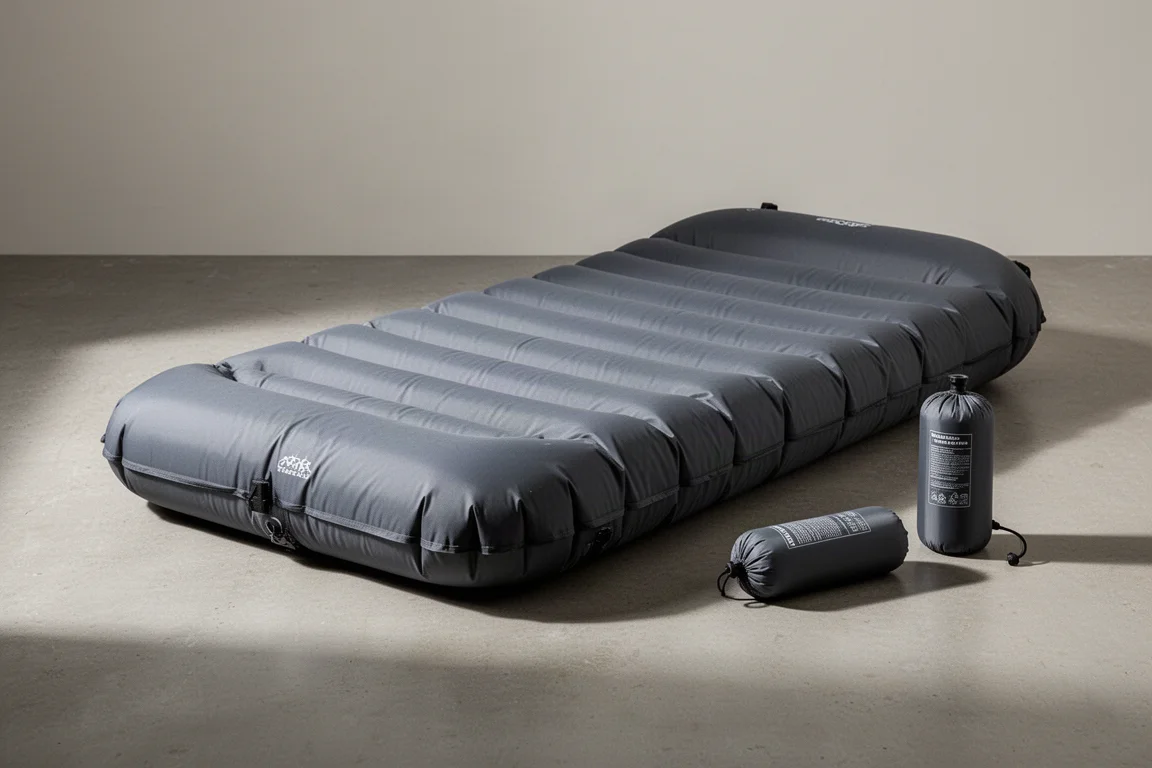
The headline number is thickness. At 4.6 inches, the NeoLoft is among the thickest sleeping pads available in a sub-kilogram package. That thickness does two things. It lets you fine-tune firmness by letting a little air out without bottoming out against the ground, and it keeps the pad supportive even when you sleep soft. The top surface is also stretchy, which matters more than it sounds. It softens the horizontal baffle structure that has traditionally caused pressure points, so arms are less likely to go numb over a full night.
Compactness is the other surprise. Despite the inflated size, the pad packs smaller and lighter than its dimensions suggest, thanks to the brand’s patented baffle and heat-capture technologies. It is a strong pick for backpackers who have always wanted a warmer pad but could not get comfortable on one.
AOTech Bear Bag: Waterproof and Critter Resistant
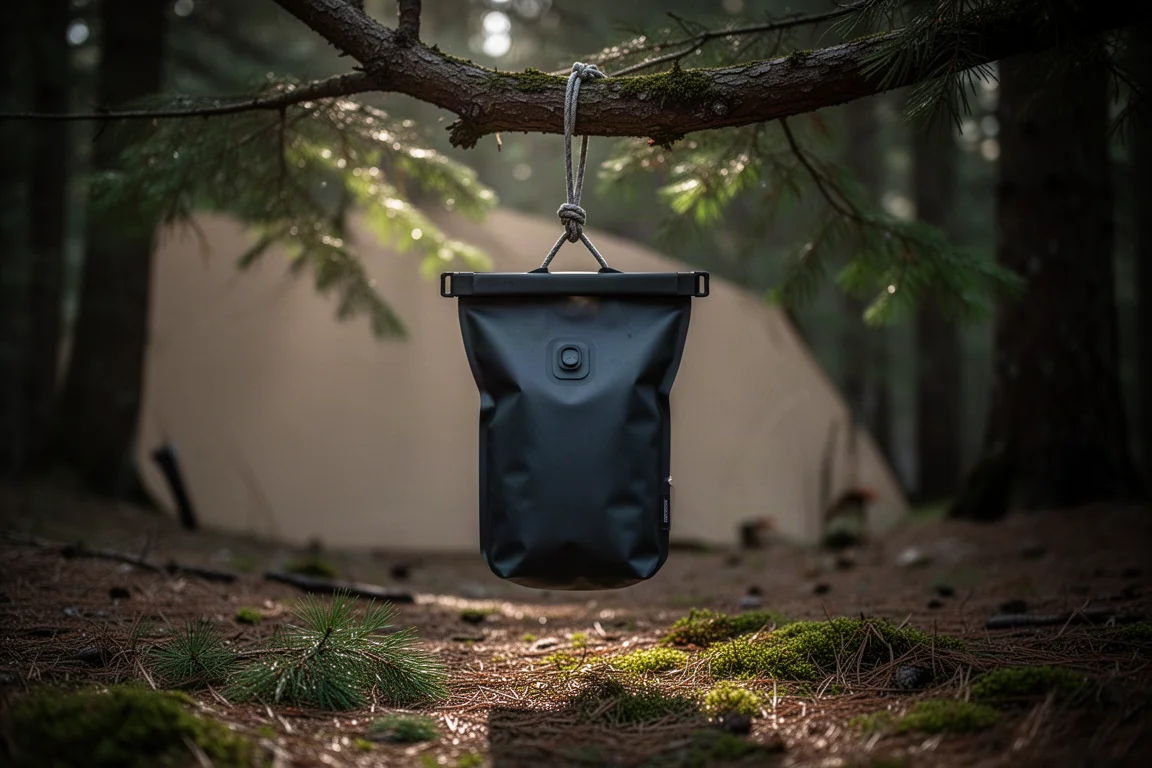
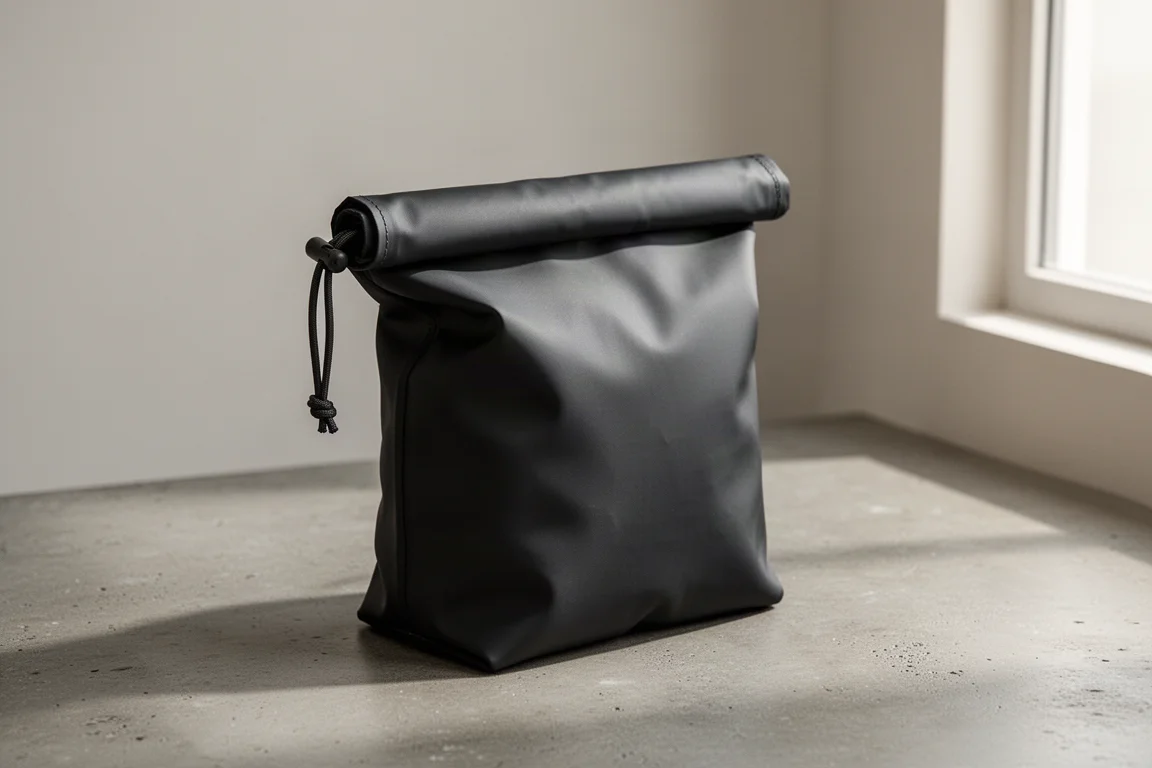
Bear bags are a category where it is easy to assume nothing new is possible. The AOTech bag is certified for grizzly testing, and the bag held up against bears that are accustomed to working at containers like this.
The material is the meaningful difference. Because it is waterproof, liquid contents inside cannot leak out and reward an animal that is chewing on the bag, which supports the bag’s deterrent role. Waterproof construction also avoids the water absorption that makes many traditional bear bag fabrics heavier after rain. AOTech also lists the bag as critter resistant, aimed at squirrels, chipmunks, and porcupines that gnaw at softer fabrics. That resistance is a real-world benefit for anyone who has returned to a chewed-up bag.
It is more expensive than a basic option, but lighter by a few ounces, and the water and rodent resistance are the reasons to consider it.
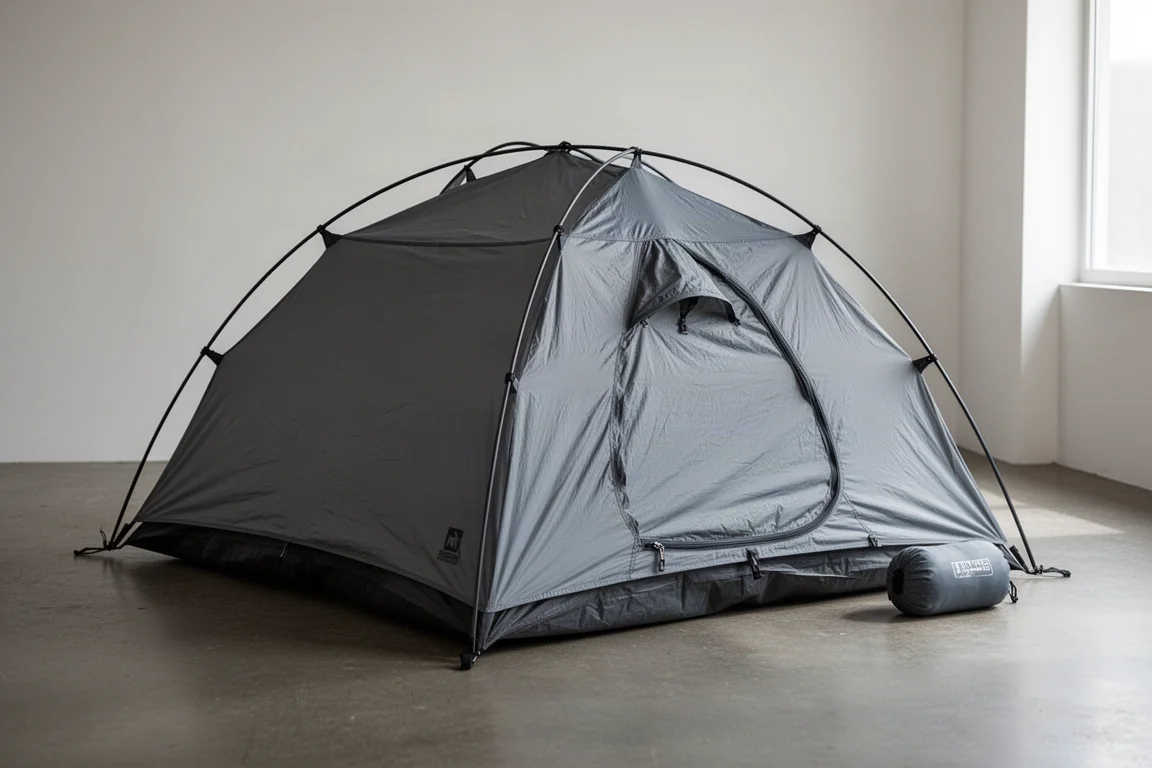
Durston X-Dome 1 Plus: Freestanding and All-in-One
One-person tents from large brands tend to look interchangeable, and the X-Dome 1 Plus initially reads that way. The details are what set it apart once you look closely.
It is a freestanding design, which adds versatility on snow, hard ground, and rock where stakes are difficult. It also uses an all-in-one pitch, uncommon for a freestanding tent from a North American brand. That single pitch makes setup quicker, keeps the inner protected in rain, and holds up better in wind. The tent has handled winds around 65 km/h without trouble.
It still benefits from small refinements, but even as it stands it is a compelling one-person freestanding tent for backpackers who want easy pitching without giving up weather confidence.
Pad Pal and AlpenBlow: Sub-10-Gram Pad Pumps
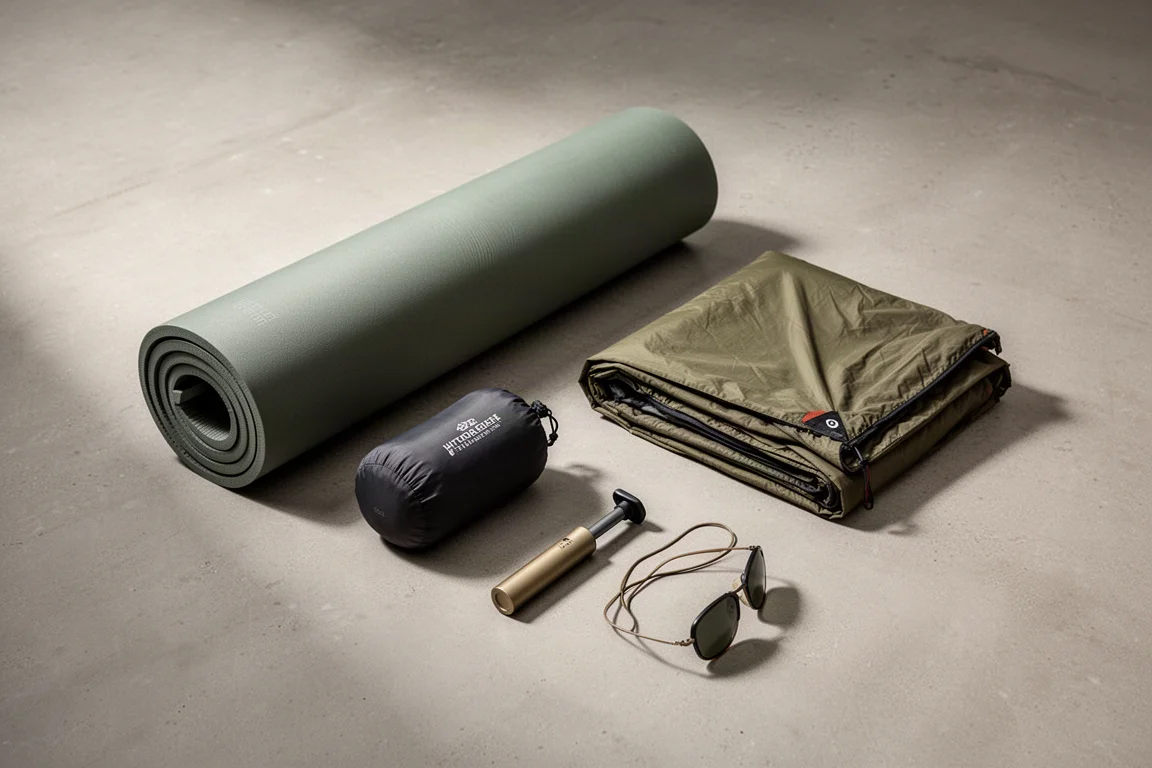
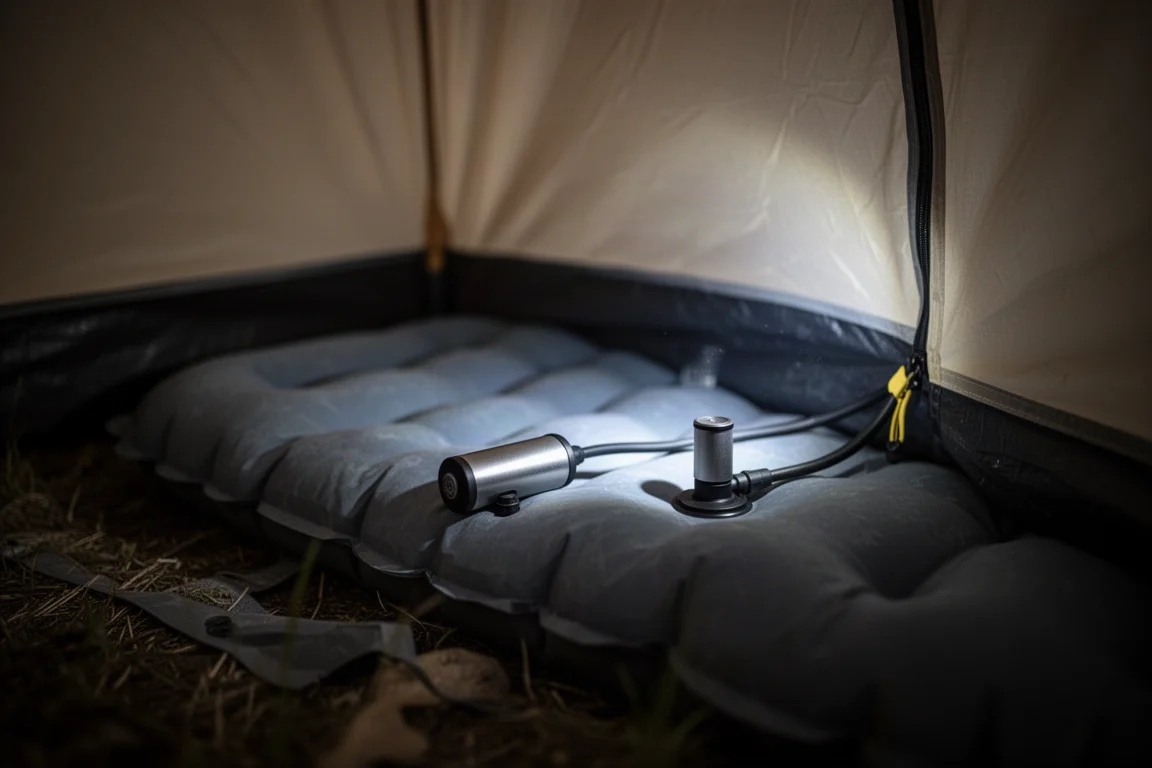
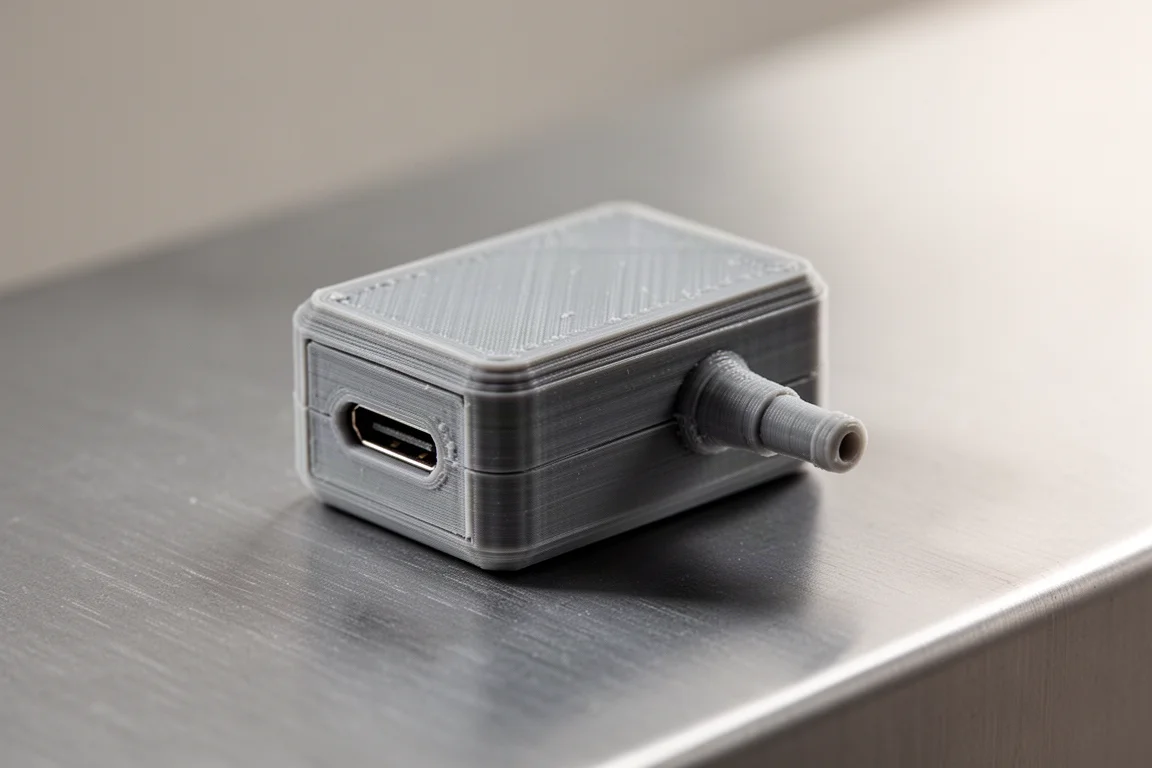
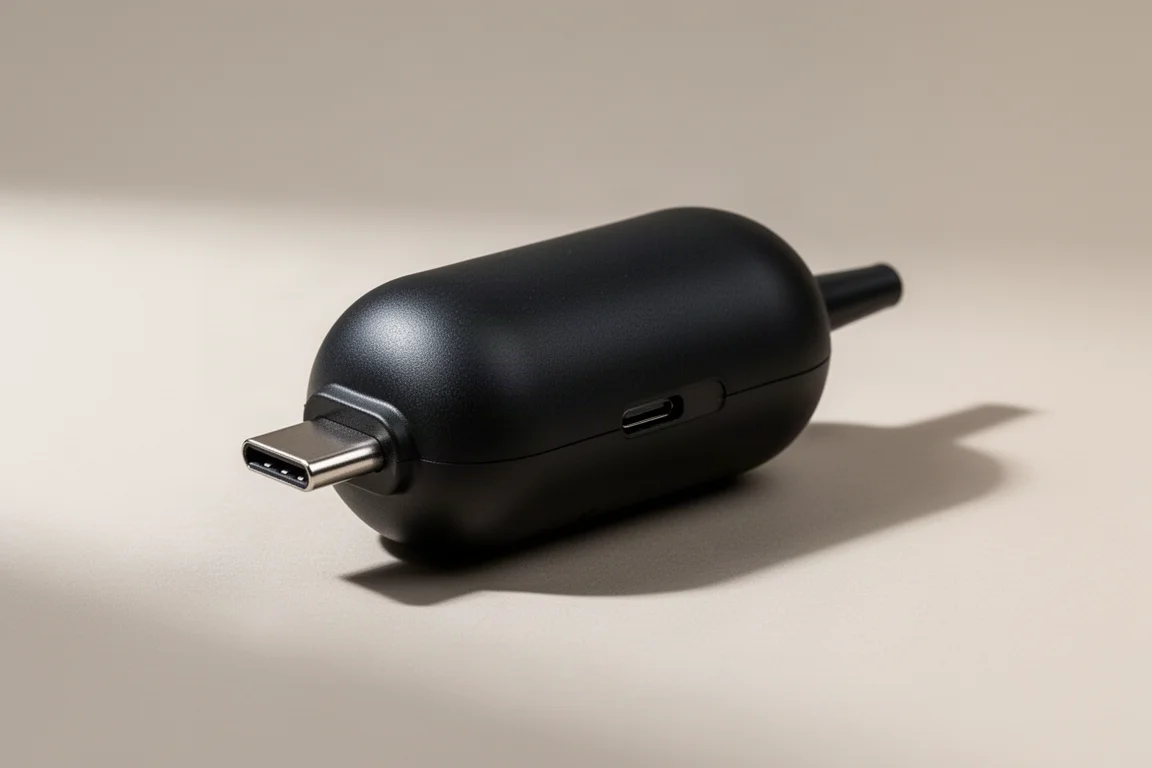
Ultralight sleeping pad pumps are a category that invites skepticism. The Pad Pal is 3D printed, and the AlpenBlow uses molded plastic, which looks more robust on first handling. Both have been carried on multiple trips, tossed into a ditty bag, and crushed without breaking or showing signs of failure.
The weight is the argument in their favor. Both come in under 10 grams, which makes them close to a no-brainer to bring along. Each can run from a USB-C battery bank or directly from a phone, so even a minimal pack can inflate a pad without extra power. Neither reaches a very high pressure, so most sleepers will finish with a few breaths unless they prefer a very soft pad, and both cost more than many larger pumps.
The trade-off between the two is simple. The Pad Pal inflates noticeably faster but is louder, while the AlpenBlow is slower and quieter. Solo hikers who want speed will likely prefer the Pad Pal.
Tarptent ArcDome: Roominess Without Giving Up Storm Worthiness
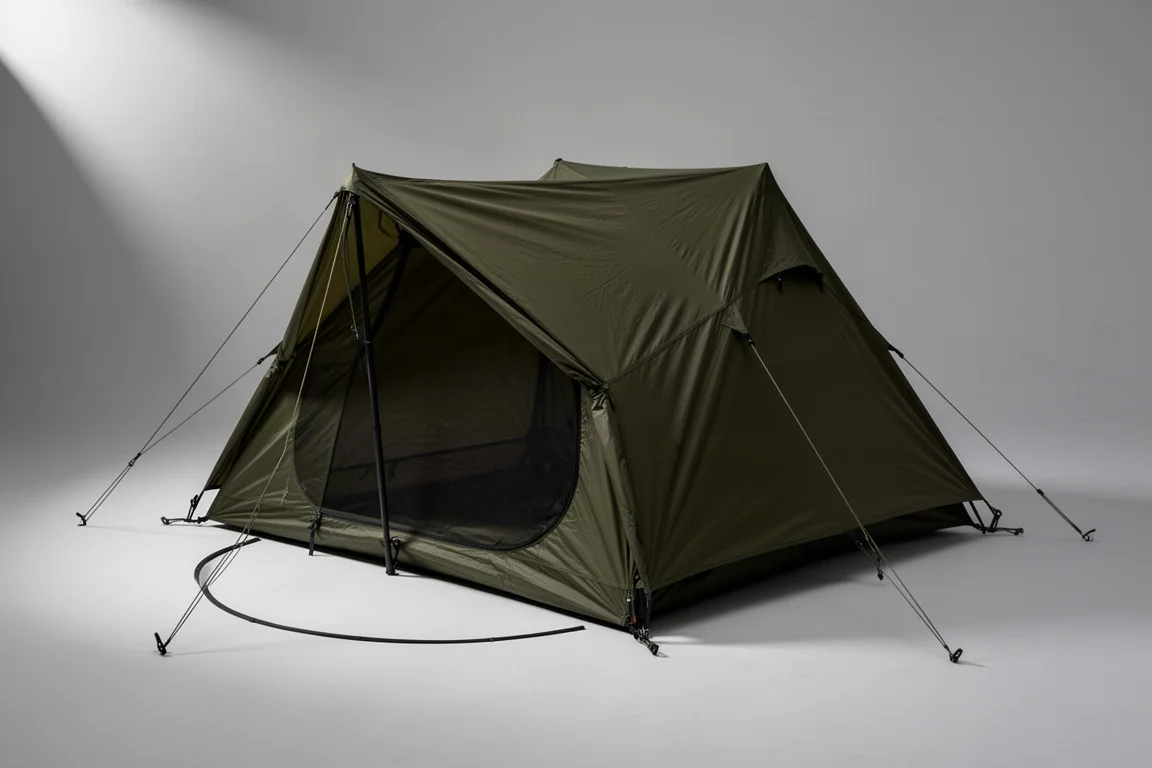
The ArcDome looks like a response to another dome tent, but the two are aimed at different jobs. The ArcDome is a two-person shelter built for demanding weather, and it is heavier than a one-person freestanding option, which is part of why it holds up so well in wind. It has handled winds around 73 km/h without issue and appears capable of considerably more.
The real advantage is interior space. Many mountaineering and storm-worthy tents are cramped, forcing two people onto narrow pads. The ArcDome fits two 25-inch wide pads comfortably, with two vestibules and internal pockets, and still comes in at around 1.7 kg. Comparable storm-worthy shelters often push well past 2 kg.
For shared trips in exposed conditions, it is the tent to reach for when you want weather capability without feeling squeezed.
Ombraz Sunglasses: A Cord Instead of Arms
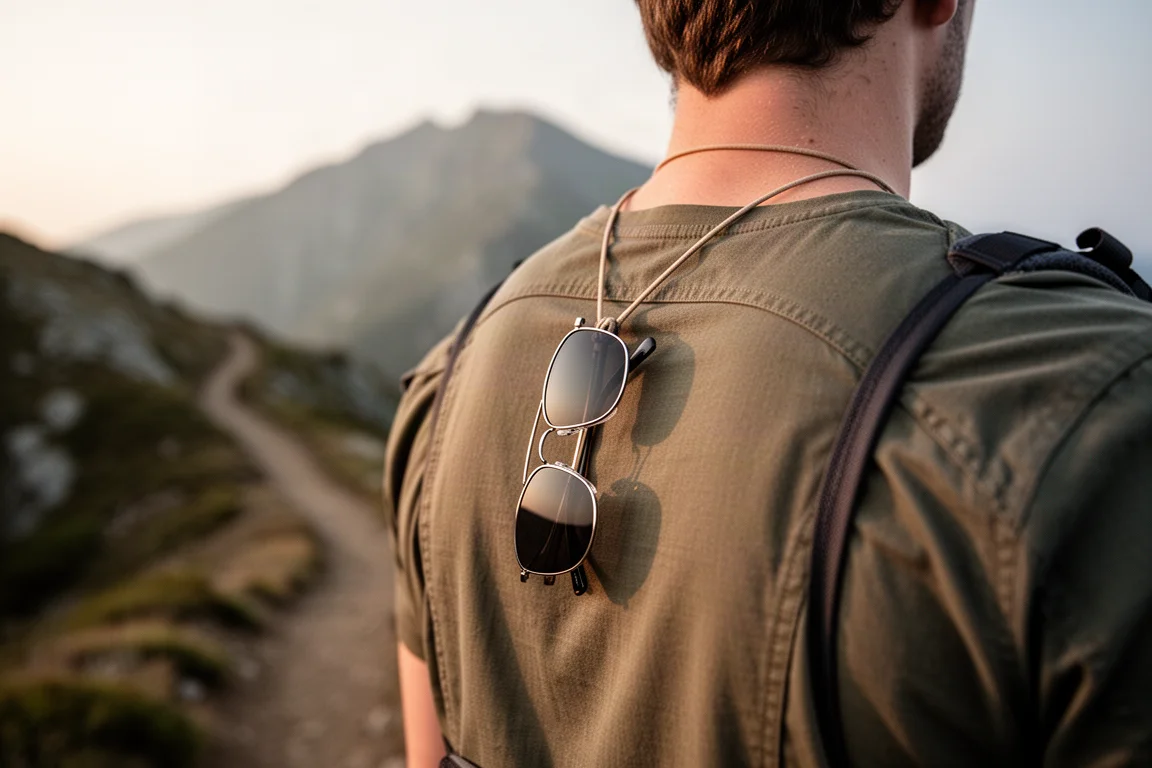
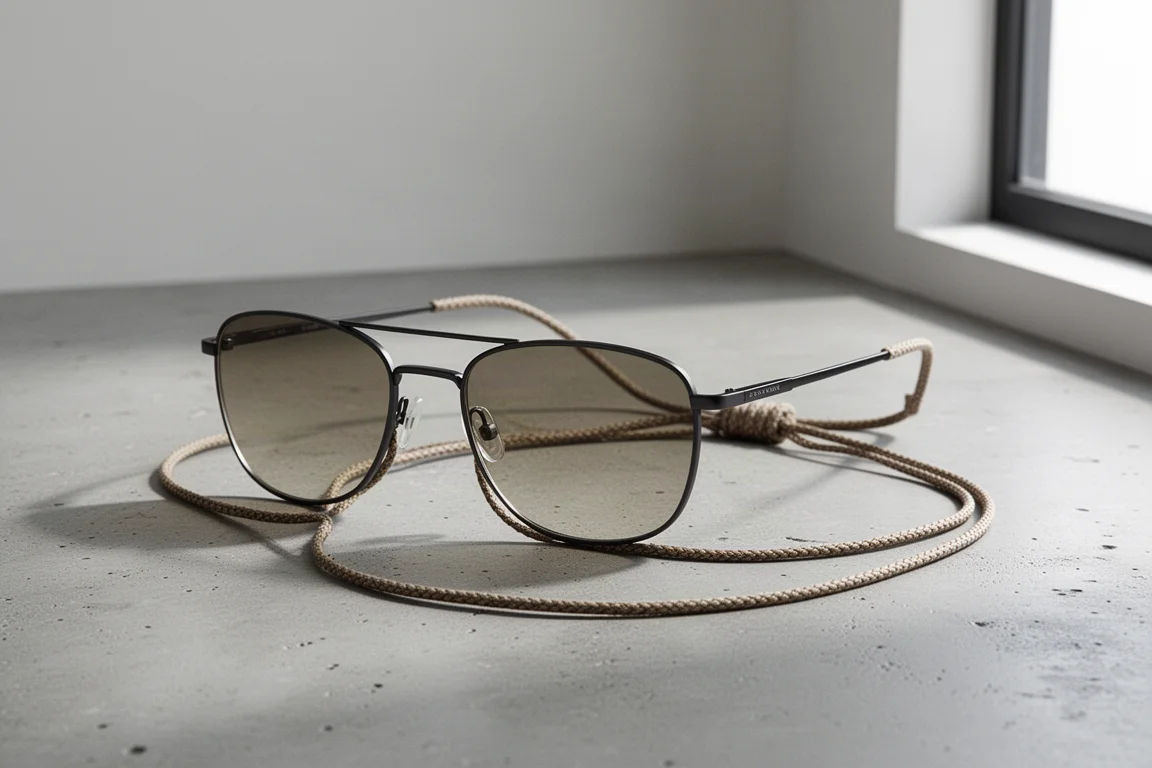
Sunglasses held on by a cord rather than arms sound like a gimmick, and the price is high enough to justify the skepticism. A year of near-daily use has largely answered those doubts.
The durability argument is straightforward. Arms are usually the failure point on sunglasses, and removing them removes that failure point. The second benefit is retention. Because the frame is always attached, whether worn on the face or loosened around the neck, losing them becomes much less likely, which matters for anyone who has left multiple pairs behind on a long trail.
They are still slightly fiddly to take on and off, and they remain expensive. But after almost a year of hiking, backpacking, running, and driving, they have not broken and have not been lost.
Buying Advice
The right order of priorities depends on how you actually use your gear. If sleep quality is the limiting factor on trips, the NeoLoft addresses the most common complaint about comfort-focused pads, while the pumps solve the smaller annoyance of inflating one. If you travel in bear country, the AOTech bag trades cost for waterproofing and rodent resistance that a standard bag does not offer.
For shelter, the choice comes down to how you move. The X-Dome 1 Plus is the more versatile solo option when pitching on difficult ground matters, and the ArcDome is the better answer when two people need real weather protection and room to sleep properly. The Ombraz sunglasses are the simplest call: if you have lost or broken sunglasses repeatedly, the cord-based design removes both problems.
Conclusion
None of these items are obvious purchases at first glance, and that is exactly what makes them interesting. The NeoLoft rewrote expectations for a brand known for firm-feeling pads, the AOTech bag added waterproofing and rodent resistance to a category that rarely changes, and the X-Dome 1 Plus brought freestanding convenience to a solo shelter. The Pad Pal and AlpenBlow make pad inflation nearly effortless at under 10 grams, the ArcDome delivers storm-worthy space for two, and the Ombraz sunglasses solved a durability and retention problem that most frames never address. Each one is worth a closer look if it matches the way you camp.
Further reading
Related Reviews

Backpacking Gear
Building a 10 lb Base Weight: An Ultralight Backpacking Gear List
A practical walkthrough of the ultralight pieces behind a 10 lb base weight, from a 765 g pack and a roomy one-person tent to a full camp chair and a dependable water filter.
Backpacking Gear
A 15-Pound Lightweight Backpacking Gear List for Solo Trips
A beginner-friendly 15-pound backpacking setup built from easy-to-find gear, with notes on what each piece does, how it packs, and where to spend your attention.
Backpacking Gear
8 Ultralight Backpacking Gear Upgrades Worth Carrying
Eight small, affordable backpacking upgrades that solve real trail annoyances, from a pillow that stays put to a fuel valve that rescues leftover canister gas.