Power Protection
Surge Pure Mach 1, Mach 2, and Mach 3: Panel-Mounted Surge Protection Compared
A practical look at three panel-mounted surge protection devices from Surge Pure, what separates them, and which type of installation each one fits.
Introduction
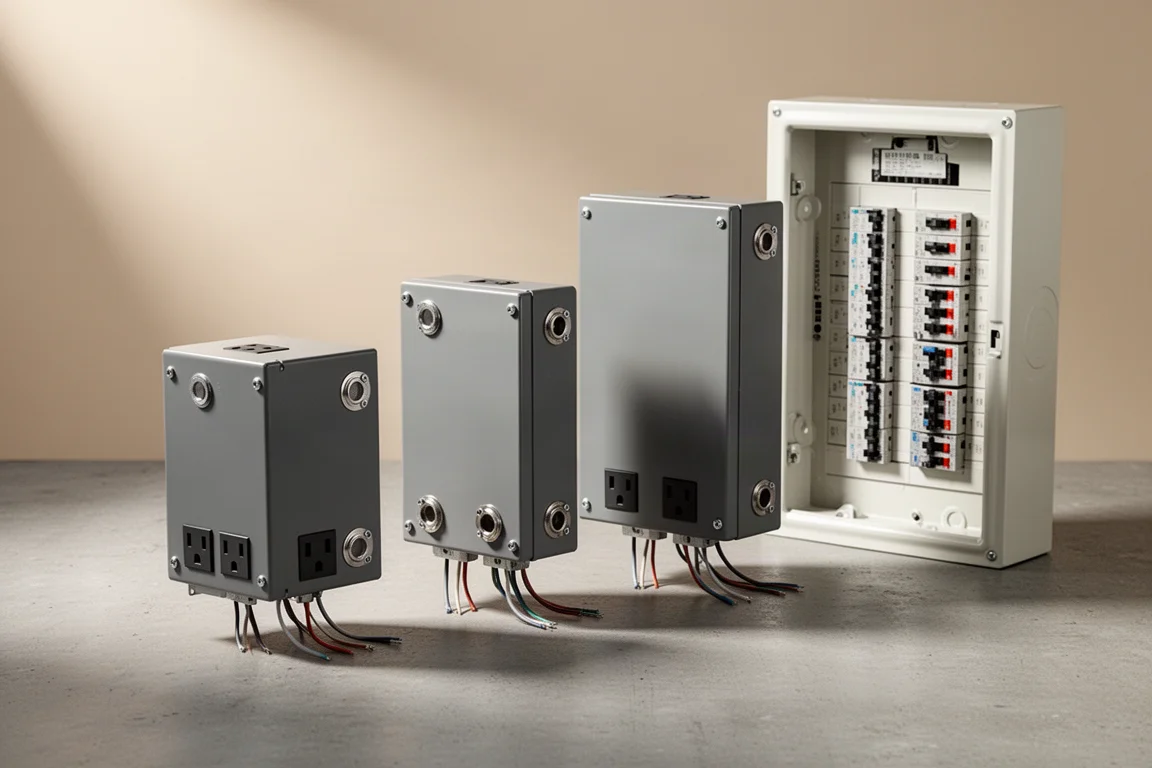
Surge protection usually enters the conversation at the rack: a power conditioner, a surge strip, a battery backup. Surge Pure takes a different approach and puts the protection at the electrical panel, ahead of every circuit in the building. The company builds a line of panel-mounted surge protection devices, and three of them are the most relevant for residential systems: the Mach 1, the Mach 2, and the Mach 3.
All three are single-phase units intended for homes, all three carry a 200,000 amp short circuit current rating, and all three are hardwired by a certified electrician rather than plugged into a wall. What changes between them is warranty coverage and, on the Mach 3, the addition of active filtering. This guide walks through what each model does and which type of installation it suits.
Why Panel-Level Surge Protection Matters
Dirty power is not only something that arrives from the street. A significant share of it is generated inside the home. Air conditioners and other motor-driven appliances switch on and off constantly, and each start produces an inrush transient and a voltage spike on the line. Digital equipment, audio gear included, does not respond well to those repeated events.
Panel-level protection sits ahead of that mix. Because the device is installed at the service panel, it addresses internally generated surges across every circuit rather than at a single outlet. Surge Pure describes its units as working continuously to isolate those events, and positions the same device as the first line of defense against external events such as a blackout and the surge that follows when power returns.
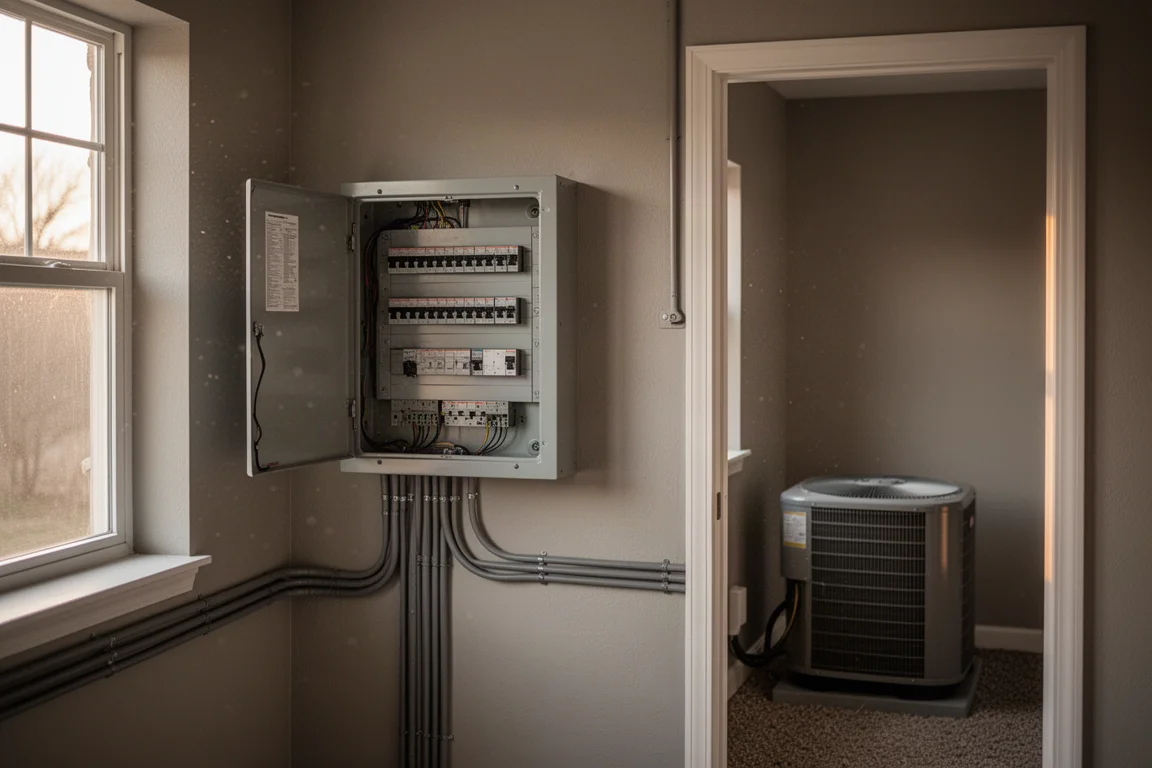
That distinction matters when comparing a panel device with a rack-mounted power conditioner. A conditioner can clean and regulate what reaches the equipment on that circuit, but it is not designed to absorb a catastrophic event. Catching a surge before it enters the home is a different job from filtering it at the receptacle, and the two approaches address different parts of the problem.
How Surge Pure Devices Are Installed at the Panel
Surge Pure units connect in parallel with the panel rather than in series with the incoming feed. That is why a home with two panels on separate feeds needs a device on each one. The protection has to sit on every service it is meant to cover, particularly when both motor loads and sensitive equipment are spread across both panels.
Installation details matter more than they might appear. The units ship with factory leads, and the installer cuts those leads as short as practical so the device can respond faster. In some layouts the housing is mounted upside down simply to keep the wire runs short. Because the work happens inside a service panel, Surge Pure sells through electrical wholesalers and expects a certified electrician to carry out the installation.
Surge Pure describes the units as non-degrading, meaning they are designed to absorb multiple events without losing capacity. The company’s position is that only a direct lightning strike or a failed utility transformer would carry enough energy to take one out. When that happens, the unit trips the main breaker and takes the property offline rather than allowing the event through to downstream equipment. The warranty covers manufacturer’s defects.
Surge Pure Mach 1: The Entry Model for Homeowners
The Mach 1 is the smallest unit in the range and the most cost-effective route into panel-level protection for a homeowner. It is a single-phase device, which is what a residential service uses, and it carries a 10-year warranty.
Like the rest of the line, it is rated for a 200,000 amp short circuit current, a safety figure rather than a surge capacity figure. That rating means the device can be installed on services up to 4,000 amps, well beyond what a typical home draws, and it keeps the unit’s behavior contained if a fault occurs.
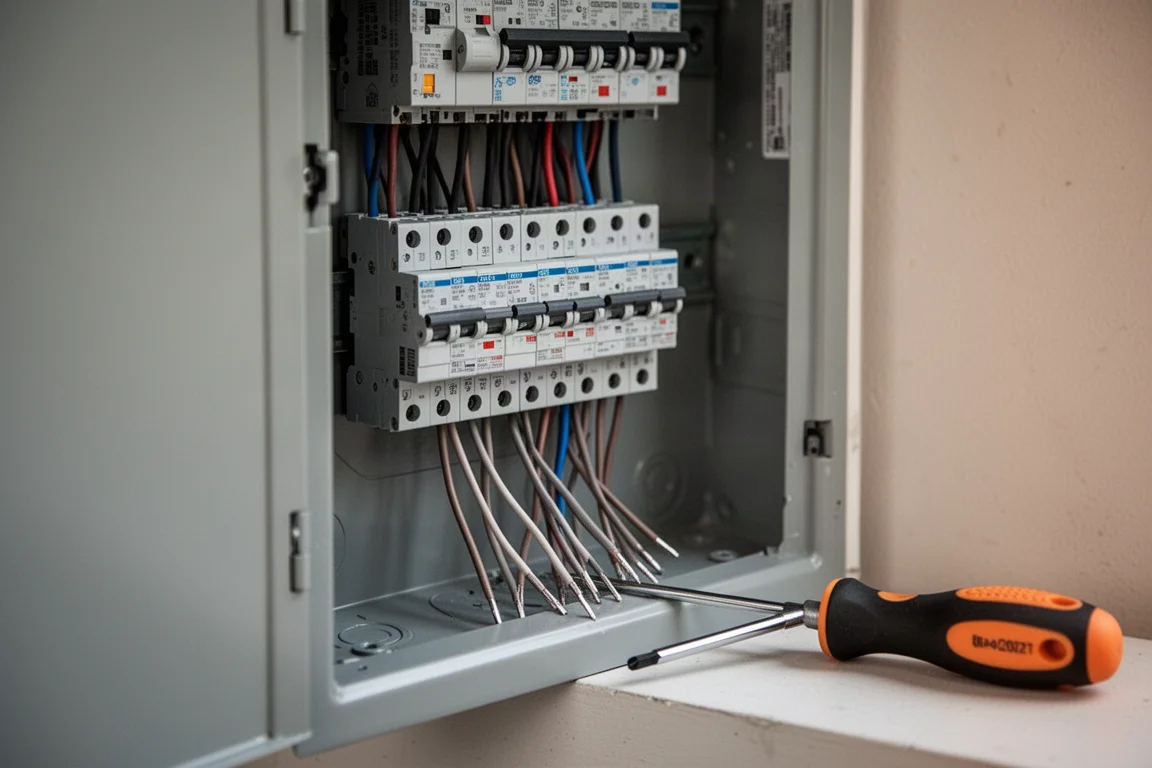
For a household that wants protection at the panel without paying for filtering, the Mach 1 is the straightforward choice. The trade-offs are the shorter warranty period and the absence of the active filtering found further up the range.
Surge Pure Mach 2: Lifetime Warranty and Broader Service Capability
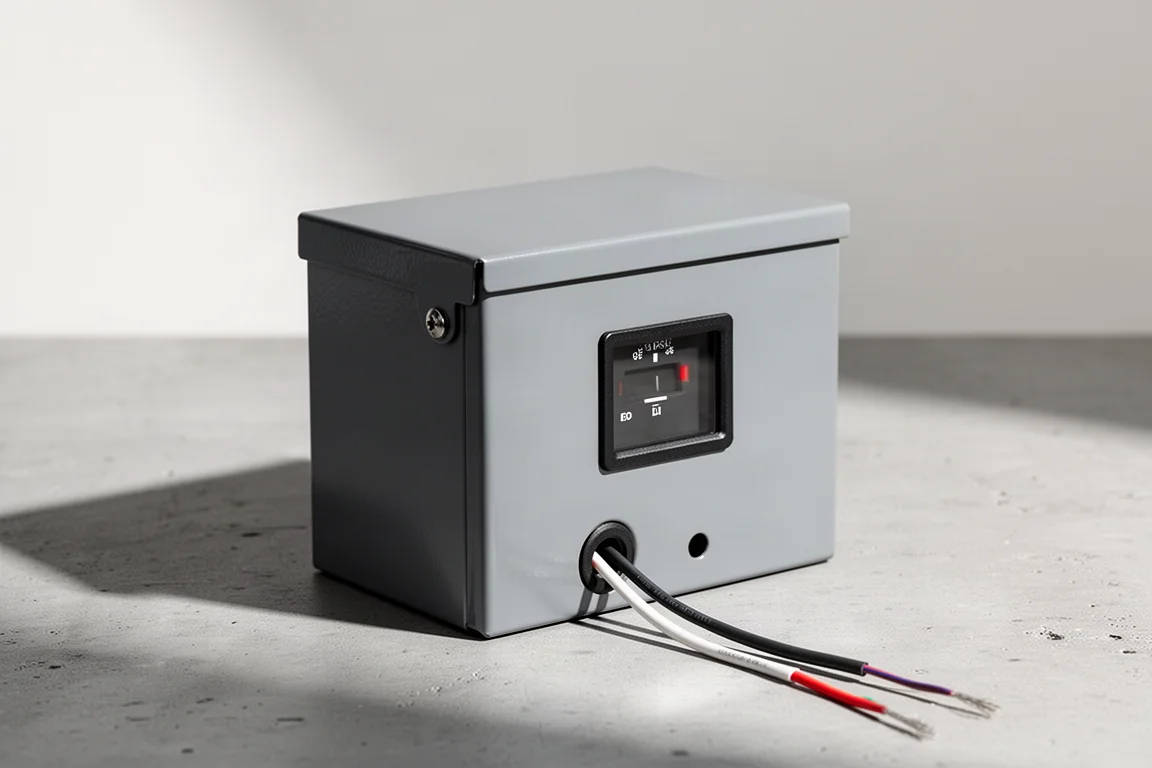
The Mach 2 marks the point where Surge Pure’s lifetime warranty begins. It is still a single-phase design suitable for residential use, but it is also rated for primary services on the scale of a golf course or a gas station, which puts it well above what a typical home requires.
Surge capacity is the same as the Mach 3, so buyers choosing between the two are not trading one level of protection for another. What the Mach 2 does not include is the active sine wave tracking filter that distinguishes the Mach 3.
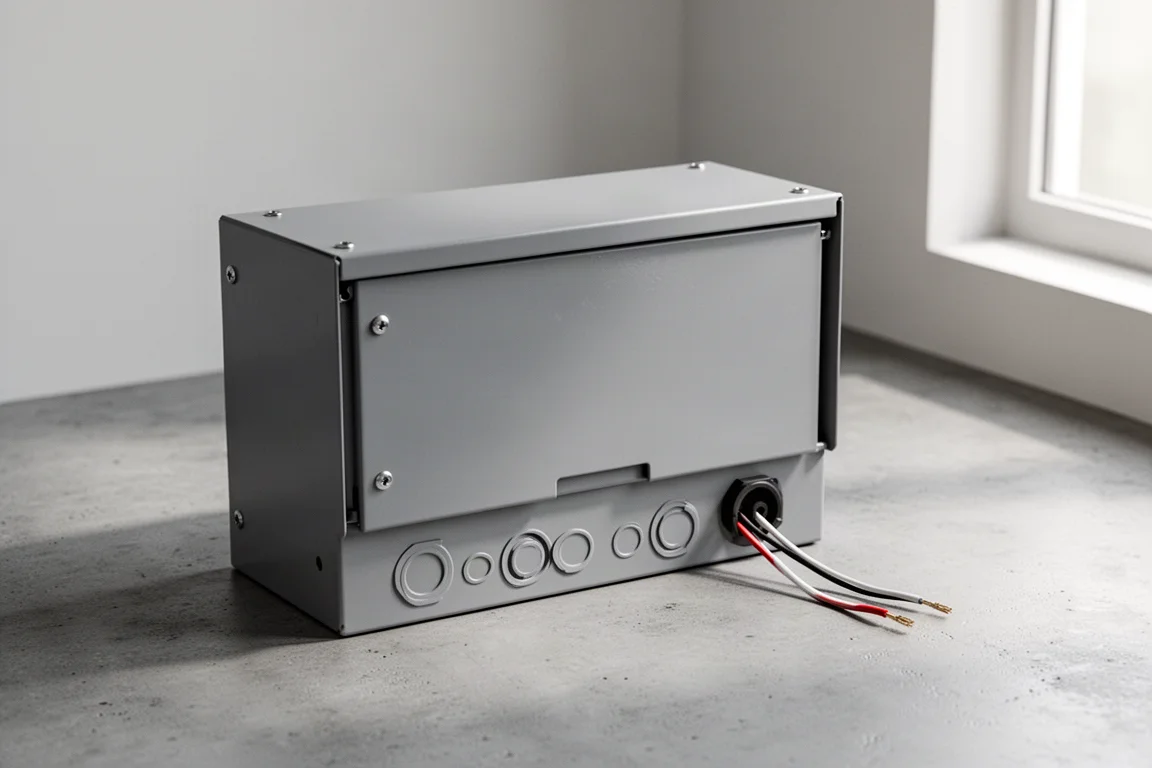
Surge Pure Mach 3: Sine Wave Tracking and High-Frequency Filtering
The Mach 3 shares its surge capacity with the Mach 2 and adds active sine wave tracking filtering. That filter targets low-level spikes riding inside the sine wave itself, the kind of disturbance a conventional surge device does not address. Surge Pure describes the result as the cleanest sine wave in the line.
The single-phase version is rated at 100,000 amps per phase of surge capacity. Inside, it uses 40 mm metal oxide varistors, larger than the 20 mm components common in the industry. Surge Pure’s larger commercial units step up to 53 mm varistors.
The filtering is the reason the Mach 3 shows up in dentist offices, computer rooms, and similar facility environments where a clean supply matters as much as event protection.
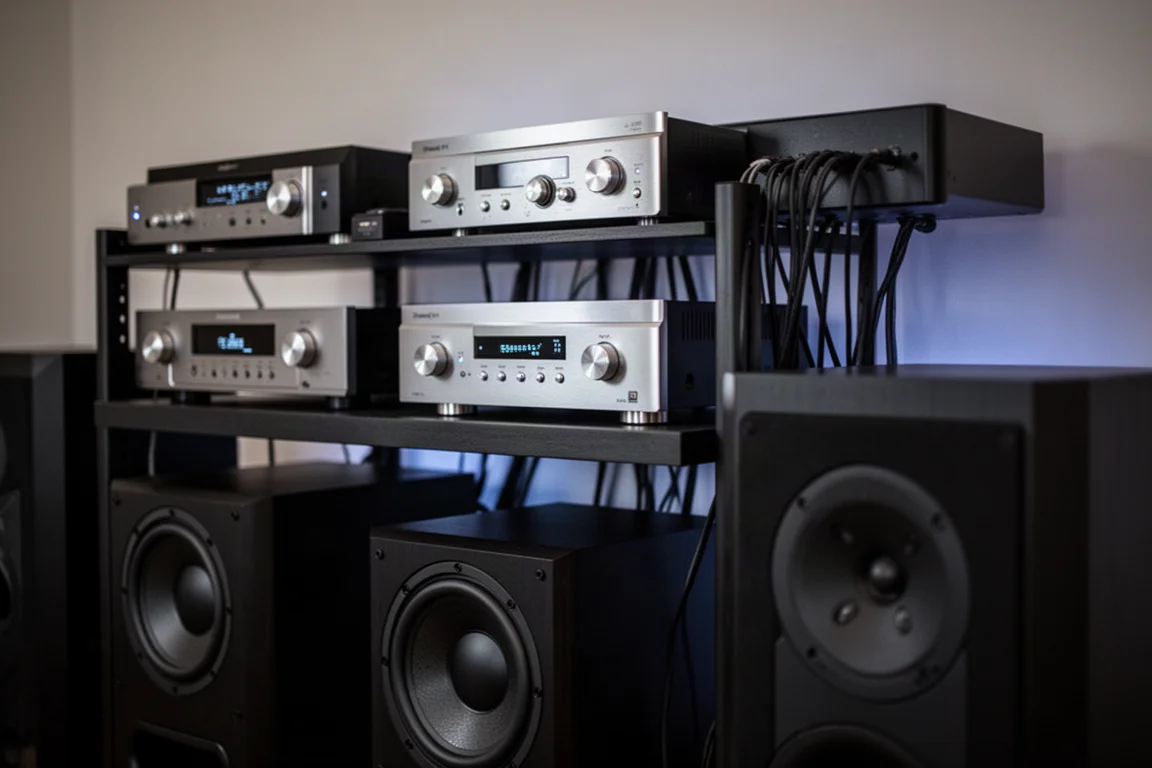
For a home audio system, that filtering is the practical argument for the Mach 3 over the Mach 2. Both handle the same surge events. Only one also works on the low-level noise carried on the line during normal operation.
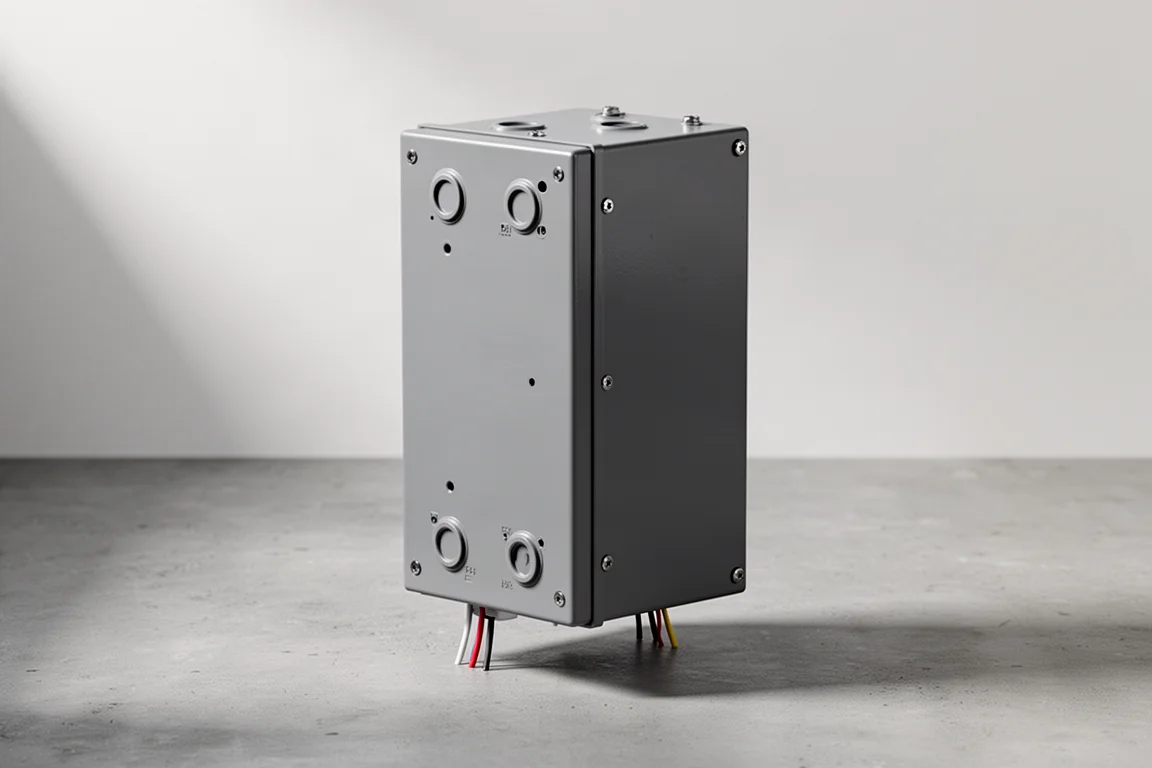
Build Quality, Varistor Design, and Safety Certifications
Component sizing is where panel devices separate from one another. Surge Pure points to the industry norm of small 20 mm metal oxide varistors arranged in multi-element designs, where unequal stressing across the elements leads to wear over time. The Mach 3 uses 40 mm varistors and relies on heat dissipation inside the housing to avoid the pitting that shortens service life.
Certification is the other differentiator. Surge Pure units carry an ETL listing, and the company notes that a round of standard changes around 2007 tightened the marketplace and pushed out products that could not contain a large surge event safely. ETL is administered by Intertek, and Surge Pure’s markings cover Canada and the United States.
It is worth checking for that kind of mark on any surge product headed into a home theater. Plenty of high-end power conditioners and surge strips carry no UL, ETL, or TUV listing at all, and some manuals advise unplugging the unit during a lightning storm, which is an admission that the device is not expected to survive the event it is sold to handle.
Buying Advice: Matching a Surge Pure Model to Your Home
Start with the service, not the spec sheet. A single panel on a single feed needs one device. A home with two panels on separate feeds, with sensitive equipment on both, needs two, which is what a dual-panel installation looks like in practice.
From there, the decision comes down to two questions. If the goal is baseline protection at the panel for the lowest cost, the Mach 1 covers it and carries a 10-year warranty. If the goal includes a lifetime warranty, the Mach 2 is the entry point, and it brings service capability well beyond residential needs.
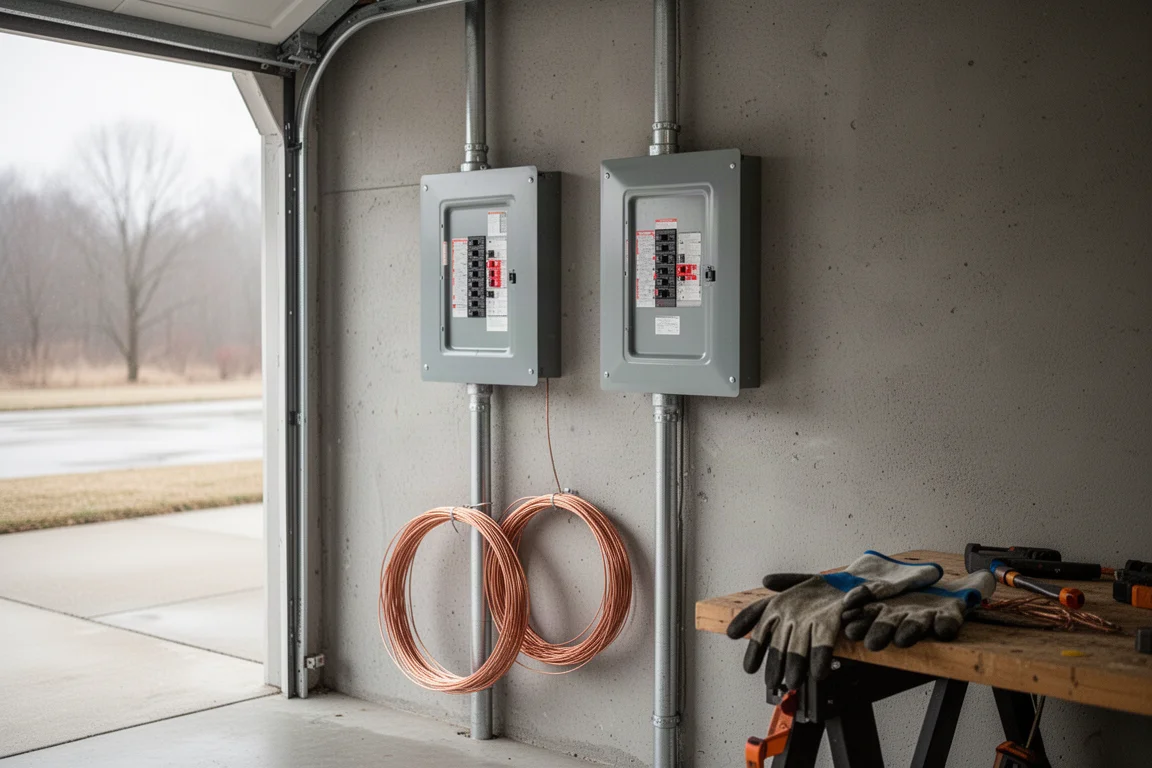
The Mach 3 answers a third question: whether the supply itself should be cleaned up, not just protected. The added filtering targets low-level noise on the sine wave, which is a meaningful difference for audio systems, computer rooms, and any equipment sensitive to what rides along with the voltage. Since the Mach 3 matches the Mach 2 on surge capacity, that filtering is the entire premium.
Budget for the electrician as part of the project. These are hardwired devices sold through electrical wholesalers, not plug-in accessories, and the quality of the installation, especially wire length, affects how quickly the unit responds.
Conclusion
Panel-level surge protection addresses a problem that rack-mounted gear cannot fully solve on its own, and Surge Pure’s line covers the range from a straightforward entry unit to a filtered device aimed at equipment that benefits from a cleaner supply. The Mach 1 is the low-cost starting point with a 10-year warranty. The Mach 2 adds a lifetime warranty and matches the top model on surge capacity. The Mach 3 keeps that capacity and adds active sine wave tracking filtering.
Match the number of devices to the number of panels, plan for a certified installation, and choose between the Mach 2 and Mach 3 based on whether filtering matters for the equipment in the home.
Further reading
Related Reviews
Power Protection
Quinlin F HR-519D Review: Inexpensive Surge Protection for Subwoofers and Powered Audio Gear
A compact $20 surge protector with three-stage protection, widely spaced outlets and an ETL listing, aimed at protecting powered subwoofers from surges and voltage transients.

Backpacking Gear
Building a 10 lb Base Weight: An Ultralight Backpacking Gear List
A practical walkthrough of the ultralight pieces behind a 10 lb base weight, from a 765 g pack and a roomy one-person tent to a full camp chair and a dependable water filter.

Road Bikes
10 New Road Bikes Worth Watching: Aero, Titanium, Steel and Endurance Standouts
A practical roundup of 10 new road bikes, from aero flagships chasing single-watt gains to titanium, steel and endurance platforms built for real roads.