Power Protection
Quinlin F HR-519D Review: Inexpensive Surge Protection for Subwoofers and Powered Audio Gear
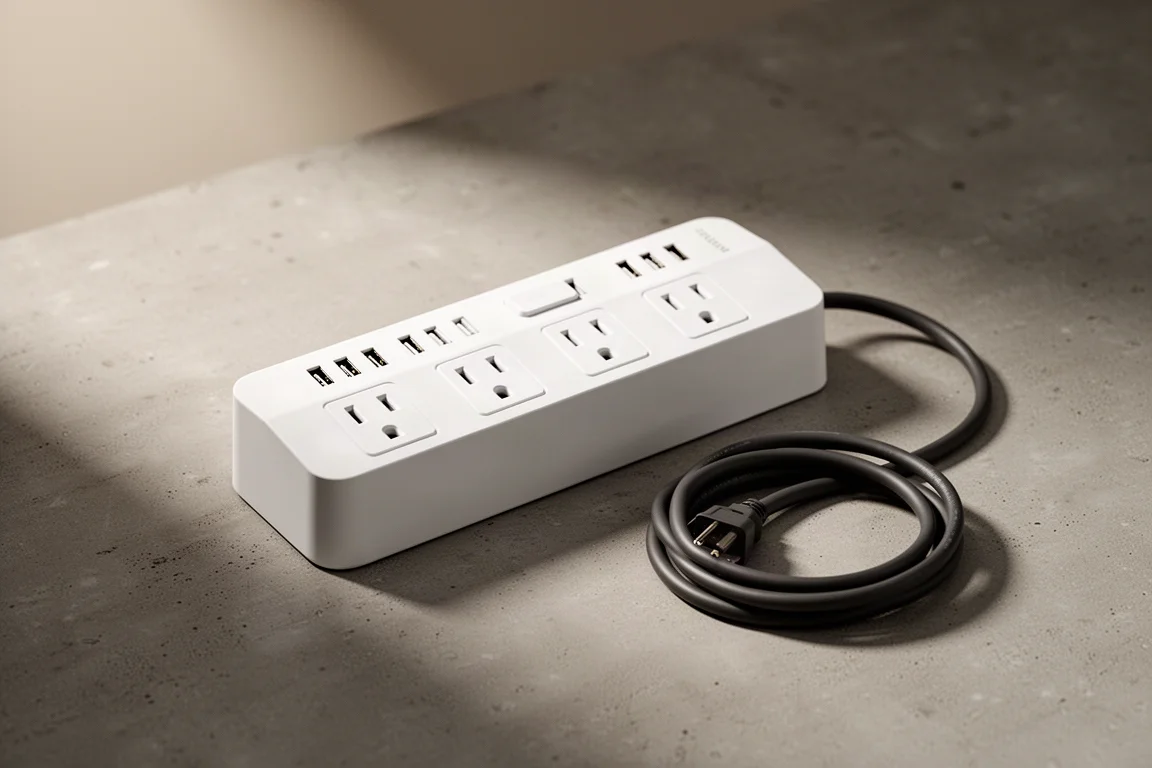
A compact $20 surge protector with three-stage protection, widely spaced outlets and an ETL listing, aimed at protecting powered subwoofers from surges and voltage transients.
Introduction
Ask anyone who has owned a few powered subwoofers and you will eventually hear the same story: the plate amplifier on the back of the cabinet gives out. It is one of the more failure-prone parts of a home audio system, and those failures often arrive right after a storm or a voltage event on the wall outlet.
Protection sounds simple until you look at the usual options. A full power conditioner is often current limiting, meaning it will not pass the full current available from a standard 15 amp outlet or a dedicated 20 amp circuit. That is a poor match for a subwoofer, which can pull hard on demanding passages. A basic hardware-store strip is not much of an answer either, since most rely on a single metal oxide varistor that can be sacrificed by one lightning strike and leave you unprotected afterwards.
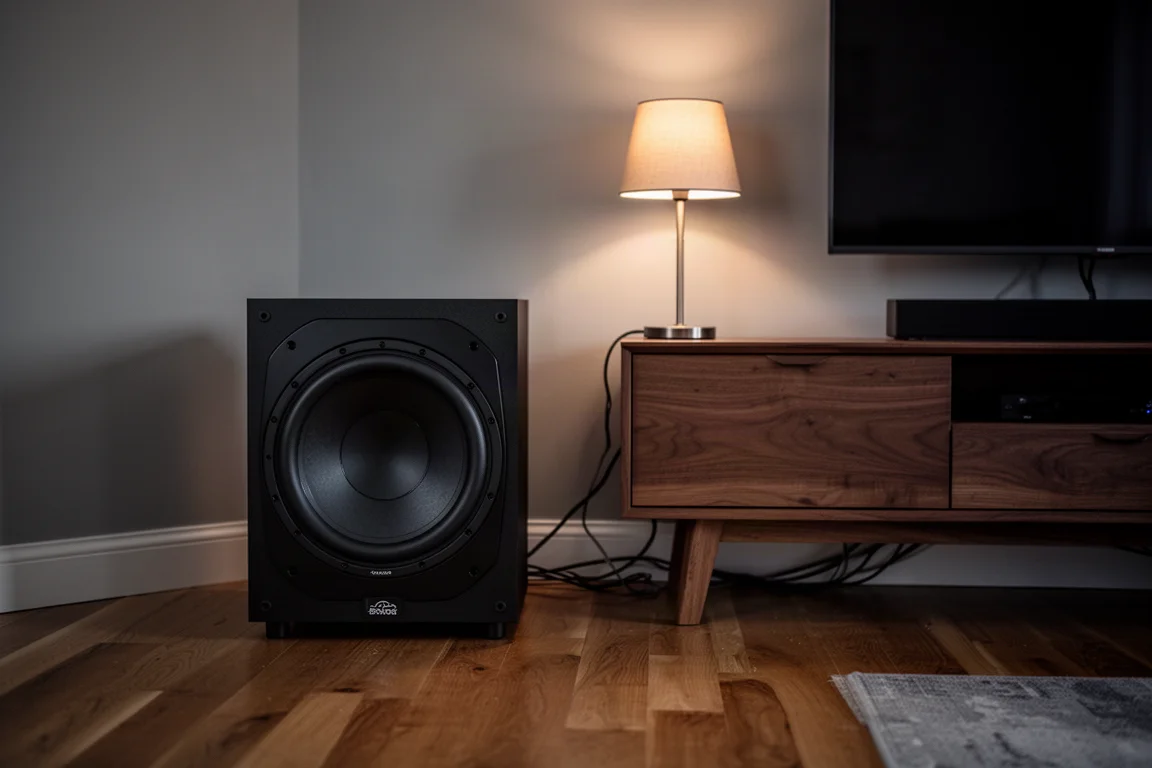
The Quinlin F HR-519D sits in the gap between those two choices. It is a compact surge protector built around a three-stage protection design, and it sells for roughly $20, with occasional pricing closer to $15. For anyone running powered audio gear on a bare wall outlet, that is a very small outlay measured against the cost of replacing an amplifier.
Who This Surge Protector Is For
This is a sensible purchase for anyone who owns a powered subwoofer, a pair of powered studio monitors, or any other self-powered audio component plugged straight into a wall outlet. The more gear you have on unprotected outlets, the better the math works, because a single strip can cover several devices at once.
It is especially relevant if you live somewhere with frequent electrical storms. Surges and voltage transients are exactly the kind of event that takes out plate amplifiers, and a bare outlet offers no defence at all.
It is not aimed at people who already run properly rated power conditioning for a whole rack, or at anyone expecting a rack-mounted unit with metering and sequenced outlets. This is a simple, inexpensive layer of protection rather than a system-wide power management solution.
Main Strengths
Five outlets plus four protected USB ports. The outlet spacing is one of the more practical details: the sockets are set wide enough apart that bulky wall warts and transformer plugs do not block neighbouring sockets. That matters when a subwoofer cable, a streamer and a pair of powered speakers all need to share the same strip.
Housing and finish are straightforward. The shell is described as fireproof, and the unit comes in white or black, so it is easy to tuck out of sight or match to existing gear.
Protection is the headline. The total rating is 1680 joules, delivered through three complementary stages of surge protection rather than a single varistor. The design pairs metal oxide varistors with TVS components and a gas discharge tube. The practical benefit is speed and durability: MOV-only designs can be short-lived, while the added stages react faster and hold up better.
Certification and support round things out. The unit carries an ETL listing, a certification whose test protocol is based on UL standards, and it is backed by a 30-day return policy and a 12-month replacement.
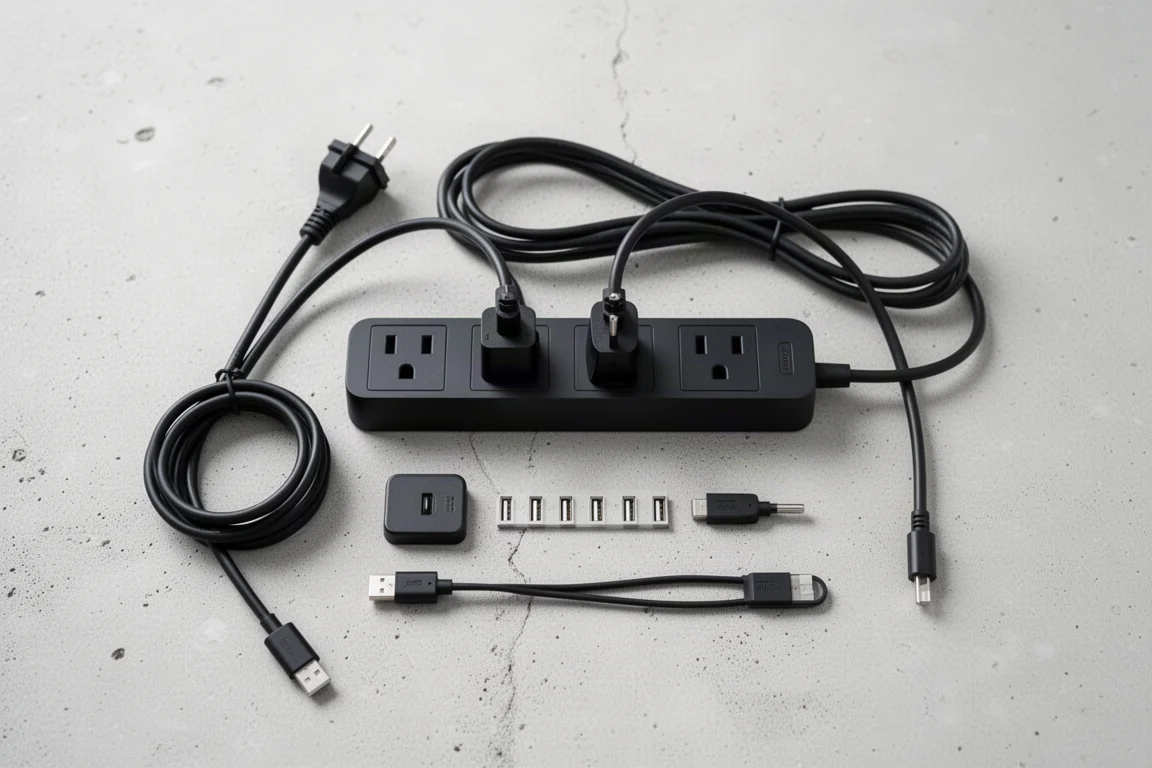
That combination of widely spaced outlets, USB charging and a genuinely multi-stage protection circuit is unusual at this price. Features like these tend to appear on strips costing considerably more.
How the Three-Stage Protection Works
A metal oxide varistor is the component found in most inexpensive strips. It works, but it is a consumable part. A large surge can degrade it or destroy it outright, and a strip that has taken a hit may look perfectly normal while offering little or no protection.
The HR-519D supplements that with TVS components and a gas discharge tube, arranged so the stages complement one another across different surge conditions. The result is a circuit that responds faster than a varistor on its own and is less likely to be spent after a single event.
The 1680 joule figure tells you how much surge energy the strip is designed to absorb before it is done. It is a meaningful number at this price, but it is still a finite one, which is why the guidance below is to treat the strip as a consumable rather than a permanent fixture.
Things to Consider Before Buying
Surge protection wears out. Every meaningful hit spends part of that joule rating, and after a few events the protection can become questionable even if the strip still powers your gear. The sensible approach is to cycle the strip out every two to three years, or sooner if your area has taken a serious strike.
This is not a replacement for properly rated power conditioning. If you need current delivery matched to a dedicated circuit, or you want a conditioner rated to the same current as the equipment it feeds, this strip is not that product. It is a low-cost first line of defence, and it should be judged on those terms.
It is also worth keeping the price in perspective. At around $20, one absorbed surge that would otherwise have taken out a subwoofer amplifier is enough for the strip to have paid for itself several times over.
Buying Advice
Buy one strip per subwoofer, or per cluster of powered gear, and treat it as disposable hardware with a replacement cycle. Keeping a spare on the shelf means a failure never leaves a subwoofer plugged straight back into the wall.
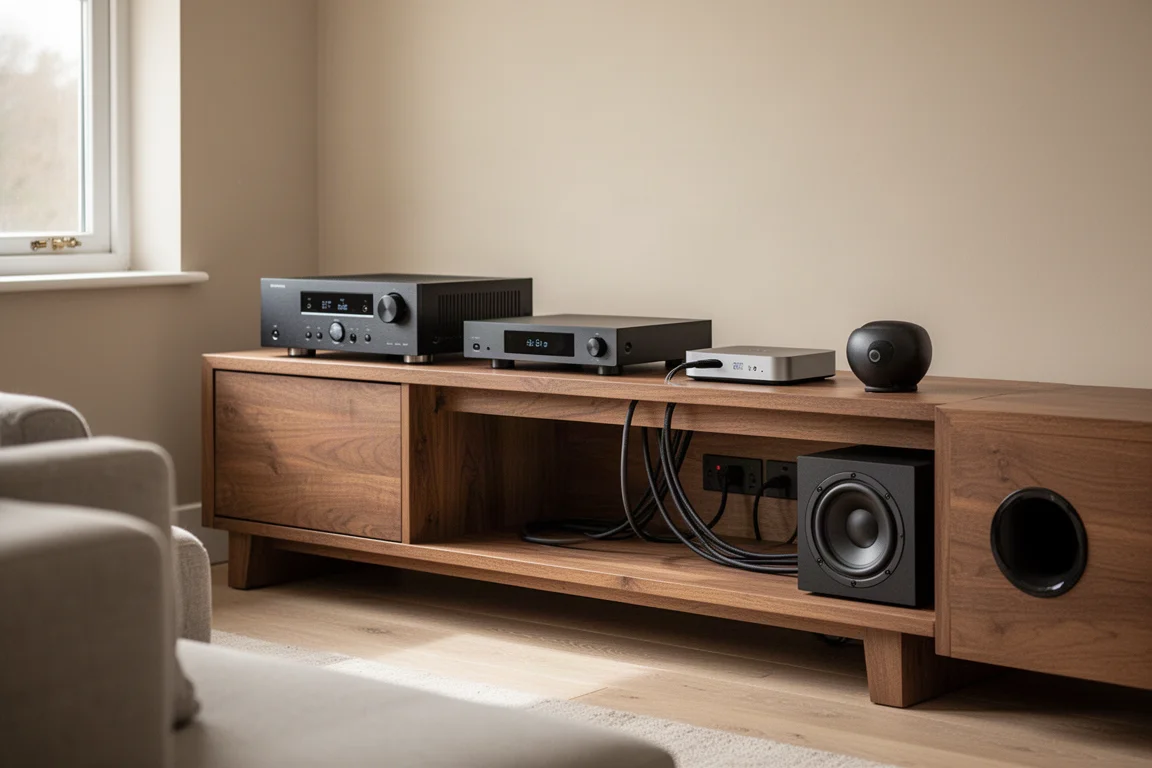
When shopping for any surge protection, look for third-party certification such as an ETL, UL or CSA listing. Plenty of expensive power products on the market carry no recognised safety listing at all, and a certification mark is a far more useful signal than a long list of marketing claims.
Conclusion
The Quinlin F HR-519D is a small, inexpensive answer to a real problem. Powered subwoofers and other self-powered audio components are the parts most likely to be damaged by surges, and a $20 strip with multi-stage protection, widely spaced outlets and an ETL listing is an easy thing to justify. Buy one, plug your gear in, and replace it on a regular cycle.
Product link
View more details for Quinlin F HR-519D
This product is mentioned in the review. Check the specifications, options, and compatibility before buying.
View more details for Quinlin F HR-519DFurther reading
Related Reviews
Power Protection
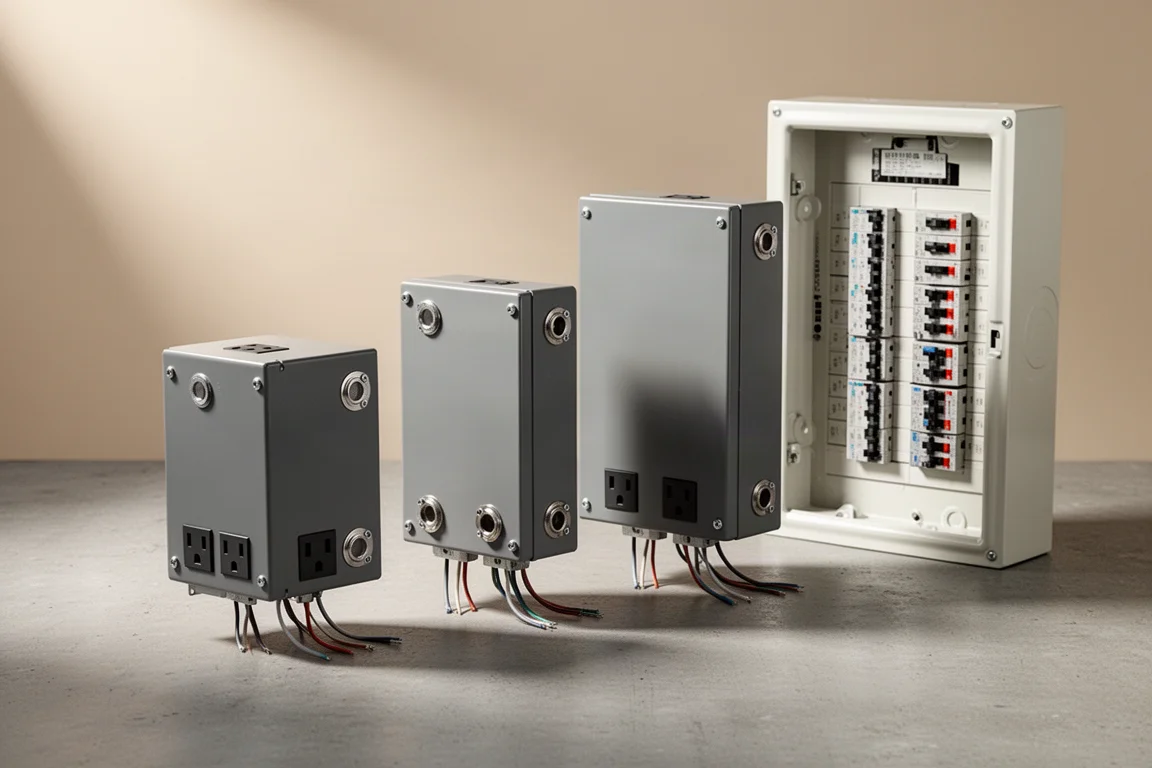
Surge Pure Mach 1, Mach 2, and Mach 3: Panel-Mounted Surge Protection Compared
A practical look at three panel-mounted surge protection devices from Surge Pure, what separates them, and which type of installation each one fits.

Backpacking Gear
Building a 10 lb Base Weight: An Ultralight Backpacking Gear List
A practical walkthrough of the ultralight pieces behind a 10 lb base weight, from a 765 g pack and a roomy one-person tent to a full camp chair and a dependable water filter.

Road Bikes
10 New Road Bikes Worth Watching: Aero, Titanium, Steel and Endurance Standouts
A practical roundup of 10 new road bikes, from aero flagships chasing single-watt gains to titanium, steel and endurance platforms built for real roads.