Automotive
SuperTech Motor Oil Compared: Which Interval Rating Is Actually Worth Buying?
Four SuperTech motor oils rated from 5,000 to 20,000 miles go head to head in cold flow, wear protection, and evaporation testing. The results narrow the field to one clear favorite.
Introduction
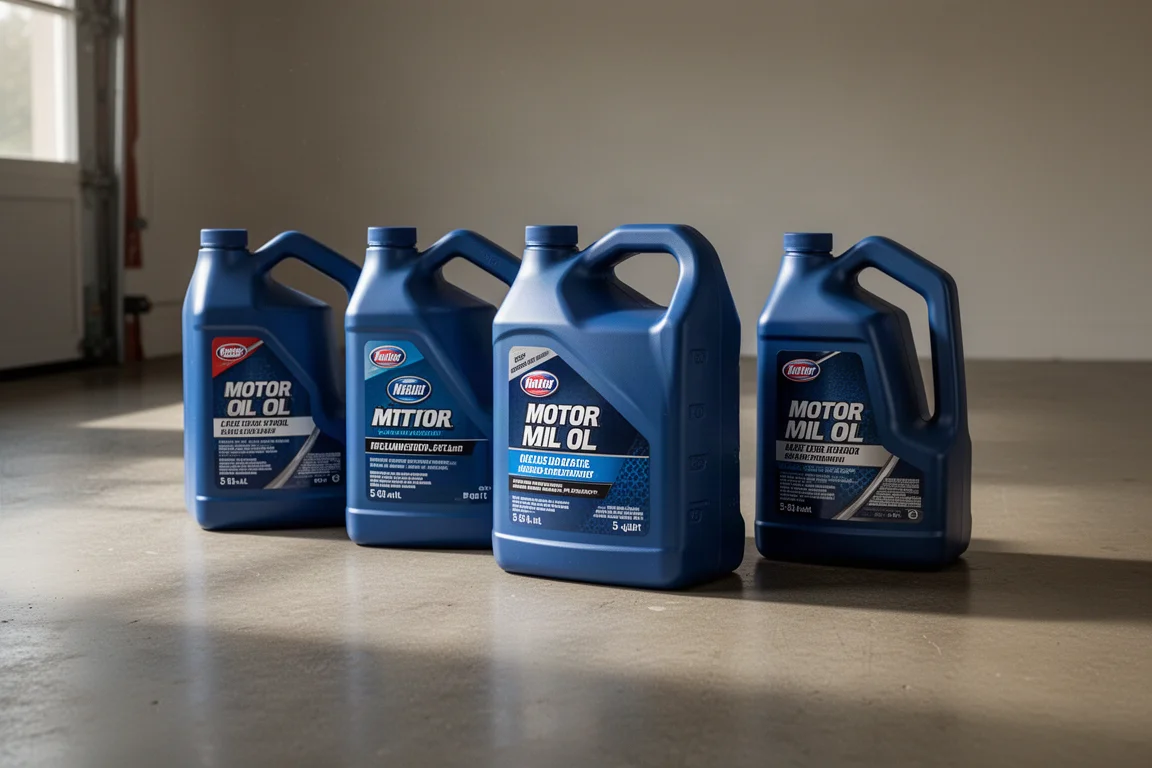
Motor oil shelves make a bold promise: some oils claim to last 5,000 miles, others 10,000, and a few stretch all the way to 20,000. Whether those numbers translate into real differences in protection is the question worth answering before you spend a cent.
Four SuperTech oils, all SAE 5W-30 and all sharing the same API SP and ILSAC GF-6A ratings, were put through cold flow testing, heat exposure, wear measurement, and lab analysis. The results are more interesting than the price tags suggest.
The Lineup: Four Oils, Four Price Points
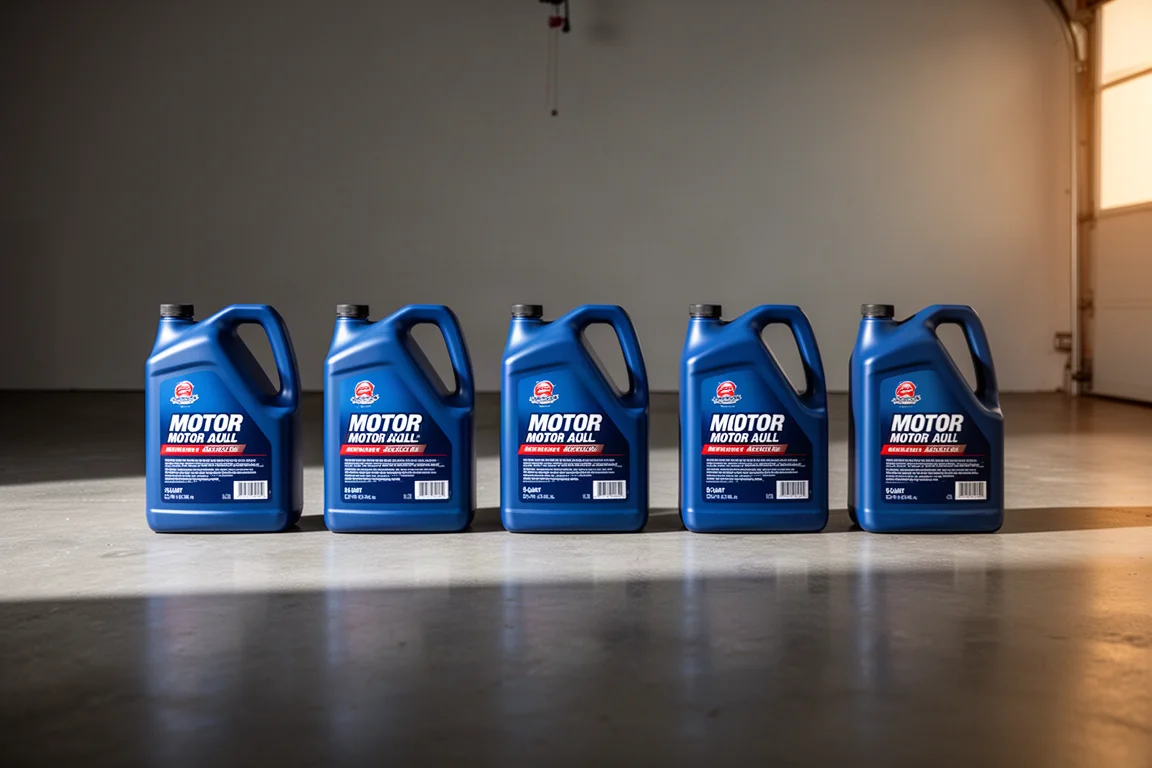
The SuperTech 5,000-mile oil is a synthetic blend at $18 for a 5-quart container. The 10,000-mile oil is a full synthetic that costs $4 more. Neither of these two carries Dexos certification in the 5,000-mile case, but the 10,000-mile oil does, which matters if you drive GM vehicles.
Moving up, the High Mileage 10,000-mile oil runs around $22 per 5-quart jug, and the 20,000-mile oil around $26. Both carry the same API and ILSAC ratings as the first pair, plus the same Dexos certification. SuperTech’s own star ratings give the 10,000-mile oil two stars in every category versus one for the 5,000-mile oil, and give the 20,000-mile oil extra stars for wear protection and sludge resistance. The testing set out to see whether those ratings hold up.
Heat and Evaporation: The Thermal Breakdown Test
High-quality oils resist evaporation and thermal breakdown under engine heat. In the comparison test, 200 g of each oil was heated to around 440 degrees Fahrenheit for two hours, with containers rotated every ten minutes to keep conditions even. The standardized version of this measurement is the Noack volatility test, which exposes oil to even more extreme heat to simulate conditions near the upper piston ring area.
The 5,000-mile synthetic blend lost 17.01 g to evaporation, while the 10,000-mile full synthetic lost only 14.75 g, roughly 14% less. In the second comparison, the high mileage oil lost 14.55 g and the 20,000-mile oil 14.64 g. All three full synthetics performed nearly identically, which points to a very similar base oil across the lineup.
Cold Flow Test at Minus 40 Degrees
Synthetic oil is supposed to flow better when cold, so moving parts get lubricated sooner after a start. Each oil spent 24 hours in a freezer at minus 40 degrees Fahrenheit before racing down a tilted track.
The results were close. The full synthetic 10,000-mile oil won, with the high mileage 10,000-mile oil finishing a very close second. More surprising, the 20,000-mile oil barely finished ahead of the 5,000-mile synthetic blend in both cold flow runs, even after the oils had been heat-stressed. For an oil priced at the top of the lineup, that was an underwhelming showing.

Wear Protection: Measuring the Film Strength
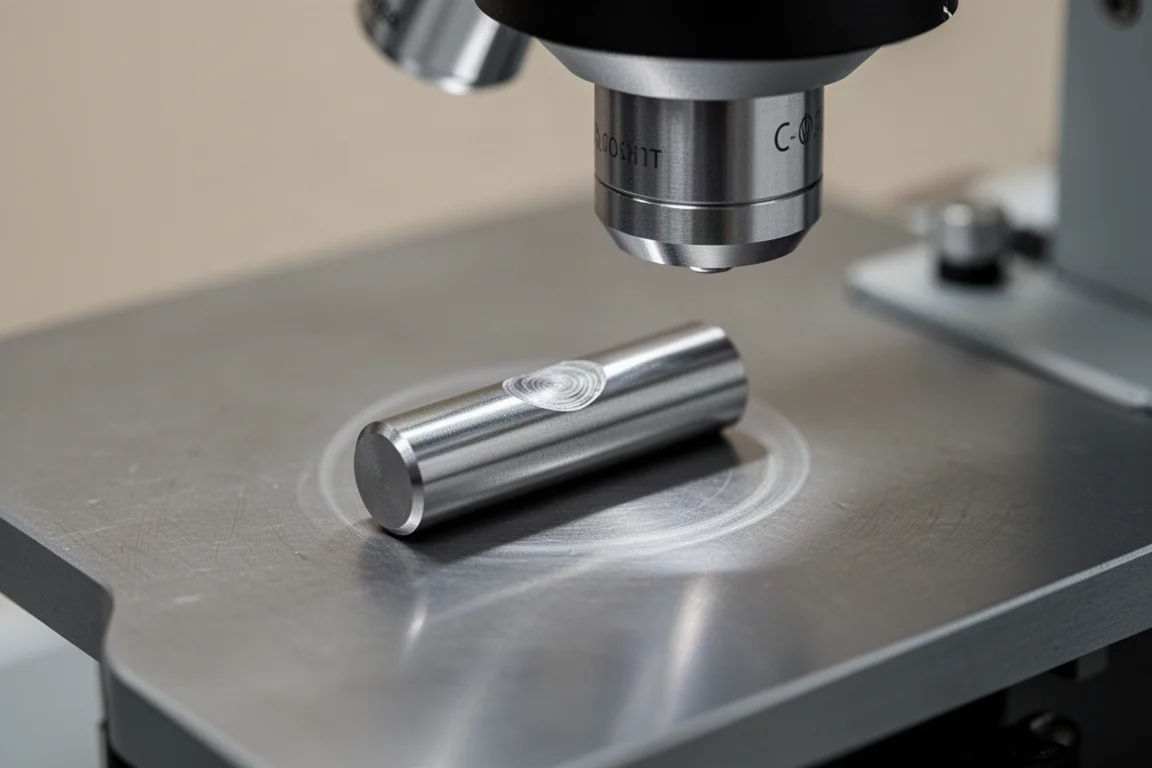
Film strength was tested by running heat-exposed oil in a lubricity tester and measuring wear scars on the test pins under a microscope. The equipment was cleaned and resurfaced between every test to keep comparisons fair.
The full synthetic 10,000-mile oil produced a wear scar 4% smaller than the 5,000-mile blend. In the second round, the 20,000-mile oil edged out the high mileage oil by less than 1%, and both performed about the same as the regular full synthetic. Oil is cheap and engines are expensive, but a 1% advantage does not justify a price gap.
What the Oil Lab Analysis Showed
Laboratory testing covered anti-wear additives, detergent and dispersant content, and total base number, the oil’s ability to resist becoming acidic over time. None of the four new oil samples contained wear metals like aluminum or iron.
The full synthetics carried roughly 400 ppm more detergent and dispersant content than the 5,000-mile blend. Notably, the 10,000-mile oil actually had slightly more detergent content than the 20,000-mile oil, despite the 20,000-mile oil carrying higher star ratings for sludge prevention. Anti-wear additive totals came in at 1,639 ppm for the 20,000-mile oil, 1,546 for the high mileage oil, and 1,515 for the 10,000-mile oil. On total base number, the high mileage oil scored best at 6.8, with the full synthetic at 6.7 and the 20,000-mile oil slightly lower, which seems modest for an oil marketed on sludge protection.
SuperTech 5,000-Mile Synthetic Blend
At $18 for 5 quarts, this synthetic blend is the budget entry, and it behaved like one. It had the highest evaporative loss of the group at 17.01 g, the lowest detergent and dispersant content, and the largest wear scar in the lubricity test. It lacks Dexos certification, so GM owners should look elsewhere. As a short-interval oil for older, simpler engines, it is serviceable, but the full synthetics clearly outperform it on every measured axis.
SuperTech 10,000-Mile Full Synthetic
This is the value standout. It won the cold flow test outright, both before and after heat exposure, and delivered a 4% smaller wear scar than the synthetic blend. Its TBN of 6.7 is nearly the best in the group, and its additive package is essentially on par with the pricier options. For $22 or less per 5-quart container, it covers the Dexos requirement for GM vehicles and offers the strongest overall performance per dollar.
SuperTech High Mileage 10,000-Mile Oil
The quiet winner of the entire comparison. With an average finish of 1.9 across all tests, it came out on top overall. It nearly matched the full synthetic in cold flow, posted the best evaporative loss figure of all four oils at 14.55 g, and carried the highest total base number at 6.8, which is especially relevant for older engines with more acid buildup. At around $22 for 5 quarts, it is a compelling pick for higher-mileage vehicles.
SuperTech 20,000-Mile Motor Oil
The most expensive oil in the lineup at around $26 for 5 quarts, and the least convincing. It finished third overall with an average close to the two 10,000-mile oils, barely beat the synthetic blend in cold flow, and its TBN came in lower than the high mileage oil’s despite the marketing emphasis on sludge protection. The only measurable advantage was a wear scar less than 1% smaller than the high mileage oil’s. Paying $4 more over the 10,000-mile full synthetics buys very little here.
Fuel Contamination: The Real-World Stress Test
Turbocharged engines and engines with gasoline direct injection often experience fuel diluted oil, especially during extended oil change intervals. To test this, the 20,000-mile oil was contaminated with 5% gasoline. The fuel visibly thinned the oil, the watt meter started higher than with clean oil, and the wear scar grew 6% larger.
The takeaway is sobering: the contaminated 20,000-mile oil actually produced a larger wear scar than the clean 5,000-mile synthetic blend. Extended drain intervals on a fuel-contaminated oil carry real risk, regardless of the number printed on the jug.
Buying Advice
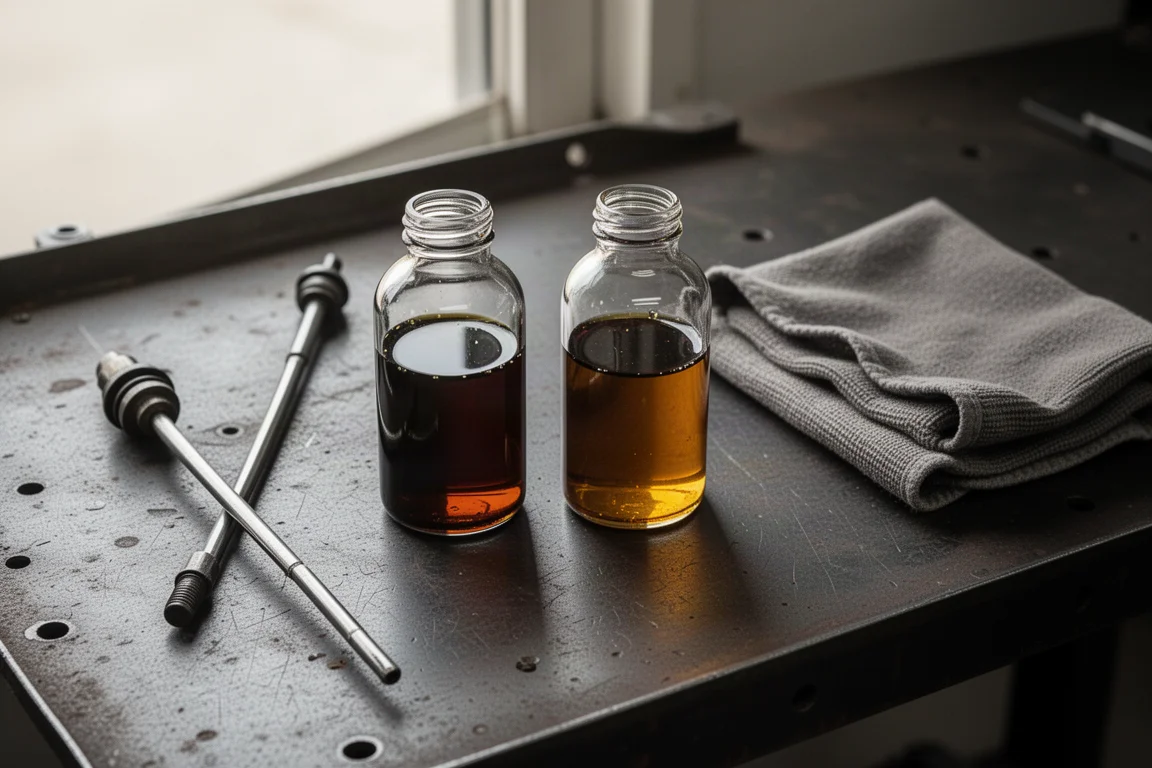
Across every test, the three full synthetics performed very close to one another, and the price difference between them does not track with performance. If you change oil on conventional schedules of 5,000 to 6,000 miles, the two 10,000-mile oils are the smart buys, with the high mileage formula edging ahead for engines with more miles and the full synthetic standing out for GM vehicles needing Dexos certification.
The 20,000-mile oil is not worth the premium, and using any of these oils for their maximum rated interval stretches well beyond what the testing supports. The numbers on the container describe potential, not a recommendation.
Conclusion
SuperTech’s full synthetic lineup is genuinely strong for the price, and the lab data backs the brand’s star ratings more often than not. But the sweet spot is the 10,000-mile tier: the high mileage oil won the overall comparison, and the regular full synthetic was close behind. The 20,000-mile oil is close to the same product at a higher price, and no oil here should be trusted for anything near its maximum claimed interval. Change oil sooner, spend less, and your engine will not know the difference.
Further reading
Related Reviews
Automotive
Best Brake Parts Cleaner 2026: 14 Brands Tested for Speed, Cleaning Power, and Residue
We tested 14 brake parts cleaners for evaporation speed, grease removal, sludge breakdown, and residue to find the best value for your garage.

Automotive
Escort ZR6 Laser Jammers: A Hands-On Look at Features and Performance
The Escort ZR6 laser jammers offer compact heads and flexible integration, but the interface leaves room for improvement.
Automotive
LiPower Solid-State Car Battery Review: A Lighter, Longer-Lasting Upgrade
A practical look at the LiPower solid-state car battery, covering its specs, real-world performance, and how it compares to a traditional AGM battery.