Automotive
LiPower Solid-State Car Battery Review: A Lighter, Longer-Lasting Upgrade
A practical look at the LiPower solid-state car battery, covering its specs, real-world performance, and how it compares to a traditional AGM battery.
Introduction
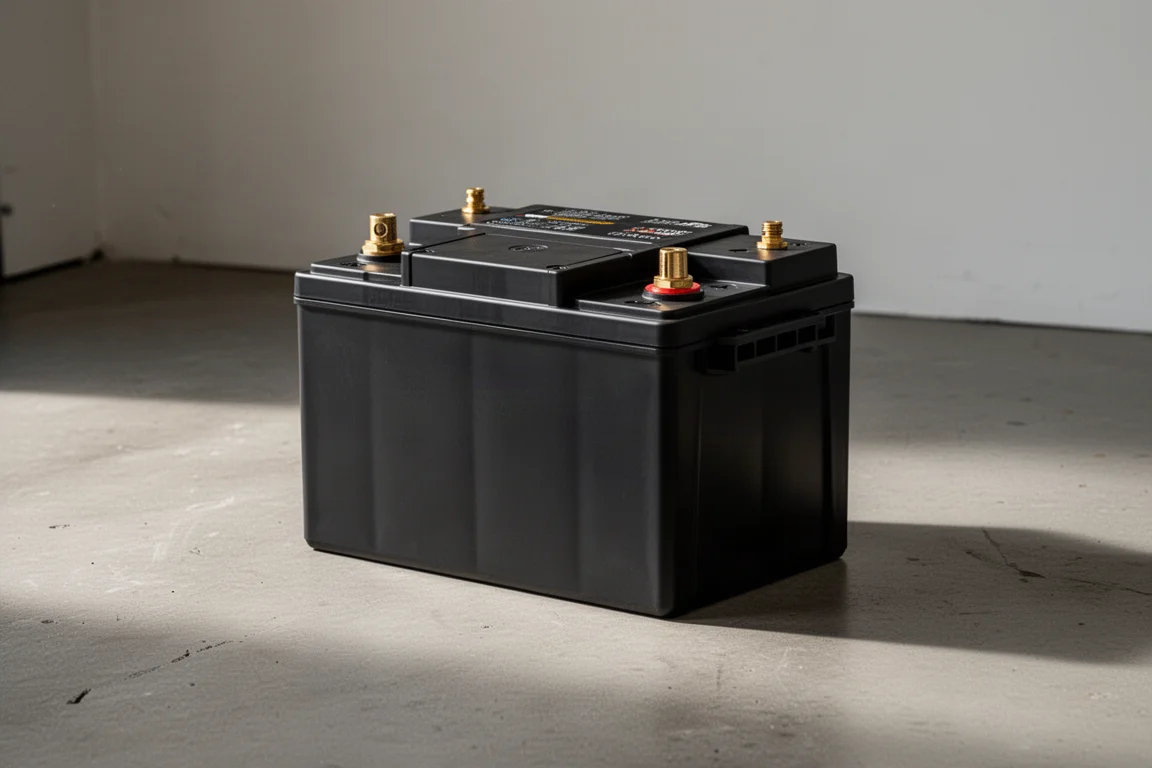
Car batteries have traditionally been heavy, maintenance-prone, and relatively short-lived. The LiPower solid-state car battery aims to change that with a completely liquid-free design that promises better performance, a longer lifespan, and significantly less weight. After installing one in a Nissan Rogue and driving with it daily for over a month, the results are worth a closer look.
This battery is not your typical lead-acid or AGM unit. It uses a proprietary solid-state compound instead of liquid electrolyte, which brings several practical advantages. From faster charging to a wider operating temperature range, the LiPower battery addresses many of the common frustrations drivers have with conventional batteries.
Who This Battery Is For
The LiPower solid-state battery is designed for drivers who want a dependable, long-lasting power source without the usual compromises. It is particularly well suited for vehicles with stop-start systems, where the battery must handle frequent engine restarts. The built-in battery management system (BMS) keeps output stable, which helps these systems work smoothly.
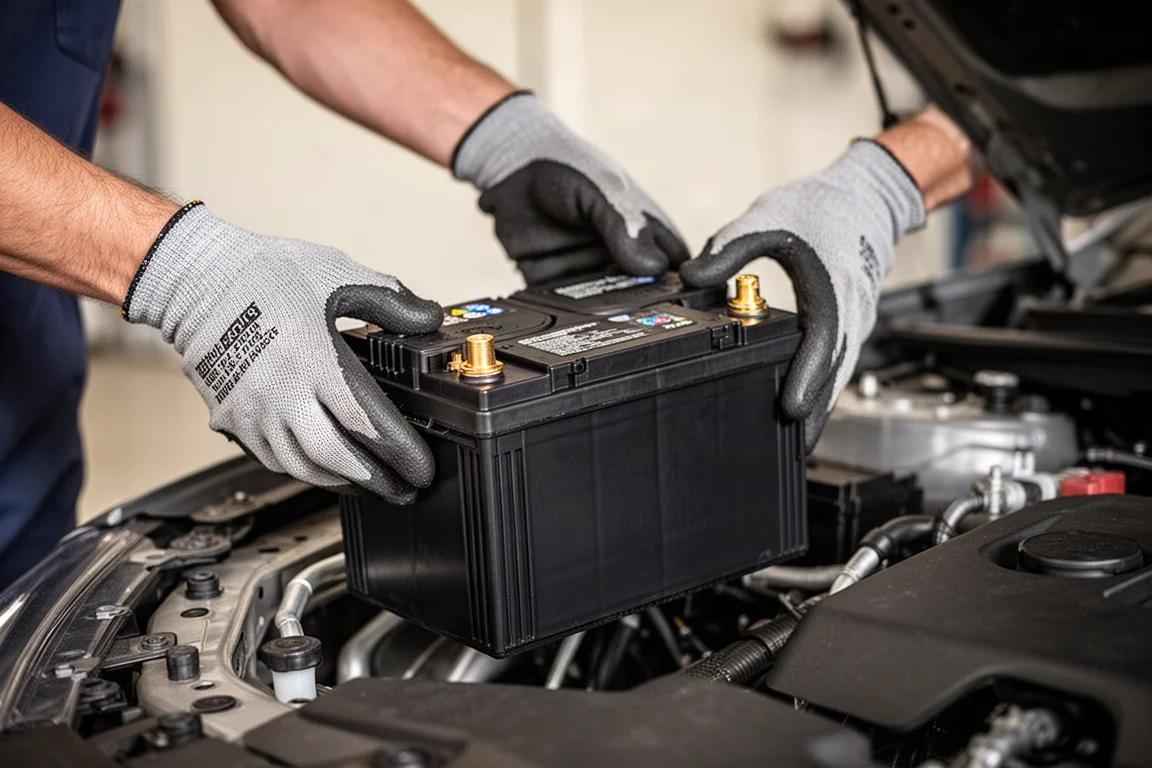
It is also a strong option for anyone who lives in extreme climates. The battery operates from minus 30°C to 65°C, a much wider range than a typical lead-acid battery, which usually handles only minus 10°C to 40°C. During testing in hot August weather with temperatures between 90°F and 100°F, the battery performed without any issues.
Drivers who want to reduce weight under the hood will also appreciate this battery. At 16.6 lb, it is dramatically lighter than a comparable AGM battery, which typically weighs around 40 lb. That weight saving can slightly improve handling and fuel efficiency, though the effect is modest.
Main Strengths
The LiPower solid-state battery delivers several clear advantages over traditional options. Its most impressive feature is its lifespan. Rated for 10 to 15 years, it should outlast a typical lead-acid battery by a wide margin. It also supports up to 3,000 charge cycles, compared to roughly 600 to 800 cycles for a lead-acid unit.
Charging speed is another standout. The battery can charge five times faster than a typical lead-acid battery. A 10-minute charge provides about 5 hours of use, whereas a lead-acid battery at 50% charge can take 5 to 6 hours to fully recharge. This makes the battery convenient for drivers who make frequent short trips.
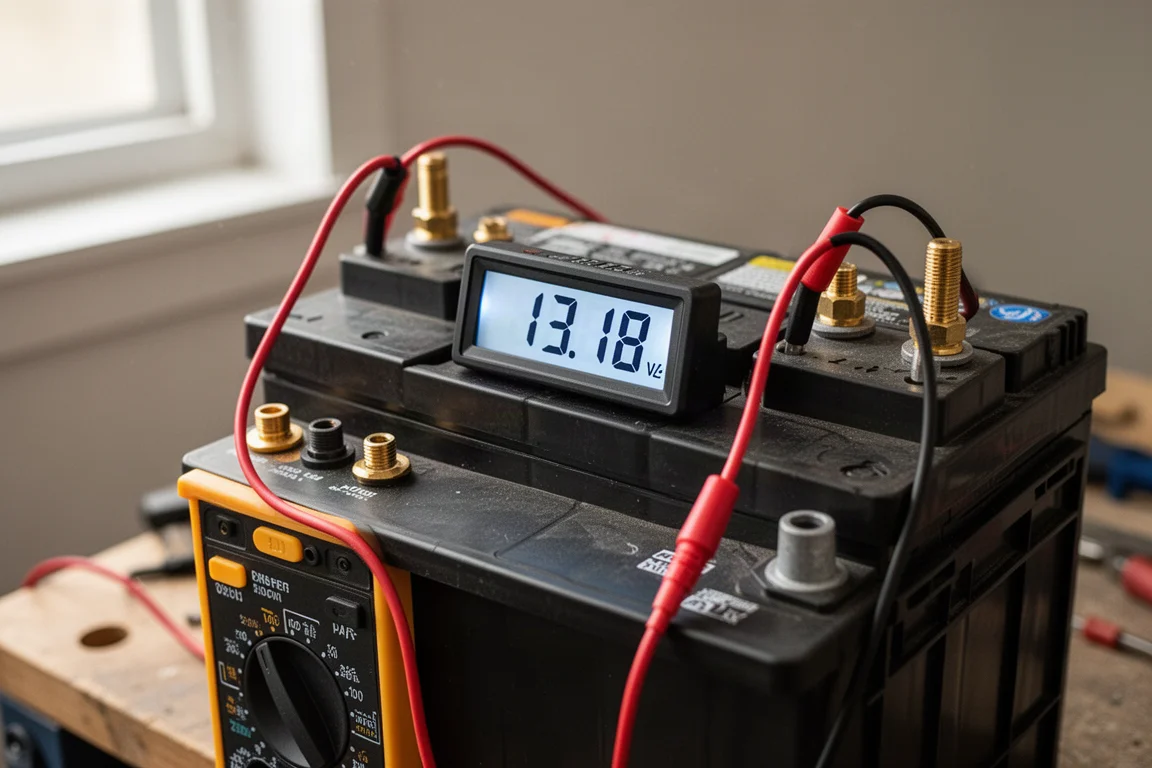
The battery’s output voltage remained remarkably consistent throughout testing. Out of the box, it measured 13.18V, and after weeks of daily driving, it stayed in the 13.2V to 13.3V range. This stability comes from the built-in BMS, which ensures steady current and voltage delivery while also preventing overcharging.
Build quality is another highlight. The flame-retardant enclosure feels solid and durable, and the gold-plated terminals resist corrosion. Since the battery contains no liquid and is not flammable, there is no risk of fire in the engine bay. It is also IP67 rated, meaning it is fully protected against dust and water.
Things to Consider Before Buying
The main drawback of the LiPower solid-state battery is its price. The group size 48 model tested here retails for $500, while a comparable AGM battery typically costs between $250 and $300. That is a significant upfront investment, even if the longer lifespan may justify it over time.
Availability is another factor to keep in mind. At the time of review, LiPower offered the battery in three group sizes: 27, 24, and 48. Before purchasing, you need to confirm that your vehicle is compatible with one of these sizes. Not all cars will fit, so checking your owner’s manual or the manufacturer’s website is essential.
Cold-weather performance remains unverified. The battery is rated to operate down to minus 30°C, but the testing period covered only hot summer conditions. If you live in a region with harsh winters, you may want to wait for additional long-term data before committing.
Buying Advice
If you are considering the LiPower solid-state battery, start by confirming your vehicle’s group size. The three available sizes cover many popular cars, but compatibility is not universal. Once you have confirmed the fit, weigh the higher upfront cost against the potential long-term savings from a 10 to 15 year lifespan.
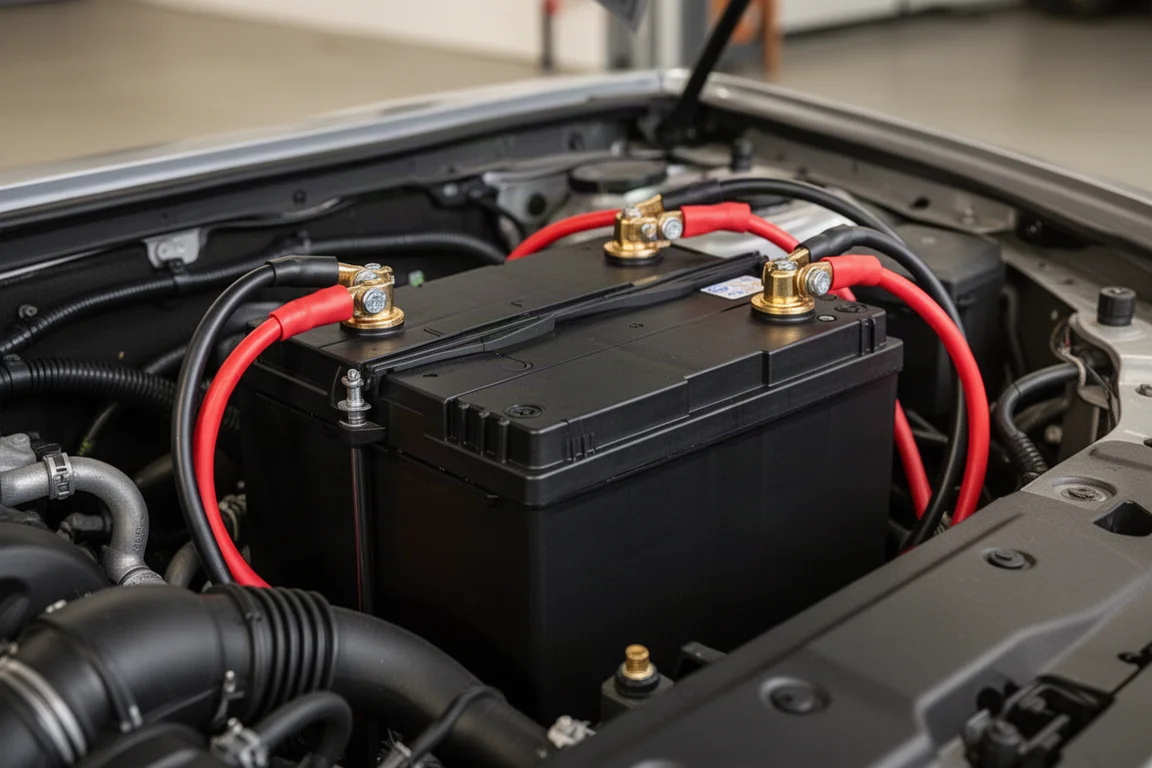
For drivers with stop-start systems, this battery is particularly appealing. The stable voltage output and high energy density ensure the engine restarts reliably every time. The consistent 13.2V to 13.3V output observed during testing is a healthy sign for any vehicle’s electrical system.
If you live in a hot climate, the battery’s wide operating range and heat tolerance make it a solid choice. The flame-retardant enclosure and non-flammable chemistry also add peace of mind. Just remember that winter performance has not yet been demonstrated in real-world testing, so consider that if you face extreme cold.
Conclusion
The LiPower solid-state car battery is a compelling upgrade for drivers who want better performance, less weight, and a much longer lifespan than traditional batteries offer. Its stable voltage output, fast charging, and robust build quality make it a dependable choice, especially for vehicles with stop-start systems.
The higher price is the main hurdle, but the potential to last 10 to 15 years means it could pay for itself over time. If your vehicle is compatible with one of the available group sizes, this battery is worth serious consideration.
Product link
View more details for LiPower Solid-State Car Battery
This product is mentioned in the review. Check the specifications, options, and compatibility before buying.
View more details for LiPower Solid-State Car BatteryFurther reading
Related Reviews

Automotive
Best Brake Parts Cleaner 2026: 14 Brands Tested for Speed, Cleaning Power, and Residue
We tested 14 brake parts cleaners for evaporation speed, grease removal, sludge breakdown, and residue to find the best value for your garage.
Automotive
Escort ZR6 Laser Jammers: A Hands-On Look at Features and Performance
The Escort ZR6 laser jammers offer compact heads and flexible integration, but the interface leaves room for improvement.
Automotive
Oil Additives Tested: Do They Improve Power, Fuel Economy, and Engine Protection?
Five popular oil additives tested for horsepower, fuel economy, cold flow, heat resistance, and wear protection. See which ones delivered and which fell short.