Garden Ponds
Superfish Patio Pond Review: A Compact Above-Ground Pond That Works
A practical look at the Superfish Patio Pond, covering setup, planting, cascade filtration, and what to expect after the first few weeks outdoors.
Introduction
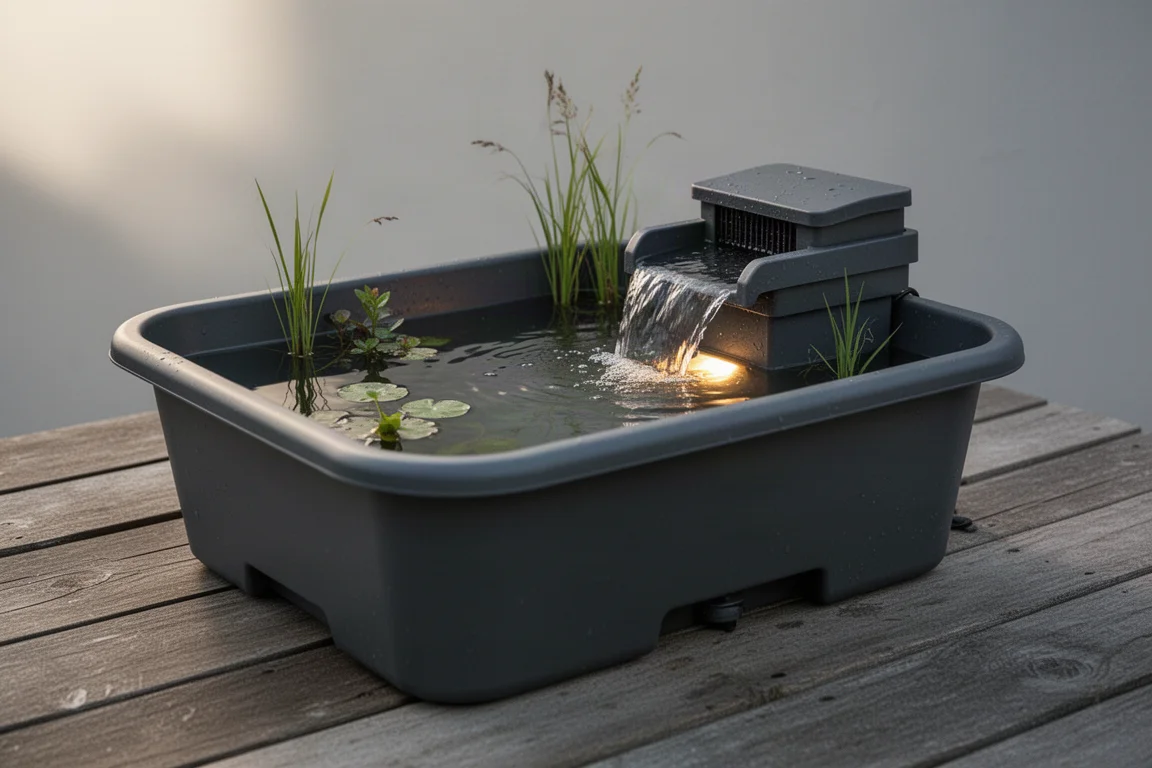
The Superfish Patio Pond is an above-ground pond kit for anyone who wants fish and plants without digging up a garden. It arrives as a moulded plastic basin paired with a cascade plant filter, an Eco 1000 pump, and an LED light that sits beneath the waterfall. Assembly is refreshingly direct: the pump screws into the base of the cascade housing, water rises into the chamber, circulates, and then trickles back over the lip into the pond.
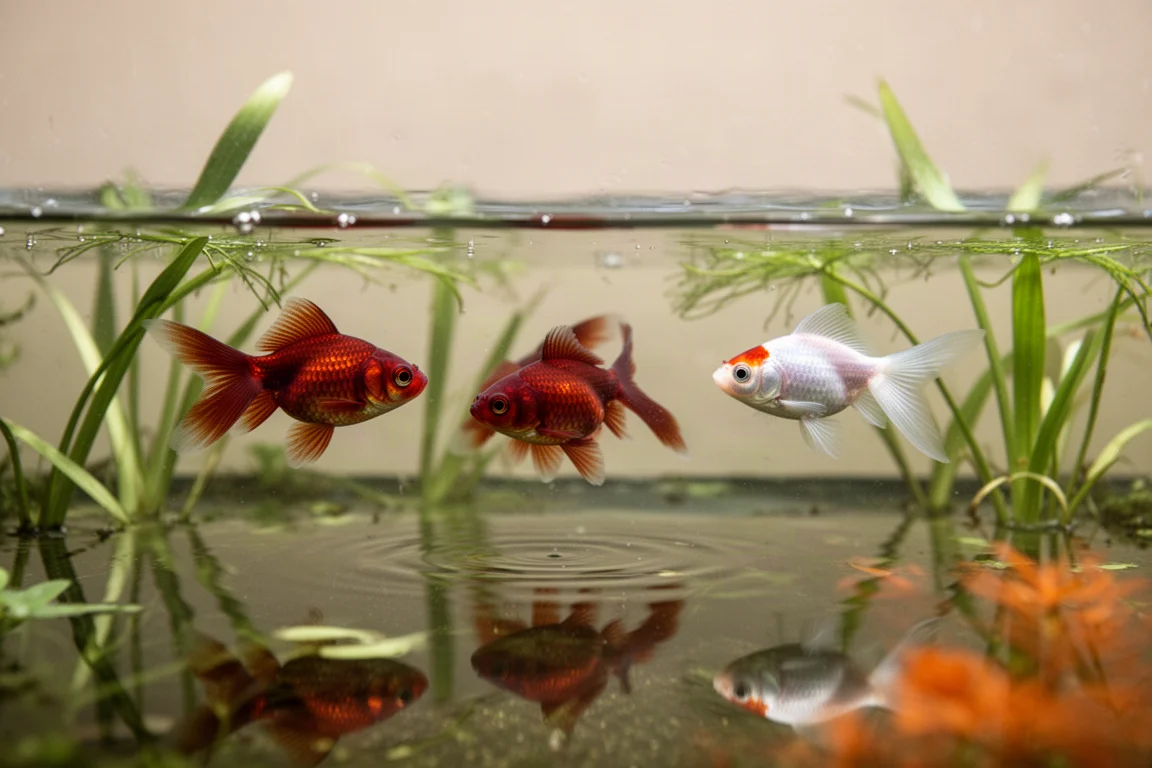
That simplicity is the appeal. Within a few hours of unpacking, the pond can be filled, planted, and running. Three weeks later in a real outdoor setup, the water had cleared, the plants had put on obvious new growth, and a small group of goldfish had settled in among them. This review covers what the kit does well, where its limits sit, and what to plan for before buying.
Who This Patio Pond Is For
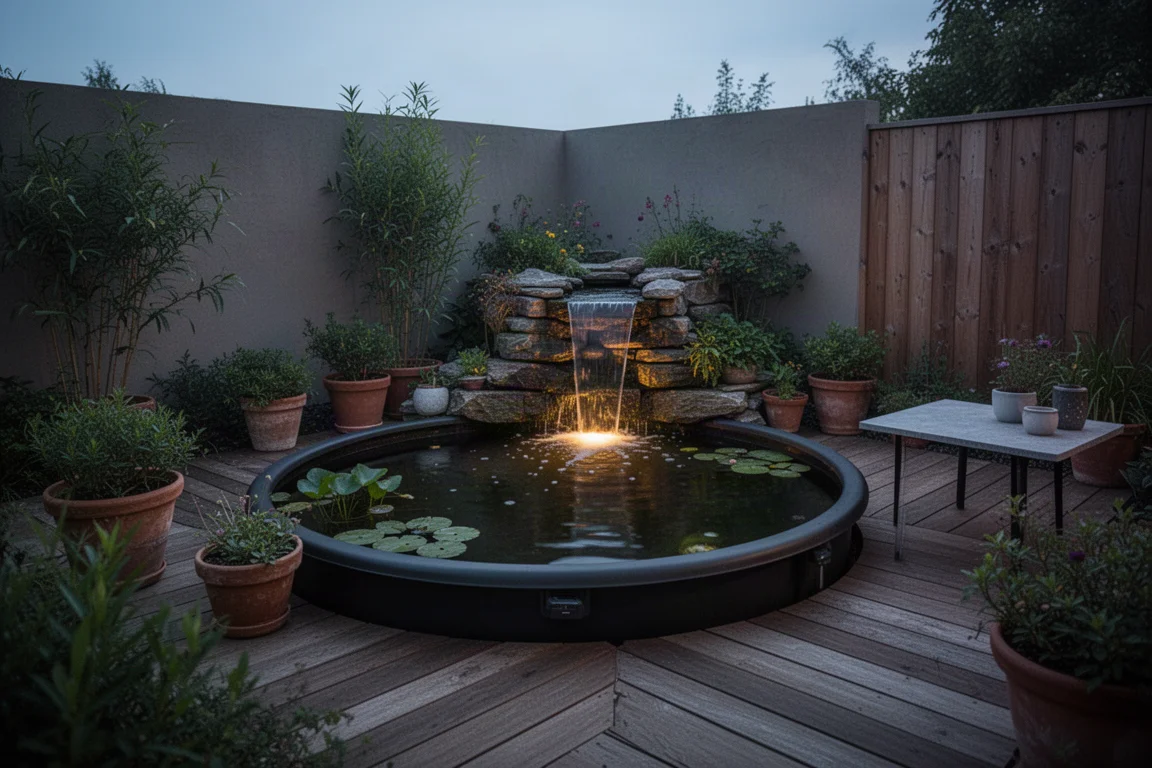
This is a strong fit for decking, patios, courtyards, and small gardens where a dug pond is impractical, unwanted, or simply too much commitment. It also suits anyone who wants to learn the basics of pond keeping before investing in something larger and permanent. Because the basin sits on the surface, it can be positioned close to seating, which makes the fish far easier to watch than they would be at the bottom of a garden.
It is a good option for households with children, since the water is shallow enough to see into and the cascade is gentle. It is not the right choice for anyone planning koi, a wildlife-style natural pond, or a large collection of fish. You will also need an outdoor power socket within reach of the pump cable, which is worth checking before you decide where it goes.
Main Strengths
The strongest argument for this kit is how much it removes from the equation. There is no liner to cut, no hole to dig, no separate filter to plumb in, and no pump to research. Everything needed to circulate and filter the water arrives in the box, and the parts connect without tools.
Cascade Filtration and the Eco 1000 Pump
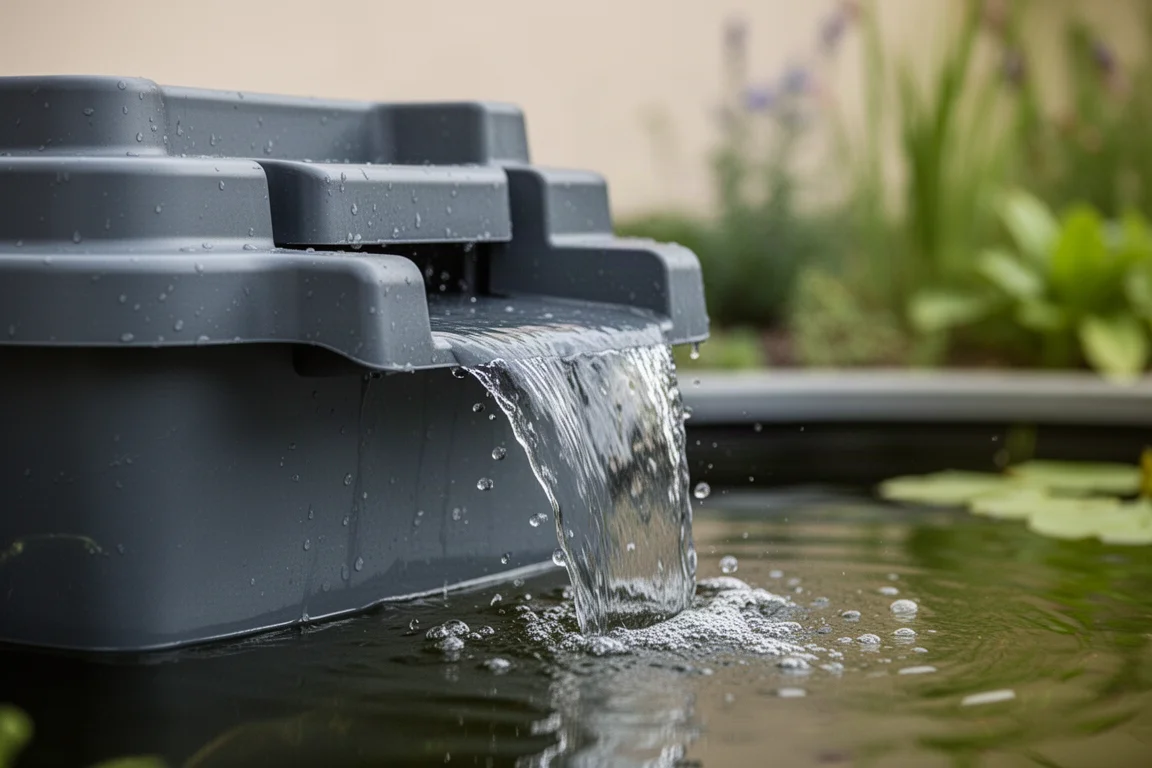
The pump sits at the bottom of the basin and screws into the cascade housing, with the inlet facing forward so it can be cleared easily. A cap on top of the housing keeps water from spraying, and the whole assembly hides the wiring neatly. Once running, water is lifted into the chamber, circulates through it, and spills over the top edge back into the pond.
The design is genuinely simple, and it works quickly. The chamber fills fast, and the falling water produces a pleasant, steady sound that makes the pond feel more established than it is. Water level can be set wherever you prefer, and a little surface movement is useful when the pond sits in direct sun.
Planting Options and the Built-in Light
Planting is flexible. Pots of aquatic compost can go straight into the basin, and taller grassy varieties give the pond some height without dominating it. Floating plants such as mini water lettuce and red root floaters sit on the surface and help with water quality, while weighted oxygenating plants can simply be dropped to the bottom to support the filtration already in place. A red mineral-based substrate under a layer of coarse gravel makes the fish colours read more strongly.
The integrated LED light sits under the waterfall, and it changes the pond after dark. Rather than a dark shape on the deck, you get a softly lit water feature with fish moving through it, which makes the pond something you can enjoy in the evening as well as during the day.
Living With the Pond Over the First Weeks
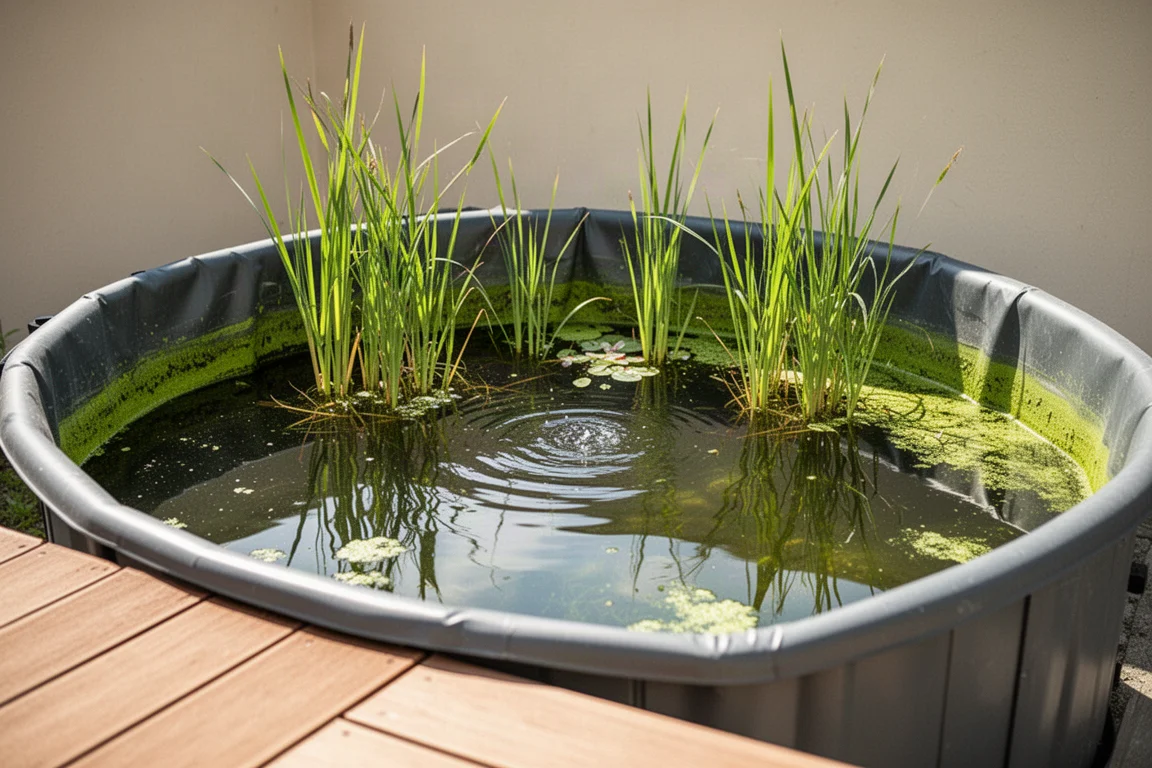
After three weeks outdoors, the results were better than the modest setup suggested. The water had cleared enough to see the bottom, with only a light algae film on the walls and some residue, which is normal for a pond in strong sun. Plants showed substantial new growth, one variety produced flowers, and another developed red tips that added colour.
Wind is the main environmental factor to expect. In an exposed position, taller plants and floating plants get pushed around constantly, and leaf tips can take a battering in hot, breezy weather. Denser planting becomes more stable over time, and new shoots keep coming through even when the outer growth looks tired. Floating plants were mixed: some multiplied, others struggled, and leaving them to find their own level proved the sensible approach.
Things to Consider Before Buying
The main limitation is volume. This is a compact pond, and stocking should stay modest because of it. Cold-water outdoor ponds of this type are realistically limited to goldfish, and koi will outgrow the basin quickly. Rice fish, which are popular in warmer climates, are not a permitted option for outdoor ponds in the UK, so goldfish are the practical route.
Size expectations matter too. Goldfish started at around two inches typically reach roughly four inches within their first year, and they keep growing after that, so the pond rewards restraint rather than enthusiasm. Three small goldfish make a sensible starting group, and choosing different colour forms makes them easier to tell apart.
A few other points are worth knowing before you buy. The plastic walls will show a green film in sunny positions, which is cosmetic rather than a problem. Floating plants can sulk in windy, exposed gardens. And because everything is above ground, the setup depends on a nearby outdoor socket and a pump that runs continuously.
Setup Notes and Practical Tips
A few small decisions make the first fill much easier. Turn off the pump and let the cascade chamber drain before adding substrate, and keep the water rather than discarding it, since the chamber empties itself back into the basin. Rinse-free substrates and clean gravel keep cloudiness brief.
When planting, start with the tallest specimens and work down, elevating them with gravel if they sit too deep. Keep the area around the outflow clear so water can move freely, and mix compost, sand, and gravel in the base to create a simple bog-filter effect. Add floating plants after the fish have settled rather than on day one, and let the water clear before judging how the layout looks. Acclimatise fish in their bag before release, and expect them to hide in the plants for the first day or two.
Buying Advice
The kit is widely stocked by aquatic retailers, so searching for the Superfish Patio Pond will turn up plenty of options. Because the pump, cascade filter, and LED light are all included, the only extras to budget for are plants, substrate, and fish. Small goldfish are the inexpensive way in, while larger specimens cost considerably more, and starting small is the better value since the growth is half the appeal.
Before ordering, confirm three things: where the pond will sit, that a power socket is within reach, and how many fish the space can comfortably support. Keep the pump running continuously, top up the water level as it evaporates, and give the plants a few weeks to establish before making changes. Buyers who want a low-effort, good-looking water feature with a small group of goldfish should find this kit does exactly what it promises.
Conclusion
The Superfish Patio Pond succeeds because it makes pond keeping accessible. It sets up in an afternoon, filters and lights itself, and looks at home on a deck within weeks. The trade-offs are honest ones: a modest water volume, a plastic basin that shows algae in strong sun, and a stocking list that starts and ends with goldfish. For a first pond, a small courtyard, or a household that wants fish close enough to watch, that is a fair and straightforward deal.
Product link
View more details for Superfish Patio Pond
This product is mentioned in the review. Check the specifications, options, and compatibility before buying.
View more details for Superfish Patio PondFurther reading
Related Reviews

Backpacking Gear
Building a 10 lb Base Weight: An Ultralight Backpacking Gear List
A practical walkthrough of the ultralight pieces behind a 10 lb base weight, from a 765 g pack and a roomy one-person tent to a full camp chair and a dependable water filter.

Road Bikes
10 New Road Bikes Worth Watching: Aero, Titanium, Steel and Endurance Standouts
A practical roundup of 10 new road bikes, from aero flagships chasing single-watt gains to titanium, steel and endurance platforms built for real roads.
Bikepacking Gear
11 Bikepacking Essentials for Long-Distance Cycling
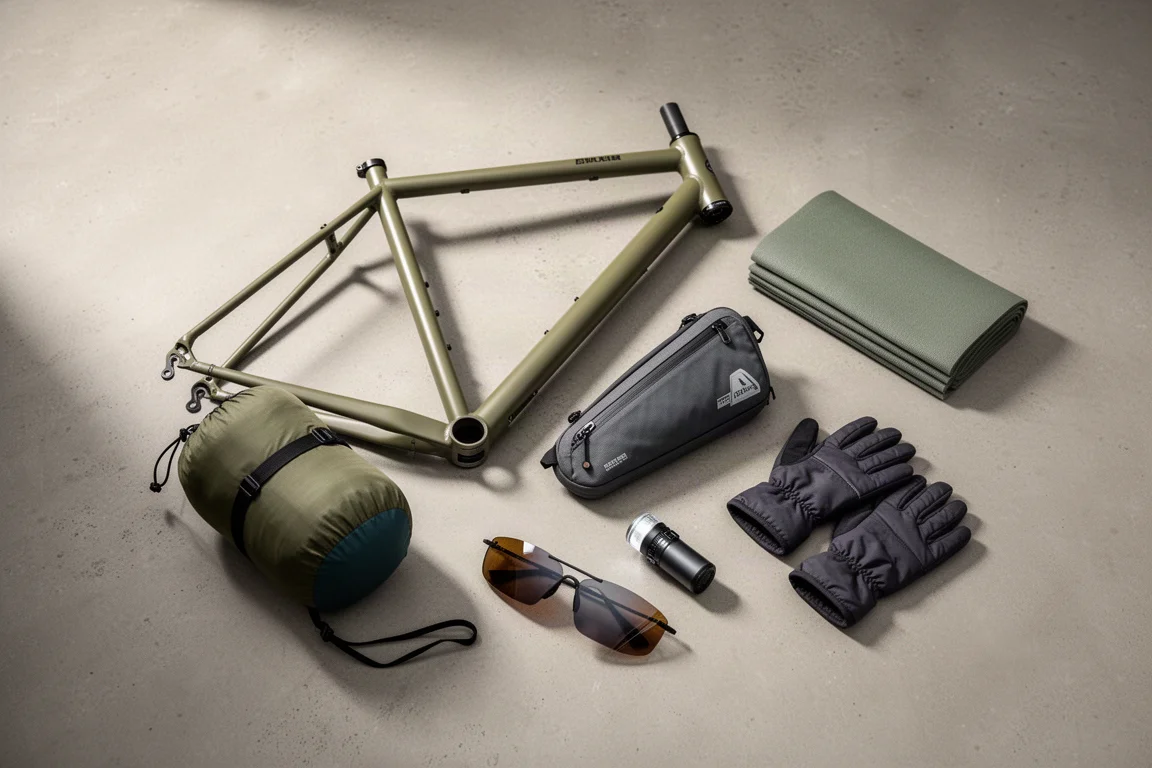
Eleven bikepacking essentials for long-distance cycling, from a steel gravel frame and a two-person tent to helmet lights, packable gloves, and a frame bag that puts weight in the right place.