Streaming Media Players
SuperBox S7 Pro Review: What You Need to Know Before Buying
The SuperBox S7 Pro promises unlimited streaming without subscriptions. Here's what the hardware actually delivers, the real risks involved, and why the streaming industry created demand for devices like this.
Introduction
The SuperBox S7 Pro is a streaming media player sold through mainstream retailers like Walmart for around $360. It promises unlimited access to live television, movies, and shows without paying for individual streaming subscriptions. The appeal is obvious: instead of juggling Netflix, Disney+, HBO Max, and a dozen other services, you get everything in one box for a one-time purchase.
But the promise comes with serious caveats that most sellers won’t mention.
Hardware Design and Specifications
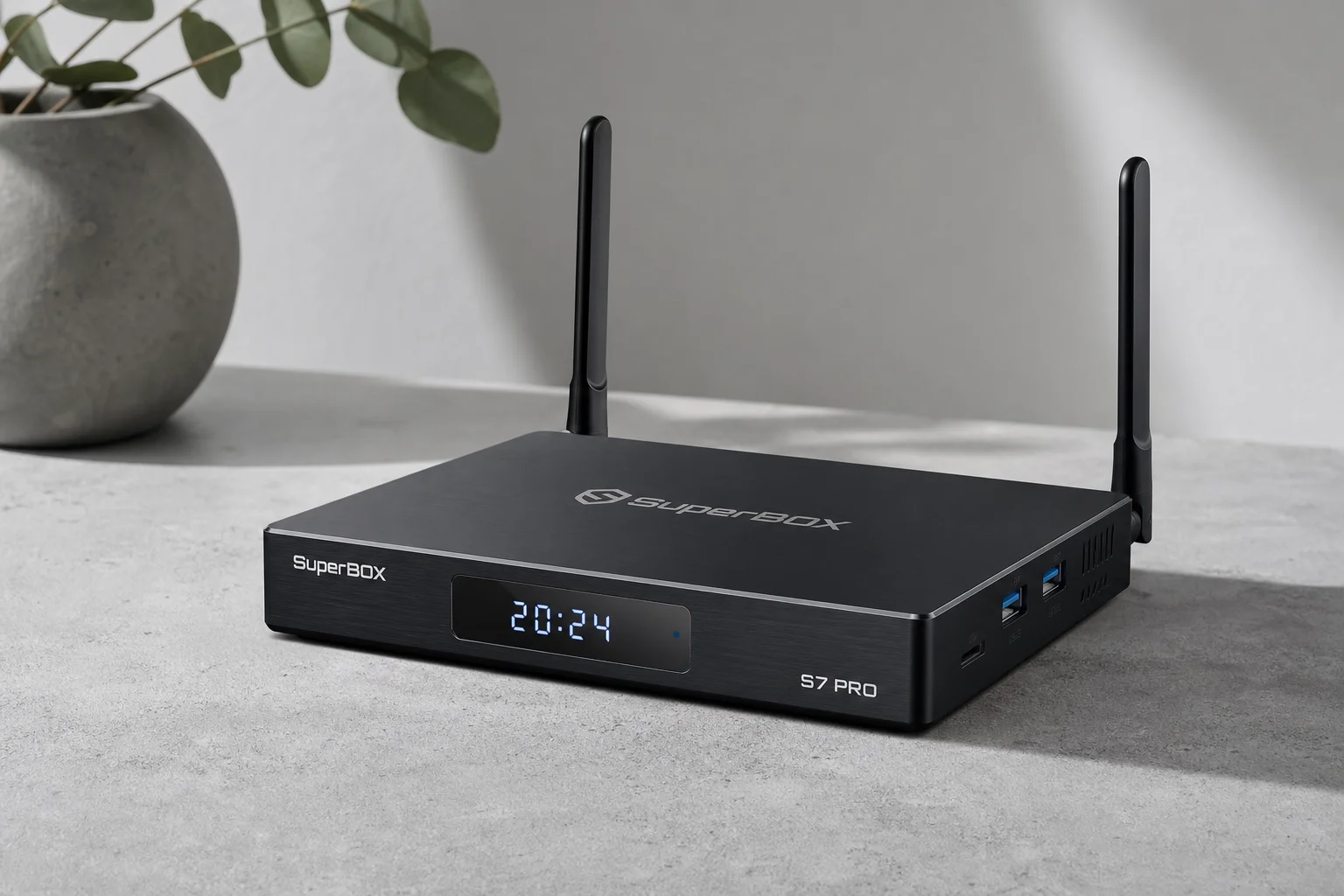
The SuperBox S7 Pro is a thin, rectangular device with a small clock display on the front and external antennas. It measures roughly the size of a cable box and weighs very little. The design is deliberately understated, which appears intentional.
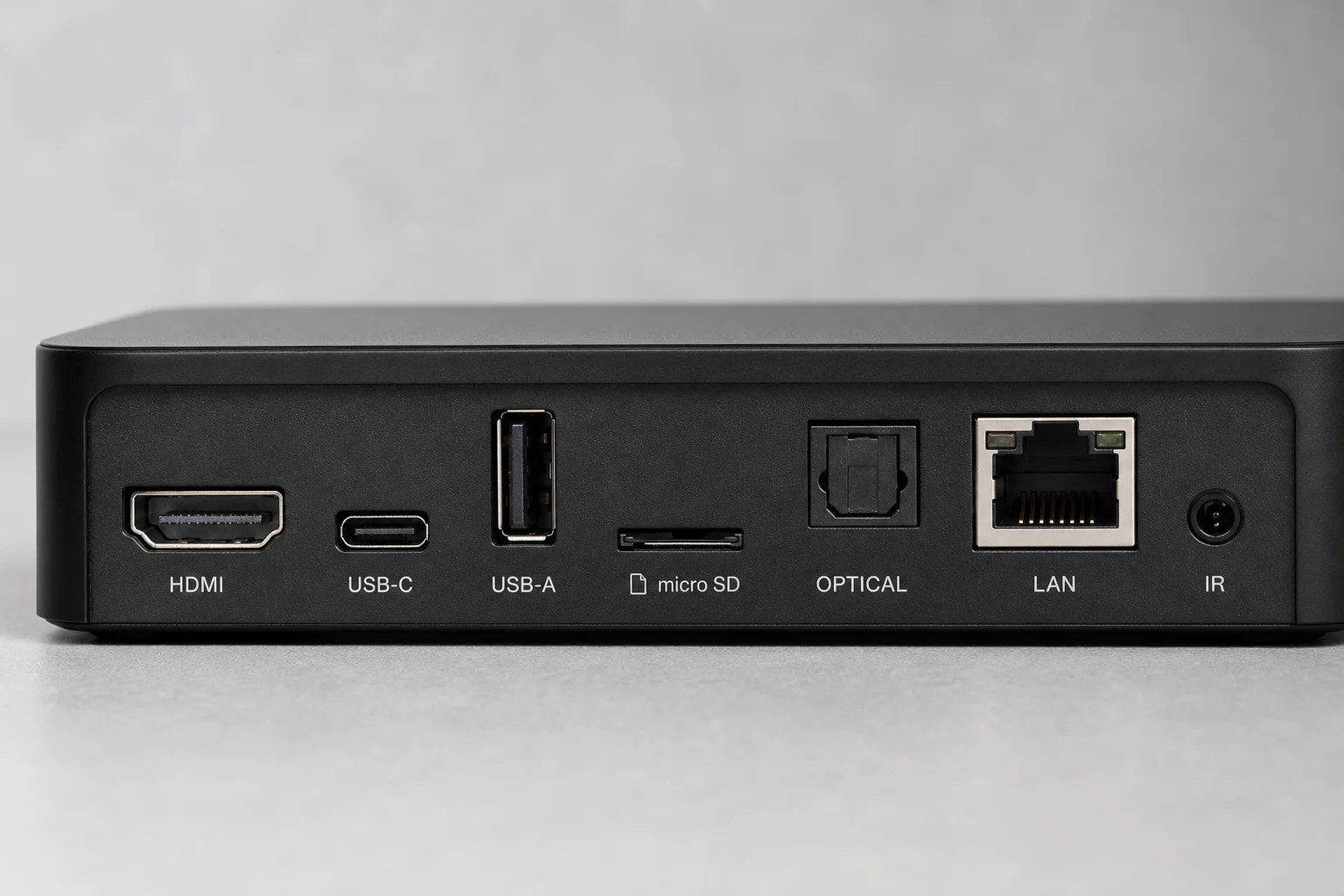
The rear panel includes standard connectivity: HDMI output, USB-C and USB-A ports, micro SD card slot, optical audio, LAN, and IR receiver. There is also a USB-C input for power. The device runs Android TV and is manufactured in China with R&D listed in the USA. It carries an FCC ID, which is a legitimate regulatory certification for devices sold in North America.
The specifications claim support for resolutions up to 6K, though this is largely marketing language since 6K content is not widely produced or broadcast. The device itself is unremarkable hardware that could be purchased from generic electronics suppliers for a fraction of the retail price.
How the SuperBox Works
Out of the box, the SuperBox S7 Pro boots into a standard Android TV interface. The initial setup includes a disclaimer stating that the manufacturer is not responsible for content streamed or viewed by users. This disclaimer is unusual for a mainstream consumer device.
The device comes with a user guide that directs users to download specific applications from third-party sources rather than the official Google Play Store. These applications include services like Blue TV, Blue VOD, and others that aggregate streaming content. The guide explicitly tells users not to use the standard Play Store and instead to sideload applications via APK files.

Once these applications are installed and the device connects to the internet, it provides access to hundreds of live television channels, movies, and shows from major streaming services. This includes ESPN, local channels, Netflix content, Disney+, HBO, and even prerecorded pay-per-view events. The breadth of content is genuine and functional.
However, the source of this content is not legitimate. The applications are designed to circumvent the authentication and payment systems of legitimate streaming services. Using the SuperBox to access this content is copyright infringement and is illegal in most jurisdictions.
Security and Botnet Risks
Beyond the legal issues, there is a significant security concern that receives almost no attention from SuperBox sellers.
In 2025, the FBI and Google identified a massive botnet called Bad Box 2.0 made up of over 10 million compromised Android devices. The devices at the center of this botnet were cheap, uncertified Android TV boxes designed with piracy in mind. While the SuperBox S7 Pro may not be directly part of this botnet, security researchers have documented that Android TV boxes designed for piracy often come preloaded with tools that can monetize your internet bandwidth without your knowledge.
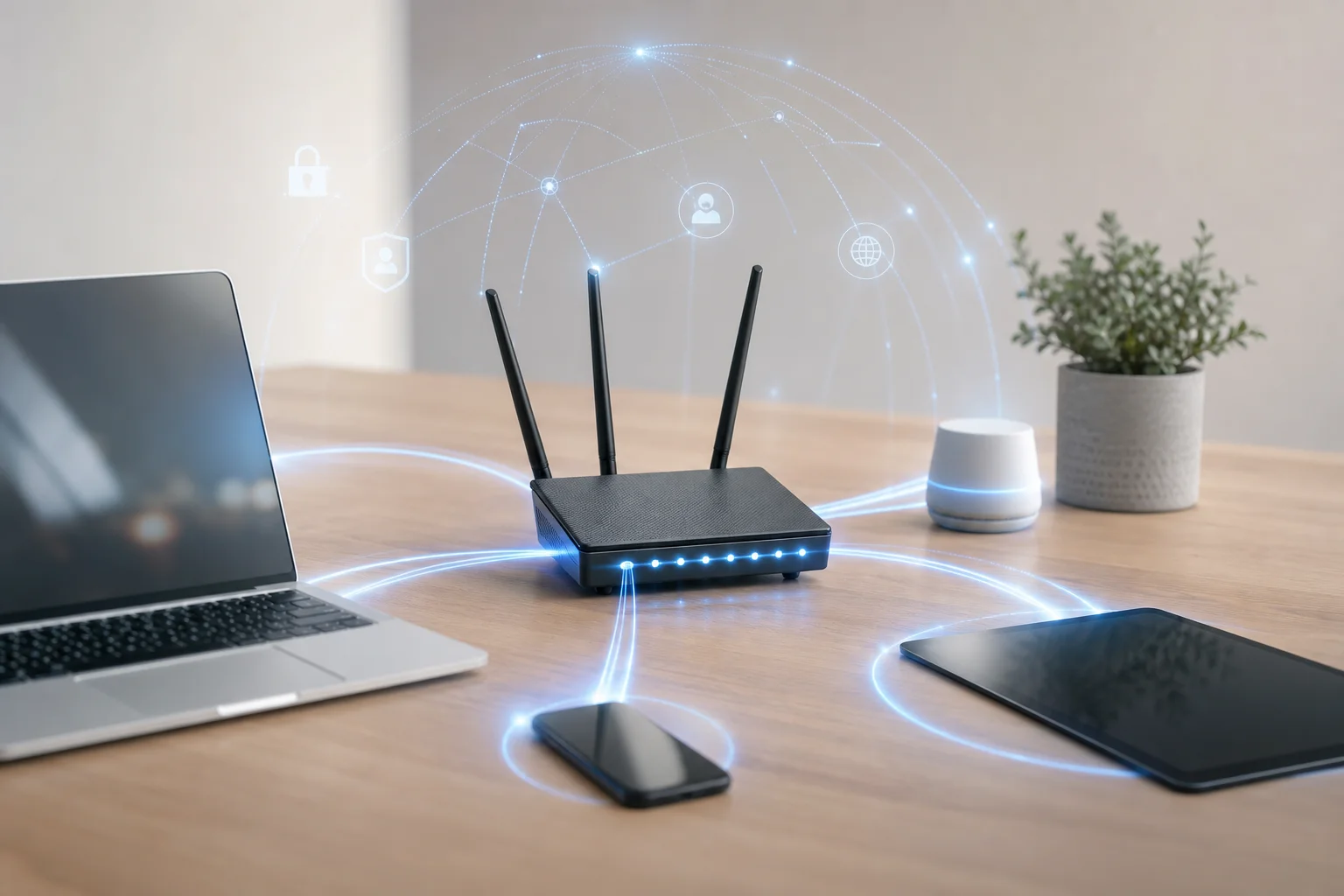
These tools can assume the identity of other devices on your home network and route traffic through your internet connection to third parties. This traffic is then sold and used for ad fraud, credential stuffing, and other malicious purposes. Your home IP address essentially becomes a proxy for whoever pays for access to it.
Additionally, there is no guarantee that the device is secure or that it won’t compromise other devices on your home network. Connecting a SuperBox to your home wifi could expose your personal devices, data, and network to unauthorized access.
Why Devices Like This Exist
The existence of the SuperBox is not a mystery. It is a direct response to how the streaming industry has evolved over the past decade.
In the early 2010s, Netflix was $8 per month and had a vast library of content. Piracy dropped significantly during this period because the service was convenient and affordable. In 2011, Netflix overtook torrents as the largest source of North American internet traffic. People were willing to pay when the experience was simple and the cost was reasonable.
But as Netflix’s success became obvious, every major media company decided to launch its own streaming service. Disney+, HBO Max, Paramount+, Peacock, Apple TV, and others fragmented the content across multiple platforms. Prices have risen steadily. Netflix now costs $25 per month for 4K quality. Other services are not far behind. Sports content requires additional subscriptions on top of these services.
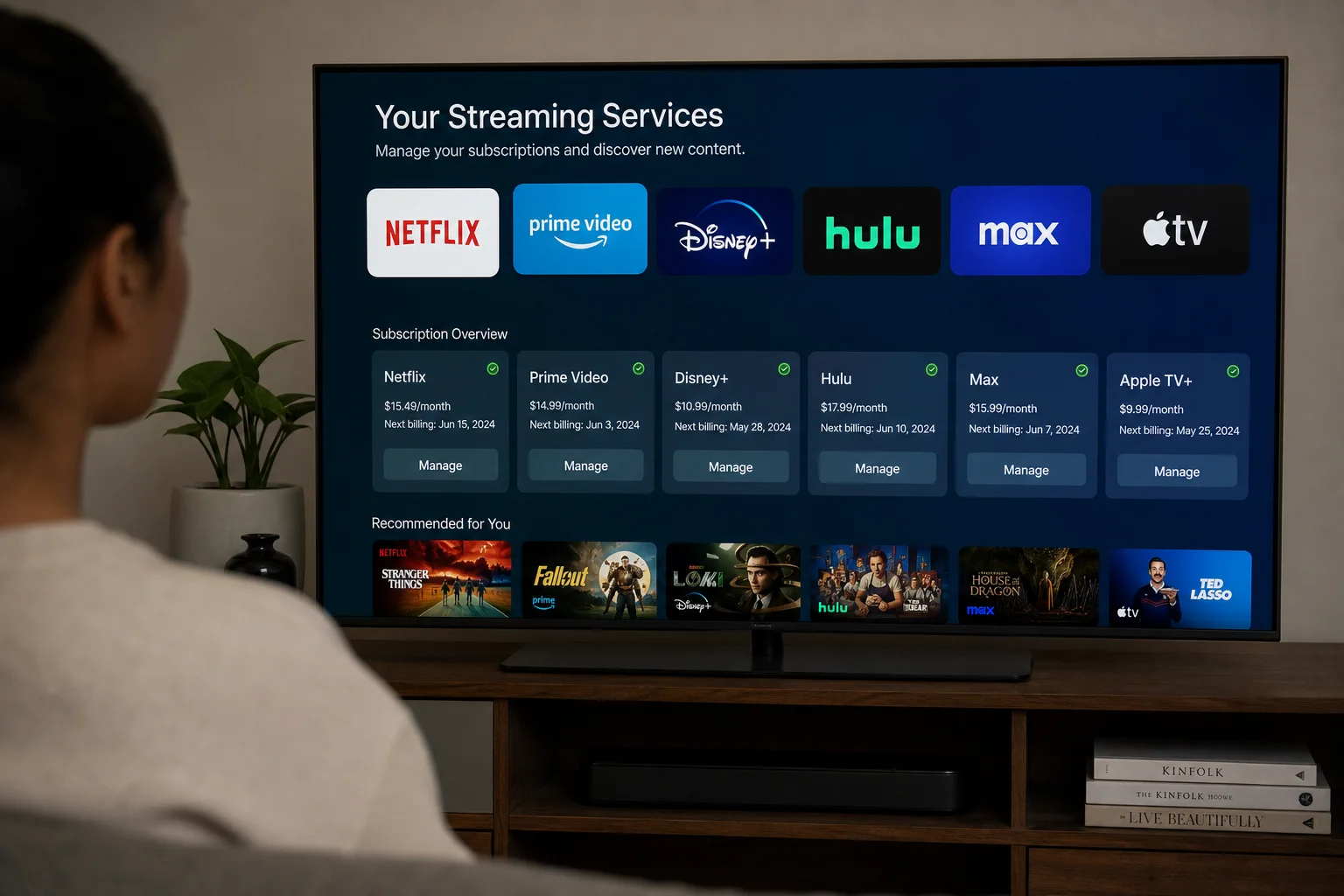
The math is straightforward: a household that wants access to major streaming services, sports, and live television now pays more per month than cable used to cost. Streaming services have also eliminated password sharing, which was a gray area that allowed many people to access content through family and friends without paying directly.
The SuperBox exists because the streaming industry made it profitable. When legitimate options became expensive and fragmented, a market opened for devices that promise to consolidate everything into one affordable box. This does not justify using the SuperBox, but it explains why demand exists.
Conclusion
The SuperBox S7 Pro delivers on its promise of providing access to a vast amount of streaming content without subscriptions. However, the cost of that access extends far beyond the $360 purchase price. Using the device is illegal, exposes your home network to security risks including potential botnet infection, and could result in your internet bandwidth being sold to third parties without your knowledge or consent.
There is also no guarantee that the service will continue to work. As streaming services improve their detection and blocking of unauthorized access, the SuperBox will eventually become a $360 device that can barely run Netflix.
If you are frustrated with the cost and fragmentation of streaming services, the solution is not to buy a SuperBox. Instead, consider subscribing to one or two services at a time, rotating between them as your interests change. This approach costs less than a SuperBox over time and avoids the legal and security risks entirely.
Product link
View more details for SuperBox S7 Pro
This product is mentioned in the review. Check the specifications, options, and compatibility before buying.
View more details for SuperBox S7 ProFurther reading
Related Reviews
Streaming Devices
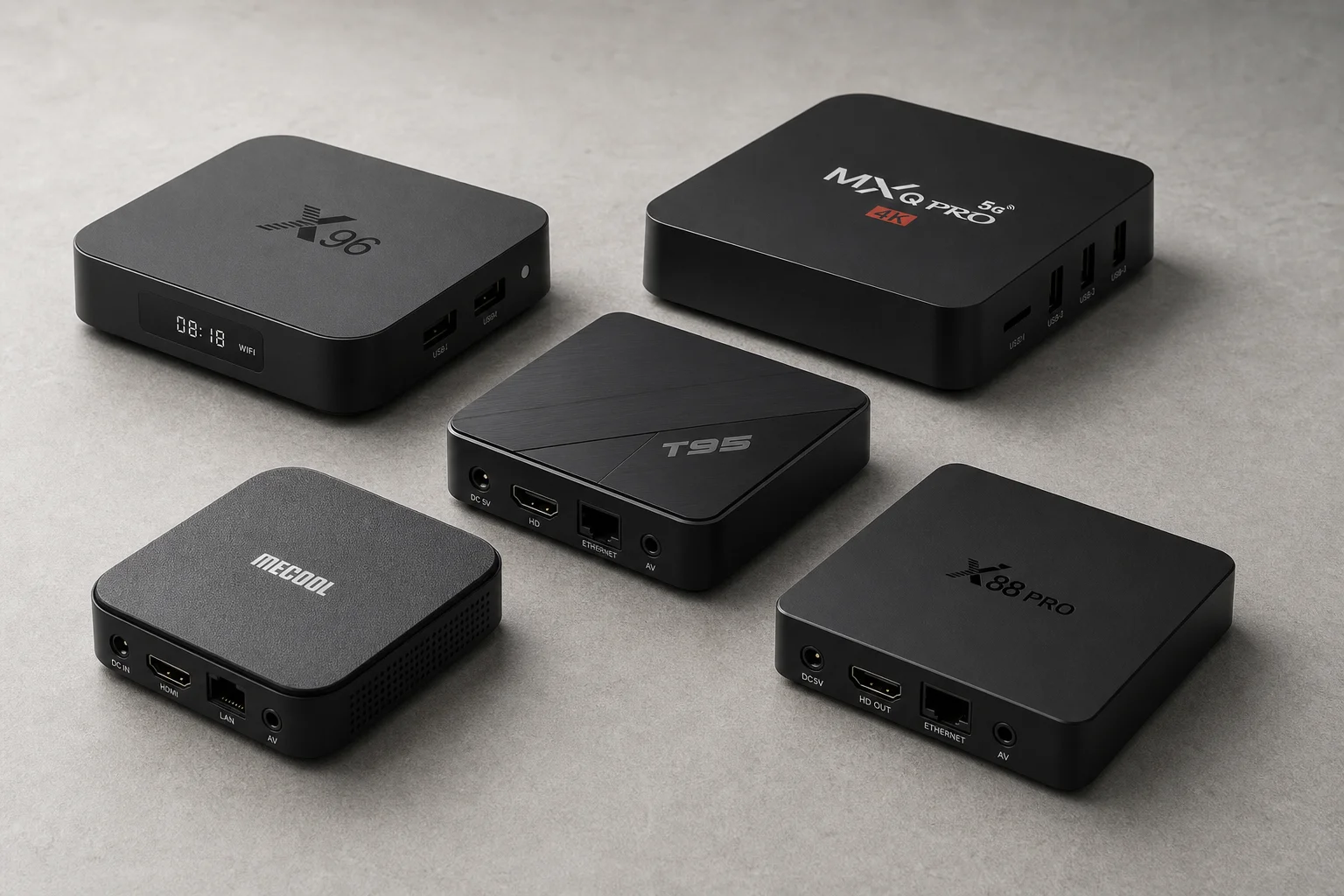
Android TV Boxes and Malware: Why Budget Streaming Devices Pose Real Security Risks
Budget Android TV boxes promise cheap streaming but often come pre-loaded with malware, fake specifications, and security vulnerabilities that make them unsafe for home networks.
Streaming Devices
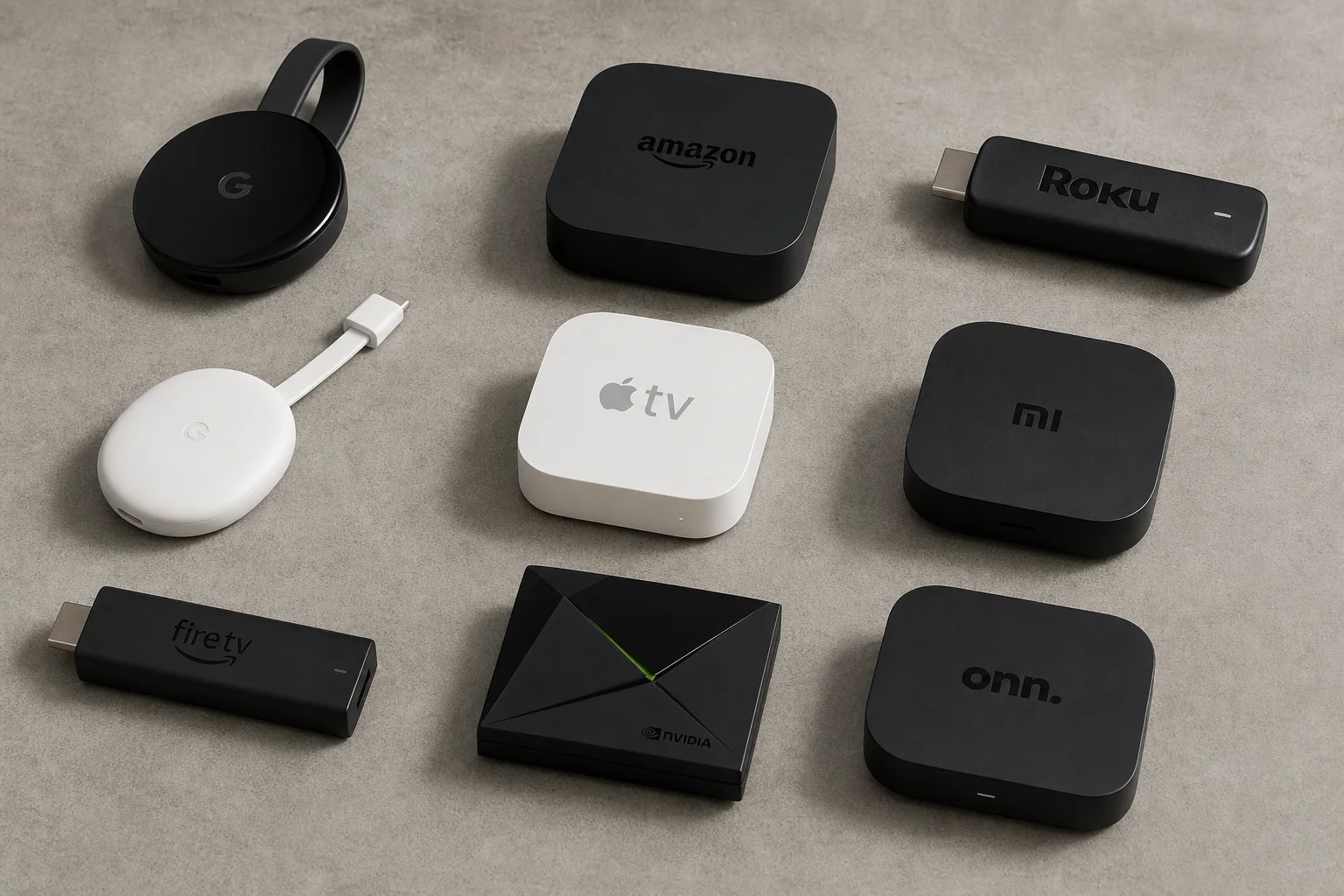
Best Budget Streaming Devices 2026: Nine Options Tested from $20 to $75
A practical breakdown of nine affordable streaming devices, from the $20 ONN Android TV box to premium options like Fire TV Stick 4K Max, with real performance data and honest trade-offs.
Streaming Devices
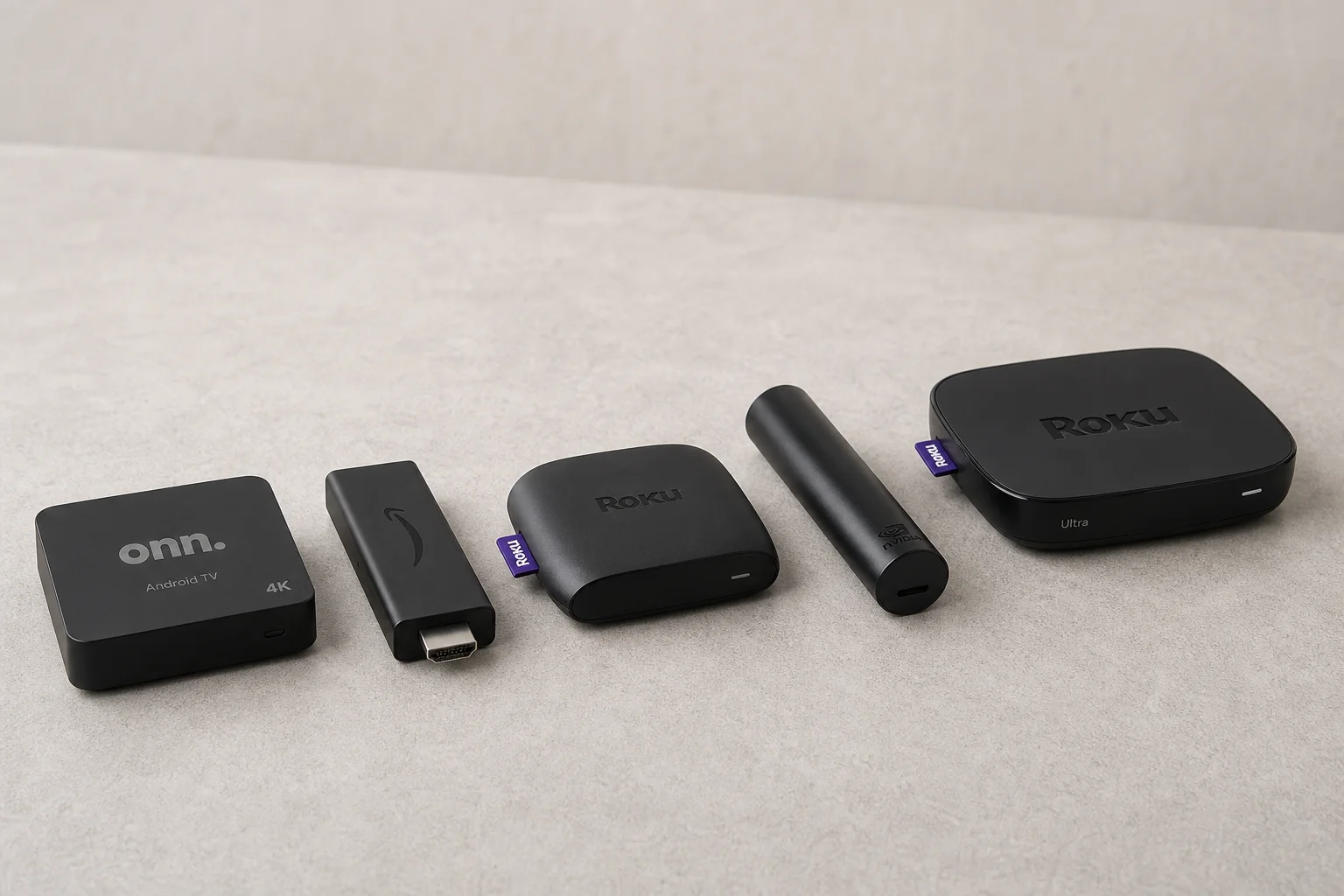
Best Streaming Devices 2026: Five Options Ranked by Performance and Value
A breakdown of five streaming devices from budget to premium, with real strengths and trade-offs to help you choose the right one for your setup.