Streaming Devices
Android TV Boxes and Malware: Why Budget Streaming Devices Pose Real Security Risks
Budget Android TV boxes promise cheap streaming but often come pre-loaded with malware, fake specifications, and security vulnerabilities that make them unsafe for home networks.
Introduction
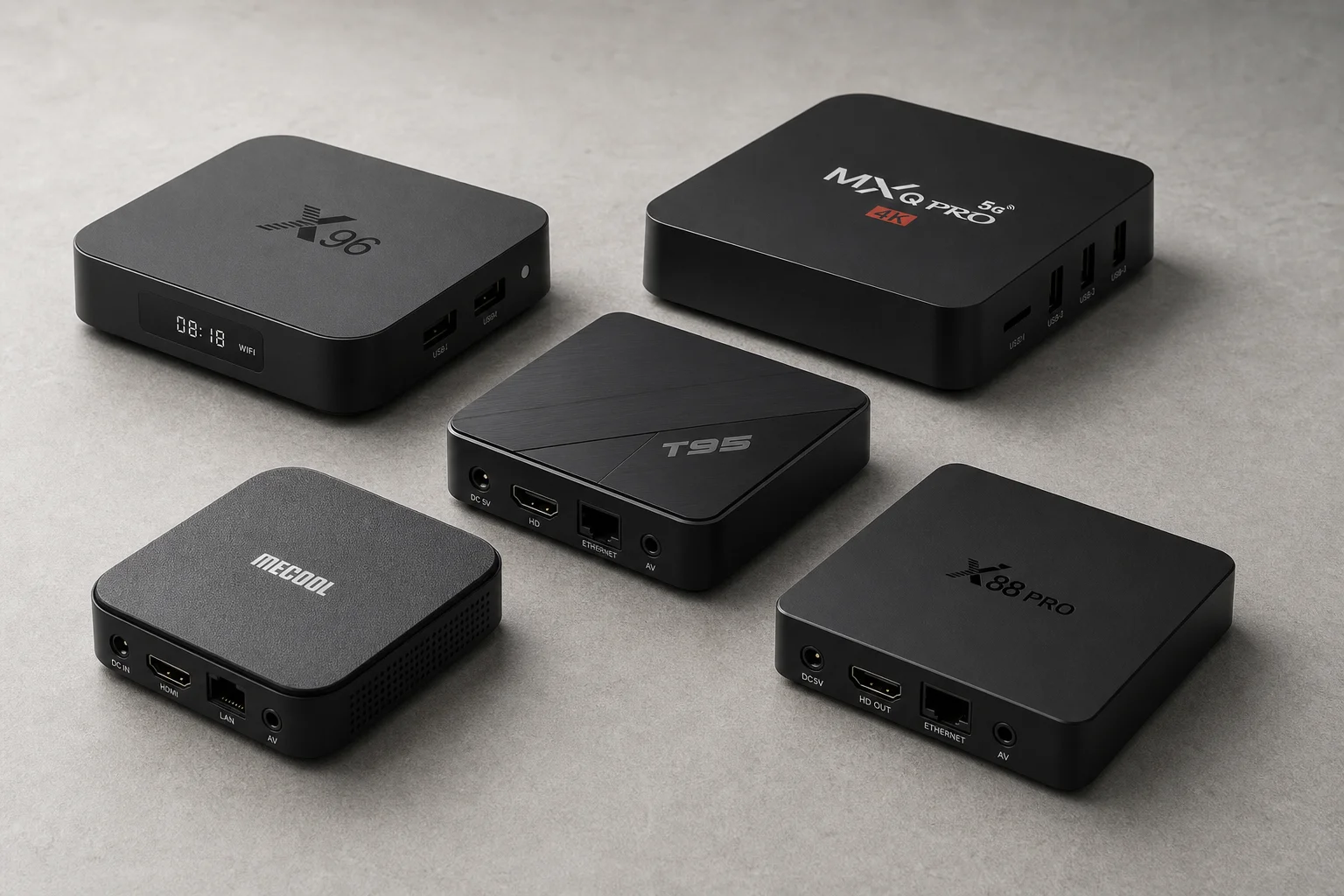
Subscription streaming services have become increasingly expensive, often rivaling the cost of traditional cable subscriptions. This has created a market for budget Android TV boxes that promise cheap or even free access to content. However, these devices come with serious hidden costs that go far beyond their low price tags.
The Appeal and the Problem
The market for these budget streaming boxes has existed for years, driven by consumers seeking affordable access to content. However, what many buyers do not realize is that the manufacturers and resellers of these devices often prioritize profit over security and honesty.

When you power on one of these boxes, you are greeted with a setup process that appears legitimate, displaying an interface that resembles standard Android TV. However, beneath this familiar surface lies a troubling reality of pre-installed malware, security vulnerabilities, and deliberately misleading specifications.
Malware and Backdoors: What We Found
Testing multiple budget Android TV boxes revealed a consistent pattern of security issues. Nearly half of the units examined contained a suspicious folder called “core Java” along with associated preference files. This folder is related to CopyCat, an Android malware that infected an estimated 14 million devices and is capable of rooting devices, injecting itself into apps, and controlling network activity.
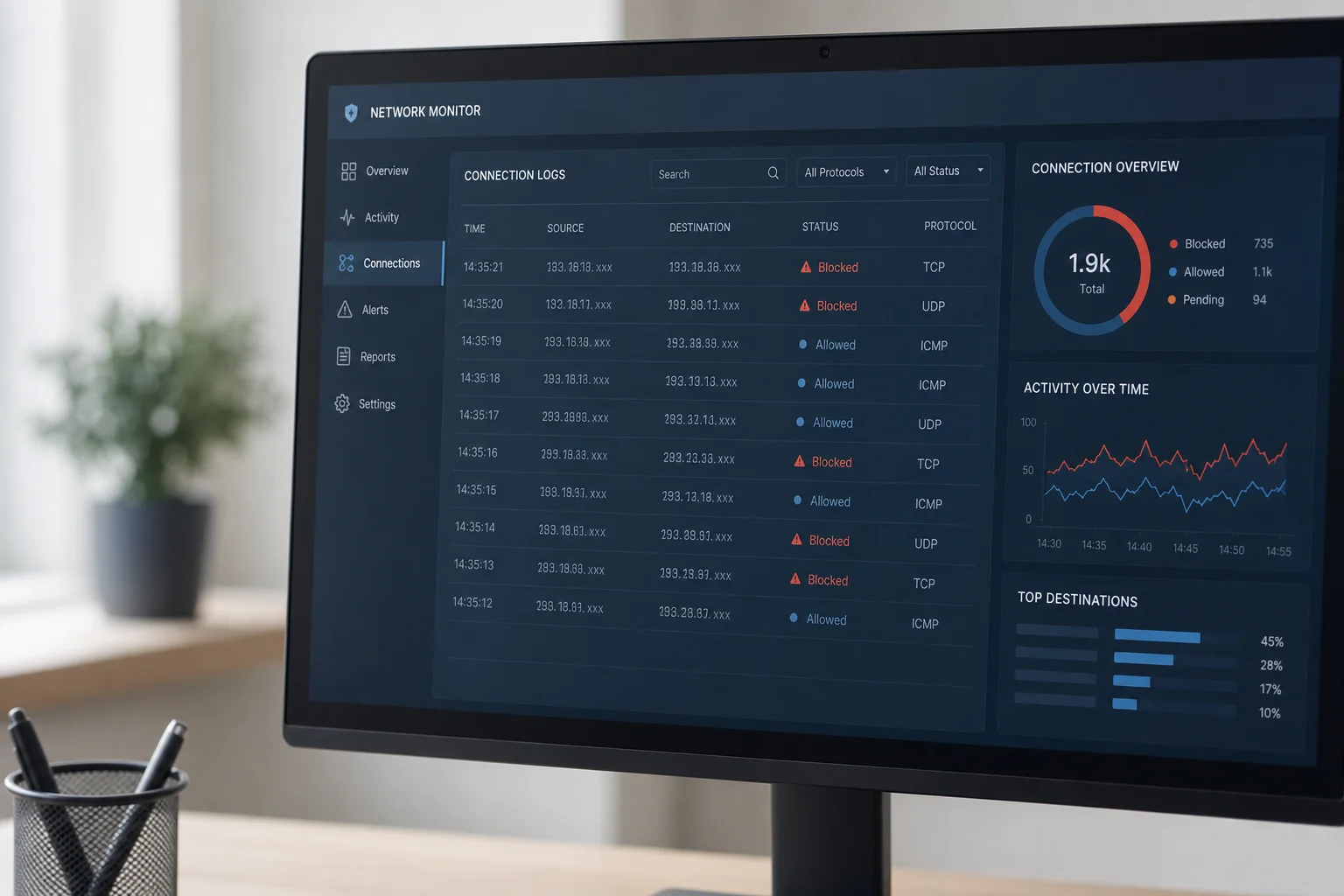
Beyond the pre-installed malware, many of these boxes attempt to contact external servers using firmware-over-the-air (FOTA) update mechanisms. While FOTA is standard Android behavior, the destinations these boxes contact are often hosted in jurisdictions with minimal data protection regulations. This means there is no guarantee that downloaded firmware will be clean or even legitimate.
Some units attempted to contact URLs made up of jumbled letters and unusual domain extensions, attempting to dump payloads into the core Java directory. The implications are serious: a dormant backdoor could remain inactive for months or years before being activated to recruit your device into a botnet or launch attacks on other systems.
The Hardware Reality: Fake Specifications
The deception extends beyond software. Testing revealed that boxes advertising 4 gigabytes of RAM actually only allow half that amount to be usable by the system. This appears to be intentional, with faded text on memory chips suggesting cheap factory printing of false specifications.
Additionally, despite marketing claims of 4K or even 8K support, these devices are often stuck at 1080p or 720p resolution when checked via Android debugging tools. The 4K output they advertise either does not work or produces severely lagging video that is clearly not true 4K quality.
These devices are essentially manufactured electronic waste, filled with misleading claims and hidden security threats.
The Real Cost of Cheap Streaming
The fundamental problem is that you cannot trust these devices on your home network. Even if you could identify and remove known malware, there is no way to guarantee that persistent backdoors, credential-stealing malware, or payloads targeting other devices on your network have been eliminated.
Attempting to install clean custom firmware is frustratingly difficult. Firmware images hosted by resellers frequently expire or disappear, and even when successfully flashed, many devices revert to containing the same core Java folder and malware remnants. Some boxes use modified Android versions derived from Google Pixel firmware, rebranded as “Big Droid OS,” which appears to exist only for these set-top boxes.
The risk is simply not worth the savings, especially when legitimate alternatives cost roughly the same amount.
Safe Alternatives: Chromecast with Google TV and Nvidia Shield
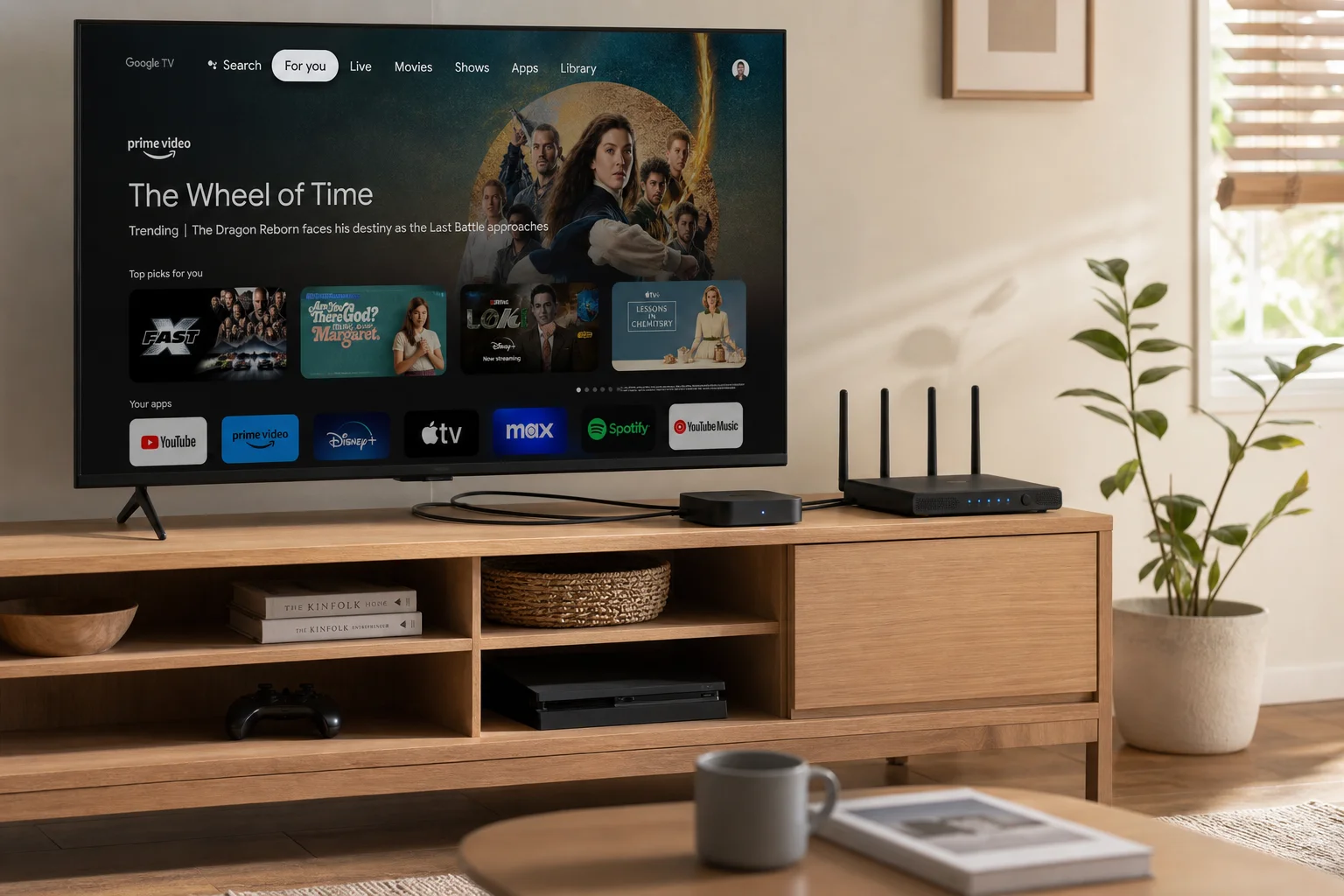
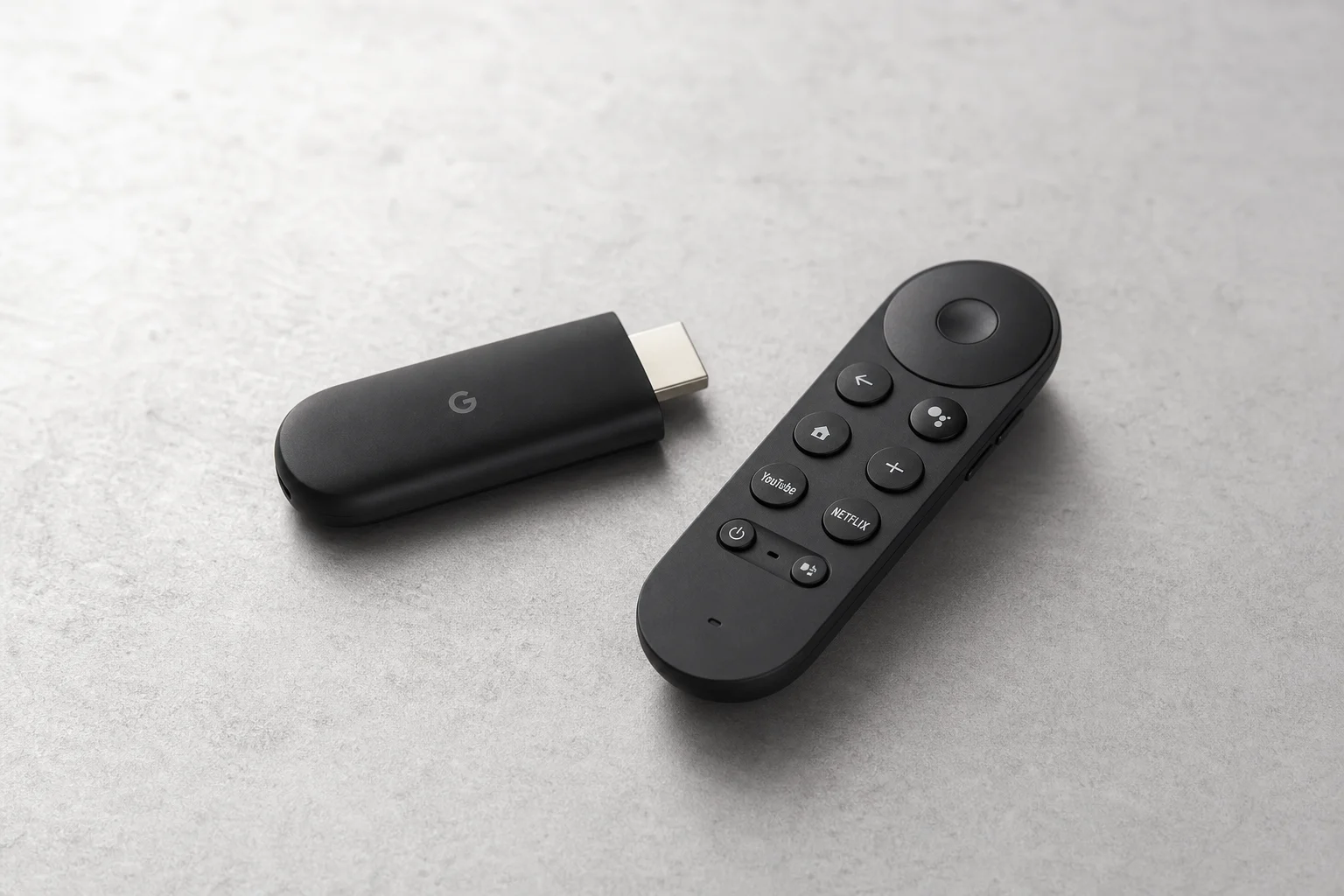
For most users, the Chromecast with Google TV offers a practical and secure solution. While it has limitations such as 8 gigabytes of internal storage and requires a separate USB adapter for expanded storage or additional ports, it is free of malware and receives regular security updates. The 4K model performs genuine 4K output without the lag and artifacting seen on budget boxes.
For users who want more power and functionality, the Nvidia Shield provides 1080p to 4K upscaling, regular software updates, and the ability to function as a media server. It comes at a higher price point but delivers genuine performance and reliability.
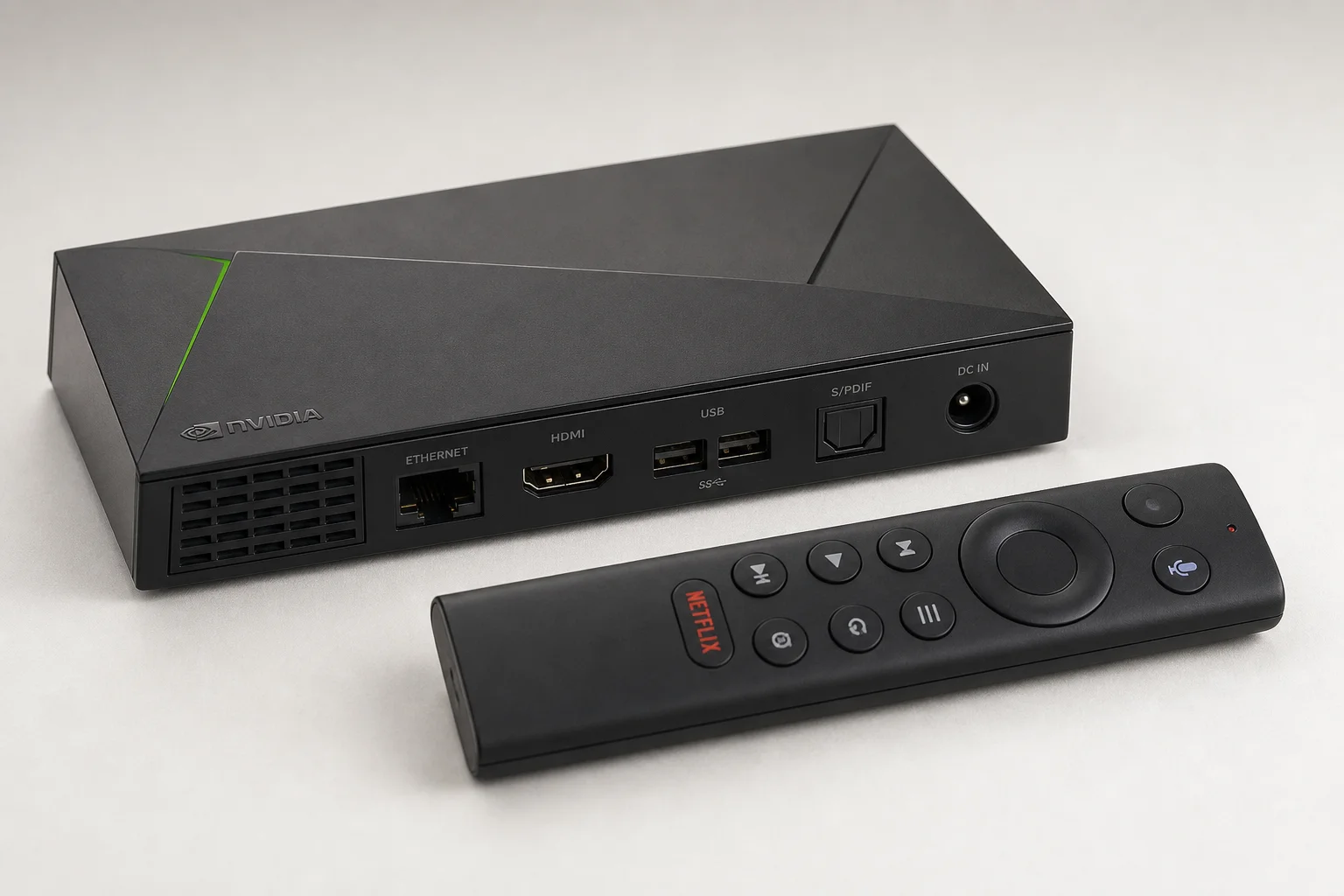
Both devices can run Kodi if that is important to you, and both are capable of true 4K output. Most importantly, both are free of malware and come from manufacturers with established reputations and customer support.
Conclusion
Budget Android TV boxes may seem like an attractive way to reduce streaming costs, but the security risks far outweigh any savings. Malware, fake specifications, and security vulnerabilities make these devices unsafe for any home network. Investing in a legitimate streaming device like the Chromecast with Google TV or Nvidia Shield is not only safer but often costs about the same as these compromised alternatives. Practice safe computing and choose devices you can actually trust.
Further reading
Related Reviews
Streaming Devices
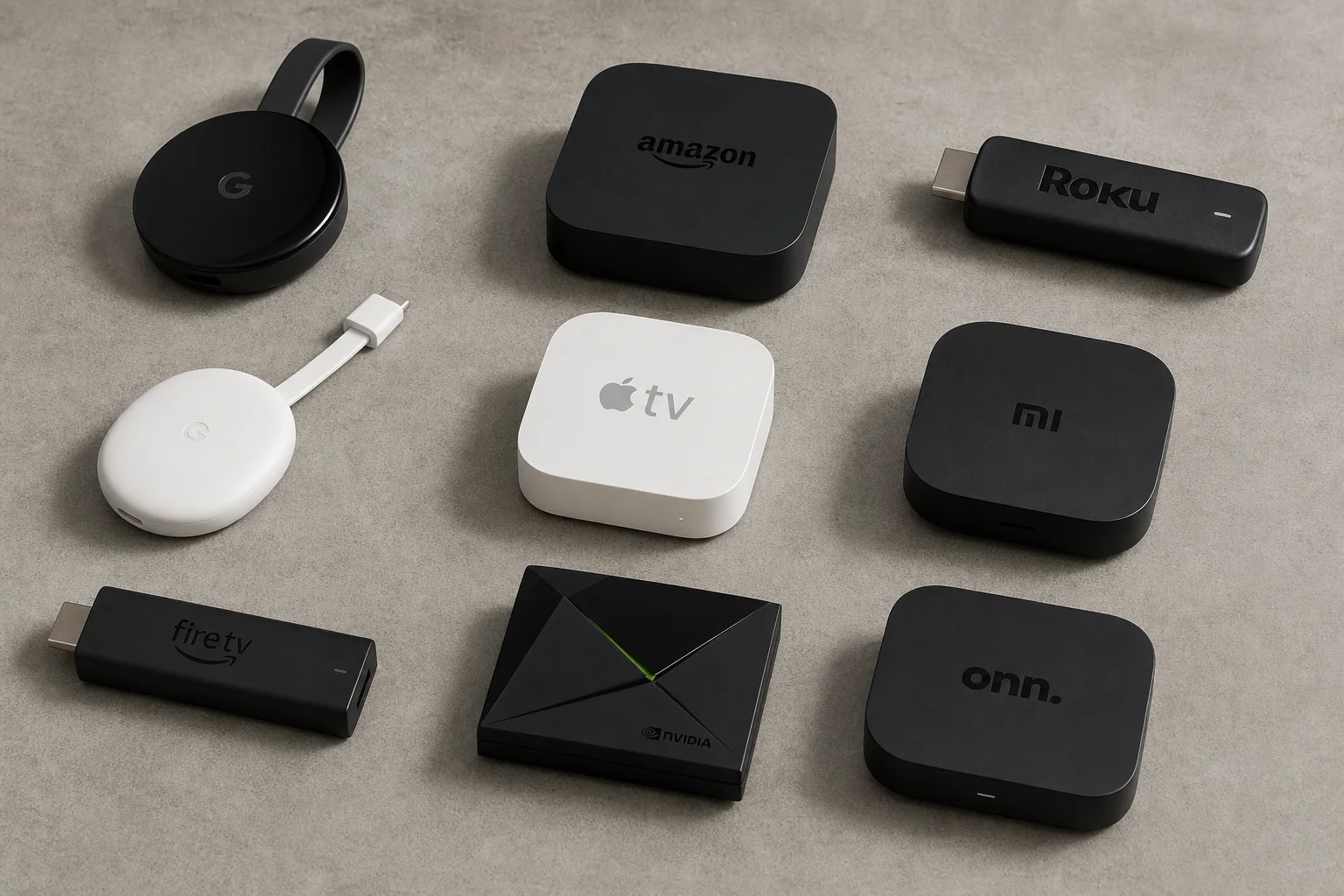
Best Budget Streaming Devices 2026: Nine Options Tested from $20 to $75
A practical breakdown of nine affordable streaming devices, from the $20 ONN Android TV box to premium options like Fire TV Stick 4K Max, with real performance data and honest trade-offs.
Streaming Devices
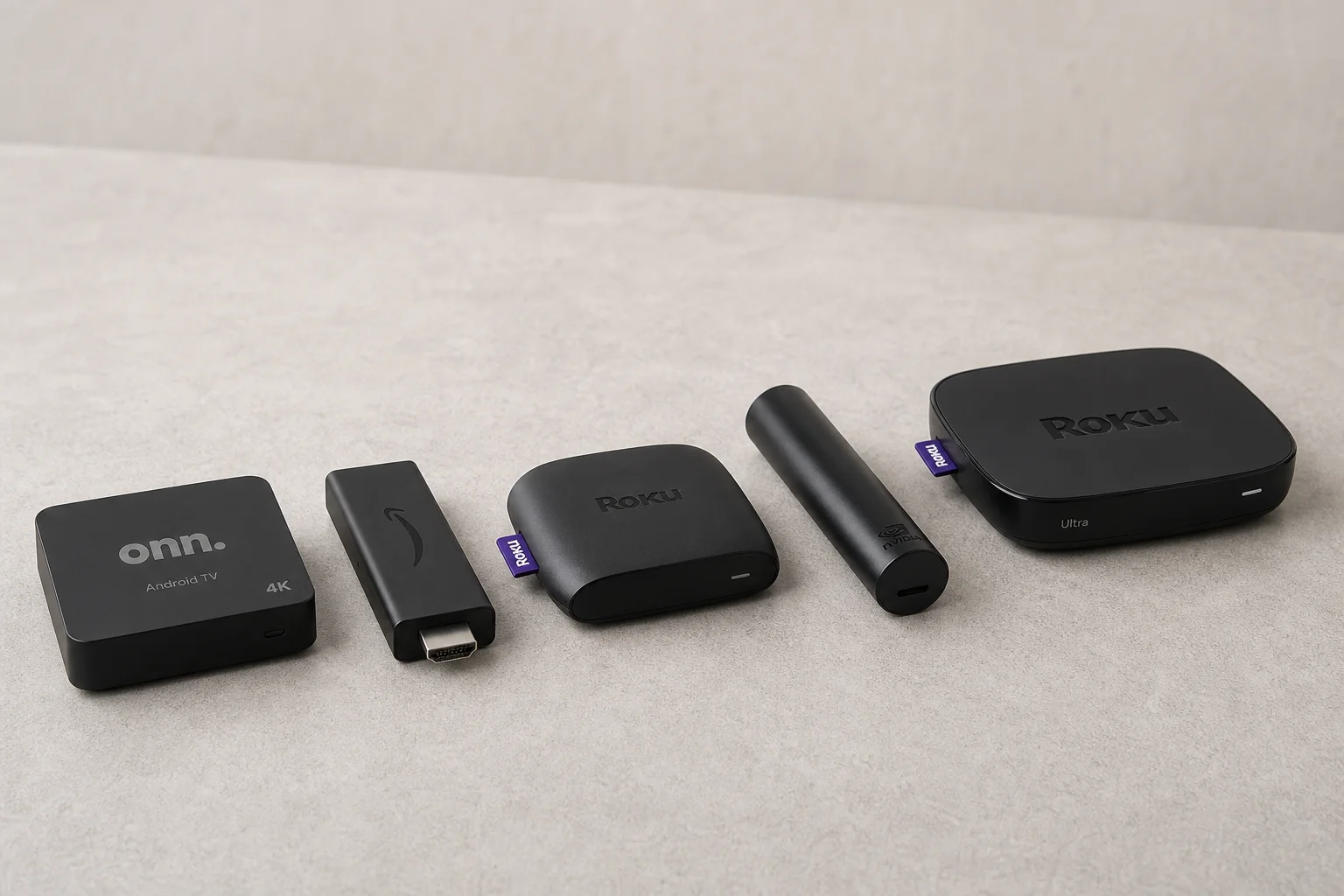
Best Streaming Devices 2026: Five Options Ranked by Performance and Value
A breakdown of five streaming devices from budget to premium, with real strengths and trade-offs to help you choose the right one for your setup.

Pickleball Paddles
2025 Paddle Awards: The Best Pickleball Paddles of the Year
A category-by-category breakdown of the best pickleball paddles of 2025, covering value, control, all-court, power, and paddle of the year.