Home Theater
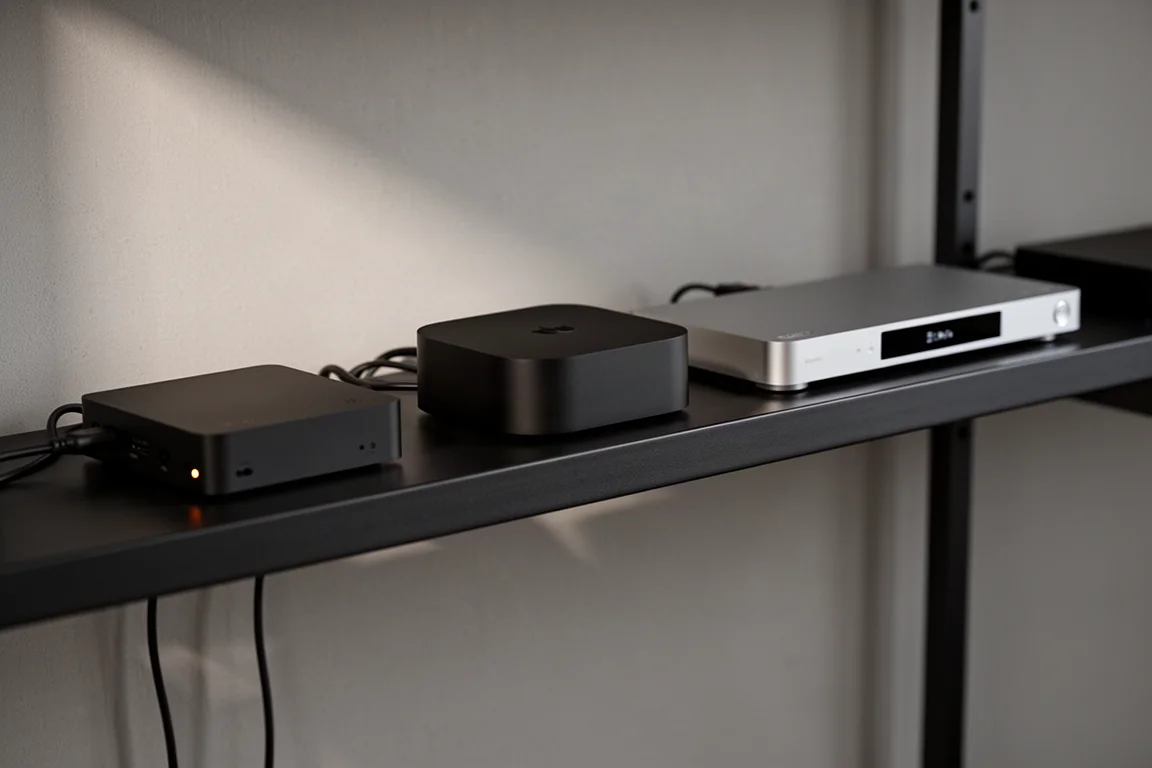
Best Home Theater Source Components: Streaming Players, Disc Players, and Premium Movie Servers
A practical guide to home theater source components, from current 4K streaming players to Blu-ray discs and high-end movie servers.
Introduction
A home theater is only as good as the source feeding it. Streaming has become the default way to play movies, series, and sports at home, and for most rooms a streaming player is the first component to buy. The choice still matters, because it decides which apps you can use, how quickly they open, and which surround sound formats actually reach your speakers.
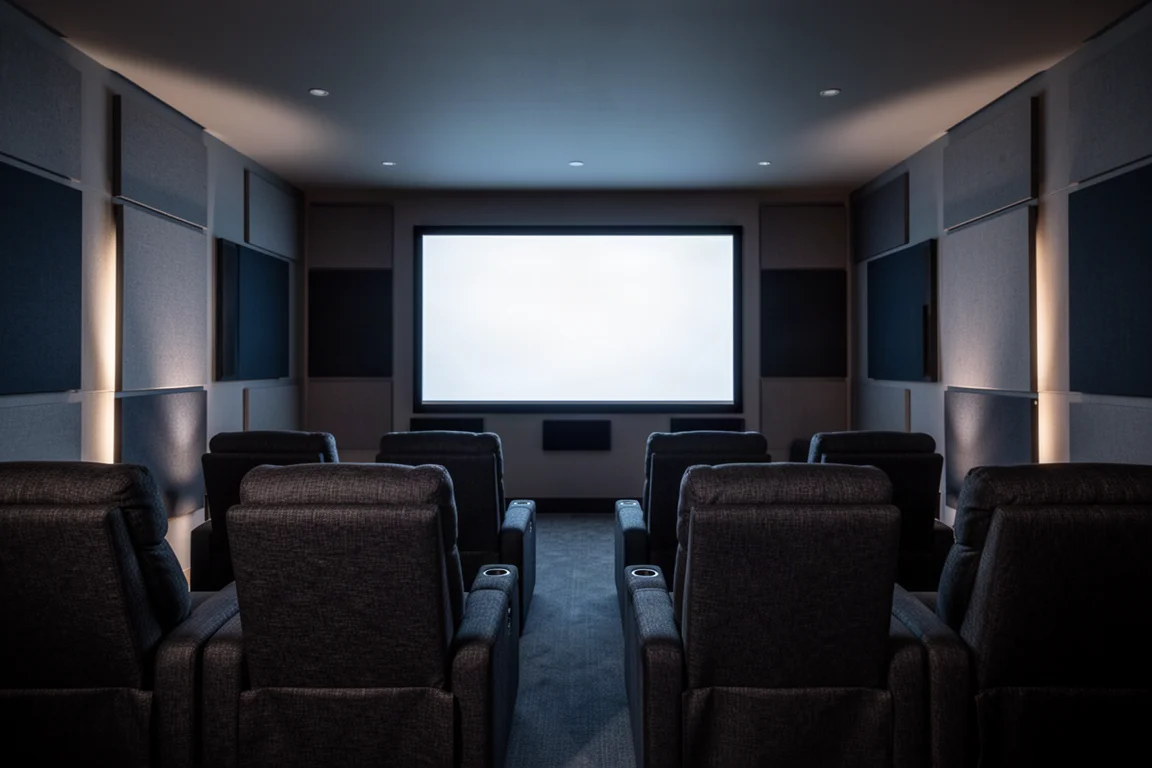
Disc playback and premium movie servers also remain relevant. This guide walks through the main source options for a home theater or media room, what each one does well, and which type of viewer it suits.
What to Look For in a Home Theater Source
The most reliable rule is to buy the newest 4K model you can find. Streaming hardware is refreshed every few years and each generation tends to be faster and better prepared for high-quality playback, so an older box can hold back an otherwise capable system.
Ecosystem fit is the next factor. Current streaming players are close enough in core capability that the deciding question is usually which phone, voice assistant, and app library you already use. Apple households tend to be happiest with an Apple TV 4K, while homes built around Alexa lean naturally toward Amazon hardware.
App support deserves a check before you buy. Every major player carries Netflix, Prime Video, and Hulu, but niche services are not guaranteed. Twitch, for example, has an official app on Apple TV 4K and no official app on Roku, where third-party alternatives are the only route. If one specific app matters to you, confirm it is supported first.
If you plan to use your smart TV’s built-in apps instead of a separate player, verify that the TV can output the latest surround sound formats. Not every television can, especially older models, and a capable streaming stick cannot make up for a TV that will not pass surround audio through. The audio output menu in the TV settings usually lists what is supported. Major-brand TVs from 2020 or newer are generally fine, but it is worth a look.
Apple TV 4K: Best for Apple Households
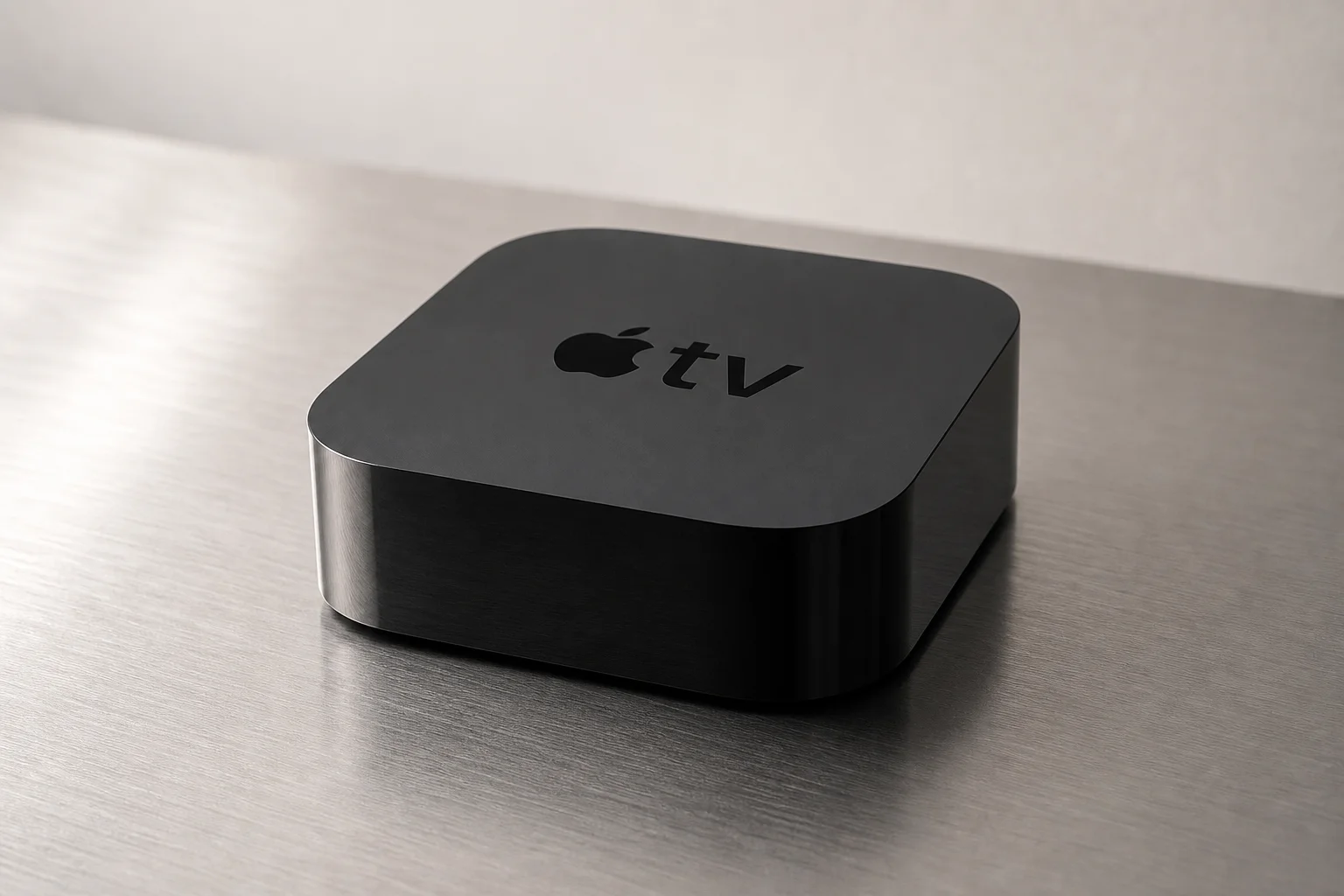
Apple TV 4K is the natural pick for anyone already living in Apple’s ecosystem. AirPlay sends audio or video straight from an iPhone or iPad to the TV, and the iPhone can double as a remote, complete with an on-screen keyboard that makes searching for a title far quicker than tapping through a grid of letters. Bluetooth pairing with AirPods is a practical touch for late-night viewing when you do not want to disturb anyone else in the room.
On capability, it supports Dolby Vision, Dolby Atmos, and HDR10+, and it ranks among the fastest, most responsive streaming players available. A version with an Ethernet port costs about $20 more, which is worth considering for a wired, more stable connection in a fixed installation.
One caveat applies to voice search. Asking for a title can sometimes send you to a paid rental or purchase even when the movie is already included with a service you subscribe to. It does not happen every time, so it pays to confirm where a title actually lives before you rent it.
Roku Ultra: Best All-Around Streaming Box
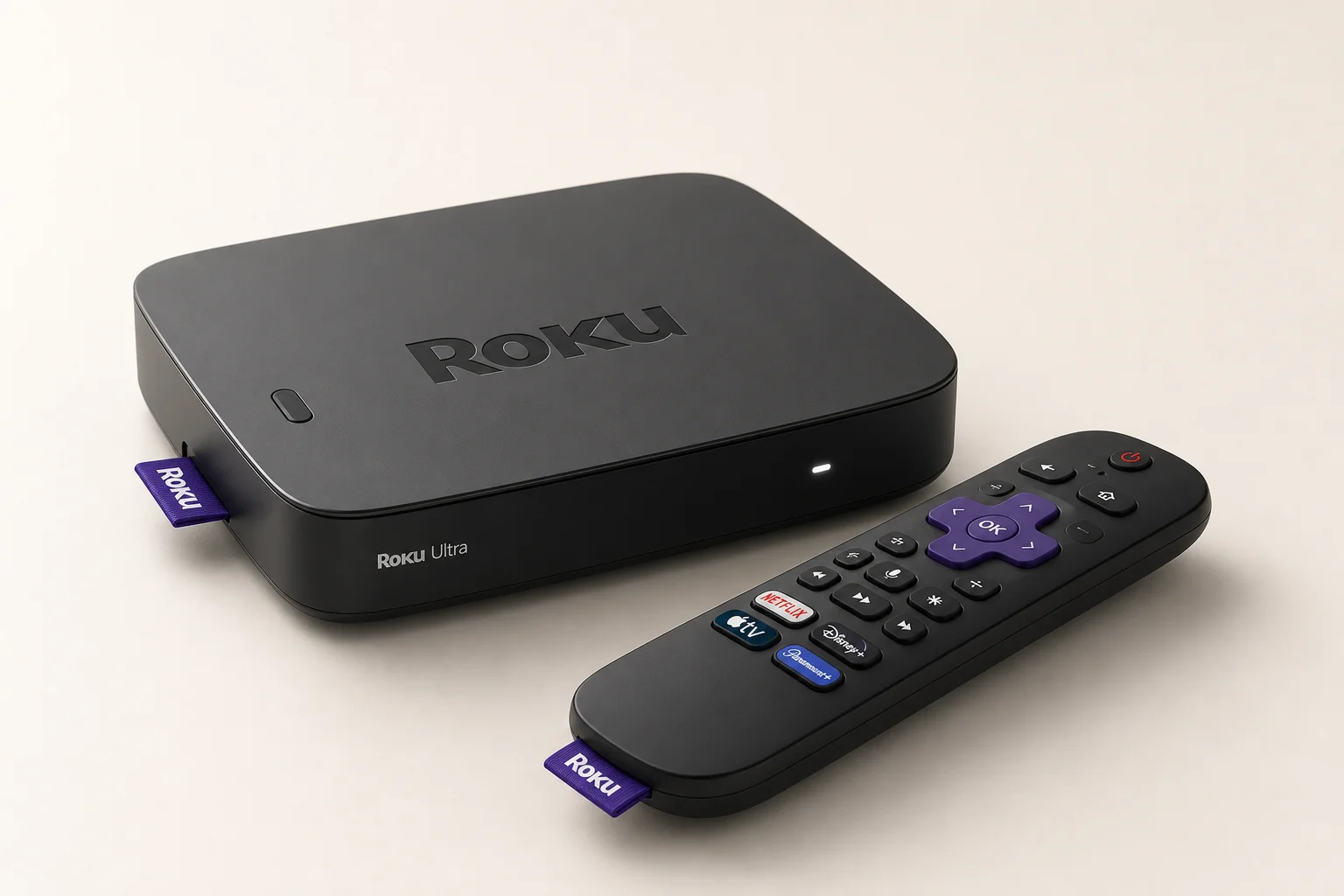
Roku Ultra covers 4K, HDR10+, Dolby Vision, and Dolby Atmos, and its interface is one of the friendliest around. Universal search is well executed, and the box responds to Google Assistant, Amazon Alexa, or a simple voice command through the remote. Apps open quickly, and the experience stays smooth as you move between services.
The remote is thoughtfully equipped with a headphone jack for private late-night listening and four customizable buttons for your most-used apps. On the latest version you also get a rechargeable battery and a companion phone app that works as a second remote. It is a common sight in dedicated theaters and media rooms, and for good reason.
As with any universal search, results can occasionally point toward a paid rental rather than the service you already have, so a quick check is worthwhile.
Amazon Fire TV Cube: Best for Alexa Homes
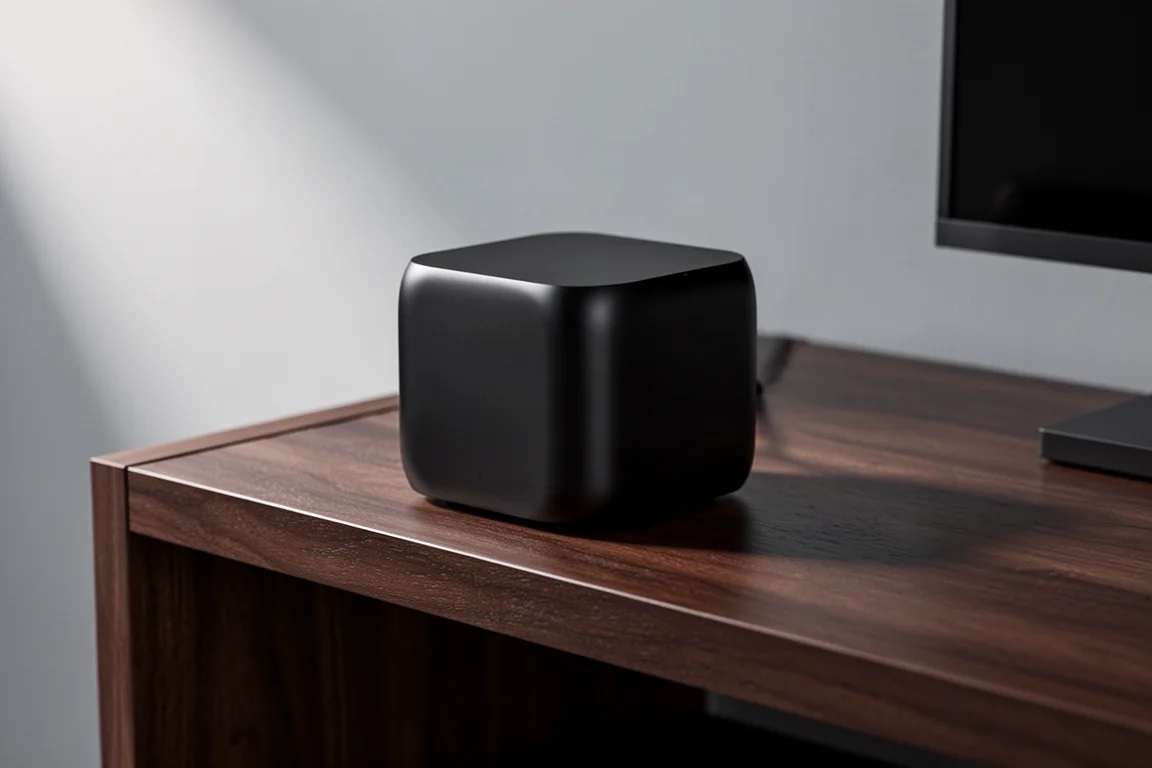
The Fire TV Cube is Amazon’s strongest streaming performer, roughly twice as fast as the best Fire TV Stick. It supports 4K, Dolby Vision, Dolby Atmos, and HDR, and it doubles as an Alexa device for the room, so you can ask it to start a show or change inputs without reaching for a remote.
Placement changes that experience. If the Cube goes into an equipment rack away from the seating area, hands-free Alexa is no longer available and you will need the remote, pressing the Alexa button each time you want to speak. It can also pair with some Echo devices to act as speakers, though Echo speakers are not a substitute for dedicated home theater speakers.
Amazon Fire TV Stick 4K: The Affordable Second-Room Pick
The Fire TV Stick 4K is a strong value for an office, bedroom, or secondary space. It brings 4K streaming to a screen at a modest cost and is easy to move between rooms.
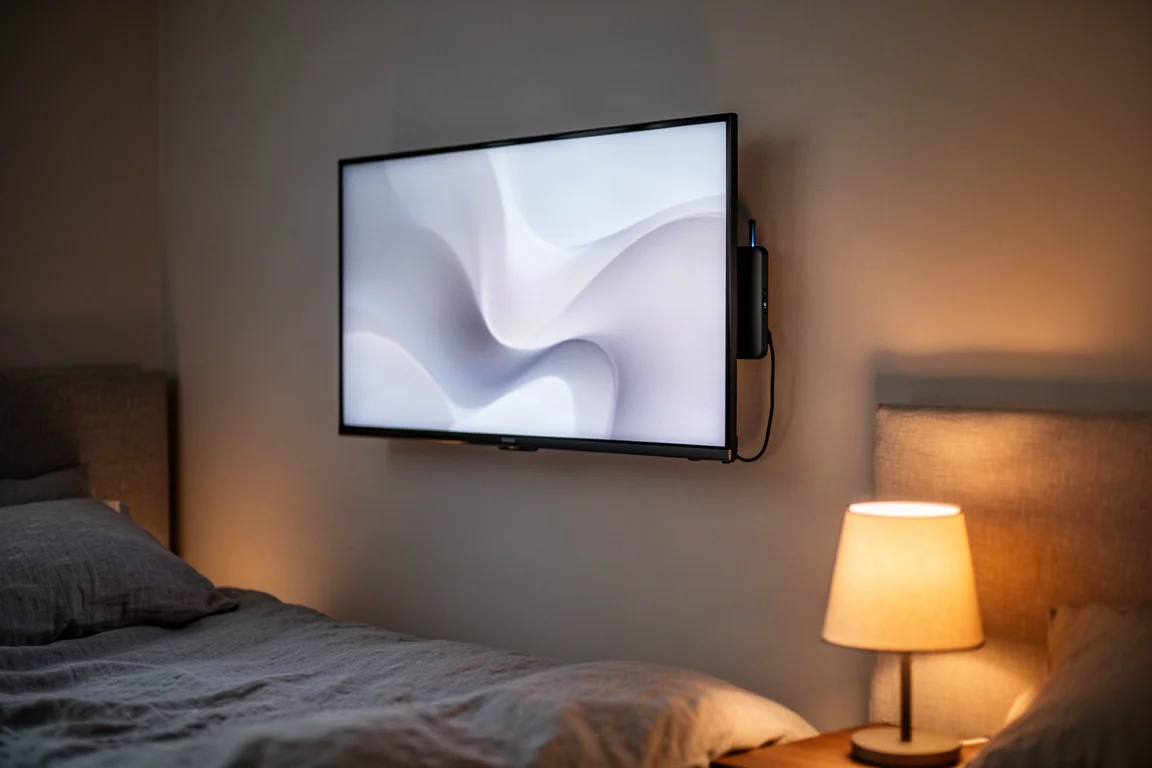
For a main theater or media room, though, the Cube is the better step up. The faster hardware and hands-free voice control make more sense in a room where you watch often and want the interface to keep pace with you.
Nvidia Shield TV Pro: Best for Gaming and Plex
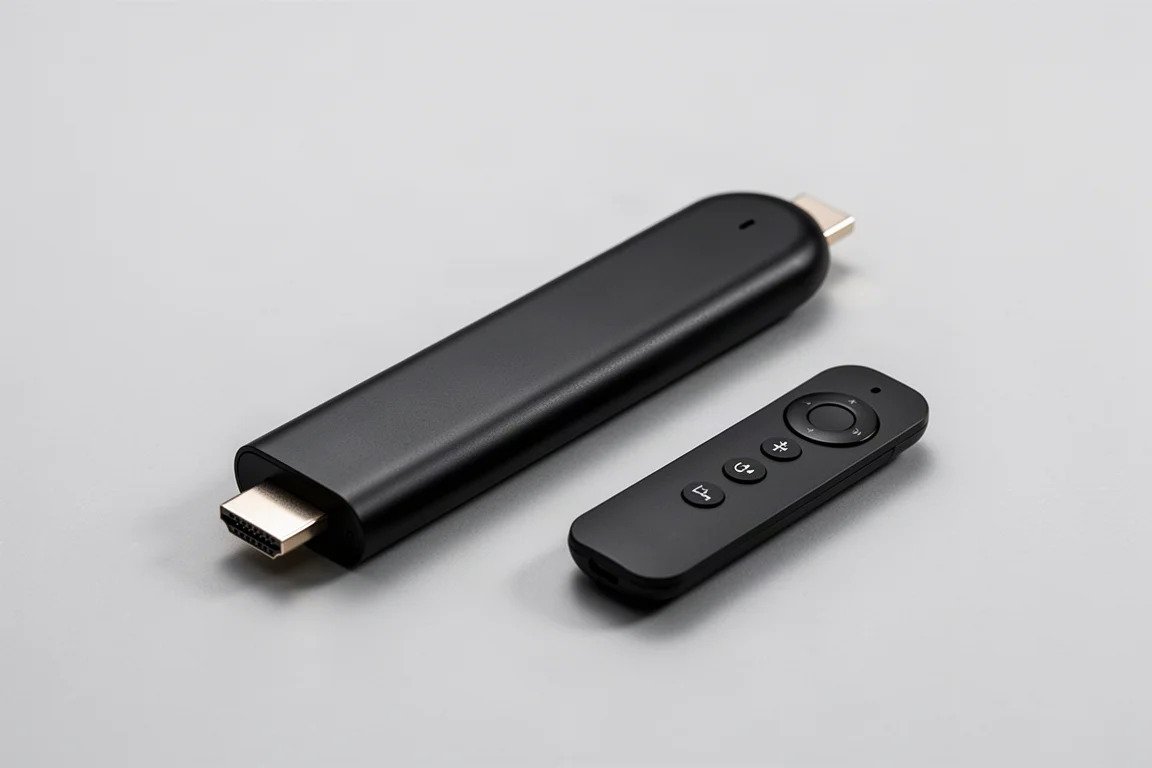
The Shield TV Pro is the most expensive of the mainstream streaming players covered here, and it earns that position with features the others do not offer. It supports 4K HDR, Dolby Vision, and Dolby Atmos, and its AI upscaling uses a powerful processor to convert HD content to 4K in real time, which sharpens older material noticeably.
With an additional membership, it can also stream cloud games at up to 4K and 240 frames per second. Two USB 3.0 ports allow for expanded storage, and the device can serve as a Plex Media Server for a household media library. For many viewers that is more machine than they need, but for gamers and Plex users it is a compelling package.
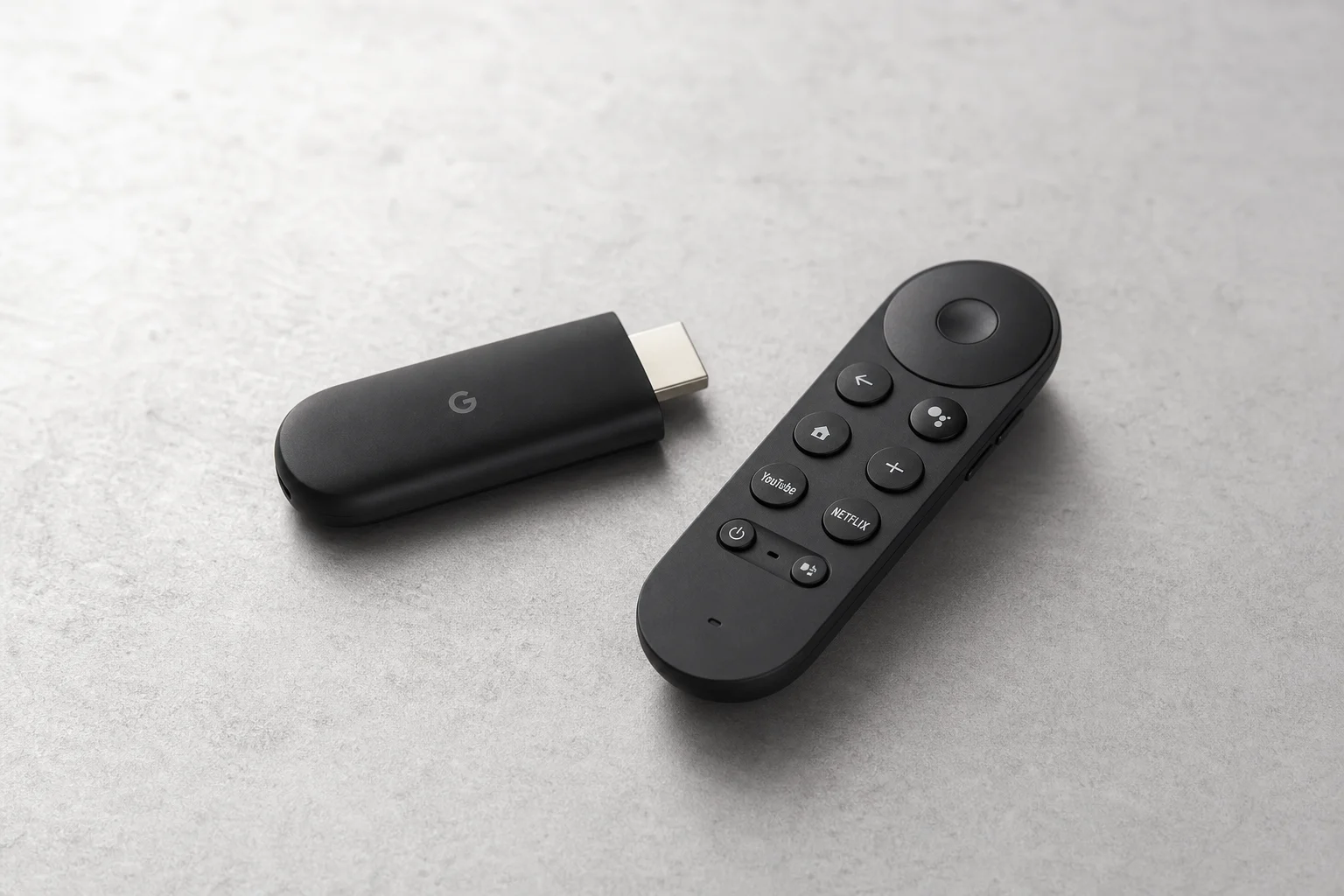
Chromecast with Google TV: Best for Google Households
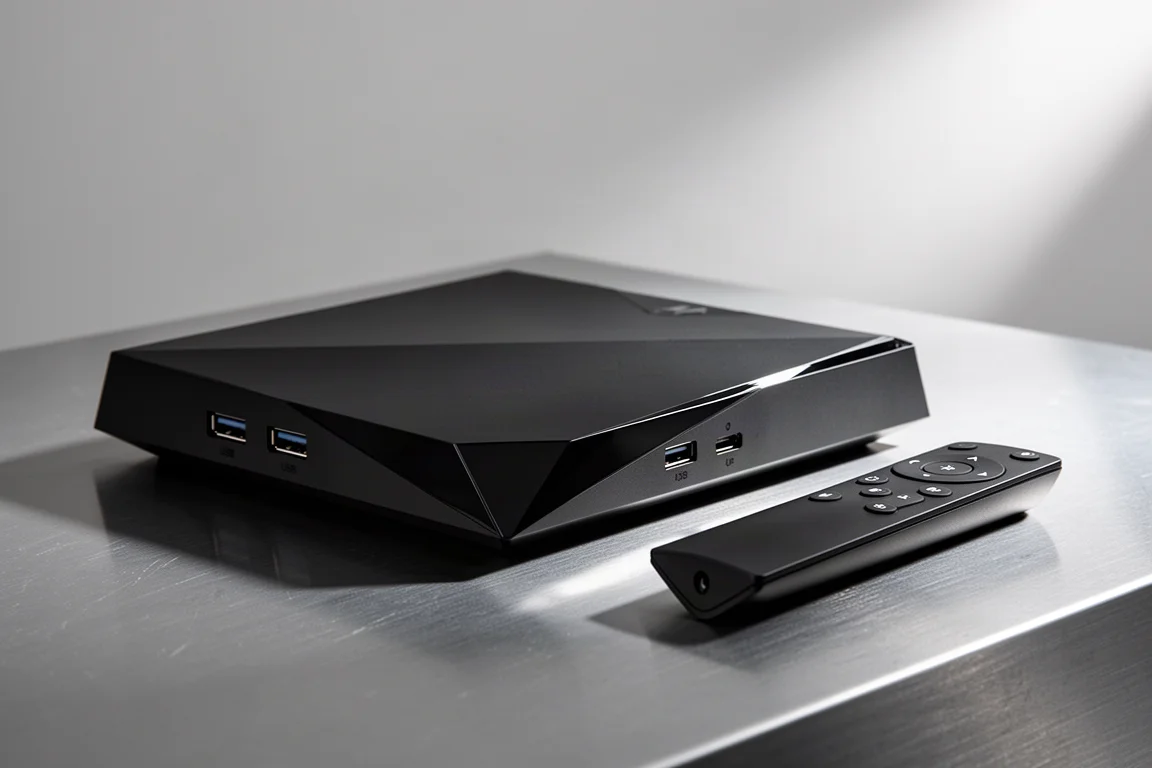
Chromecast with Google TV is another solid route into 4K streaming, and it fits naturally into a home already built around Google accounts and Assistant. A gaming console such as a PS5 or an Xbox can also serve as a source if you already own one, since it will handle streaming apps alongside games.
The same universal search caution applies here. Results may not always open the app you already subscribe to, so it is worth verifying availability before paying for a rental.
Kaleidescape: For High-End Dedicated Theaters
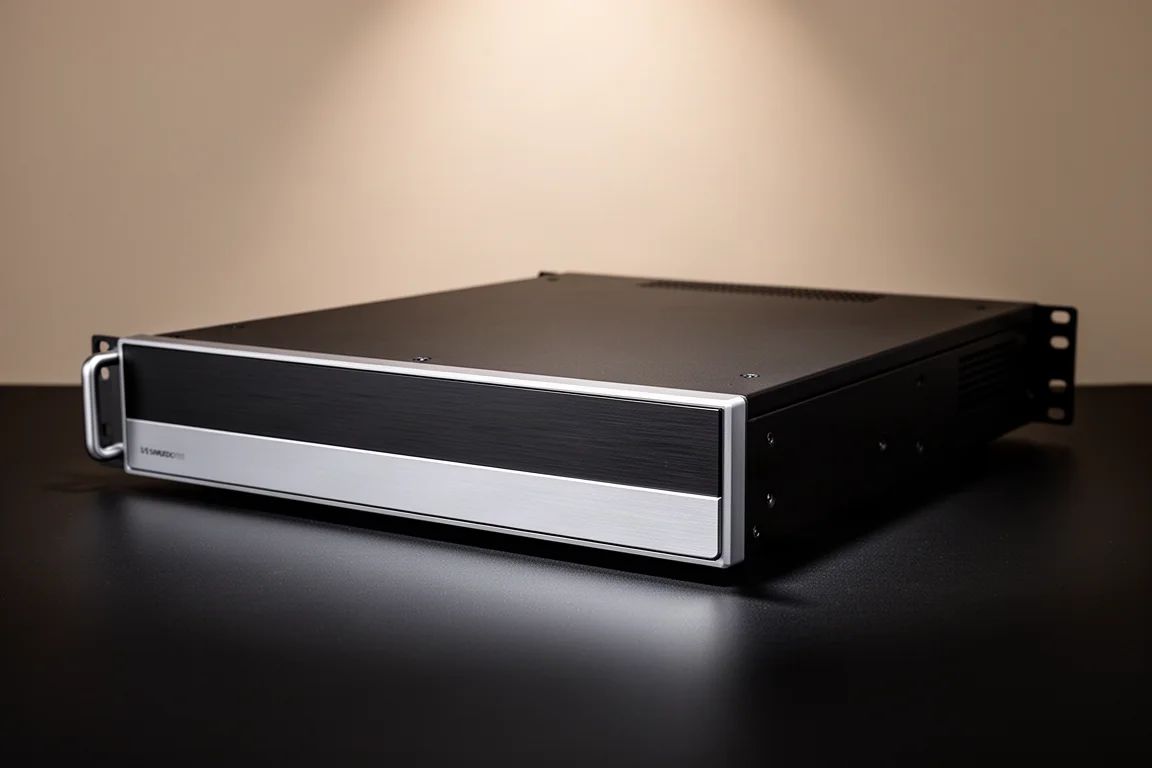
Kaleidescape has been building movie systems for decades. Its hard-drive based players let you legally download and own a bit-for-bit perfect copy of a film, which is the same quality of file a commercial cinema receives for playback. Downloads that once took over an hour can now complete in as little as eight minutes, and much of the library is also available to rent for not much more than a major streaming platform charges.
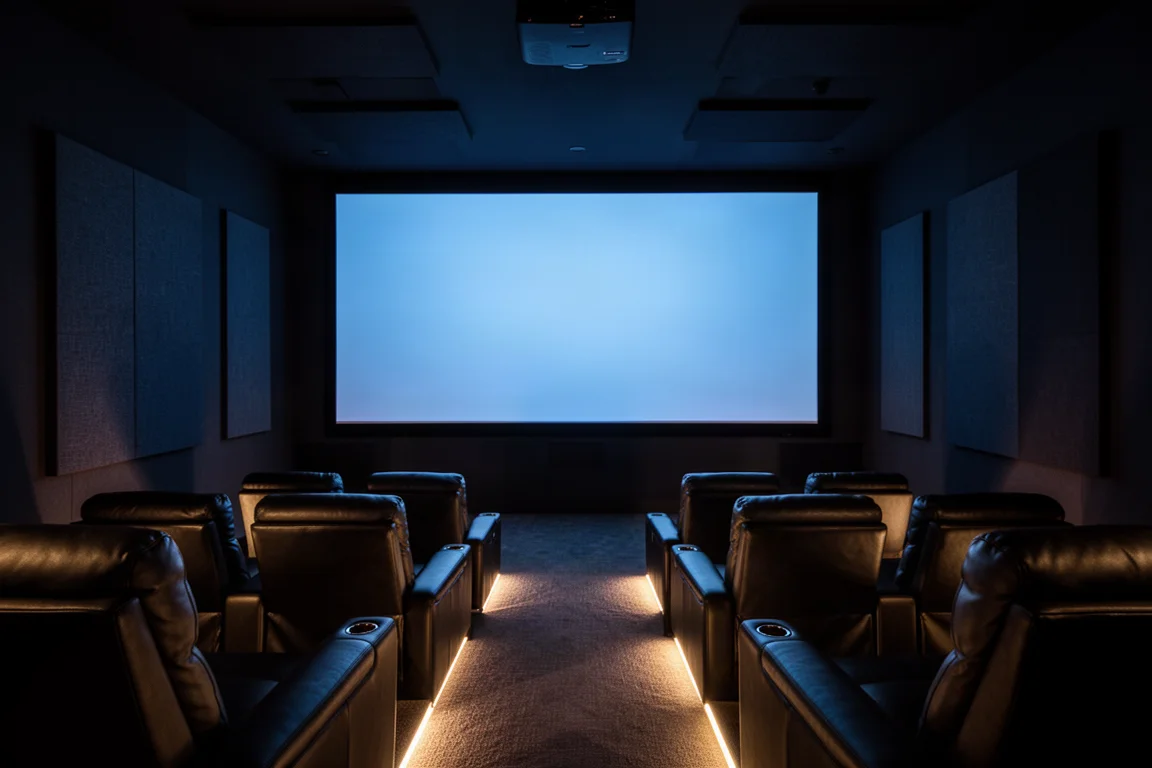
Because the file is a direct copy rather than a compressed stream, sound and picture quality go beyond Blu-ray, and the gap becomes easier to see as screen size grows. The user interface is a standout as well. Entry pricing runs well into four figures, so this is a component for projector-based rooms with 140-inch or larger screens and high-performance surround sound, where the rest of the system can reveal the difference.
Disc Players and Cable Boxes: Where They Still Fit
Blu-ray players are far from obsolete in a good theater. They are inexpensive relative to other source components, and in many cases a physical disc costs less than buying the same title through a streaming store. Rental kiosks often beat streaming rental prices as well, and the only real cost is a little planning.
The bigger argument is quality. A disc carries the full audio track with far less compression, and nearly every Blu-ray release includes a soundtrack in Dolby Digital, DTS-HD Master Audio, TrueHD, or Dolby Atmos. Streaming services tend to prioritize picture quality and compress the surround mix. On a large TV or projector, the video difference is visible too. A 4K Ultra HD player is the version to plan for, and if a gaming console is already part of the system, it likely includes a Blu-ray drive.
Cable and satellite receivers are appearing less often. Both have promised more 4K content, but streaming has moved much faster, and the newest surround formats arrive on streaming services first. The main remaining case for satellite is a location with very limited internet speed, where the picture may still be better than a slow stream. If you keep a receiver, it is worth calling your provider about the newest model rather than living with an outdated box.
Overall Buying Advice
Start with the 4K streaming player that matches the ecosystem you already use, and confirm that your display can pass the surround formats your speakers support. From there, match the hardware to the room. A budget stick is fine for a bedroom, while a main theater benefits from the faster players and, in an Alexa home, hands-free voice control.
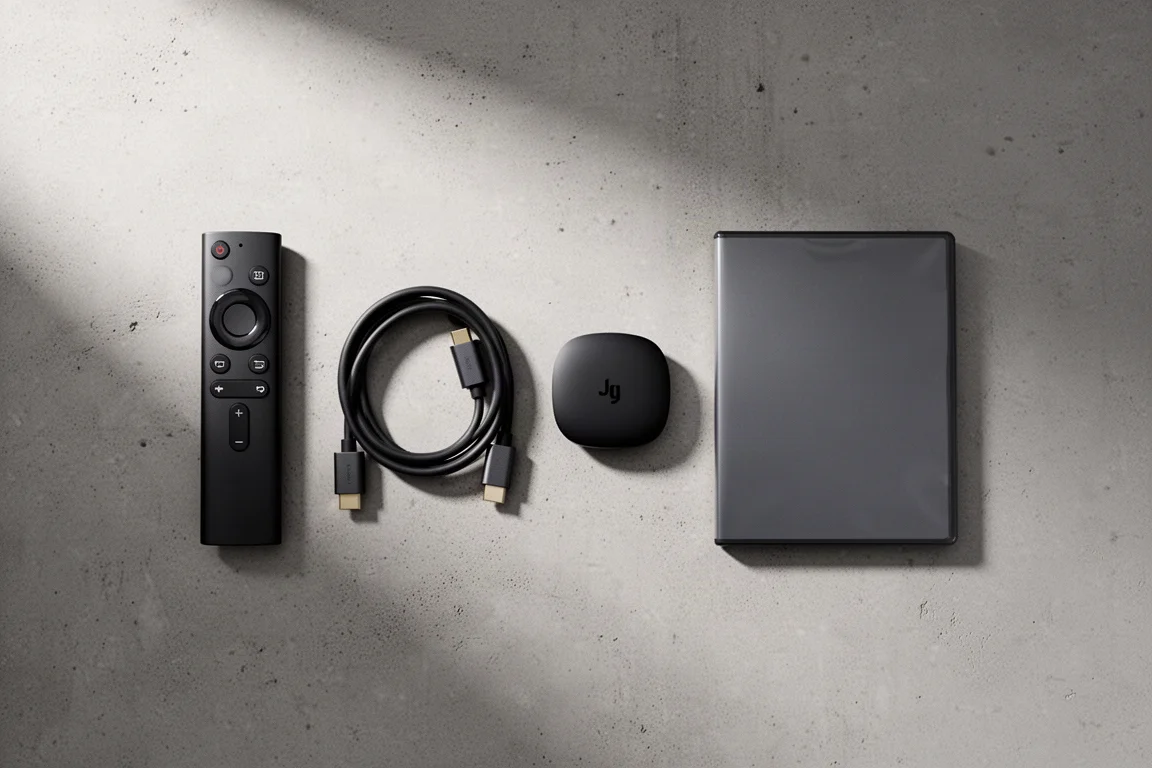
Consider whether a disc player belongs in the rack as well. It is a modest addition that delivers full-quality audio and often cheaper access to new releases, and it pairs well with a projector or a large screen. For a dedicated room with a very large screen and serious speakers, a premium movie server sits at the top of the range, though the cost puts it out of reach for most systems.
Conclusion
The best source component is the one that fits your room and your habits. A current 4K streaming player is the foundation for almost every home theater, chosen mainly by ecosystem and app support. A Blu-ray player remains a low-cost way to get the best available sound and picture from a disc. And for a high-performance theater built around a very large screen, a Kaleidescape system is the most capable option available.
Further reading
Related Reviews
Home Theater
Anthem AVM 90 Review: A 15.4-Channel Flagship Preamp Processor
A close look at Anthem's flagship preamp processor, covering its dual ESS DAC architecture, 15.4-channel layout, ARC Genesis calibration and four independent subwoofer outputs.
Home Theater
Apple TV 4K With AirPods: A Best-Value Home Theater Setup
An Apple TV 4K paired with AirPods over Bluetooth makes a compact home theater setup for movies, spatial music and late-night viewing, and it can be assembled for as little as $300.
Home Theater
Arcam AVR15, AVR25, AVR35, and AVP45 Compared: Which AV Amplifier Fits Your System?
Four new Arcam home theater components share nine-channel amplification and Dirac Live, but differ in power, processing ceiling, and channel flexibility.