Streaming Devices
Best Budget Streaming Devices 2026: Nine Options Tested from $20 to $75
A practical breakdown of nine affordable streaming devices, from the $20 ONN Android TV box to premium options like Fire TV Stick 4K Max, with real performance data and honest trade-offs.
Introduction
Finding a reliable streaming device under $100 is harder than it should be. The market is crowded with devices that look identical on paper but behave very differently in practice. Some offer 4K, others cap out at 1080p. Some include Dolby Vision and Atmos, while others only support HDR10. Some run clean software, others ship with customized interfaces that get in the way.
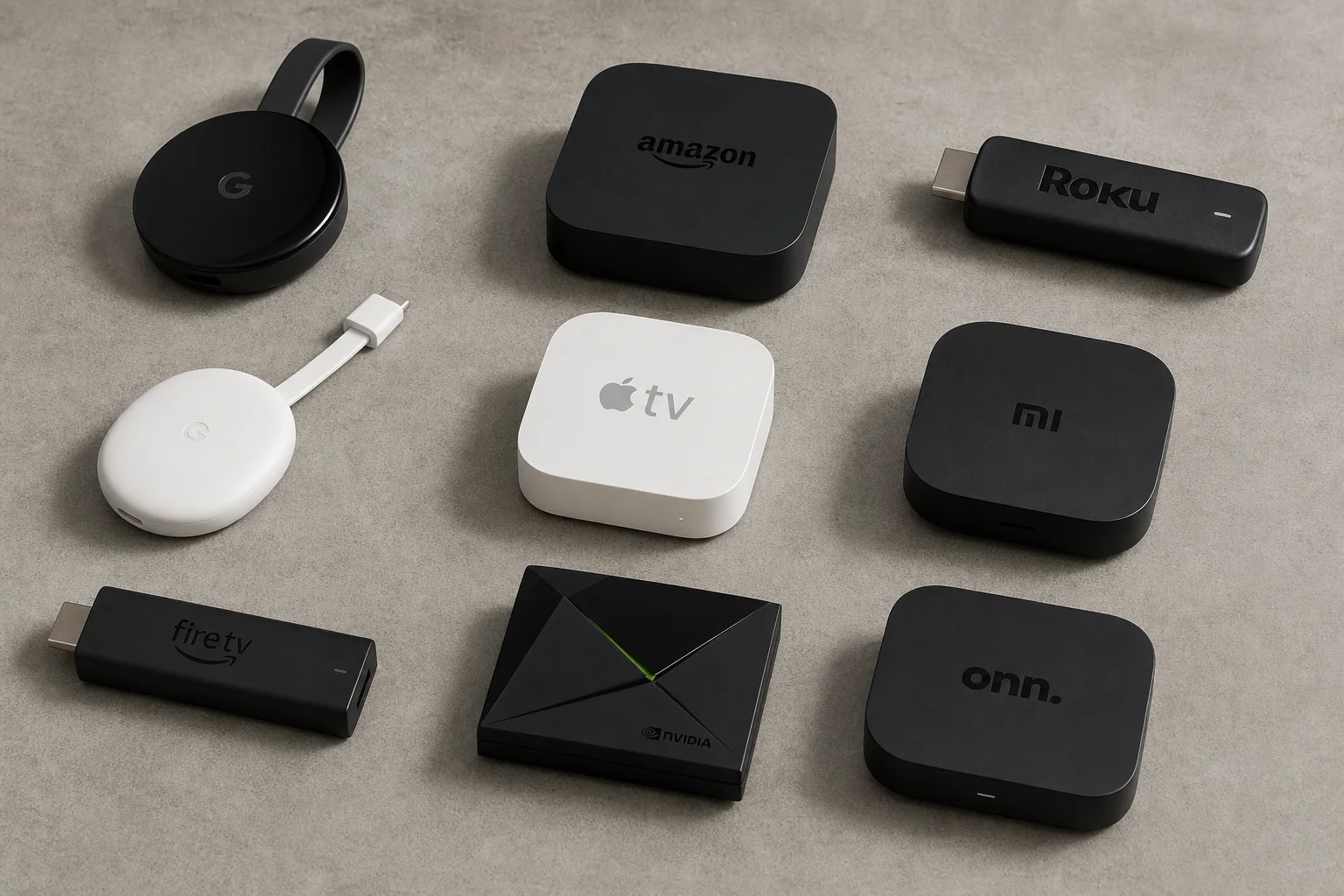
To cut through the confusion, we tested nine devices ranging from $20 to $75, including mainstream options from Google and Amazon, as well as less obvious choices from Walmart, Xiaomi, and TiVo. The goal was simple: find which ones are actually worth buying and which ones to avoid.
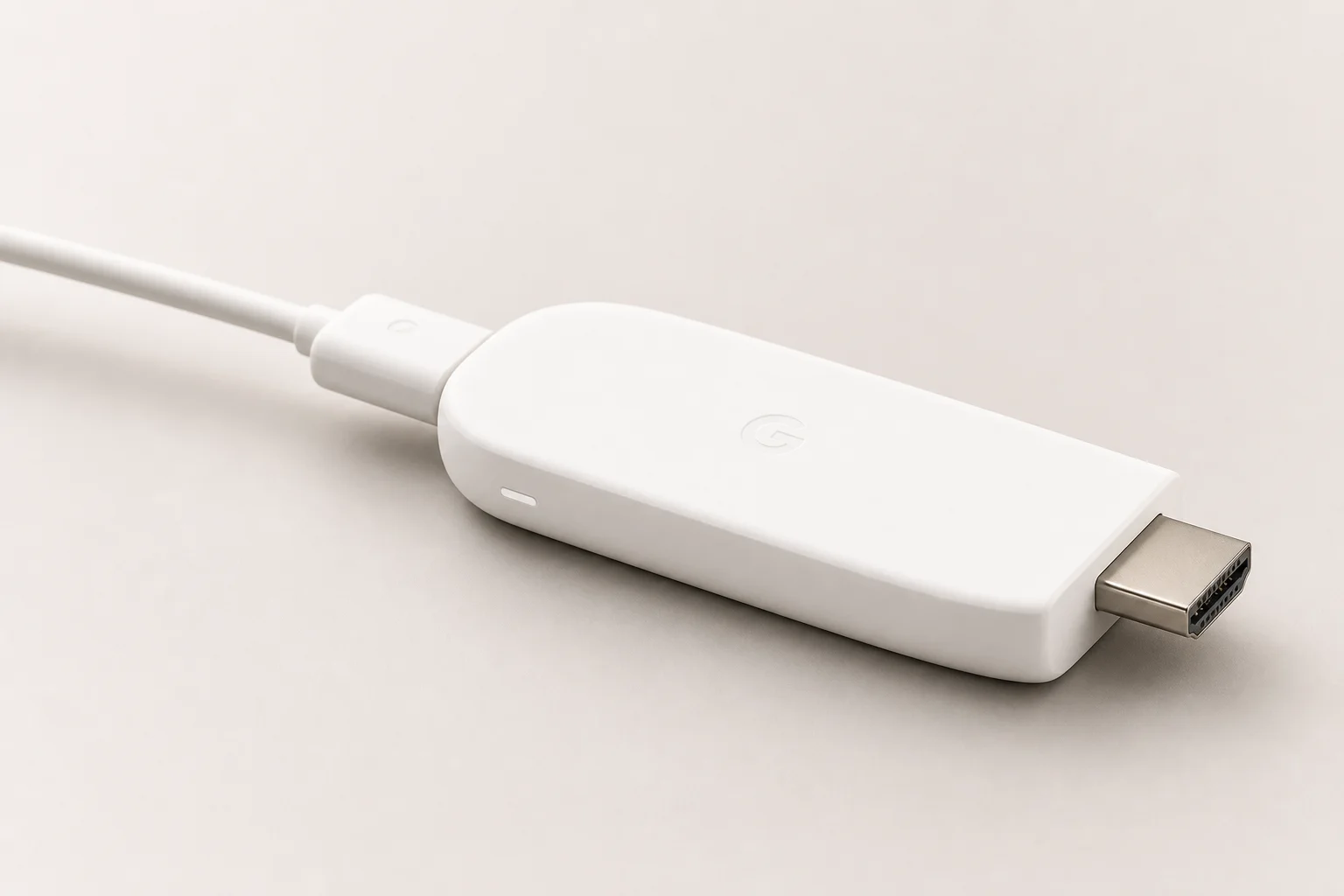
Chromecast with Google TV: The $30 Baseline
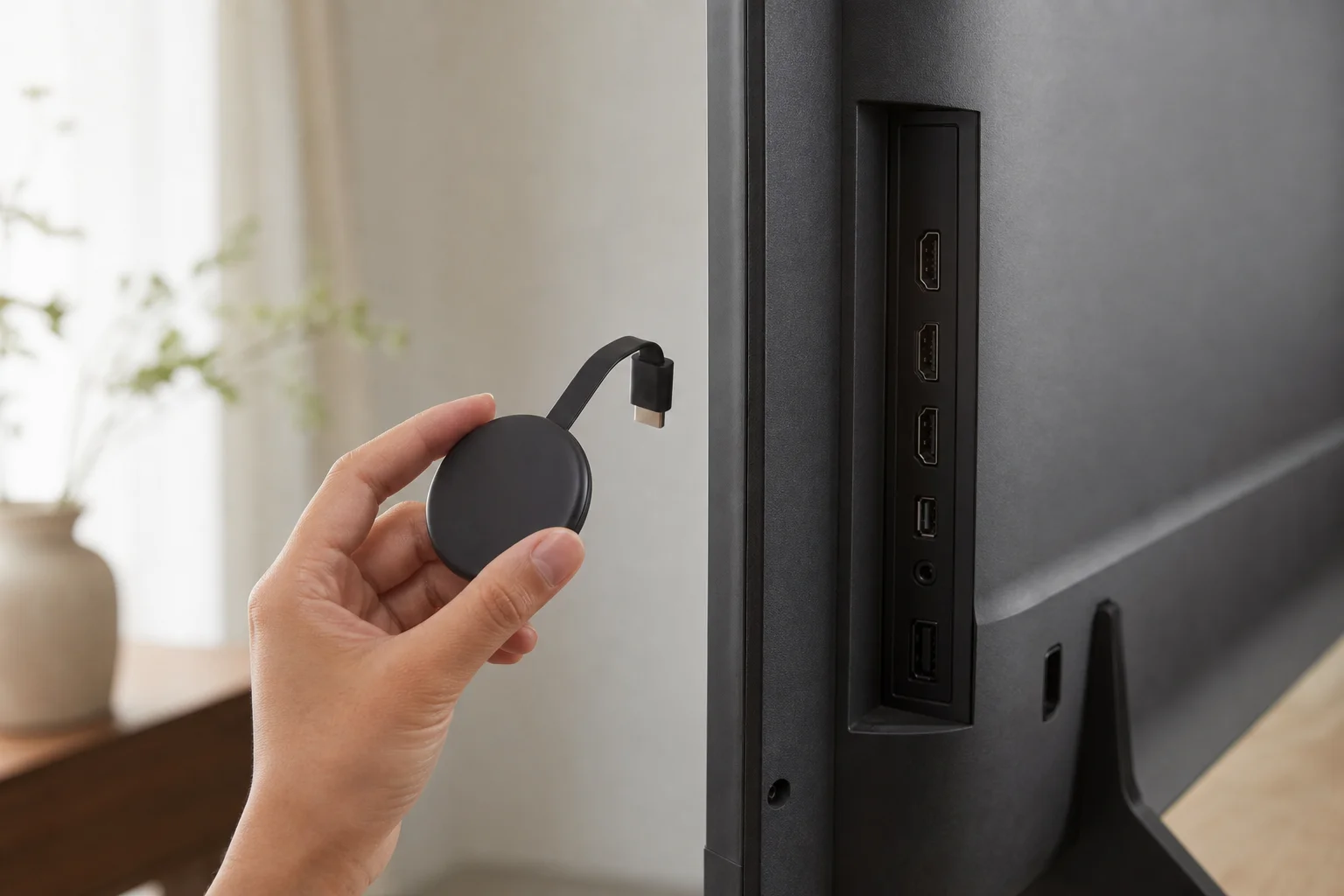
The Chromecast with Google TV (HD version) is the entry point most people know. It uses an Amlogic S805X2 processor with 1.5GB of LPDDR4 RAM, and at $30, it delivers smooth 1080p playback with rare stuttering out of the box.
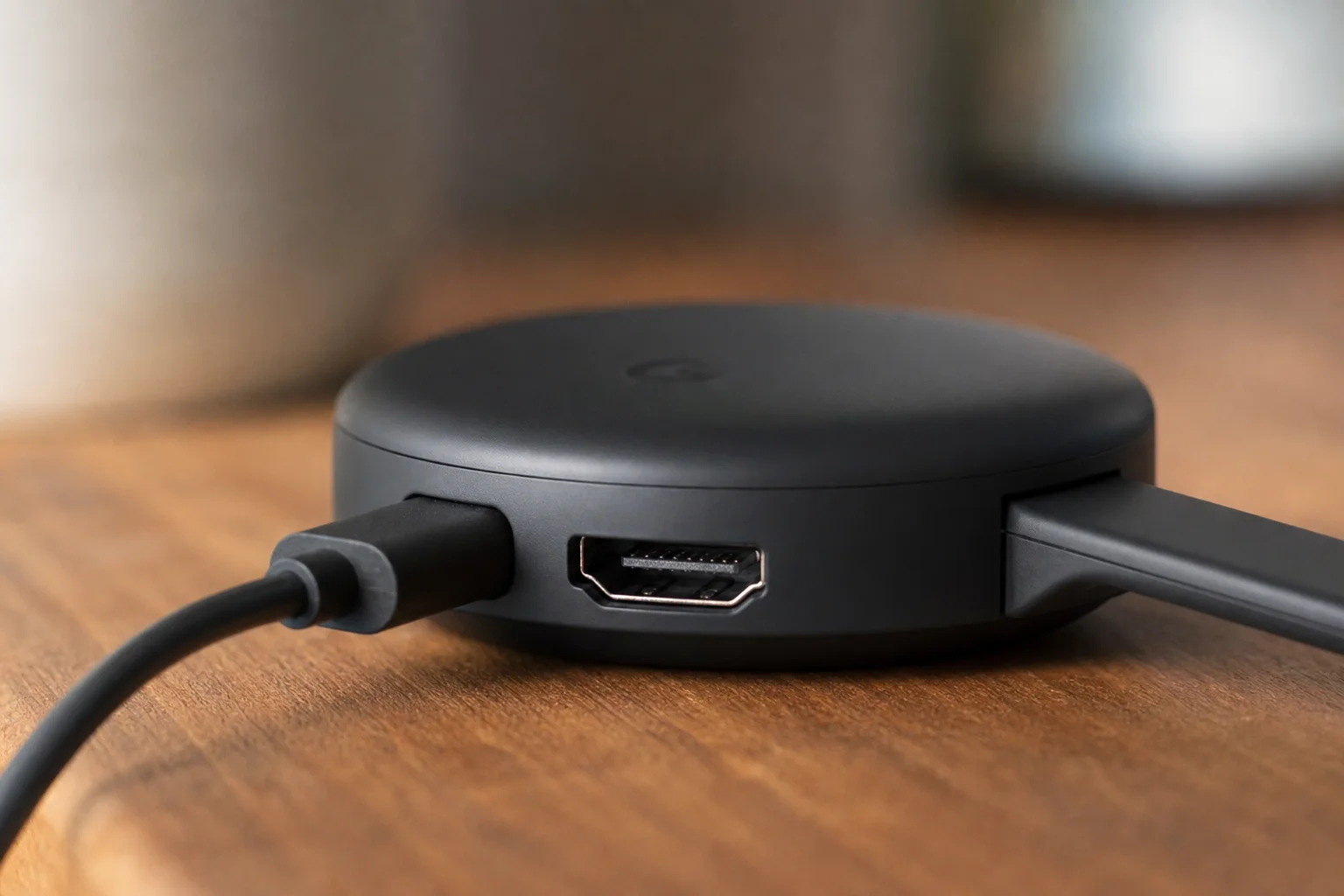
The device supports AV1 decoding, Dolby Atmos pass-through, and Dolby Digital Plus. The remote offers HDMI CEC control and reasonable IR integration with TVs and soundbars. Voice commands through the built-in microphone work decently and integrate with Google Assistant and Home Assistant.
Power comes via a 7.5-watt USB Type-A charger, though upgrading to a 30-watt USB-C charger unlocks external storage and gigabit Ethernet options. However, the Type-C port is limited to USB 2.0 speeds (480 Mbps), and the device ships with only 4.4GB of usable eMMC storage. External storage must be formatted as encrypted Android partitions for apps or FAT32 for media, which limits file sizes to 4GB or smaller.
The main limitation is the lack of 4K support. For $30, it’s a solid choice if you only need 1080p, but most users will want to step up.
Chromecast 4K: The Slightly Better Google Option
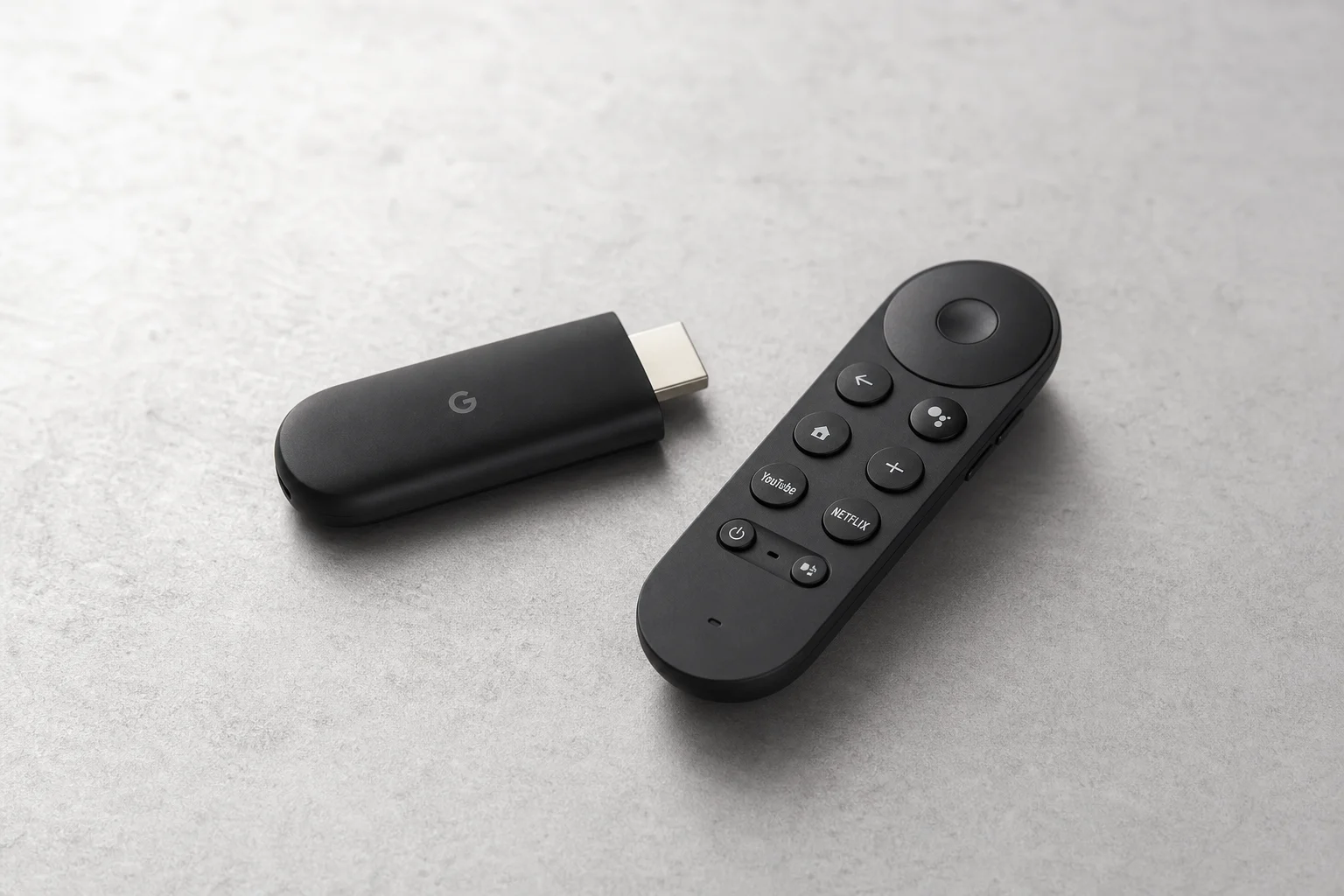
The Chromecast 4K addresses the resolution gap. It drops AV1 support but adds Dolby Vision alongside Dolby Digital Plus. 4K playback works without significant issues, and it uses the same remote and power connector as the HD version.
Like its sibling, it ships with 4.4GB of usable storage and the same USB 2.0 Type-C port. The same external storage workarounds apply. At $50, it costs more than the HD version but less than many competitors offering similar specs.
ONN Android TV Streaming Box: The Value King at $20
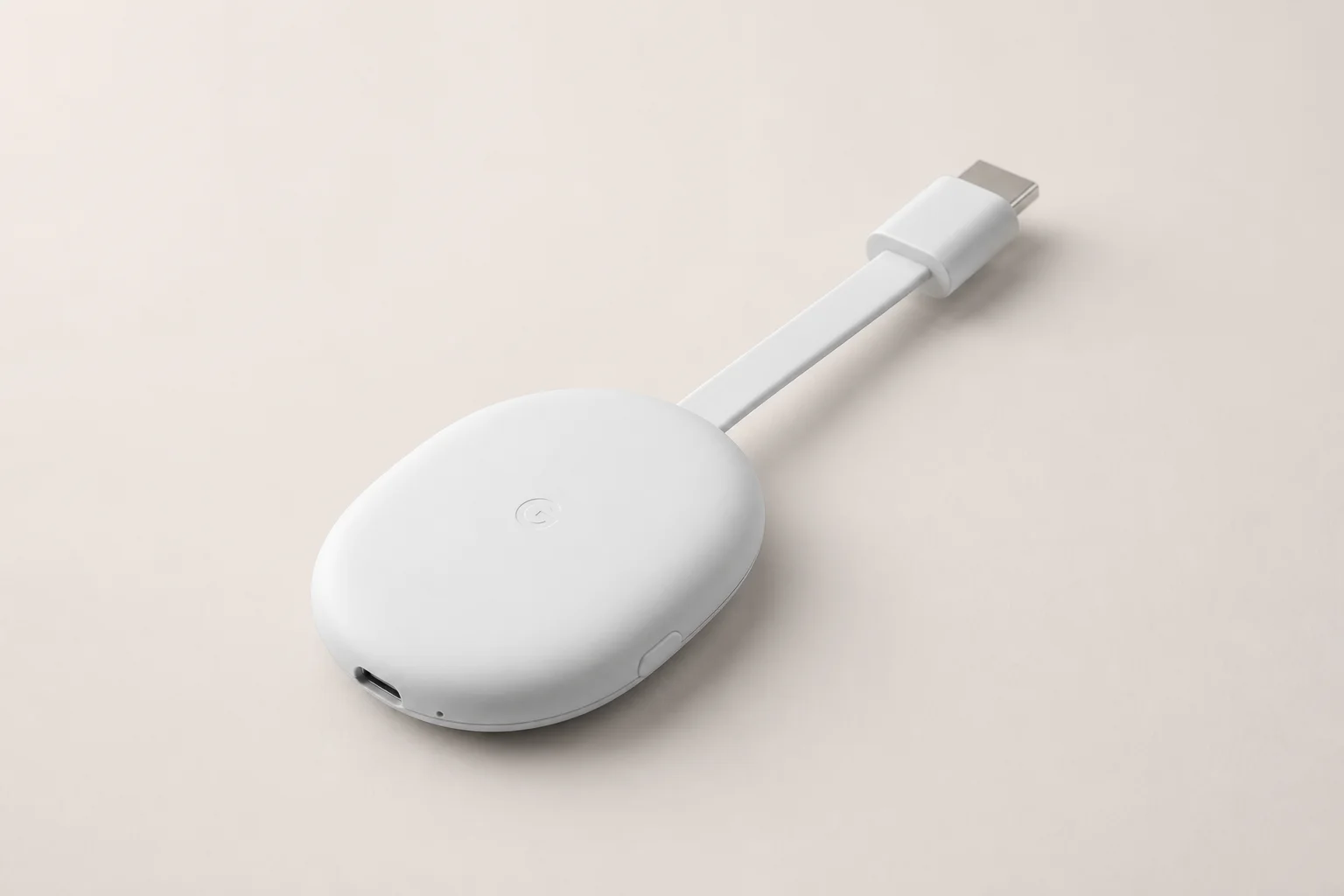
This is where things get interesting. Walmart’s ONN brand (manufactured by SDMC, a Google-certified OEM) sells a 4K streaming box for just $20. That is not a sale price; it is the everyday price.
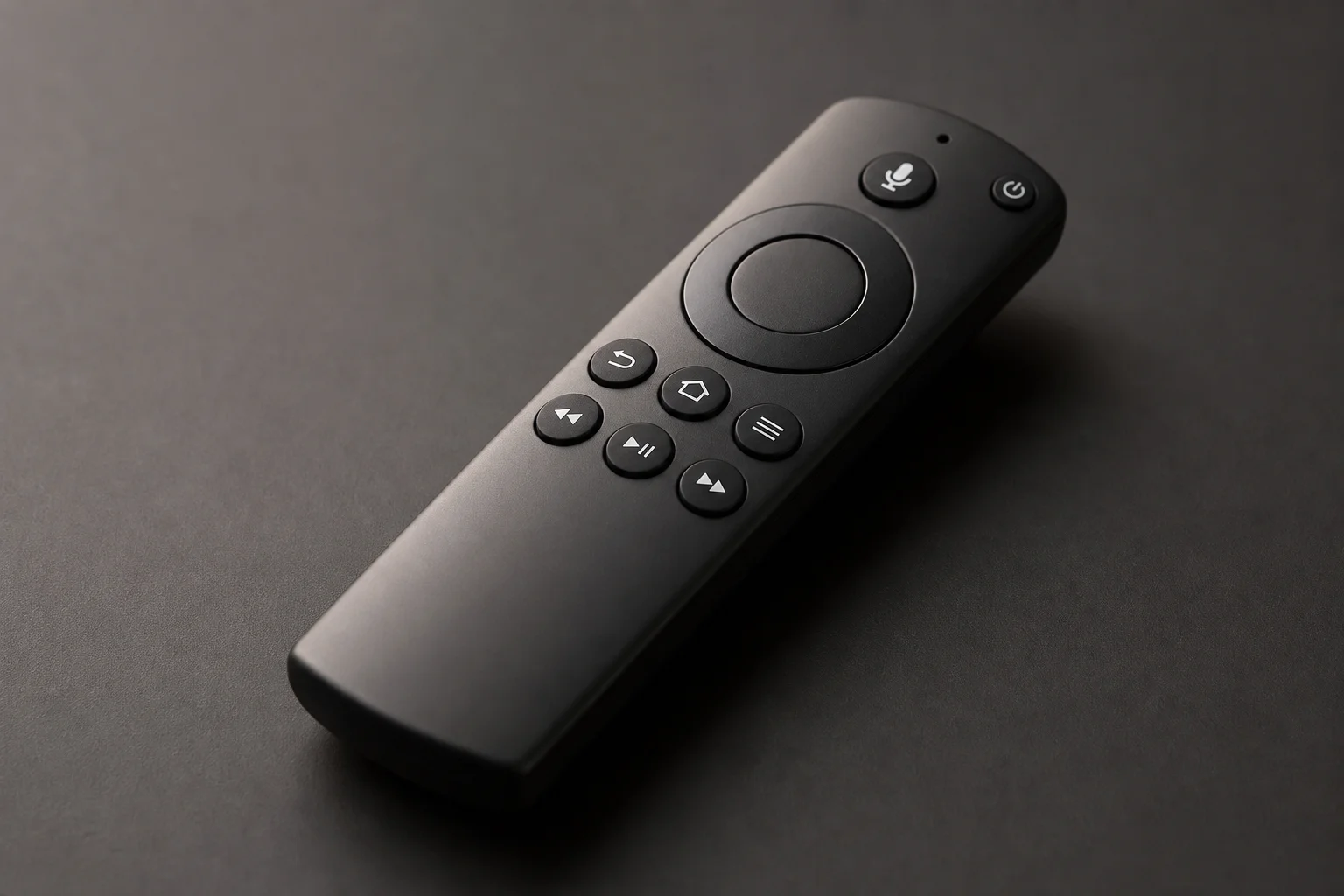
Compared to the $50 Chromecast 4K, the ONN sacrifices some features. It supports 4K video, Dolby Audio, and HDR10, but lacks Dolby Atmos and Dolby Vision. It does include AV1 support, which the Chromecast 4K lacks. Performance is noticeably less smooth than the Chromecast 4K when used side-by-side, but the difference is subtle enough that most users would not notice without direct comparison. Internally, it has the same RAM, storage, and a very similar processor class.
The ONN ships with Google TV and a generic Streambox remote with more buttons than Google’s first-party version. The microphone works adequately. Unlike Apple TV, the ONN allows unofficial apps to be sideloaded, meaning you can install alternative apps from the Google Play Store without rooting the device. This flexibility is a significant advantage for users who want more control over their device.
For $20, the ONN represents exceptional value. Walmart’s generous return policy makes it a low-risk purchase if it does not suit your needs.
Mecool KD3 and Mid-Range Alternatives
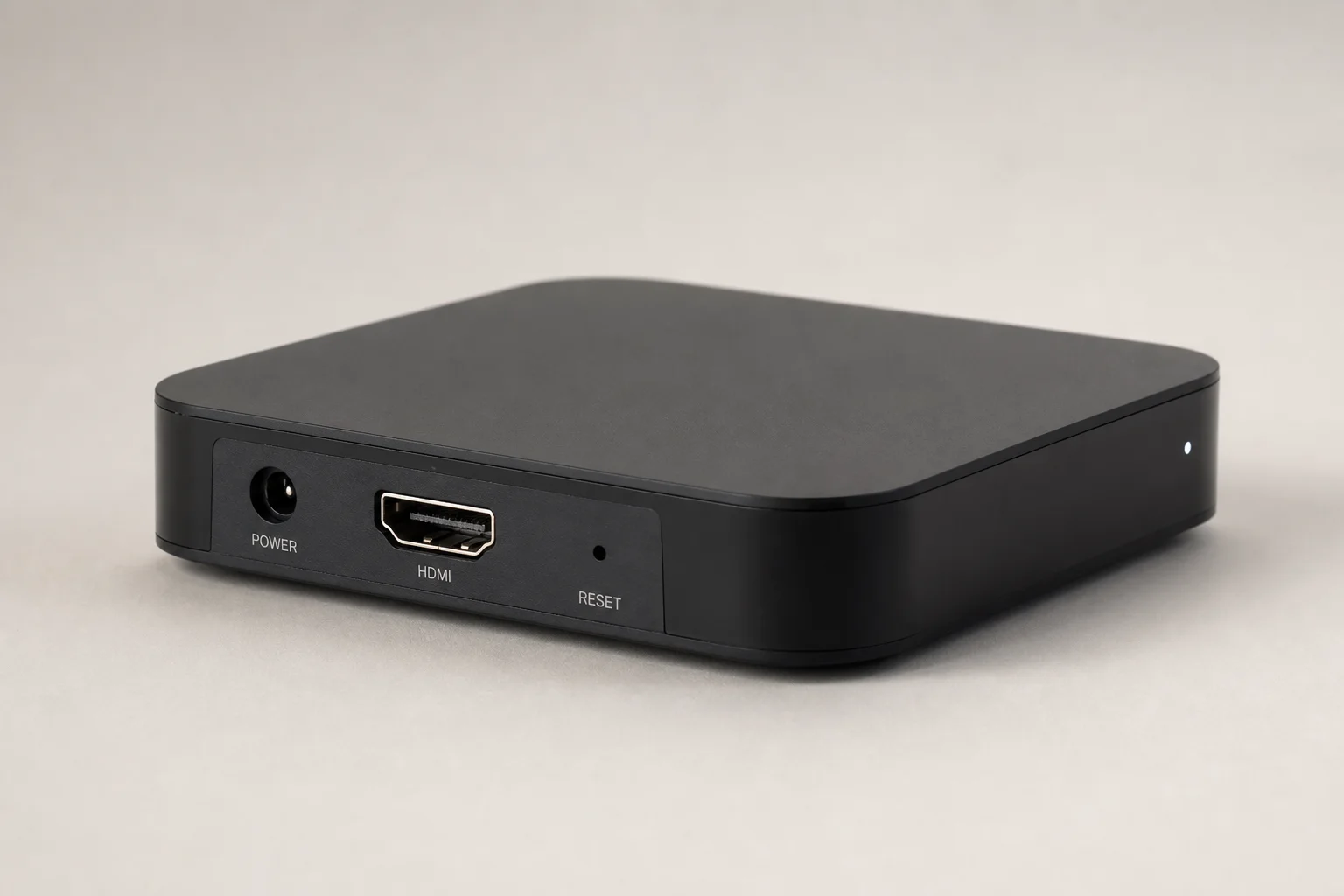
The Mecool KD3 looks completely different from the ONN but contains identical internal hardware and even ships with the same remote. The difference is the price: around $75. At that cost, it is difficult to recommend over the ONN unless you live outside the US.
If you do purchase a Mecool or similar device, avoid paying more than $40. At that price point, competition heats up significantly, and other options become more attractive.
TiVo Stream 4K: An Interesting But Flawed Alternative
The TiVo Stream 4K (made by SEI Robotics) costs $40 and takes a different approach. It runs Android TV without Google TV, using TiVo’s own UI as an aggregator for streaming services and live TV replacements. It includes a separate USB-C port alongside the micro USB power port, a feature even identical devices from the same manufacturer do not offer.
The TiVo UI is an interesting concept but limited in practice. It focuses on major US streaming services and live TV replacements, and the overlay can be unstable. TiVo has already signaled they are moving away from Android TV devices, having lost Sling TV integration and experienced server outages that prevented new users from setting up devices.
The device lacks AV1 decoding but includes Dolby Atmos and Vision support. The remote is excellent, packed with remappable number buttons perfect for quick app launches. The device is stuck on Android 10, which is actually beneficial for running emulators and older software, as Android 11 introduced scoped storage that can prevent access to certain file types.
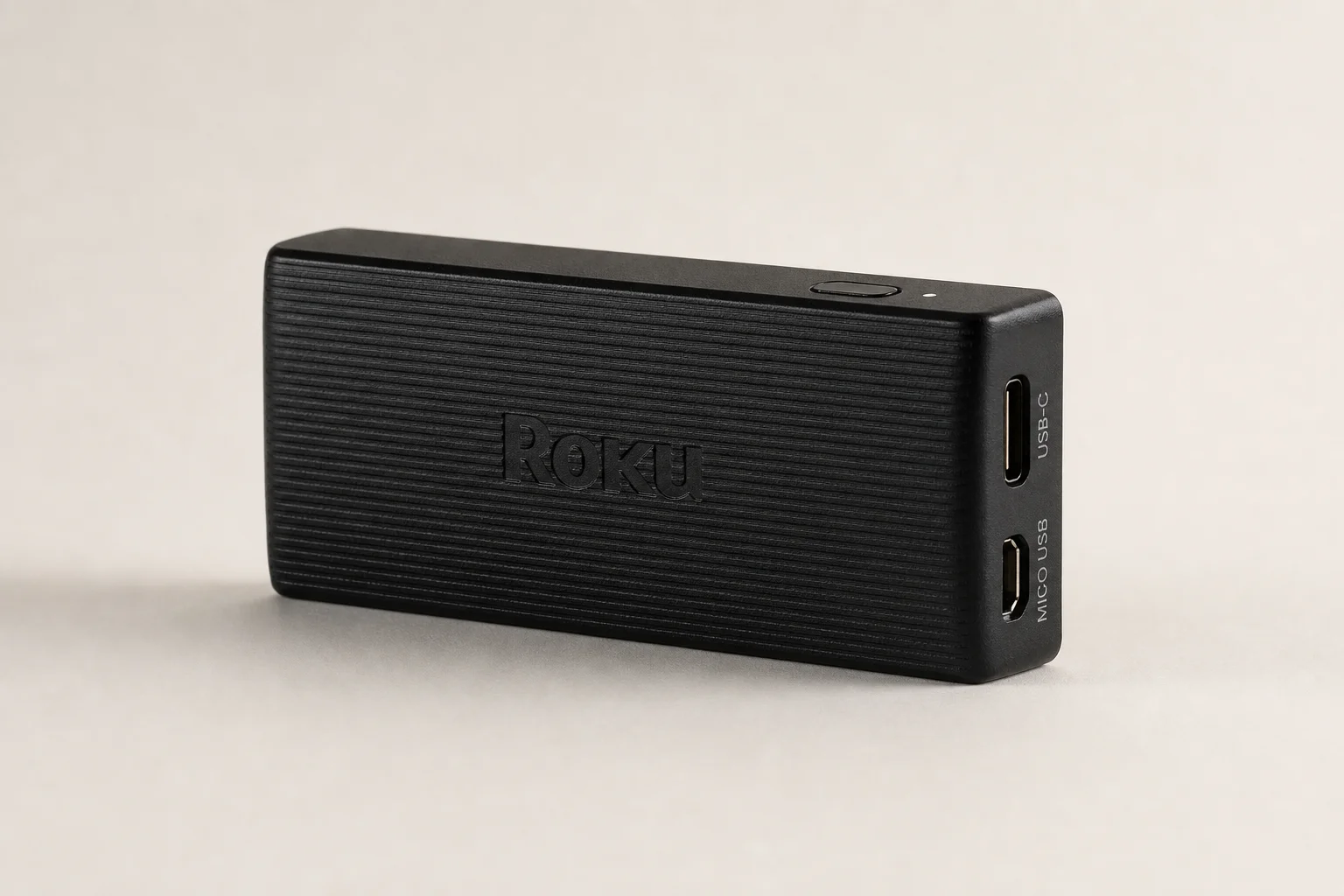
Xiaomi TV Stick 4K: Premium Features, Questionable UI
Xiaomi’s TV Stick 4K costs $65 and comes with Patchwall and Patchwall Plus apps pre-installed. These apps relate to free live TV similar to Pluto, but Xiaomi provides no clear documentation on which regions support Patchwall. Testing proved difficult, and the feature appears limited to China and possibly India.
The problematic part: the Patchwall button occupies the same position as the back button on every other Android and Google TV device. Button remapping becomes a mandatory exercise rather than an optional feature.
Internally, it uses the same Y4 processor, 2GB RAM, and 8GB storage as the Mecool and ONN. It functions similarly but adds both Dolby Atmos and Vision support. In a world where the TiVo and Chromecast 4K exist, it is difficult to recommend.
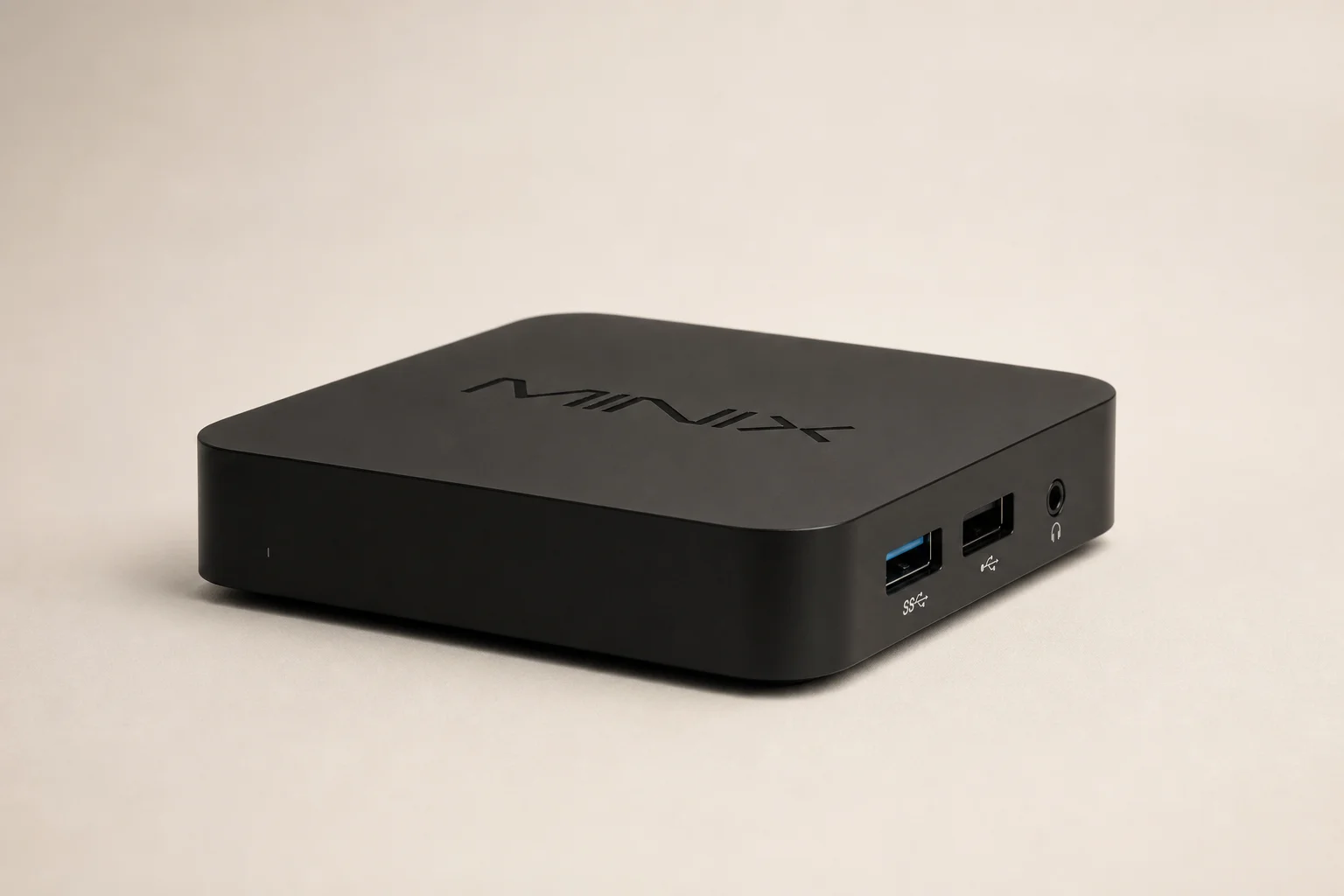
Xiaomi TV Box S Gen 2: More Ports, Same Issues
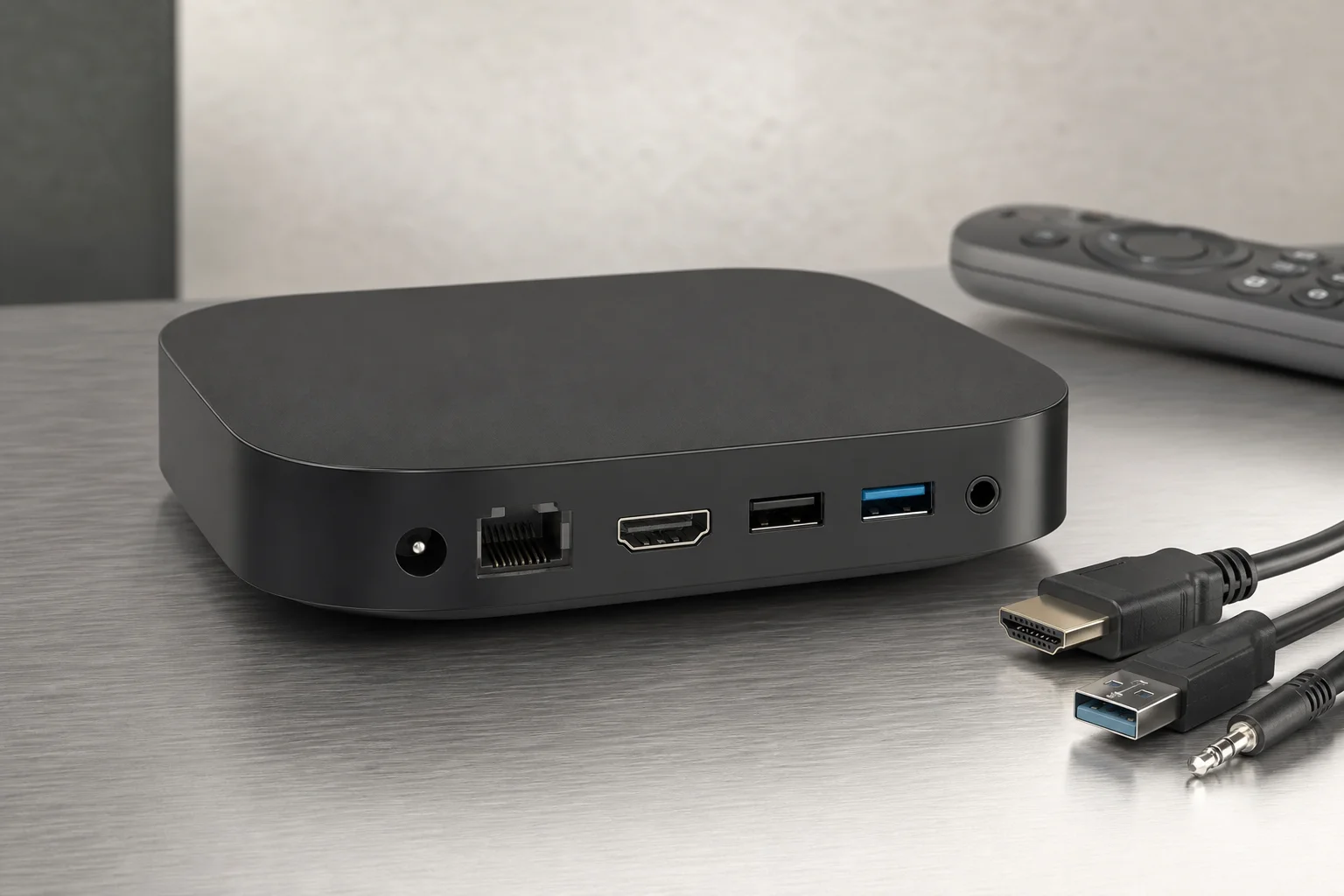
The Xiaomi TV Box S Gen 2 uses a slightly more powerful X4 processor and supports Atmos, Dolby Vision, and 4K 60fps. It costs around $70 and includes onboard USB ports and a 3.5mm audio jack, eliminating the need for a dongle.
The interface is stock Google TV, which is cleaner than the TV Stick. However, Xiaomi again placed their TV Plus button where the back button should be, causing accidental activation during normal use. The extra ports are convenient, but the button placement issue persists.
Fire TV Stick Lite and Fire TV Stick 4K Max: Amazon’s Ecosystem
Amazon’s Fire TV devices are not Google-certified and do not use the Google Play Store. Amazon is reportedly developing a standalone Fire OS to completely separate from Google, though both current models still run Android-based systems.
Unlike other devices tested, Fire TV uses MediaTek’s MT8690 processors instead of Amlogic chips. This makes little practical difference for end users.
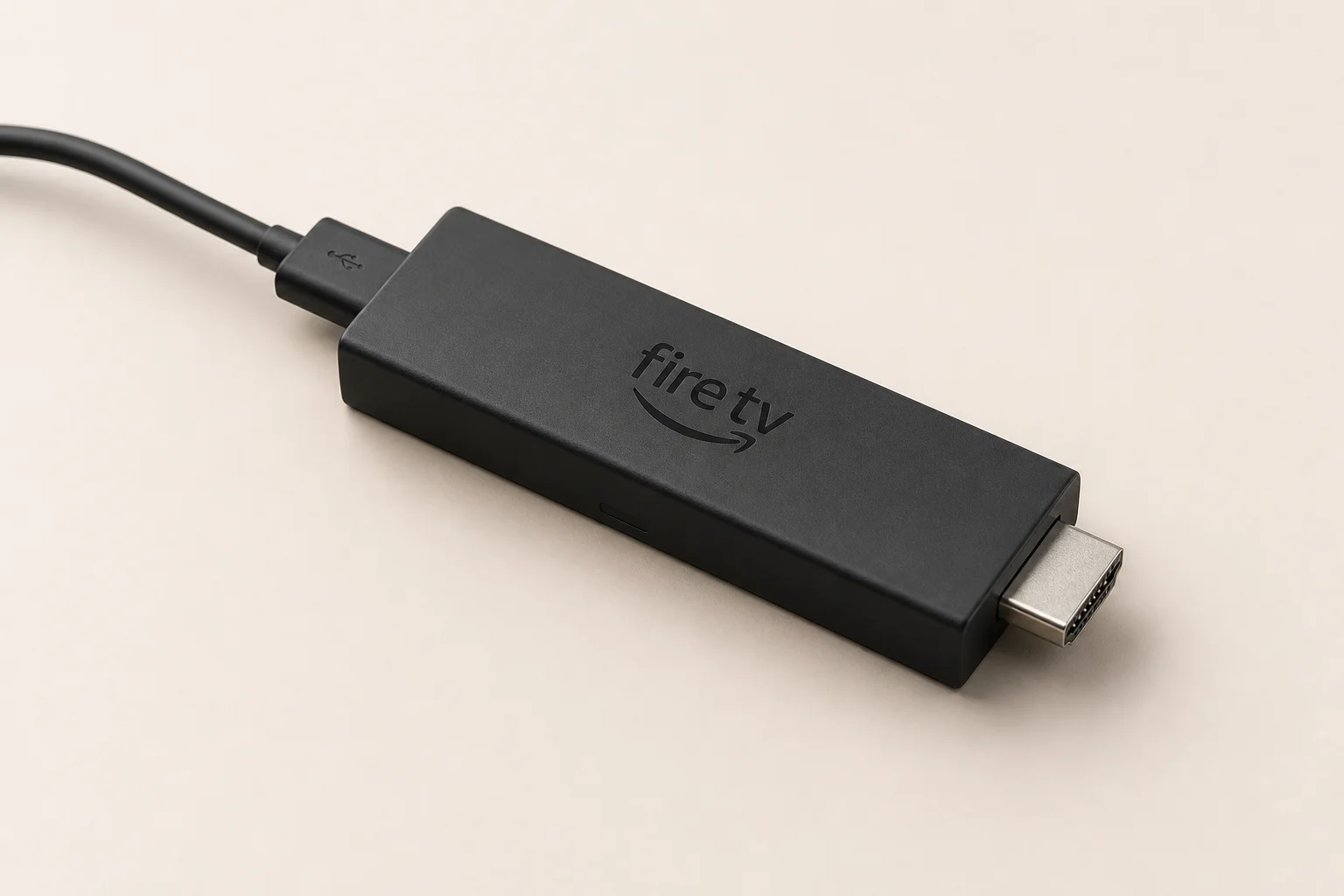
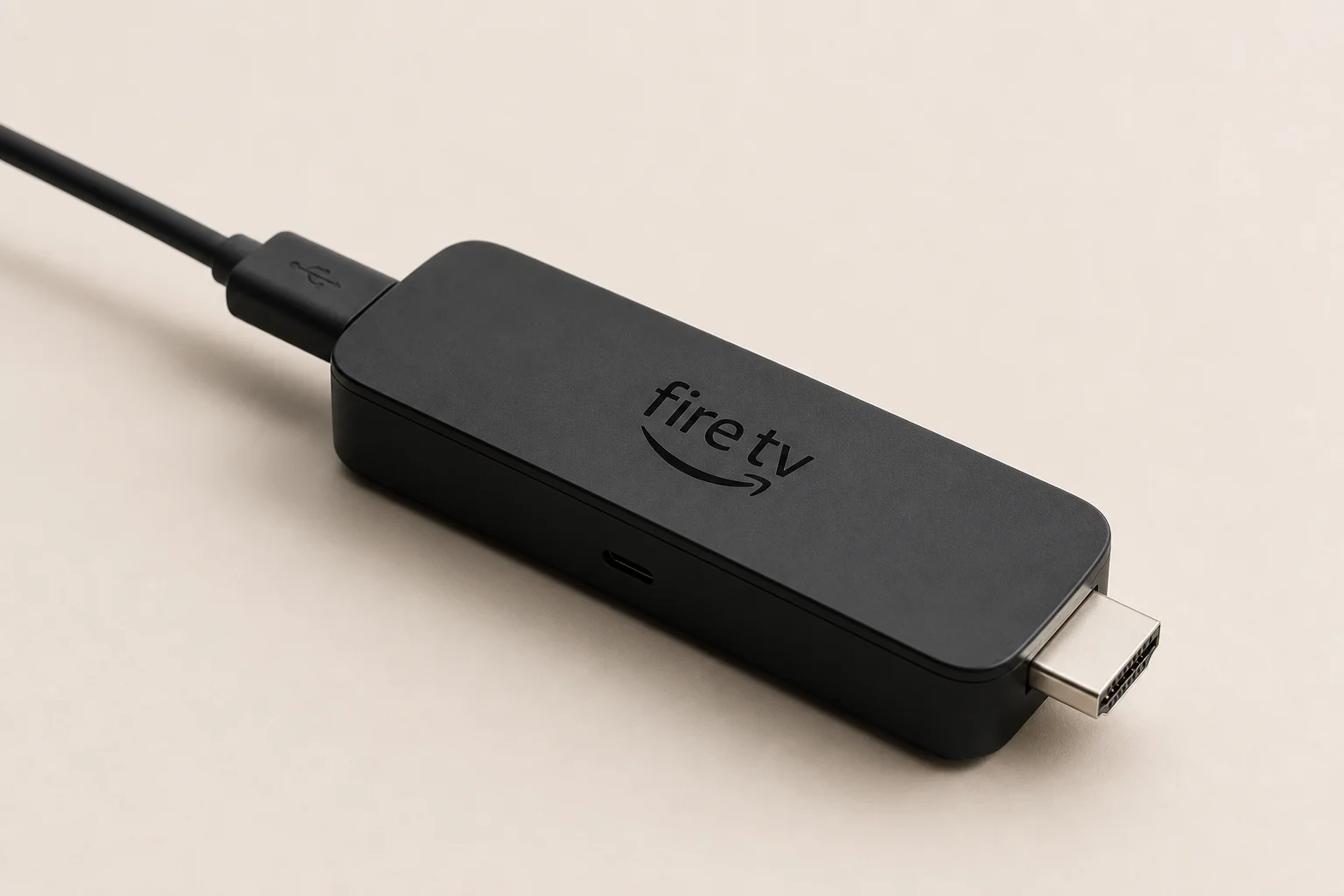
The Fire TV Stick Lite targets 1080p playback with 1GB RAM, 8GB storage, Atmos pass-through, and HDR10 support (no Dolby Vision). It runs Fire OS 7, which is based on Android 9. At $30, it is affordable but dated.
The Fire TV Stick 4K Max (second revision as of September 2023) offers 2GB RAM, 16GB internal storage, and Wi-Fi 6E support. It includes Atmos, Vision, and HDR10+ support, running Fire OS 8 based on Android 11. At $60, it is reasonably priced.
The biggest selling point of Fire TV devices is Alexa integration. If you are an Alexa household, the Fire TV ecosystem makes sense. If not, other options may suit you better. Be prepared for Amazon to serve ads and promote Prime Video prominently.
Performance and Real-World Testing
Most people shopping for streaming devices focus on feature sets rather than benchmarks. However, testing revealed interesting patterns. The Fire TV Stick 4K Max led in Geekbench single and multi-core performance, with the Xiaomi TV Box S Gen 2 and Chromecast 4K trailing behind.
Navigation latency testing (measuring response time when pressing the right direction button repeatedly in Netflix) showed the TiVo Stream 4K leading, followed by the Chromecast HD, Fire Stick 4K Max, and Chromecast 4K. The ONN fell into the middle of the pack, performing adequately but not exceptionally.
Buying Advice
There is no perfect streaming device under $100. However, the best value is the ONN at $20. For that price, the risk is minimal, and Walmart’s return policy makes it easy to return if it does not fit your use case.
If you want something more powerful, the Chromecast 4K or Fire TV Stick 4K Max are your best options. The Chromecast 4K offers a clean Google TV experience with solid performance. The Fire TV Stick 4K Max provides better specs and Wi-Fi 6E if you are already invested in Amazon’s ecosystem.
For experimental but potentially responsive performance, the TiVo Stream 4K can execute interesting ideas, even if they are occasionally flawed.
Conclusion
Budget streaming devices have improved significantly, but the market remains confusing. The ONN proves that $20 can buy a capable 4K device from a certified manufacturer. The Chromecast 4K and Fire TV Stick 4K Max offer reliable performance at reasonable prices. The TiVo Stream 4K provides an alternative for users willing to tolerate its quirks in exchange for unique features.
Avoid random Android TV boxes from unknown sellers on Amazon. Stick with certified devices from established manufacturers, and you will avoid the malware and spyware risks that plague the cheapest options. Your streaming experience will be safer and more reliable as a result.
Further reading
Related Reviews
Streaming Devices
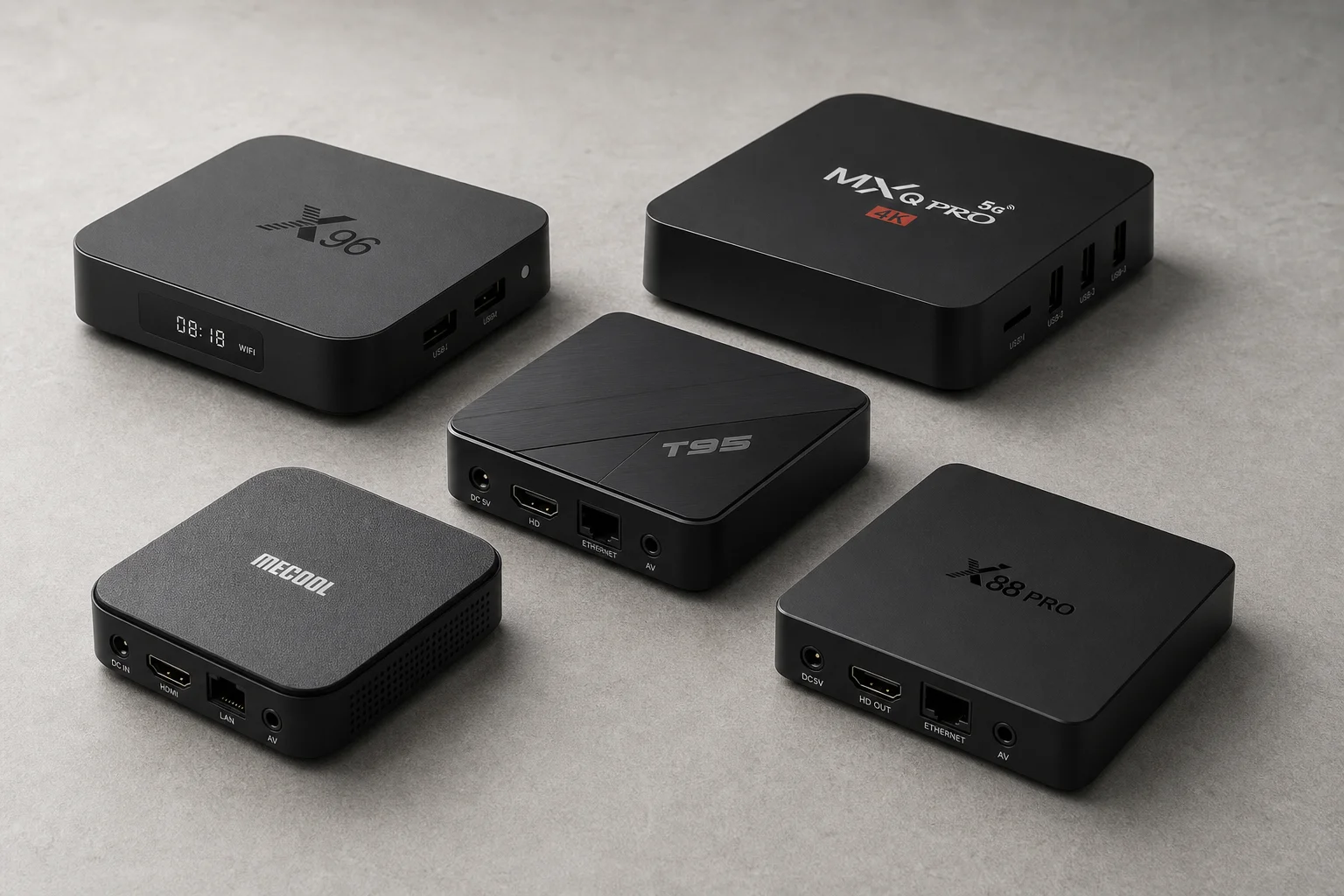
Android TV Boxes and Malware: Why Budget Streaming Devices Pose Real Security Risks
Budget Android TV boxes promise cheap streaming but often come pre-loaded with malware, fake specifications, and security vulnerabilities that make them unsafe for home networks.
Streaming Devices
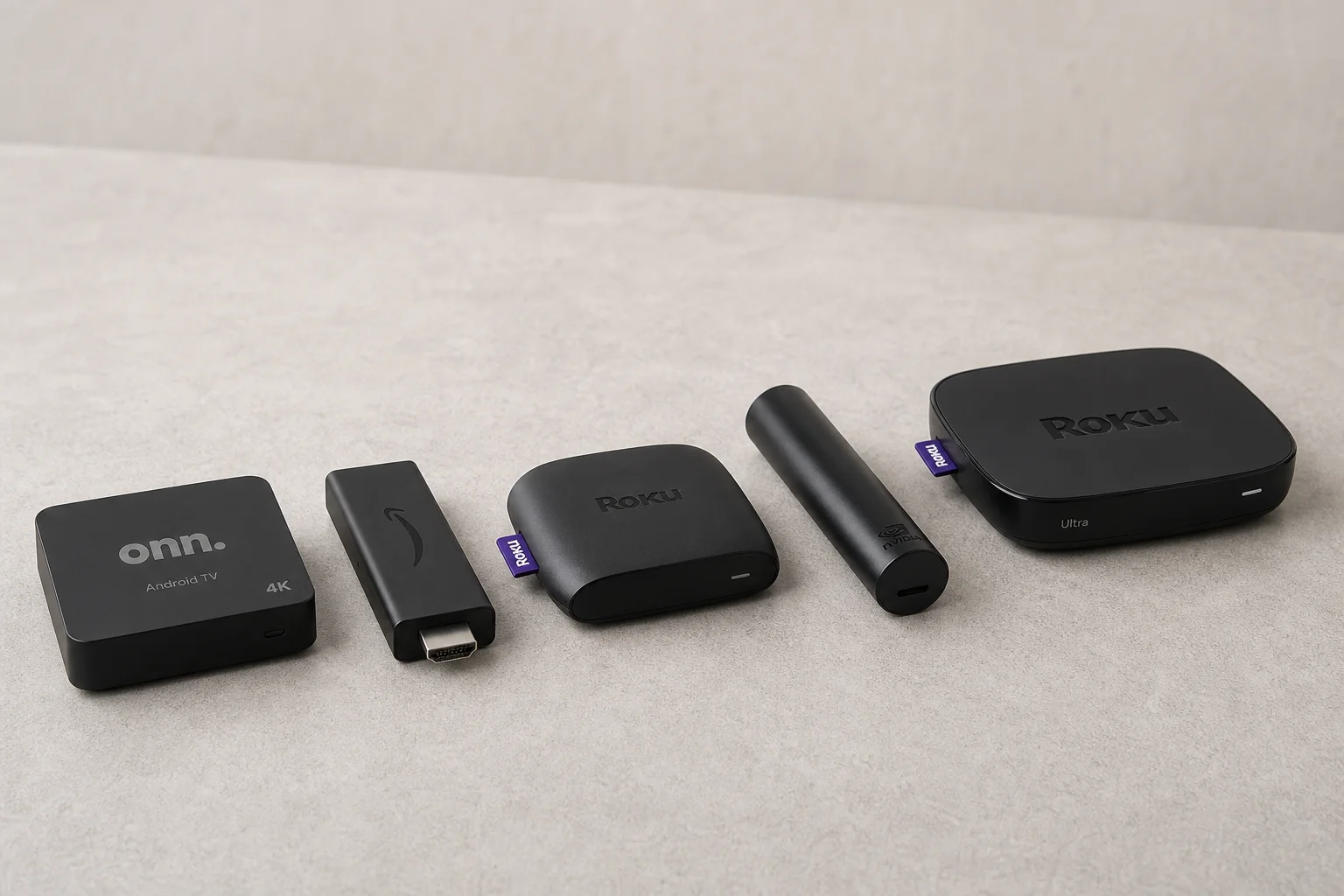
Best Streaming Devices 2026: Five Options Ranked by Performance and Value
A breakdown of five streaming devices from budget to premium, with real strengths and trade-offs to help you choose the right one for your setup.
Pickleball Paddles
2025 Paddle Awards: The Best Pickleball Paddles of the Year
A category-by-category breakdown of the best pickleball paddles of 2025, covering value, control, all-court, power, and paddle of the year.