Backpacking Gear
Super Ultralight Backpacking Gear: 6 Lightweight Picks Tested on Trail
Six super ultralight backpacking items, from the Nemo Tensor Elite sleeping pad to armless sunglasses, with the real trade-offs behind each low weight.
Introduction
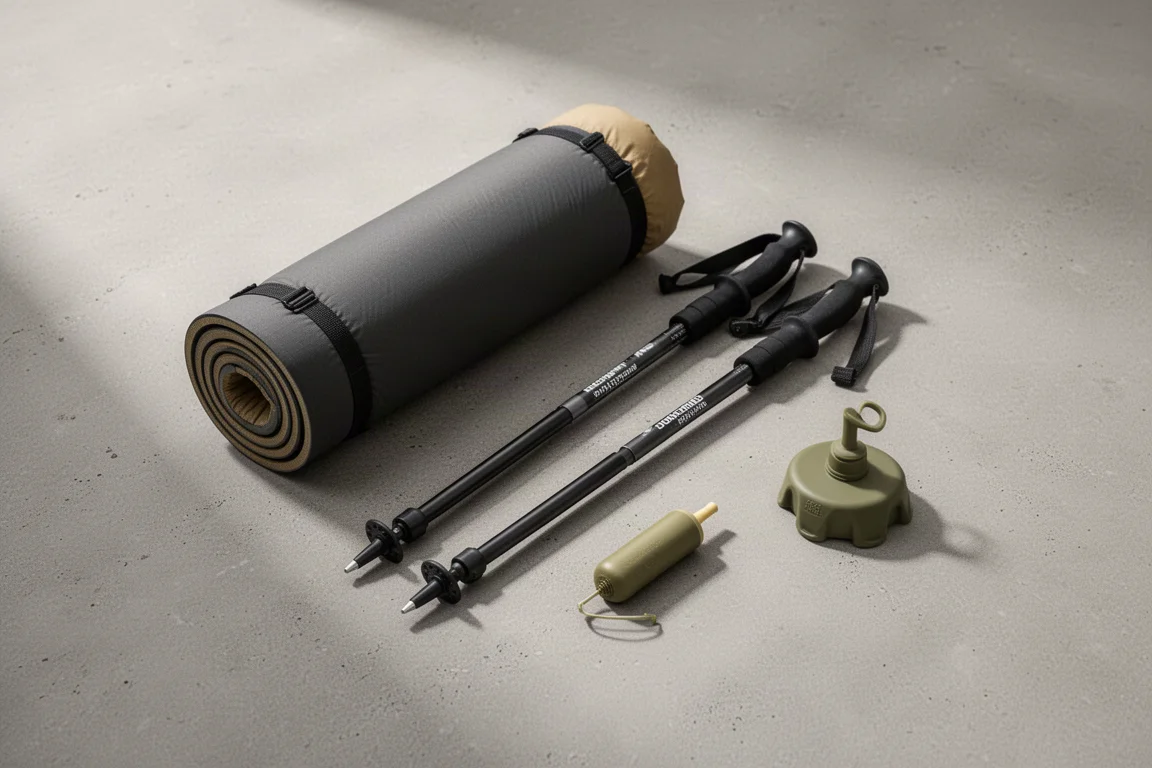
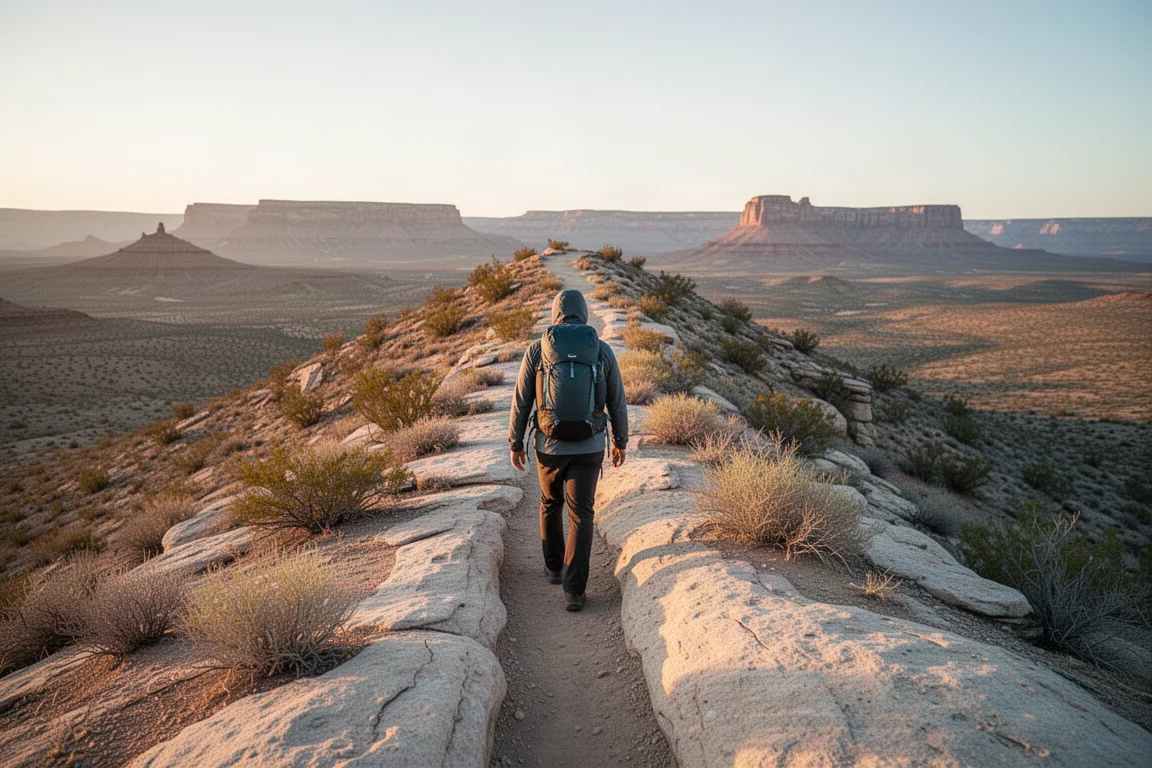
A base weight near 5 lbs changes what a backpacking trip feels like. Off-trail detours, side trails, and the occasional stretch of bushwhacking become far easier when the pack on your back barely registers. The catch is that super ultralight gear almost always asks for something in return, whether that is durability, comfort, or everyday functionality.
The six items below were all used on a recent Arizona Trail trip, including an overnight on the Nemo Tensor Elite sleeping pad and a timed inflation comparison between two battery-free pumps. A few came close to the ideal of being light, durable, and functional at the same time. Others are excellent within a narrower set of trips. Here is how each one performed, and who it suits.
What to Look For in Super Ultralight Gear
Three questions separate gear that is genuinely worth carrying from gear that is simply light.
The first is what the low weight costs you. Thinner fabrics and simplified hardware usually mean less durability, and that trade-off matters most on long trips where a failure is hard to fix in the field.
The second is whether the item still does its job well. A pump that takes too long, a pad that is too narrow, or a pole that feels flimsy under load all undo the benefit of saving grams.
The third is price and availability. Some super ultralight items cost more than heavier alternatives precisely because less material is used, and some of the best options are hard to find in stock.
That last point is worth repeating: a lighter product is only useful if you can actually buy it and rely on it. The rest of this guide covers how each item handled those questions on trail.
Nemo Tensor Elite: The Lightest Sleeping Pad on the Market
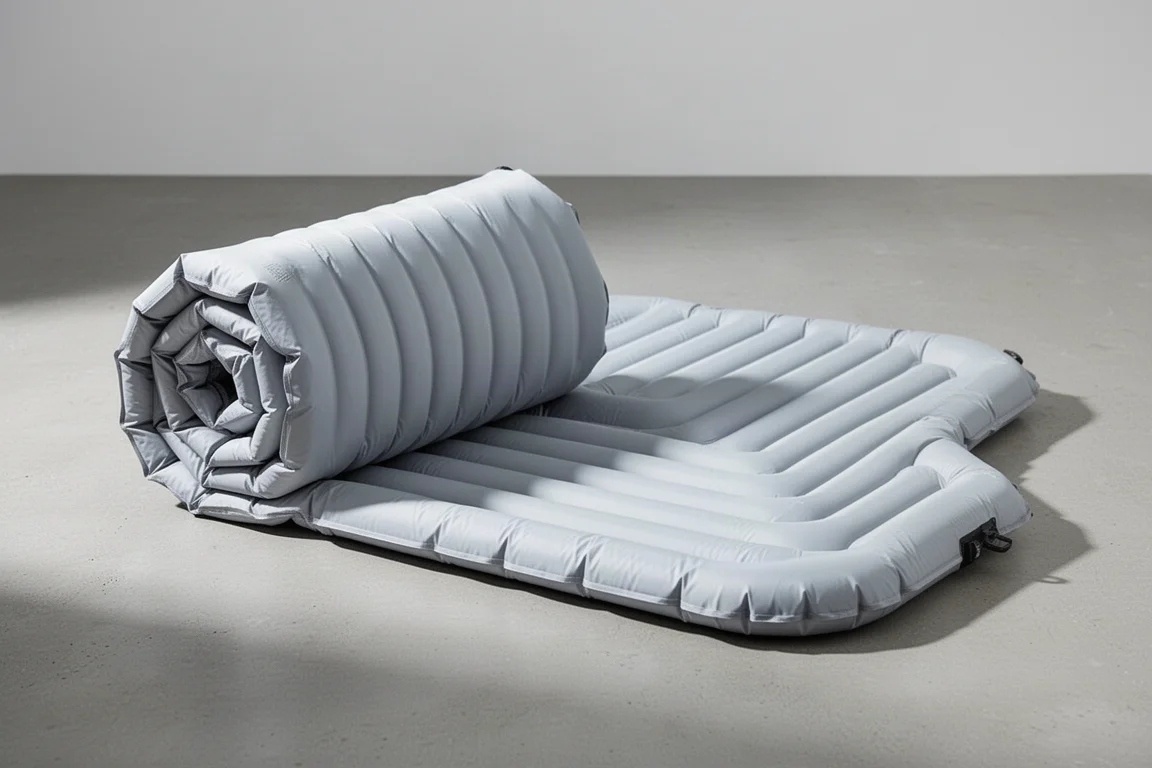
The Tensor Elite packs down to roughly the size of a pop bottle and is claimed to be one of the lightest sleeping pads ever made. With the Therm-a-Rest Uberlite discontinued, it now stands as the lightest sleeping pad on the market, aimed at what the brand calls the hyper-streamlined backpacker. It comes in just two sizes: a 20-inch wide regular length and a 20-inch wide torso length.
Warmth was the biggest surprise. Overnight temperatures sat around 10°C before dipping to 7°C, and the pad was plenty warm with a 30°F quilt, a t-shirt, and boxers. Comfort was a more mixed result. At 20 inches wide at the head end and narrowing from there, the pad is genuinely narrow. Lying on your back, arms tend to fall off the edges, and on your side the space feels tight. Even so, sleep quality was good, and the reason is pressure relief: the horizontal baffling has slight dimpling, and the very thin material has enough give that you sink into it a little. Only three or four position changes were needed through the night.
Durability remains the open question, since the materials are extremely light. It is the detail to watch before committing this pad to a months-long thru-hike, and it is probably not the right choice for trips where temperatures drop below freezing. There is also an awkward catch: warmer trails are usually the ones with more pokey ground that could puncture such a thin pad. At over $200 for the regular version, it costs more than many heavier pads.
Alpen Blow Pump: Quiet, Battery-Free Inflation at 8 Grams
The Alpen Blow weighs just 8 grams and carries no internal battery, running instead off a phone battery over a short cable. It claims to be both ultralight and quiet, and quiet is the real differentiator: its closest rival, the Padpal, is noticeably loud. The trade-off for that quiet operation is less power, while availability is better than the Padpal, which is often out of stock.
In a timed run on the Tensor Elite, the Alpen Blow took 2 minutes 32 seconds to inflate the pad, which is a long time for such a small pad. It then needed about three breaths to bring it fully firm, because the pump delivers relatively low pressure. At close range it stays genuinely quiet, which matters in a shared campsite or a shelter.
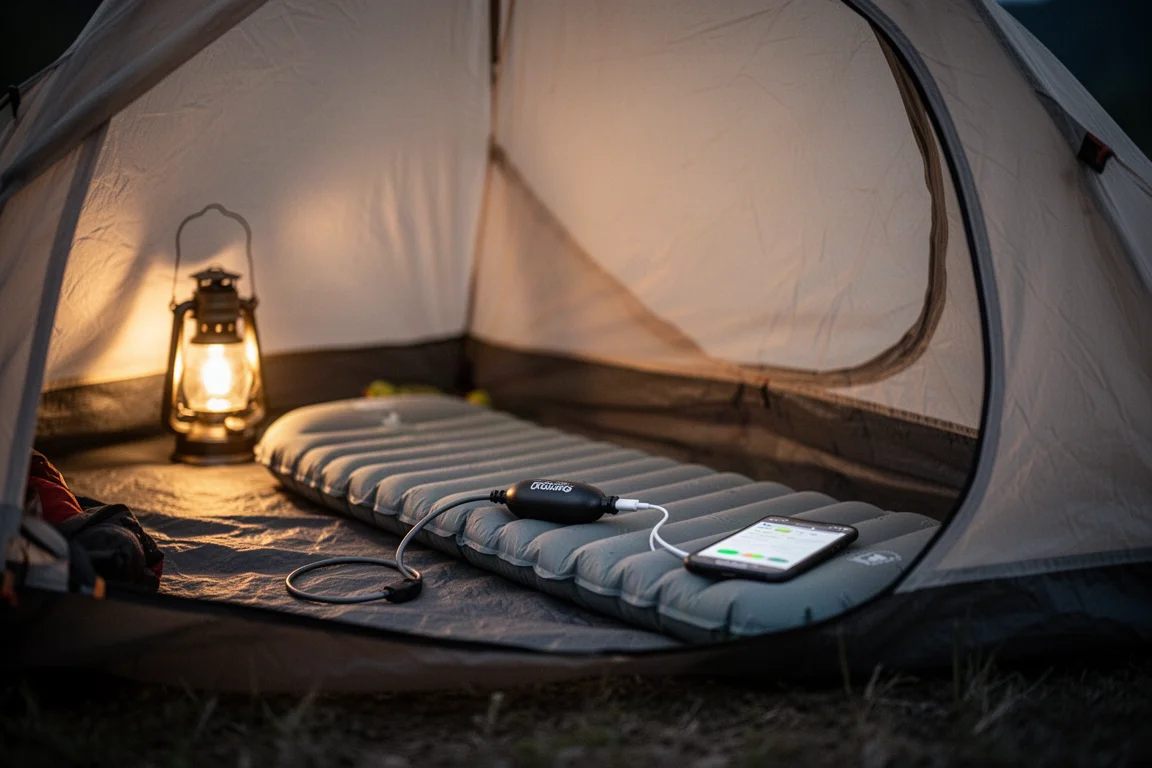
For anyone inflating a compact pad near other campers, that silence is a real convenience, and three finishing breaths is a small price to pay.
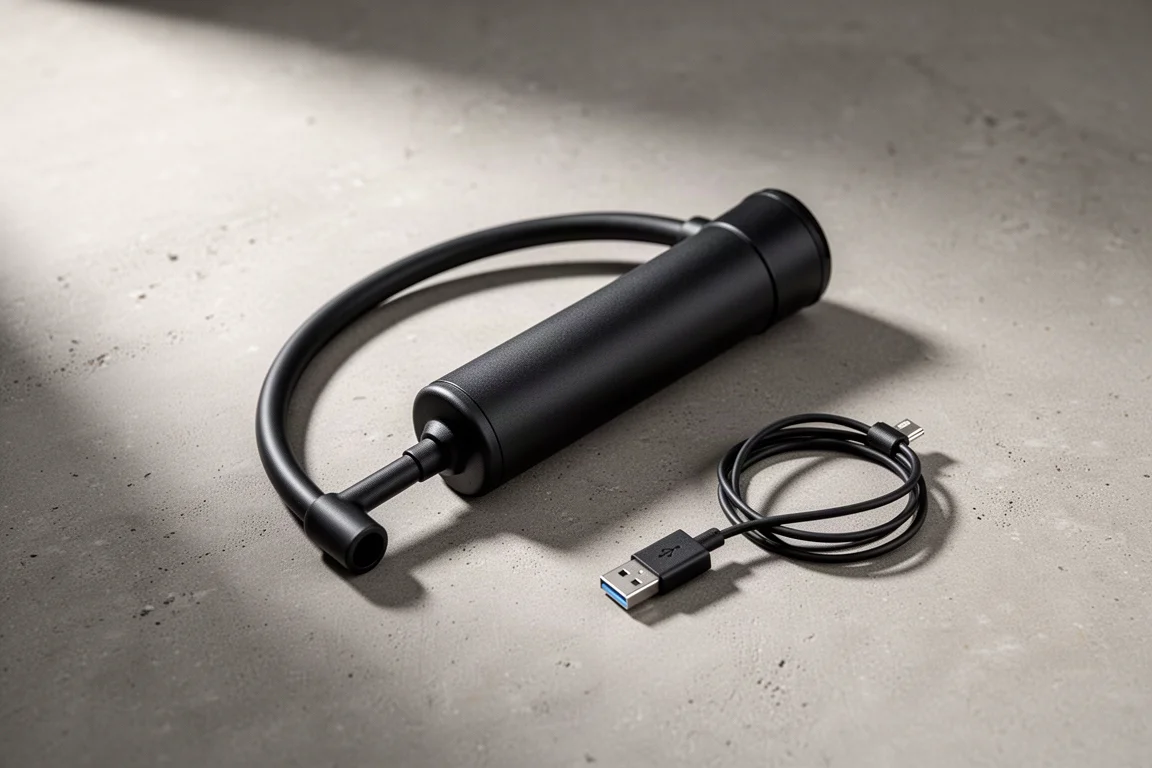
Padpal Pump: More Pressure, More Noise
The Padpal is the other battery-free option here, weighing 9 grams and offering four power settings. On its first setting it inflated the Tensor Elite in 2 minutes 4 seconds, just under 30 seconds faster than the Alpen Blow. At full blast it would be considerably quicker, and considerably louder.
Its advantage is pressure rather than pure speed. The extra output makes it a better match for thicker, high-volume pads and for use at elevation, which is why it would be the pick if only one pump could come along. The downsides are noise and stock: it is often unavailable, and it needed the same three finishing breaths as the Alpen Blow. For a pad as small as the Tensor Elite, either pump gets the job done.
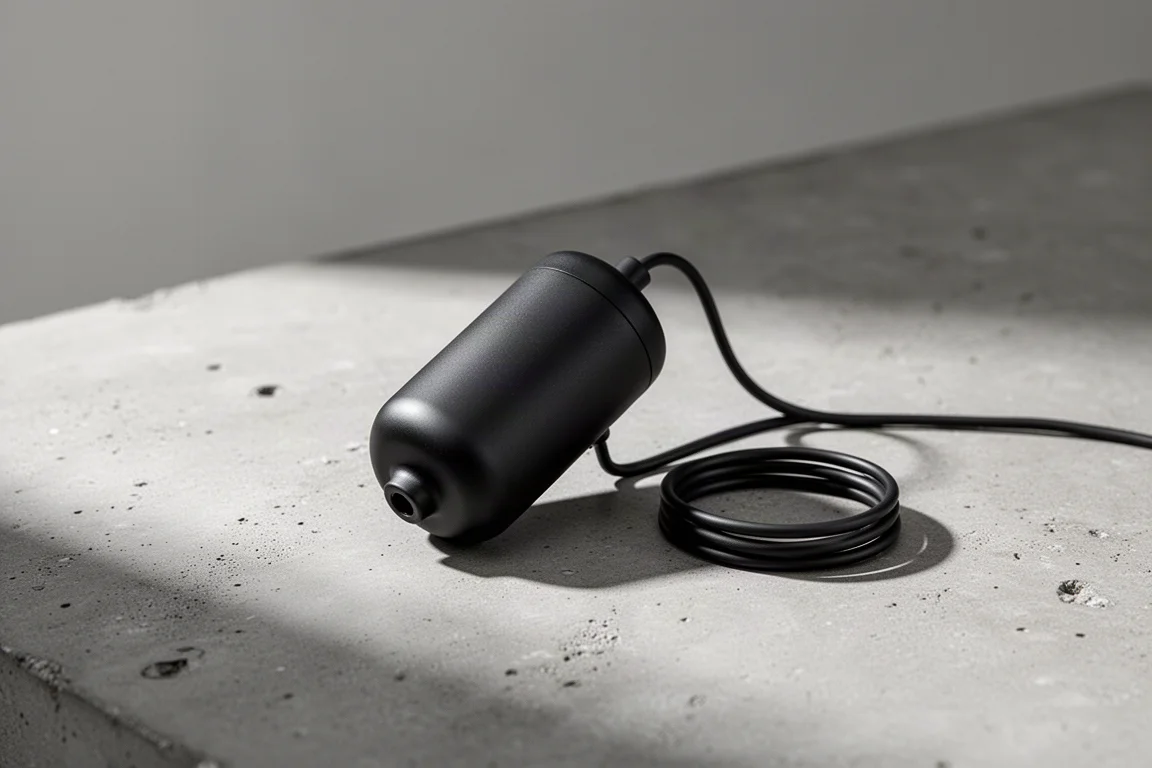
Holy Hiker Bidet: Half the Weight of the Usual Option
The Holy Hiker is a backcountry bidet that claims to be tiny, to deliver a deep clean through four small holes, and to help with chafing and monkey butt. Compared with the well-known Culo Clean, it is roughly half the weight and much smaller.
The one real concern before use was security. It has a single gasket where the Culo Clean has three, which raised the question of whether it would pop off the bottle mid-use. An aggressive spray test answered that: it stayed firmly attached. In practice the pressure was easy to modulate from gentle to strong, and the four holes did not make an obvious difference either way, which does not take away from how well it worked. A bidet also gets you noticeably cleaner than toilet paper, which is the main reason to carry one at all.
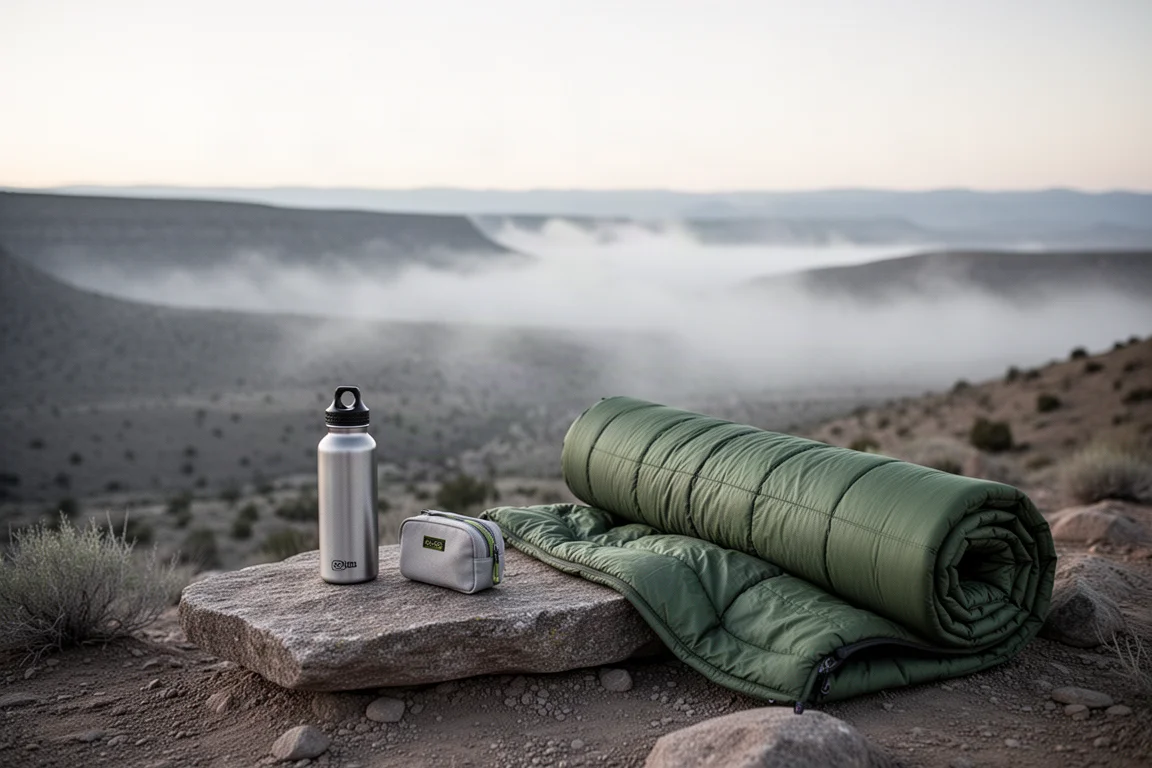
Given the weight, the size, and the performance, this is an easy item to justify on any trip where a bidet is already part of the routine.
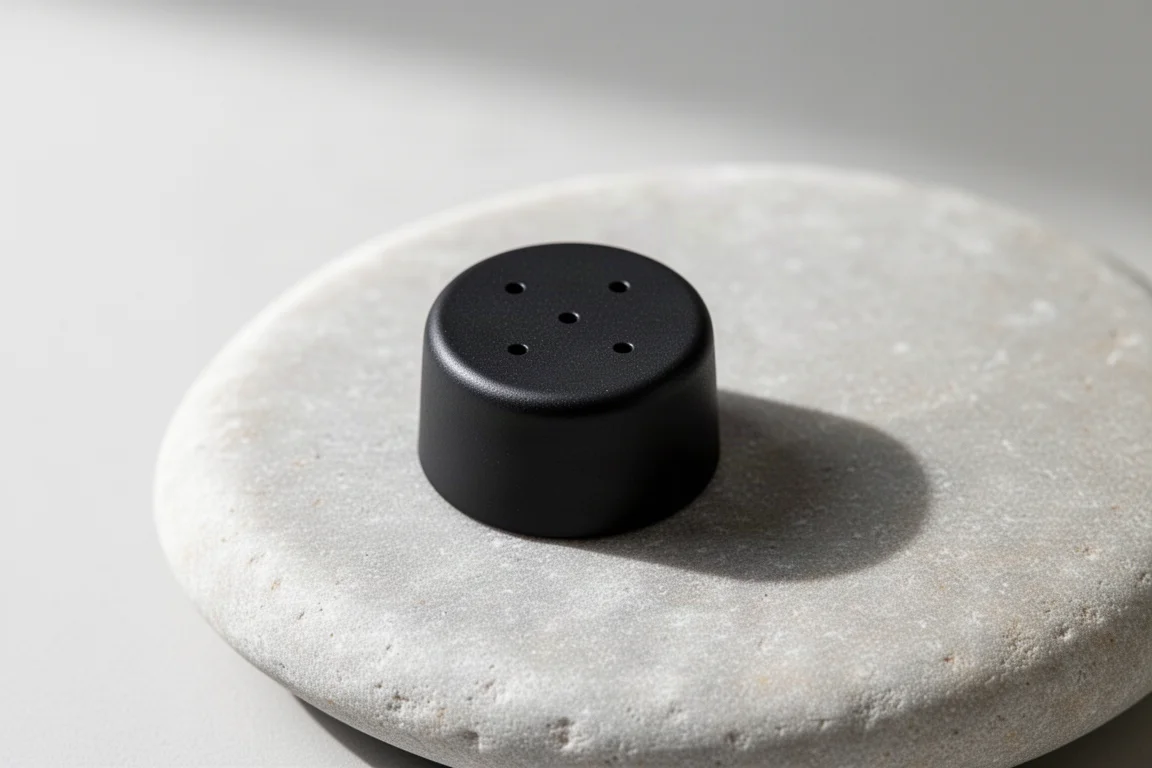
Durston Iceline Trekking Poles: 134 Grams Per Pole
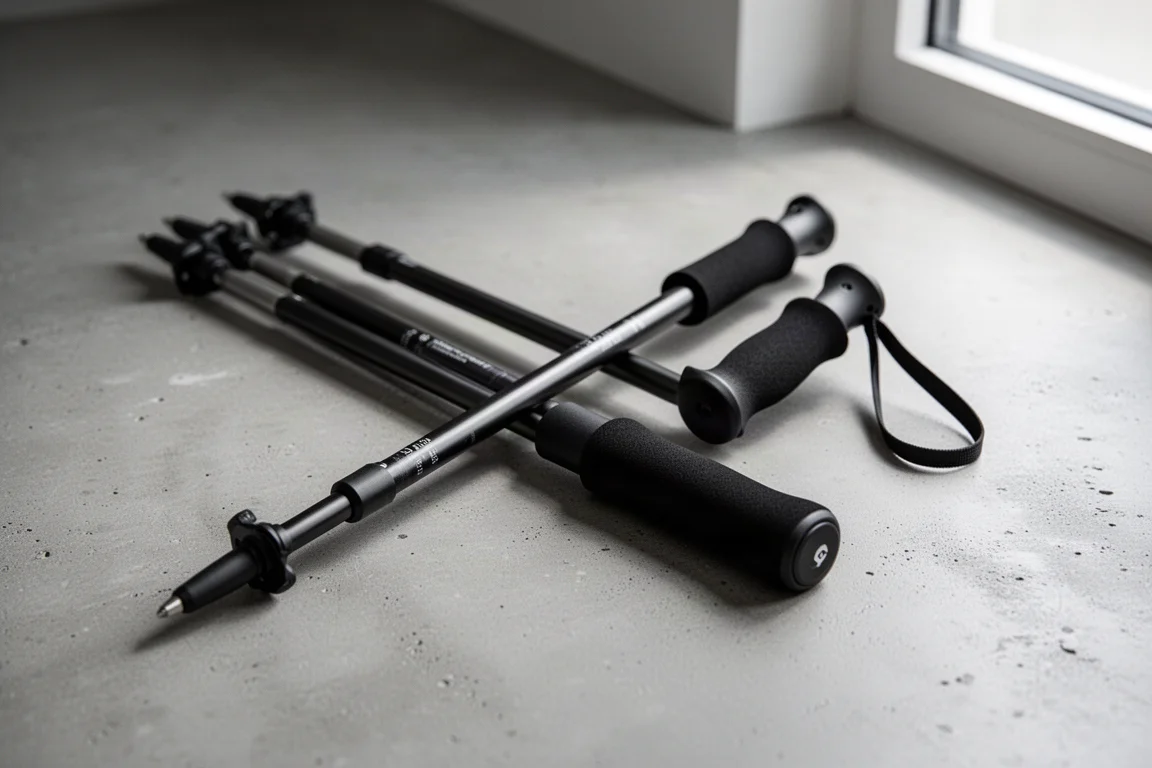
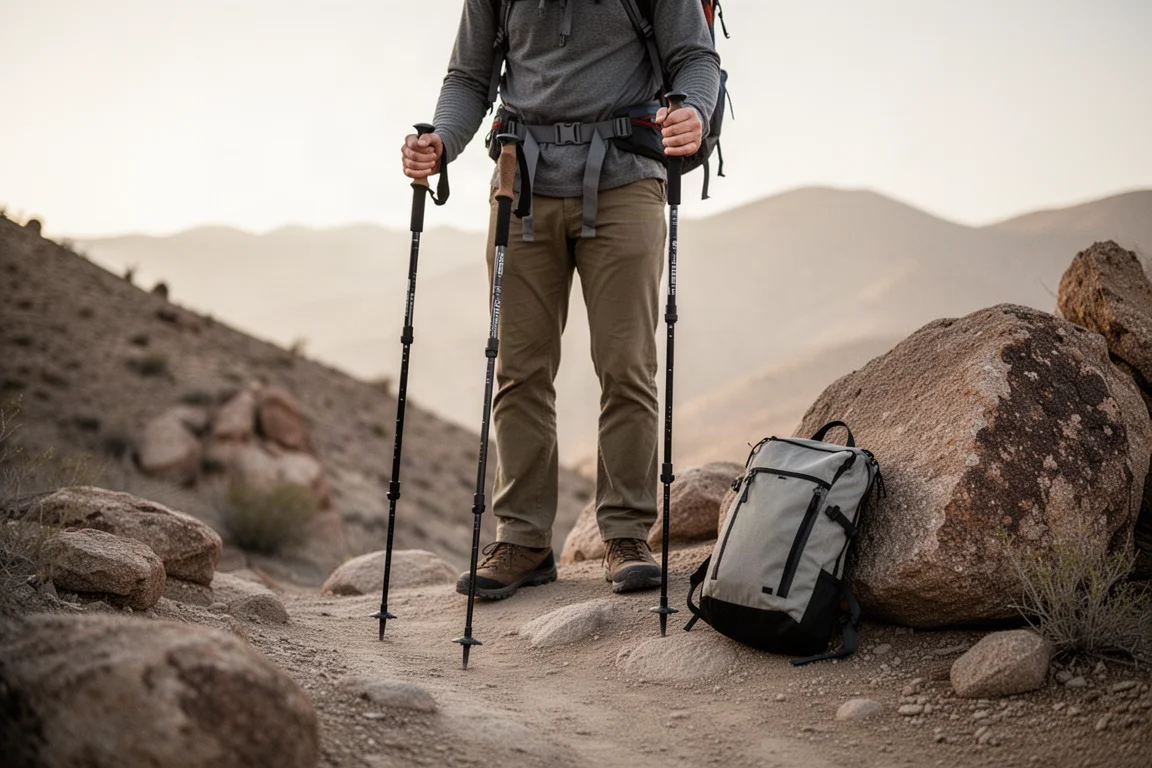
The Iceline poles weigh 134 grams per pole, making them some of the lightest trekking poles available. They are a three-piece design that collapses very small, so they can be broken down and stowed when both hands are needed. The brand claims they are lighter, stronger, and more reliable than the alternatives, without specifying what those alternatives are.
Two things stood out in use. The first is how much the low weight changes the feel of a long day. Arms, wrists, and hands fatigue less, and the poles stop feeling like a chore to carry, which translates into moving a little quicker and feeling more nimble. The second is the wrist strap. An earlier version of the pole shipped without straps and drew a strong reaction from hikers. Using these both with and without straps settled the question: with the strap is clearly better, even at this weight.
Price is the main consideration. These poles cost roughly four times as much as a budget pair such as Cascade Mountain Tech, though they sit at the cheaper end of high-end poles. There is also very little competition for this combination of weight, packed size, and features, so if that specific mix is what you need, the options are limited.
Ombraz Sunglasses: No Arms, No Sliding
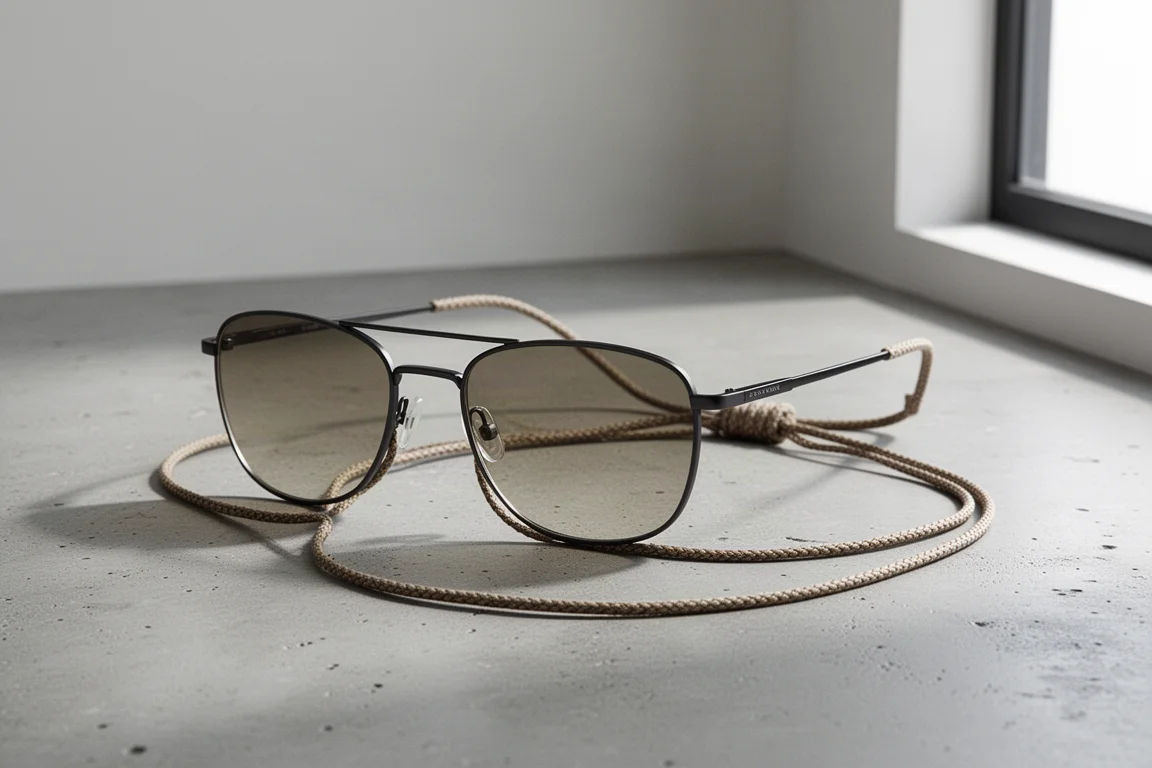
Ombraz replaces the usual side arms with a cord that runs behind the head and holds the sunglasses in place. That single design change solves three common problems. Arms are a frequent failure point, so removing them makes the frames more durable. Because the sunglasses can hang around your neck when they are not in use, they are less likely to be left behind on a rock or a stump during a rest break. And they stay put during movement, which makes them suitable for running and ski touring as well as hiking, driving, and everyday wear.
For backpackers who are hard on gear or prone to losing sunglasses, the armless design is a practical answer rather than a gimmick.
Overall Buying Advice
Match each item to the trips you actually take.
The Tensor Elite makes the most sense for fastpacking and short super ultralight trips of a couple of days, where its weight and packed size matter most. It is comfortable enough for a good night’s sleep, but durability is still unproven, so it is not yet the pad to commit to a four or five month thru-hike.
Between the pumps, the Padpal is the stronger performer for thicker pads and higher elevations, while the Alpen Blow wins on quiet operation and availability. Both need a few finishing breaths, and for a small pad the time difference is under 30 seconds, so either is a reasonable choice.
The Holy Hiker is the easiest recommendation of the group: it is tiny, half the weight of the usual option, and it worked well in practice. The Iceline poles are a straightforward upgrade if the price is acceptable to you. The Ombraz sunglasses are a versatile pick for anyone who has broken or lost a pair before.
Conclusion
Super ultralight gear rarely delivers everything at once, but several of these six items come close. The Nemo Tensor Elite is warm and surprisingly comfortable for its weight, the Holy Hiker bidet performs as well as heavier options, and the Durston Iceline poles make a noticeable difference over a long day. The two pumps serve slightly different priorities, and the Ombraz sunglasses solve a problem most hikers have run into at least once.
If low weight is the goal, these are worth a closer look, provided you accept the trade-offs each one makes.
Further reading
Related Reviews

Backpacking Gear
Building a 10 lb Base Weight: An Ultralight Backpacking Gear List
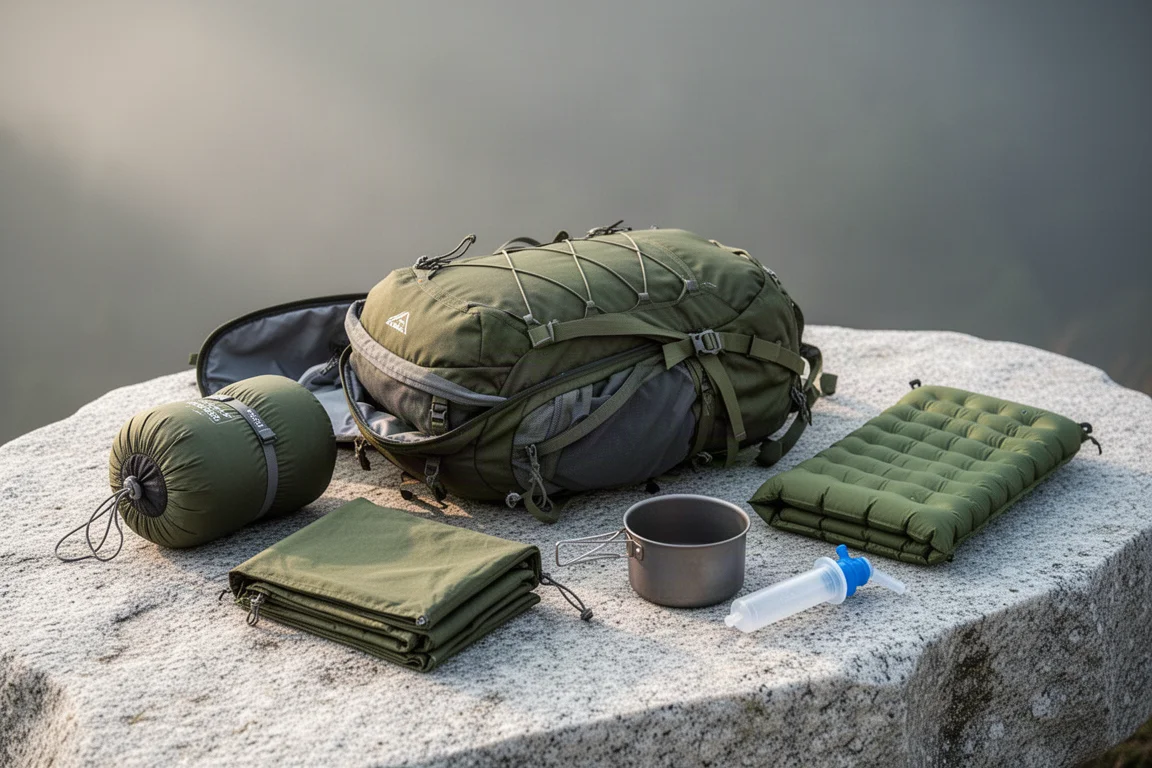
A practical walkthrough of the ultralight pieces behind a 10 lb base weight, from a 765 g pack and a roomy one-person tent to a full camp chair and a dependable water filter.
Backpacking Gear
A 15-Pound Lightweight Backpacking Gear List for Solo Trips
A beginner-friendly 15-pound backpacking setup built from easy-to-find gear, with notes on what each piece does, how it packs, and where to spend your attention.
Backpacking Gear
8 Ultralight Backpacking Gear Upgrades Worth Carrying
Eight small, affordable backpacking upgrades that solve real trail annoyances, from a pillow that stays put to a fuel valve that rescues leftover canister gas.