Backpacking Gear
Super Ultralight Backpacking Gear Tested: Five Lightweight Picks Worth Knowing
Five super ultralight backpacking pieces put through real trail use, with clear notes on comfort, durability questions, price, and the trips each one suits.
Introduction
A 5 lb base weight changes the way a trip feels. Side trails, short scrambles, and brushy detours all become easier to manage when the pack on your back is barely noticeable. Getting to that number means choosing gear that gives up as little as possible, and that tension sits behind every item in this roundup.
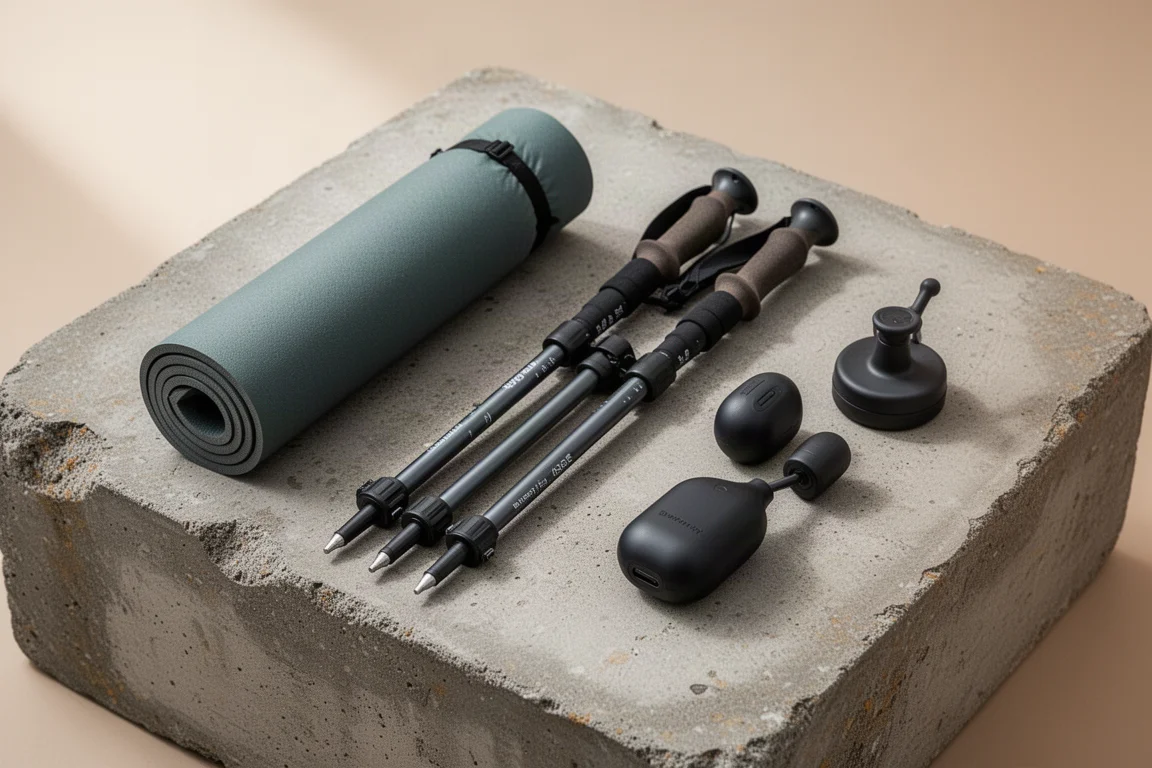
Five pieces of super ultralight backpacking gear went out on a multi-day stretch of the Arizona Trail: the NEMO Tensor Elite sleeping pad, the Durston Iceline trekking poles, the Alpen Blow pump, the PadPal pump, and the Holy Hiker bidet. Each one is built around low weight. The question for each is what that weight costs you.
How These Five Pieces Were Tested
Light gear earns its place when it is light, durable, and functional at the same time, and that combination is genuinely rare. The approach here was simple: carry all five over a multi-day trip, use them the way they would be used on any normal backpacking day, and note where the compromises actually showed up.
Weight was checked against the manufacturer claims. Comfort was assessed overnight at real temperatures. Where durability could not be judged in a few days, it is flagged as an open question rather than a verdict. Price was weighed against what each item delivers in practice.
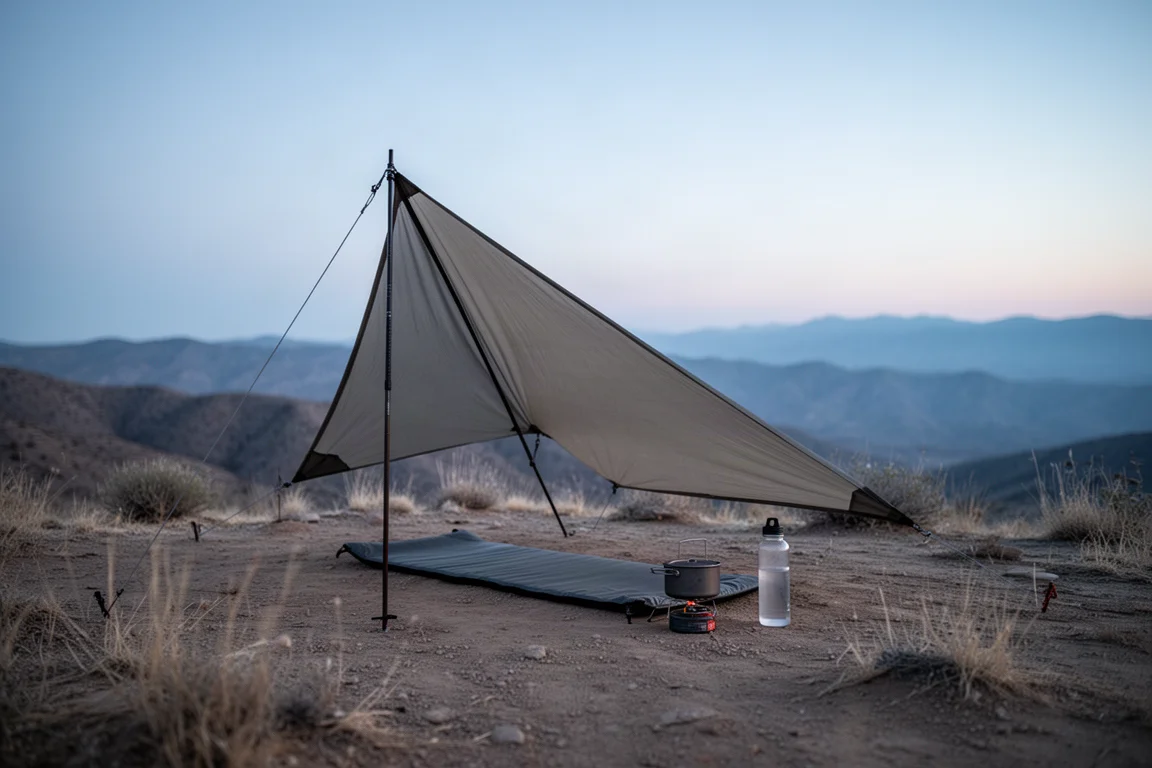
Testing covered an overnight low that dipped to about 7°C, a detour onto unmaintained and brushy side trails, and a direct timing comparison between the two pumps. Each item is covered below with what worked, what did not, and the kind of trips it suits.
NEMO Tensor Elite: The Lightest Sleeping Pad on the Market
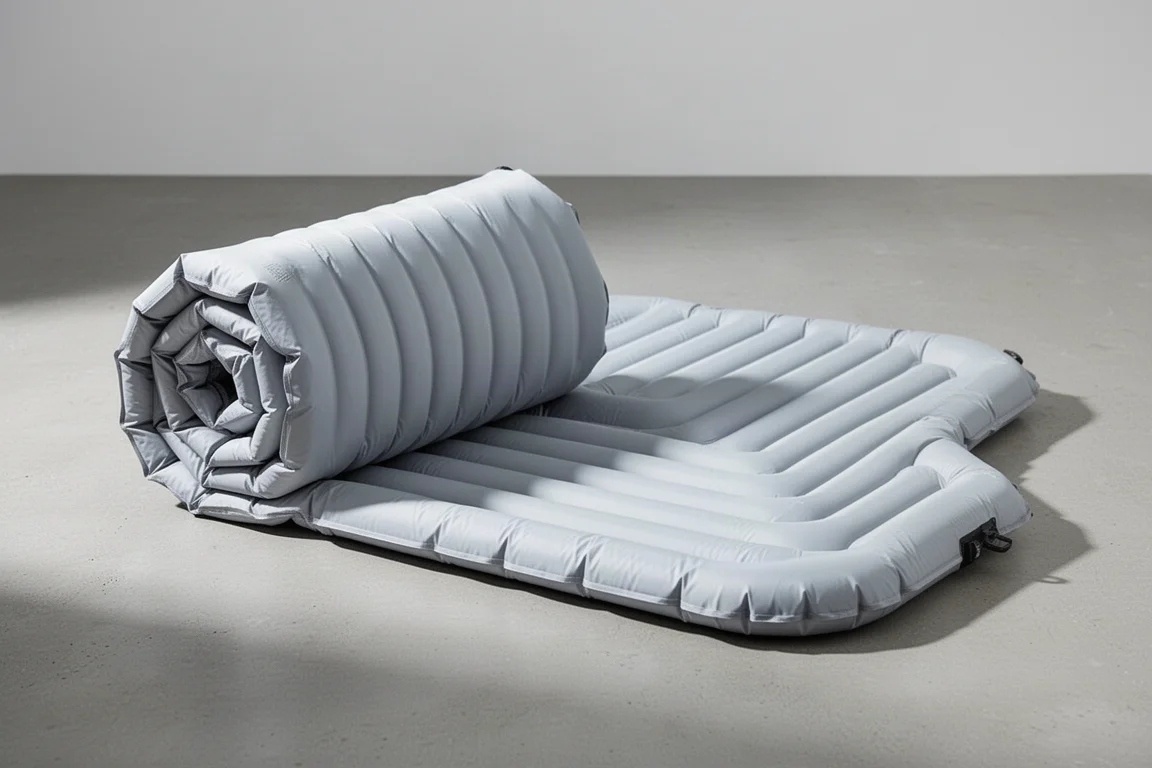
The Tensor Elite packs down to roughly the size of a water bottle, and NEMO positions it as the lightest Tensor pad it has ever made, aimed squarely at streamlined ultralight backpackers. With the previous title holder now discontinued, it stands as the lightest sleeping pad on the market. That is a bold claim, and it arrives with equally real trade-offs.
Price is the first one. The regular version costs over $200, which is counterintuitive for a pad that uses less material than its stablemates. Sizing is the second constraint: the pad comes in only two options, both 20 inches wide, one at regular length and one at torso length. That narrows the field of buyers considerably.
Overnight performance was better than the shape suggests. Temperatures sat around 10°C for most of the night before dipping to 7°C, and the pad stayed warm with a 30°F quilt, a t-shirt, and boxers. Comfort is where the narrowness shows up. At 20 inches across the head end and tapering from there, arms fall off the pad when lying on your back, and side sleeping feels tight. Even so, the night’s sleep was good, with only three or four position changes.
Pressure relief explains that result. The pad uses horizontal baffling with slight dimpling, and the thin material has a lot of give, almost stretchy, so the body sinks in rather than resting on top of it. Durability remains the open question, since very light fabrics take time to prove themselves, and this is probably not the pad to take on a thru-hike where temperatures drop below freezing.
Durston Iceline Trekking Poles: 134 Grams Per Pole
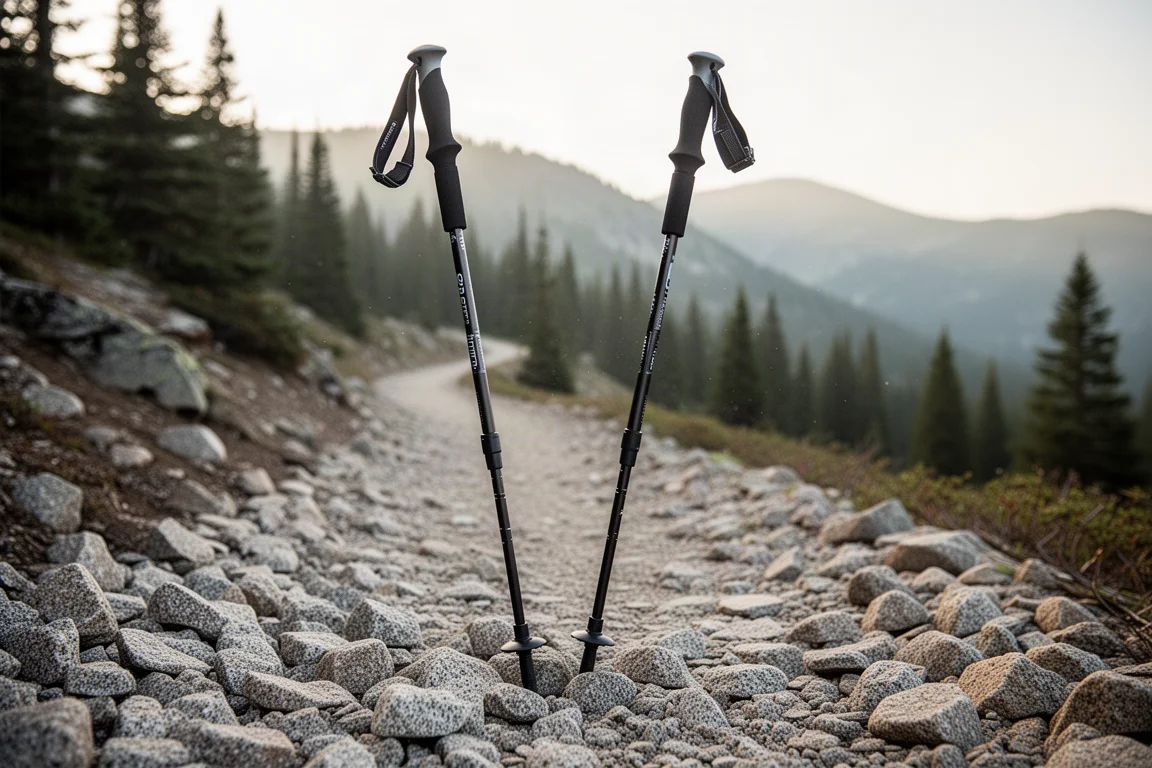
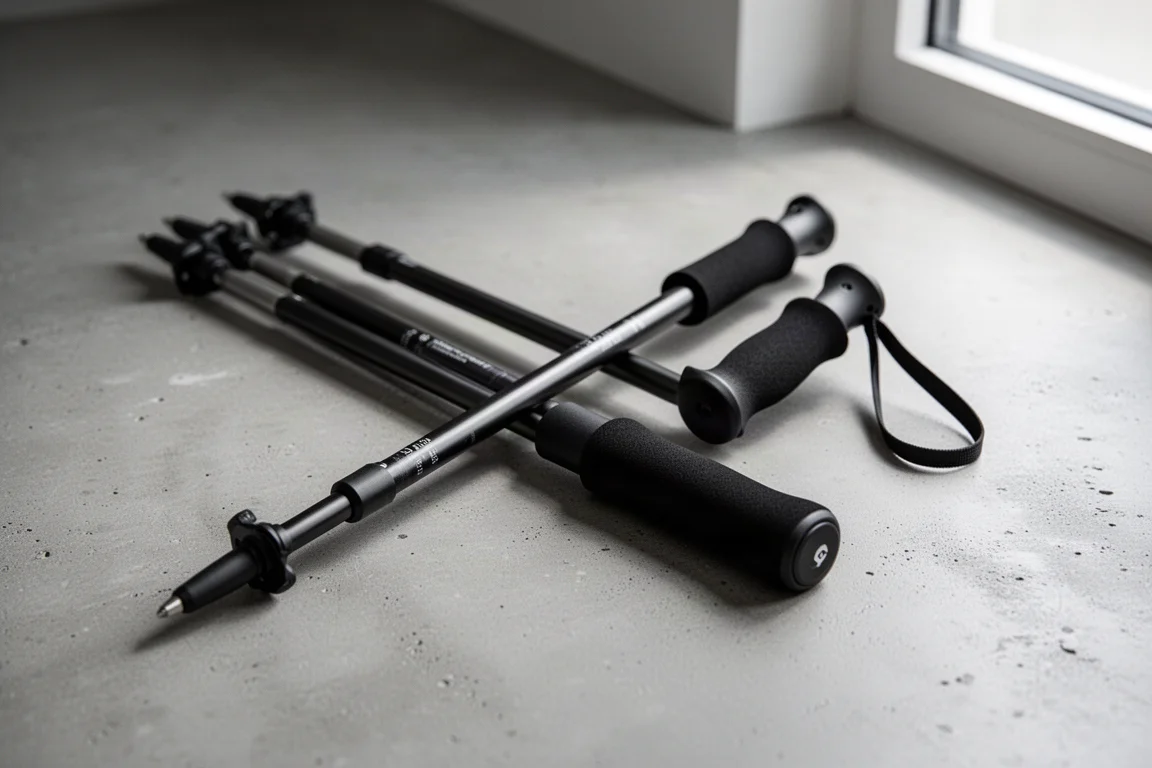
The Iceline poles claim to be lighter, stronger, and more reliable, without specifying what they are measured against. What is clear is the weight: 134 g per pole, roughly half of what a typical pair weighs. They use a three-piece design that collapses very small, so they can be broken down and stowed when your hands are needed for a scramble.
Hiking with them, the difference is noticeable. The lower weight makes the poles feel less like something you are carrying, and moving quickly with them feels more natural. Arm, wrist, and hand fatigue over a long day is the practical benefit, and it is the kind of difference that is hard to appreciate until you try it.
The strap question has a clear answer. The poles were originally released without wrist straps, which drew criticism, and using them both ways across a full day of hiking showed the strap version to be distinctly better, even at this weight. On price, the Iceline is not cheap: budget poles can cost about a quarter as much. Against other high-end poles, though, it sits at the lower end, and there is very little direct competition for a pole with this feature set.
For anyone who can absorb the price, this is a genuinely light pole that holds up in use and stays comfortable over long days.
Alpen Blow Pump: Eight Grams, Quiet, and Phone-Powered
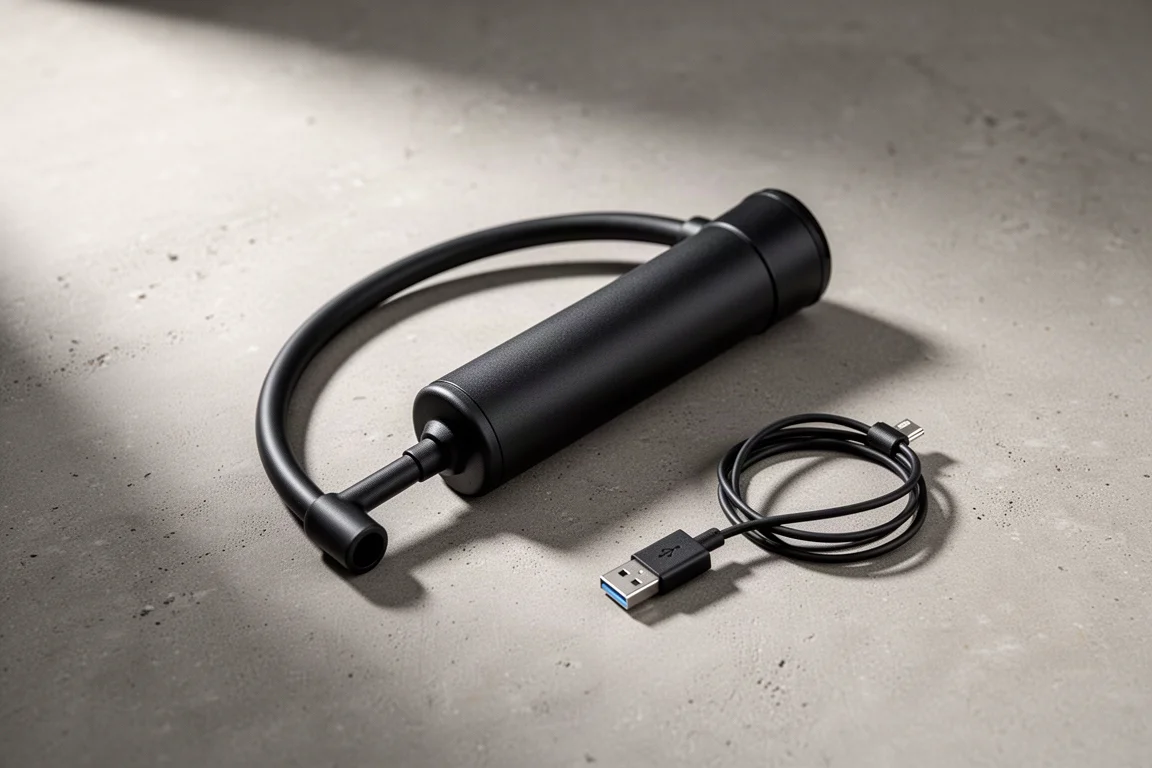
The Alpen Blow belongs to a small wave of super ultralight pumps that inflate a sleeping pad without an internal battery. It weighs just 8 g and runs off a phone battery through a short cable, which keeps the packed weight almost negligible. Its main rival, the PadPal, is considerably louder, and the Alpen Blow trades some power for that quieter operation.
Inflation of the Tensor Elite took 2 minutes 32 seconds, which is a long time for such a small pad, and the pump’s lower pressure meant about three extra breaths to finish the job. Those three breaths are a minor inconvenience rather than a dealbreaker. Availability is a point in its favour, since it is generally easier to find in stock than the alternative.
PadPal Pump: More Pressure, Harder to Find
The PadPal weighs 9 g and also draws power from a phone battery. It has four settings, and even on the first setting it filled the Tensor Elite in 2 minutes 4 seconds, just under 30 seconds quicker than the Alpen Blow. At full power it would be considerably faster.
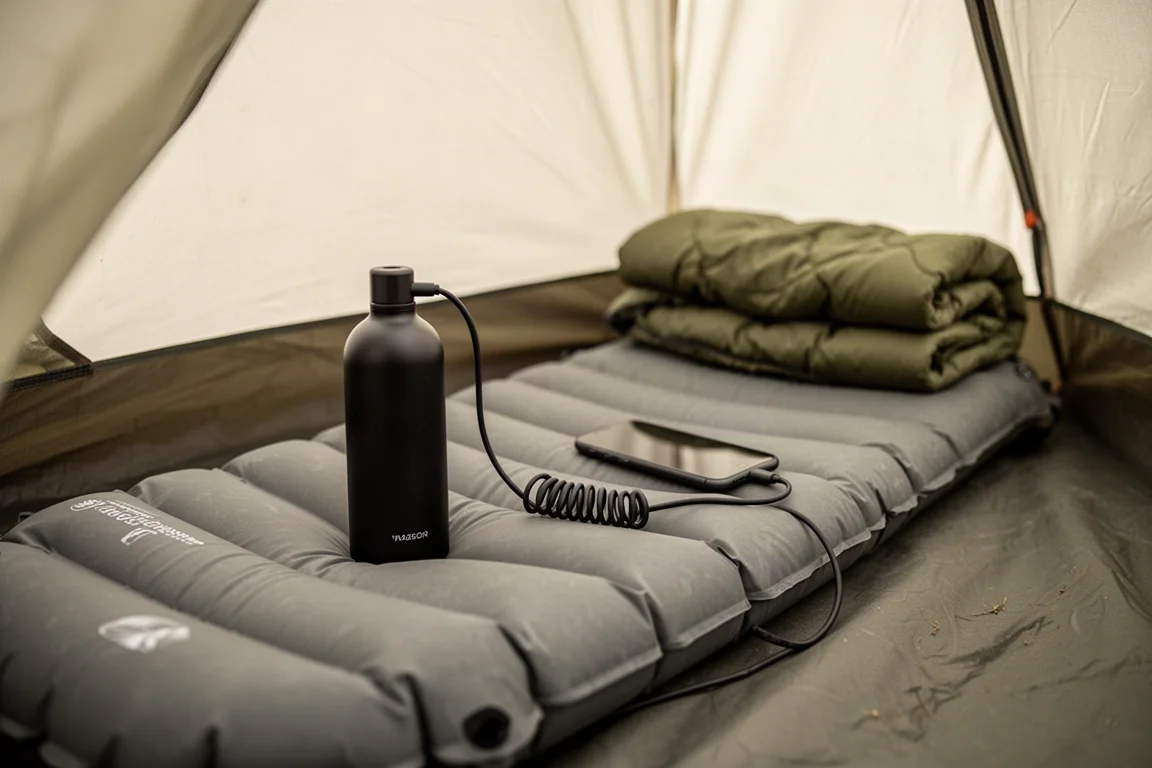
The trade-off is noise. On its lowest setting it is already loud enough to be intrusive, and full blast is louder still. In exchange, the extra pressure makes it the better tool for thicker, high-volume pads and for higher elevations. It also needed about three finishing breaths on the small pad. The practical drawback is stock: it is frequently unavailable, which pushes some buyers toward the quieter option.
Holy Hiker Bidet: Half the Weight of the Alternative
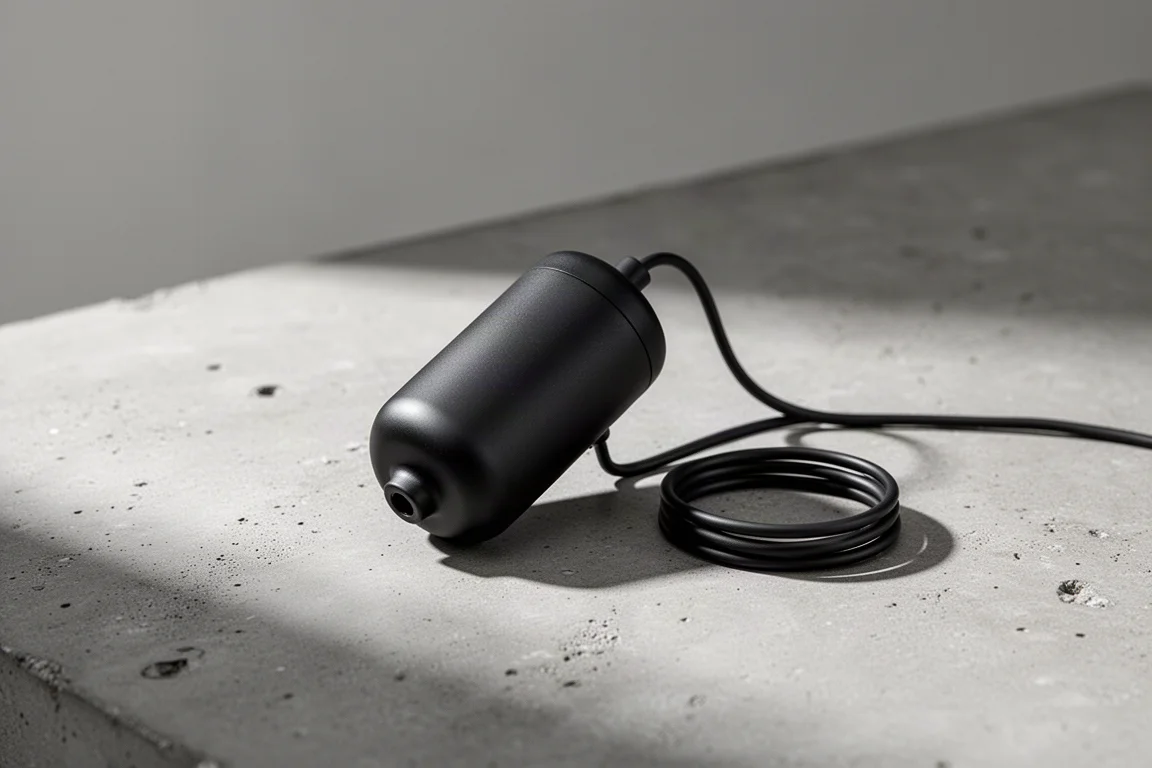
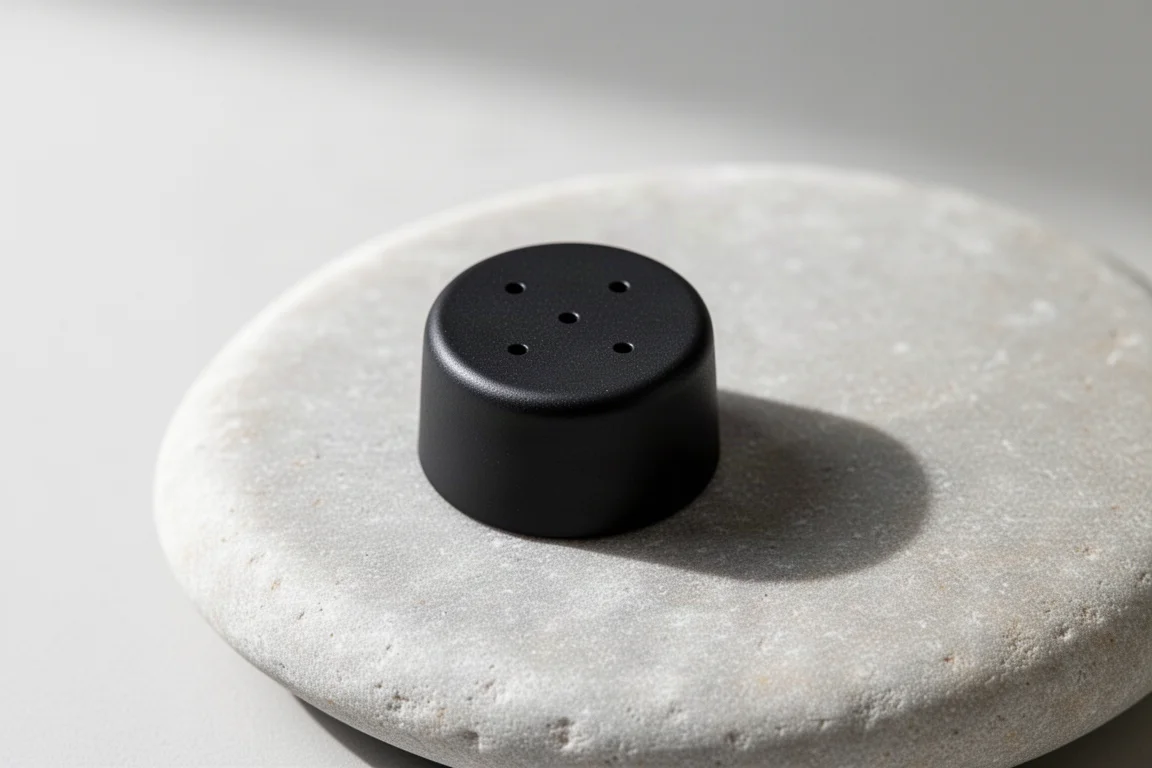
The Holy Hiker is billed as tiny and built to deliver a deep clean, with four small holes and a promise of freedom from chafing. That is confident marketing, but the product backs it up in use. It weighs about half as much as the leading alternative and is substantially smaller, which matters in a hygiene kit where every item competes for the same space.
The one design concern is attachment. The Holy Hiker uses a single gasket where the alternative uses three, which raises a fair question about whether it will pop off a bottle under pressure. A deliberately aggressive spray did not dislodge it, and pressure was easy to modulate from a light rinse to something considerably stronger. The four-hole pattern does not appear to clean noticeably better than a single opening, but it does not hurt performance either.
For anyone who prefers a backcountry bidet to toilet paper, this one earns its place. It is lighter and smaller than the competition while being just as easy to use.
Which Super Ultralight Gear Is Worth Buying
Matching gear to trip type matters more than chasing the lowest number on a scale.
The Tensor Elite is the right pad when weight is the dominant factor: fastpacking, short super ultralight trips, and warm-weather routes. Its narrow shape and unproven long-term durability make it a harder sell for month-long thru-hikes, and it is probably not the pad for sub-freezing nights.
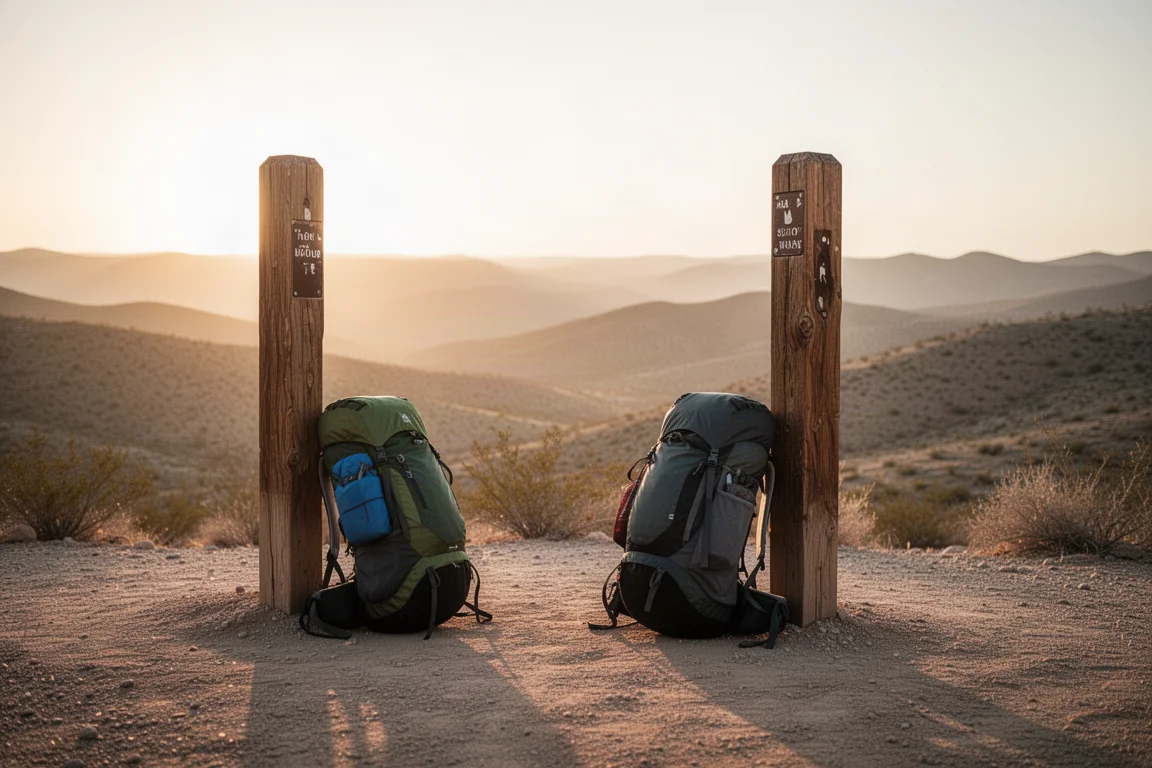
The trekking poles are the easiest recommendation of the five for anyone who can afford them. The weight saving is felt every hour of every day on trail, and the strap version is the one to choose. The pump decision comes down to priorities: the PadPal for more pressure and speed if noise does not bother you and you can find one in stock, the Alpen Blow for quiet operation and better availability. The Holy Hiker is a straightforward upgrade for anyone still carrying toilet paper.
Conclusion
Super ultralight gear usually asks for something in return. In this set, the compromises are mostly manageable: a narrow pad that still sleeps well, a pump that needs three extra breaths, a bidet with one gasket instead of three. The poles give up the least and deliver the most noticeable day-to-day improvement. For backpackers who count weight seriously, all five are worth a closer look, provided the trade-offs line up with the trips actually being planned.
Further reading
Related Reviews

Backpacking Gear
Building a 10 lb Base Weight: An Ultralight Backpacking Gear List
A practical walkthrough of the ultralight pieces behind a 10 lb base weight, from a 765 g pack and a roomy one-person tent to a full camp chair and a dependable water filter.

Backpacking Gear
A 15-Pound Lightweight Backpacking Gear List for Solo Trips
A beginner-friendly 15-pound backpacking setup built from easy-to-find gear, with notes on what each piece does, how it packs, and where to spend your attention.

Backpacking Gear
8 Ultralight Backpacking Gear Upgrades Worth Carrying
Eight small, affordable backpacking upgrades that solve real trail annoyances, from a pillow that stays put to a fuel valve that rescues leftover canister gas.