Hiking Shirts
Sun Hoodies vs. PFG Button-Up Shirts: Three Hiking Shirts Compared
How ventilated button-up hiking shirts and sun hoodies compare on comfort, coverage, airflow, drying speed, and durability, with three specific shirts to consider.
Introduction
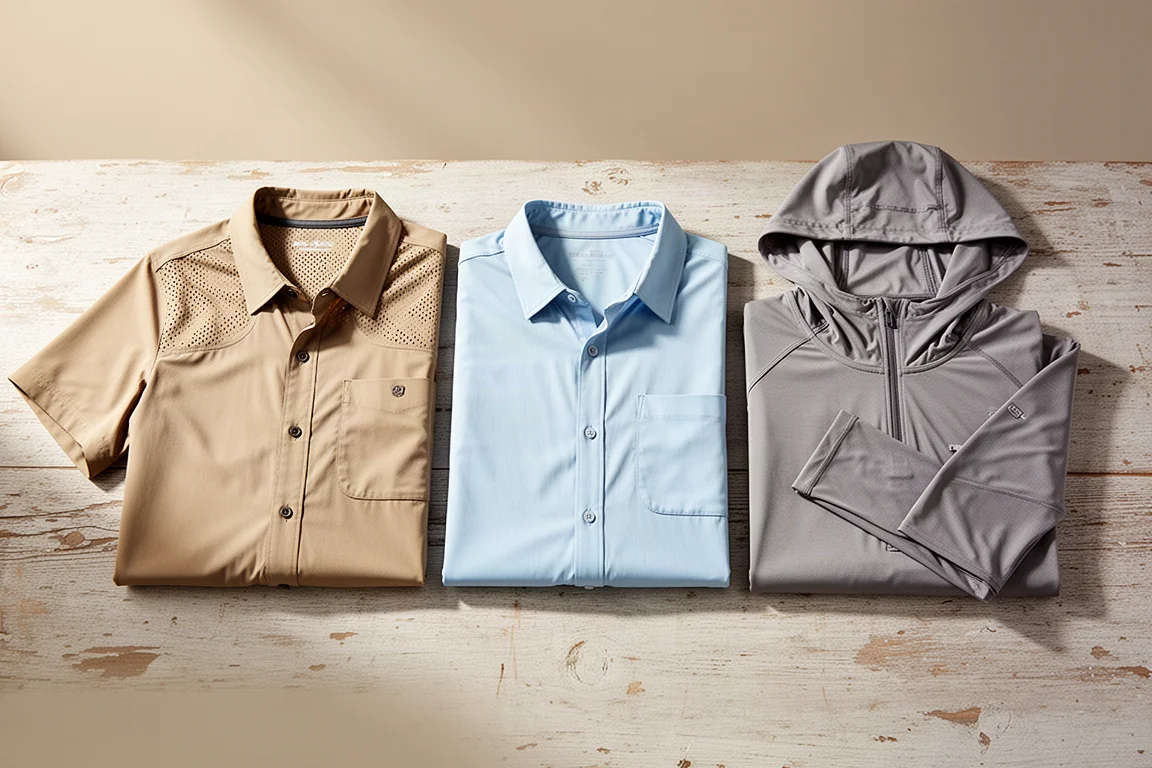
Two shirt styles dominate sun protection on long trails: the ventilated button-up fishing shirt, often shortened to PFG, and the sun hoodie. Both solve the same problem in different ways, and the better answer depends less on which style is more popular than on the conditions you hike in and how you prefer to manage heat.
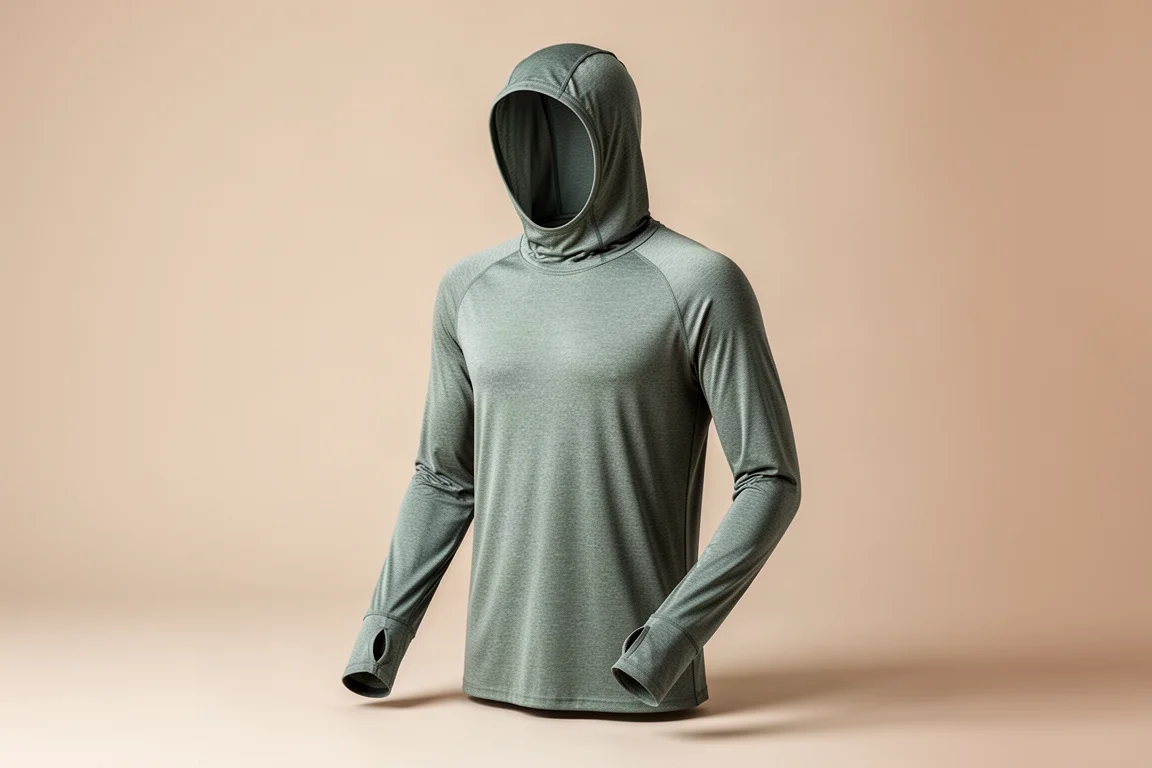
A ventilated button-up brings airflow through a mesh back panel, an open front, and sleeves you can roll and secure. A sun hoodie brings continuous coverage across the scalp, ears, neck, and the sides of the face, with thumb loops that extend protection over the backs of the hands.
This comparison looks at three shirts: the Columbia Bahama button-up, the lighter Columbia Tamiami, and the Mountain Hardwear Crater Lake Sun Hoodie, the thinnest hooded option here. Each one has a clear use case, and the trade-offs between them are consistent enough to plan a kit around.
What Sets Sun Hoodies and Button-Up Shirts Apart
Five factors matter most: comfort, sun coverage, moisture management and drying speed, ventilation, and long-term durability.
Comfort generally favors the sun hoodie. Hooded sun shirts drape loosely, use softer fabrics, and tend to stay in place instead of bunching or riding up under a pack and hip belt. For hikers with a larger chest, a pullover also avoids the pressure points of a buttoned front.
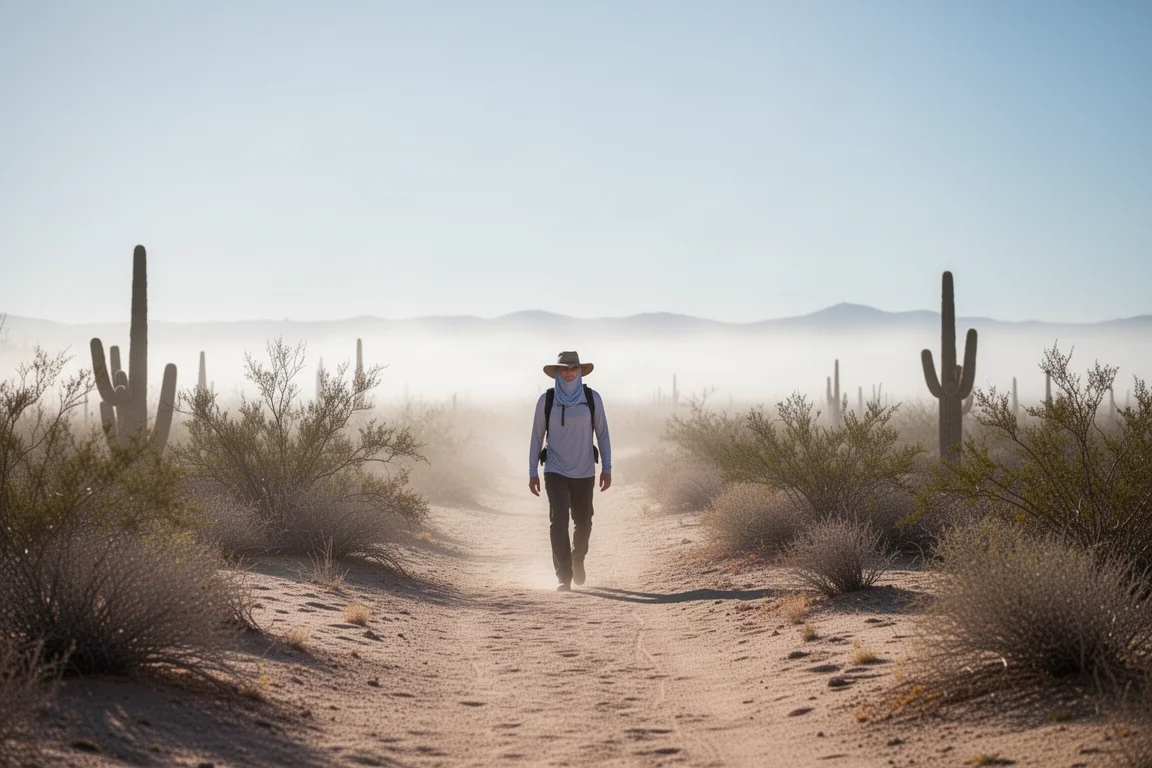
Sun coverage favors the sun hoodie clearly. Coverage reaches the scalp, ears, neck, and part of the face, and thumb holes protect part of the hands. A button-up covers the torso and arms, but its collar only flips up for partial neck coverage, and a wide-brim hat is still needed for the ears and upper neck. Sleeves on button-ups can also creep shorter with repeated washing and drying, which widens the gap further.
Moisture management and drying also lean toward the hoodie, largely because the fabric options are broader. Hooded sun shirts come in thin synthetics as well as natural fibers such as merino, alpaca, and bamboo, while button-ups offer fewer thin, fast-drying choices. Drying speed matters because a soaked shirt only cools you while the water is evaporating.
Ventilation favors the button-up. A mesh back vent, an open front, and sleeves that roll up and stay secured with a loop or tab all keep air moving. A sun hoodie is a single closed layer, and with the hood up there is little breeze on the neck, ears, or top of the head.
Durability favors the button-up as well. Heavier woven fabrics hold their shape and appearance longer, while thin hooded knits tend to show wear sooner.
Columbia Bahama Button-Up: A Durable Desert Workhorse
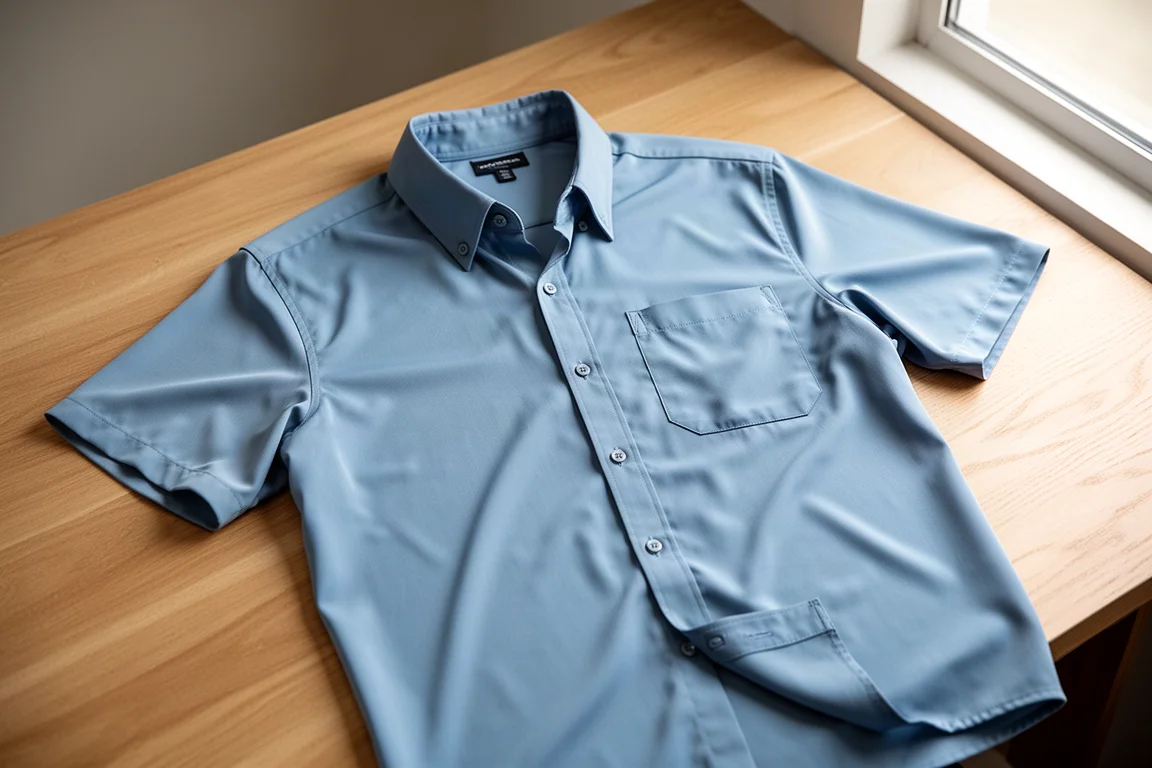
The Columbia Bahama is a 100 percent nylon button-up with a noticeably thicker hand than most shirts in this category. That extra substance is what gives it its durable feel and what has made it a long-standing choice for desert backpacking, where pack straps and brush create constant abrasion.
Its practical features are built around airflow. The back vent moves heat out, the front can be buttoned partway or left fully open, the collar flips up for partial neck coverage, and the sleeves roll and hold in place with a loop or tab. That combination is why it works well in moderate heat, where steady airflow is more valuable than a closed layer.
The main drawback is sleeve length over time. Repeated washing and drying tends to shorten the sleeves, so sun gloves are worth carrying to bring coverage back up to the level of a hooded shirt. A wide-brim hat is also needed for the ears and the upper part of the neck.
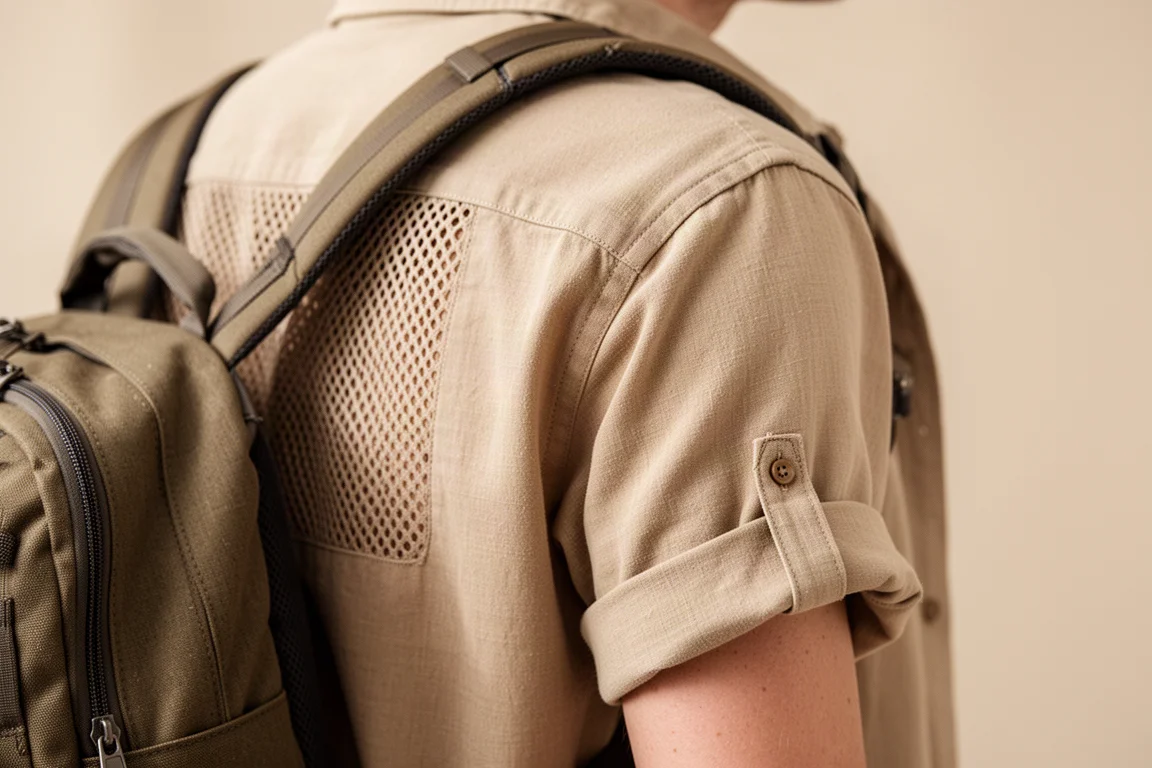
In practice, the Bahama is at its best on hot, dry routes where you want maximum breathability and you are comfortable adding a hat and gloves for the areas the shirt does not cover.
Columbia Tamiami: A Lighter Button-Up With a Different Fit
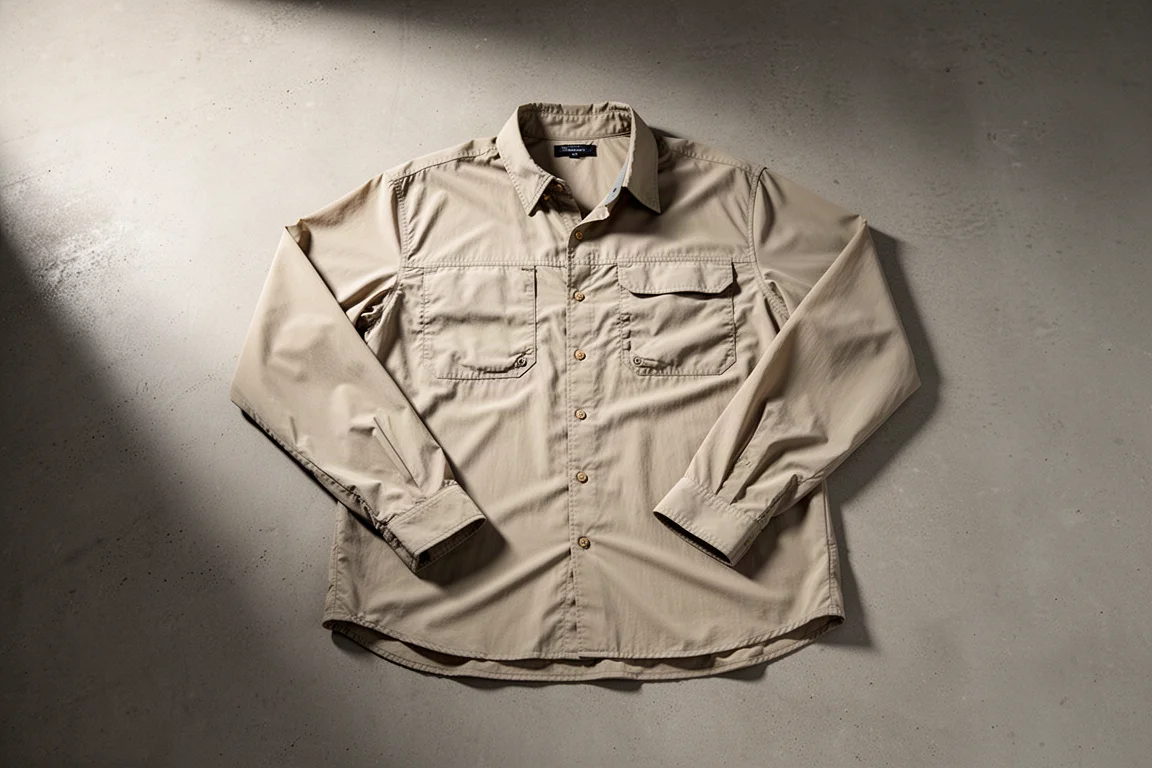
The Columbia Tamiami is the thinner, polyester alternative in the same ventilated button-up family. It weighs less than the Bahama, and for hikers who run hot, that reduction in fabric weight is a genuine advantage on long climbs.
The trade-off is fit. The Tamiami’s cut does not work for everyone, and that is the main reason many hikers who like the button-up style still reach for the Bahama instead. The thinner fabric also feels less substantial in the hand, which matters if you expect several seasons from a single shirt.
If you already know the Tamiami’s fit suits you, it is a reasonable lighter option for warm-weather trips. If you have not worn one, try it on before committing to it for a long-distance route.
Mountain Hardwear Crater Lake Sun Hoodie: The Thinnest Option Tested
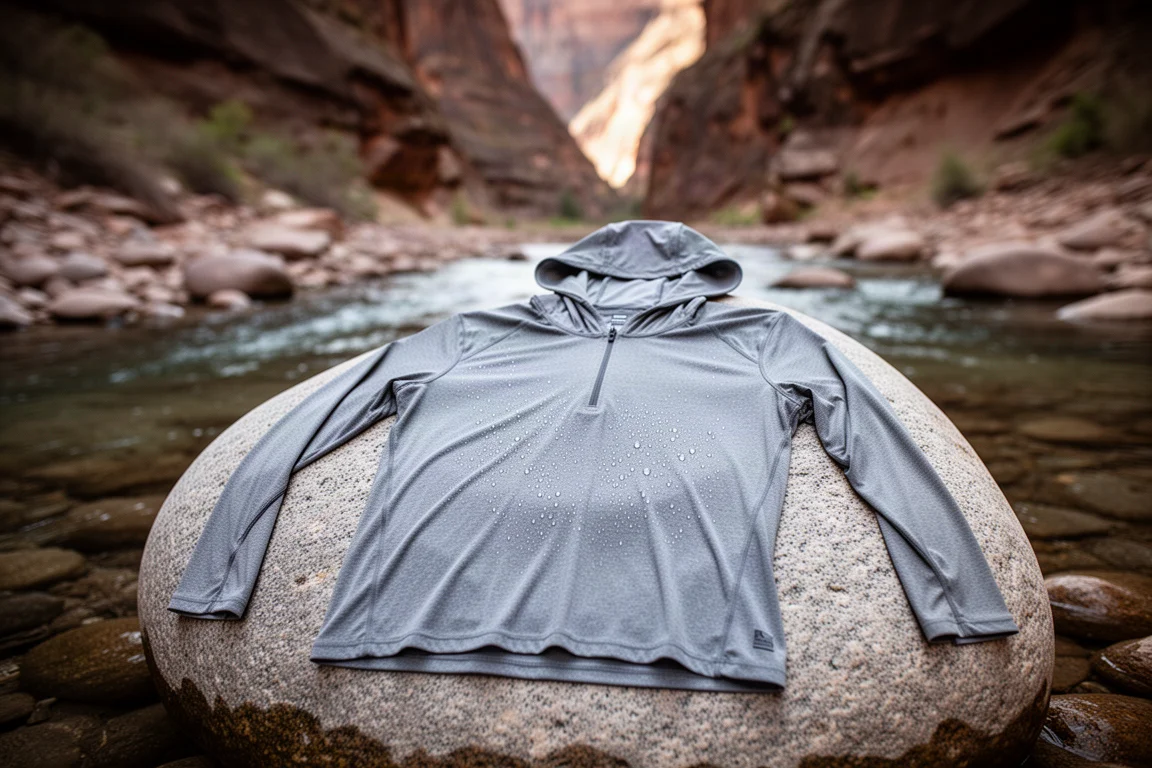
The Mountain Hardwear Crater Lake Sun Hoodie is made from 88 percent polyester and 12 percent elastane. In this comparison it is the thinnest and most comfortable hooded option, and it holds that comfort over long miles in serious heat, including roughly 100 miles through the Grand Canyon and the exposed terrain beyond it.
Its coverage is the widest of the three. The hood protects the scalp, ears, and neck while shading part of the face, and thumb loops extend protection over the backs of the hands. The stretch fabric dries quickly, so soaking the shirt at a water source produces real evaporative cooling instead of leaving you in a heavy, wet layer.
Two practical notes are worth keeping in mind. The hood reduces airflow around the neck, so in moderate heat it can feel warmer than a button-up with an open front. And a hooded shirt alone still leaves the tip of the nose exposed, so add at least a cap, or carry a compact umbrella for fully exposed stretches where you would rather not wear a hat.
Ventilation, Coverage, and Durability in the Field
Most of the decision comes down to how you balance airflow against coverage.
For general warm-weather hiking, the ventilated button-up is usually the cooler garment. The back vent, the option to open the front, and sleeves that stay rolled all keep air moving, and with the collar down your neck gets a breeze that a hood blocks.
For extreme exposure, the balance shifts. On days well above 100 degrees with reliable access to water, a thin sun hoodie that can be soaked and dried repeatedly offers more protection and more cooling than a button-up, because the wet fabric covers more skin and evaporates quickly. That is the scenario where a hooded layer earns its place in a desert kit.
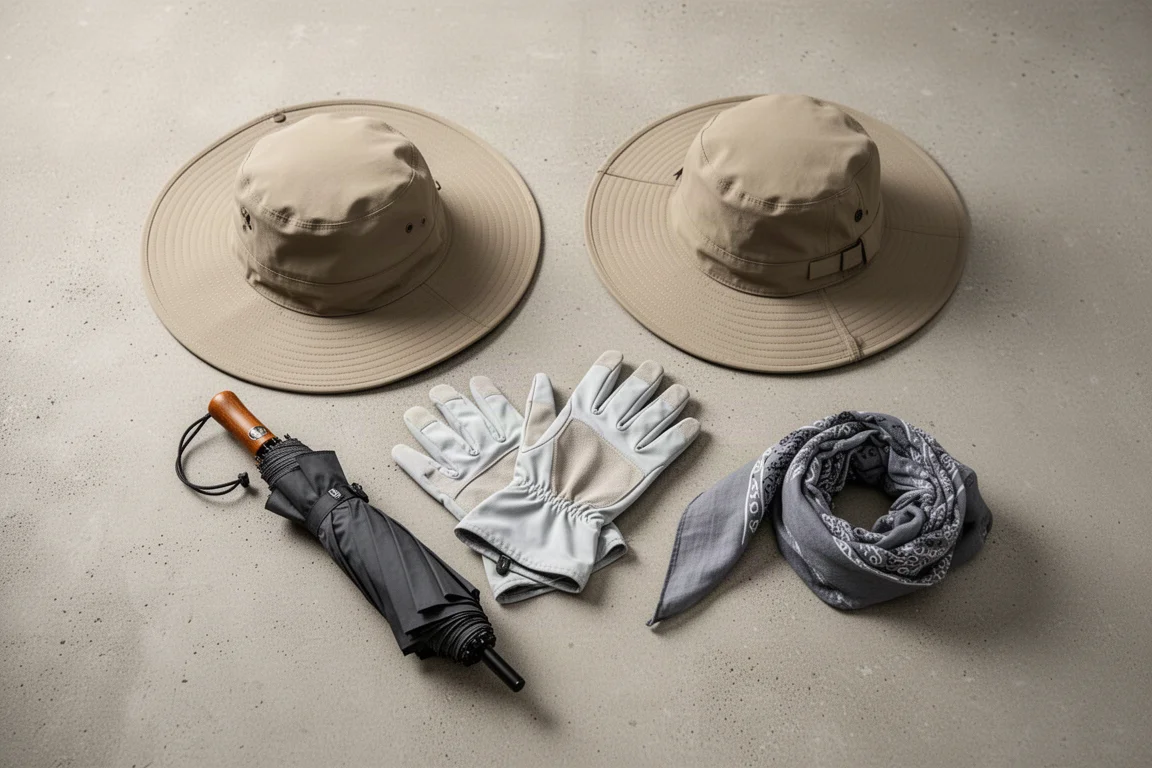
Sun protection outside the shirt matters in both cases. Hikers who rely on a sun hoodie alone often end up with burned noses, and hikers in button-ups often end up with burned ears and upper necks without a wide-brim hat. A cap or wide-brim hat, sun gloves, and an umbrella in exposed sections all fill gaps that neither shirt closes on its own. A few hooded designs include a face gaiter as well, which is an option for hikers who would rather not wear a hat.
Durability continues to favor the button-ups. Nylon and heavier wovens hold their shape and appearance longer, while thin hooded knits show wear sooner. It is rarely a deal breaker, but it is useful to know before you plan on several seasons from one shirt.
It is also worth noting that hybrid designs now exist, pairing a button-up front with an integrated hood. That gives you the ventilation of an open shirt and the head coverage of a hoodie in a single garment, which is a sensible middle path if you cannot decide between the two styles.
Buying Advice: Choosing Between the Three
Choose the Columbia Bahama button-up if airflow and durability matter most to you, if you dislike having a hood over your head, and if you are happy to add a wide-brim hat and sun gloves for complete coverage. It is the most versatile of the three for general three-season backpacking.
Choose the Columbia Tamiami if you want a lighter button-up and you already know the fit works for you. It offers the same ventilated layout in a thinner, lighter fabric.
Choose the Mountain Hardwear Crater Lake Sun Hoodie if you want the widest coverage with the least fuss, particularly in hot, exposed terrain with water sources where you can soak the fabric. It is also the most comfortable of the three for hikers who prefer a loose pullover to a buttoned front.
It is worth knowing that informal polls within backpacking communities tend to favor sun hoodies, while hikers who have logged long desert miles often stay with the button-up for its ventilation. Both preferences are reasonable, and neither choice is a mistake.
Conclusion
Sun hoodies and ventilated button-up shirts both work. The deciding factors are airflow, coverage, drying speed, and how the garment feels after a long day on trail. The Columbia Bahama remains a strong default for hikers who want ventilation and durability. The Mountain Hardwear Crater Lake Sun Hoodie is the better answer for extreme heat and maximum coverage. The Columbia Tamiami sits between them as a lighter button-up for hikers the fit suits.
Whichever you choose, plan the rest of your sun protection around it: a hat, gloves or an umbrella, and a willingness to wet your shirt when the heat peaks.
Further reading
Related Reviews

Backpacking Gear
8 Ultralight Backpacking Gear Upgrades Worth Carrying
Eight small, affordable backpacking upgrades that solve real trail annoyances, from a pillow that stays put to a fuel valve that rescues leftover canister gas.
Backpacking Gear
Affordable Alternatives to Premium Backpacking Gear: Five Budget Picks Compared
Five premium backpacking items paired with five lower-cost alternatives, compared on weight, materials, weather performance, and price.
Backpacking Gear
Affordable Backpacking Gear: Four Low-Cost Items That Make Trips Better
Four inexpensive backpacking items, from reusable food bags to a sub-100 gram camp pillow, plus the packing habits that keep pack weight honest.