Backpacking Gear
Affordable Alternatives to Premium Backpacking Gear: Five Budget Picks Compared
Five premium backpacking items paired with five lower-cost alternatives, compared on weight, materials, weather performance, and price.
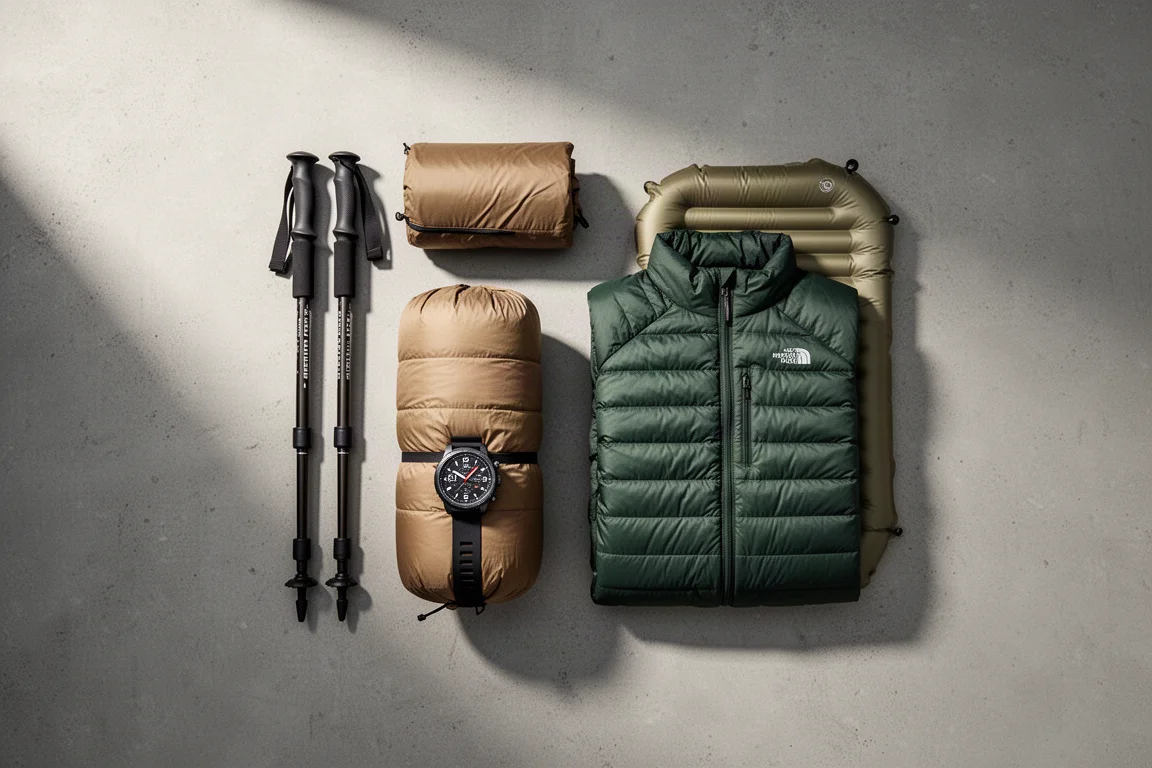
Introduction
Good backpacking gear does not have to mean the most expensive gear on the shelf. The top of the market is full of clever materials and carefully engineered features, and the price tags reflect exactly that. A shelter such as the Zpacks Altaplex and a watch such as the Garmin Fenix 6 Pro Solar are genuinely excellent pieces of kit, and both sit well beyond what most people actually need to spend.
For nearly every category there is a lower-cost option that covers most of the same ground. This guide pairs five premium items with five affordable alternatives and puts the weights, materials, and prices side by side, so the trade-offs are visible instead of buried in a spec sheet.
How These Comparisons Work
Each pairing looks at the same handful of factors: weight, the materials used, how the gear behaves in wet and humid conditions, how durable it is likely to be, and price. Those five factors explain almost every gap in this guide.
Weight is usually the first thing that separates a premium item from a value one, but it is rarely the only difference. Fabric choice, insulation type, and construction details tend to matter more once the gear is actually in use on a trip.
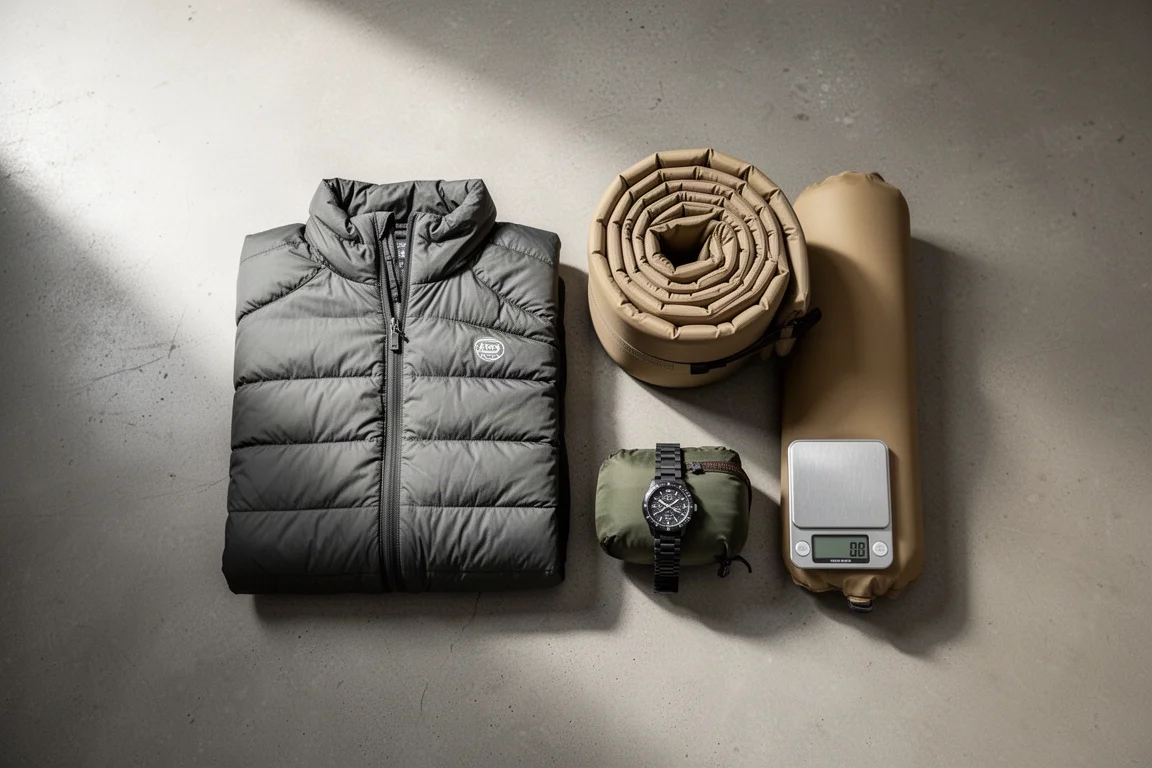
Prices move around with sales and seasonal stock, so treat the figures here as a rough guide to the size of the gap rather than a fixed number. What matters is the shape of the difference: how much lighter, how much warmer, and how much better in bad weather one option is than the other.
Smartwatch Alternatives: Feature Depth vs Rugged Simplicity
Smartwatches sit at the luxury end of outdoor electronics, and the gap between these two Garmin models is the clearest example in this guide of paying for features rather than for basic function.
Garmin Fenix 6 Pro Solar
The Fenix 6 Pro Solar is the premium option at around $800. Its standout feature is on-device topo maps, which makes navigation straightforward without reaching for a phone. It also supports Bluetooth connectivity for earbuds, so music can be played directly from the watch. On top of that it carries a broader set of fitness and tracking features than the Instinct, and the design is a little more professional in appearance.
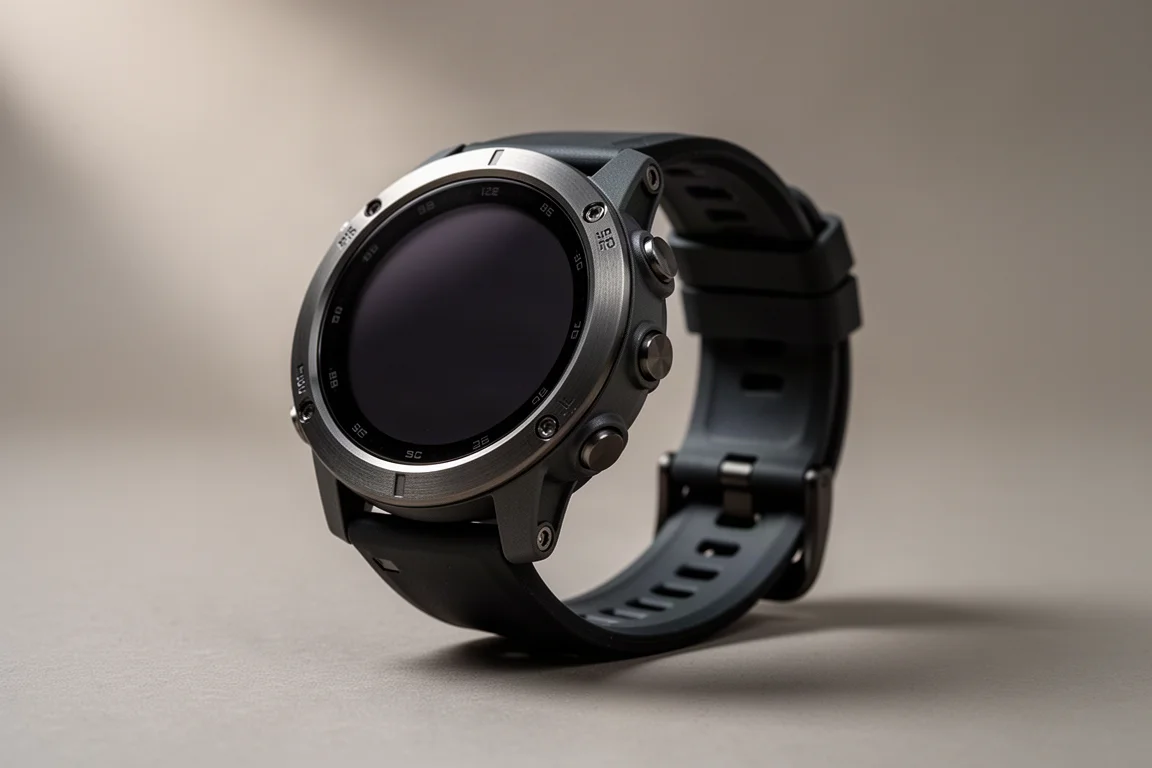
Garmin Instinct Solar
The Instinct Solar costs around $400, roughly half the price. It takes a more rugged approach and backs that up with longer battery life. What it gives up is the extra feature set: there are no on-device topo maps and no music playback from the watch. For most people the Instinct still covers the daily essentials, including workout and run tracking, sleep tracking, and calorie tracking.
Insulated Jackets: Synthetic Performance vs Down Value
A puffy jacket is close to essential if you want to stay warm on a backpacking trip, and these two jackets weigh within about 60 g of each other while sitting at very different prices.
Enlightened Equipment Torrid Apex
The Torrid Apex is the synthetic option at $225 and about 220 g. Its shell is a 7 denier ripstop nylon, which is very light for a jacket. The synthetic fill is the main reason to choose it: it keeps its loft and continues to insulate in moist and humid conditions, where down begins to lose its advantage.
Decathlon Trek 100 Down Jacket
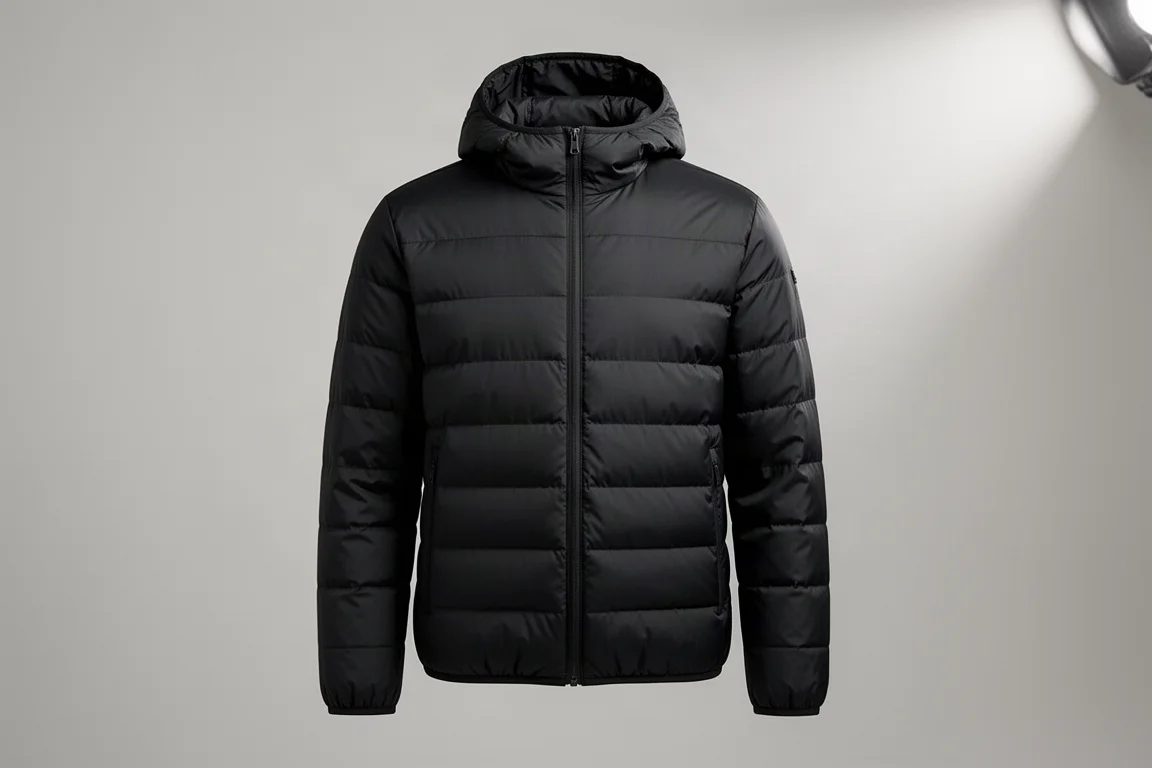
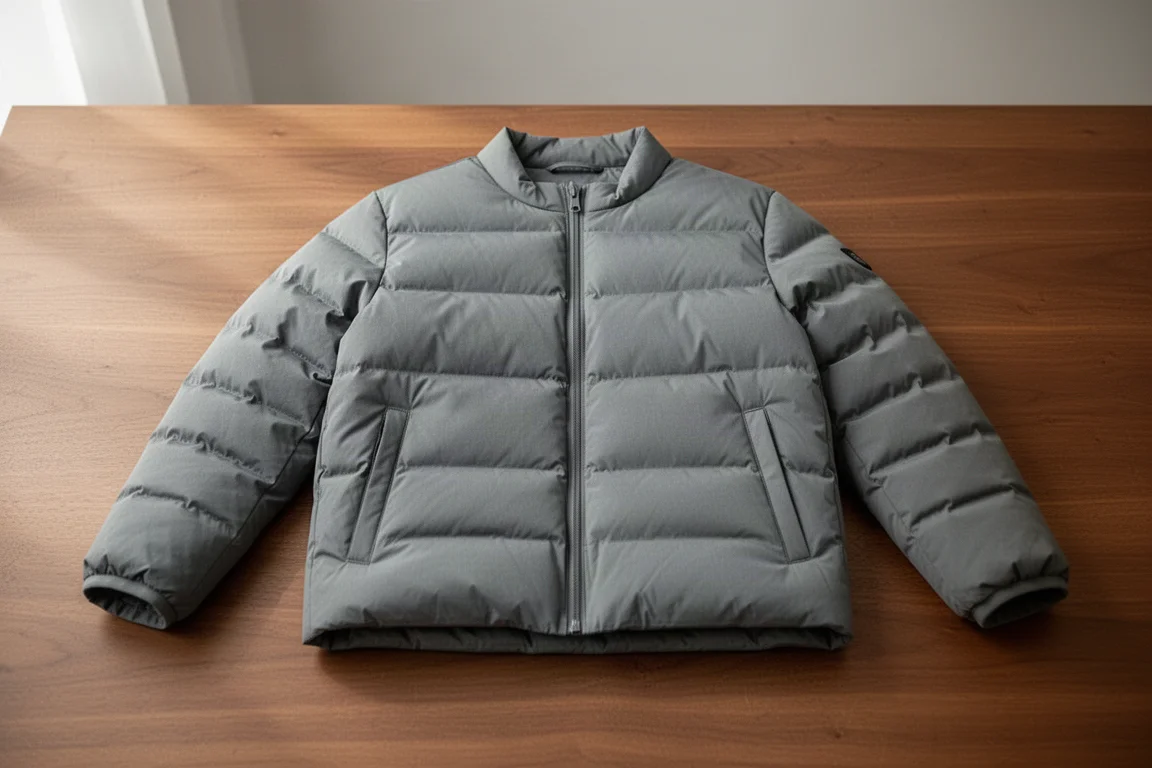
The Trek 100 is the down jacket at $90 and about 280 g, with a 15 denier nylon shell. It costs a fraction of the synthetic option and still does the basic job well: it is warm, light enough to carry without thinking about it, and easy to live with day to day. The trade-off is the down fill, which does not perform as well once conditions turn damp.
If the trip is mostly dry and keeping the cost down is the priority, the Trek 100 covers the job comfortably. If the forecast is wet and humid, the synthetic Torrid Apex is the more dependable choice despite the higher price.
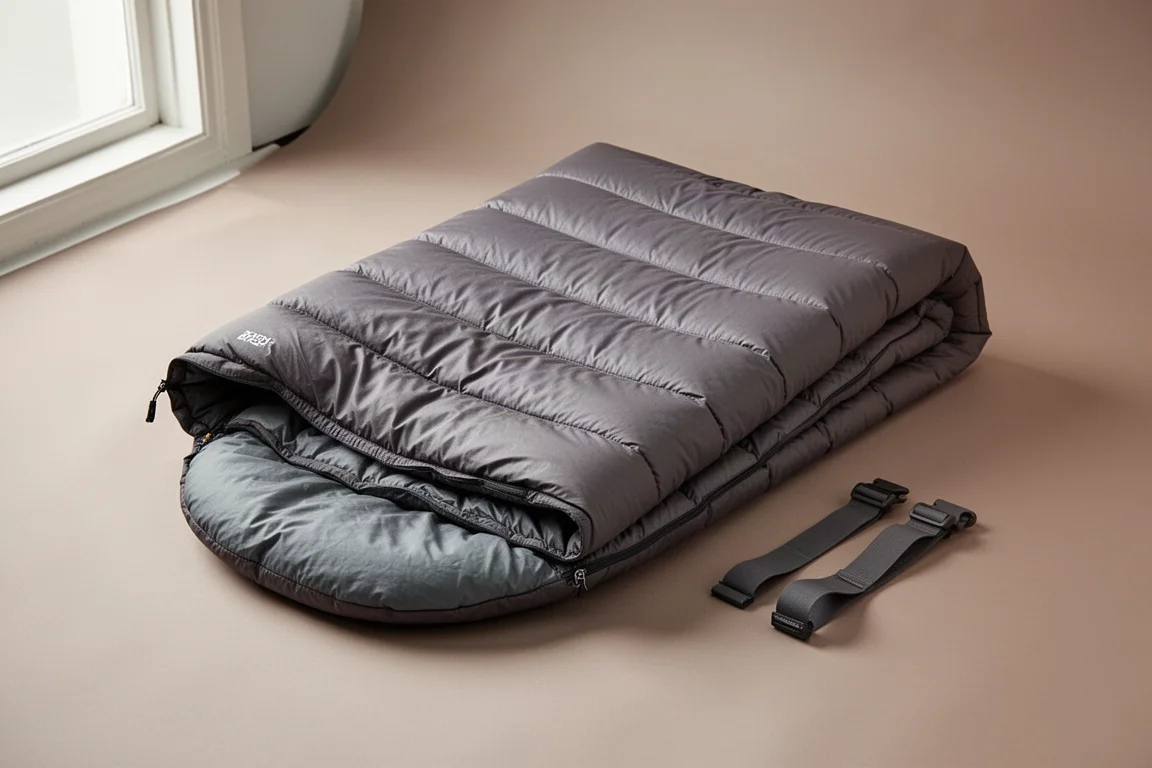
Backpacking Quilts: Lightweight Fill vs Durable Shell
Quilt prices track materials very closely. These two quilts use different shell fabrics and different fill powers, and that shows up both on the scale and on the receipt.
Enlightened Equipment Enigma Quilt
The Enigma is the premium quilt at $530. It uses 950 fill power down and a 7 denier shell fabric, which brings the weight down to about 520 g. That combination makes it the lighter and more compressible of the two, and it is the natural choice for anyone counting grams on a long trip.
Hammock Gear Econ Burrow Quilt
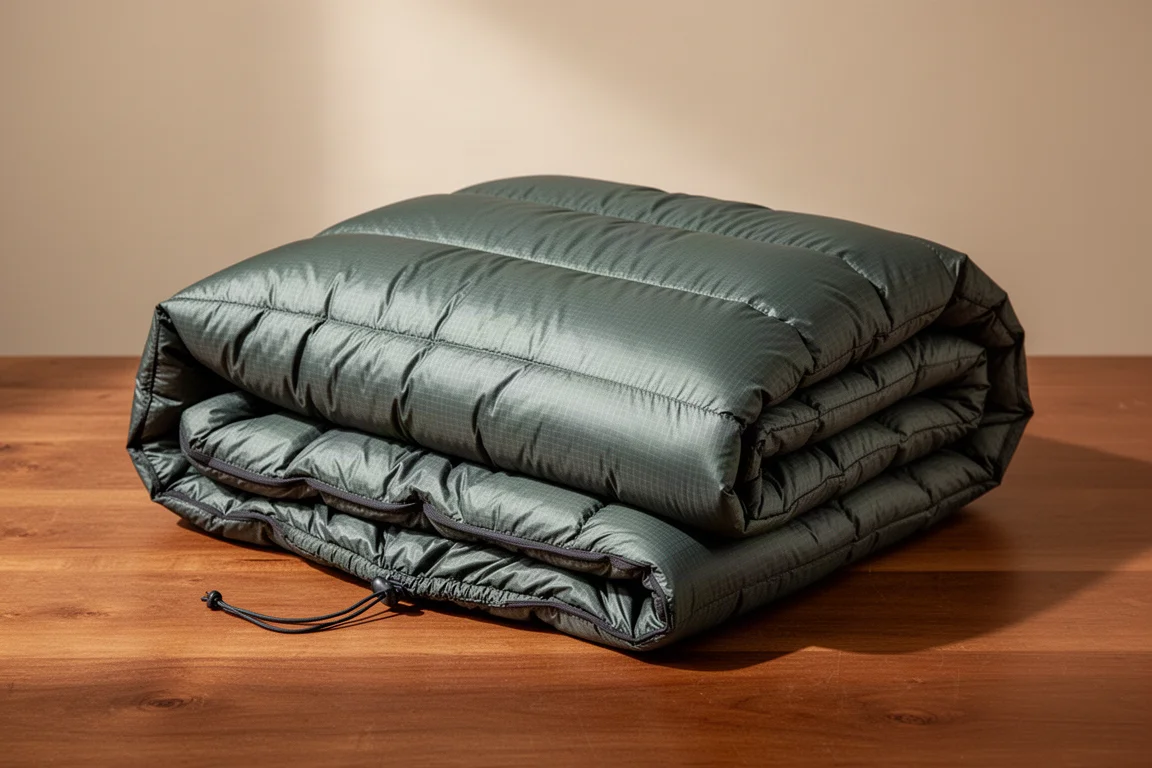
The Econ Burrow costs $228 and weighs about 740 g, with a 20 denier shell fabric and 800 fill power down. The thicker shell is the more durable of the two, and the 800 fill power down tends to handle moist and humid conditions better. Moving from the Burrow to the Enigma works out at roughly $1.37 for every gram of weight saved, which is a practical way to judge whether the upgrade earns its keep.
Sleeping Pads: Reflective Insulation vs Synthetic Fill
Good budget sleeping pads are genuinely hard to find, and there is a clear reason for it. The most effective pad insulation technologies are technically difficult to manufacture and heavily patented, which keeps premium pads expensive and pushes lower-cost designs toward simpler synthetic fill.
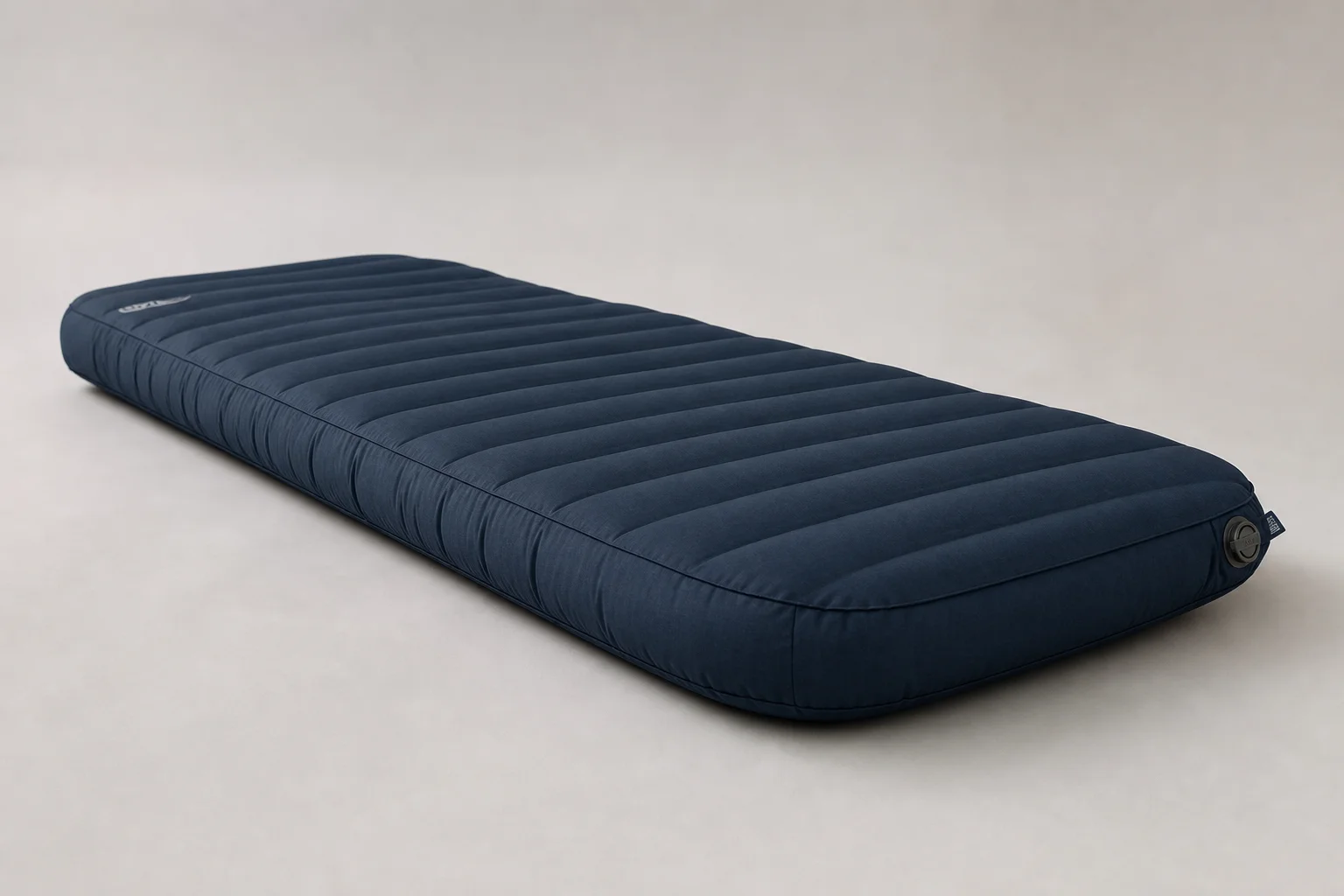
Therm-a-Rest NeoAir XLite
The NeoAir XLite is the premium pad at $210 for the regular wide size, weighing about 430 g with a 30 denier ripstop nylon face. Its insulation comes from a triangular core matrix construction combined with a reflective mylar film running through the pad, and that reflective approach is far more effective per gram than synthetic fill. In cold conditions it has proven comfortable down to around 20°F (-6°C).
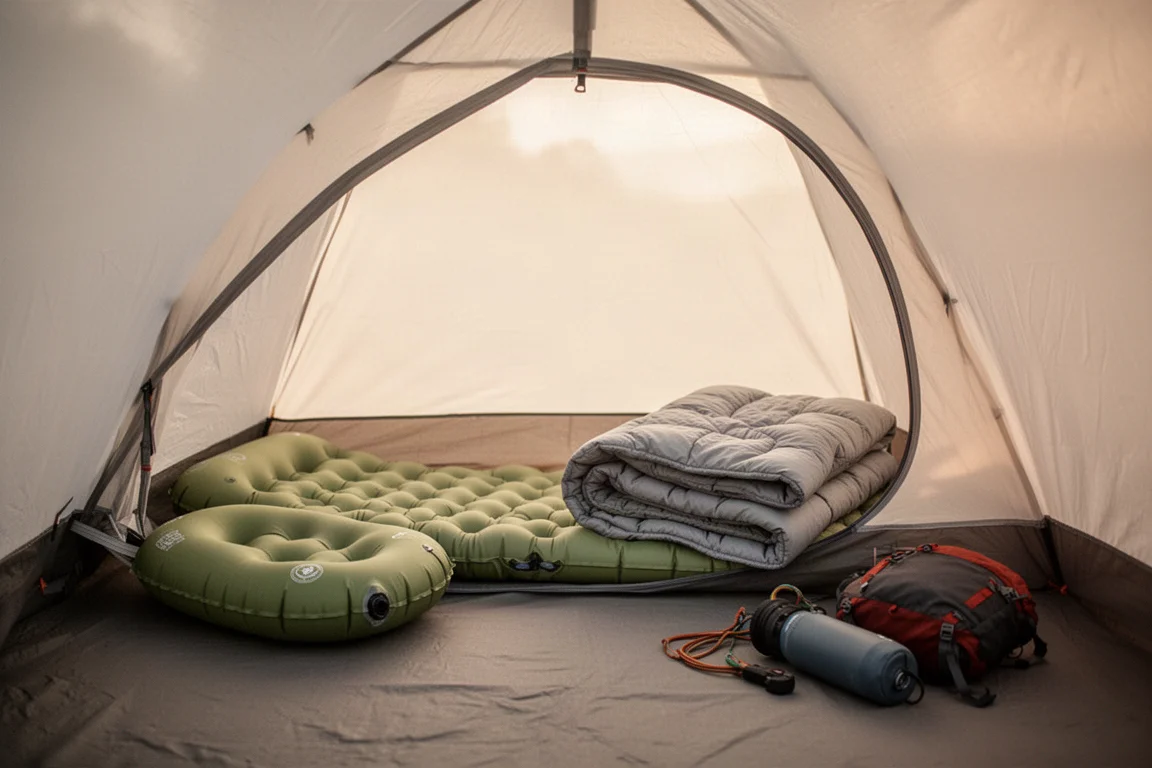
Paria Recharge XL
The Recharge XL costs $90 and weighs about 737 g, with a 40 denier nylon face and synthetic fibre insulation. It is the more durable of the two pads on paper, and it has proven comfortable down to around freezing. Its advertised R-value is high, though it is not presented as an ASTM-tested figure.
The price gap here is about $120, and what it buys is a pad that is both warmer and lighter. For three-season trips in mild conditions the Recharge XL is a workable budget answer; for colder nights and longer carries, the XLite is the more capable pad.
Shelters: Dyneema vs Silnylon
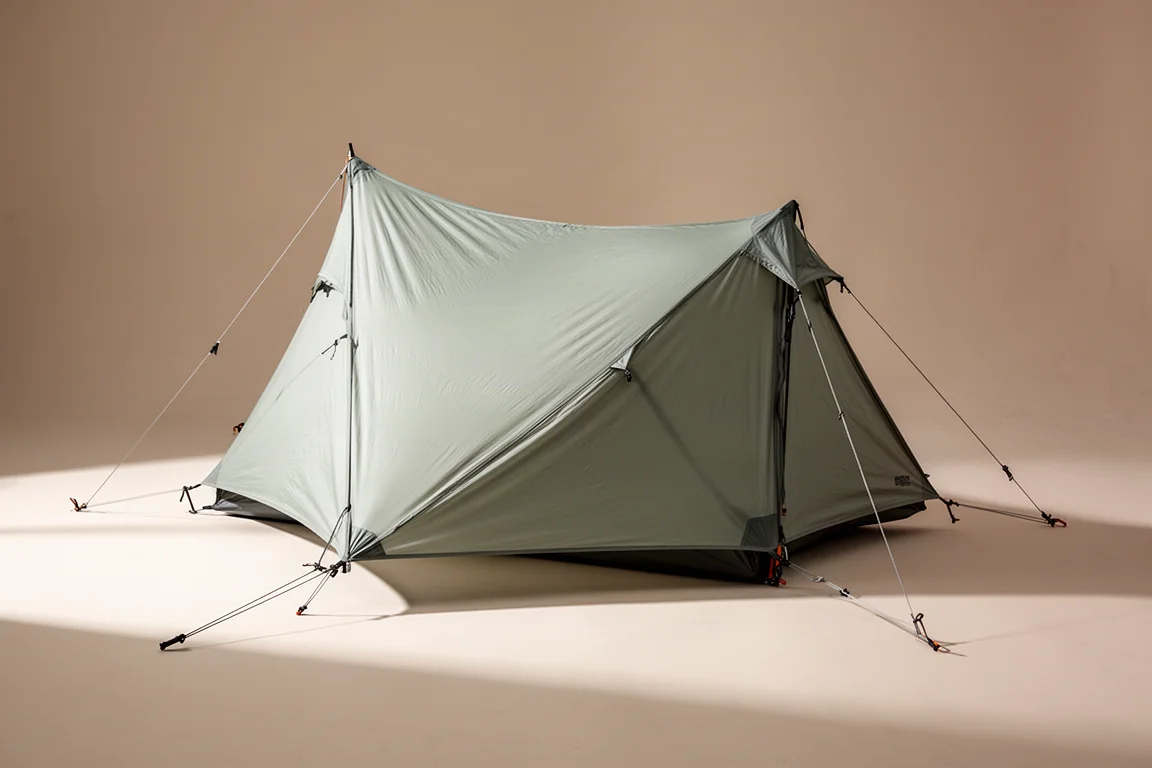
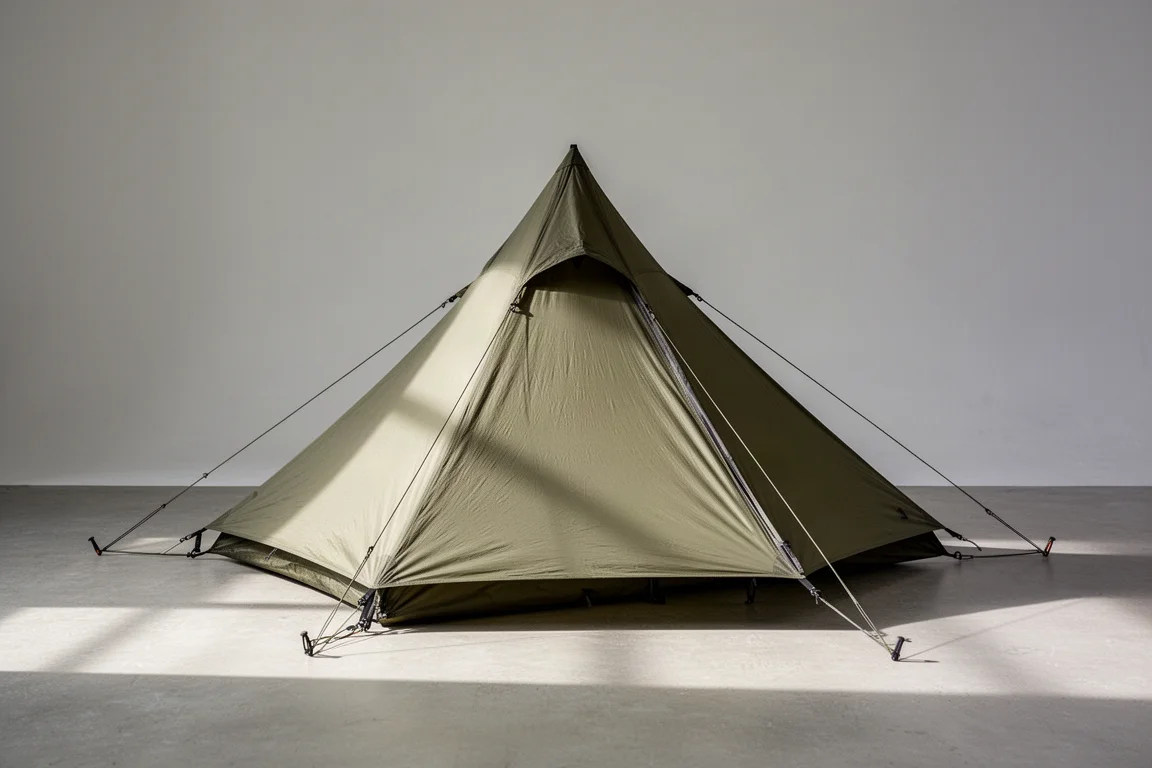
The two tents here have the largest price gap in this guide, and they are also the most similar in shape. Both are 230 cm long, both are single-wall designs supported by a single trekking pole, both have one door, and both pitch with the same number of stakes. The difference comes down almost entirely to fabric.
Zpacks Altaplex
The Altaplex is the premium shelter at $625 and about 457 g, built from Dyneema fabric. Dyneema brings a set of practical advantages. It does not absorb moisture, so the tent does not get heavier when you pack it away wet, and it does not sag the way silnylon does. It is also more UV resistant, which slows fabric degradation in strong sun, and it is easier to repair, since a patch simply sticks on. Above all it is very light for its strength, which is the main reason most people choose it.
3F UL Gear Lanshan 1 Pro
The Lanshan 1 Pro costs around $150 and weighs about 690 g, using a 20 denier silnylon fabric. It is not a heavy tent by any means, but it gives up roughly 230 g to the Altaplex. Silnylon does absorb moisture, so it can pick up weight and sag when wet, and patching it takes more care than sticking a patch onto Dyneema.
Buying Advice: Matching the Gear to the Trip
The right answer depends on how you use the gear rather than on which product is objectively better. Paying for premium materials makes the most sense when weight and packability are constant concerns, when you are regularly out in wet and humid conditions, or when a single piece of gear has to work across a wide range of trips.
For occasional weekend trips in fair weather, the lower-cost options cover the essentials well. The Instinct Solar handles everyday tracking, the Trek 100 keeps you warm, the Econ Burrow is a capable quilt, the Recharge XL gets you off the ground, and the Lanshan 1 Pro is a complete single-wall shelter for a fraction of the Dyneema price.
The upgrades worth considering first are the ones that solve a problem you actually have. If cold nights are the issue, the NeoAir XLite buys real warmth for its weight. If you hike in sustained rain, the Torrid Apex and its synthetic fill earn their keep. If every gram matters on long carries, the Enigma quilt and the Altaplex are where the money goes furthest.
Conclusion
Premium gear earns its price through materials and features that are genuinely difficult to replicate cheaply, but the gap between the two sides of each comparison is rarely as large in practice as it looks on a price tag. The five affordable options here cover the same core functions, and the five premium options are there for the trips where the extra performance is worth paying for. Matching the choice to the conditions you actually travel in is the fastest way to spend well.
Further reading
Related Reviews

Backpacking Gear
Building a 10 lb Base Weight: An Ultralight Backpacking Gear List
A practical walkthrough of the ultralight pieces behind a 10 lb base weight, from a 765 g pack and a roomy one-person tent to a full camp chair and a dependable water filter.
Backpacking Gear
A 15-Pound Lightweight Backpacking Gear List for Solo Trips
A beginner-friendly 15-pound backpacking setup built from easy-to-find gear, with notes on what each piece does, how it packs, and where to spend your attention.
Backpacking Gear
8 Ultralight Backpacking Gear Upgrades Worth Carrying
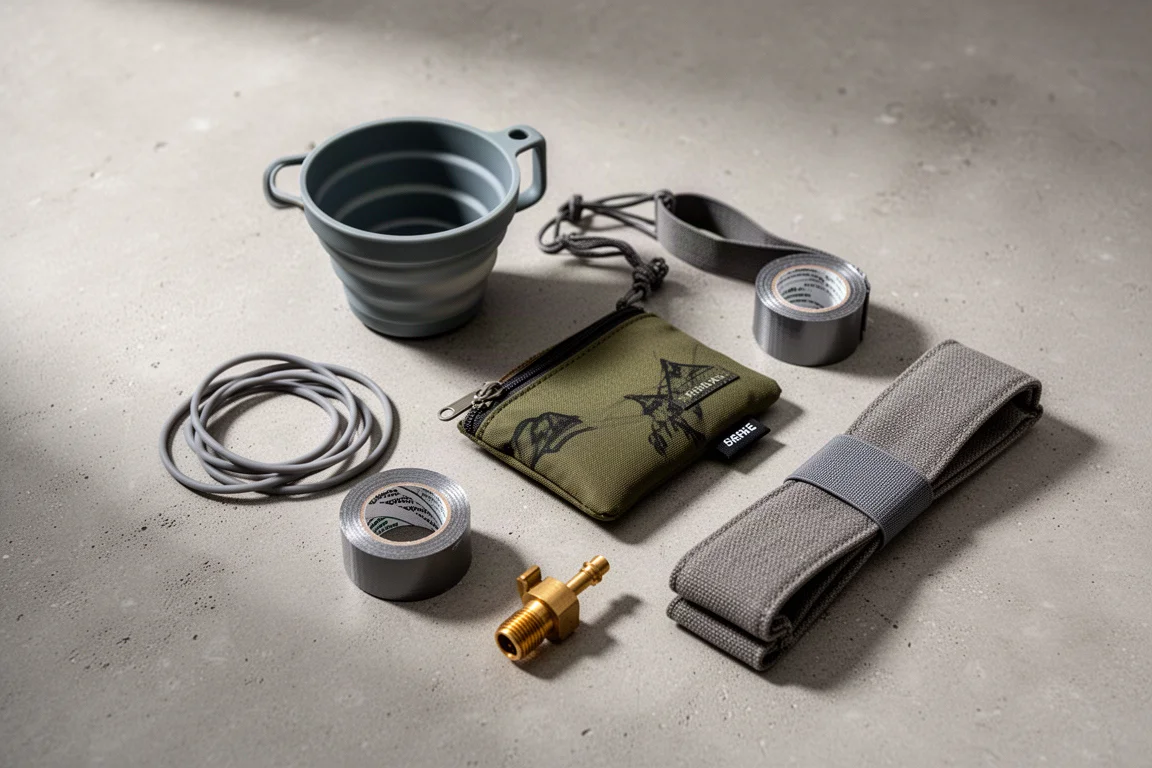
Eight small, affordable backpacking upgrades that solve real trail annoyances, from a pillow that stays put to a fuel valve that rescues leftover canister gas.