Backpacking Gear
Affordable Backpacking Gear: Four Low-Cost Items That Make Trips Better
Four inexpensive backpacking items, from reusable food bags to a sub-100 gram camp pillow, plus the packing habits that keep pack weight honest.
Introduction
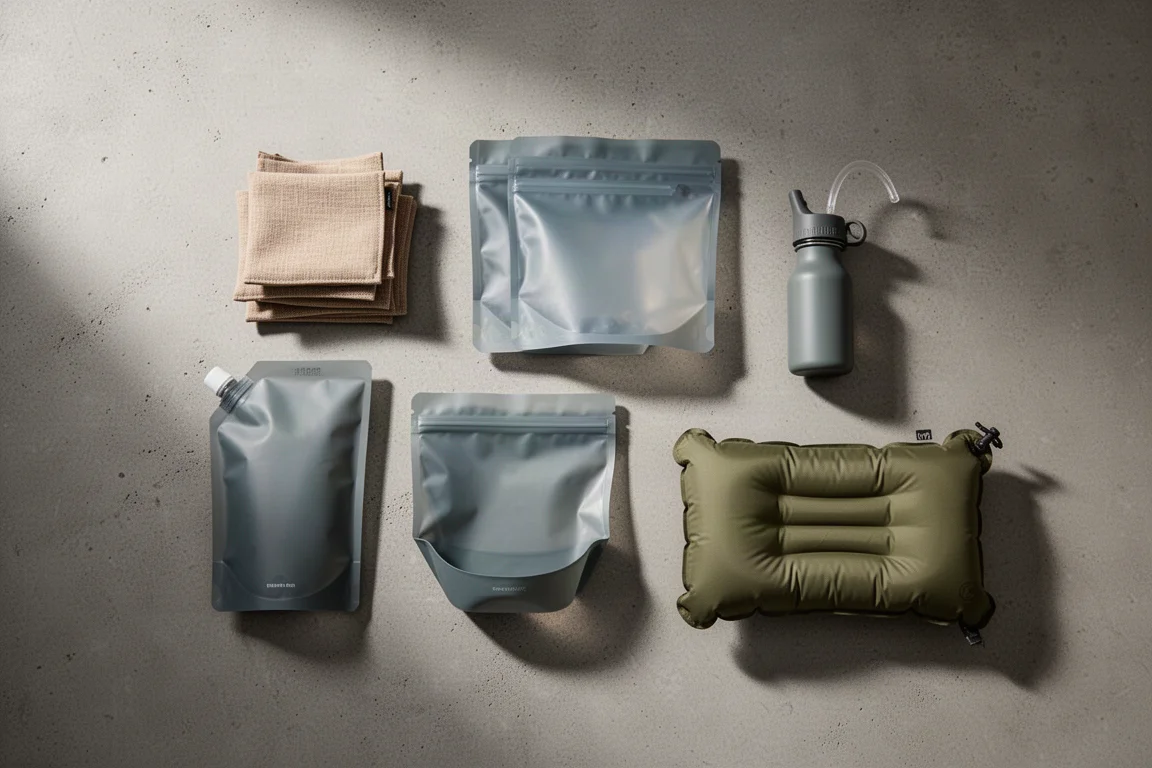
Some of the most useful backpacking upgrades are not the expensive ones. A premium sleeping pad that costs hundreds of dollars can be genuinely comfortable, yet a twenty dollar camp pillow can improve sleep just as much. The four items in this roundup sit in that second category: inexpensive gear that quietly makes trips lighter, cleaner, and more comfortable.
Two habits round out the list as well. Choosing socks deliberately and weighing gear before a trip cost almost nothing, and both tend to change how a long day on trail feels.
What Makes Gear Worth Carrying
A piece of gear earns its place in a pack when it solves a recurring problem, adds very little weight, and keeps working trip after trip. Cost matters, but the more useful question is what an item replaces. Reusable food bags replace a steady stream of disposable bags. A bidet attachment reduces reliance on toilet paper. A camp pillow addresses the part of a trip that is hardest to fake, which is a full night of sleep.
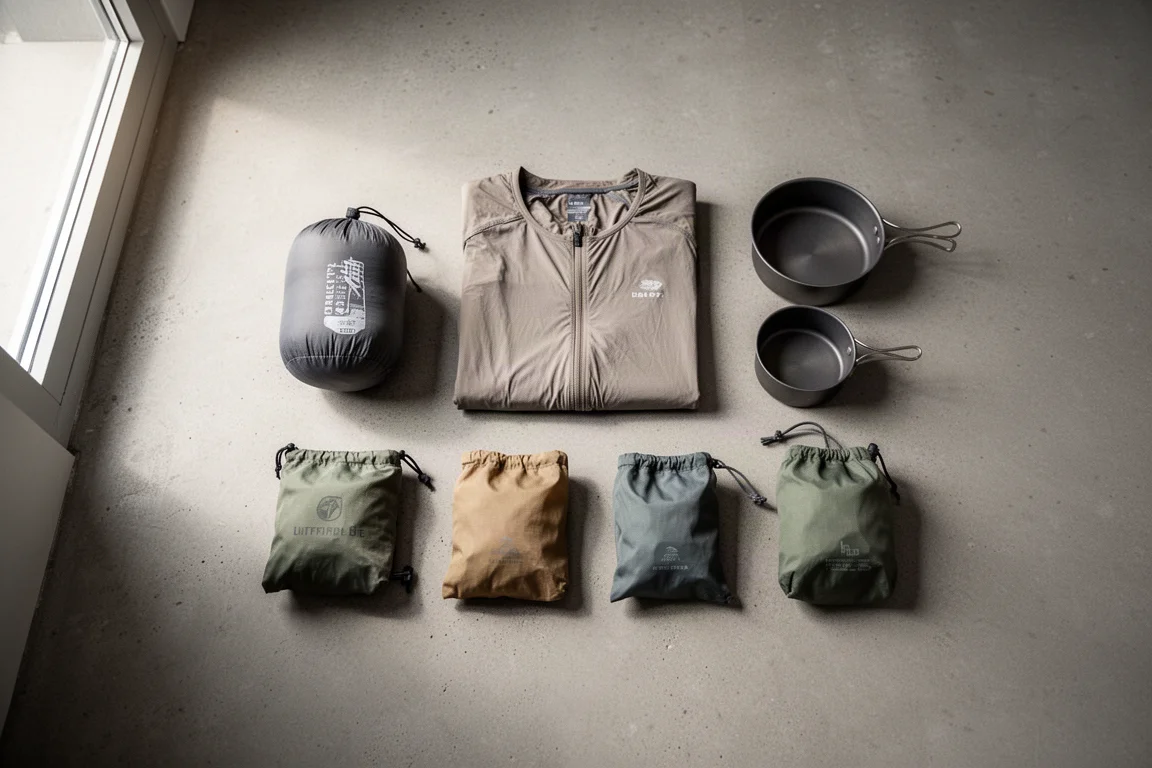
Weight is the other half of the calculation. Ultralight items that save only a few grams each still add up across a full kit, and the items below are chosen partly because they stay light without giving up function. Durability matters too, since gear that survives several seasons costs less over time than gear that gets replaced every year.
Pumpkin Snack Bags for Dry Snacks
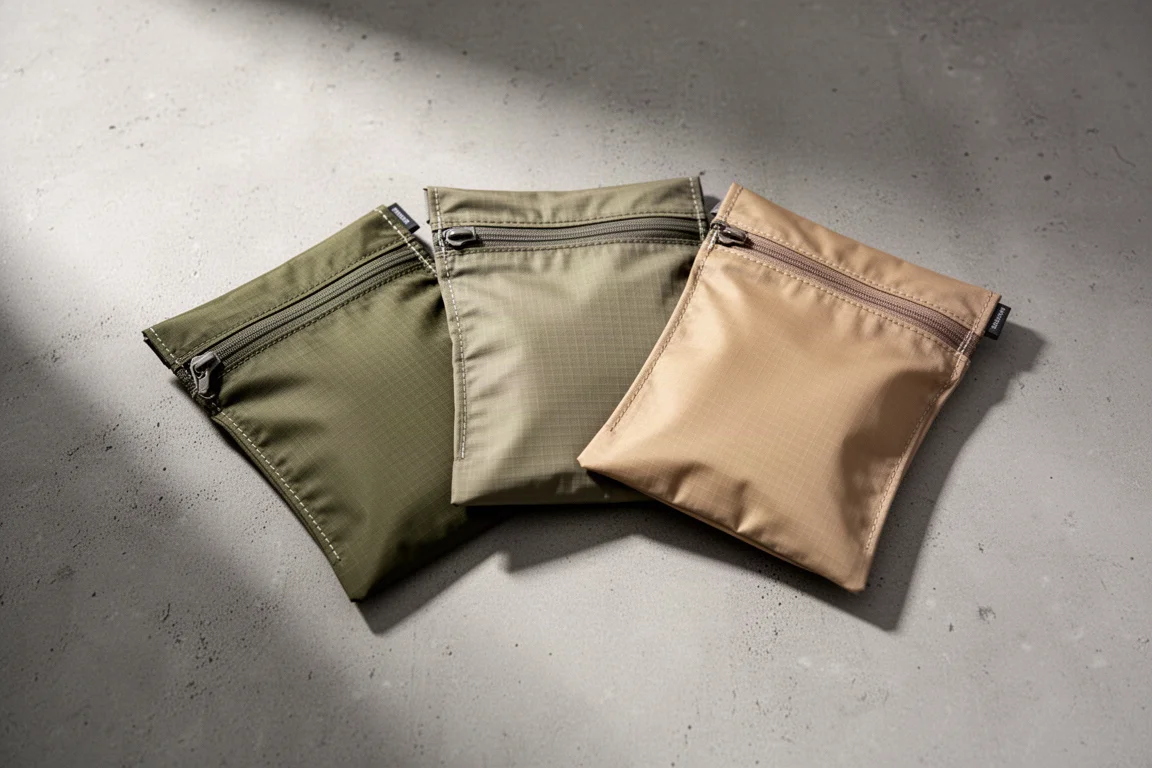
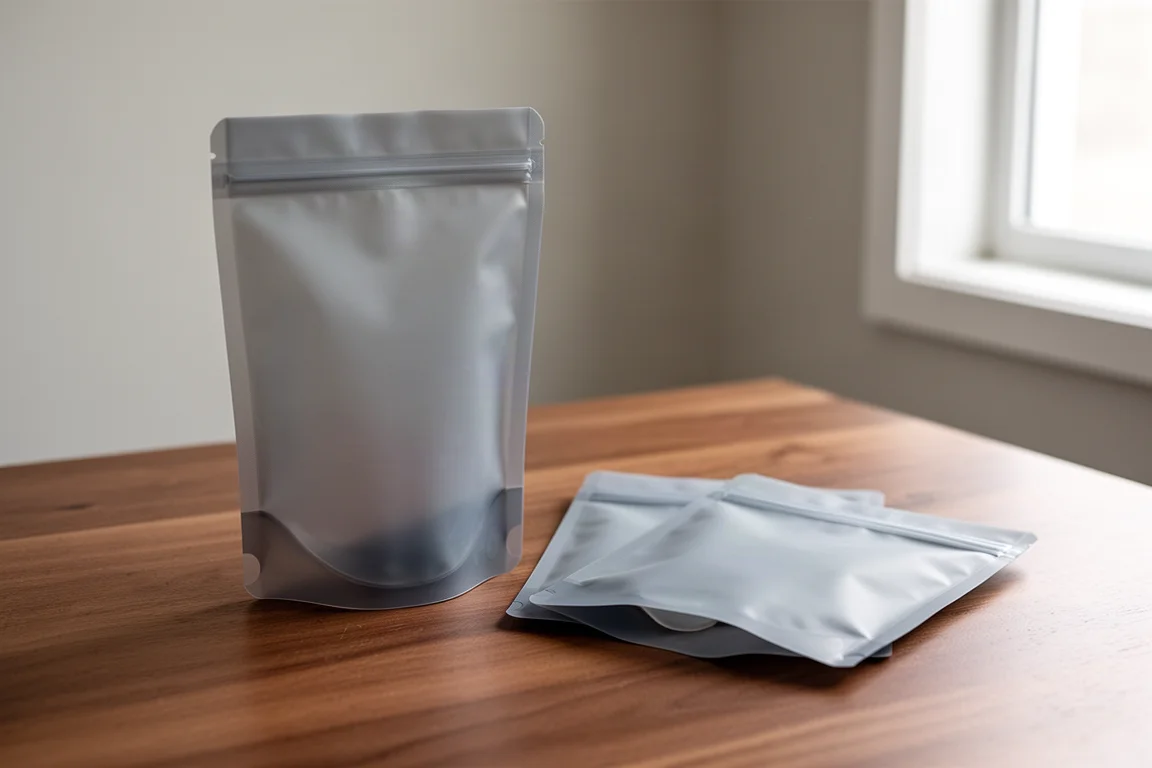
These reusable snack bags are a dishwasher safe stand-in for disposable bags, and they are sized for dried food such as chocolate candies, peanuts, or almonds. A few of them add only a few grams to a pack, which makes them easy to justify on longer trips where every item is weighed against its usefulness.
There are limits worth knowing before you buy. The bags are not waterproof and they will leak with liquidy contents, so they work best when they stay dedicated to dry food. Sticky contents can also leave them a little unpleasant to handle, so a rinse soon after use keeps them in good shape.
Rusby Bag Replacements for Liquids and Hot Meals
Rusby bags cover what the snack pouches cannot. They are waterproof, they handle heat the way a freezer bag does, they are dishwasher safe, and they are durable enough that a set can stay in service for years. That combination makes them the more versatile of the two bag options for anyone who cooks on trail.
The smaller sizes suit homemade breakfasts such as oatmeal with fruit and chocolate chips, and a curved base lets them stand upright while you fill them. The larger sizes take on homemade meals like ramen bombs or dehydrated meals, because they can handle boiling water poured straight in.
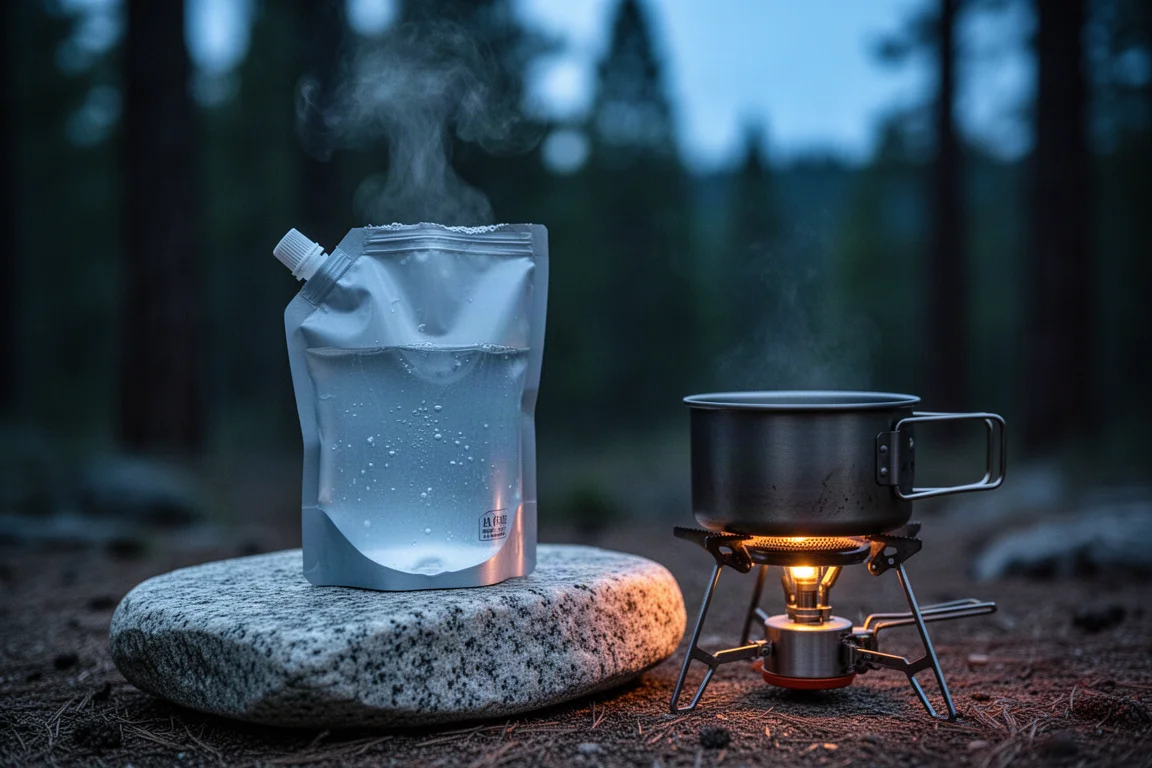
If you only want to carry one style of reusable bag, the waterproof version is the safer bet, since it can handle both dry snacks and hot meals without leaking. Pairing a couple of small ones with a couple of large ones covers most of what a multi-day trip requires.
Backcountry Bidet for Multi-Day Cleanliness
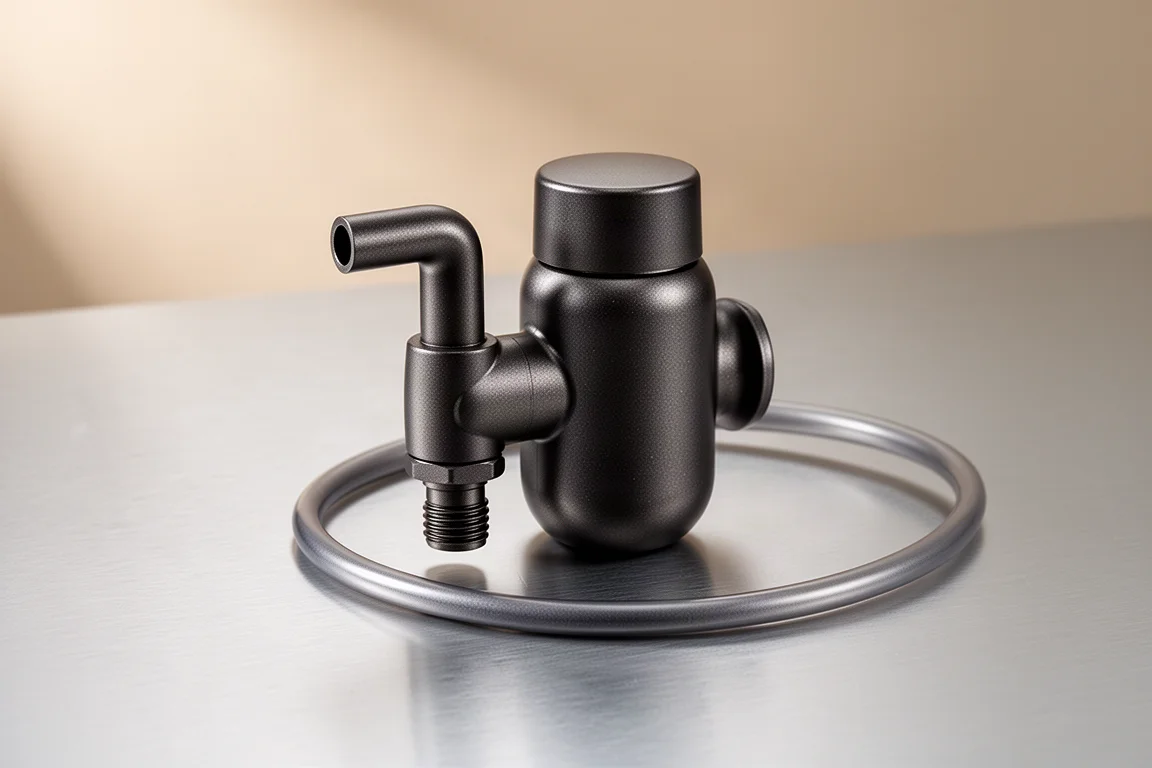
Several days in the backcountry without a shower can leave anyone feeling less than fresh, and that is the problem this small attachment solves. The idea is simple: a compact nozzle fits onto a water bottle, and one hand directs a stream of water while the other hand scrubs with soap and water. Afterwards you can shake dry or finish with a couple of squares of toilet paper.
Used consistently, the difference is noticeable. Relying on this method instead of toilet paper alone leaves you feeling cleaner and more comfortable, which matters most on trips that run several days. It is a small item to pack for how much it changes daily routine on trail.
Trekology 2.0 Pillow for Sleep Comfort
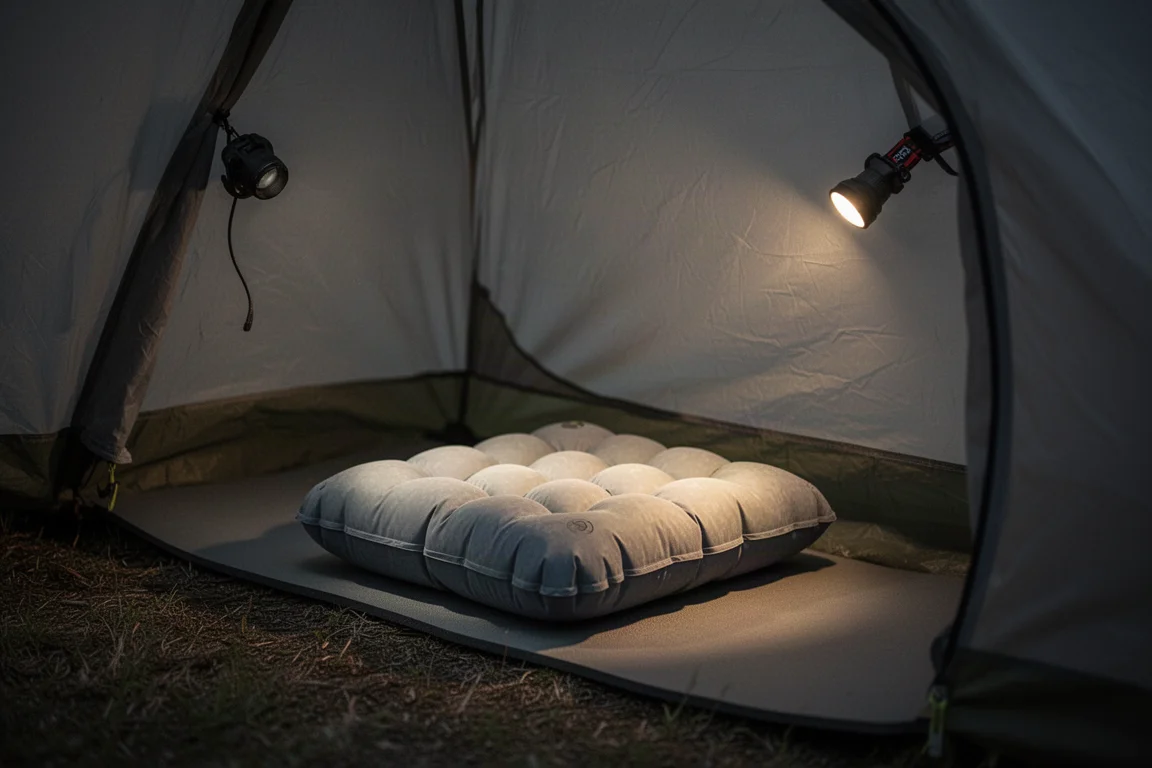
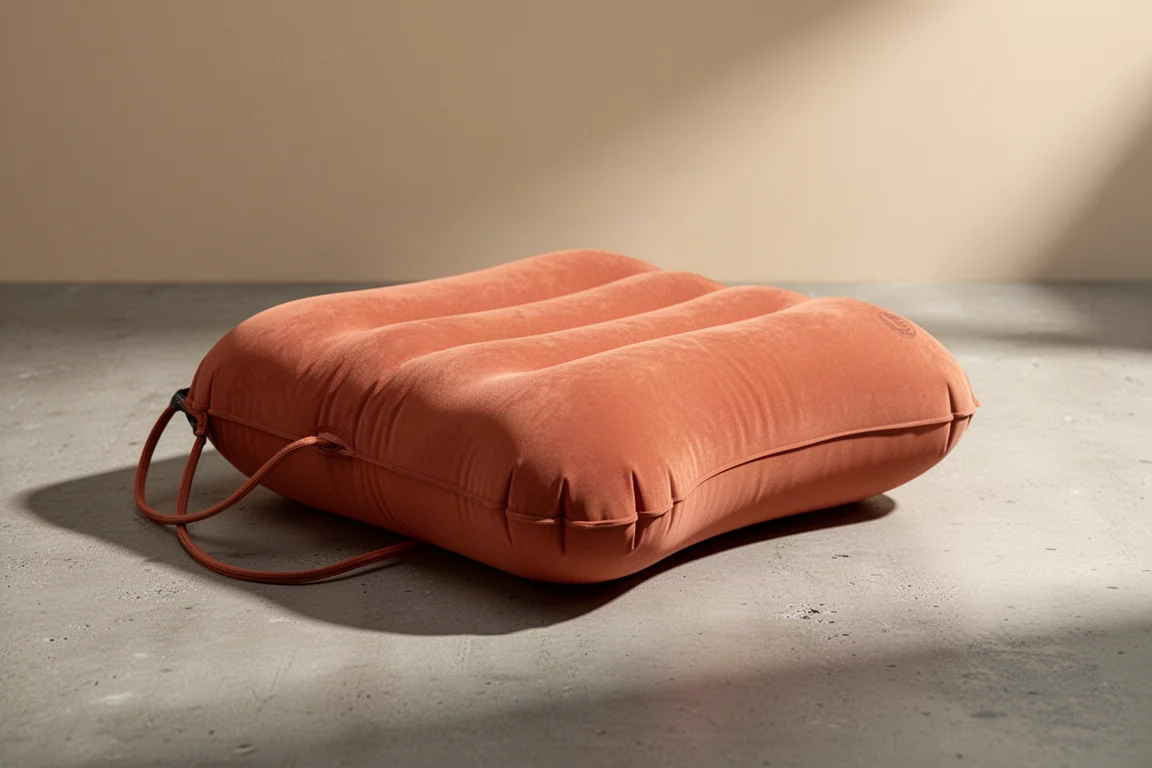
Four features explain why this pillow works so well. The baffled construction means it does not feel like you are lying on a balloon, and it stays supportive wherever you position your head. It weighs less than 100 grams. The shape is ergonomic, with a curve that your shoulder or neck can cradle into and a U-shaped profile that holds your head. Finally, a pad strap keeps the pillow locked onto your sleeping pad.
That last feature is the one that changes nights. Chasing a pillow around a tent is a common reason for broken sleep, and a strap that keeps it attached to the pad removes the problem entirely. The pillow costs around twenty dollars, which makes it one of the cheapest ways to improve sleep on trail.
For backpackers who already sleep well in a tent, this is a comfort item rather than a necessity. For anyone who wakes up repeatedly because their head has slid off a folded jacket, it is a straightforward upgrade.
Sock Strategy for Hiking and Camp
Three pairs of socks cover a backpacking trip: two for hiking and one for camp. Which pairs you pick matters more than how many you carry, because the right choice keeps feet drier, warmer, and blister free while hiking.
For hiking, synthetic materials such as nylon and polyester outperform merino wool for moisture handling. Merino holds on to 10 to 40 percent more water and moisture, so synthetic socks leave feet less waterlogged and dry faster, and shoes dry faster as a result. Toe socks, where each toe has its own mini sock, add another layer of comfort and are a proven way to avoid blisters over long distances. For camp and sleeping, a medium weight merino sock is the better call, since wool regulates temperature well and does not feel clammy if feet get a little damp.
Weighing Gear to Cut Pack Weight
A kitchen scale and a luggage scale both serve one purpose, which is lowering pack weight. The benefits stack up quickly: easier hiking, longer distances when you want them, and less soreness at the end of the day. A kitchen scale is for individual items, and it is often surprising how much something like a sweater weighs. For bulky items, place a bowl on the scale, zero it, then add the item.
A luggage scale works at the other end of the process. Load the bare minimum gear you need for a trip, weigh the pack, then add luxury items until you reach 25 to 30 pounds. That range is a comfortable target that is easy to reach without spending a lot of money, and it supports trips of three or four days with plenty of comfort items included. You can start with either scale, though using both gives the clearest picture of where weight is coming from.
Overall Buying Advice
Start with the annoyance you notice most on trail. If disposables and food storage are the recurring problem, the reusable bags are the natural first purchase, with the waterproof style covering the widest range of meals. If cleanliness over several days is the issue, the bidet attachment is a small item that changes the daily routine. If sleep is the weak point, the pillow is the cheapest of the four and the easiest to justify.
Whichever you choose, pair the purchase with the two habits above. Pick socks by material rather than by brand, and weigh your gear before each trip so you know what you are actually carrying. Set a target weight, measure against it, and adjust from there. That combination of a few cheap items and a little discipline is what makes trips feel easier rather than more expensive.
Conclusion
None of the items here are dramatic purchases. Reusable bags replace disposables, a bidet attachment replaces dependence on toilet paper, and a lightweight pillow replaces a balled up jacket under your head. Together with deliberate sock choices and a habit of weighing gear, they make backpacking trips lighter, cleaner, and considerably more comfortable, without the cost of the premium alternatives.
Further reading
Related Reviews

Backpacking Gear
Building a 10 lb Base Weight: An Ultralight Backpacking Gear List
A practical walkthrough of the ultralight pieces behind a 10 lb base weight, from a 765 g pack and a roomy one-person tent to a full camp chair and a dependable water filter.

Backpacking Gear
A 15-Pound Lightweight Backpacking Gear List for Solo Trips
A beginner-friendly 15-pound backpacking setup built from easy-to-find gear, with notes on what each piece does, how it packs, and where to spend your attention.
Backpacking Gear
8 Ultralight Backpacking Gear Upgrades Worth Carrying
Eight small, affordable backpacking upgrades that solve real trail annoyances, from a pillow that stays put to a fuel valve that rescues leftover canister gas.