Hiking Apparel
Sun Hoodies vs PFG Button-Up Shirts for Hiking: Which One Should You Pack?
A practical comparison of ventilated button-up hiking shirts and sun hoodies, with three specific options and the trade-offs that actually matter on trail.
Introduction
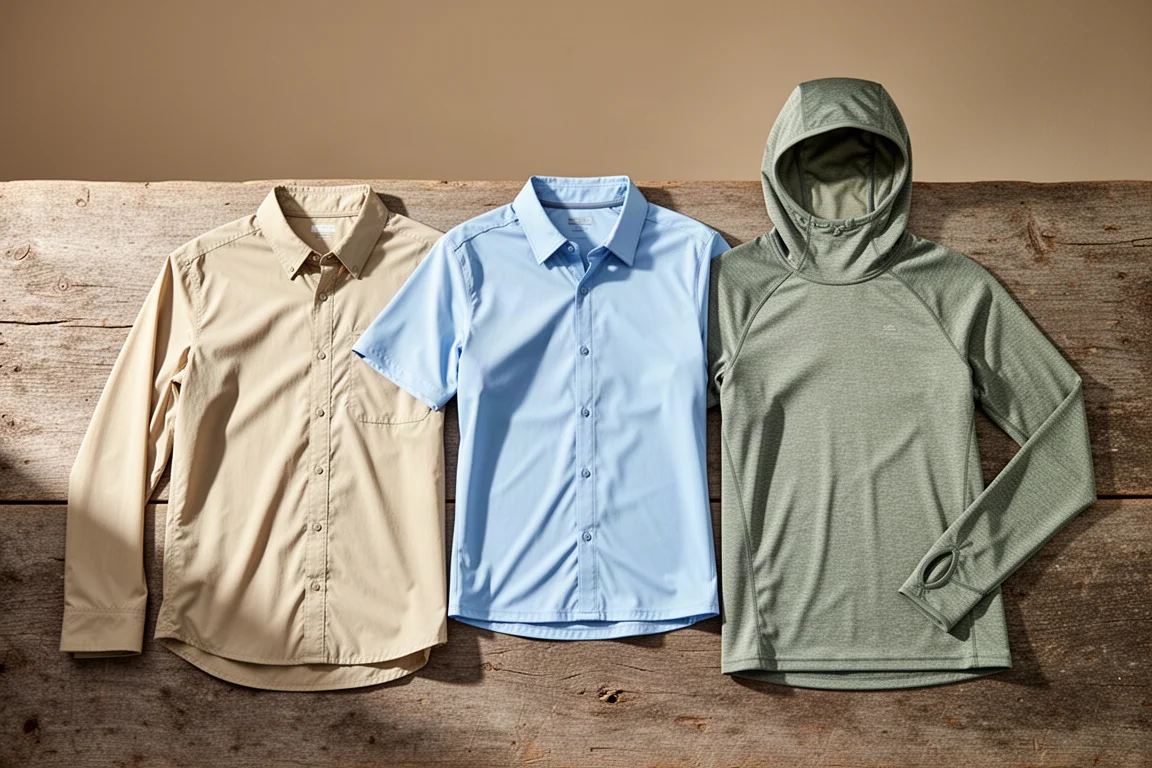
Two garments come up again and again for desert and high-exposure backpacking: the ventilated button-up fishing shirt, often shortened to PFG, and the sun hoodie. Both cover your arms and both promise protection from the sun, but they behave very differently once you are carrying a loaded pack for hours at a time.
PFG stands for performance fishing gear, and it describes a broad family of button-up shirts with vents, roll-up sleeves, and a relaxed cut. Sun hoodies take the opposite approach: a single soft, stretchy piece with a close hood, long sleeves, and often thumb holes. Each has a clear set of advantages, and the right answer depends on where you hike and how your body handles heat.
Below is a look at how the two styles compare on the factors that matter most, along with three specific shirts worth knowing about.
What to Consider in a Hiking Sun Shirt
Comfort comes first, because a shirt you have to fiddle with all day is a shirt you will resent. How it fits across the shoulders and chest, how the hem sits under a hip belt, and how the fabric feels against skin after several hours of sweating all matter more than spec sheets suggest.
Sun protection is the second factor, and it is where the two styles diverge most. Covering the scalp, ears, neck, and the sides of the face is difficult with a collared button-up alone, and that is exactly where a hood does the heavy lifting.
Moisture management and ventilation are closely linked. A shirt that dries quickly lets you use sweat, or deliberately soaked fabric, to cool down through evaporation. A shirt that breathes well keeps air moving across your skin. The best pick for a given trip usually balances those two rather than maximizing one of them.
Durability rounds out the list. Long trails are hard on fabric, and a shirt that holds its shape and color over hundreds of miles is worth more than one that feels perfect on day one.
Columbia Bahama Button-Up: The Durable PFG Standard
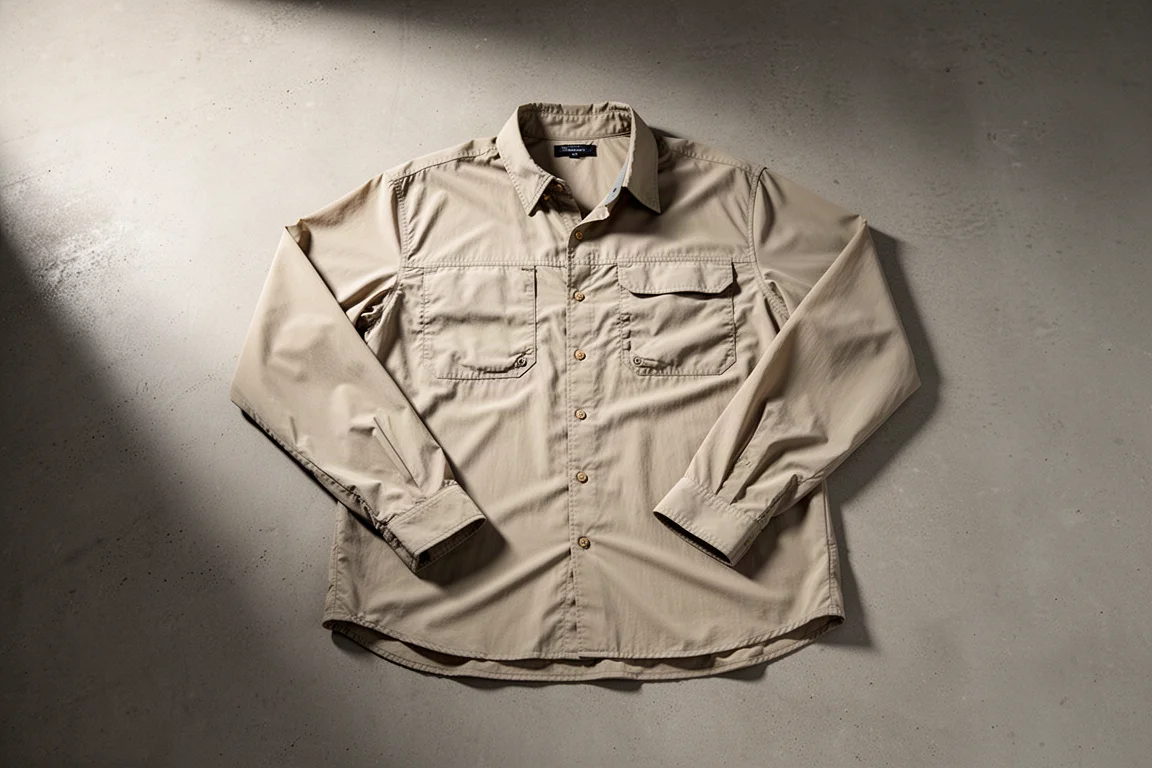
The Columbia Bahama is a 100% nylon button-up with a noticeably thicker hand than most lightweight hiking shirts. That extra substance is what built its reputation: it feels sturdy, it stands up to abrasion from pack straps, and it keeps looking presentable after repeated use.
The trade-offs are predictable. This is not the lightest fabric out there, and the sleeves tend to creep shorter over time with repeated washing and drying, which matters if you rely on them for coverage over your forearms and hands. The collar can be flipped up for a little extra neck protection, and the relaxed cut leaves room to move without binding across the chest.
Columbia Tamiami: The Lighter Polyester Button-Up
Columbia also builds thinner button-ups, and the Tamiami is the clearest example: a polyester shirt that is lighter and less substantial than the nylon Bahama. If your priority is a button-up that packs small and feels airy against the skin, this is the direction to look.
The catch is the fit. The lighter polyester cut does not suit everyone, and it is a common reason people drift back toward the Bahama or toward a sun hoodie instead. If you can try both before committing to a long trip, it is worth the time.
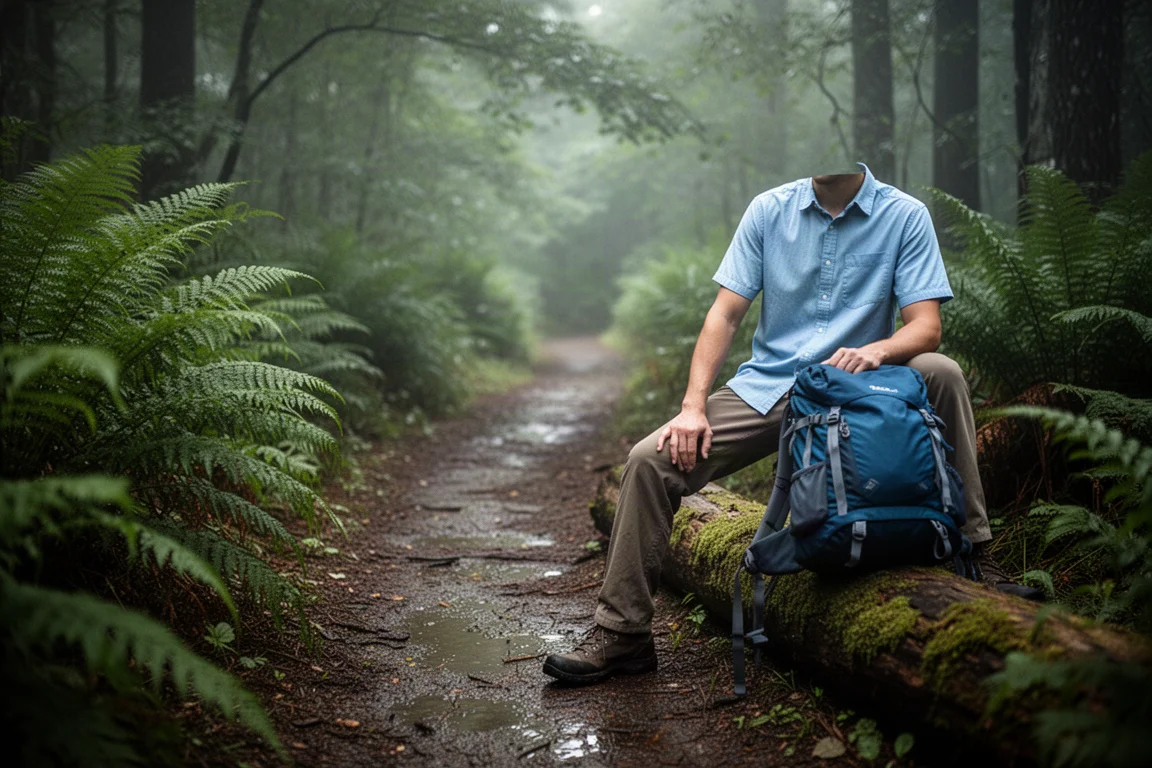
For humid, forested routes where airflow matters more than maximum toughness, a lighter button-up can be the more comfortable choice of the two.
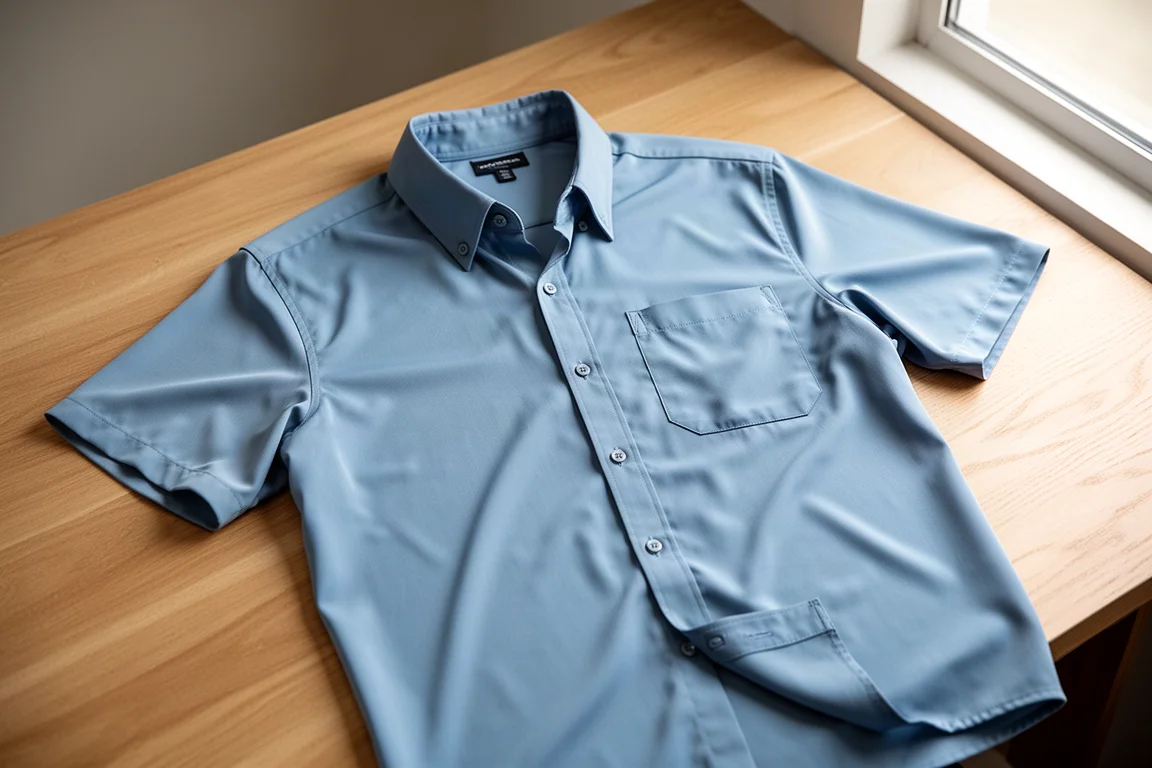
Mountain Hardwear Crater Lake Sun Hoodie: The Thinnest Option
The Crater Lake Sun Hoodie from Mountain Hardwear is built from 88% polyester with the remainder elastane, and it stands out for how thin and soft the fabric feels. Among the sun hoodies tested on long-distance trails, this one has been the lightest and most comfortable so far.
The stretch content helps the hood and sleeves stay in place without pulling across the shoulders, and the thin knit is the reason it works so well in serious heat. It is not the most rugged garment in this comparison, and like most sun hoodies it does not replace a hat for face coverage.
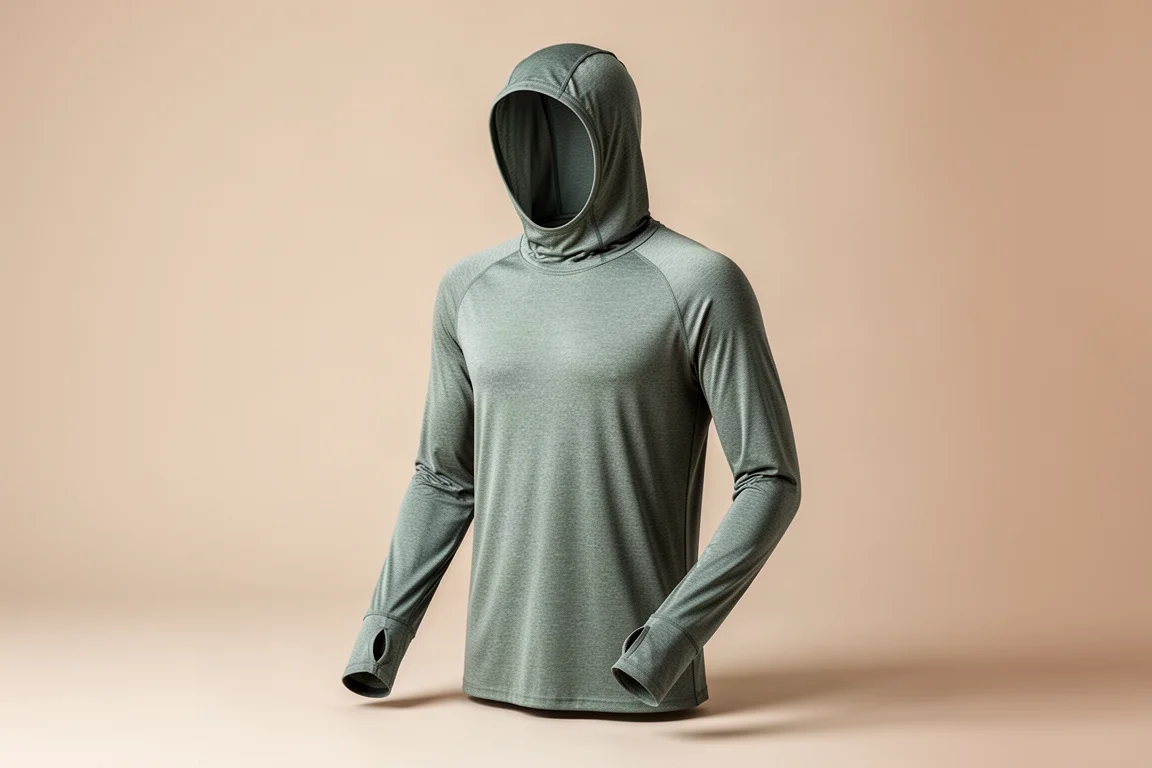
Sun Protection and Ventilation Compared
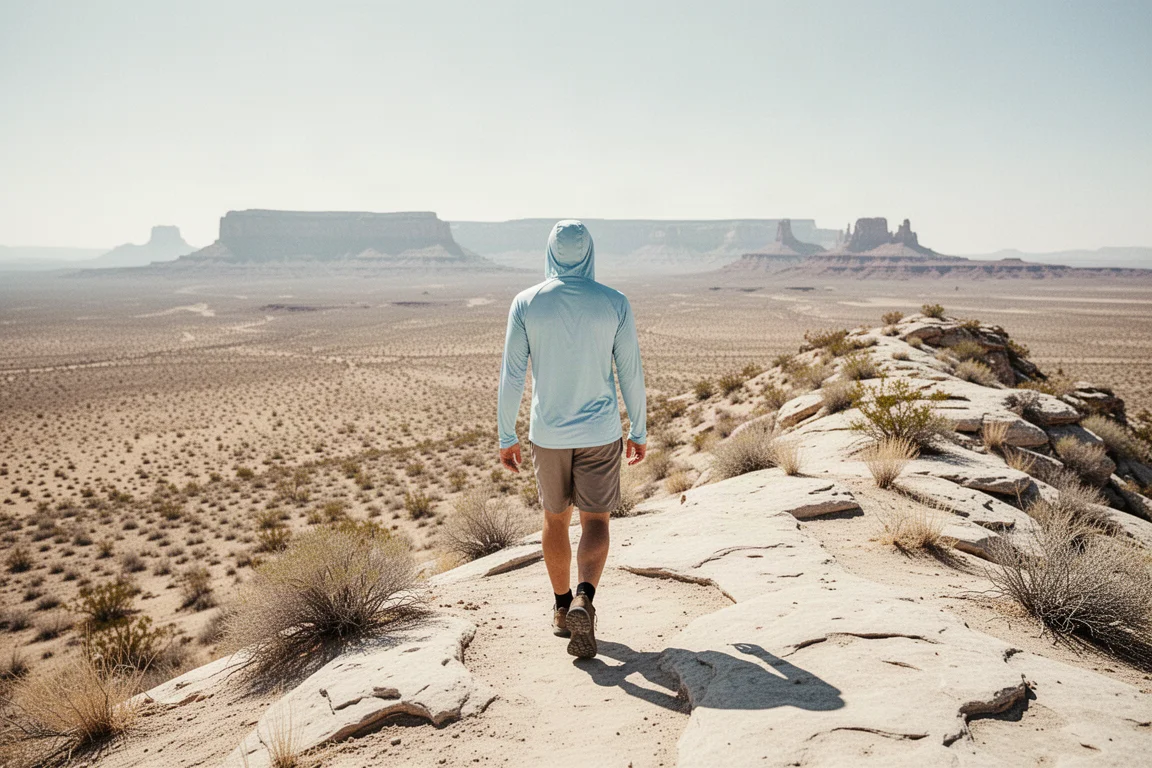
On sun coverage, the sun hoodie wins clearly. A hood covers the scalp, ears, and neck, and the close fit shades part of the sides of the face. Thumb holes on many models extend protection across the back of the hands and wrists. That said, a hood alone leaves the tip of the nose exposed, so pairing a sun hoodie with at least a ball cap remains the practical approach. A wide-brimmed hat is harder to combine with a hood, and an umbrella is another way to add shade in fully exposed terrain without putting anything on your head.
Ventilation favors the button-up. Most shirts in this style include a vent across the back, and you can unbutton the front partway or all the way, roll the sleeves, and secure them with a tab or loop. With a hood up, you lose the breeze across your neck and ears, which is why a ventilated button-up often feels cooler in moderate heat.
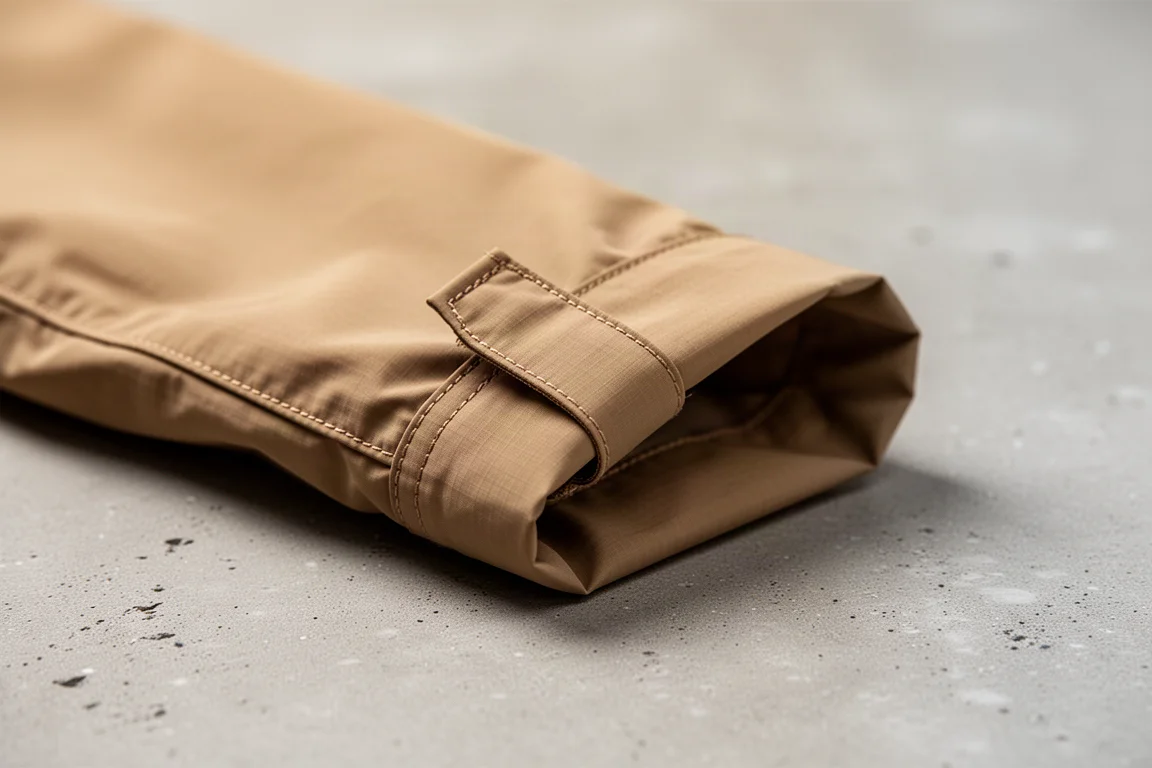
There is one important exception. In extreme heat, well above 100 degrees Fahrenheit, with reliable access to water, a thin sun hoodie that you can soak becomes the better tool. Wet fabric plus full coverage keeps the sun off your skin while evaporation does the cooling, and that combination is hard to match with a button-up.
Comfort, Moisture Management, and Durability
Comfort generally goes to the sun hoodie. The fabric is softer and more fluid, the garment bunches less, and it rides up less under a hip belt than a button-up that has to be tucked or adjusted. For hikers with a larger chest, a stretchy pullover is also simply easier to wear than a placket that has to close.
On moisture, sun hoodies offer far more fabric choices. Synthetics such as polyester dominate, but thinner natural options like merino and other fibers show up mostly in hooded designs rather than in button-ups. Quick drying matters because evaporative cooling is the whole mechanism: a shirt that stays soaked stops helping you and starts weighing on you.
Durability belongs to the button-up. A thicker nylon shirt tends to be more rugged and holds its appearance longer than a thin knit hoodie, which is a real consideration over a multi-month hike even if it is not a dealbreaker for weekend trips.
Buying Advice
Choose a ventilated button-up if you want maximum airflow, a garment that ages well, and the versatility of a front placket you can open and close through the day. The thicker nylon build is the more durable direction, while a lighter polyester version trades some toughness for packability and breathability.
Choose a sun hoodie if sun coverage and comfort are the priorities, especially on exposed routes where you will be in the sun for hours. A thin polyester and elastane model is the most comfortable option in serious heat, and it is the one to soak when temperatures climb.
Hybrid designs also exist that pair a hood with a soft, ventilated button-up body, which can be a sensible middle ground if you want coverage without giving up the airflow of a placket. Whichever direction you take, plan on a hat for your face, and consider sun gloves if you wear a button-up with sleeves that have shortened over time.
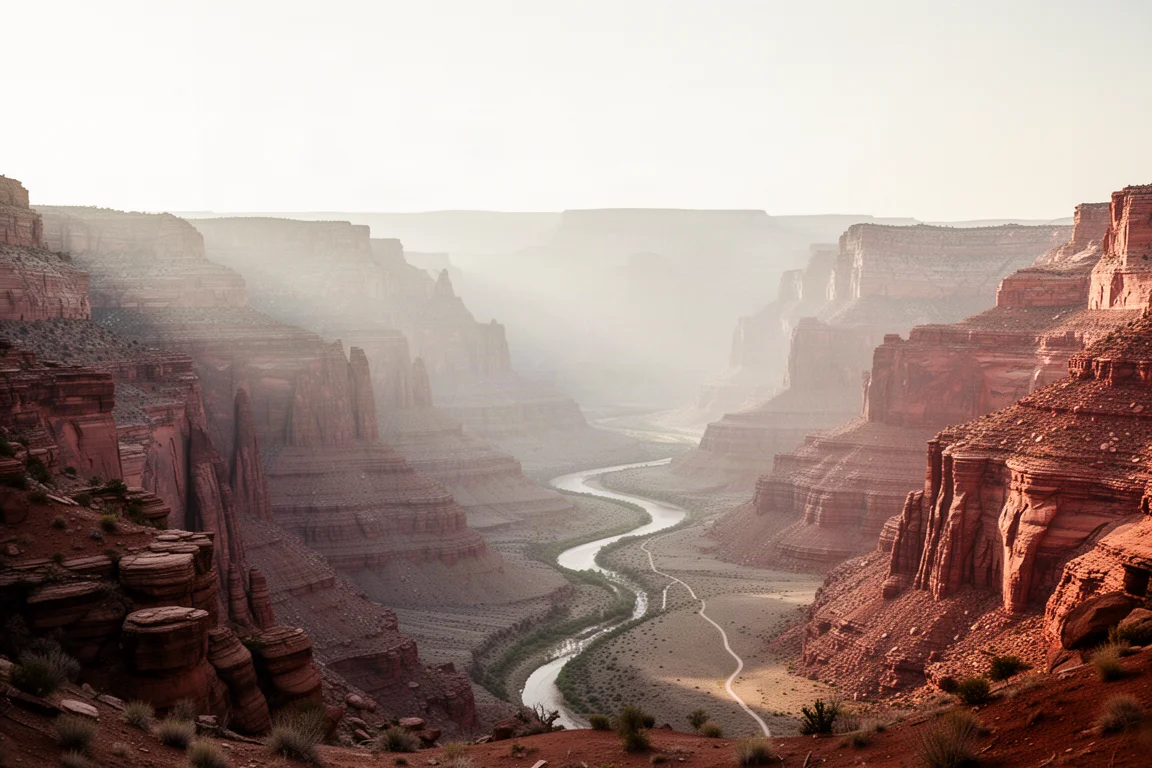
Whichever way you lean, the deciding factor is usually the environment rather than the garment. Desert and high-altitude exposure push toward a hood, while humid forest and shoulder-season trips often favor a shirt you can open up.
Conclusion
Sun hoodies and ventilated button-ups are both legitimate choices for hiking and backpacking, and the split comes down to how you weigh coverage against airflow. A hood offers the most complete sun protection and the most comfortable fit, particularly in extreme heat where you can soak the fabric. A button-up offers better ventilation, more durability, and a level of versatility that is hard to beat in moderate conditions. Matching the shirt to the terrain you actually hike is the surest way to get it right.
Further reading
Related Reviews
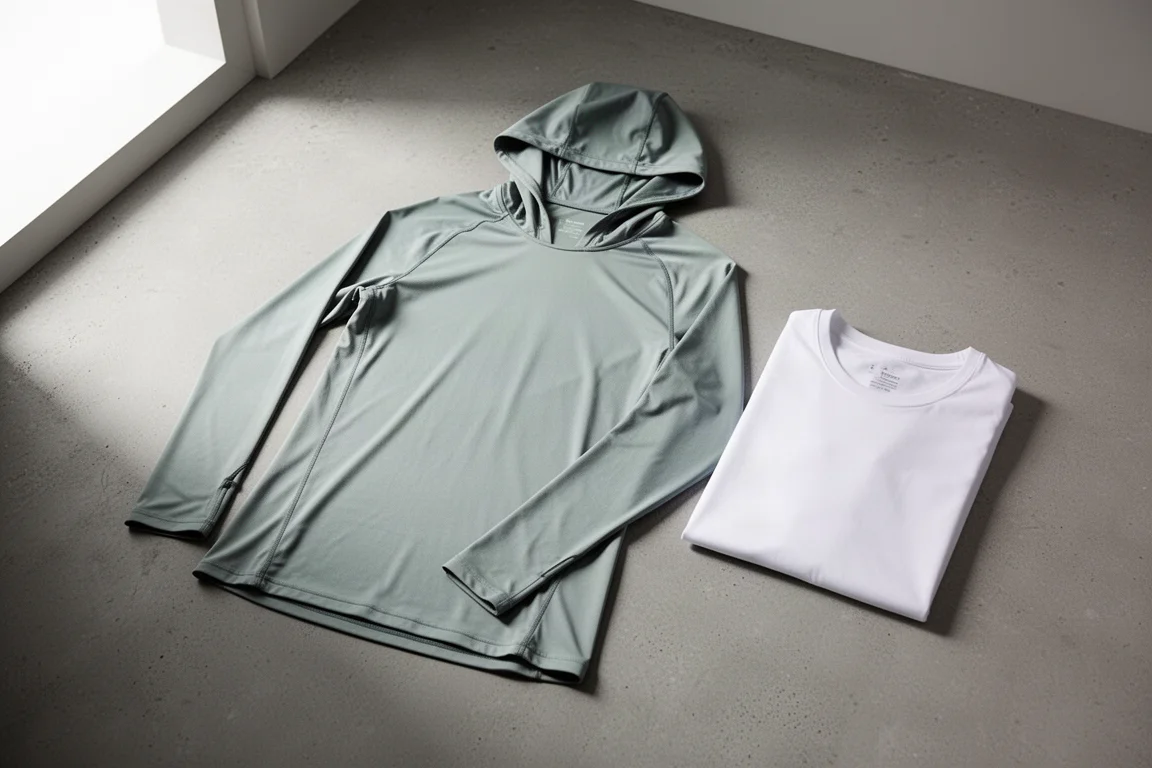
Hiking Apparel
Outdoor Vitals Altitude Sun Hoodie Review: Performance vs a Cotton T-Shirt
A field comparison of the Outdoor Vitals Altitude Sun Hoodie against a plain cotton t-shirt on a hot, exposed 15-mile canyon hike, covering airflow, sun coverage, and drying speed.
Hiking Apparel
Skyline Trail Shorts Review: A Trail-Specific Short for Big Mileage Days
A practical look at the Skyline Trail Shorts, built around ventilation, moisture management, durability, coverage, and movement for hikers logging long days on trail.
Backpacking Gear
8 Ultralight Backpacking Gear Upgrades Worth Carrying
Eight small, affordable backpacking upgrades that solve real trail annoyances, from a pillow that stays put to a fuel valve that rescues leftover canister gas.