Hiking Apparel
Outdoor Vitals Altitude Sun Hoodie Review: Performance vs a Cotton T-Shirt
A field comparison of the Outdoor Vitals Altitude Sun Hoodie against a plain cotton t-shirt on a hot, exposed 15-mile canyon hike, covering airflow, sun coverage, and drying speed.
Introduction
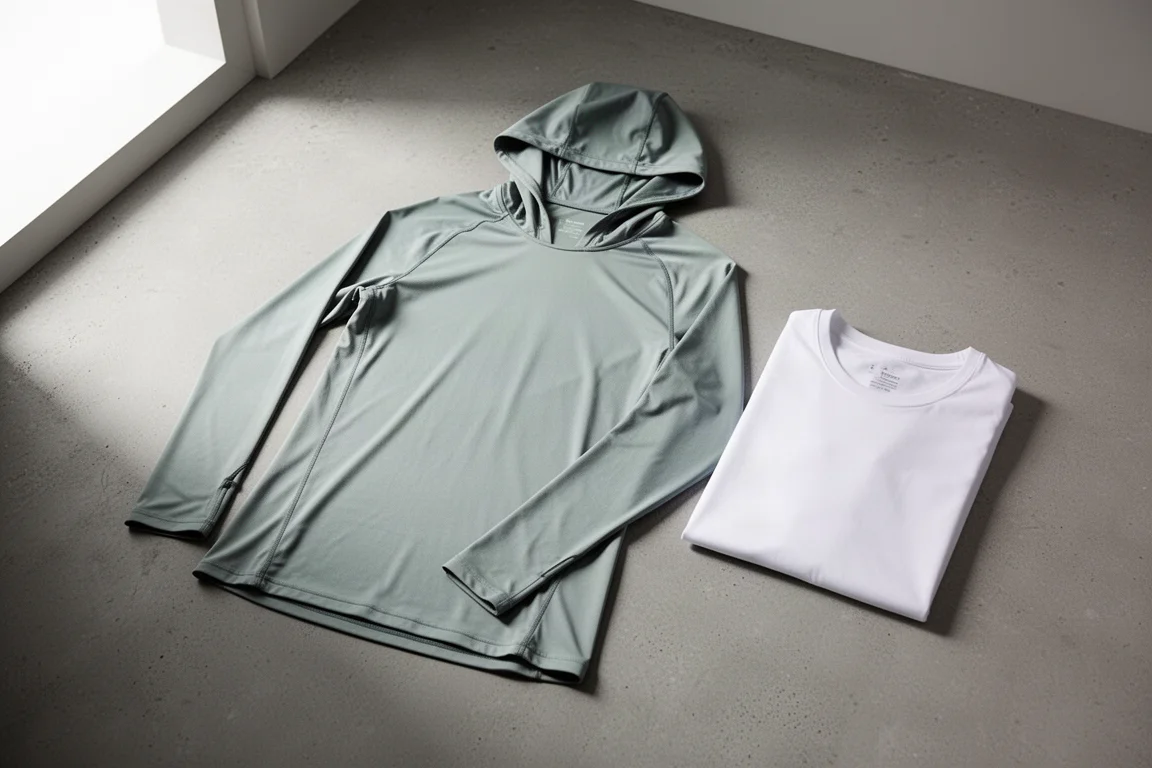
Cotton t-shirts are comfortable, inexpensive, and already in the drawer, which is exactly why so many hikers wear them. The more useful question is not whether a performance layer is better in theory, but how much better it actually is on a long, hot, exposed day. To find out, two shirts went onto the same trail: a plain cotton tee on one hiker and the Outdoor Vitals Altitude Sun Hoodie on several others, across roughly 15 miles of a slot canyon with direct sun, canyon water, and a full pack.
The gap showed up in three places: heat and mugginess, sun coverage at the neck, and how quickly each shirt dried after being soaked. Those three factors are what this review covers.
Who This Sun Hoodie Is For
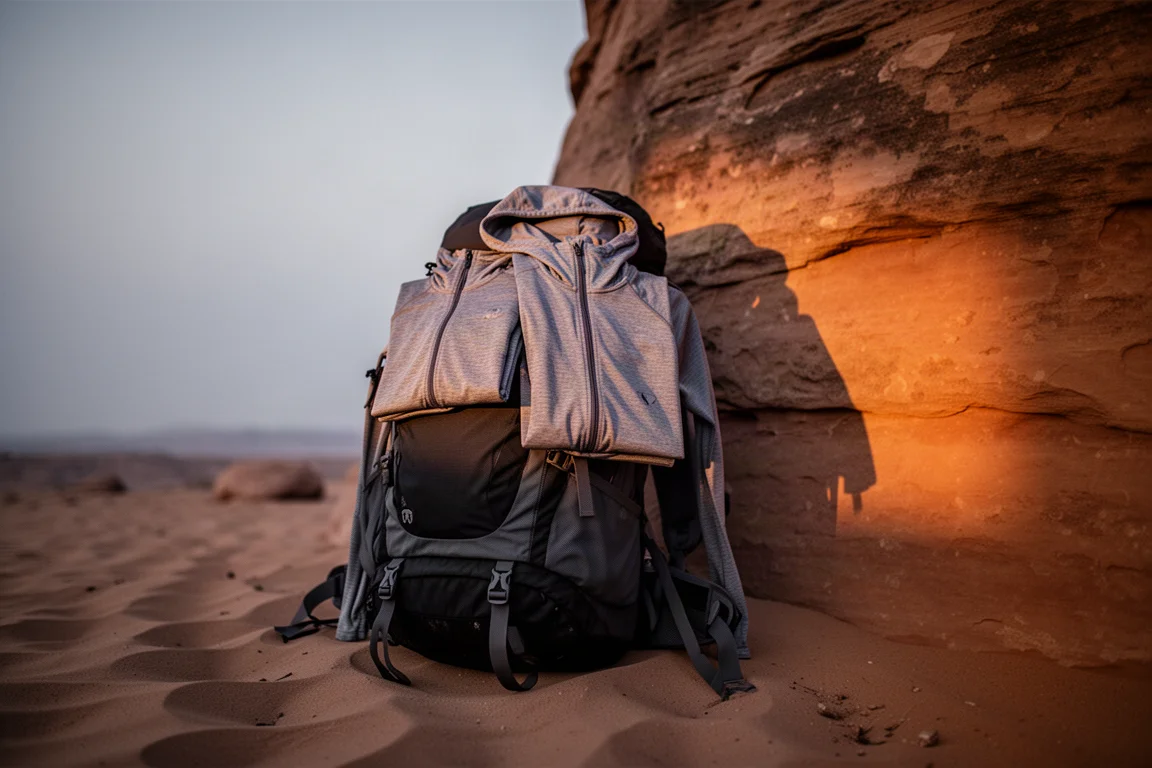
The Altitude Sun Hoodie is aimed at hikers and backpackers who spend long stretches in direct sun with limited shade. Desert canyons, exposed ridges, high-altitude trails, and any route where you keep moving for hours under a strong sun all fit that description. It also suits anyone who wants neck and head coverage built into the layer itself rather than carried separately as a hat or reapplied as sunscreen.
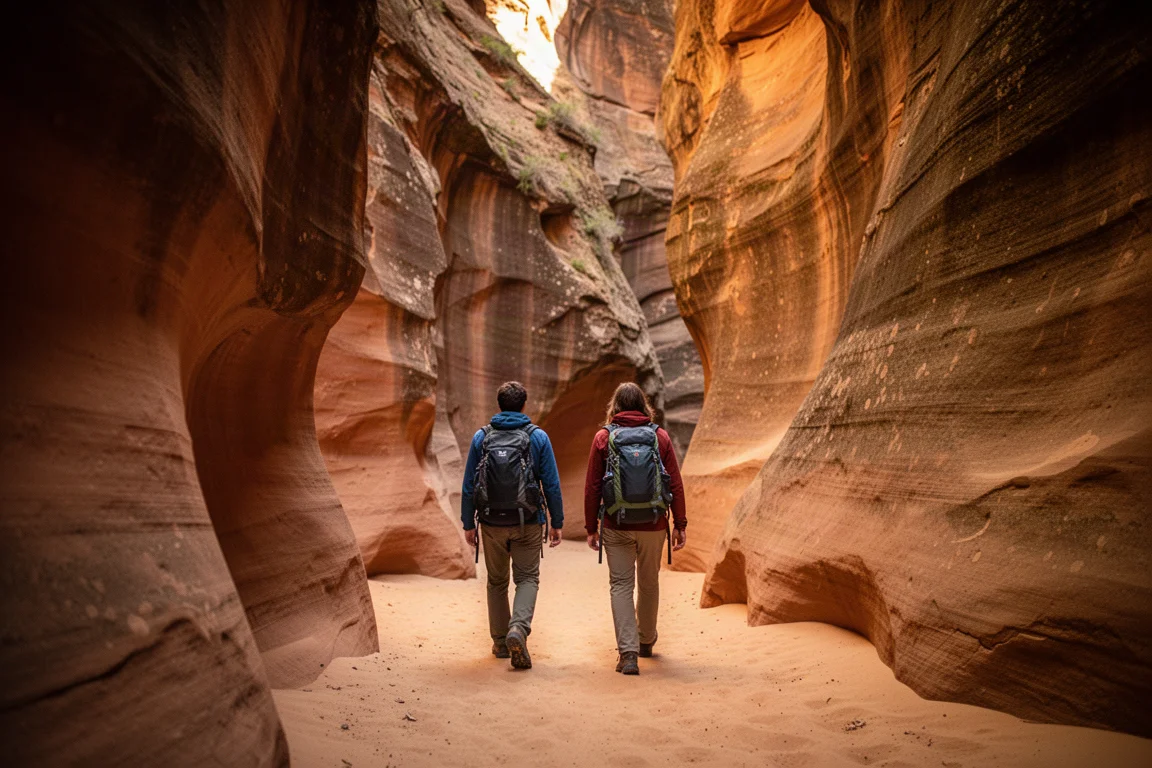
It is less compelling for short, shaded walks in mild weather, where a basic t-shirt performs perfectly well and the extra cost buys very little. The case for the hoodie is strongest when exposure is sustained rather than occasional.
Main Strengths in Hot, Exposed Terrain
Two miles in, in the cool shade of the canyon, every hiker wearing the Altitude reported no sweat and no mugginess. The hiker in the cotton tee was already building heat, describing it as a three or four out of ten and feeling the fabric trap warmth instead of letting air move through. That is the first advantage: a polyester knit passes moisture and breeze where cotton holds both against the skin.
The second advantage is coverage. A hood covers the neck and the back of the head without extra gear. Sitting in the sun through a long lunch stop, the cotton wearer’s neck took the full brunt of the exposure and ended the day raw and sunburned, with no way to shield it. That is not a comfort detail, it is a real cost of leaving the hood at home.
How It Handles Water, Sweat, and Drying Time
Both shirts were dunked in canyon water and put back on wet to see how they behaved. The Altitude dried in about 22 minutes, still slightly damp only around the sleeves. The cotton tee was still fully wet at the same checkpoint, including across the shoulders, and needed close to 60 minutes to reach a comparable state. That puts the hoodie at roughly two to three times the drying speed.
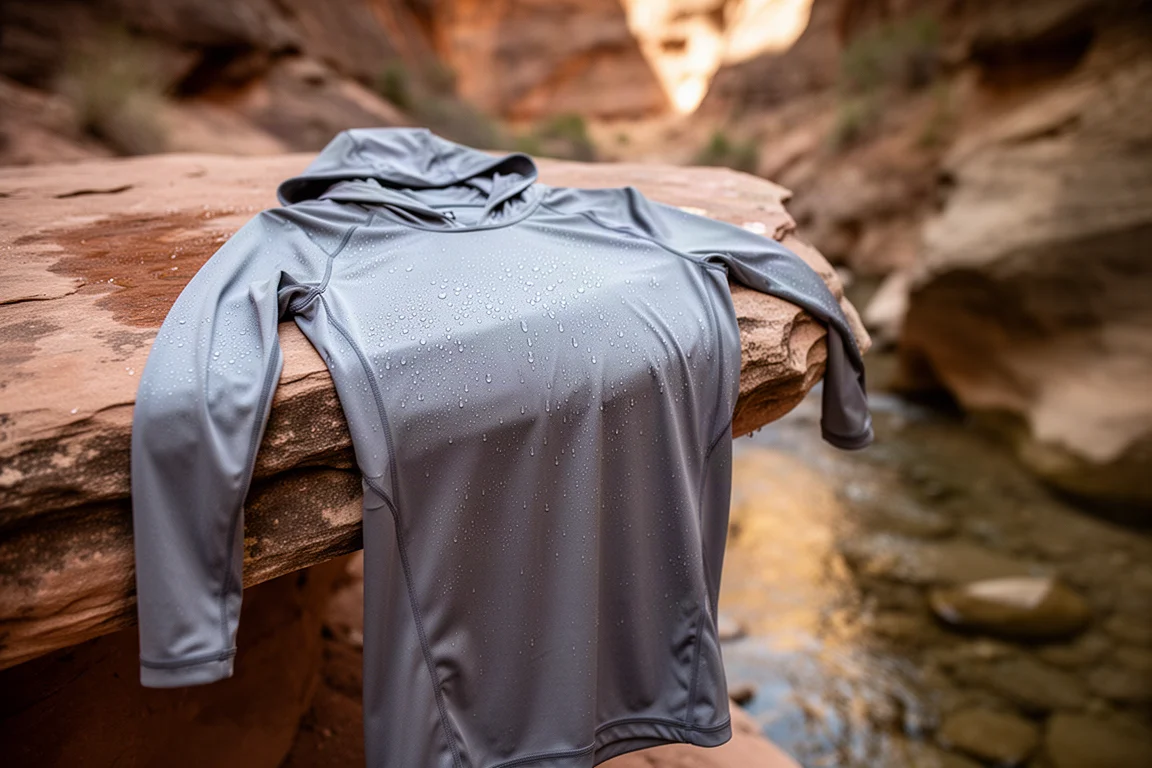
That difference matters most when conditions change quickly. A wet cotton shirt stays wet, gets heavier, and stretches. By the end of the day, the cotton tee had bagged out around the shoulders, its sleeves had grown longer, and the fabric was sliding toward the pack straps. No chafing occurred on this trip, but a loosening fit and movement toward the straps is exactly how chafing starts on a multi-day route.
What the Hood Adds for Sun Exposure
The hood is the one feature a t-shirt cannot replicate. It shades the neck, ears, and the back of the head continuously, without a separate hat and without stopping to reapply sunscreen. For anyone who burns easily, or who hikes at altitude where sun exposure is stronger, that continuous coverage is the practical argument for choosing this layer over a closet t-shirt.
It also means one less item in the pack. A hood replaces a hat for many hikers on exposed routes, and it stays in place while you move rather than shifting or blowing off.
Where a Cotton T-Shirt Still Makes Sense
It is worth being fair to cotton. In very hot, dry conditions, a soaked cotton shirt can feel genuinely cooling against the skin, and on this particular trip the tee held up well enough to finish the day. If your hiking is short, shaded, or in mild temperatures, cotton remains a reasonable and inexpensive choice.
The problem is compounding. One hot day in cotton is tolerable; five in a row means repeated moisture against the skin, repeated stretching, and repeated sun exposure at the neck. Cotton also becomes a liability when temperatures swing, because a wet cotton shirt that felt comfortable in the heat becomes cold and slow to dry once the sun drops or the wind picks up.
Things to Consider Before Buying
The Altitude is a purpose-built performance layer, and it costs more than a t-shirt you already own. That price buys faster drying, better airflow, and built-in sun coverage, but only if you actually hike in conditions that need them.
Fit and pack interaction are worth checking too. A hoodie worn under a loaded pack sits against the shoulder straps all day, so the fit across the shoulders and the hem length matter. On this trip the performance layer stayed in place while the cotton shirt slid, but that outcome depends on the hoodie fitting you properly.
Finally, treat the hood as the main reason to buy. If you do not want hood coverage, a lighter synthetic t-shirt may serve you just as well for less.
Buying Advice
If you hike long days in direct sun, at altitude, or through exposed terrain, the Outdoor Vitals Altitude Sun Hoodie is a sensible purchase. It addresses the three things that make cotton a poor fit for that kind of day: it breathes, it covers, and it dries fast. Hikers who want to carry less, reapply sunscreen less, and stay drier under a pack get the most value from it.
If your outings are short and shaded, or you only hike in mild weather, there is no strong reason to replace what already works. The right call depends on how often you find yourself exposed for hours at a time.
Conclusion
Cotton is not a bad shirt, it is simply not built for sustained heat, sun, and moisture. Against a polyester sun hoodie on the same trail, it ran warmer, offered no neck coverage, and dried two to three times slower. The Altitude Sun Hoodie delivers what it promises for exposed, high-mileage days, and for hikers who spend real time in those conditions it is the more comfortable and more protective choice.
Product link
View more details for Outdoor Vitals Altitude Sun Hoodie
This product is mentioned in the review. Check the specifications, options, and compatibility before buying.
View more details for Outdoor Vitals Altitude Sun HoodieFurther reading
Related Reviews
Hiking Apparel
Skyline Trail Shorts Review: A Trail-Specific Short for Big Mileage Days
A practical look at the Skyline Trail Shorts, built around ventilation, moisture management, durability, coverage, and movement for hikers logging long days on trail.
Hiking Apparel
Sun Hoodies vs PFG Button-Up Shirts for Hiking: Which One Should You Pack?
A practical comparison of ventilated button-up hiking shirts and sun hoodies, with three specific options and the trade-offs that actually matter on trail.

Backpacking Gear
Building a 10 lb Base Weight: An Ultralight Backpacking Gear List
A practical walkthrough of the ultralight pieces behind a 10 lb base weight, from a 765 g pack and a roomy one-person tent to a full camp chair and a dependable water filter.