Hiking Apparel
Skyline Trail Shorts Review: A Trail-Specific Short for Big Mileage Days
A practical look at the Skyline Trail Shorts, built around ventilation, moisture management, durability, coverage, and movement for hikers logging long days on trail.
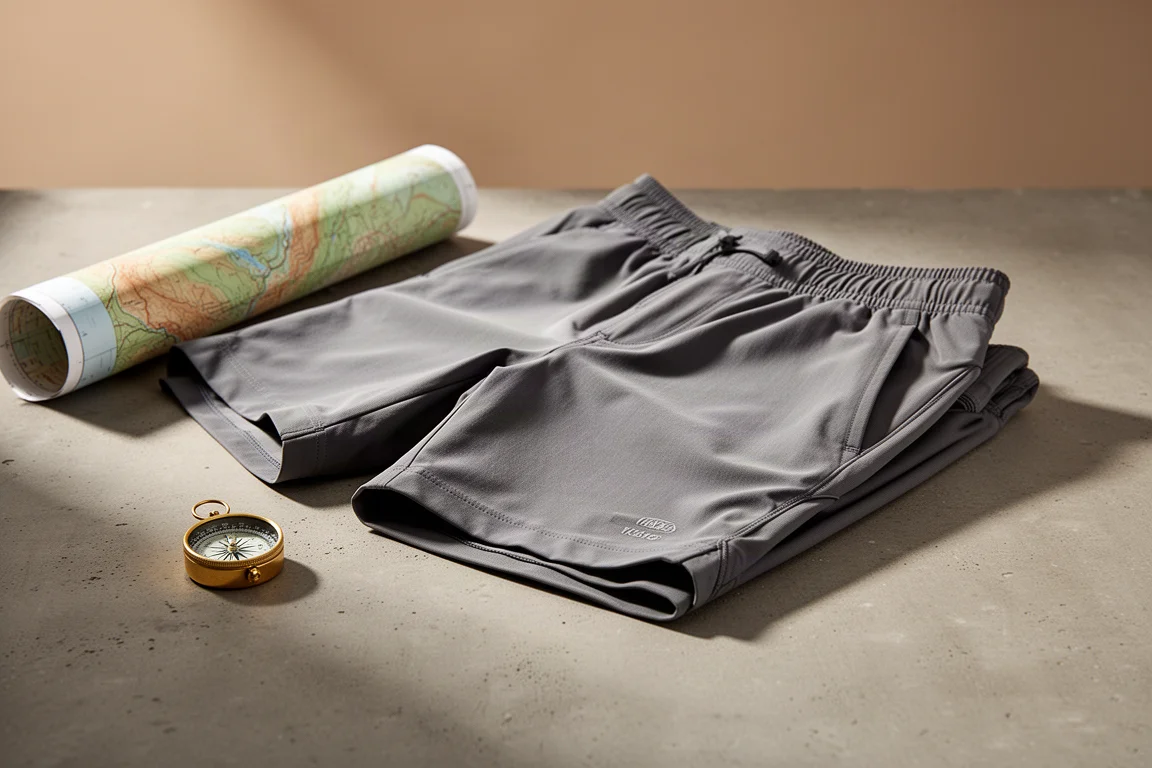
Introduction
Most hikers start out in pants simply because that is the default. It usually takes a genuinely hot trip to force the question, and once it does, the answer tends to be obvious. Shorts are easier to move in, they ventilate far better, and the drawbacks people worry about are smaller in practice than expected.
Brush, bugs, sun exposure, and dirt all get raised as reasons to keep the legs covered. Each is manageable on trail with a little planning rather than a full-length garment. A tick check at the end of the day, bug spray or wipes for exposed skin, and sensible break habits cover most of the concern, and a little trail dust has never stopped anyone from enjoying a long day out.
That shift in thinking is what makes a trail-specific short worth considering. The Skyline Trail Shorts were built from start to finish around a single type of user: people putting in big miles and long days on trails.
Who This Product Is For
These shorts are aimed at hikers and backpackers whose days are measured in distance rather than in campsite hours. If a typical outing involves a loaded pack, long stretches of climbing and descending, and hours of steady movement, the priorities change. Ventilation, freedom of movement, moisture handling, durability, and adequate coverage all matter more than details that only look good off trail.
They also suit hikers who carry their essentials on a hip belt or in shoulder strap pockets. With a pack on, pockets go largely unused, so the design trade-offs of a lighter, more mobile short cost very little in practice.

Shoulder-season hikers are a good fit too, provided they plan to layer. A lightweight thermal worn underneath handles cold mornings and evenings, which means one garment covers more of the season than a single pair of pants would.
Main Strengths
The design brief behind the Skyline Trail Shorts was narrow on purpose: ventilation, moisture management, durability, coverage, and movement. That focus shows up in how the short behaves over a long day rather than in any single headline feature.
Better airflow keeps things drier during sustained climbs, and a stretch-forward cut supports the long, repeated stride of a full day on trail. Durability and coverage act as the counterweights that keep a lightweight short practical on rough ground, where snags and abrasion are part of the terrain.
The brand also makes a light-hearted plus-2-mile claim about these shorts. It is not a literal guarantee, but the sentiment behind it is the real point: gear that disappears from your awareness lets you keep walking.
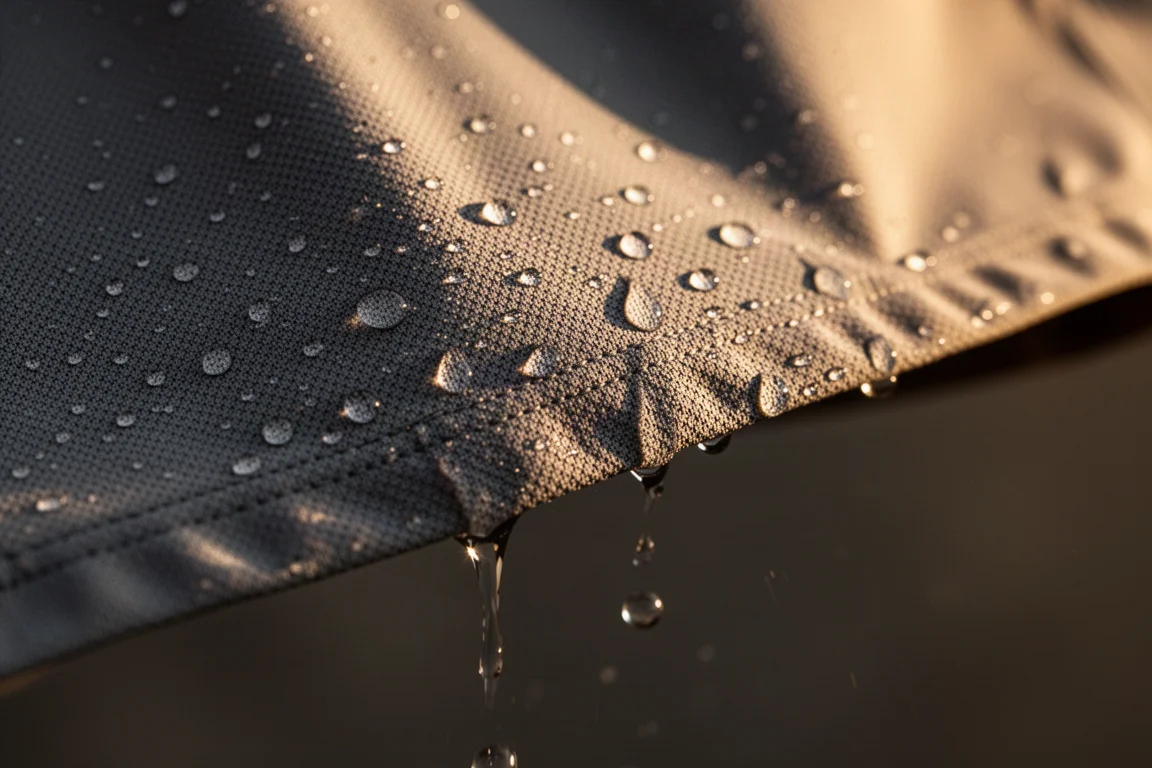
That blend of breathability and unrestricted movement is what allows a short like this to replace pants for most of a hiking season, instead of being reserved for the hottest afternoons.
Things to Consider Before Buying
Shorts are not a universal answer. In late third-season and fourth-season conditions, when mileage is short and protection matters more than ventilation, pants still have a clear role. A short trip close to a trailhead in cold, wet weather is a good example of when to keep them in the rotation.
The other consideration is what you are replacing. Convertible zip-off pants are a common compromise, but zipper discomfort and fit problems are frequent trade-offs, and the zip-off function often ends up unused or half-opened as a vent. If airflow is the goal, a dedicated vented short or pant is the cleaner route.
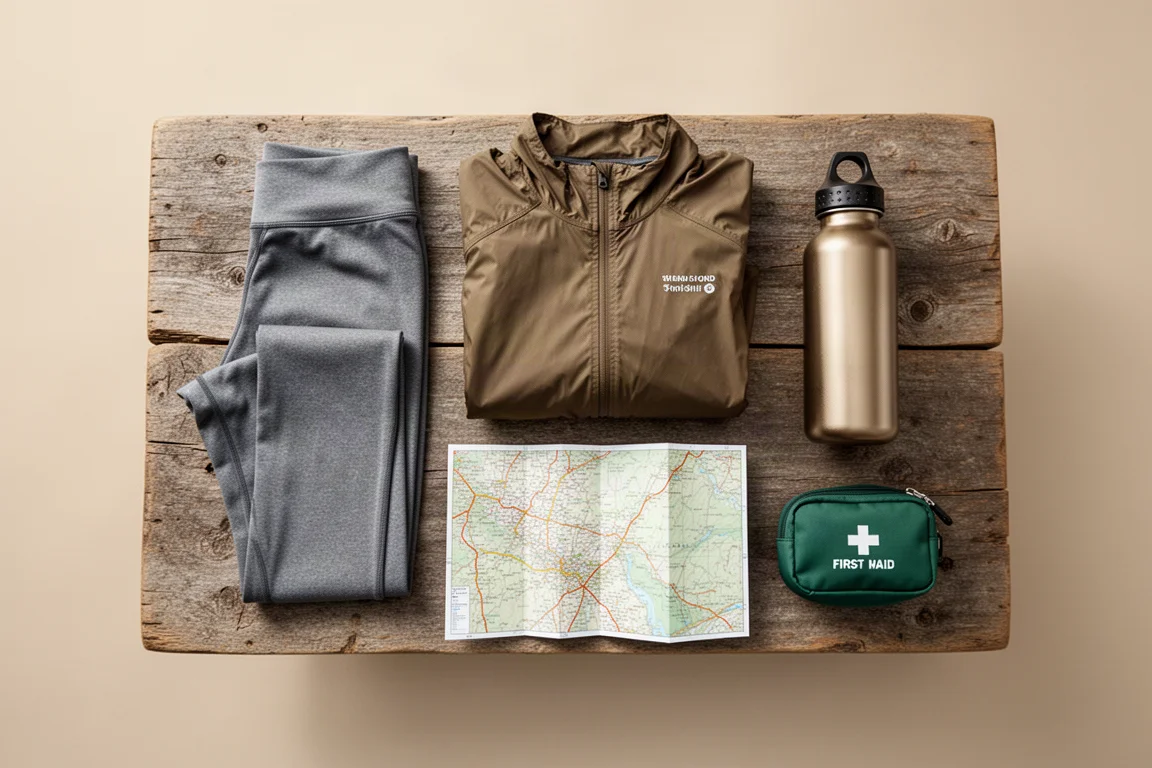
Cold mornings and evenings are worth planning for as well. A lightweight thermal layer worn under the shorts covers the edges of the day and doubles as sleeping insulation.
Anyone hiking in tick country should keep their usual routine regardless of what their legs are wearing, and bug spray or wipes belong in the pack either way. The same logic applies to sun: legs usually receive less exposure than the face and arms, but shade, breaks, and sunscreen still matter.
Buying Advice
The practical way to decide is to match the garment to the conditions you actually hike in. If the bulk of your season is warm, long, and moving, a trail-focused short is the more comfortable and more efficient choice. If your calendar is dominated by cold, wet, low-mileage trips, pants remain the sensible default.
Layering closes the gap between the two. A lightweight thermal legging and a thin wind or rain shell add cold-weather and wet-weather coverage for very little weight, and each piece works independently: a sleeping layer, a wind block, or something packed away while you walk.
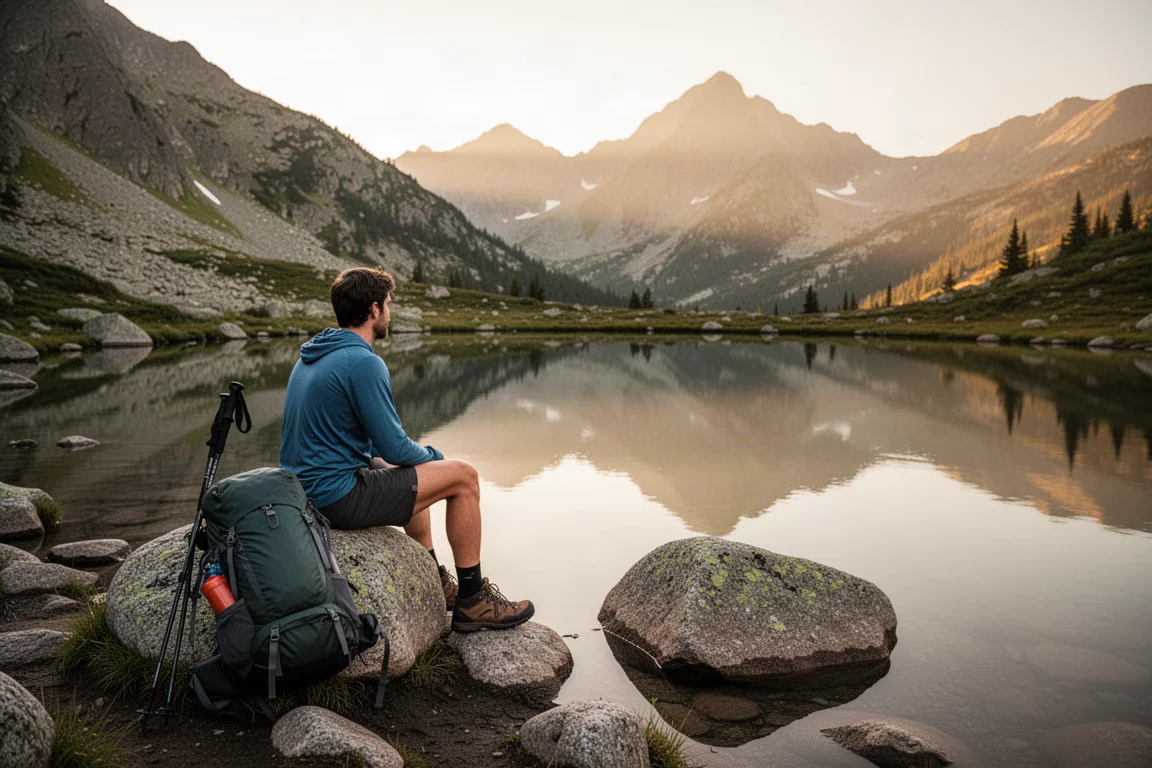
For hikers who have been putting off the switch, the most useful step is a single warm-weather trip in shorts. If movement, ventilation, and light weight matter more to you than the reassurance of full leg coverage, the Skyline Trail Shorts are a straightforward place to start.
Conclusion
The Skyline Trail Shorts make the most sense for hikers who already suspect that pants are holding them back on warm, high-mileage days. Their strengths line up with what long trail days actually demand: airflow, moisture management, durability, coverage, and freedom of movement.
They are not a replacement for pants in cold, low-mileage conditions, and they assume you are willing to layer when temperatures drop. Within those boundaries, they are an easy recommendation for anyone ready to move on from a full-length garment for the majority of their hiking season.
Product link
View more details for Skyline Trail Shorts
This product is mentioned in the review. Check the specifications, options, and compatibility before buying.
View more details for Skyline Trail ShortsFurther reading
Related Reviews
Hiking Apparel
Outdoor Vitals Altitude Sun Hoodie Review: Performance vs a Cotton T-Shirt
A field comparison of the Outdoor Vitals Altitude Sun Hoodie against a plain cotton t-shirt on a hot, exposed 15-mile canyon hike, covering airflow, sun coverage, and drying speed.
Hiking Apparel
Sun Hoodies vs PFG Button-Up Shirts for Hiking: Which One Should You Pack?
A practical comparison of ventilated button-up hiking shirts and sun hoodies, with three specific options and the trade-offs that actually matter on trail.
Backpacking Gear
8 Ultralight Backpacking Gear Upgrades Worth Carrying
Eight small, affordable backpacking upgrades that solve real trail annoyances, from a pillow that stays put to a fuel valve that rescues leftover canister gas.