Hiking Apparel
Sun Hoodie vs PFG Button-Up Shirt for Hiking: Three Shirts Compared
A practical comparison of sun hoodies and ventilated button-up shirts for hiking and backpacking, covering the Columbia Bahama, Columbia Tamiami, and Mountain Hardwear Crater Lake Sun Hoodie.
Introduction
A ventilated button-up fishing shirt and a sun hoodie both exist to keep the sun off your skin while you walk, but they get there in different ways. One relies on airflow and a loose cut, the other on fabric that covers almost everything. Hikers and backpackers use both, and the right answer depends on the terrain, the temperature, and how you personally manage heat.
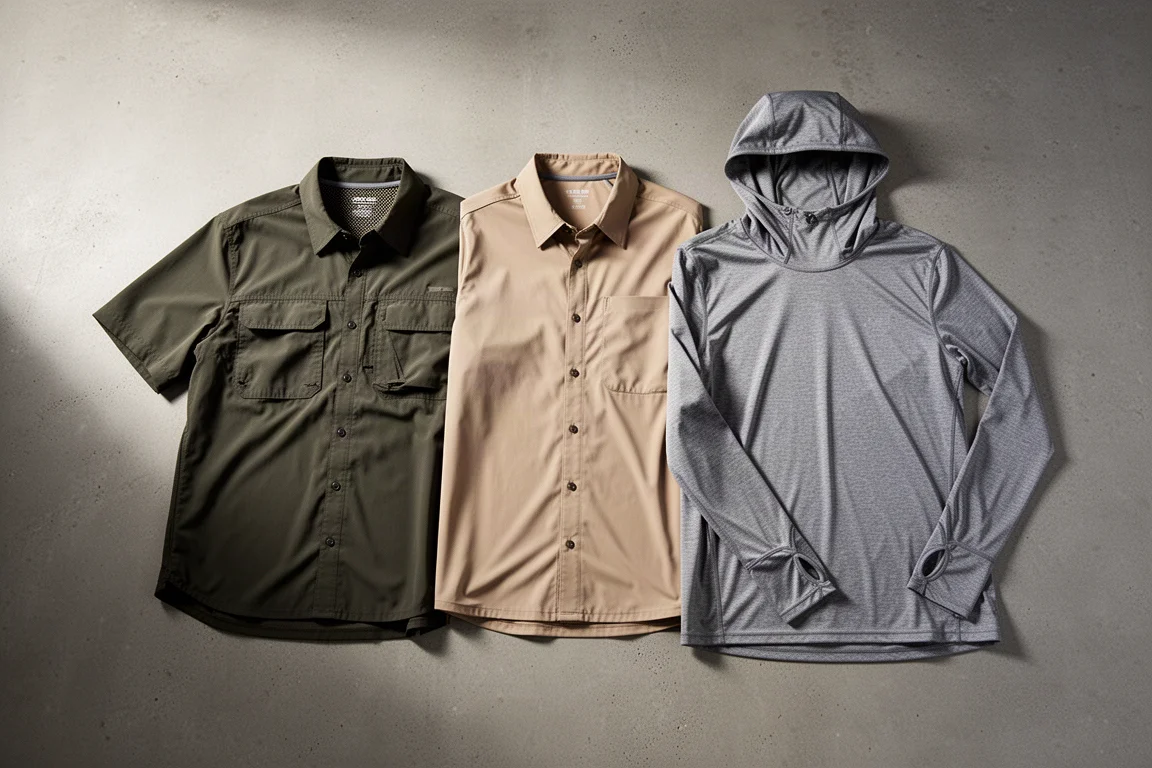
This guide compares three shirts that represent the two approaches: the Columbia Bahama button-up, the lighter Columbia Tamiami, and the Mountain Hardwear Crater Lake Sun Hoodie. Each is described in terms of comfort, sun coverage, moisture handling, ventilation, and durability, so you can judge which trade-offs matter for your own trips.
One note on vocabulary before going further. PFG stands for performance fishing gear, and among hikers it has become shorthand for any ventilated button-up shirt in that style rather than one specific brand. Sun hoodies are a separate category altogether, and they are now available in a wide range of fabrics, from thin synthetics to natural fibers such as merino wool.
What to Look For in a Hot-Weather Hiking Shirt
Comfort is the first thing most people notice. Sun hoodies are generally the more comfortable of the two, with softer fabric and a flowy cut rather than a structured one. Hikers with a larger chest often find a pull-on hoodie easier to live with than a shirt that has to be buttoned. Sun hoodies also tend to stay put better under a pack, bunching less and riding up less than a button-up that can get caught under a hip belt.
On coverage, the sun hoodie wins clearly. A hood covers the scalp, the ears, the neck, and part of the sides of the face, and long sleeves with thumb holes extend protection over the back of the hands. A button-up typically needs sun gloves to match that, plus a wide-brimmed hat for the ears and the upper neck. The collar on a button-up can be flipped up for some neck coverage, but the top of the head still depends on a hat.
Neither option removes the need for headwear entirely. Hikers who wear a sun hoodie with no hat at all can end up with badly burned noses and cheeks, so pairing either shirt with at least a ball cap is sensible. In very exposed terrain, a trekking umbrella is another way to shade the face without wearing a hat, and it lets air move underneath.
Moisture handling matters more than many people expect. The idea is that a wet shirt cools you as the water evaporates, so you want fabric that dries quickly instead of staying soaked. Sun hoodies generally do better here, and they come in a much wider spread of fabrics, including thin synthetics and natural fibers, which gives you more room to find one that dries fast and feels light.
Ventilation is where the button-up takes the lead in most warm conditions. A ventilated fishing-style shirt usually has a mesh vent across the back, and you can unbutton it fully or partially to dump heat. Sleeves often roll up and stay up, sometimes secured with a Velcro tab or a button loop. A sun hoodie is a single solid piece, so with the hood up there is no breeze reaching your neck, ears, or the top of your head. In moderate heat, the button-up is usually the cooler of the two.
Extreme heat is the exception. When temperatures climb well above 100 degrees Fahrenheit and water is available to soak the shirt, a sun hoodie’s full coverage and quick-drying fabric become an advantage, because you can wet it down and stay covered at the same time.
Durability favors the button-up. In practice, button-up styles tend to be a bit more rugged and to keep looking presentable for longer than sun hoodies do. It is rarely a dealbreaker, but it is worth weighing if you want a shirt that lasts through several seasons.
Columbia Bahama Button-Up: The Durable Standard
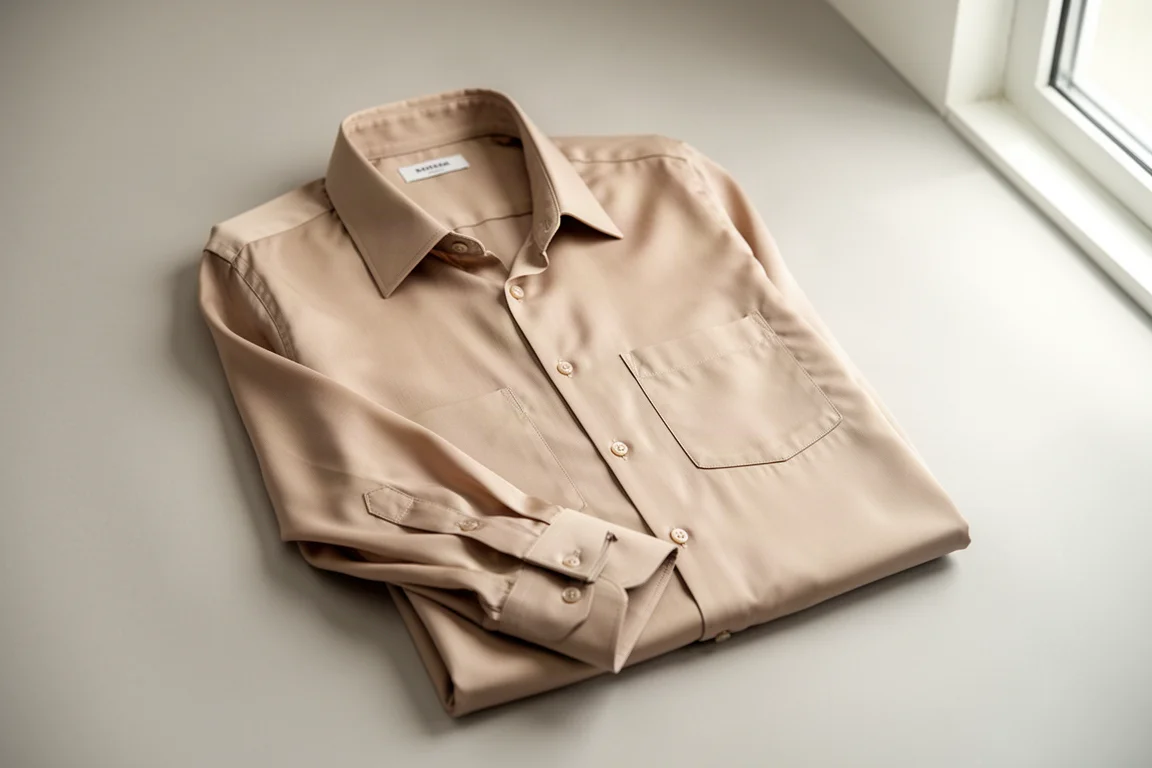
The Columbia Bahama is a 100% nylon button-up with a noticeably thicker hand than lighter alternatives. That extra substance is exactly what gives it its durable, hard-wearing feel, and it is the kind of shirt that has long been a default on desert routes.
It is a ventilated fishing-style shirt, so it brings the airflow features that make this category work: a mesh vent across the back, a front that can be opened up, and sleeves that roll and hold. Some versions secure the rolled sleeve with a Velcro tab or a button loop. The collar flips up for a bit of extra neck coverage when you need it.
The main practical caveat is the sleeves. Repeated washing and drying tends to shorten them over time, which gradually reduces arm coverage and pushes you toward adding sun gloves to match what a sun hoodie gives you out of the box.
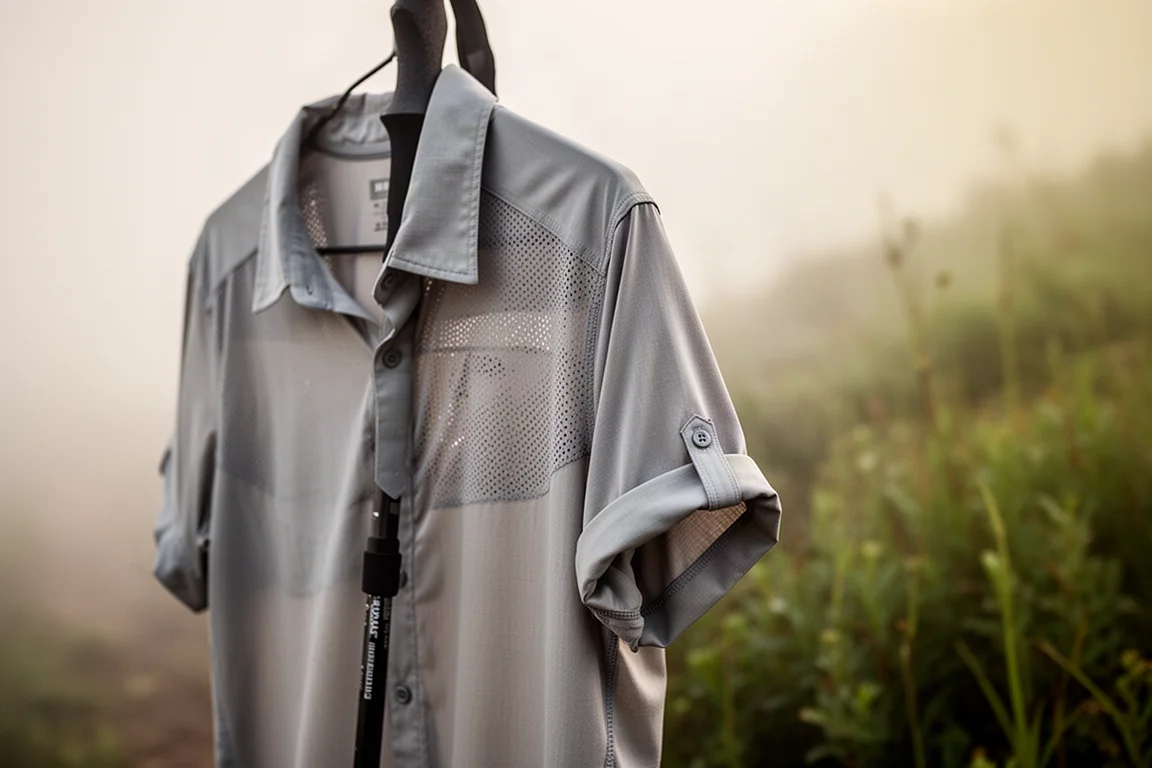
Because it is a button-up, the Bahama is the more ventilated option in ordinary warm weather, and the roll-up sleeves and flip-up collar give you several ways to adjust coverage as conditions change through the day.
Columbia Tamiami: A Lighter Button-Up Option
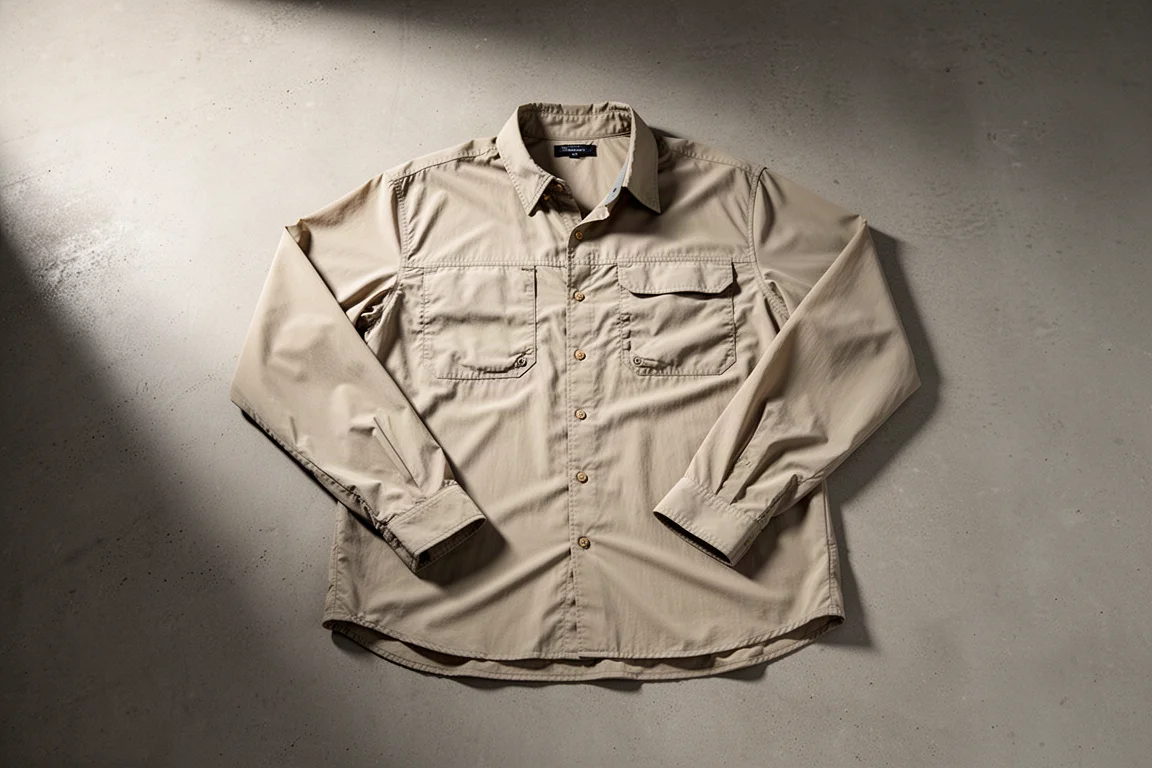
Columbia also makes thinner button-ups in the same ventilated style, and the Tamiami is the example that comes up most often. It is made from polyester rather than nylon, so the fabric is lighter and less substantial than the Bahama.
That lighter build suits hikers who find the Bahama too warm or too heavy, and it keeps the ventilated button-up formula intact. The trade-off is fit. The Tamiami’s cut is a matter of personal preference and it does not suit every wearer the same way, so it is worth trying on before committing to it for a long trip.
Mountain Hardwear Crater Lake Sun Hoodie: The Lightest Option
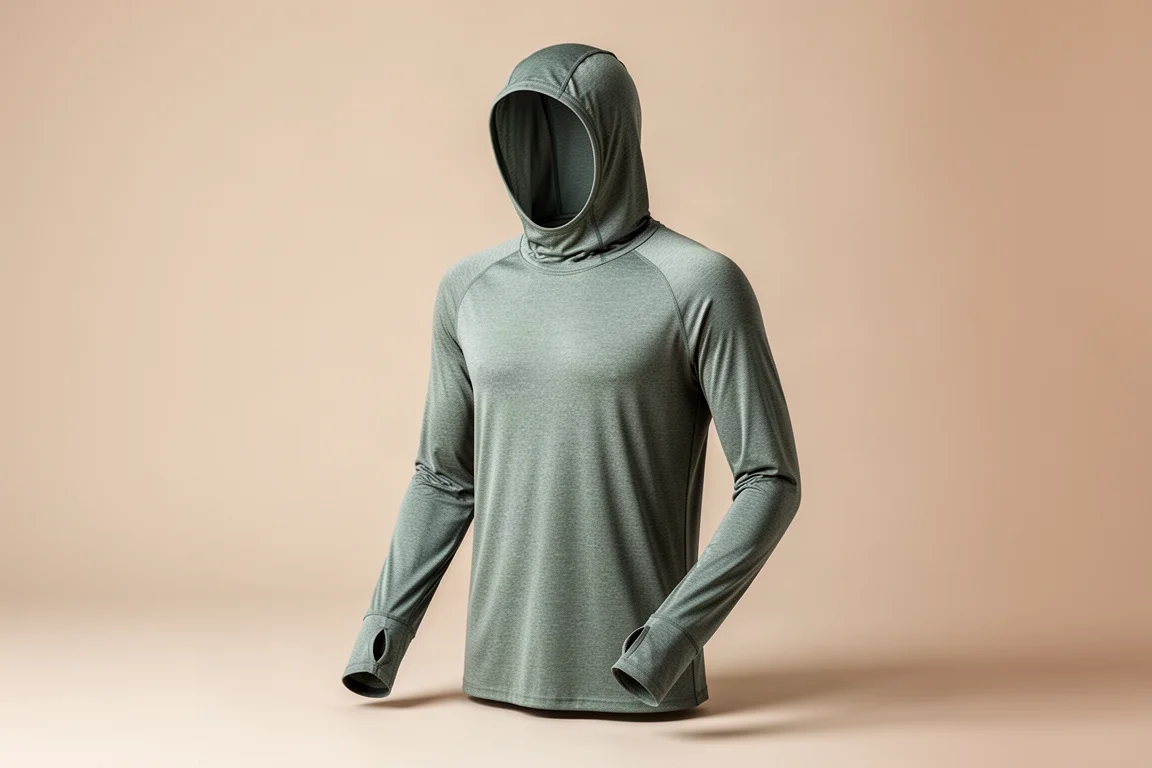
The Mountain Hardwear Crater Lake Sun Hoodie is built from 88% polyester with the remainder elastane, which gives it a thin, stretchy hand. Of the sun hoodies in this comparison, it is the lightest and the most comfortable to wear.
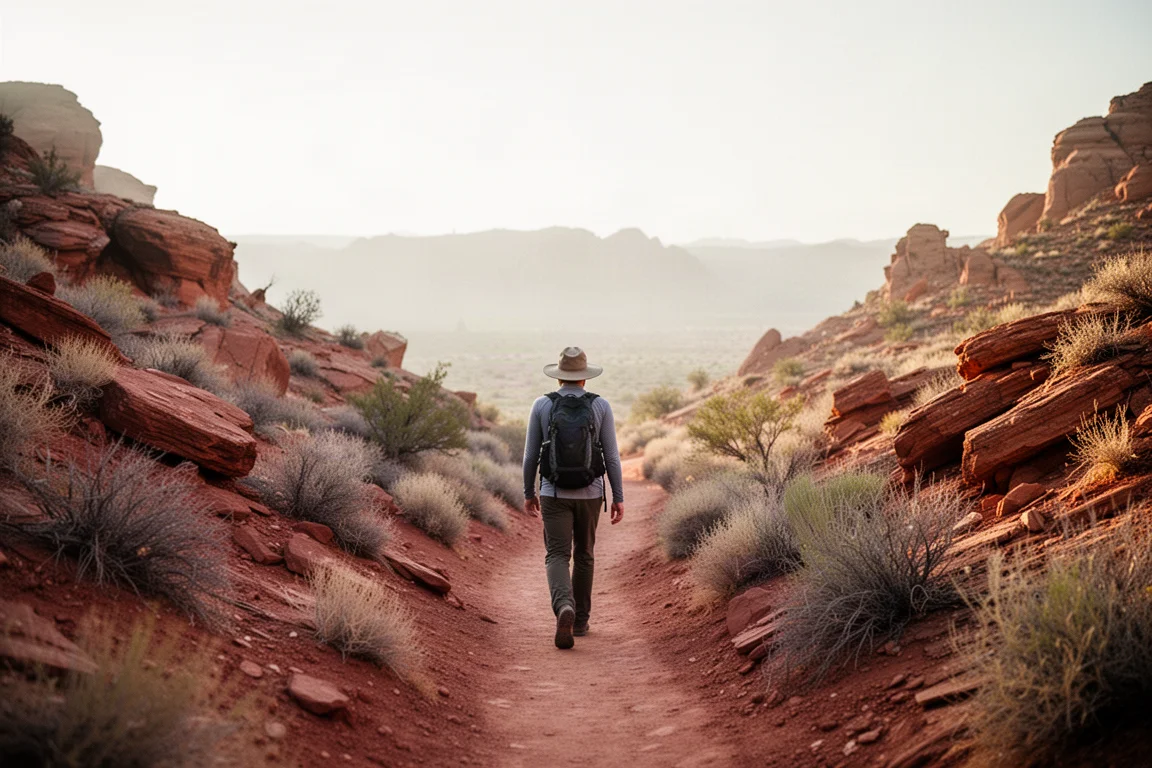
It was worn for roughly 100 miles of desert hiking, including the Grand Canyon and the remaining miles of a long Arizona route, and it performed well in that setting. The combination of full coverage and quick-drying fabric is what makes a hoodie like this work in extreme heat: when water is available, you can soak the shirt and let evaporation do the cooling while the sun stays off your skin.
The usual sun hoodie caveat applies. A hood covers the head, ears, and neck, but not the face, so a cap or hat is still part of the system. The hood itself also blocks airflow around the neck and ears, which some hikers find noticeably warmer than an open collar.
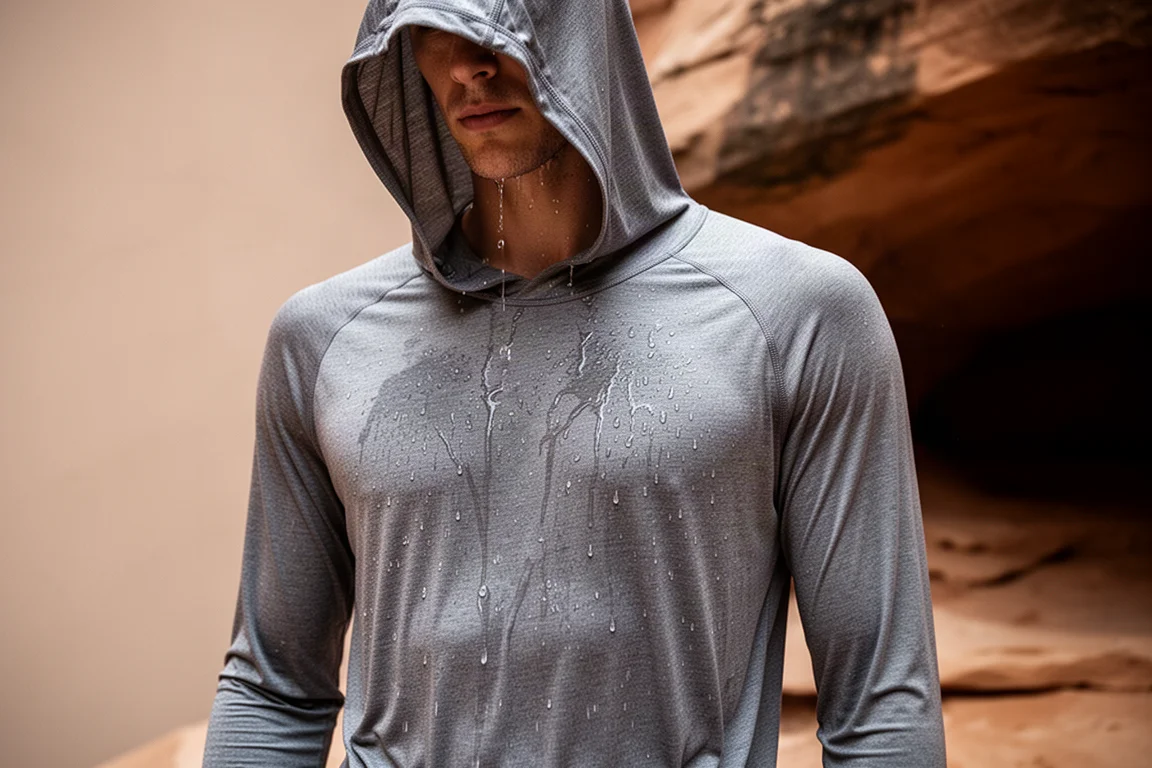
The Crater Lake is the pick when maximum coverage matters more than airflow, and its thin fabric keeps it from feeling heavy when temperatures climb.
Sun Protection, Ventilation, and Durability Compared
Sun protection is not a close contest. A sun hoodie covers the scalp, ears, neck, part of the face, and the hands, while a button-up leaves the ears and upper neck to a wide-brimmed hat and the hands to sun gloves. Neither one protects the face fully, so a hat or an umbrella remains part of the setup either way.
Ventilation goes the other way. The mesh back panel, the open front, and the roll-up sleeves on a ventilated button-up move far more air, and in ordinary warm weather that makes the button-up the cooler garment. A sun hoodie only pulls ahead when the heat is extreme and you can soak it with water.
Drying speed and comfort lean toward the sun hoodie. Thinner fabrics and a wider choice of materials make it easier to find a hoodie that dries quickly, and the flowy cut stays put under a pack hip belt with less bunching than a button-up.
Durability leans toward the button-up. Thicker nylon construction holds its shape and appearance longer, while sun hoodies tend to look worn sooner. If you replace gear infrequently, that difference is worth factoring into the decision.
Buying Advice: Choosing Between a Sun Hoodie and a Button-Up
Choose a ventilated button-up if airflow, durability, and adjustability matter most to you. A shirt like the Columbia Bahama lets you open the front, roll the sleeves, and flip the collar as the day changes, and it holds up to repeated use. The Columbia Tamiami offers the same approach in a lighter polyester build for anyone who finds nylon too warm, provided the cut suits you.
Choose a sun hoodie if you want the maximum coverage with the least fiddling. The Mountain Hardwear Crater Lake Sun Hoodie is thin, comfortable, and well suited to exposed terrain and very high temperatures, especially where you can wet the fabric to stay cool.
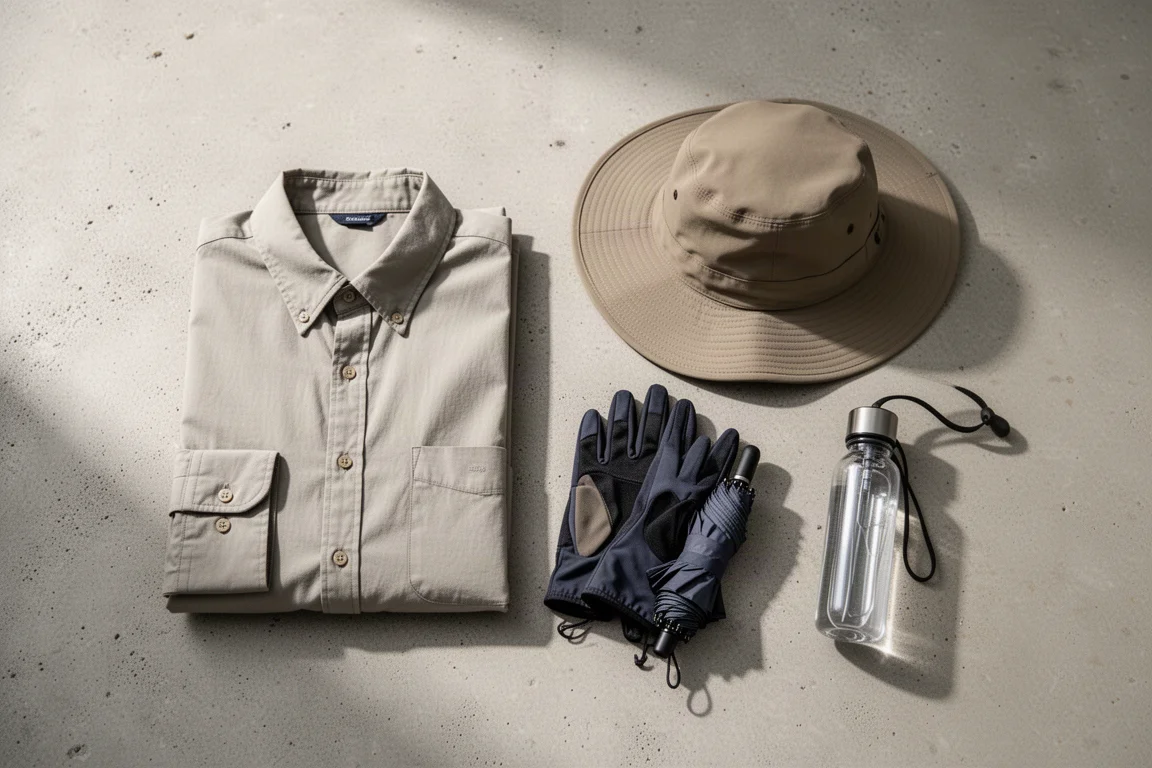
Whichever direction you go, plan for your face. A cap or a wide-brimmed hat covers what both garments leave exposed, and sun gloves close the gap on the hands if you are wearing a button-up. A trekking umbrella is a useful addition in wide-open country, since it shades the face while still letting air move underneath.
It is also worth knowing that hybrid designs exist, combining a button-up front and soft fabric with an attached hood. They aim to deliver the ventilation of a shirt and the coverage of a hoodie in a single garment, which is a reasonable middle path if you would rather not pick a side.
Conclusion
Sun hoodies and ventilated button-ups are both proven choices for hiking and backpacking, and the decision comes down to how you weigh coverage against airflow. Button-ups win on ventilation, durability, and adjustability, while sun hoodies win on comfort, drying speed, and total sun coverage.
If you spend most of your time in moderate heat and like being able to open a shirt up, the Columbia Bahama is the durable standard and the Columbia Tamiami is the lighter alternative. If your trips run hot, exposed, and long, the Mountain Hardwear Crater Lake Sun Hoodie is the thinnest and most comfortable of the hooded options here. Either way, add a hat and you have a system that covers what the shirt alone cannot.
Further reading
Related Reviews
Hiking Apparel
Outdoor Vitals Altitude Sun Hoodie Review: Performance vs a Cotton T-Shirt
A field comparison of the Outdoor Vitals Altitude Sun Hoodie against a plain cotton t-shirt on a hot, exposed 15-mile canyon hike, covering airflow, sun coverage, and drying speed.
Hiking Apparel
Skyline Trail Shorts Review: A Trail-Specific Short for Big Mileage Days
A practical look at the Skyline Trail Shorts, built around ventilation, moisture management, durability, coverage, and movement for hikers logging long days on trail.
Hiking Apparel
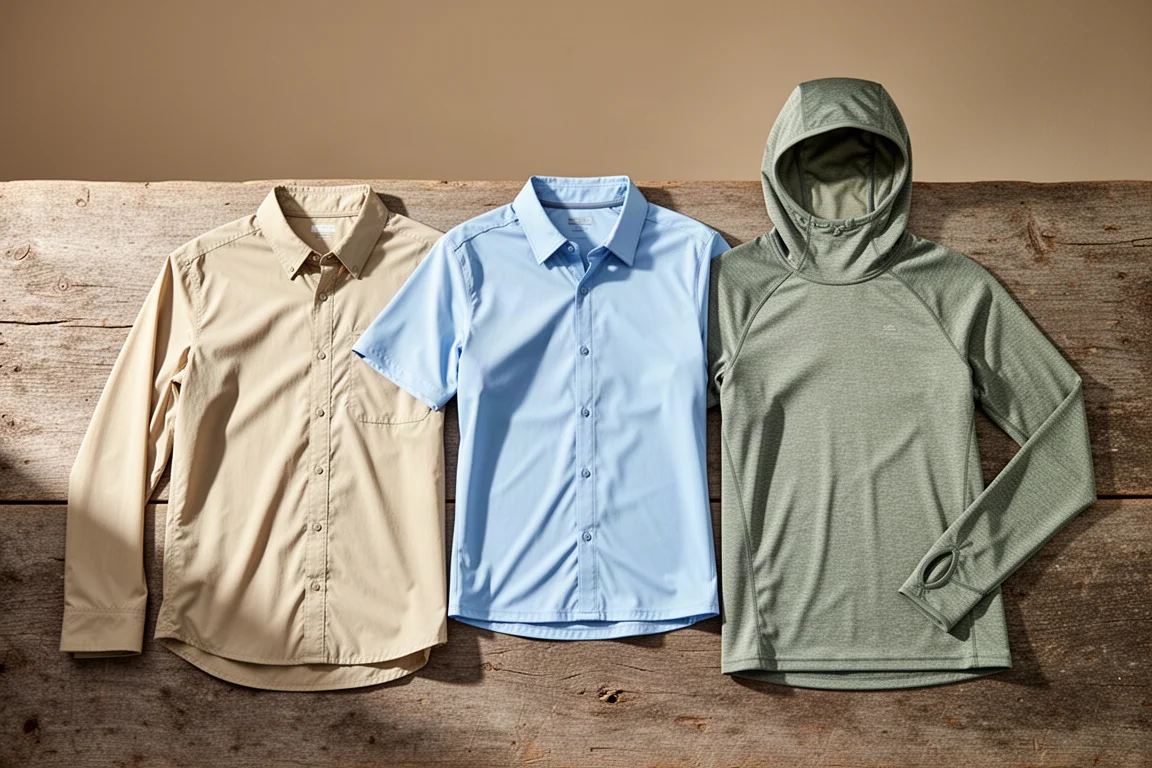
Sun Hoodies vs PFG Button-Up Shirts for Hiking: Which One Should You Pack?
A practical comparison of ventilated button-up hiking shirts and sun hoodies, with three specific options and the trade-offs that actually matter on trail.