Camping Tents
Summer Tent Guide: Mesh vs Fabric and Two Tents That Show the Difference
A practical look at what keeps a three-season tent cool in warm weather, with two contrasting designs to compare before you buy.
Introduction
Warm-weather camping lives or dies on airflow, and the tent you choose decides how much of it you get. A three-season tent is built for late spring, summer and early fall, with the warm months doing most of the work. The problem is that plenty of shelters are sold as three-season tents with excellent ventilation when the design says otherwise, and the difference is visible the moment you look at the body and the fly.
This guide covers what actually keeps a tent comfortable in summer heat and compares two tents that sit at opposite ends of that question: one built almost entirely from mesh, and one wrapped in fabric panels.
What Makes a Tent Right for Warm Weather
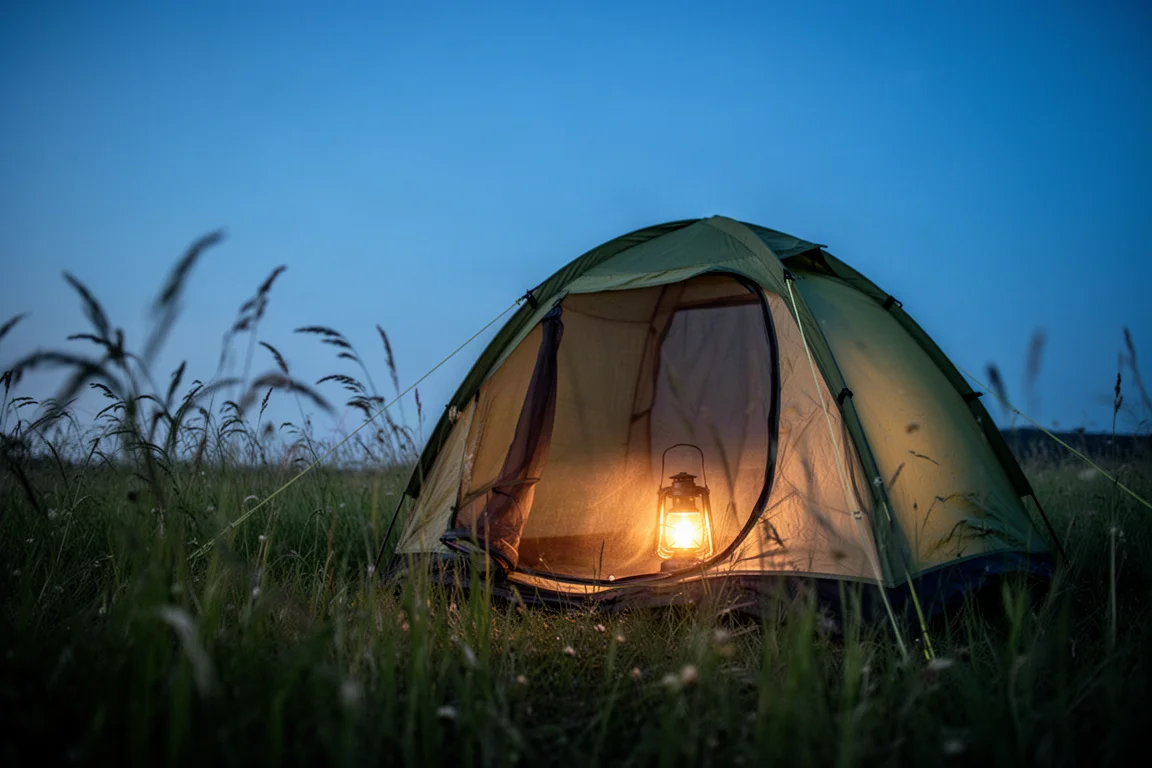
Mesh is the single most important material decision in a summer tent. An open mesh body lets cool night air move through the shelter and lets trapped heat escape, which is exactly what you want when temperatures stay high after dark and humidity climbs. The Teton Sports Mountain Ultra shows the principle clearly: a bathtub floor handles waterproofing at ground level, and everything above it is mesh, with no fabric panels on the inner body at all.
Fabric behaves in the opposite way. It blocks the breeze and holds warmth inside the shelter, which is useful in winter and counterproductive in summer. When fabric panels sit around the head and feet, the areas where warmth tends to be felt most, the effect is a tent that feels noticeably hotter than the air outside it.
The goal is a body where mesh dominates and fabric is kept to a minimum, so nothing stands between you and moving air.
Teton Sports Mountain Ultra: Mesh Where It Counts
The Mountain Ultra is a four-person tent, and its size is not the point. What matters is the design language: a mesh inner body, a bathtub floor for waterproofing, and no fabric on the body itself.
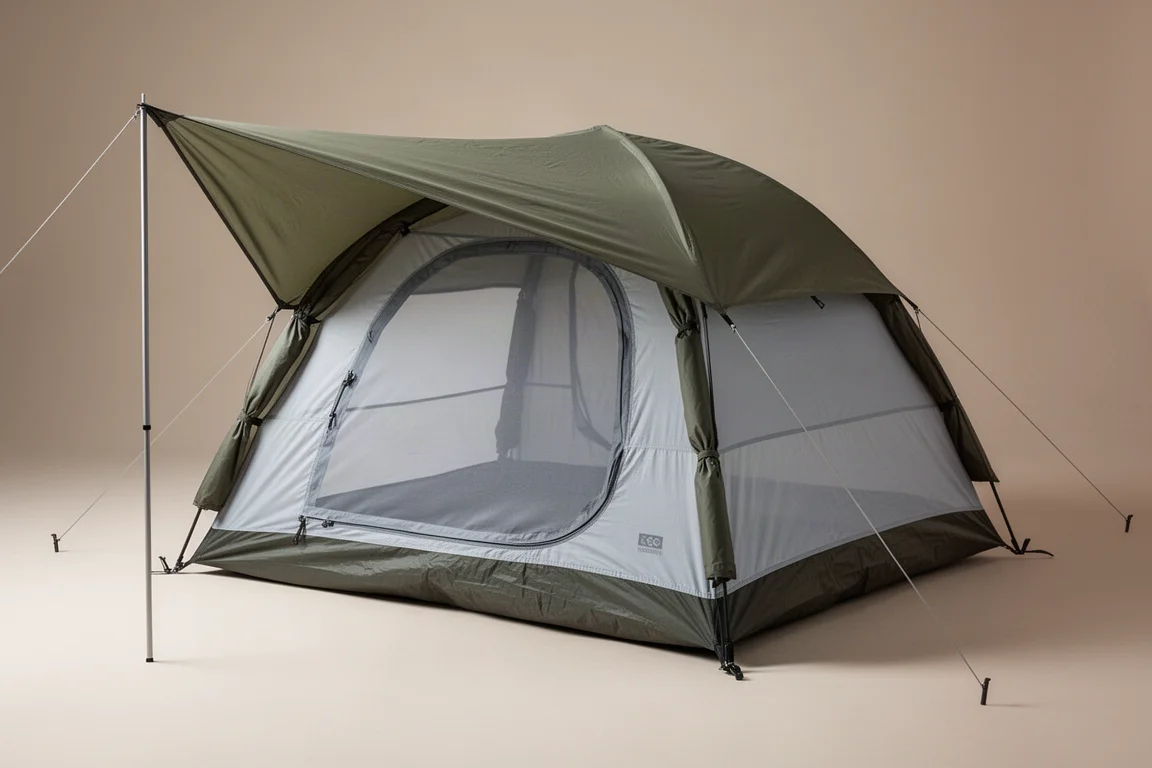
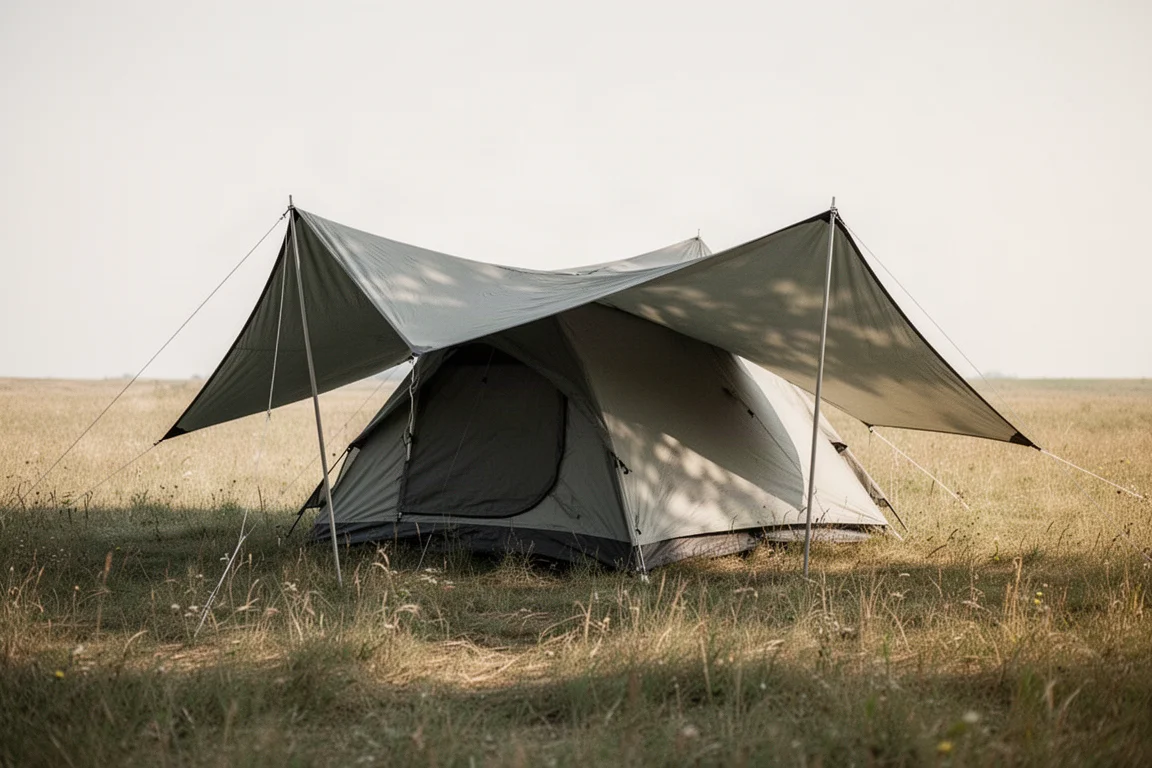
The rainfly follows the same logic. It sits roughly five inches above the ground at its lowest point, which leaves a gap for air to travel underneath and up into the mesh body. Both doors stake out and pull away from the tent, and the sides of the fly can be staked out as well, so air can move in from the sides instead of pressing against a wall of fabric.
How the Fly Shapes Airflow
A fly that reaches the ground or sits directly against the body cancels much of the benefit of a mesh inner. Air has nowhere to enter, and the space between fly and body becomes a trap for warm, humid air rather than a channel for it. On a well-designed tent, the fly leaves a clear opening at ground level and can be pulled away from the body on each side.
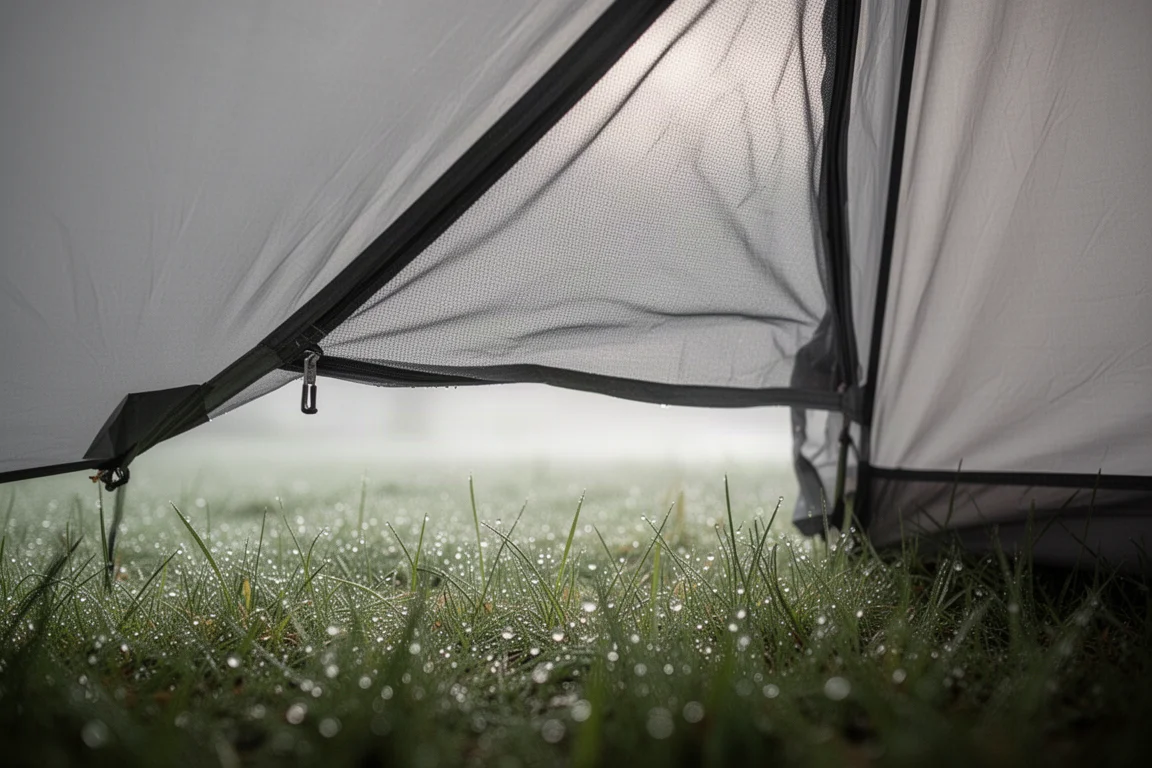
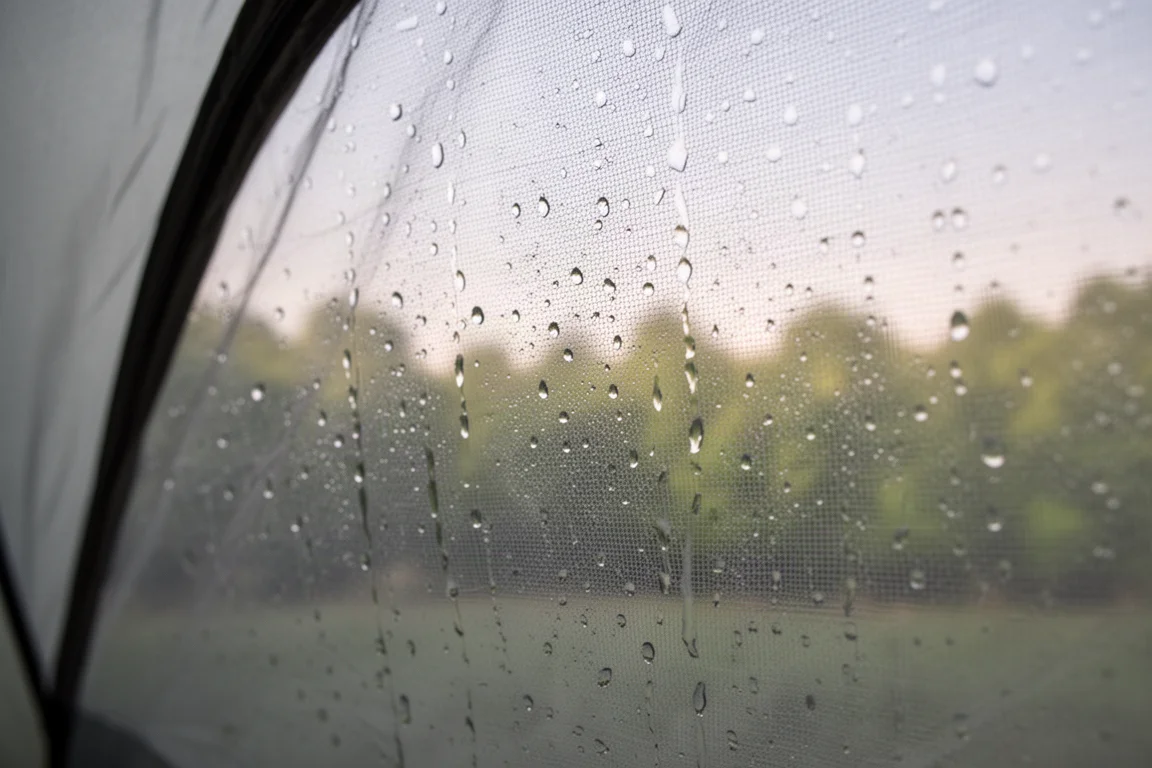
Staking the fly out also matters for moisture. When warm, humid air cannot escape, condensation builds on the inner surfaces and can drip onto sleeping bags by morning. Airflow through the fly and around the body is what keeps that buildup in check.
Free Soldier One-Person Tent: Where the Design Falls Short
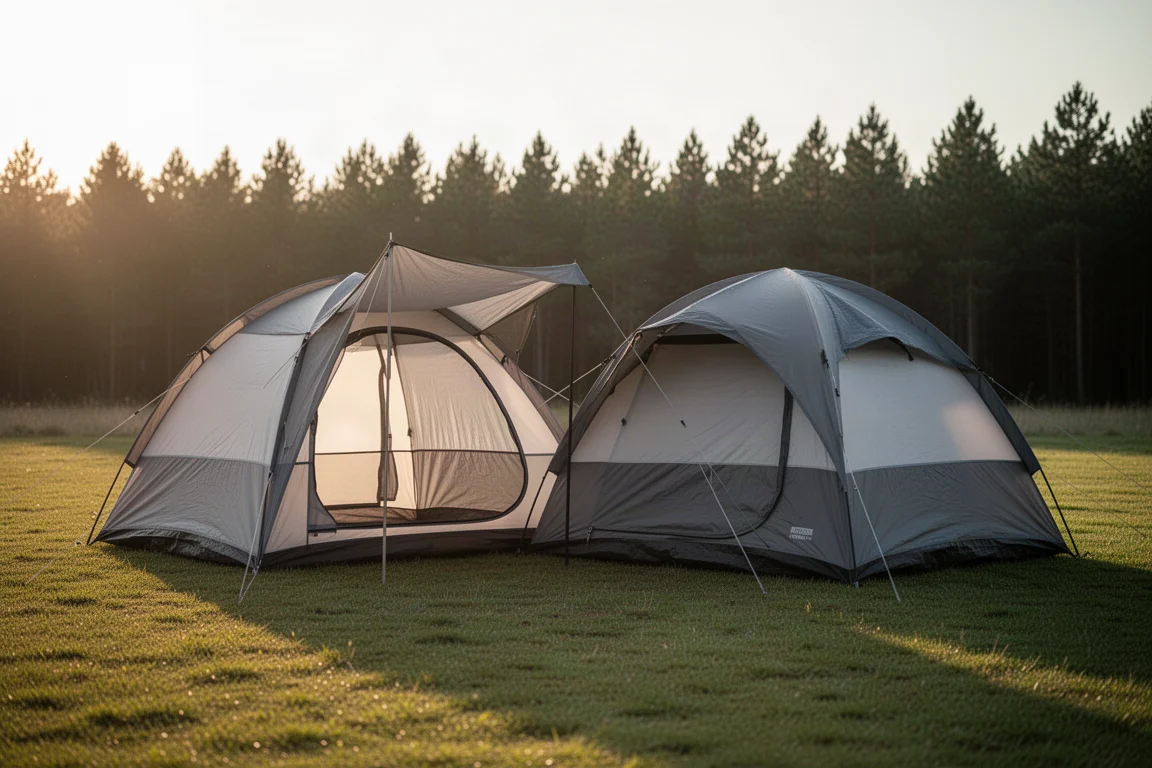
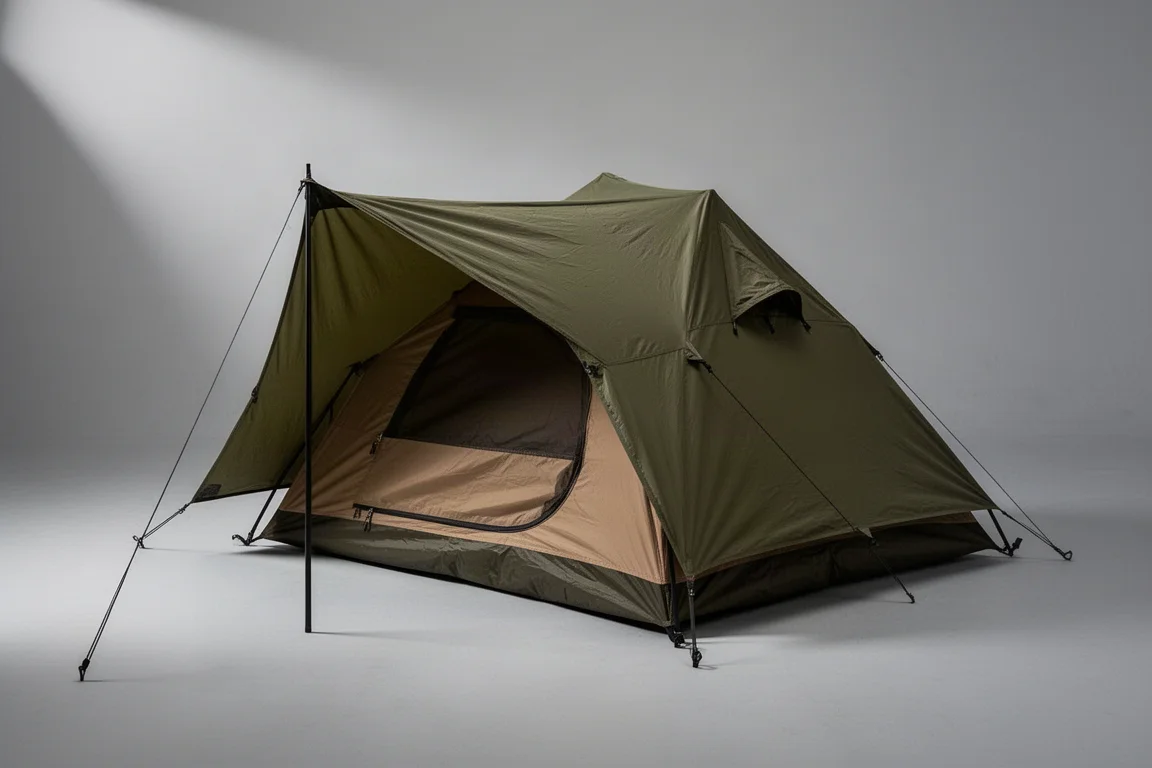
The Free Soldier one-person tent illustrates the opposite approach. A large fabric section wraps around the body, with additional fabric at the top, and only a limited mesh area near the crown. That fabric holds warmth in and blocks air from reaching the space where you actually sleep.
The fly compounds the issue. It drops almost to the ground, leaving only about three inches of separation, and the sides cannot be staked out away from the body. With the fly lying directly against the shell, air has almost no path into the tent from either side, and the limited mesh at the top does little for someone lying below it.
It is worth noting that fabric-heavy designs are not limited to low-cost tents. Fabric is cheaper to produce than mesh, and the same choice shows up at higher price points, which is why the design itself is the thing to check.
Vents, Humidity, and What Not to Rely On
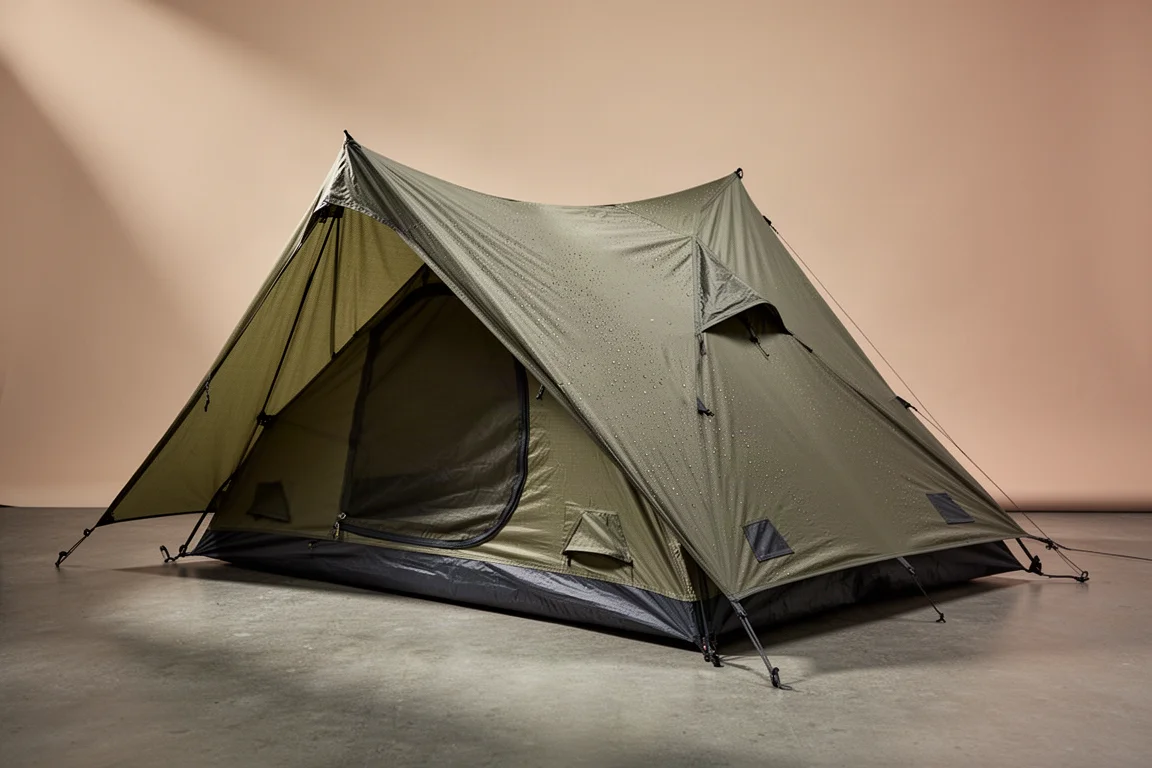
Vents can help, but they should be treated as a bonus rather than a solution. Placement and construction quality vary widely, seams and stitching around vents are common leak points, and even well-made tents can let water in through them in heavy weather. When conditions turn, vents often have to be closed, which removes whatever airflow they provided.
The dependable sources of airflow are the ones built into the structure: openings under the fly, doors that can be staked out, and sides that can be pulled away from the body. If a tent depends on a vent to stay comfortable, it will not stay comfortable for long.
Judging a Tent for Yourself Before You Buy
Marketing copy is not a reliable guide to warm-weather performance, so it pays to examine the tent itself. Start with the inner body: how much of it is mesh, and where does the fabric sit? Panels around the head and feet, or along the doors, are the ones most likely to leave you hot.
Then look at the fly. Does it clear the ground enough to let air underneath? Can the sides be staked out away from the body, or does the fabric press straight against the shell? A tent can look balanced between mesh and fabric and still block airflow where it counts, simply because of where the panels are placed.
Buying Advice
For summer camping, prioritize mesh coverage and a fly that can be opened up. The Teton Sports Mountain Ultra follows that formula with a fully mesh body, a fly that clears the ground, and sides that stake out, which makes it a sensible choice for warm, humid nights. The Free Soldier one-person tent is a compact option, but its fabric panels and close-fitting fly limit airflow in exactly the conditions a three-season tent is meant to handle.
Sizing is a separate decision from design. The features that make a tent comfortable in summer apply the same way to a one-person shelter and a four-person shelter, so the checklist stays the same regardless of how many people you are buying for.
Conclusion
Warm-weather comfort comes down to airflow, and airflow comes down to mesh coverage, fly clearance and staking options. Check those three things on any tent you consider, and the marketing language becomes far less important than the shelter in front of you.
Further reading
Related Reviews
Camping Tents
3F UL Gear Taiji Two-Person Tent Review: Field Waterproofing Results and Buying Advice
The Taiji pairs an attached fly with a removable inner, but sustained rain exposed untaped vent seams that need sealing before this shelter can be trusted.
Camping Tents
3FUL Gear Lanshan 2 Pro 4-Season Review: A Sub-$200 Single-Wall Trekking Pole Tent
An early look at the 3FUL Gear Lanshan 2 Pro 4-Season, covering its straightforward pitch, generous interior space, and the condensation and seam-sealing questions that come with any single-wall shelter.
Camping Tents
Alps Mountaineering Lynx 1-Person Tent Review: Big Value in a Small Budget Tent
A close look at the Alps Mountaineering Lynx 1-Person Tent, covering real interior dimensions, materials, setup time, ventilation limits, and who should buy it.