Backpacking Gear
Summer Backpacking Gear: Seven Ultralight Essentials for Hot-Weather Trips
A practical look at seven lightweight gear picks for summer backpacking, from a ventilated ultralight pack to a sub-ounce head net.
Introduction
Summer can be the best season for backpacking, and it also rewards a different gear list than the shoulder seasons do. Most packing advice focuses on cold weather and worst-case conditions, but warm trips bring their own problem: heat, and the sweat that comes with it. Swapping a handful of items can make a pack lighter and a hike more comfortable at the same time.
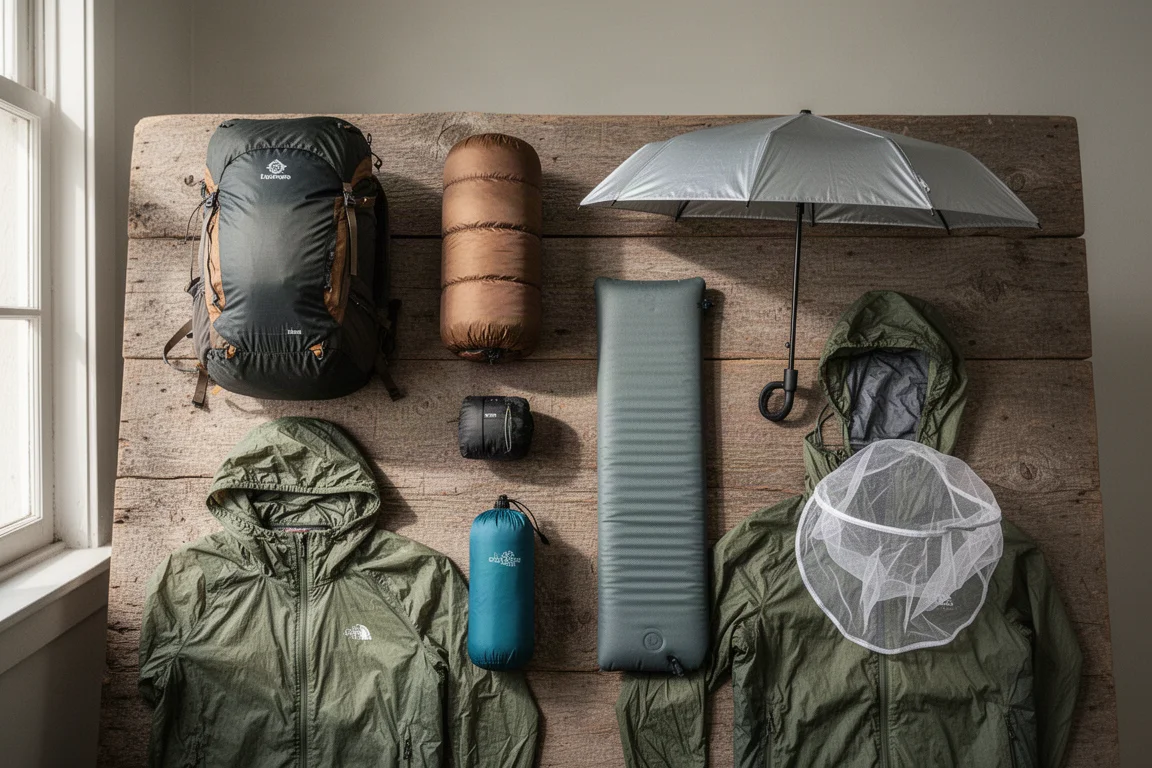
The seven picks below cover ventilation, sleep insulation, rain and sun cover, a light evening layer, and bug protection. Each one earns its place by doing a summer job well rather than by covering the widest possible range of conditions.
What to Look For in Summer Backpacking Gear
Three trade-offs matter most. Weight comes first, because a heavy load is hardest to carry when it is hot. Breathability comes second, because trapped sweat is the main comfort complaint on warm climbs. Warmth management comes third, because summer nights can still be cool enough to want a layer even when daytime temperatures are high.
In each case, the right summer answer is usually the item that does one job well. A ventilated pack that weighs less than a pound and a half, a quilt you can vent instead of a bag you cannot, and a pad with modest insulation all follow the same logic: match the gear to the season instead of carrying protection you will not use.
Best Ventilated Ultralight Pack: Zpacks Arc Air Ultra
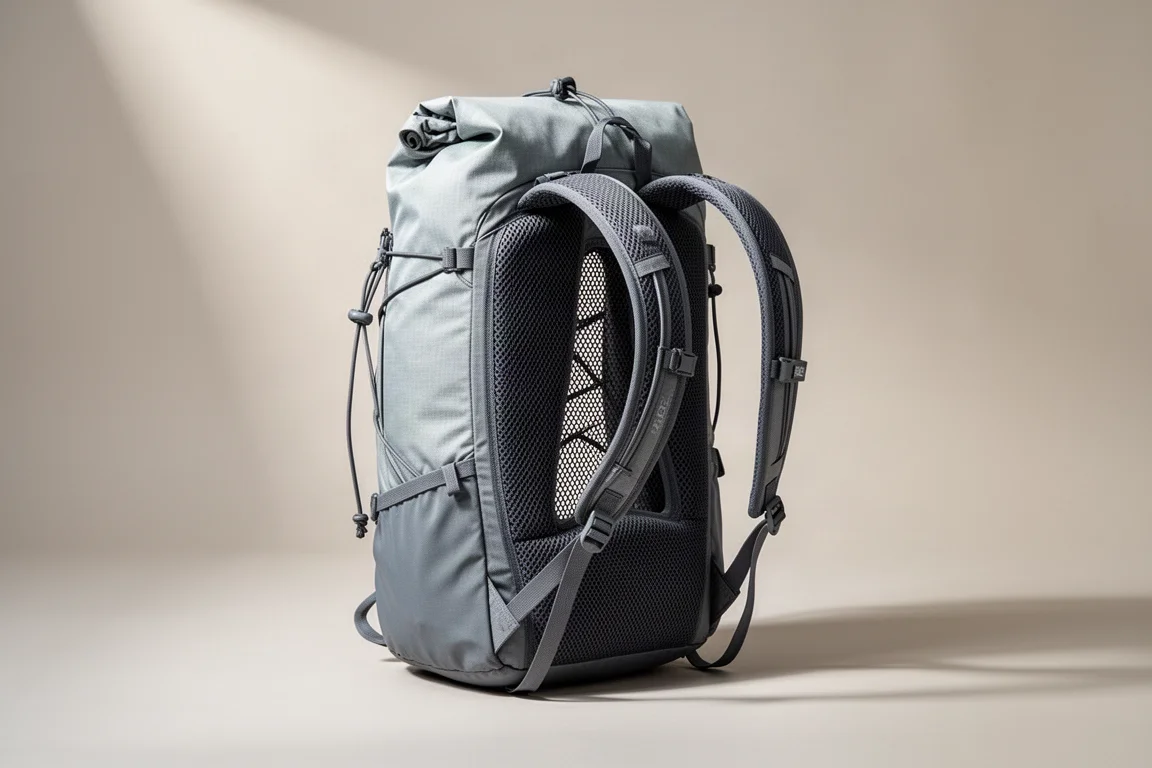
Heat and sweat are the first things a summer hiker deals with, and back ventilation is the feature most people wish they had. Plenty of packs ventilate well, but most of them are heavy, and carrying a heavy load uphill only makes the heat worse. The Zpacks Arc Air Ultra takes a different approach. It weighs just 20 oz and uses a flexible, almost external-style frame with a mesh backing that bends the frame into an arc.

Because of that arc, only the mesh and the top and bottom of the pack come into contact with your back. Air moves through the gap, sweat evaporates, and the load stays off the part of your back that heats up fastest. For hikers who want to stay cool, reasonably sweat-free, and light at the same time, this is one of the few designs built around exactly that combination.
Best Summer Quilt: Enlightened Equipment 30° Quilt
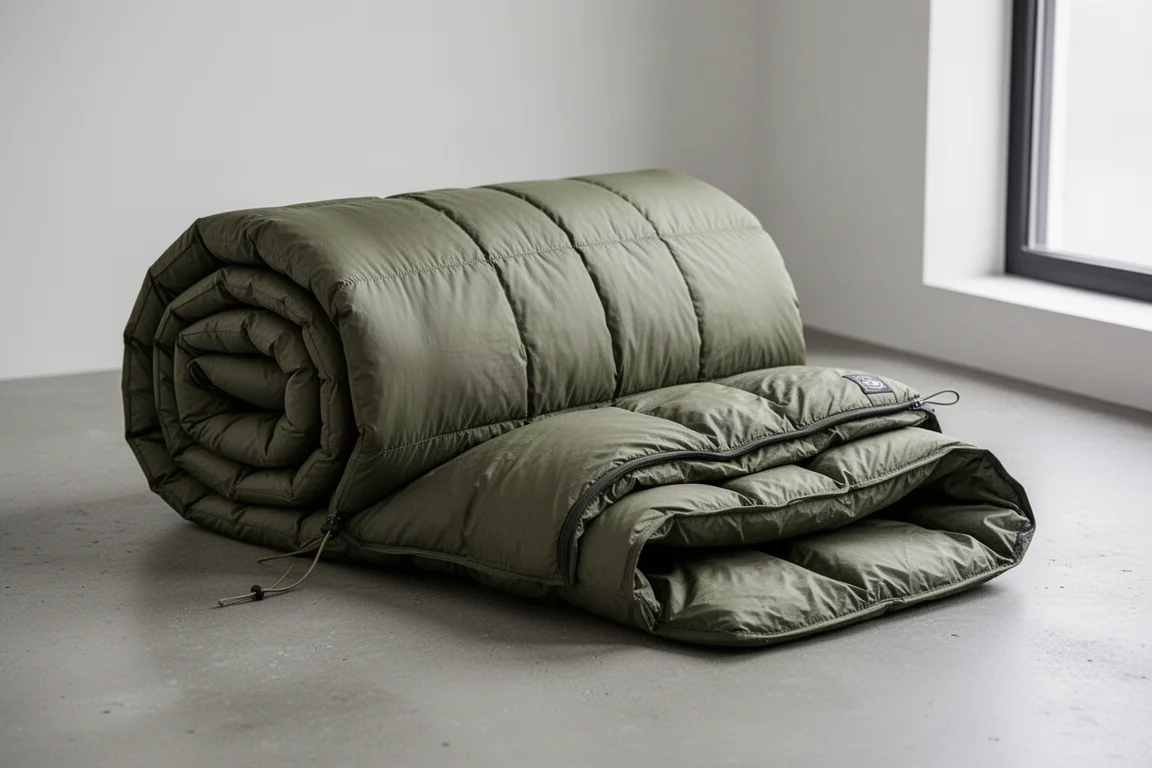
Summer nights are milder, even in the mountains, where lows often sit around the mid-40s. That opens the door to a much lighter sleep system, and a quilt is one of the easiest ways to take advantage of it. This 30° quilt from Enlightened Equipment weighs just 17 oz, and a 40° quilt can go lighter still if you sleep warm.
The bigger advantage is adjustability. When a quilt gets too warm, you can vent the arms and legs instead of throwing it off entirely, which makes it easy to fine-tune warmth through the night. It may be more insulation than the mildest summer nights require, and that is part of the appeal: a warm quilt can always be vented, while a thin one has nothing left to give.
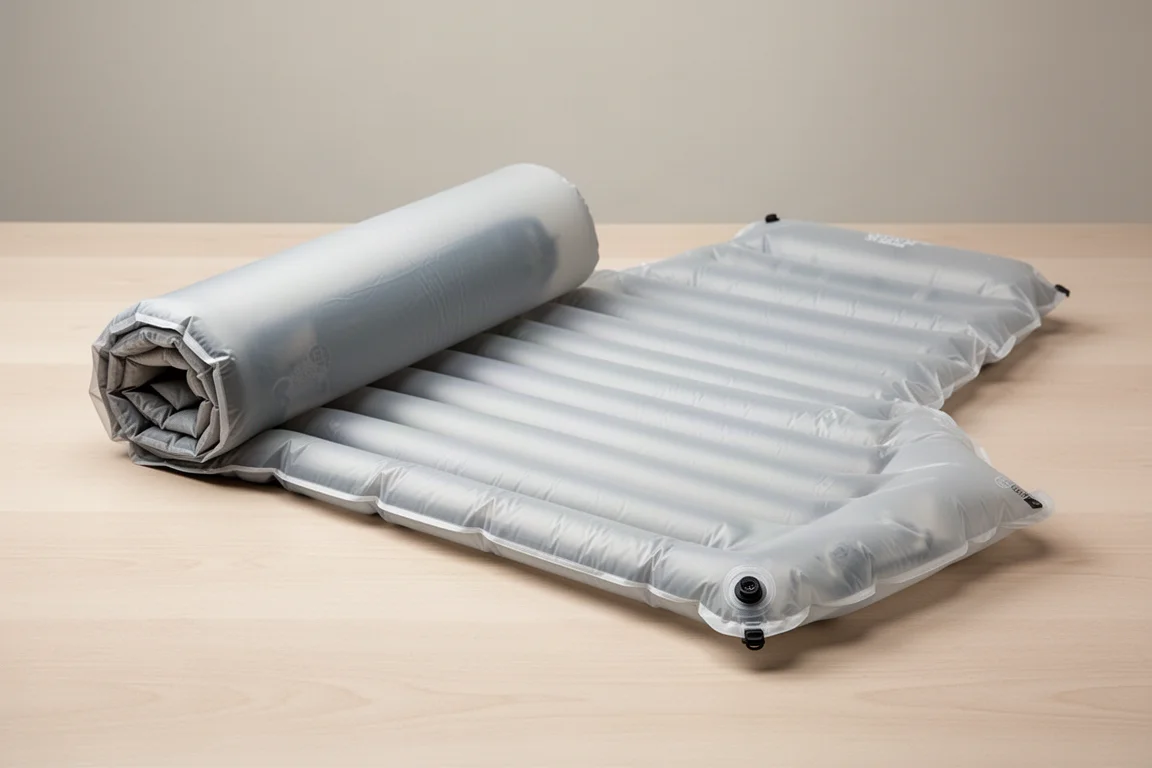
Lightest Sleeping Pad Option: Therm-a-Rest UberLite
Warm weather also means you can carry a pad with a lower R-value. R-value is half of what keeps you warm in cold conditions, so it matters a great deal in winter and much less in summer. The Therm-a-Rest UberLite leans into that trade-off with 8 oz of pad and an R-value of 2.
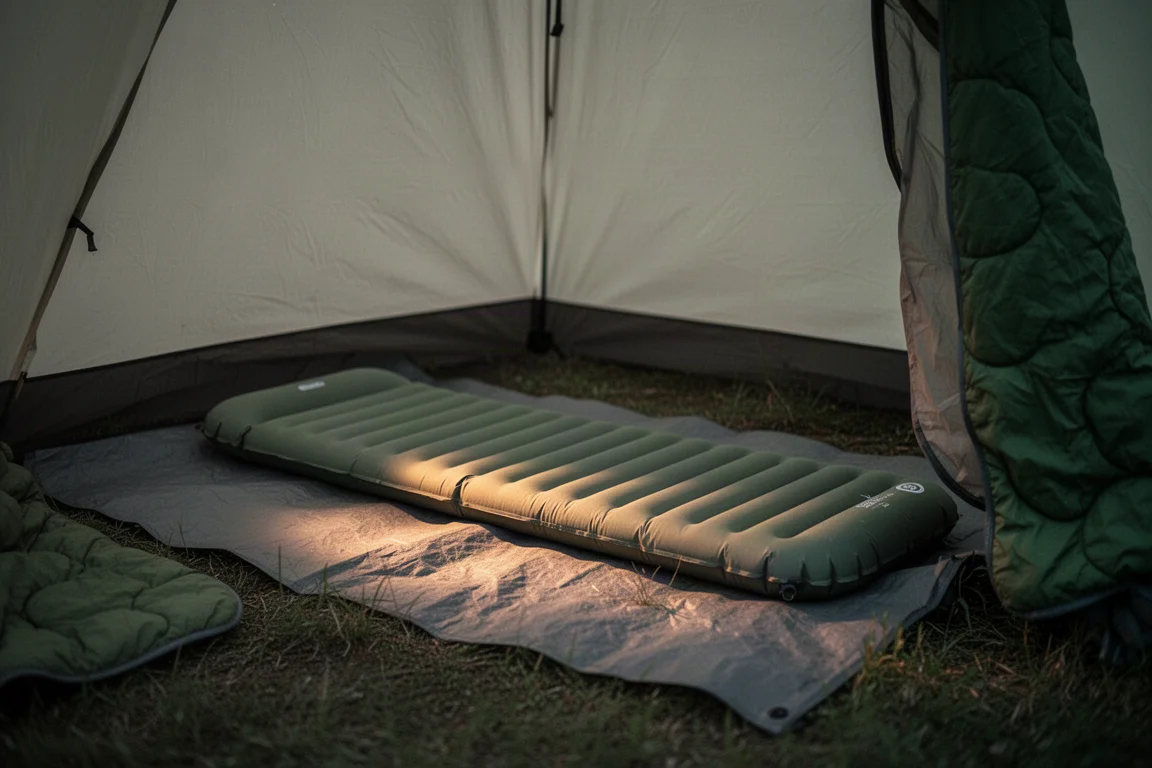
That combination makes sense when the forecast is warm and pack weight matters more than insulation. On mild nights the pad is there to keep you off the ground and comfortable, and the weight you save is weight you carry on your back all day.
Best Value Summer Pad: Klymit Static V
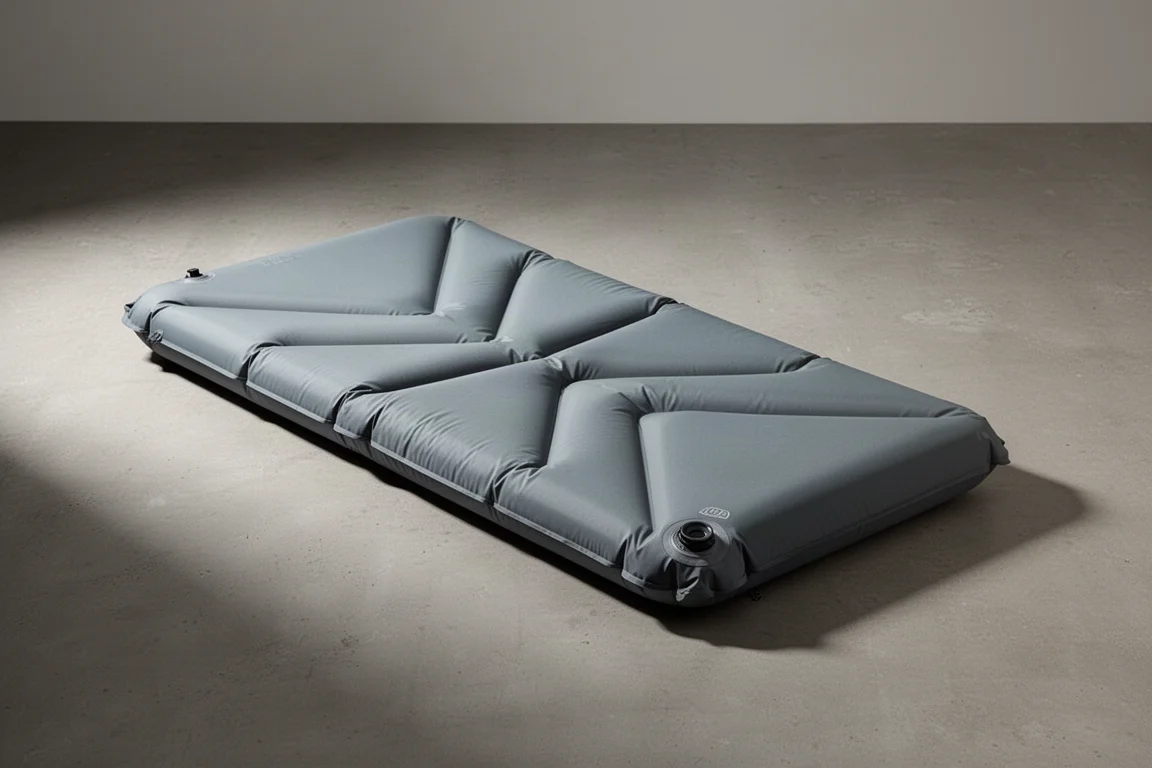
If budget matters as much as weight, the Klymit Static V is a strong summer choice at $54. It is comfortable and very affordable, and the welded construction that defines the design works well in warm weather.
Those welds create valleys where the pad is only millimeters thick, which is exactly why Klymit pads are a poor choice for cold conditions. In summer that limitation barely registers, and the welded pattern does not compromise comfort. If anything, many hikers find it improves it.
Rain and Sun Protection: Zpacks and Six Moon Designs Umbrellas
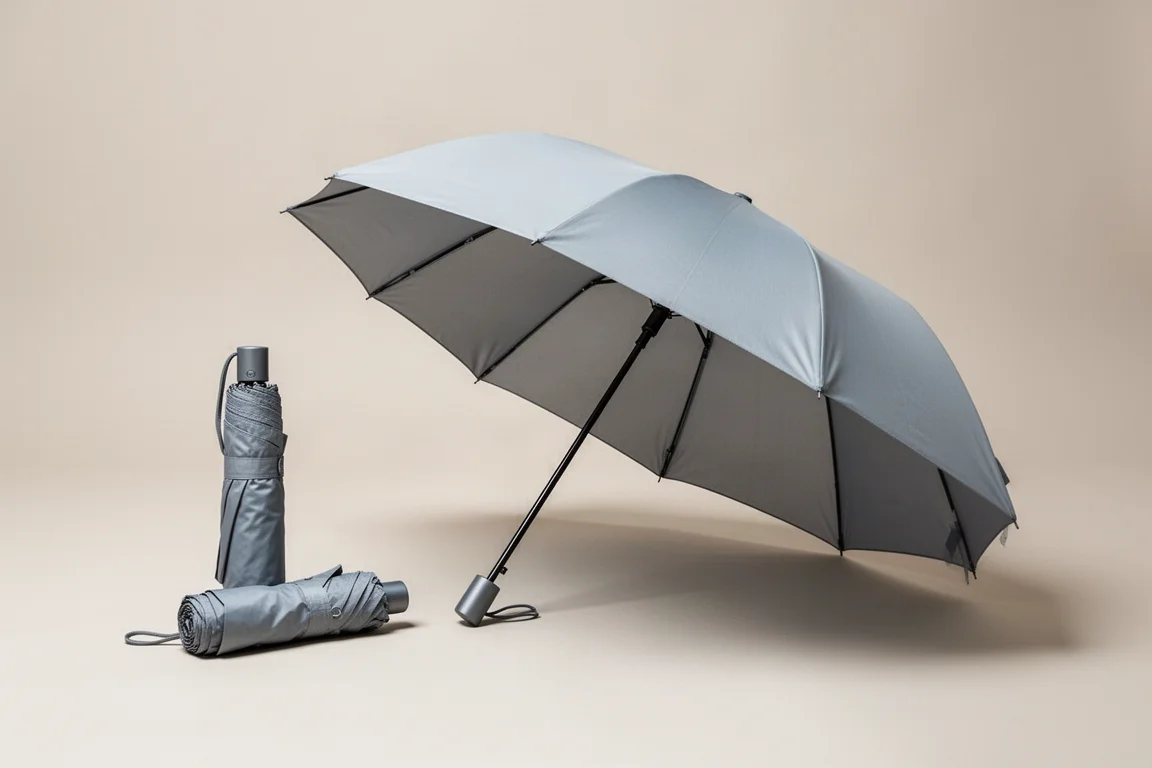
An umbrella is the item on this list that raises the most eyebrows, and it is also one of the most useful in humid climates. In hot, humid conditions, sweat soaks you faster than rain does, and even the most breathable rain gear will leave you damp from the inside. When temperatures are warm and the risk of hypothermia is low, an umbrella keeps rain off while letting air move around you, which means less sweat overall.
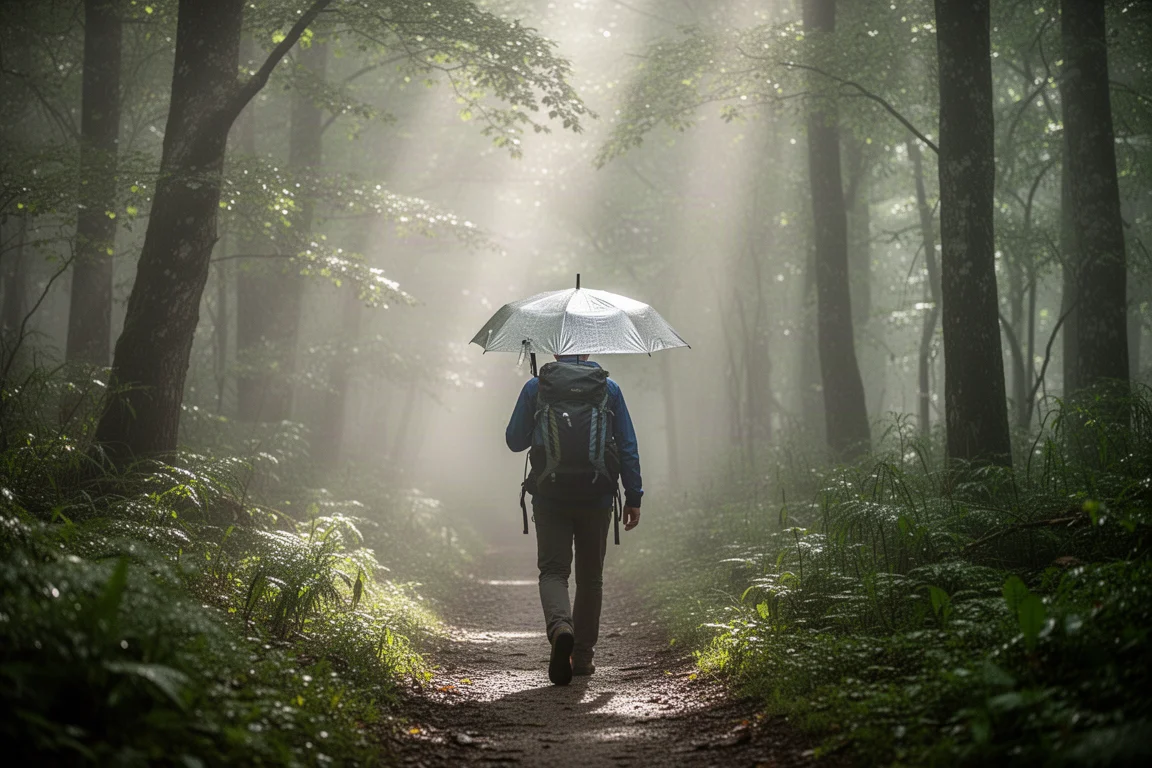
The Zpacks umbrella weighs 6.8 oz and comes in a reflective color that helps keep heat off your head and neck in strong summer sun, so it doubles as shade on exposed stretches of trail.
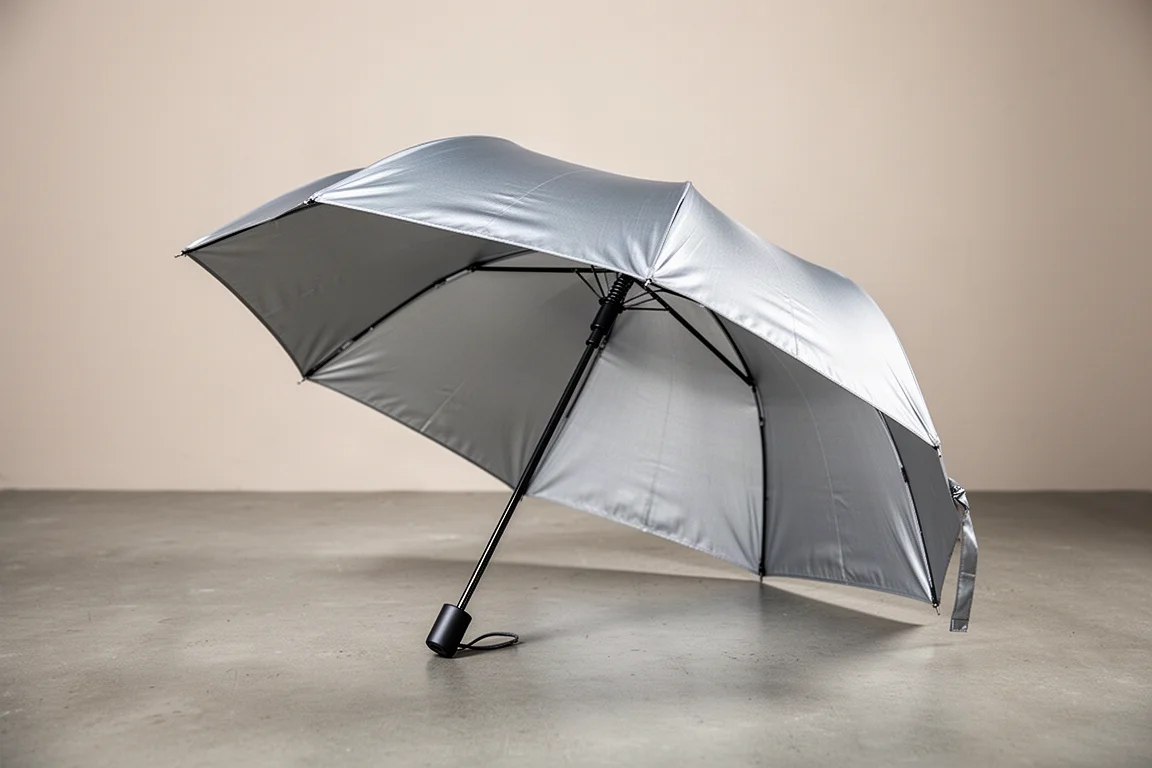
The Six Moon Designs umbrella is lighter still at 5.5 oz, which makes it appealing for hikers who count every gram and still want rain cover and sun cover in a single item.
Best Evening Mid-layer: Farpoint Alpha Cruiser
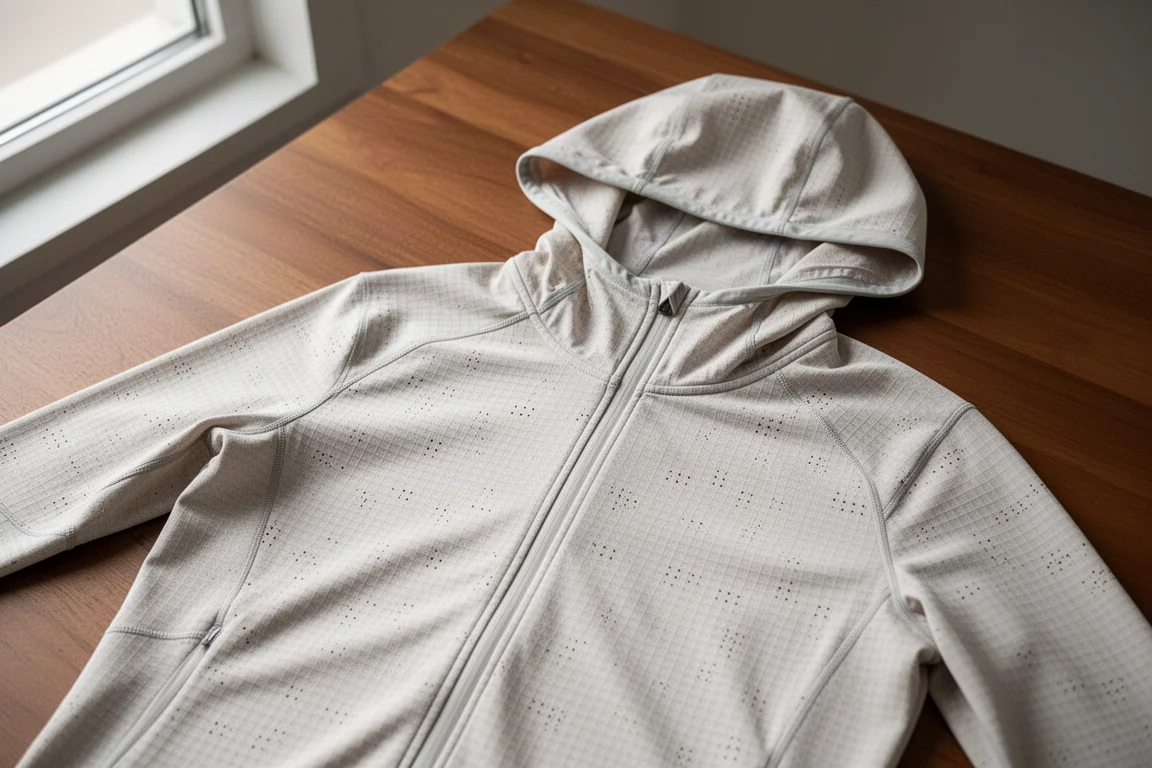
Summer days are hot, but the temperature still drops once the sun goes down, and a light layer takes the edge off a cool evening in the mountains. The Farpoint Alpha Cruiser is designed primarily as an active layer, weighs an impressive 4 oz, and provides just enough warmth for summer evenings at elevation.
One detail to expect: the fabric has visible holes in it, and that is intentional. The perforations keep the layer extremely light and breathable while still leaving enough loft to hold warmth when the temperature falls.
Best Bug Protection: Sea to Summit Head Net
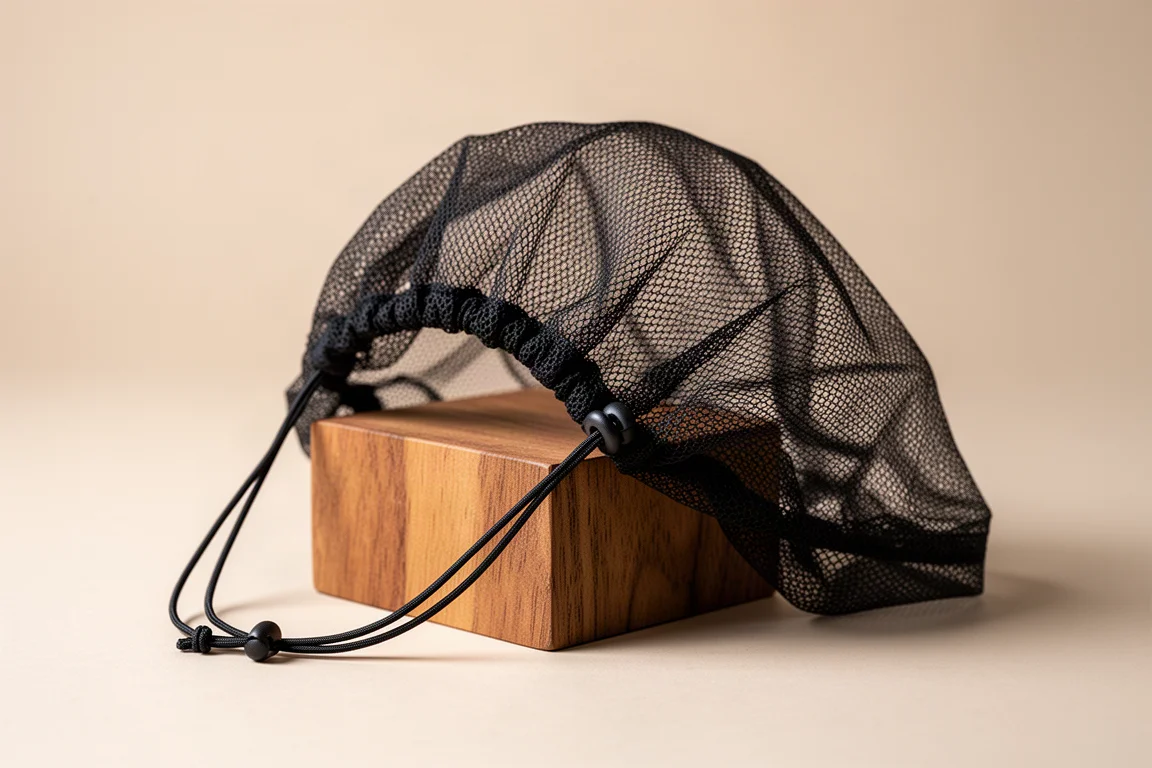
When summer gets buggy, few pieces of gear earn their place as quickly as a head net. Mosquito pressure in some regions is intense enough that insects will bite straight through clothing, and a head net is the difference between an evening at camp and an evening spent retreating into the tent.

Head nets are also cheap and light, which makes them easy to justify even on trips where you may never need one. This option from Sea to Summit weighs less than an ounce and costs less than $30, and it takes up almost no space in a pack.
Buying Advice
Summer gear is about matching each item to the conditions you actually expect rather than the worst conditions imaginable. If heat and sweat are your main concern, prioritize ventilation and breathability first, then look at weight. If your trips fall in the mildest part of summer, a lower R-value pad and a lighter quilt save weight without costing much comfort.
Two picks here are explicitly budget-friendly: the Klymit Static V at $54 and the Sea to Summit head net at under $30. If you hike in humid or buggy regions, rain and sun cover and a head net are small additions that change how a trip feels. If you want the lightest possible sleep and carry system, the quilt and the UberLite are the two places where grams come off fastest.
Conclusion
Summer backpacking rewards a gear list built around heat rather than cold. The Zpacks Arc Air Ultra tackles the biggest comfort problem with a ventilated 20 oz frame. The Enlightened Equipment 30° quilt and the Therm-a-Rest UberLite cut sleep system weight, while the Klymit Static V does the same job for $54. The umbrellas from Zpacks and Six Moon Designs handle rain and sun in humid conditions, the Farpoint Alpha Cruiser adds 4 oz of evening warmth, and the Sea to Summit head net deals with bugs for less than an ounce and less than $30.
Swap in the items that match your next trip, and the pack gets lighter at exactly the time of year when a lighter pack feels best.
Further reading
Related Reviews

Backpacking Gear
Building a 10 lb Base Weight: An Ultralight Backpacking Gear List
A practical walkthrough of the ultralight pieces behind a 10 lb base weight, from a 765 g pack and a roomy one-person tent to a full camp chair and a dependable water filter.
Backpacking Gear
A 15-Pound Lightweight Backpacking Gear List for Solo Trips
A beginner-friendly 15-pound backpacking setup built from easy-to-find gear, with notes on what each piece does, how it packs, and where to spend your attention.
Backpacking Gear
8 Ultralight Backpacking Gear Upgrades Worth Carrying
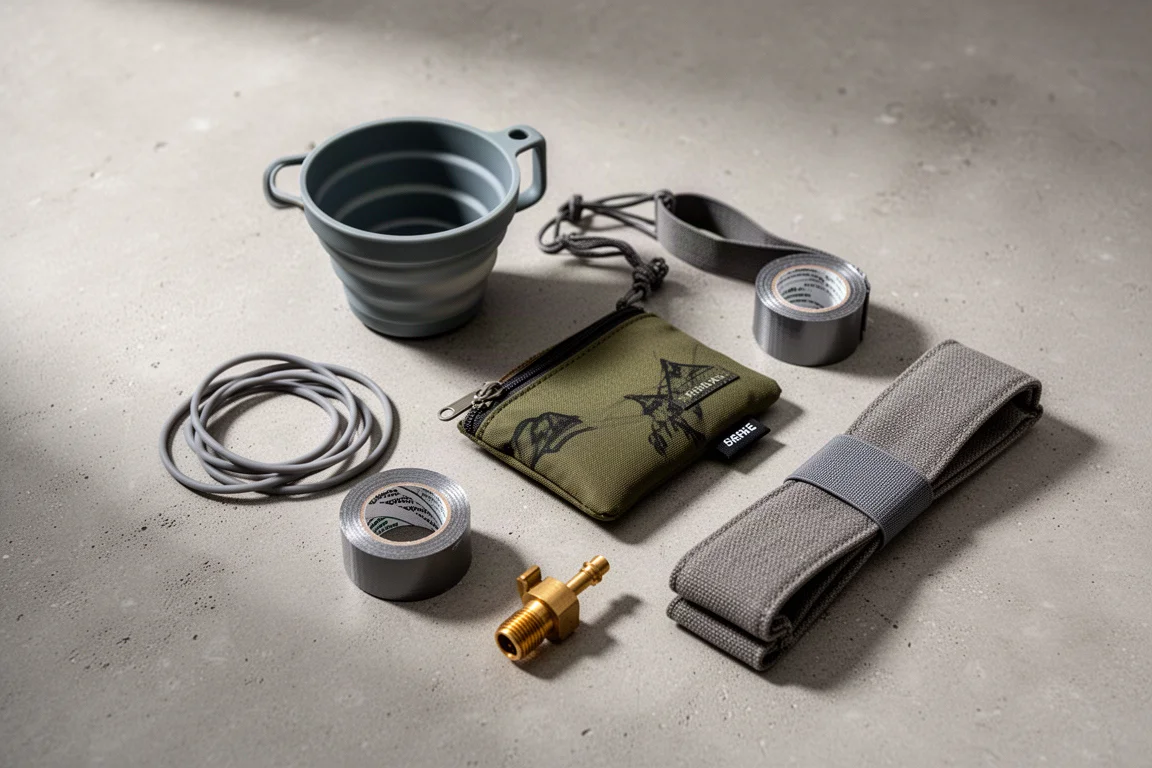
Eight small, affordable backpacking upgrades that solve real trail annoyances, from a pillow that stays put to a fuel valve that rescues leftover canister gas.