Backpacking Gear
Summer Backpacking Gear: 8 Ultralight Picks for Warm-Weather Comfort
Eight lightweight gear choices that make summer backpacking cooler, more comfortable, and easier on your shoulders.
Introduction
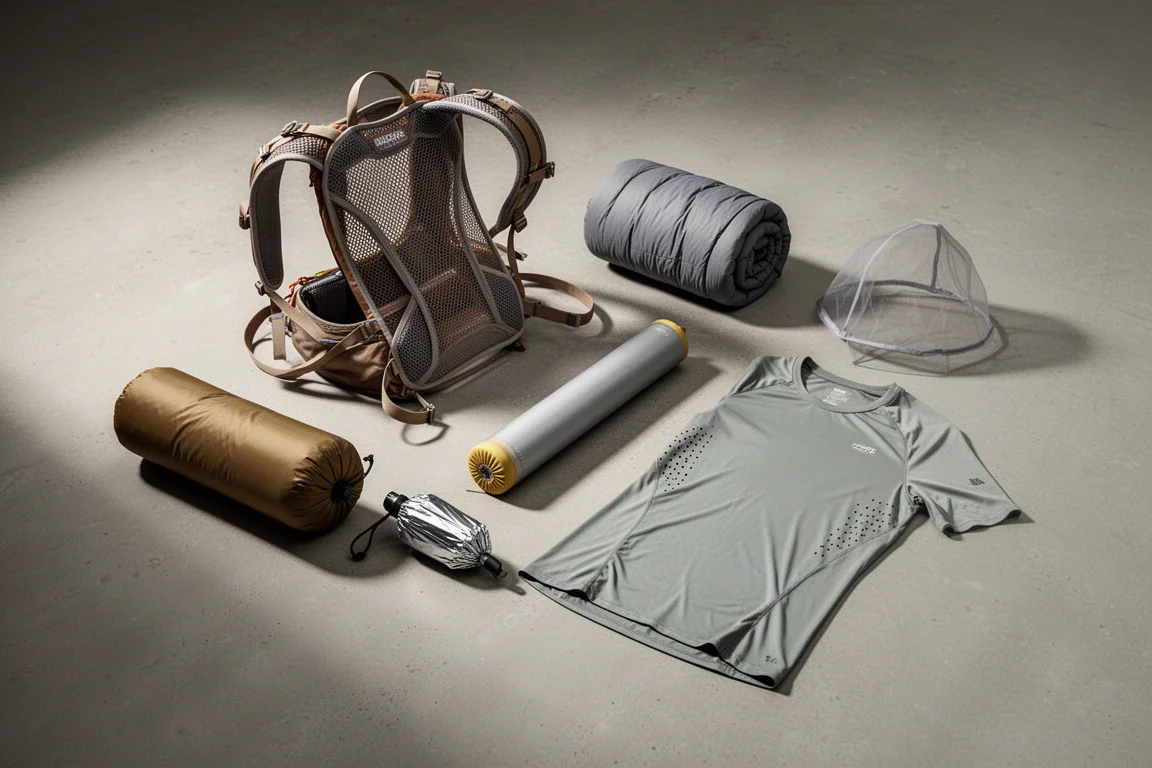
Summer backpacking can be the most rewarding time to hit the trail, but warm weather brings its own challenges. Heat and sweat make ventilation and breathability more important than ever, while milder nights let you swap heavy insulation for lighter options. The right gear can keep your pack weight down and your comfort level up. Below are eight pieces of gear worth considering for your next summer trip, from backpacks and sleep systems to rain protection and bug nets.
What to Look for in Summer Backpacking Gear
When temperatures rise, the priorities shift. You want gear that manages moisture, breathes well, and does not weigh you down. Look for packs with effective back ventilation, sleep systems with lower R-values that still keep you comfortable, and layers that provide just enough warmth without overheating. Rain gear becomes less about full waterproofing and more about staying dry from both rain and sweat. And in buggy regions, a simple head net can make the difference between an enjoyable hike and a miserable one.
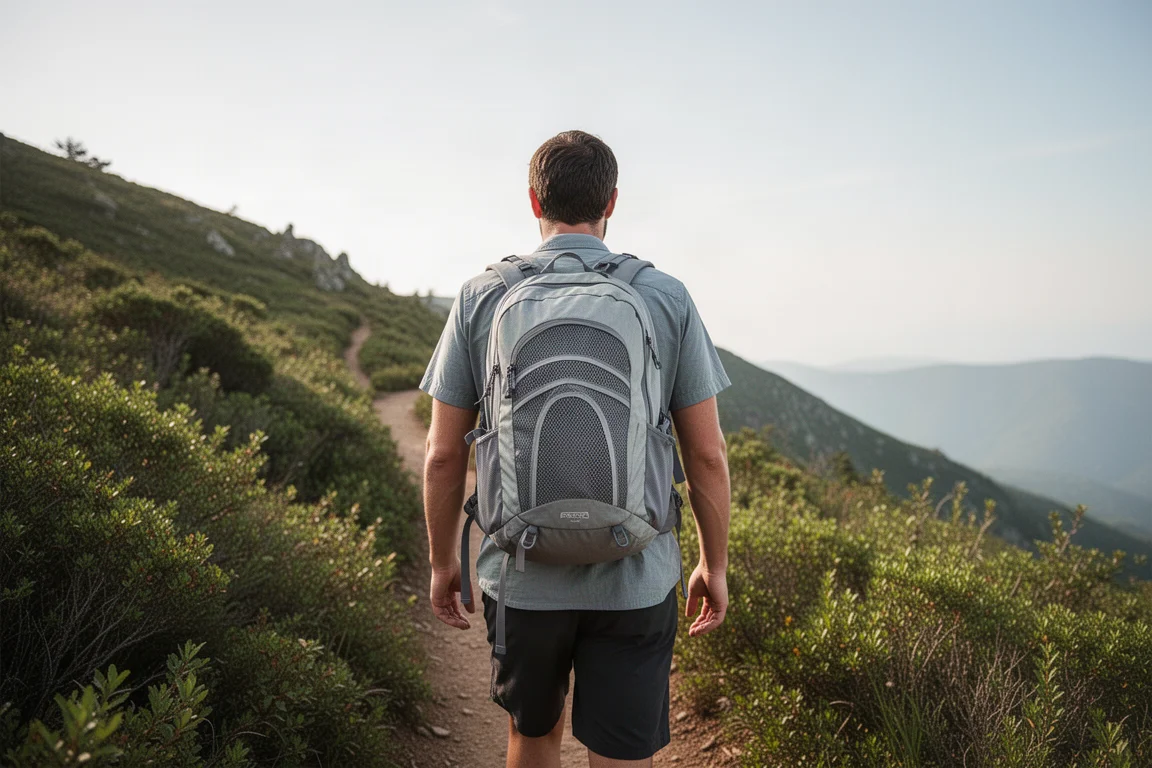
Weight savings matter most when you are carrying your pack uphill in the heat. Every ounce you remove from your back makes the climb feel easier and helps you stay cooler. The items below are chosen for their ability to reduce weight while solving specific summer problems.
Zpacks Arc Air Ultra: Ultralight Back Ventilation
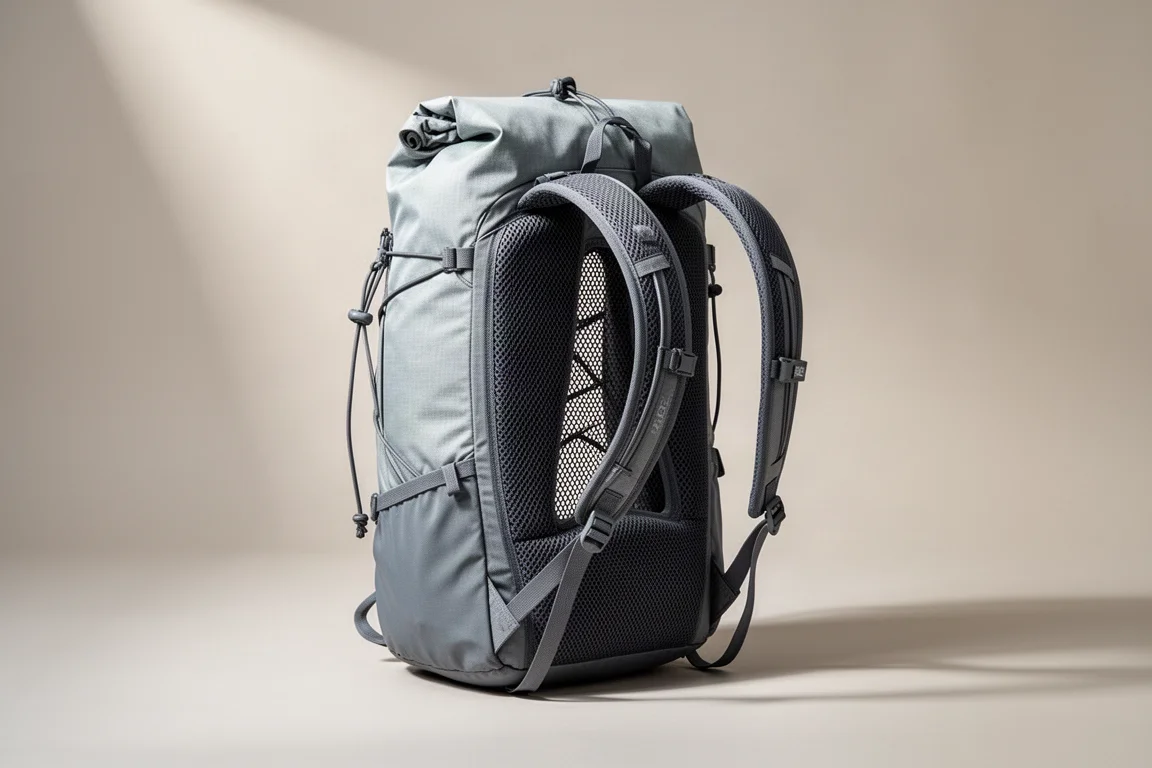
The Zpacks Arc Air Ultra addresses the number one summer issue: heat and sweat. It weighs only 20 oz, which is remarkable for a pack with a functional frame. The frame uses a flexible, almost external-type design combined with a mesh backing to bend the pack into an arc. This means only the mesh and the top and bottom of the pack come in contact with your back, allowing sweat to evaporate and keeping you cool. If you are hiking in summer and want to stay reasonably sweat-free and lightweight, this pack is a standout option.
Enlightened Equipment 30° Quilt: Lightweight Sleep System
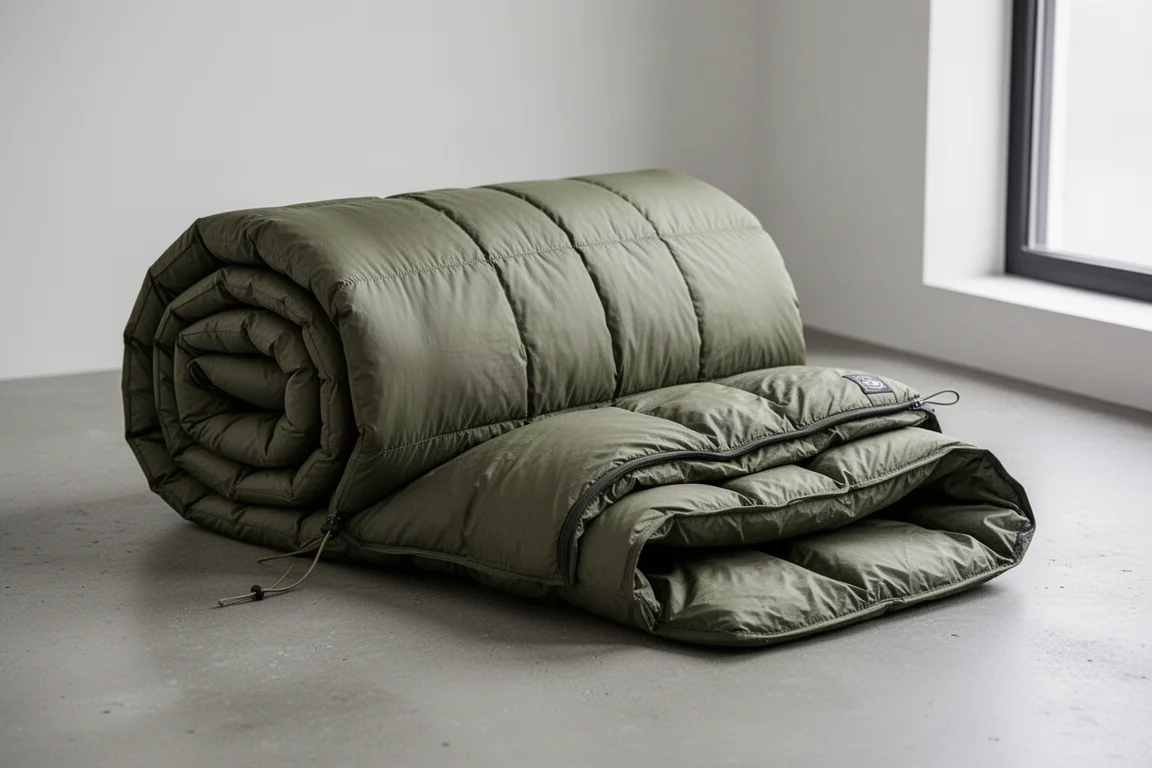
Summer nights, even in the mountains, can be mild with lows in the mid-40s. That makes a quilt a smart choice for saving weight. The Enlightened Equipment 30° quilt weighs just 17 oz and offers versatility that a traditional sleeping bag cannot match. If you get too warm, you can easily vent the arms and legs to regulate your temperature. For even lighter trips, a 40° quilt is an option. Quilts like this one are lightweight, adaptable, and ideal for summer backpacking.
Therm-a-Rest UberLite: Minimalist Sleeping Pad
Warm weather also means you can carry a lighter sleeping pad with a lower R-value. The Therm-a-Rest UberLite weighs as little as 8 oz and has an R-value of 2. In colder conditions, R-value is critical for staying warm, but in summer it matters far less. That makes the UberLite a great choice for ultralight backpackers who want to minimize pack weight without sacrificing a good night’s sleep.
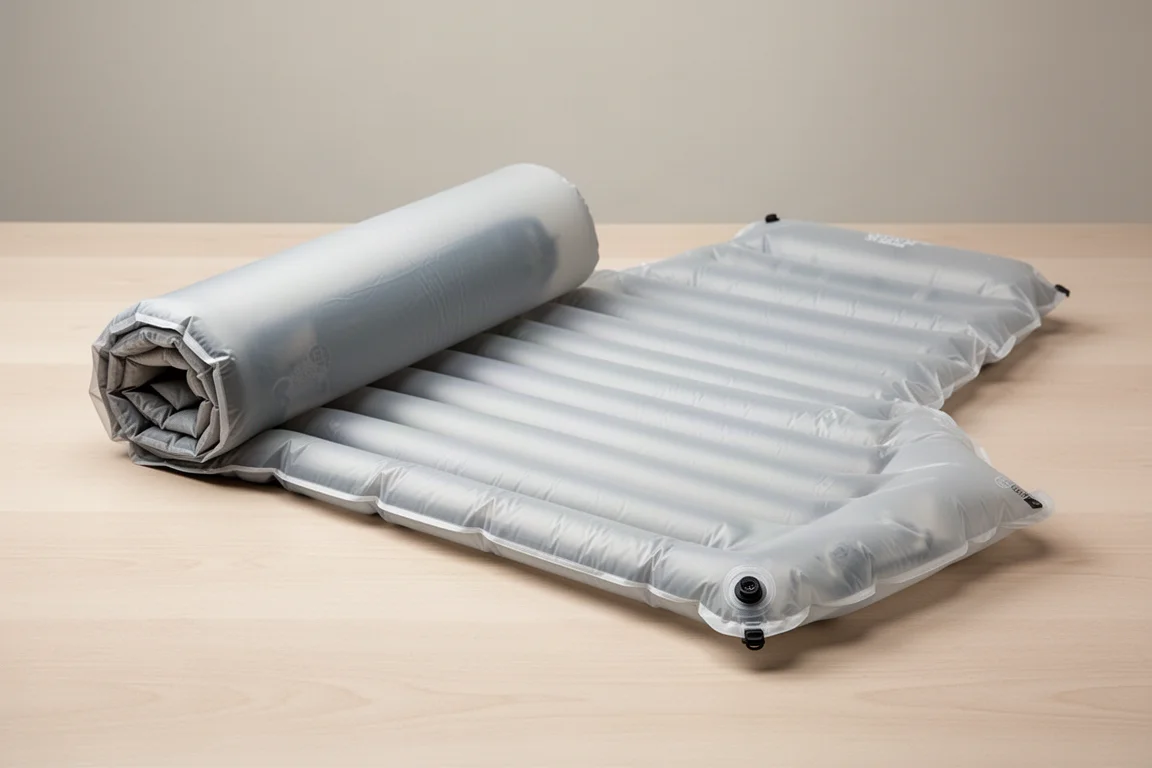
Klymit Static V: Affordable Summer Comfort
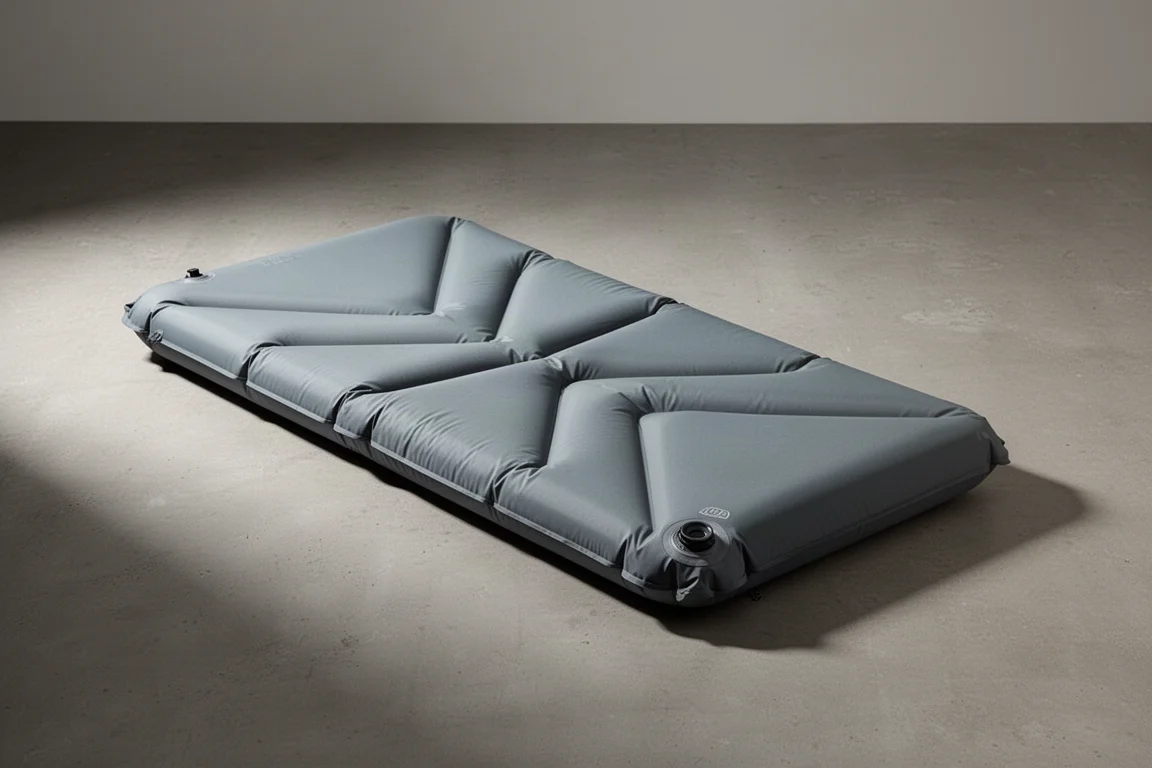
If you want a comfortable and affordable pad, the Klymit Static V is a strong contender. It costs just $54 and is known for being super comfortable. The welded design creates valleys where the pad is only millimeters thick, which makes it a poor choice for cold weather because it lacks insulation. However, that same design works perfectly for summer, and it does not affect comfort. In fact, it may even enhance it. For a great, affordable, and comfortable summer pad, the Static V is hard to beat.
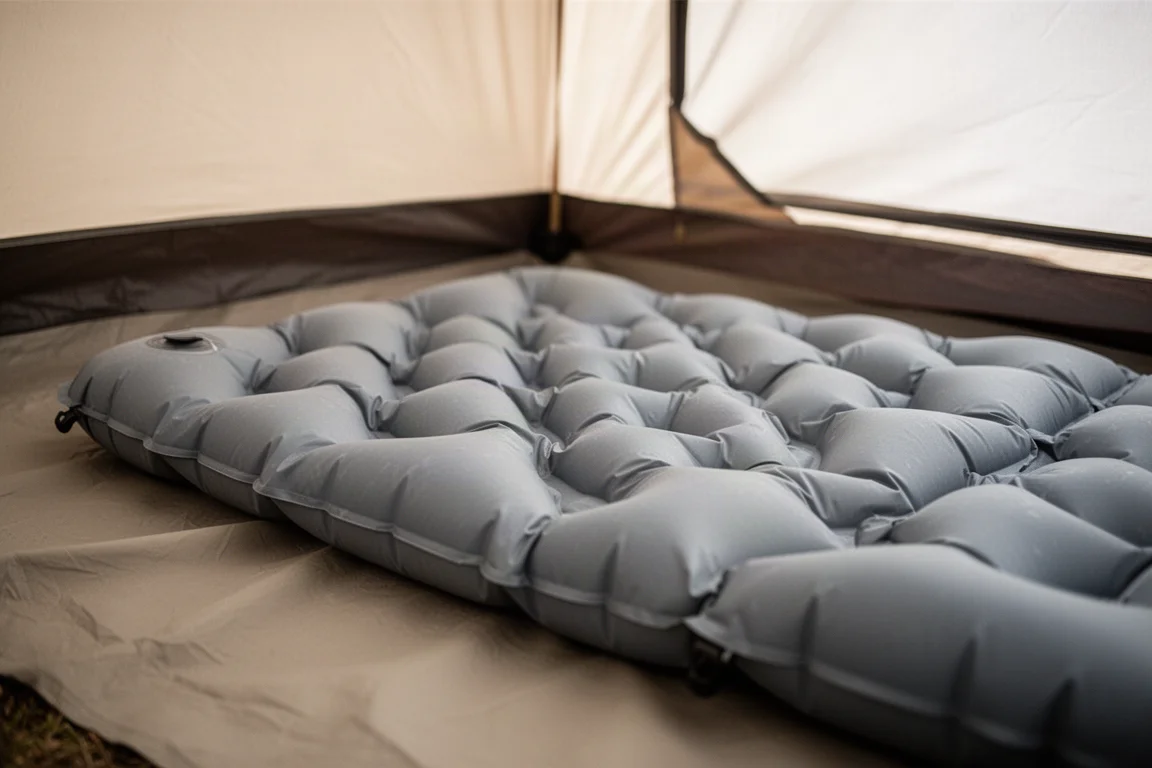
The welded construction is the key difference. Unlike pads designed for winter, the Static V prioritizes comfort and packability over insulation. That trade-off is exactly what you want when the overnight temperatures are mild. It packs down small and provides a stable, supportive surface for warm-weather trips.
Zpacks Umbrella: Rain and Sun Protection
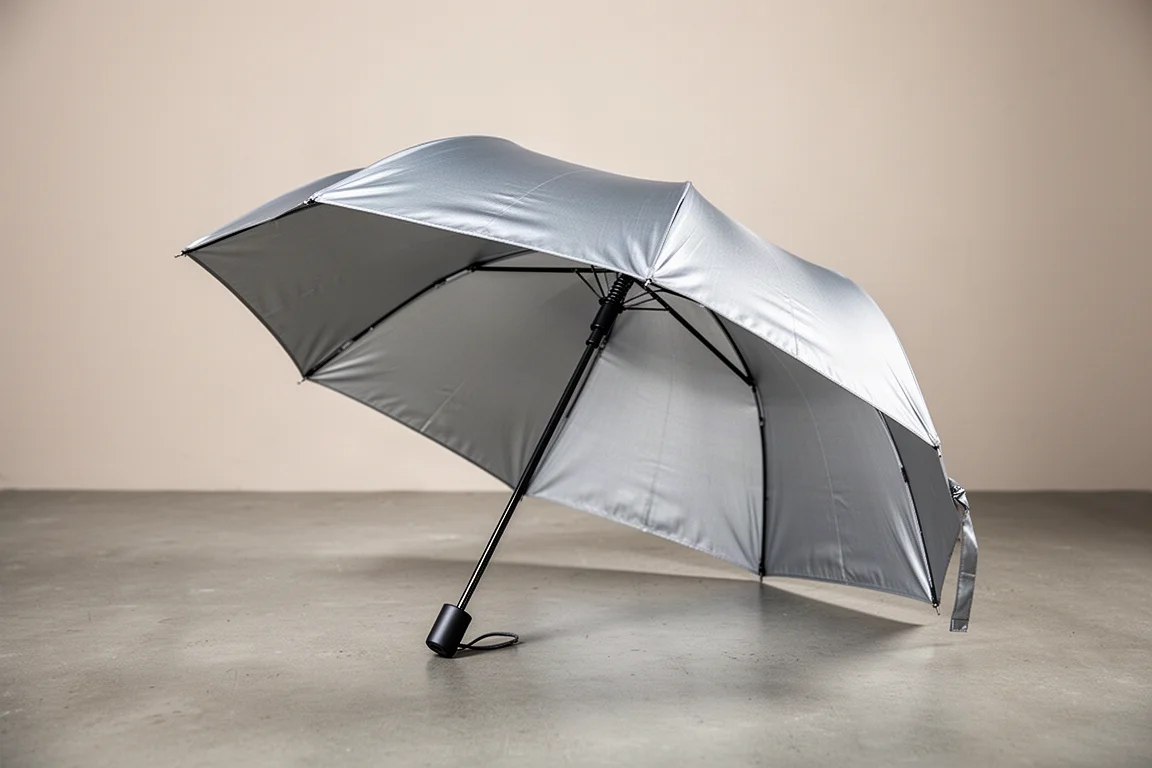
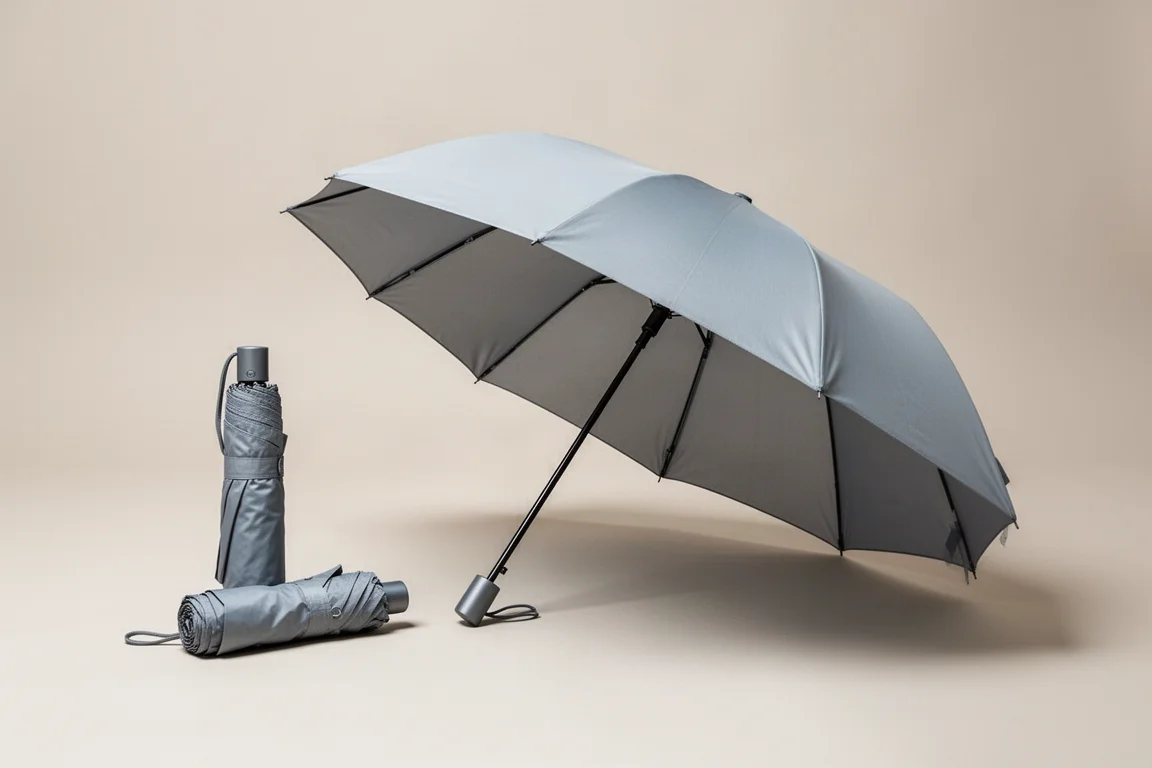
An umbrella might seem like an unusual piece of backpacking gear, but in humid summer climates it can be a game changer. When it is hot and humid, you are more likely to get wet from sweat than from rain. Even the most breathable rain gear will soak you with sweat in those conditions. The Zpacks umbrella weighs 6.8 oz and has a reflective color that helps keep heat off your neck and head. It keeps you dry from both rain and sweat, and it doubles as a sun shield on exposed trails.
Six Moon Designs Umbrella: Even Lighter Coverage
For those who want to go even lighter, the Six Moon Designs umbrella weighs just 5.5 oz. It offers the same benefits as a traditional umbrella for summer hiking: protection from rain and sun, and reduced sweat compared to heavy rain gear. In warm conditions where the risk of hypothermia is low, an umbrella can replace bulkier rain layers and keep your pack weight down.
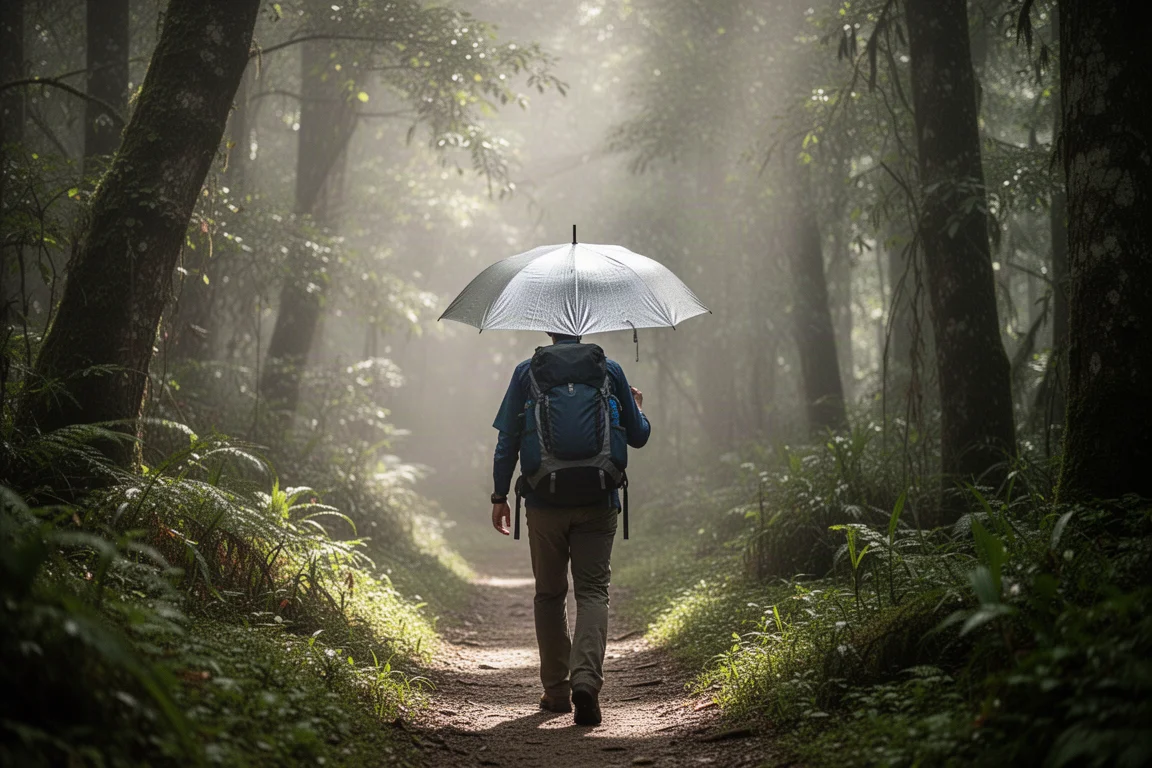
Umbrellas are particularly useful on trails in the eastern United States and other humid regions. They allow air to circulate while keeping the rain off, which is something traditional rain gear struggles to do. The trade-off is that you need to hold it, but for many summer hikers, the comfort benefits are worth it.
Farpoint Alpha Cruiser: Breathable Evening Warmth
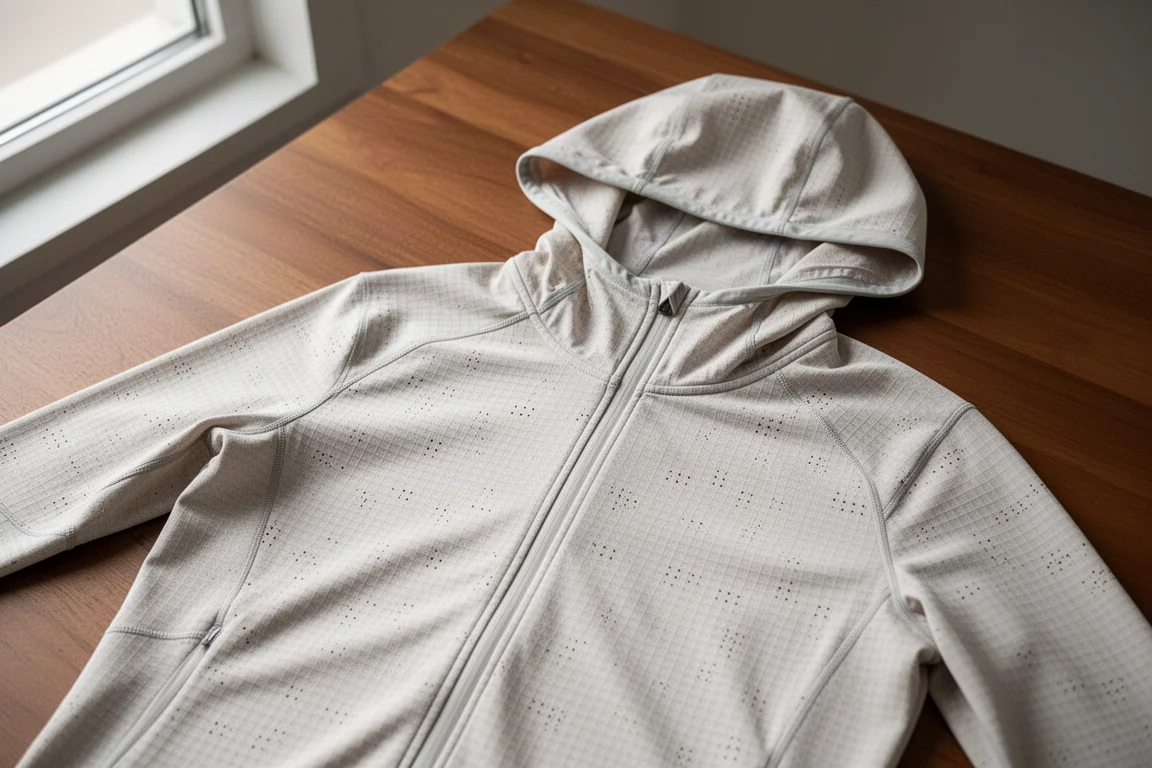
Even in summer, the temperature can drop once the sun goes down. The Farpoint Alpha Cruiser is a mid-layer designed primarily as an active layer. It weighs an incredible 4 oz and provides just enough warmth for a cool summer evening in the mountains. You may notice small holes in the fabric, but that is part of the design. The holes keep it super lightweight and super breathable while still providing enough loft to keep you warm. It is an excellent choice for those cool evenings at camp.
Sea to Summit Head Net: Bug Protection
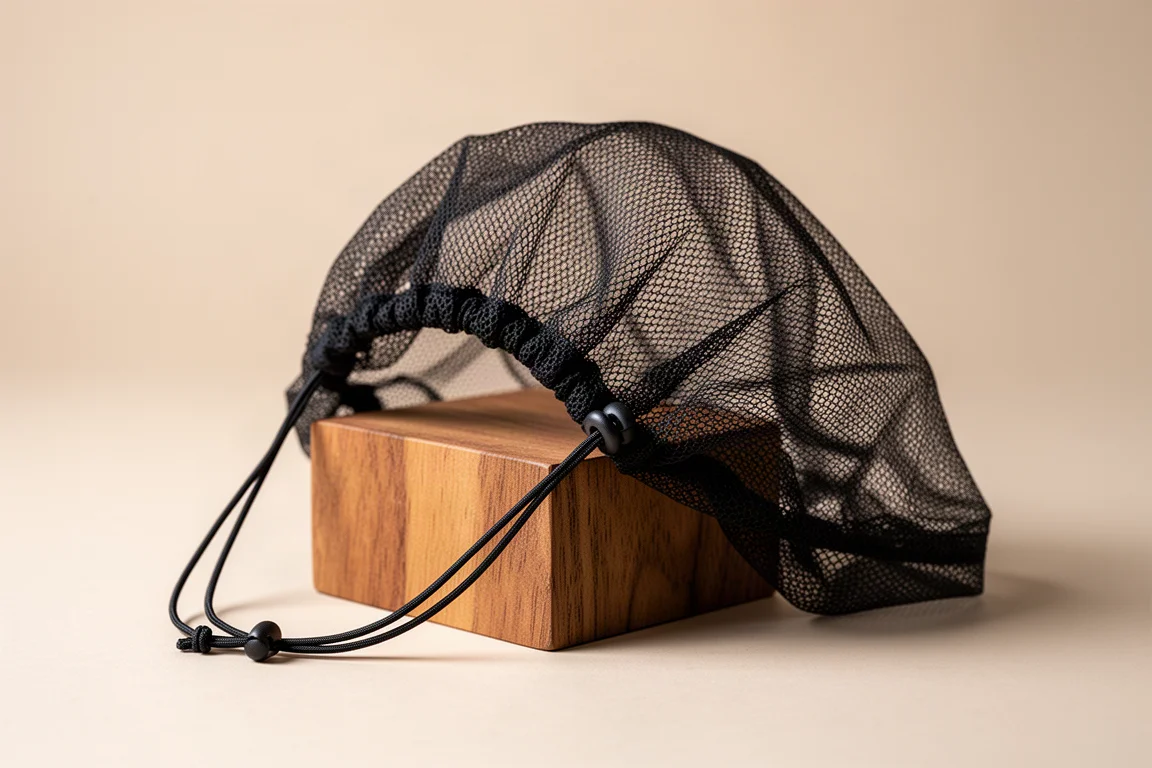
In buggy summer conditions, a good head net is essential. The Sea to Summit head net weighs less than an ounce and costs less than $30. It provides reliable protection against mosquitoes and other biting insects, which can ruin an otherwise perfect trip. If you are heading into areas known for heavy bug pressure, this small, inexpensive item is worth packing.
Overall Buying Advice
Choosing the right summer gear comes down to your specific conditions and priorities. If heat and sweat are your main concerns, start with a well-ventilated pack like the Zpacks Arc Air Ultra. For sleep systems, match your quilt and pad to the expected nighttime temperatures; a 30° quilt and a low R-value pad work well for mild summer nights, while a budget option like the Klymit Static V offers comfort at a lower cost. In humid climates, an umbrella can replace heavy rain gear and reduce sweat. And do not overlook small items like a head net, which can make a big difference in buggy areas.
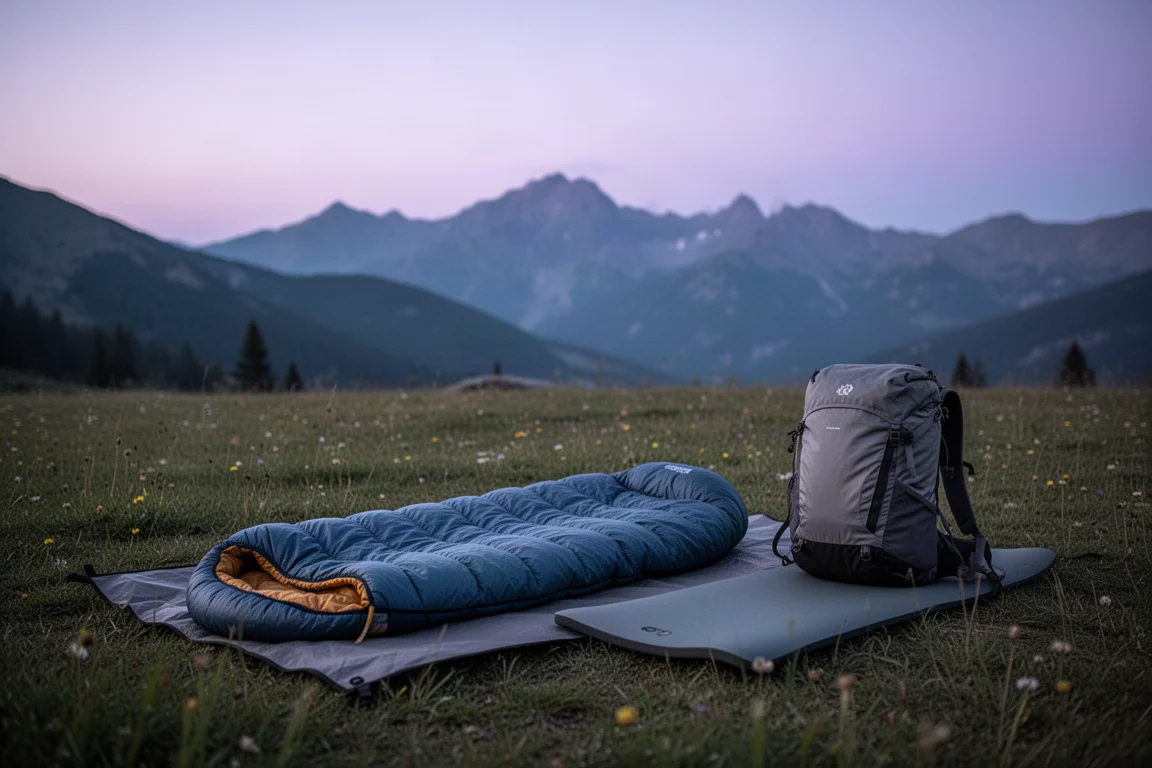
Consider the weight savings each item offers and how they work together. A lighter pack, a versatile quilt, a minimalist pad, and a breathable layer can transform your summer backpacking experience. The goal is to stay cool, dry, and comfortable without carrying more than you need.
Conclusion
Summer backpacking is a great opportunity to lighten your load and enjoy the trails. The eight items above address the specific challenges of warm-weather hiking: heat, sweat, mild nights, humidity, and bugs. By choosing gear that matches the season, you can stay comfortable and keep your pack weight down. Whether you are upgrading your sleep system, adding ventilation, or simply packing a head net, these options are worth considering for your next summer adventure.
Further reading
Related Reviews

Backpacking Gear
Building a 10 lb Base Weight: An Ultralight Backpacking Gear List
A practical walkthrough of the ultralight pieces behind a 10 lb base weight, from a 765 g pack and a roomy one-person tent to a full camp chair and a dependable water filter.
Backpacking Gear
A 15-Pound Lightweight Backpacking Gear List for Solo Trips
A beginner-friendly 15-pound backpacking setup built from easy-to-find gear, with notes on what each piece does, how it packs, and where to spend your attention.
Backpacking Gear
8 Ultralight Backpacking Gear Upgrades Worth Carrying
Eight small, affordable backpacking upgrades that solve real trail annoyances, from a pillow that stays put to a fuel valve that rescues leftover canister gas.