Streaming DACs
Streaming DACs Compared: Argon Audio Solo, WiiM Mini, Bluesound Node and Hegel H190
Four streaming options, one buying decision: how the compact Argon Audio Solo stacks up against the WiiM Mini, the Bluesound Node and the Hegel H190.
Introduction
Streaming DACs have a reputation problem. For years the sensible budget answer was to build something around a Raspberry Pi, which is fine if you enjoy that kind of project and less fine if you simply want to play music. The Argon Audio Solo is aimed at the second group: a compact box that adds network streaming and a built-in DAC to a system that already has an amplifier and a pair of speakers.
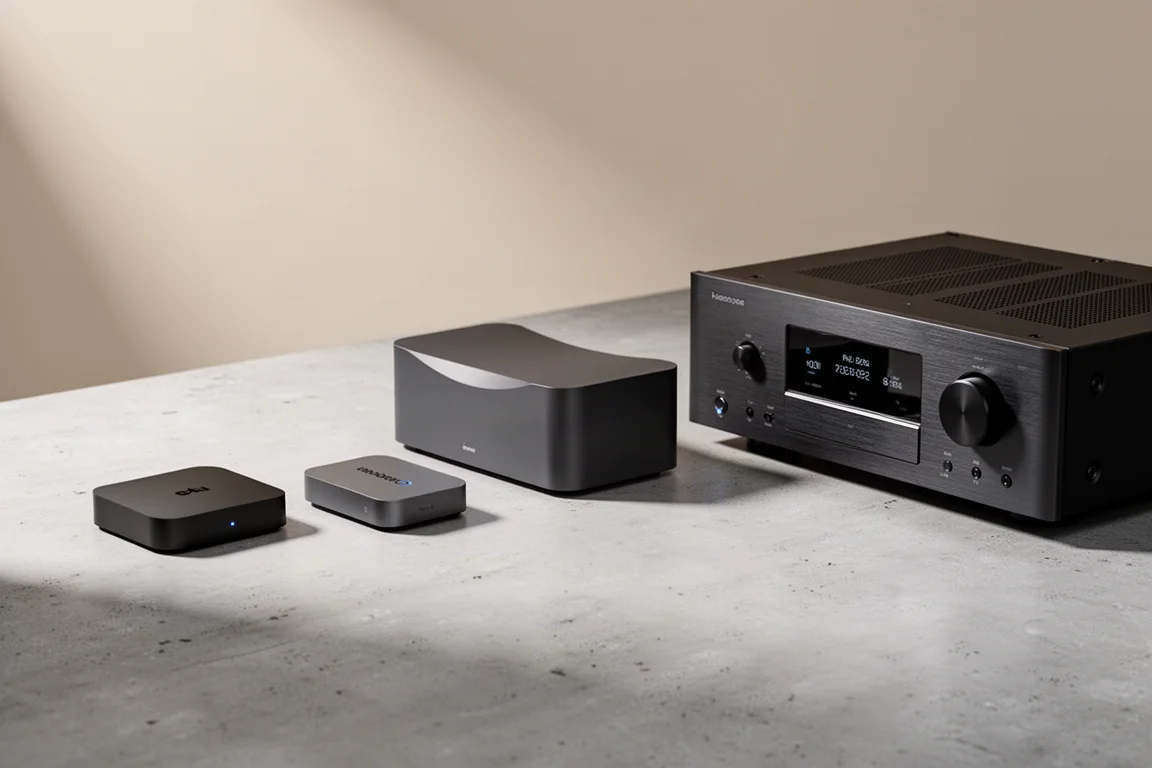
This comparison places the Argon Audio Solo alongside three alternatives that buyers tend to weigh up at the same time. The WiiM Mini costs roughly $100 and is the obvious budget reference point. The Bluesound Node sits at around twice the price of the Argon and offers a much broader feature set. The Hegel H190 is a different proposition entirely, an integrated amplifier with its own streaming DAC built in.
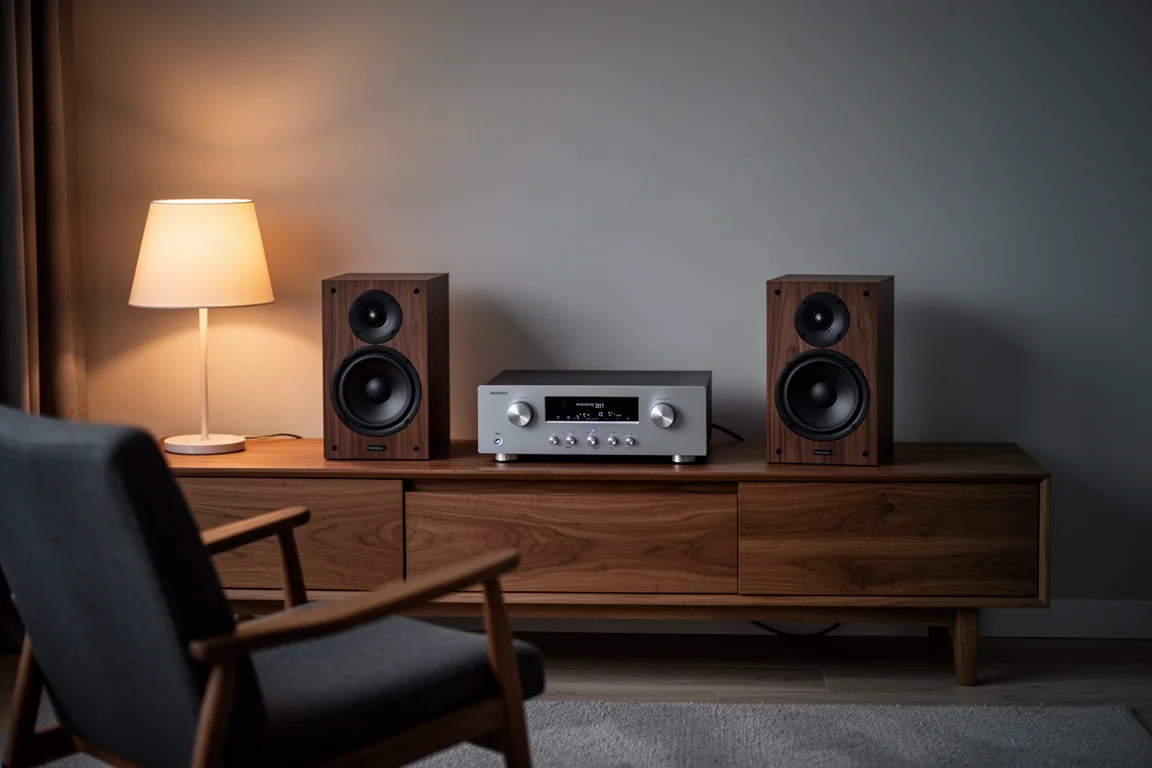
The useful takeaway is that the differences here are subtle rather than dramatic. Nothing in this group is left behind by anything else, and the gaps between these streaming options are smaller than the gaps between loudspeakers, rooms or amplifiers. That does not make the choice unimportant, especially if your speakers and amplifier are already settled.
What the Argon Audio Solo Brings to a System
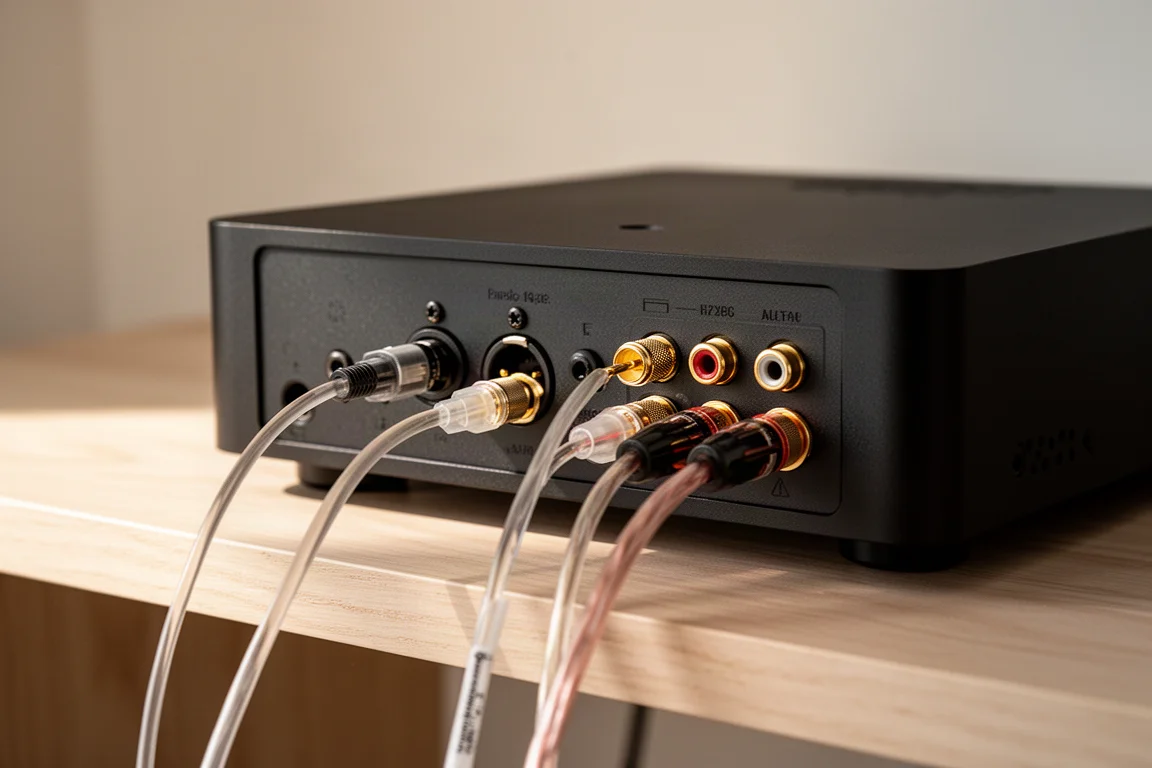
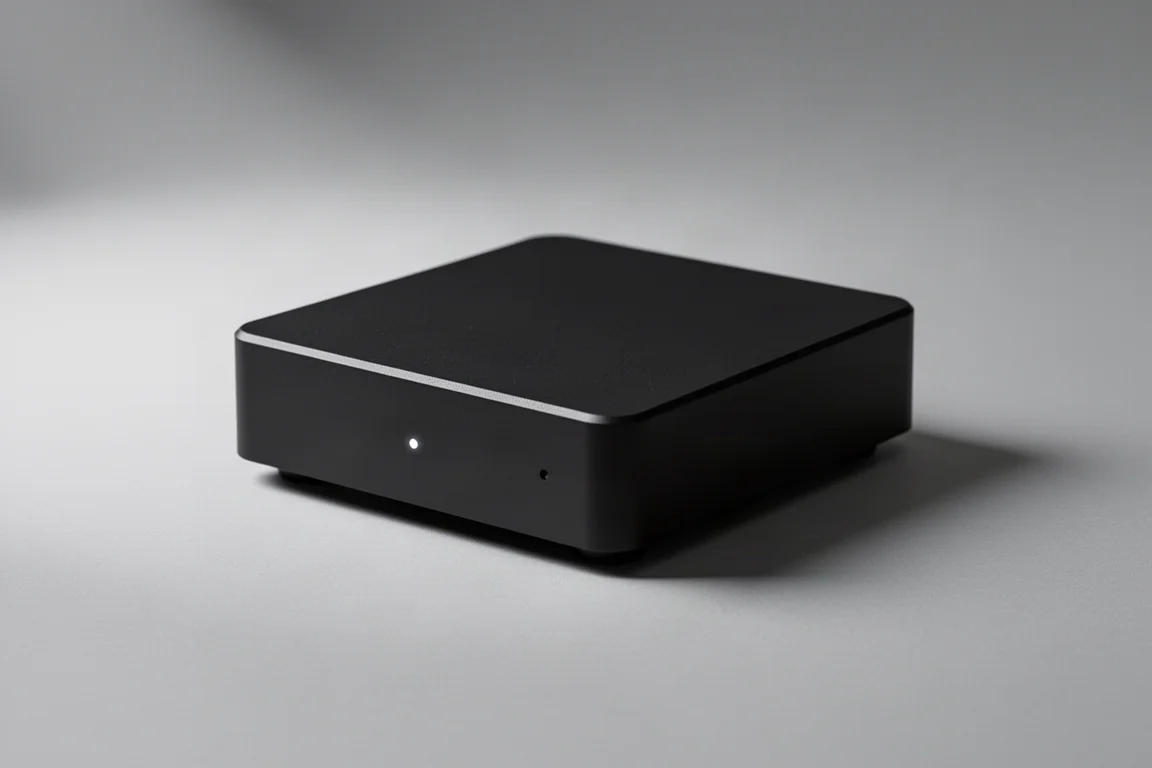
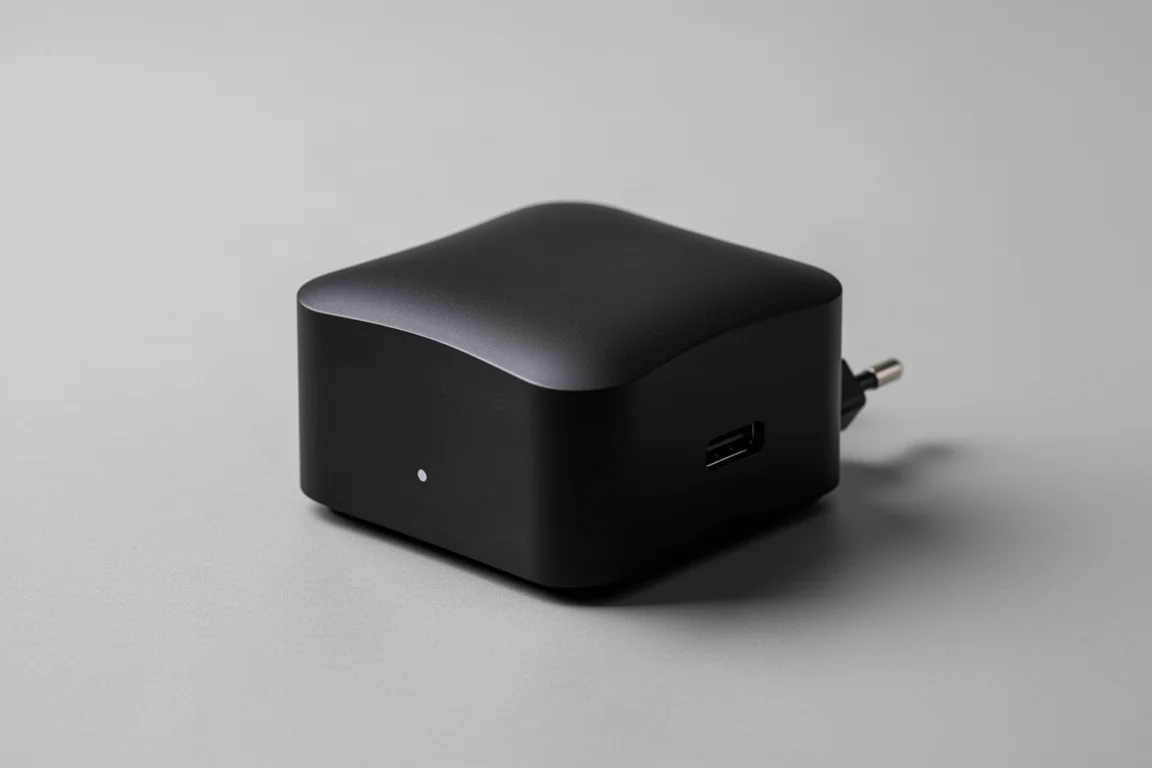
The Solo is a small black plastic box with very little to distract you. A logo on the top panel, a status LED on the front, and the connections around the back: a pair of RCA analogue outputs fed by an internal DAC built around an ESS ES9018K2M chip. That chip handles PCM up to 24-bit/192kHz, which covers high-resolution files comfortably even though CD-quality streaming is where most listeners will live.
There is no ethernet port. The Solo is Wi-Fi only, and it joins the home network through the Google Home app. Streaming support is where the value sits: Google Chromecast built in, Bluetooth, Apple AirPlay 2, Spotify Connect and Roon Ready. Chromecast built in is genuinely unusual at this price, and Roon Ready matters to listeners who have built their library around Roon.
Alongside the analogue outputs there are coaxial and optical digital outputs, and no USB. That flexibility is worth noting, because it means the Solo can feed an external DAC you already like, or a digital input on an amplifier, rather than forcing you to rely on its internal conversion. Playback is gapless from Roon Ready, Spotify Connect, AirPlay and Bluetooth. Chromecast is the one exception.
Argon Audio Solo: How It Sounds
The Solo’s character is easy to describe: lit up, vivid and clean about the way it separates the layers of a mix. Against the cheaper WiiM Mini the result is not close. With the Solo, individual elements are easier to follow, whether that is a drum pattern tucked away in one speaker or a bass line sitting underneath a vocal.
Against the Bluesound Node, the picture is more interesting. The Solo has the wider soundstage of the two, and it sounds crisper on vocals and on guitar lines. It also edges ahead on bass punch and vivacity, with deep low notes arriving with a little more force, a keener leading edge on transients, and more decay teased out of reverb tails. That extra presence makes it the better of the two for quiet, low-level listening.
The trade-off is character rather than quality. The Solo is the more forward and more energetic of the two streamers, so it is not the obvious choice for a system that already leans bright. In a modest system built around easy-going speakers, that extra pep and bounce is exactly what makes it work. One practical note: its output runs hotter than the Node’s, so level matching matters when comparing the two. The only hardware quibbles are the mini USB power connector, which feels dated, and a supplied power lead that is a little short for comfort. It is also sold in Europe and is not yet available in the USA.
WiiM Mini: The Budget Alternative
At around $100, the WiiM Mini is the affordable entry point into network streaming. It covers Bluetooth, Apple AirPlay 2 and Spotify Connect, and it adds Tidal Connect, which the Argon Audio Solo does not offer. For listeners committed to Tidal, that alone can decide the purchase.
On sound quality, though, the comparison is one-sided. The Solo is the more vivid and more revealing of the two, with clearer separation between instruments. The WiiM Mini remains a sensible way to add streaming to a system for very little money, but it cannot match what the Argon does audibly.
Bluesound Node: More Features, Different Priorities
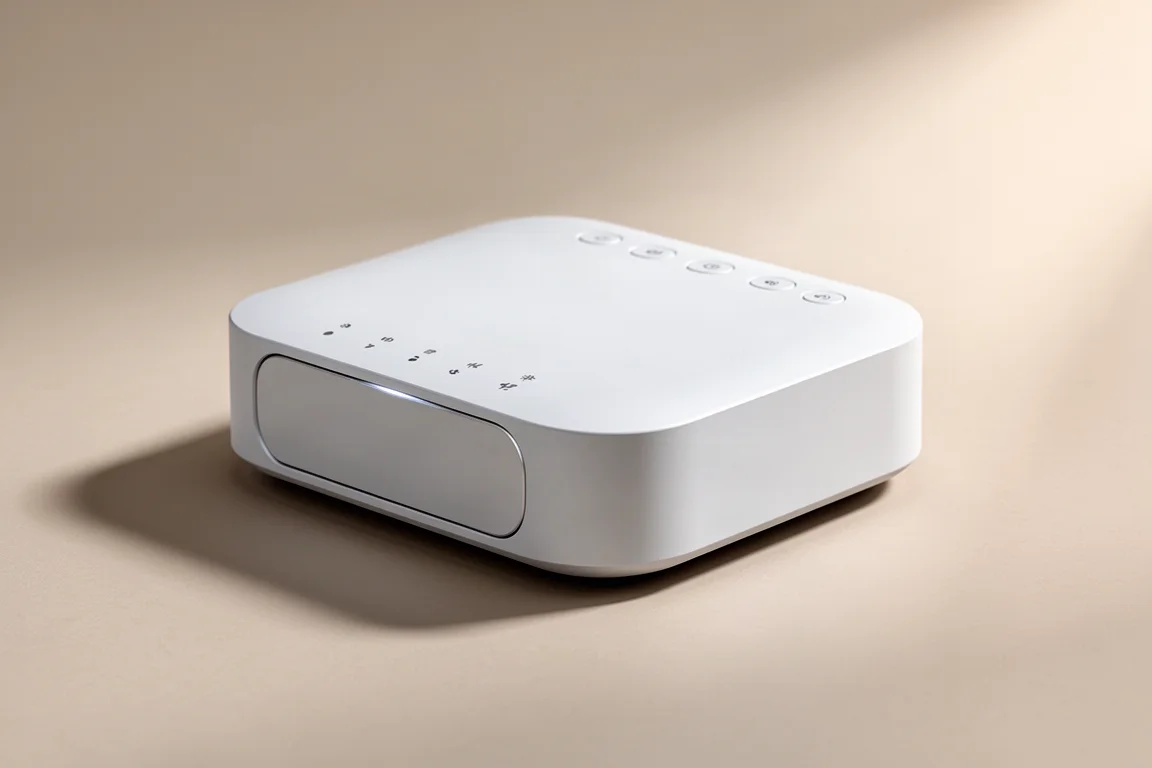
The Bluesound Node is the most feature-rich option of the three outboard streamers here. It offers two-way Bluetooth, an HDMI input and a touch-sensitive top panel, and its overall functionality is broader than the Argon Audio Solo’s. If features are the priority, the Node is the answer.
Sound quality is not as clear-cut as the price gap suggests. The Node’s top end is smoother and softer, and its presentation is more standoffish, which some listeners will genuinely prefer. The Solo counters with a wider soundstage, crisper vocals and guitar, and a little more punch in the low end. Neither streamer can be called simply better than the other.
That makes the Node a question of priorities rather than performance: more inputs and features, or a more energetic and slightly more revealing sound for roughly half the price. Both answers are defensible.
Hegel H190: The Integrated Option
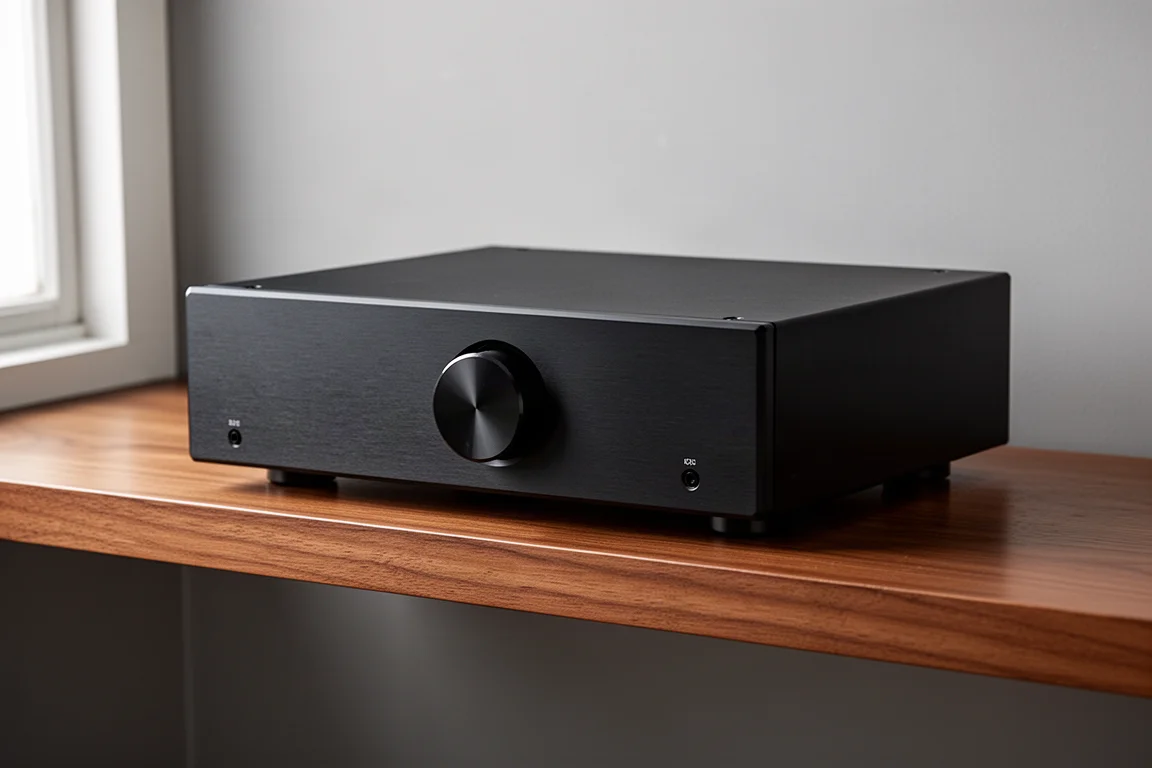
The Hegel H190 is a different category of product. It is an integrated amplifier with its own streaming DAC inside, and that internal streaming stage outperforms both outboard streamers on soundstage width, vivacity and tone. The gap between the Hegel and either the Argon or the Bluesound is larger than the gap between the two outboard streamers themselves.
That said, the differences are still measured in degrees rather than in destruction. If you already own a Hegel H190 and want Chromecast, two-way Bluetooth or HDMI, adding an outboard streamer is a sensible functionality upgrade. It is not a sound quality upgrade.
Buying Advice
Two things decide this comparison more than any specification. The first is level matching. The Argon Audio Solo plays louder than the Bluesound Node from the same amplifier input, and an unmatched comparison flatters whichever box is louder. Match levels before deciding.
The second is system matching. The Solo’s crisper, more forward presentation adds pep to an easy-going system and can tip a bright one too far. The Node’s softer top end is the safer choice for systems that already have plenty of bite.
The Raspberry Pi alternative deserves a mention, because it is the obvious objection at this price. Building a streaming DAC around a Pi can work, but the boards have been hard to find and expensive when you do, and a Pi-based build is unlikely to give you analogue outputs alongside coaxial and optical digital outputs. No Raspberry Pi operating system offers Chromecast reception, and for most people the build itself is a substantial project. The Argon Audio Solo is the opposite: plug in, set up through the Google Home app, and you are playing music in about five minutes.
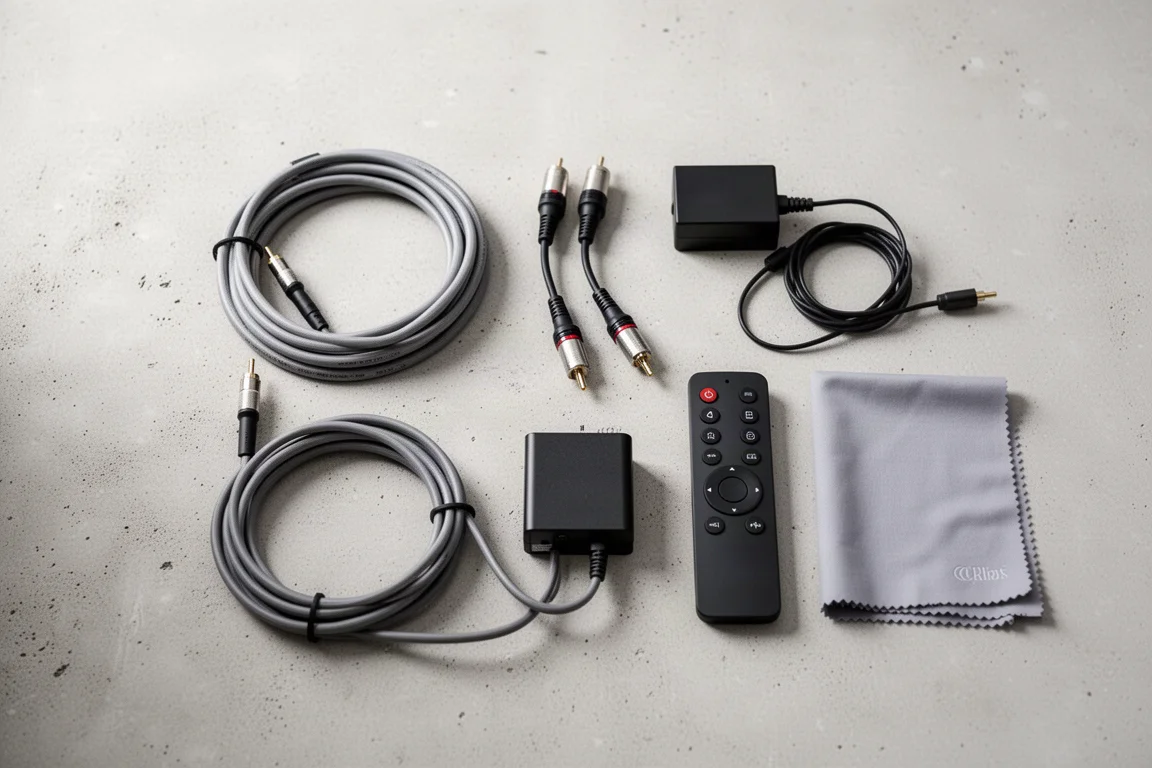
Availability is the last practical consideration. The Argon Audio Solo is sold in Europe and is not yet available in the USA, so buyers outside Europe will need to factor that in before planning a purchase. Within Europe, the digital outputs give it a long useful life, since it can feed an external DAC or an amplifier’s digital input if your priorities change later.
Conclusion
The Argon Audio Solo earns its place by being genuinely plug and play at a price where the usual answer is a project. It streams Chromecast, AirPlay 2, Spotify Connect and Roon Ready, offers both analogue and digital outputs, and sounds vivid and well separated in a modest system. The WiiM Mini is the cheaper way in and adds Tidal Connect, the Bluesound Node offers more features and a smoother sound for around twice the money, and the Hegel H190’s internal streaming stage beats both outboard streamers outright.
If your system is already assembled and you want streaming that sounds lively and costs a fraction of the amplifier behind it, the Argon Audio Solo is the straightforward choice.
Further reading
Related Reviews
Streaming DACs
Eversolo DMP-A6 vs Bluesound Node vs WiiM Pro: Streaming DACs Compared
A practical comparison of four streaming DAC options: what the Eversolo DMP-A6, Bluesound Node, WiiM Pro and Geshelli Labs J2 each do well, and which trade-offs matter most.
Streaming DACs
Auralic Altair G1.1 vs Gustard R26 vs Denafrips Venus 2: Three Streaming DACs Compared
A practical comparison of three high-end digital front ends: the all-in-one Auralic Altair G1.1, the value-focused Gustard R26, and the purist Denafrips Venus 2.

Backpacking Gear
Building a 10 lb Base Weight: An Ultralight Backpacking Gear List
A practical walkthrough of the ultralight pieces behind a 10 lb base weight, from a 765 g pack and a roomy one-person tent to a full camp chair and a dependable water filter.