Streaming DACs
Auralic Altair G1.1 vs Gustard R26 vs Denafrips Venus 2: Three Streaming DACs Compared
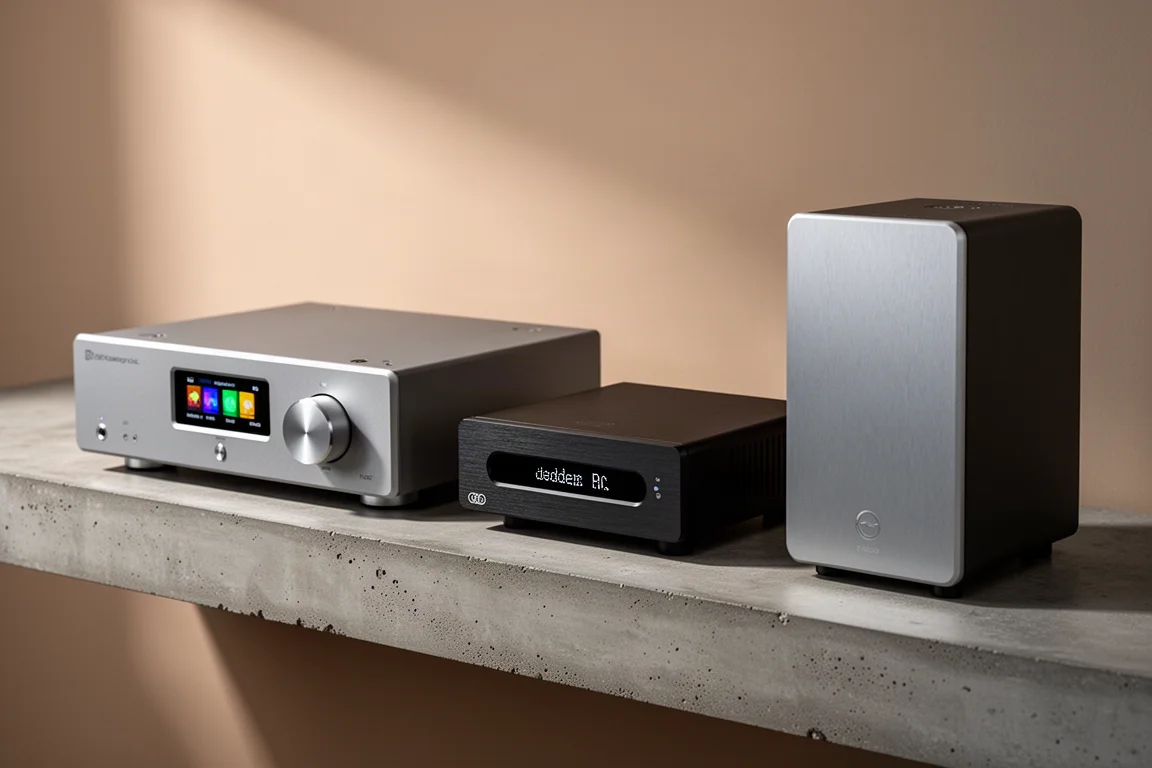
A practical comparison of three high-end digital front ends: the all-in-one Auralic Altair G1.1, the value-focused Gustard R26, and the purist Denafrips Venus 2.
Introduction
The case for putting a streamer, DAC and preamp in a single box is straightforward: one chassis, one power supply, one set of connectors and a much smaller bill. At the entry level, around £700, an all-in-one is genuinely hard to beat on value.
The case against appears as budgets rise. Separate boxes bring dedicated power supplies and better noise isolation, and at some point those advantages outweigh the savings of a single unit. Where that point sits depends on what you intend to do with the system over the next five years.
This comparison covers three digital front ends that sit around that dividing line. The Auralic Altair G1.1 is a complete one-box solution at around £2,699. The Gustard R26 is a ladder DAC with a streaming module at roughly £1,600. The Denafrips Venus 2 is a dedicated DAC with no streamer at all, and it retails above the Altair. Each one makes sense for a different kind of system.
How These Three Streaming DACs Compare
Price is the least useful way to separate these three, because the cheapest and the most expensive are closer in sound than the gap suggests. A more practical framework is to look at five things.
Sound quality comes first, with the caveat that differences between good DACs are subtle. Two of these units sound remarkably similar to one another, and the third pulls ahead by a narrower margin than its price would imply.
Connectivity and upgrade paths come second. A design with no digital outputs, no master clock input and no I2S input is a closed system: excellent today, but not something you can improve by adding boxes later.
The control layer matters just as much. An app you enjoy using, a display that shows what is playing and quick track changes make far more difference to daily ownership than a small gain in resolution.
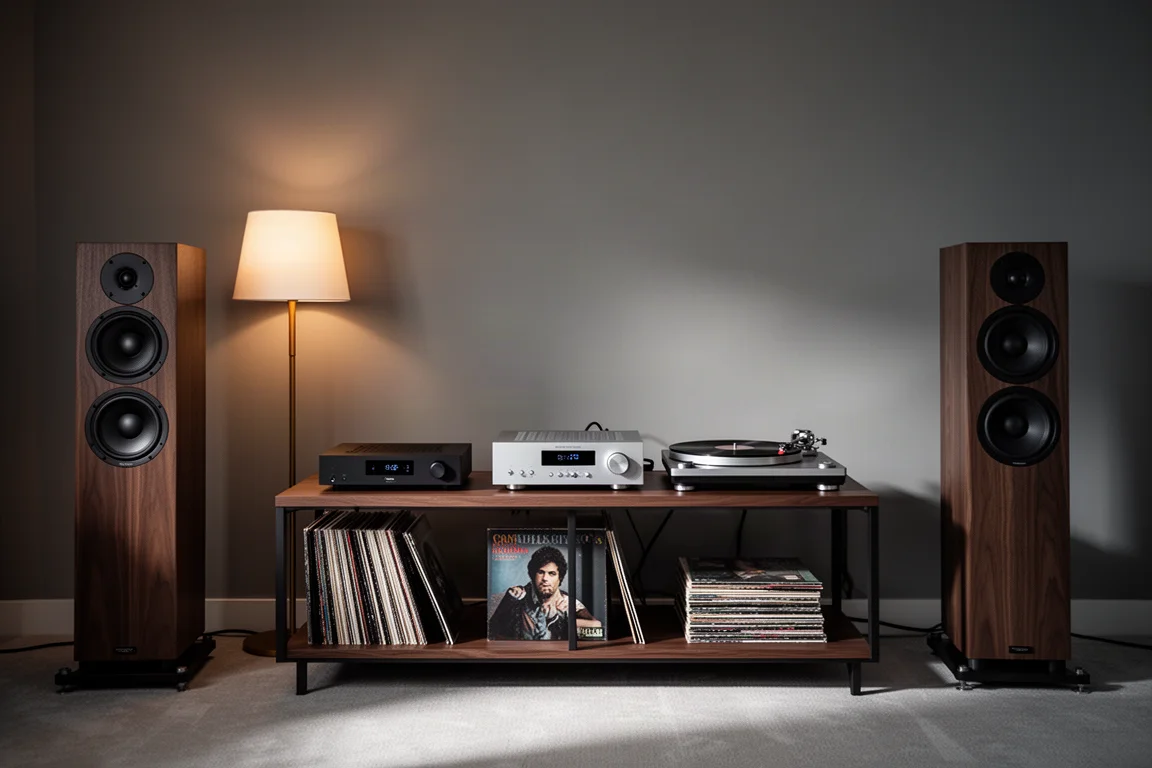
Preamp capability is the fourth consideration. All three units offer some form of volume control, and none of them performs at its best that way, so a dedicated preamp deserves a place in the budget.
Support is the fifth. The Auralic is sold through a dealer network while the Gustard is sold directly from a website, which is worth thinking about if long-term service matters to you.
Auralic Altair G1.1: Build, Display, and Connectivity
The Altair G1.1 measures 340 x 320 x 80 mm and weighs 7.4 kg. The chassis is assembled from thick anodised aluminium plates, and the front panel carries a 6.25 mm headphone socket, a 4-inch 300 PPI colour display and a rotary knob that handles navigation and volume. The display is not a touchscreen, but the knob is intuitive, and the screen shows what is playing, allows track selection from the queue and handles input switching.
Inside, the layout is unconventional. Removing eight bolts drops the bottom plate away and everything is mounted to the top plate. The power supply uses a Plitron transformer rated at 2 x 115 VA with double windings on the primary and secondary, a design that helps keep supply impedance low. A 10,000 µF Nichicon capacitor handles the main filtering alongside three smaller Samwha capacitors. The main board carries an Intel wireless receiver for Bluetooth and network connectivity, an XMOS processor for the USB interface, and the Auralic Tesla G2 processor, which sits between the main board and the top plate so that the chassis itself acts as a heatsink.
The USB input is re-clocked to reduce jitter and bypasses the usual USB power feed in favour of a dedicated linear supply. Digital conversion uses an ESS ES9038Q2M chip, deployed for conversion only, with Auralic’s own digital filtering, and Panasonic relays handle output switching.
Around the back there is an RJ45 Ethernet port, wireless networking, and a USB port labelled HDD for external drives, USB sticks and even CD drives used for playback or ripping. Digital inputs cover USB, Toslink, coax and AES/EBU. Analog output is available on single-ended RCA and balanced XLR. There are no digital outputs, no master clock input and no I2S input, which confirms the Altair is designed as a one-box solution rather than the hub of an expandable stack.
Storage is a genuine advantage. An optional 2 TB SSD can be fitted internally for around £400, and you can install your own drive instead. Streaming support covers the major services along with internet radio, Bluetooth, AirPlay 2, Spotify Connect and Tidal Connect, and the unit is Roon Ready. Everything is driven by the Lightning DS app, which is polished but iOS-only, leaving Android and PC users without a first-party option. Track switching feels noticeably quicker than on older and cheaper Auralic models thanks to the more powerful processor.
Auralic Altair G1.1: Sound Quality
As a DAC, the Altair G1.1 refuses to draw attention to any single characteristic. Bass, midrange and treble are evenly balanced, midrange transients are solid, and vocals and lead instruments are properly fleshed out, with upper harmonics and fine detail expressed cleanly. Resolution, dynamics, soundstage and imaging are all strong without ever sounding showy.
Direct comparison with the Gustard R26 is revealing, because the two sound remarkably alike. If anything, the Altair’s soundstage is slightly wider, while the R26 reaches a little deeper. Beyond those small differences, the two are difficult to separate.
The unit does not colour the sound in any particular direction, which makes it straightforward to match with a wide range of speakers and amplifiers. Partners in the £2,000 to £5,000 range suit this level of source.
Using the internal digital volume control does cost a little performance, so the sensible long-term plan is to add a good dedicated preamp. Running the Altair directly into active speakers or a power amplifier works well enough to get started.
The settings menu is deeper than most. The volume control can be enabled or disabled, there are four proprietary digital filters to choose from, a left/right balance control, and an adjustable fixed output level. Display behaviour and brightness can be configured, and a smart remote can be programmed even though no remote is supplied. A separate processor menu adds DSP, including upsampling up to 384 kHz, a three-band parametric EQ with frequency, gain and Q controls, and preset speaker-placement settings that compensate for gain and distance when you sit closer to one speaker than the other.
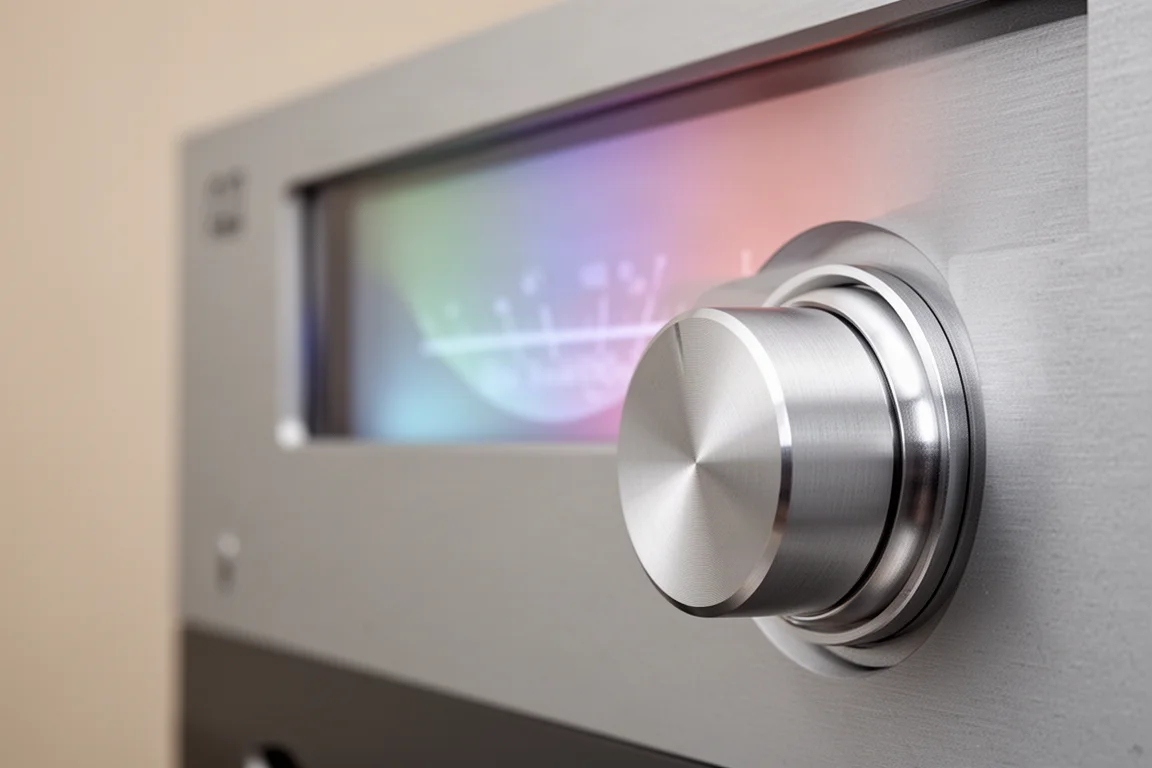
Taken together, the build, the streaming platform and the DSP toolkit make the Altair G1.1 the most self-contained option here. It is also the only one of the three with a colour display, a first-party app and a dealer network behind it.
Gustard R26: The Value Benchmark
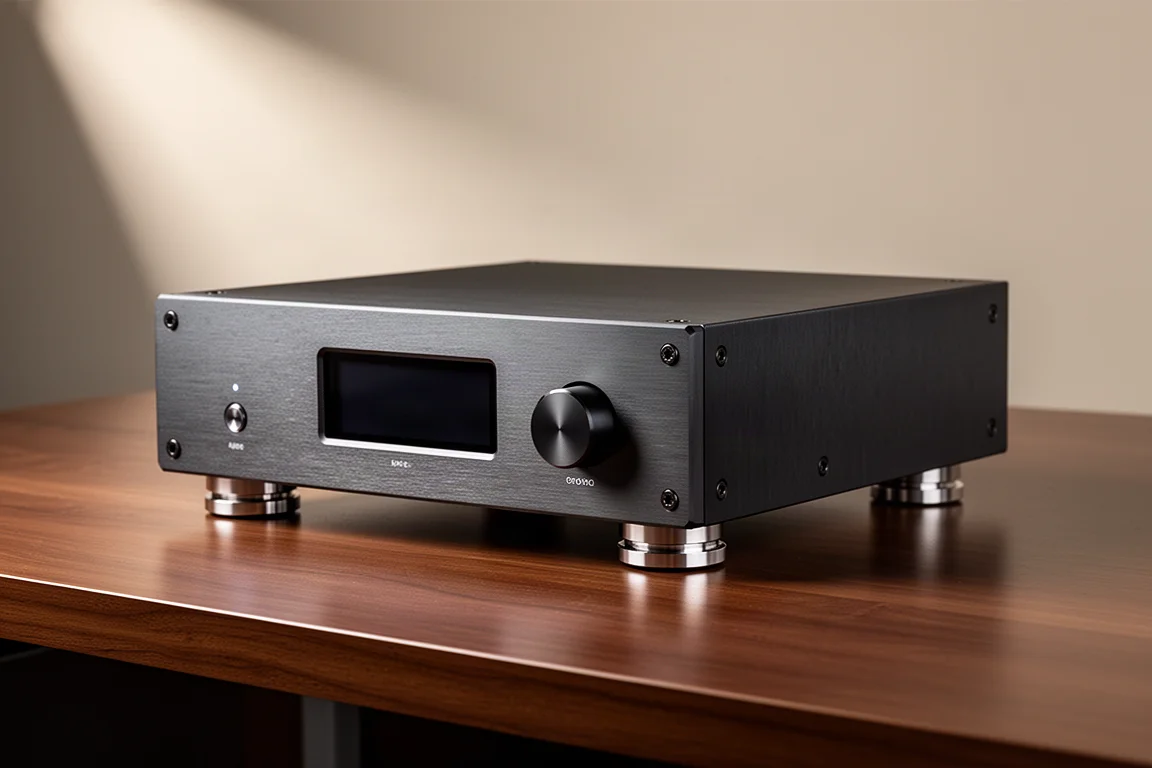
The Gustard R26 is a ladder DAC priced at roughly £1,600, about £1,000 less than the Altair. Its streaming module is decent, but it relies on third-party UPnP apps or Roon integration rather than a first-party control app.
Two volume controls are provided, one digital and one analog, and the analog version is the quieter of the two. Both have a significant effect on performance, so the R26 works best as a fixed-output DAC rather than a preamp.
Detail retrieval is the R26’s headline strength. Early on it sounded slightly shy in the bass and a little thin through the midrange, which gave it an analytical character. With extended use the bass and midrange filled out and the presentation became less clinical. Even before that change it set a benchmark at its price.
Against the Altair G1.1, the sound is very close. The differences appear elsewhere: the R26 is not as well built, it has no colour screen for cover art, it has no DSP engine with parametric EQ, and streaming depends on third-party apps. It is also sold through a website rather than a dealer network, which is worth weighing up if long-term support matters to you.
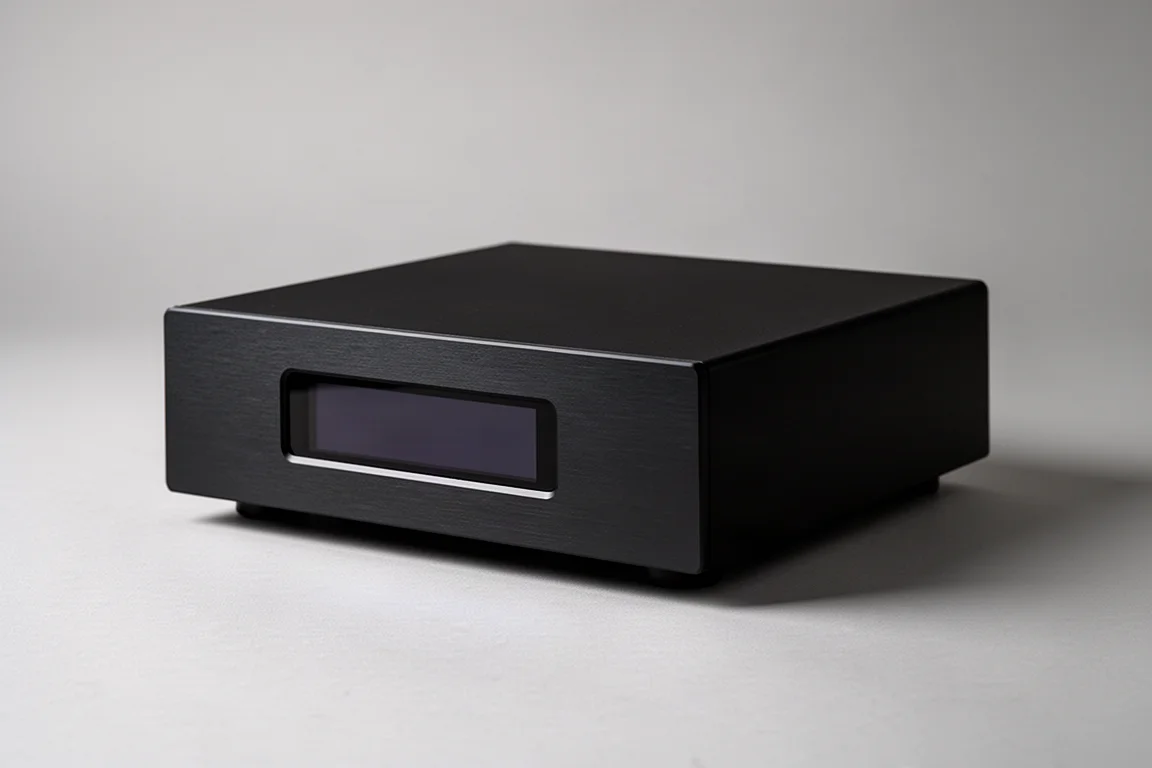
Denafrips Venus 2: The Purist DAC
The Venus 2 is a dedicated DAC with no streaming module, and it retails above the Auralic Altair G1.1. In this system it was fed by an Auralic Aries Mini with an MCRU linear power supply, which underlines the point: you are paying for conversion and nothing else.
Firmware is part of the ownership story. The unit here runs the original 1.0 firmware. A 3.3 release arrived alongside the Venus 12th Anniversary in March 2023 and drew mixed reports, after which a 1.4 release followed with the aim of combining the best traits of 1.0 and 3.3. If you buy used, it is worth confirming which version is installed.
Sonic character is where the Venus 2 separates itself. It has more meat on the bone than the Altair G1.1, with greater bass weight and noticeably more acoustic mass through the midrange. The soundstage is wider and considerably deeper, with better space between instruments. It is not more resolving, though, and bass definition and midrange transients are slightly better on the Altair.
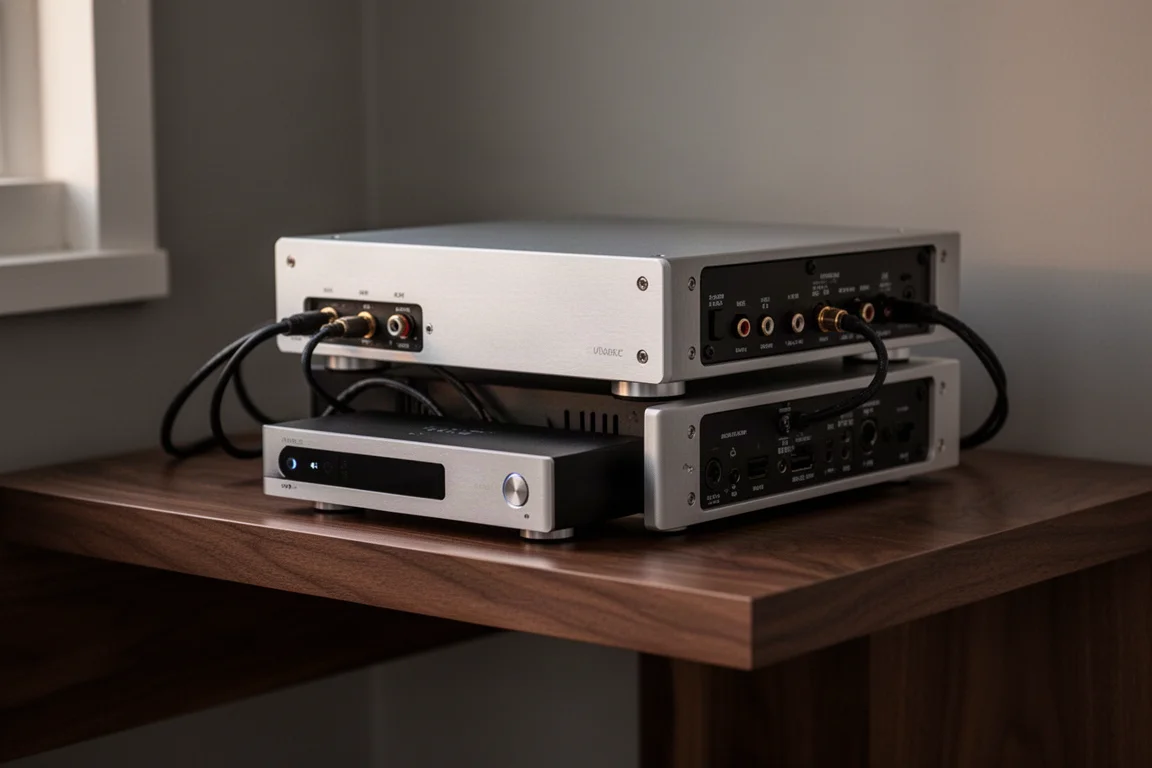
Overall the Venus 2 is the better DAC, but the margin is small, and it arrives without a streamer, a display or an app. Anyone who already owns a good transport or streamer will find it the most rewarding of the three.
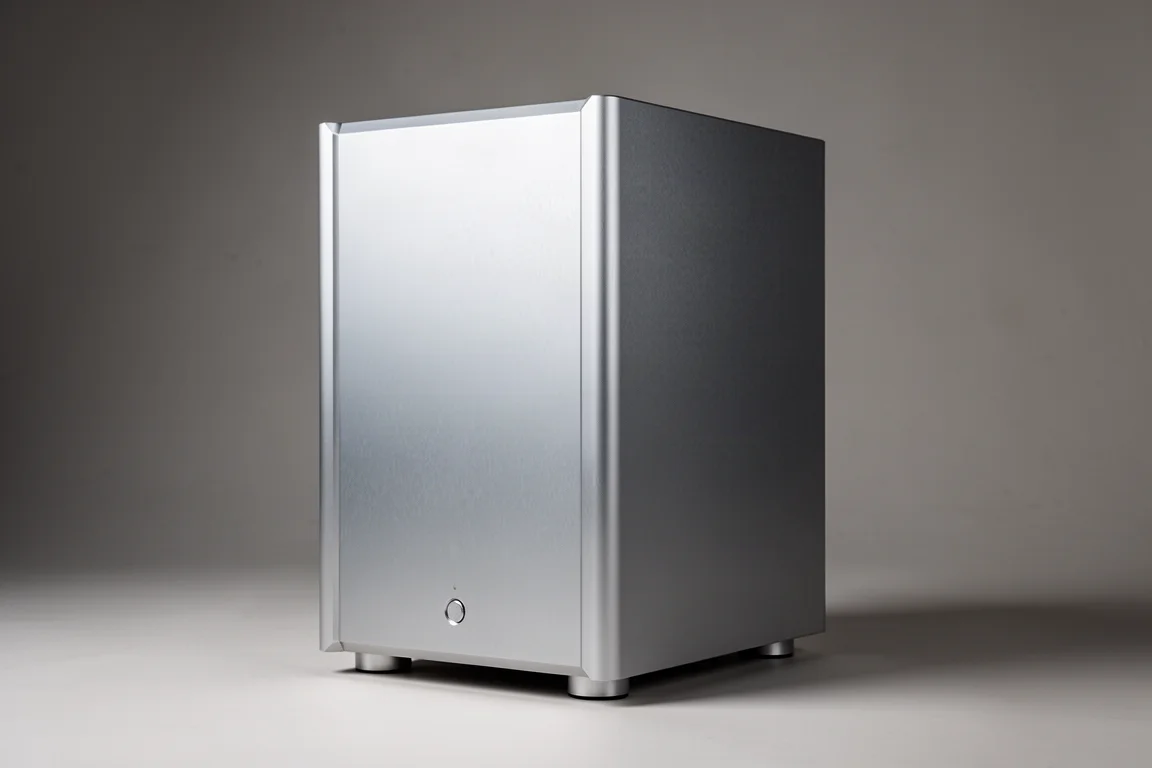
System Matching: Which DAC Suits Which Setup
Choosing between these three comes down to how you want the system to evolve.
If you want one box that handles streaming, conversion, volume and headphone listening, the Altair G1.1 is the clear answer. It is the only unit here with a first-party control app, an internal display and a DSP engine, and its build quality is a step above the R26.
If you want the most sound quality per pound and you are happy to run a separate streamer, the Gustard R26 delivers very close performance for around £1,000 less. The trade-offs are a plainer chassis, third-party streaming apps and direct-only support.
If you already own a high-quality source and you are chasing the most refined conversion, the Denafrips Venus 2 is the pick, provided the higher price and the firmware question do not put you off.
Whichever route you take, budget for a dedicated preamp. None of these units performs at its best when it is also acting as the volume control.
Buying Advice and Value Considerations
The value calculation here is unusually clear. The Gustard R26 gets you almost identical sound quality for roughly £1,000 less, which is a strong argument in its favour. What you give up for that saving is build quality, a colour display, a DSP engine, a first-party app and dealer support.
The Altair G1.1’s £2,699 price becomes easier to accept when you consider that most DACs below £3,000 which match its sound quality do not include a streamer at all. Add the app, the display and the parametric EQ, and the premium starts to look reasonable for anyone who wants a single box.
The Venus 2 sits above both on price and, narrowly, on sound. It makes sense for listeners who already have a streaming source and who value midrange body and soundstage depth more than features.
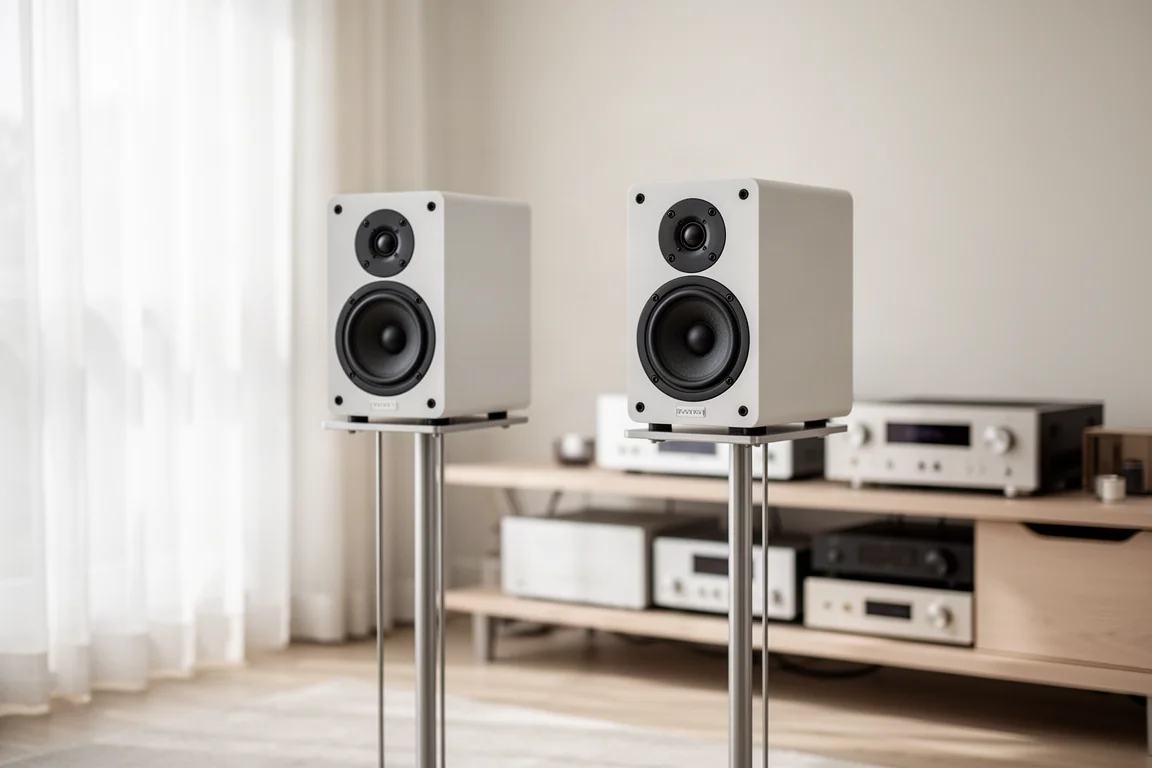
Whatever you choose, keep the rest of the system in proportion. Speakers and amplifiers in the £2,000 to £5,000 range are a sensible match for this class of DAC, and a dedicated preamp will extract more from any of them than an internal volume control will.
Conclusion
All three of these digital front ends are strong performers, and the right choice depends on what you already own. The Auralic Altair G1.1 is the most complete package: a superbly built one-box streaming DAC with a first-party app, a useful display and a deep DSP toolkit. The Gustard R26 gets within touching distance of that sound for around £1,000 less, as long as third-party streaming apps and a plainer build are acceptable. The Denafrips Venus 2 is the best-sounding DAC of the three, but it needs a good source and it costs more than the Altair.
For most listeners building a system from scratch, the Altair G1.1 is the most self-contained and the simplest to live with. For anyone who already has a streamer and wants maximum value for money, the R26 is hard to argue with.
Further reading
Related Reviews
Streaming DACs
Eversolo DMP-A6 vs Bluesound Node vs WiiM Pro: Streaming DACs Compared
A practical comparison of four streaming DAC options: what the Eversolo DMP-A6, Bluesound Node, WiiM Pro and Geshelli Labs J2 each do well, and which trade-offs matter most.
Streaming DACs
Streaming DACs Compared: Argon Audio Solo, WiiM Mini, Bluesound Node and Hegel H190
Four streaming options, one buying decision: how the compact Argon Audio Solo stacks up against the WiiM Mini, the Bluesound Node and the Hegel H190.

Backpacking Gear
Building a 10 lb Base Weight: An Ultralight Backpacking Gear List
A practical walkthrough of the ultralight pieces behind a 10 lb base weight, from a 765 g pack and a roomy one-person tent to a full camp chair and a dependable water filter.